

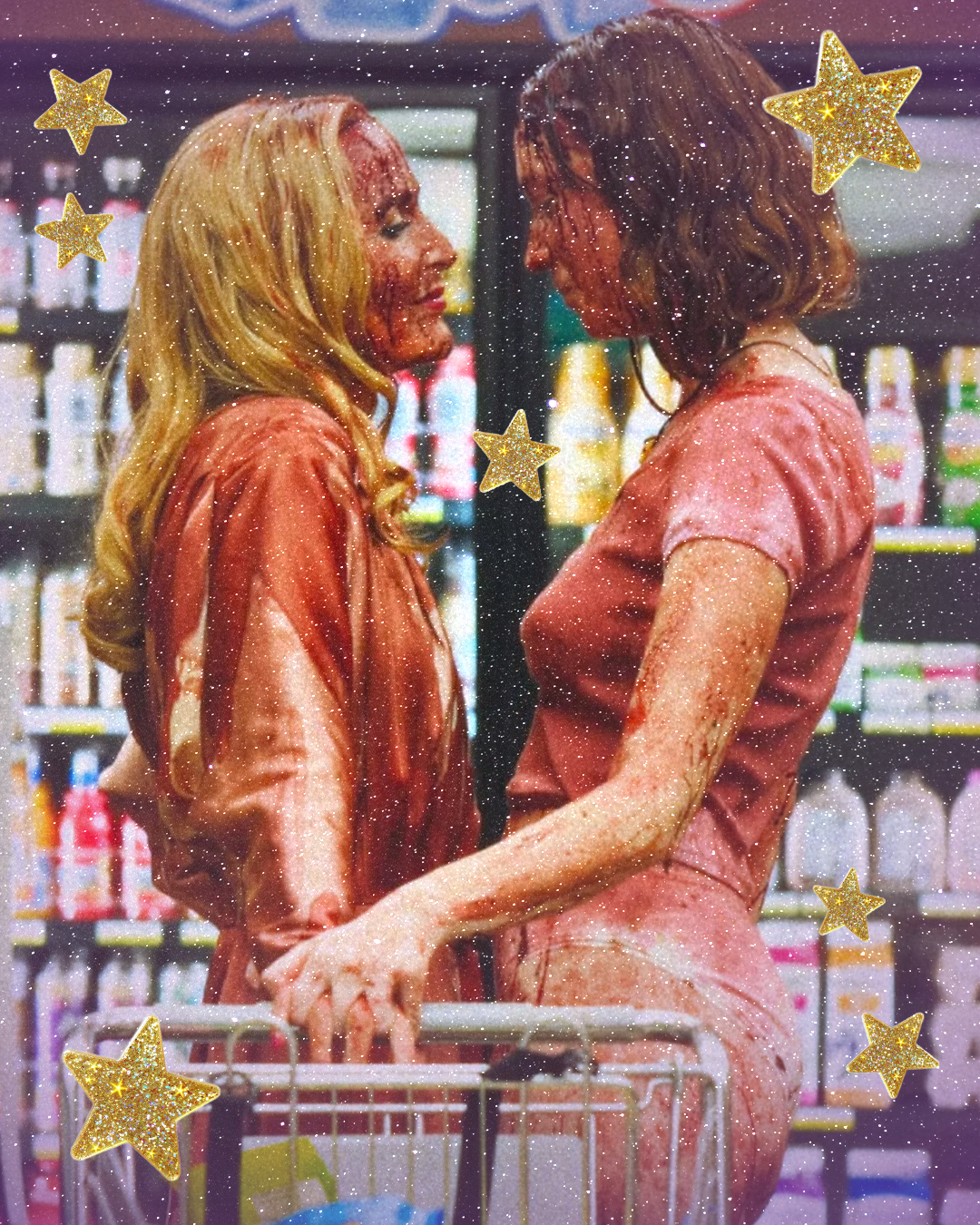


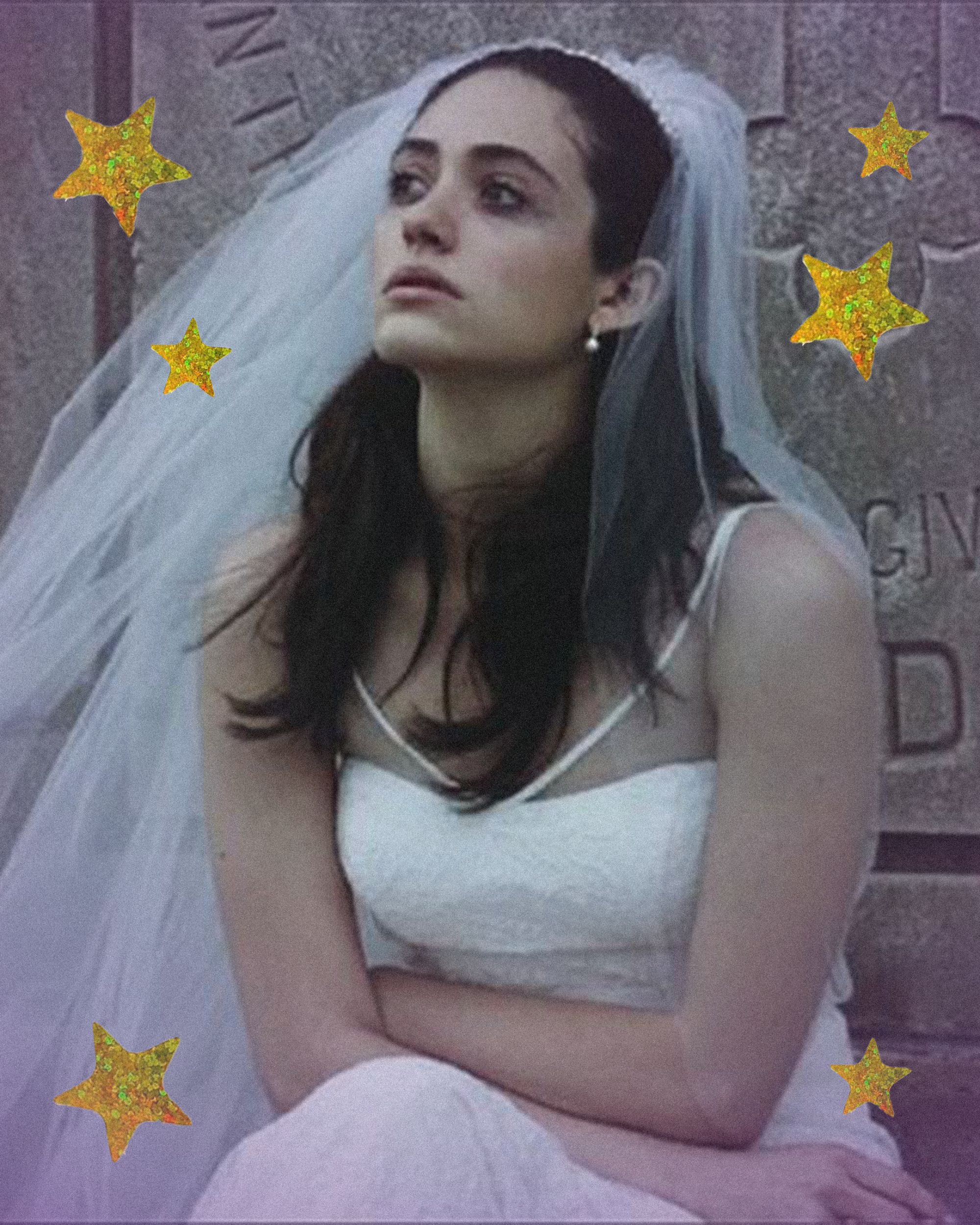


Do we still dream of Andy’s job in "The Devil Wears Prada"? The myth of fashion journalism is changing
With the release date of the sequel to The Devil Wears Prada set for April 29, 2026, the childhood and teenage versions of ourselves still rooted in the early 2000s are about to relive a nostalgic moment, one that deeply shaped who we eventually became: hardcore fashion girls obsessed with the idea of working for a major fashion magazine, dreaming of hearing Jimmy Choo heels clicking down the long, gleaming corridors of a New York skyscraper on an ordinary Wednesday, with Suddenly I See playing softly in the background.
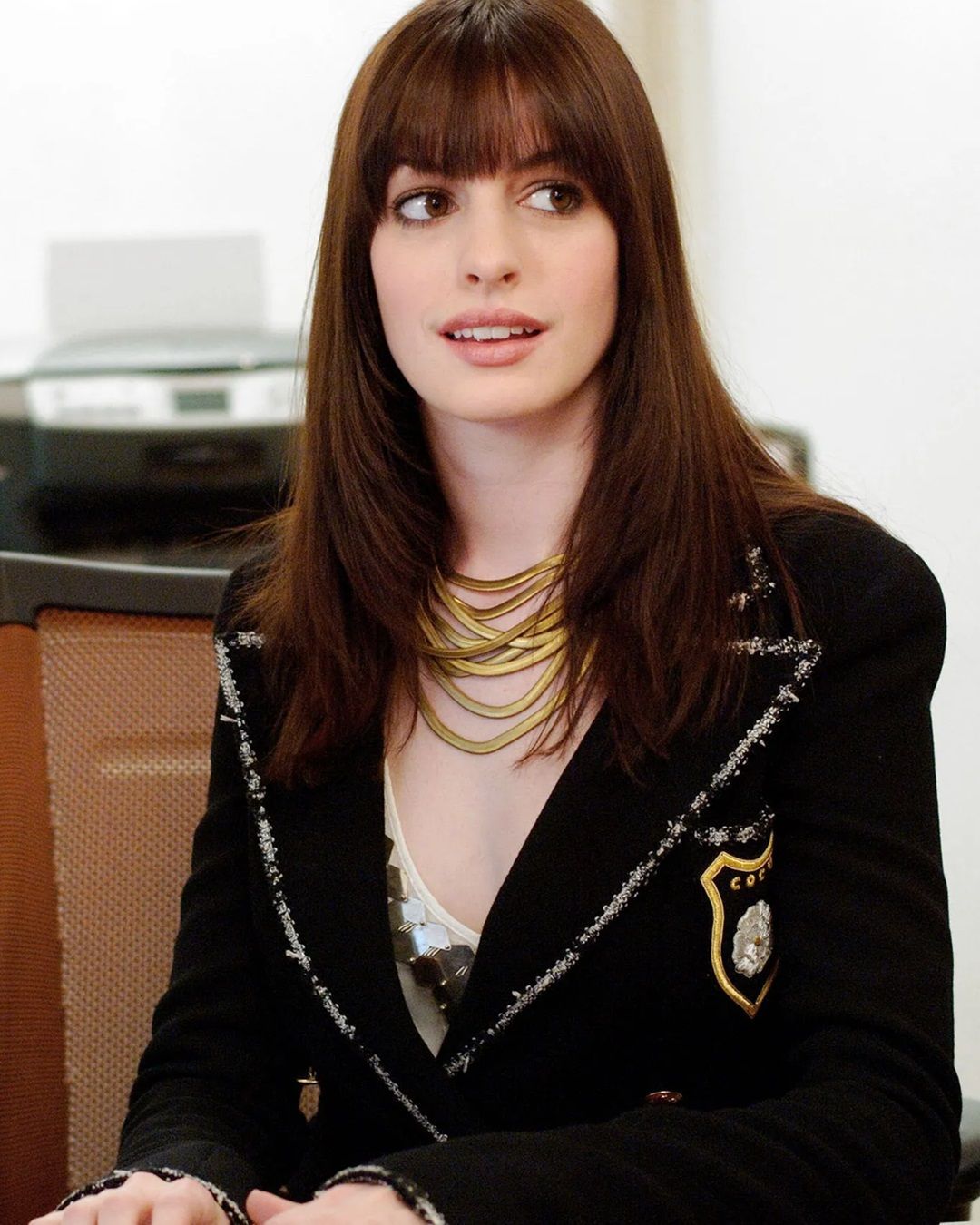
For a generation raised on Sex and the City and 13 Going on 30 airing on Saturday nights, fashion journalism and fashion culture were never just “content”: they were aspirational ideals. Think of the scene where Andy, completely overwhelmed, faces Miranda’s endless chain of absurd demands, wildly far from our own first internships, yet something we fantasized about for years. Andy Sachs, a recent graduate trying to break into journalism, steps into the temple of fashion as assistant to the fearsome Miranda Priestly: glossy offices, endless coffees, impossible standards, and a personal transformation made of style, sacrifice… but above all, dream handbags. At least in our minds.
When Hollywood meets the real office: how much of The Devil Wears Prada is actually true?
In 2025, reality did something rare: it outdid the screenplay. Condé Nast, the publishing house behind Vogue, posted a job listing last year for an Executive Assistant to Anna Wintour, with a salary reaching up to $125,000 per year. A title that sounds dramatically familiar to anyone who’s seen the film. The listing is crystal clear: calendar management, coordination of international travel and events, constant communication with industry leaders, daily support to one of the most powerful figures in global fashion. It’s not just about organization, but anticipation; not just execution, but controlling chaos with near-maniacal precision.
Wintour hasn’t just been the editor with the iconic bob haircut and dark sunglasses turned into pop-culture memes. She’s a social icon who, for over thirty years, has shaped what we see on runways, in magazines, on social media, and ultimately in our wardrobes. From Editor in Chief of Vogue to Global Chief Content Officer of Condé Nast, Wintour has redefined fashion publishing itself: fewer isolated trends, more global narratives. Working alongside her doesn’t mean “being close to fashion”, it means standing exactly where fashion decisions are made. The question is: would we really be ready to live that movie without being able to leave the theater when it gets too real?
Work culture or hustle culture? Gen Z’s dilemma in front of the fashion dream
Andy’s story was romanticized, packed with exaggerated gags, unforgettable characters, and outfits no one could realistically wear every day. Still, there are points where myth and reality overlap: the passion for fashion is absolutely real, and pop culture taught many of us what it means not just to follow fashion, but to live inside it. The curiosity about what happens behind the scenes truly exists. The role of executive assistant isn’t a Hollywood cliché, it’s one of the most dynamic (and in-demand) positions in today’s fashion system. Of course, we shouldn’t expect only red carpets and Louboutins. Working for a fashion magazine requires ruthless organization, stress resistance, and the ability to anticipate every possible scenario, often before the word “urgent” even appears in an email subject line.
And this is where the dream starts to crack or perhaps become more realistic. Because while the role of Anna Wintour’s Executive Assistant feels straight out of a cult movie, today it’s read through a completely different lens: that of Gen Z, raised on TikTok stories about burnout, quiet quitting, personal boundaries, and the constant question, “but is it really worth it?”. In the 2000s, the narrative was clear: work hard, suffer a little, and the reward will come. Andy Sachs ran through New York with her phone glued to her ear, sacrificed her private life and identity, and that was called ambition. Today, the same behavior is often labeled toxic hustle culture.
@gracemaria.x Something I had to remind myself of today #toxicworkplace #toxicjob #9to5life #corporatelife #corporategirl original sound - hohezheng
The fashion dream isn’t dead, it’s evolved
Gen Z doesn’t reject work, but it rejects the idea that work should consume you to legitimize you. And so that job posting becomes a cultural mirror. On one hand, it represents access to a network, a privileged view of the industry, a career path few can even imagine. On the other, it raises uncomfortable questions: how much availability is required? How much space is left for yourself? Is it really a springboard or an emotional endurance test? The point is no longer how much you’re willing to sacrifice, but why and at what cost.
@break.archive PFW interns are built different… #parisfashionweek original sound - eddie
This is where the difference between work culture and hustle culture lies. The former speaks of sustainable growth, learning, and a professional identity that evolves alongside the person. The latter romanticizes burnout, turns urgency into a status symbol, and treats “never logging off” as an invisible medal. And maybe Andy, today, wouldn’t accept everything in silence. Maybe she’d ask for flexibility, recognition, clear boundaries. Maybe she’d use that experience as a strategic step, not as proof of personal worth. It’s no longer just about “getting into the system,” but about figuring out how to stay in it without losing yourself. And when Hollywood truly meets the real office, the question becomes just one: does success mean enduring everything, or choosing what your time is really worth?
How would Andy Sachs work in the 2026 fashion system?
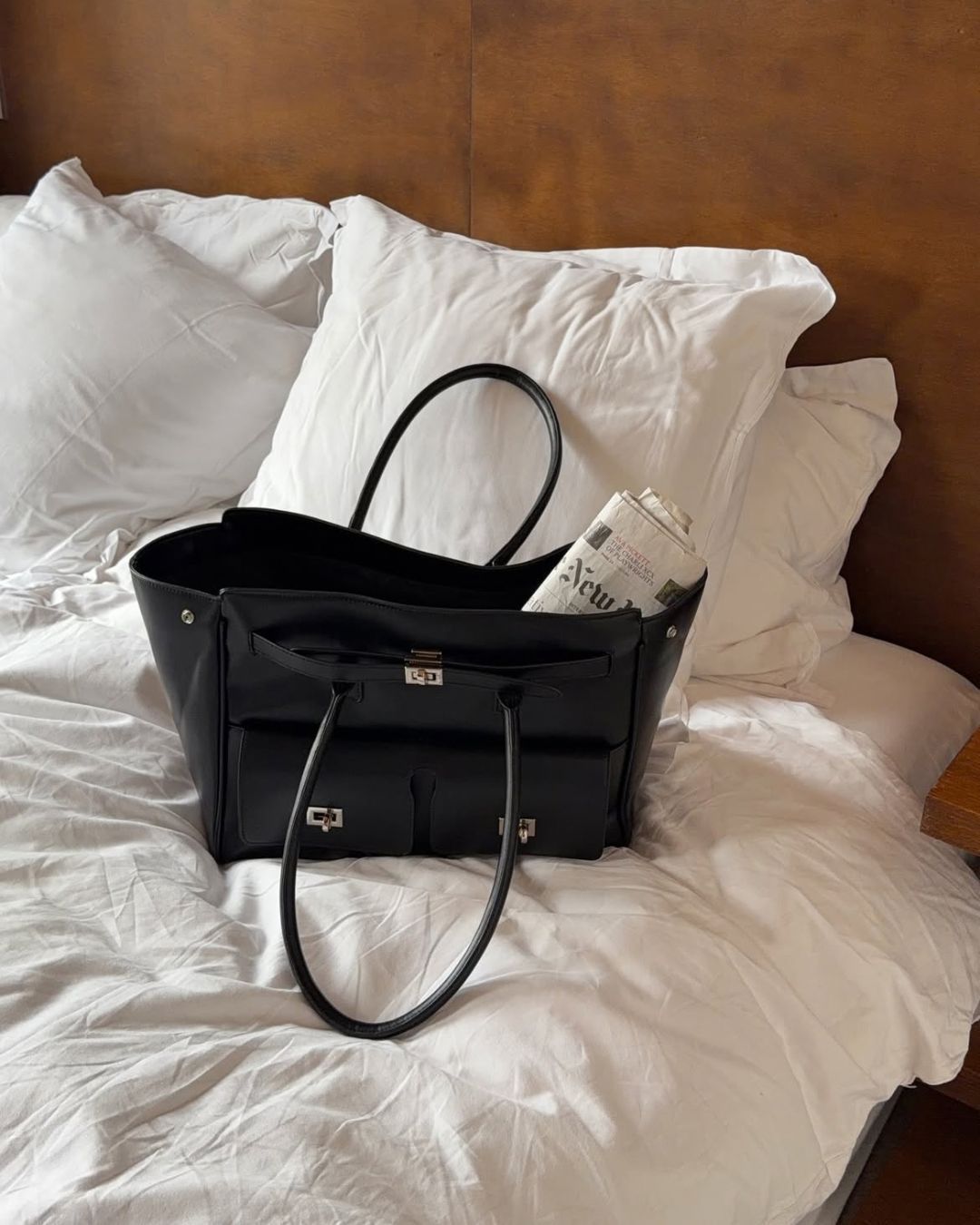
If Andy Sachs walked into the offices of a major fashion magazine today, she probably wouldn’t be wearing Chanel right away. She’d be wearing noise-canceling headphones, an oversized tote bag, and a much sharper awareness of the value of her time. Andy today would be Gen Z, or at least fluent in Gen Z. She would have studied communication, journalism, or fashion media, with an already hybrid career behind her: internships, freelance gigs, digital content, a TikTok account. Would she accept an assistant role? Probably yes, but as a strategic move, not an identity sacrifice.
@simonacruzer Halloween costume contest of my dreams @Tyler McGillivary sonido original - Alberth Aguirre
In the realistic fashion world of 2025, Andy wouldn’t work just “to learn.” She’d work to build key relationships, understand how decision-making processes really function, observe the shift from traditional publishing to digital content, and use that experience as an accelerator, not a cage. She wouldn’t romanticize burnout. If demands became unmanageable, she’d recognize them as such. Gen Z Andy would work intensely, but she’d demand meaning. She’d know that being constantly available isn’t the same as being indispensable and that value isn’t measured in unpaid hours or messages answered at 3 a.m. Maybe Andy wouldn’t go to extreme lengths to deliver the unpublished Harry Potter manuscript before departure. Maybe she’d leave sooner than the Andy of 2006.