Why 2016 nostalgia is back in 2026 The myth of a simpler era protects us from living in the present
The dissing between Taylor Swift and Kanye West, the breakup of One Direction, hipsters, Brooklyn, and Instagram filters everywhere. Welcome back to 2016, a time bubble that seems to have resurfaced. At the beginning of 2026, 2016 no longer represents just nostalgia, but a real emotional and visual shortcut, an immediate symbol of expressive spontaneity that today feels distant.
The aesthetic of 2016 was "unselfconscious"
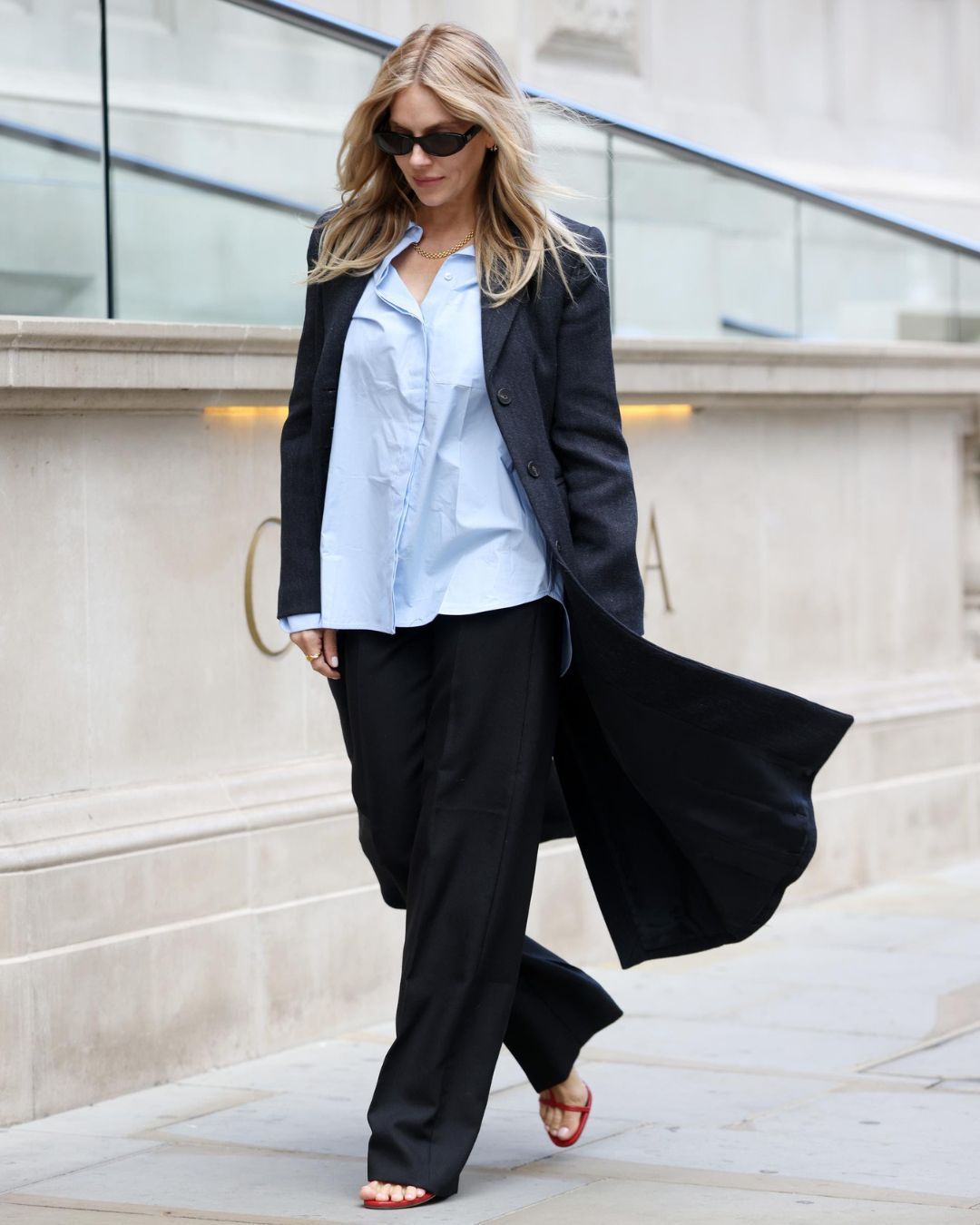
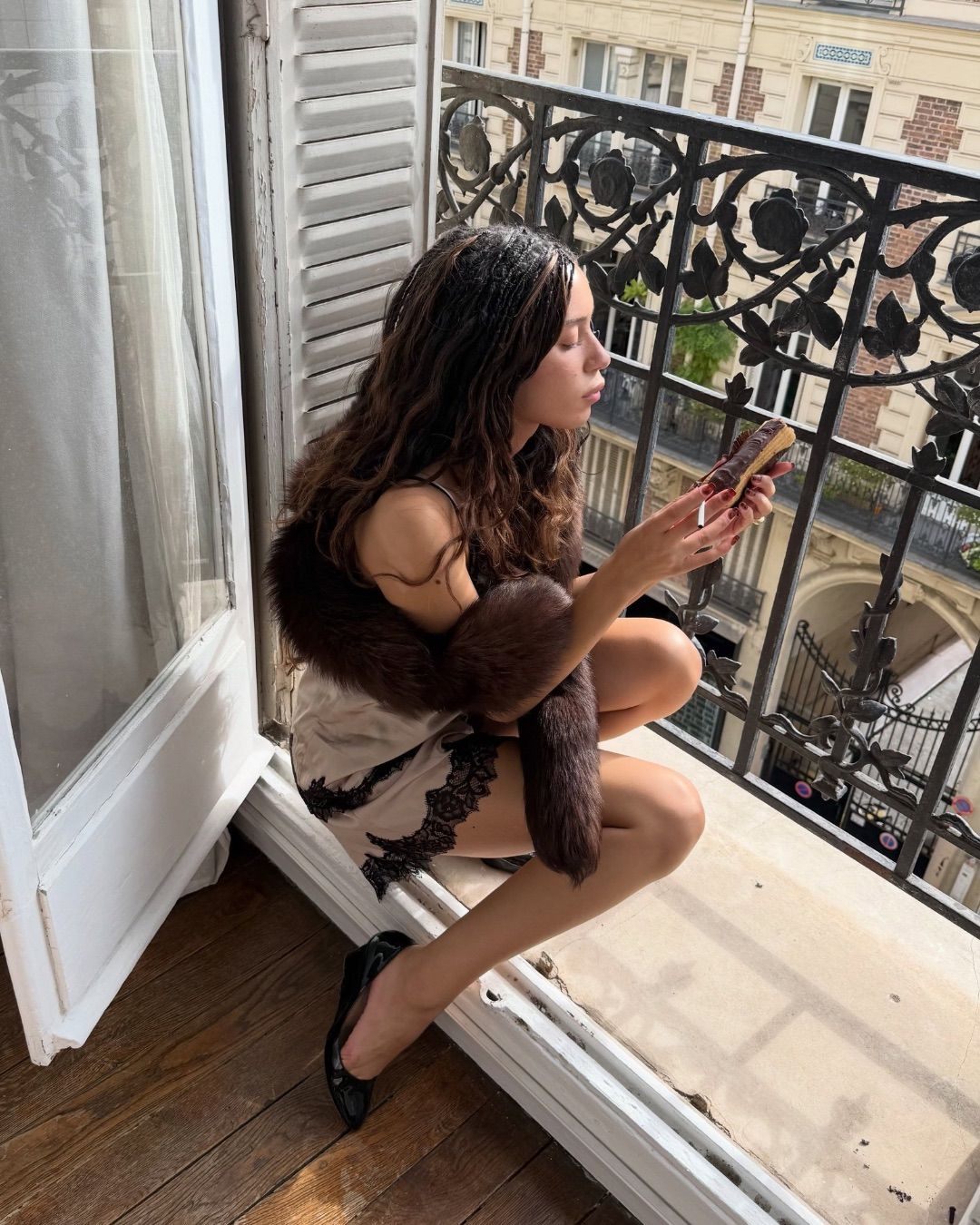
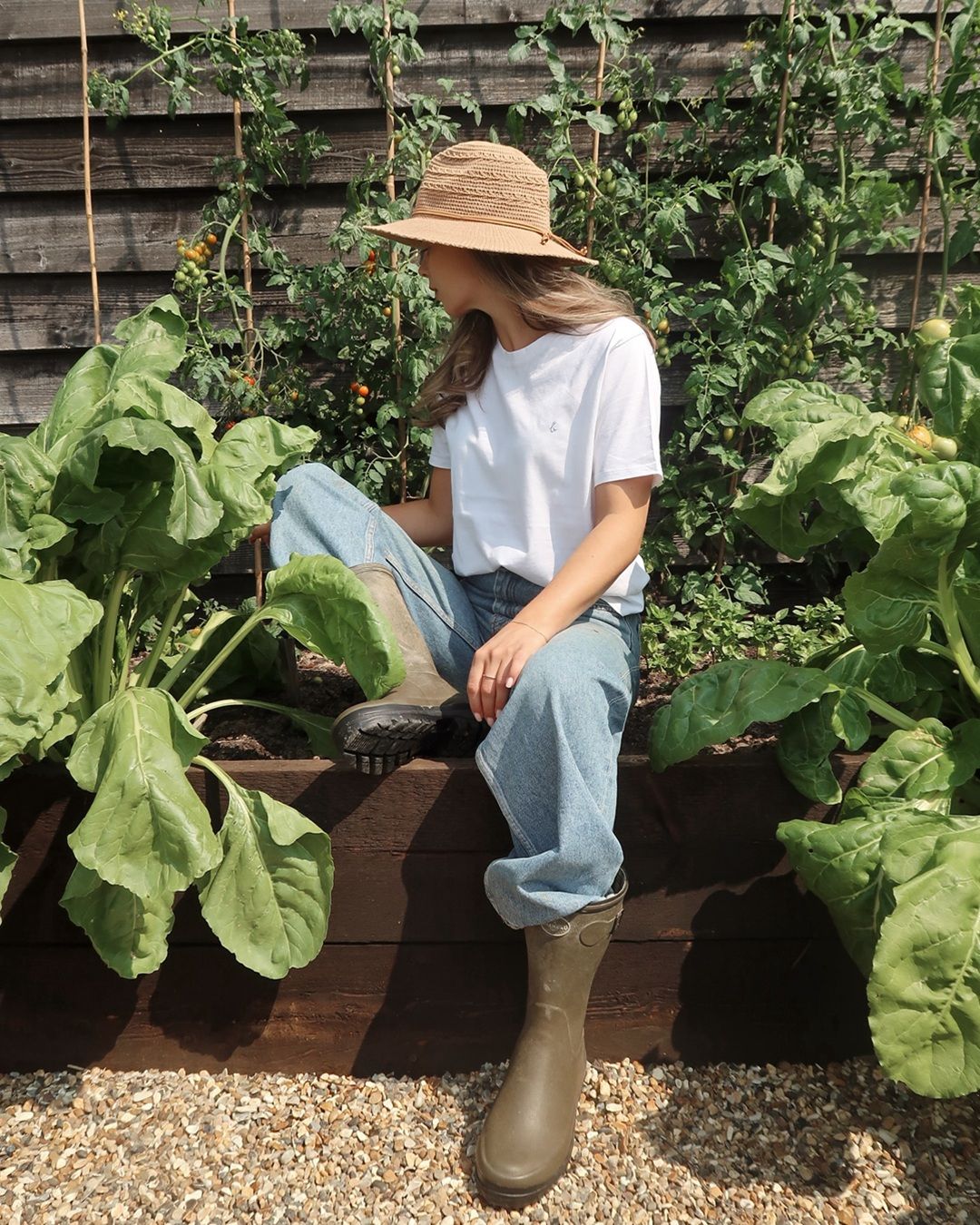
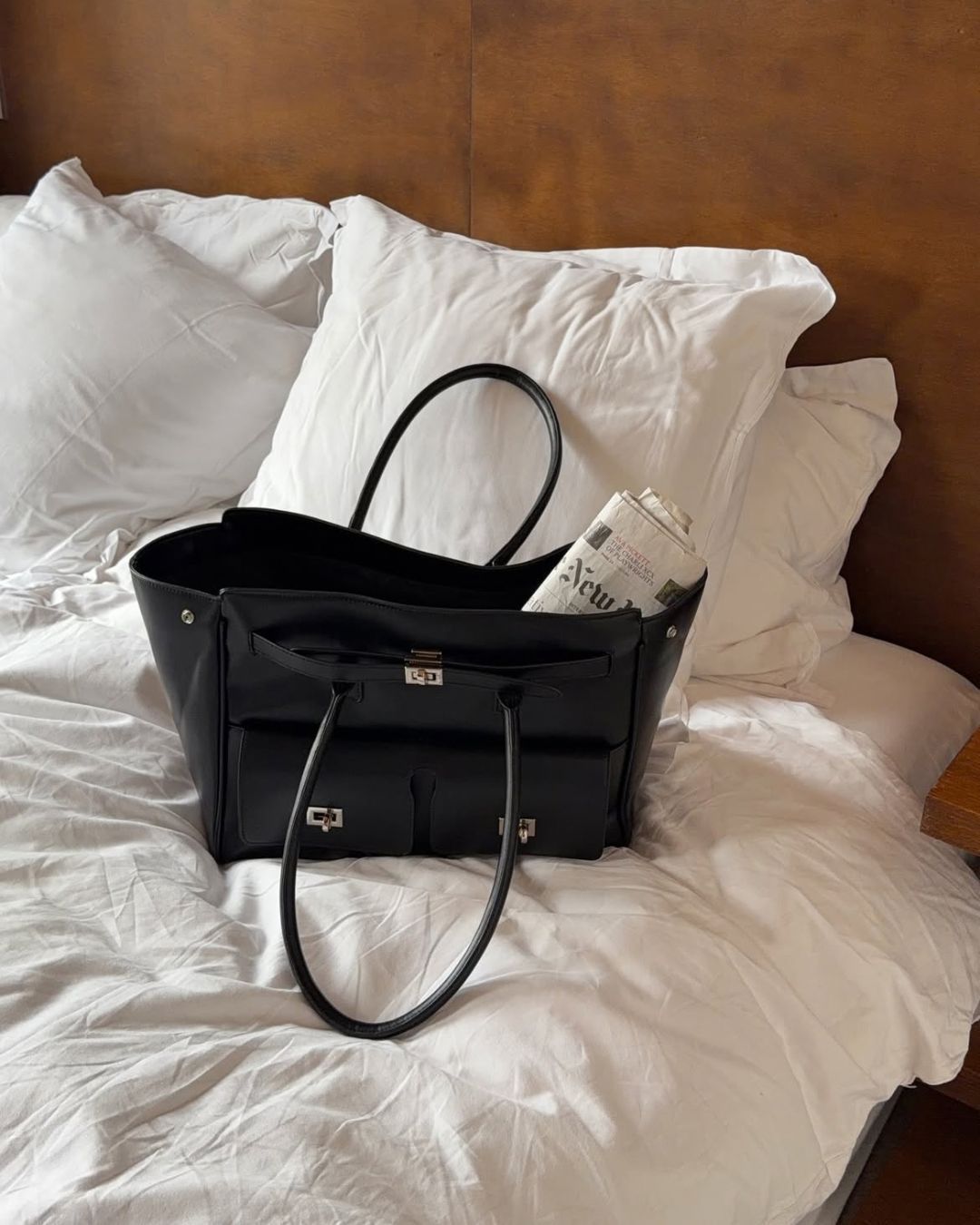
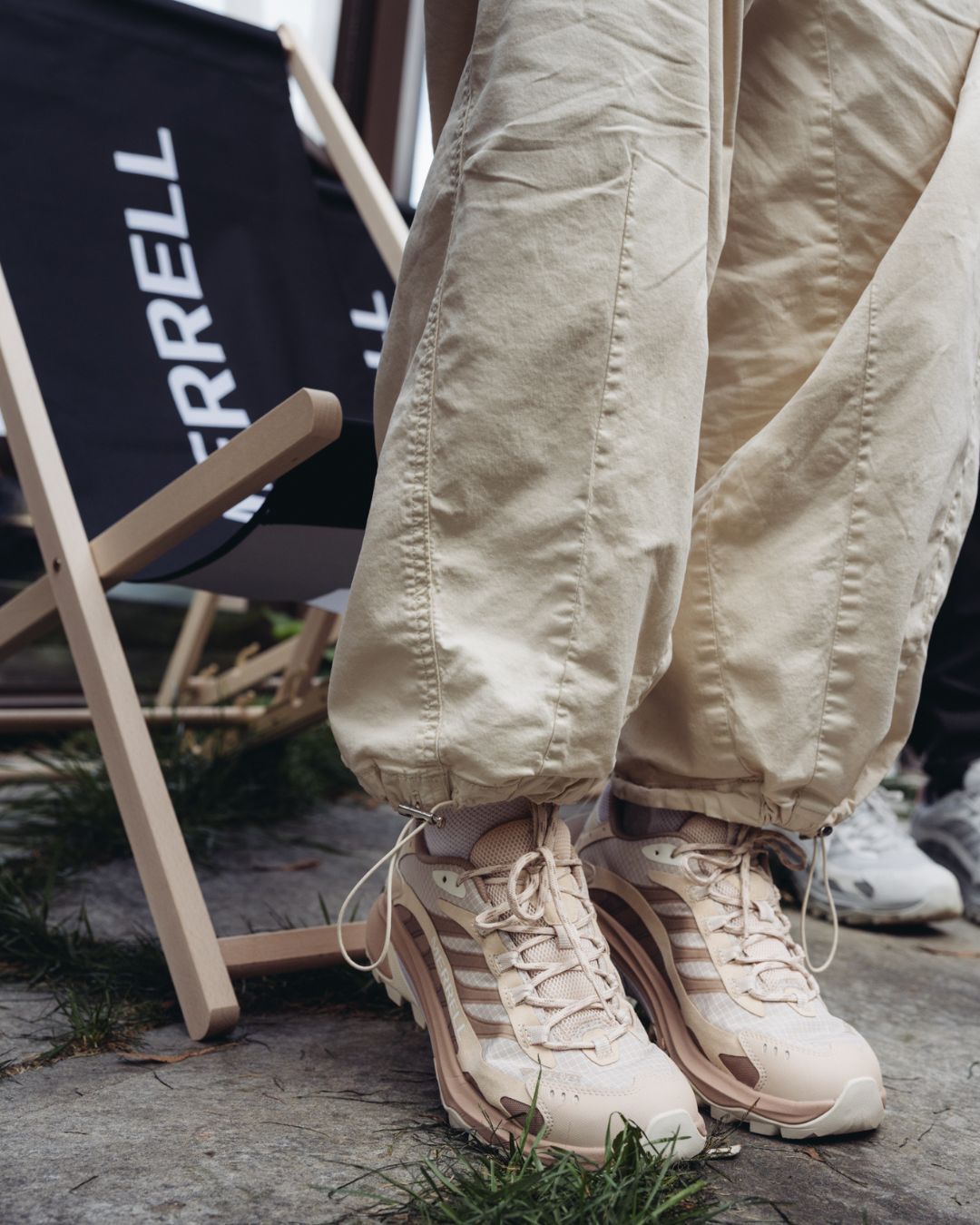
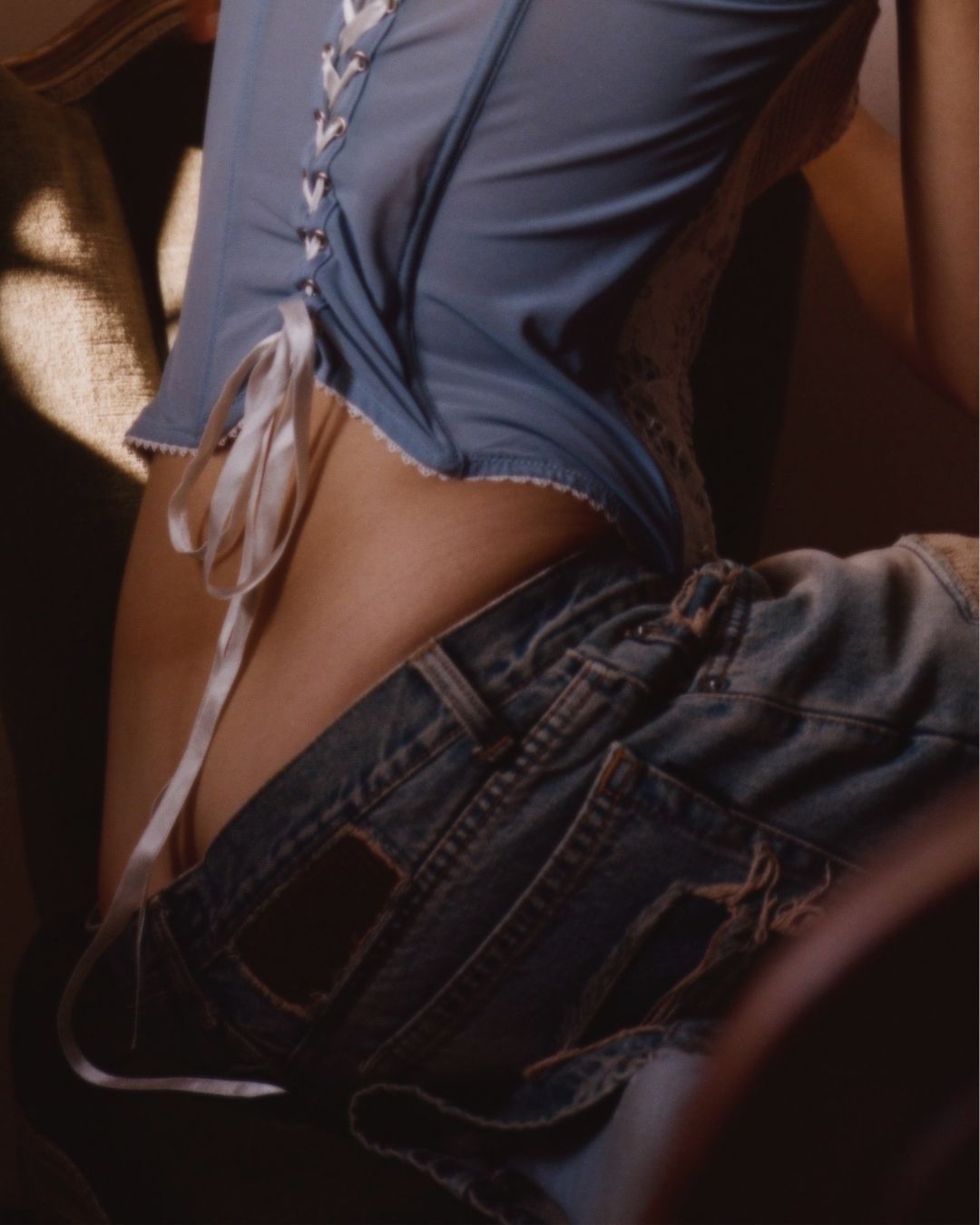
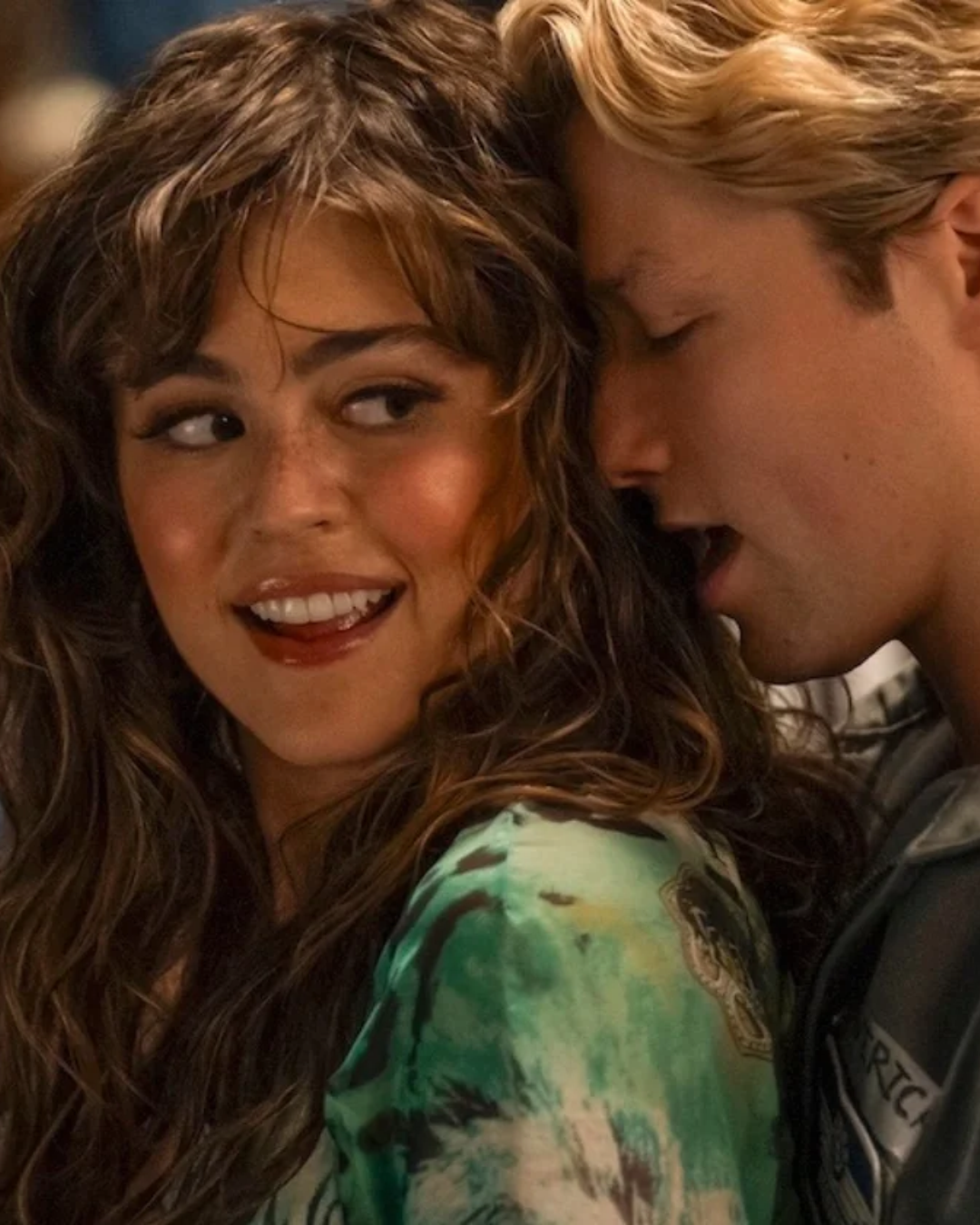
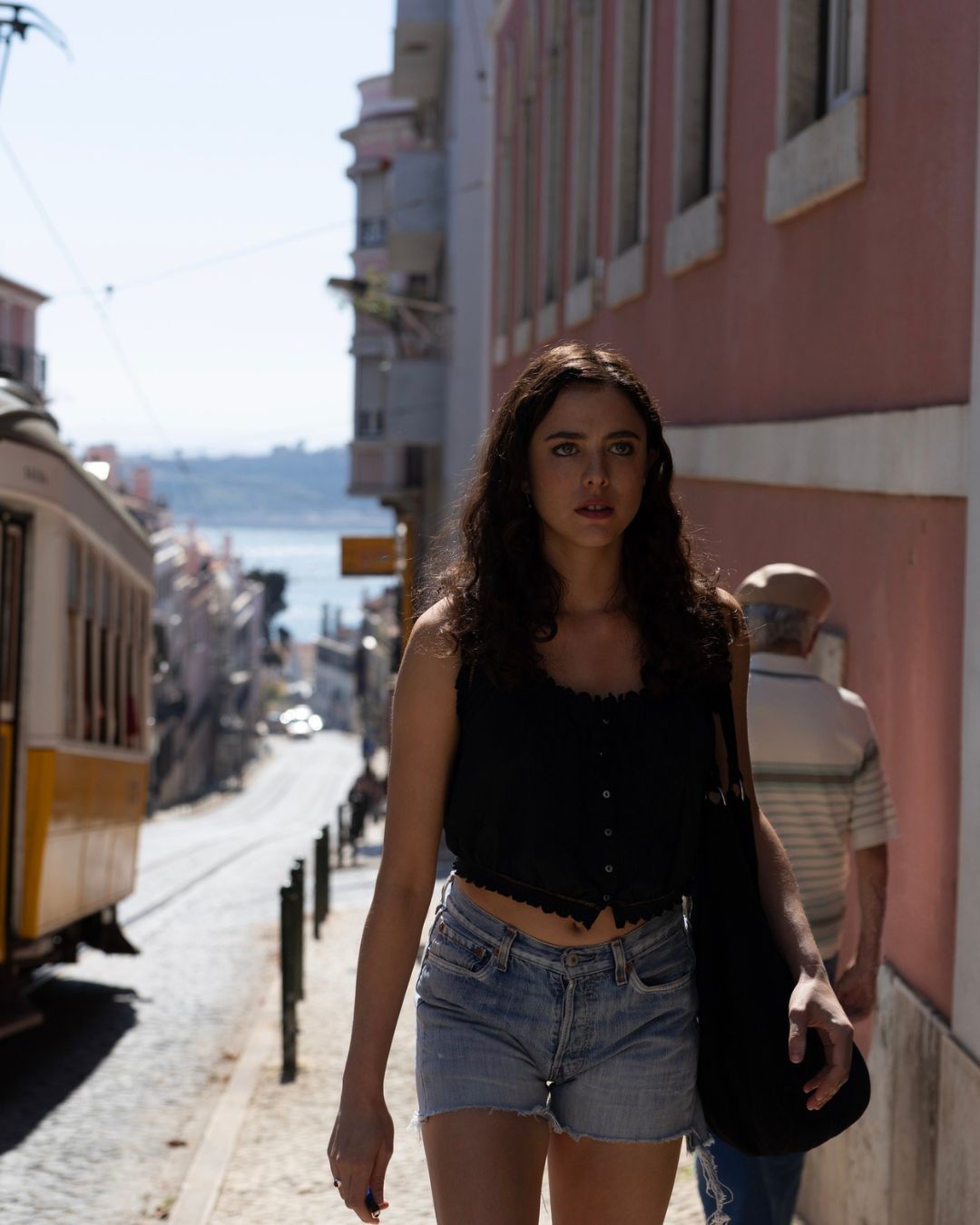
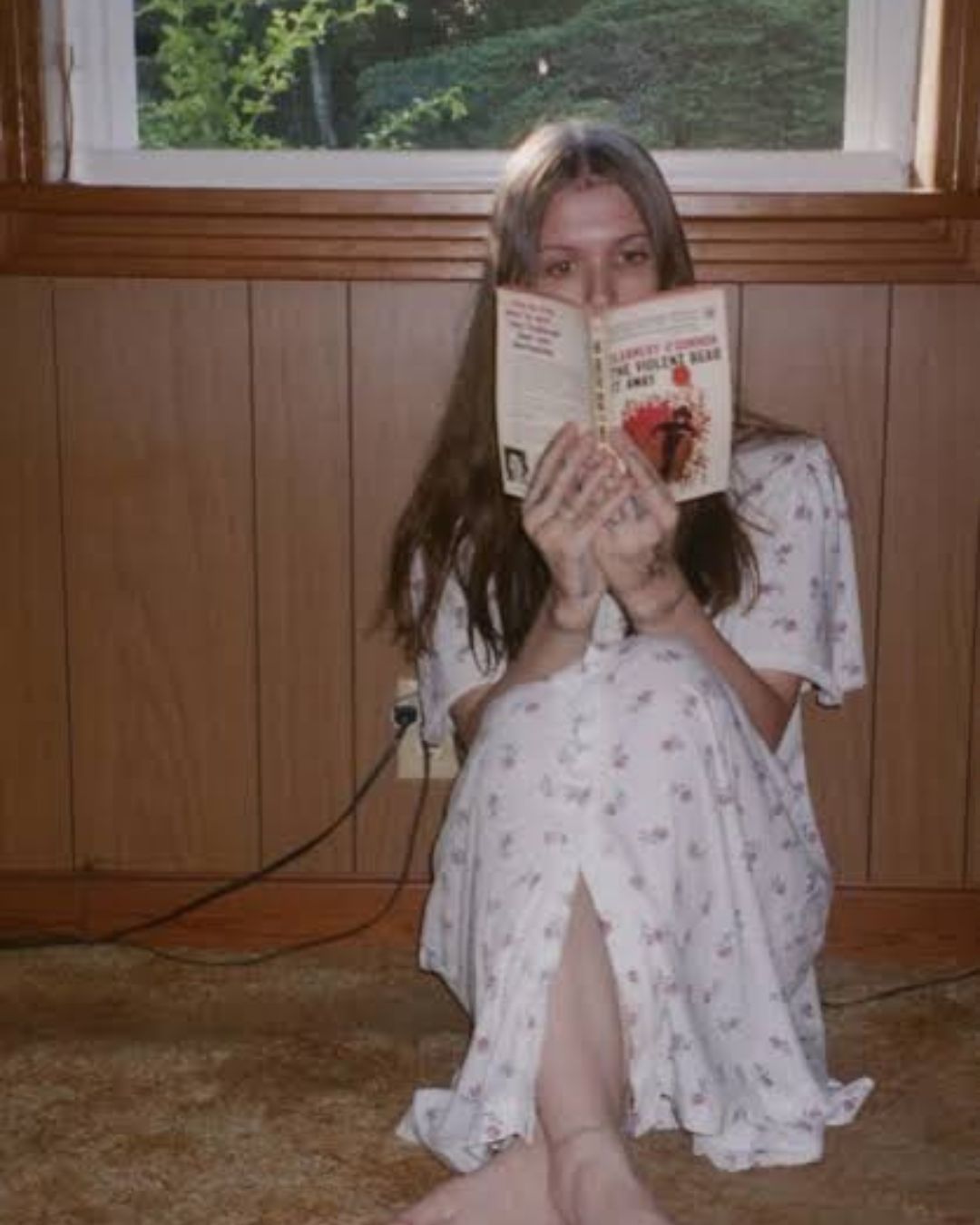
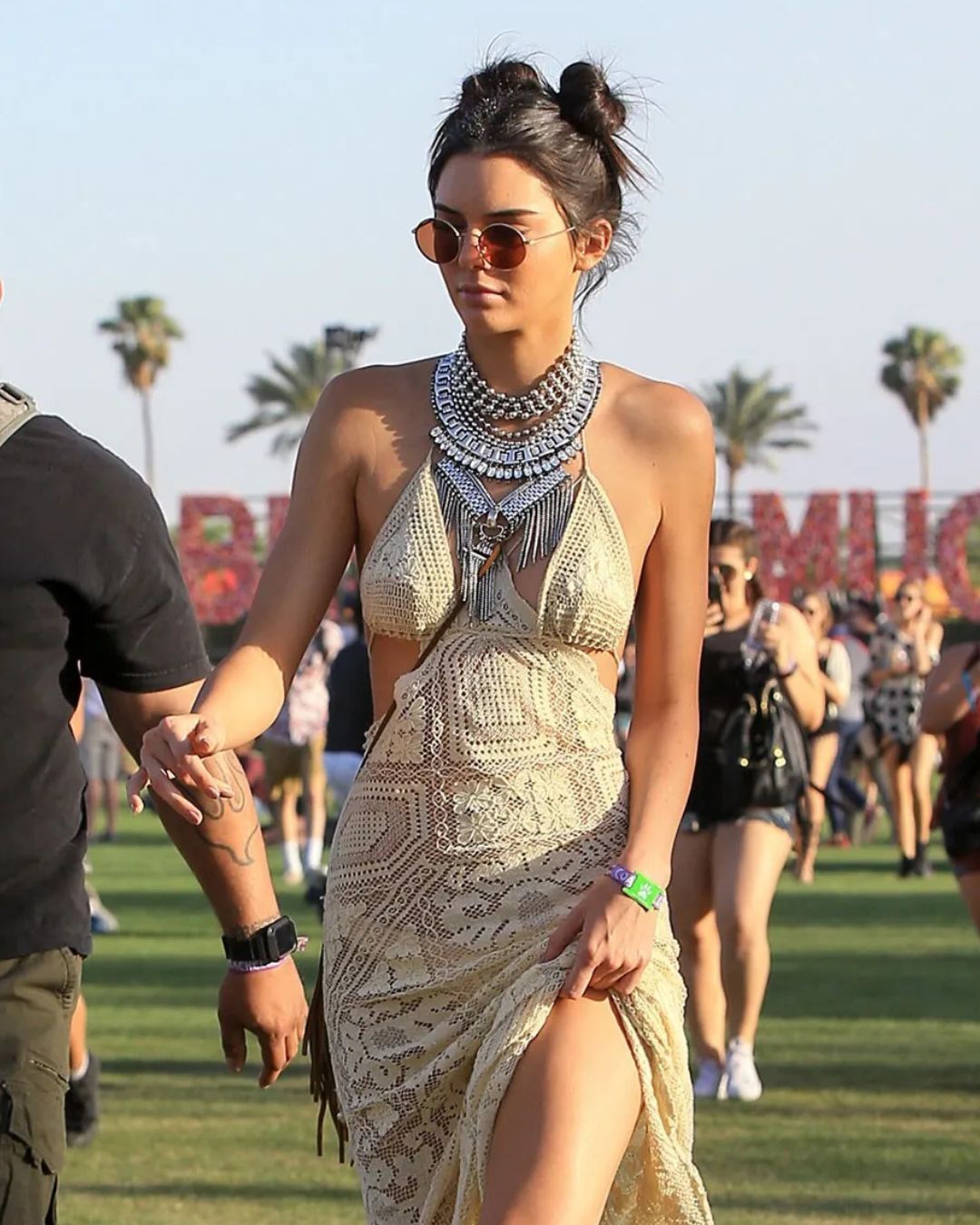
One of the core keys to this phenomenon is aesthetics. 2016 was the last truly unselfconscious one. It wasn’t born to be aesthetic—if anything, it was kind of ugly. Looks weren’t meant to express a precise identity, they were just supposed to be fun. Mid-rise denim, oversized hoodies, crop tops, iconic sneakers, mini backpacks, mirrored sunglasses: everything coexisted without a rigid logic. It was a messy aesthetic, pop, often kitsch, and precisely for that reason authentic. In 2026, on the other hand, imagery is always intentional. Every outfit, every video, every frame, every post follows a code, and it’s also technology’s fault.
In 2016, Instagram Stories didn’t exist yet, the influencer phenomenon was only just beginning and still very niche. External pressure was minimal, and people mostly shared vacation photos from the beach, very sporadically. In short, the internet wasn’t a professional showcase and social media wasn’t all-consuming. People posted without a strategy. Today everything is optimized, and this difference weighs heavily on how we remember that era. 2016 is perceived as the last human Internet, where everything was a game, about not performing.
Why 2016 still works visually
Fashion is one of the main vehicles behind this comeback. Clothes from ten years ago still work because they’re legible, recognizable, immediate. They don’t require context. Colors were bold and graphics were explicit and ironic. Today, many collections draw directly from that era, and people feel the need to go back to dressing without too many restrictions. In 2016, getting dressed didn’t mean adhering to a specific aesthetic, but playing. And that’s what’s missed today: the possibility of making mistakes without being judged.
Generational nostalgia and aspirational nostalgia
For Millennials, 2016 marks a key transition: the end of adolescence or the beginning of adulthood. It’s the year of first real freedoms, first independent choices, first mistakes that didn’t yet feel definitive, and even getting a driver’s license. Emotional memory amplifies everything. We don’t remember 2016 for what it objectively was, but for how it made us feel, and that feeling is exactly what’s being searched for today. Gen Z didn’t experience 2016 in the same way, yet they miss it too. That’s because nostalgia today is also inherited, maybe from an older sister, or older friends. Through TikTok and Instagram, 2016 is told as a mythical era: simpler. Gen Z absorbs this narrative and turns it into content, trying to describe it as they wish they had lived it. It’s an aspirational nostalgia, not a biographical one.
2016 music: the sound of lightness
Music from 2016 is central because it’s immediate and emotionally direct. Songs from those years didn’t demand full attention; they simply accompanied life. Vorrei ma non posto, Andiamo a comandare, Nessun grado di separazione, Comunque andare, along with all the hits by David Guetta or Bob Sinclair, all seemed to say: switch off your brain and relax, life is good. But the 2016 revival wouldn’t be nearly as powerful without the first season of Stranger Things, La La Land, Pokémon GO: products that weren’t just entertainment, but collective experiences.
Searching for lightheartedness
2016 was a time when we weren’t afraid of looking cringe. Doing things “randomly,” dancing badly, dressing worse, posting less, it was all allowed. That’s also why, in 2026, 2016 is coming back so strongly: because today everything feels heavier and more performative. As long as the present continues to feel so loaded, 2016 will stay there, ready to be reopened.
What to read next
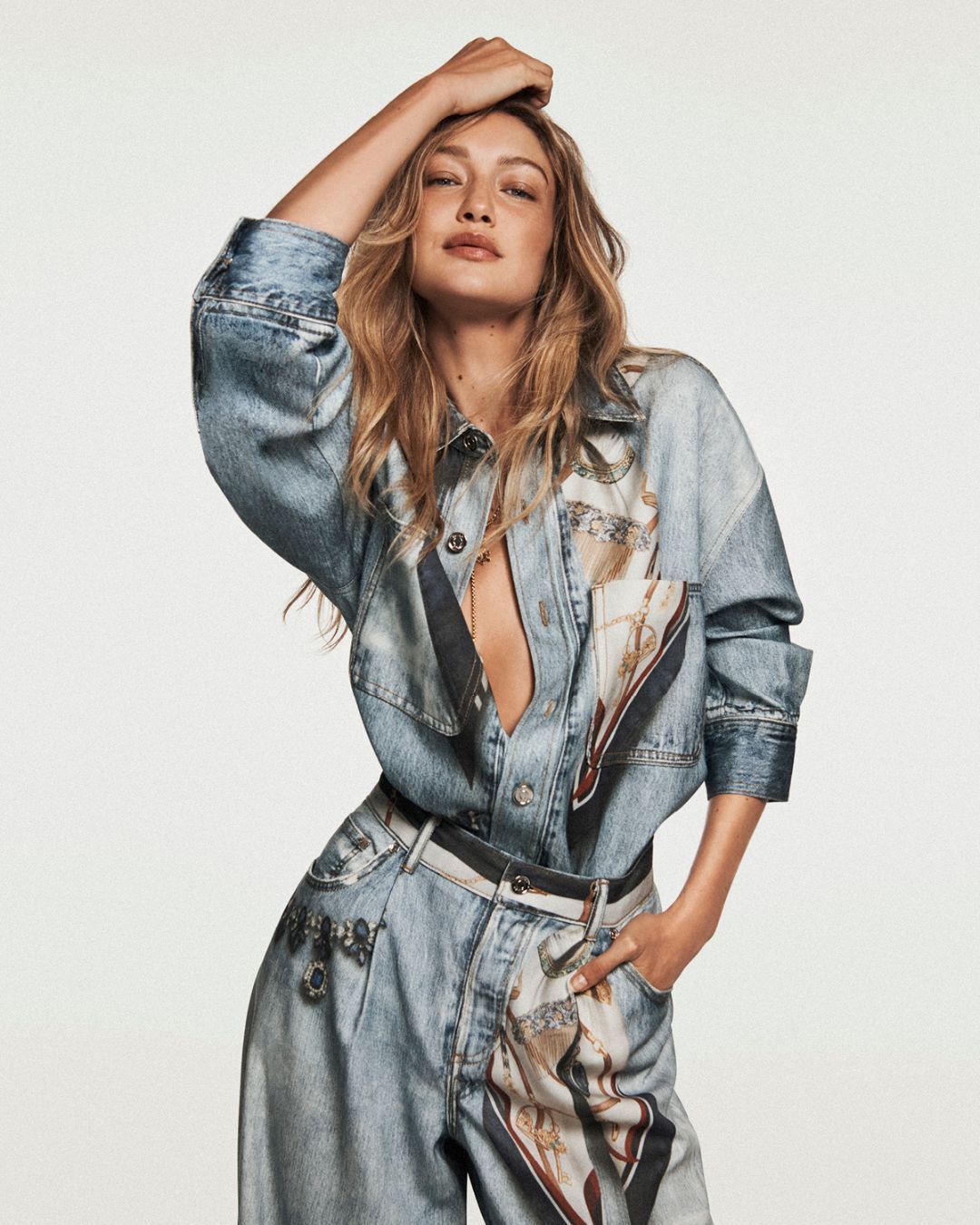
Liu Jo presents “The Gigi Hadid Edit”
The project that transforms selection into an identity gesture
Real baddies have found their favorite activewear brand
It's called SWT, it comes from Australia and it has just launched a new capsule collection