


















What is “Beauty Anxiety Inflation”? Why consumers feel like they need 10x more products yearly
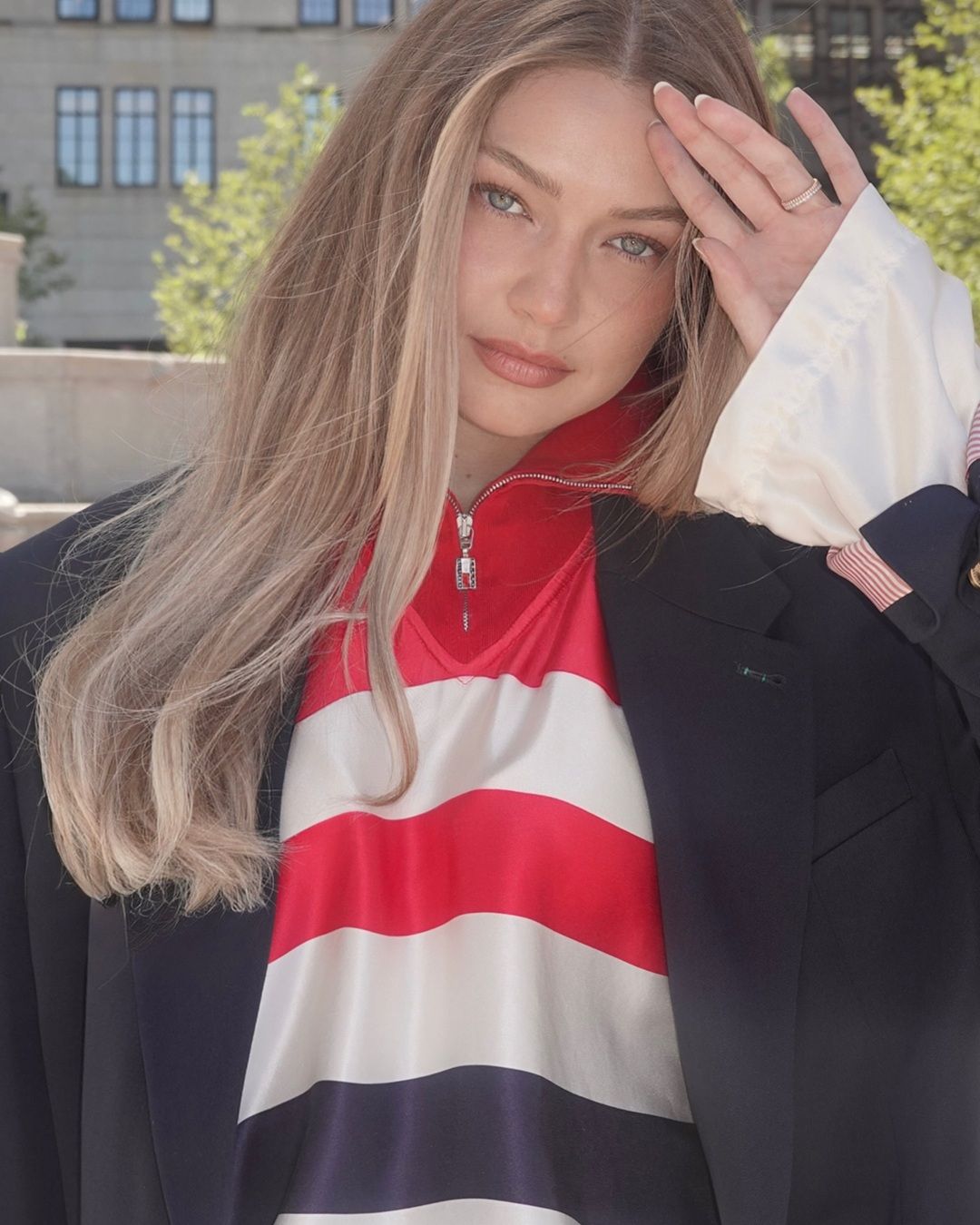
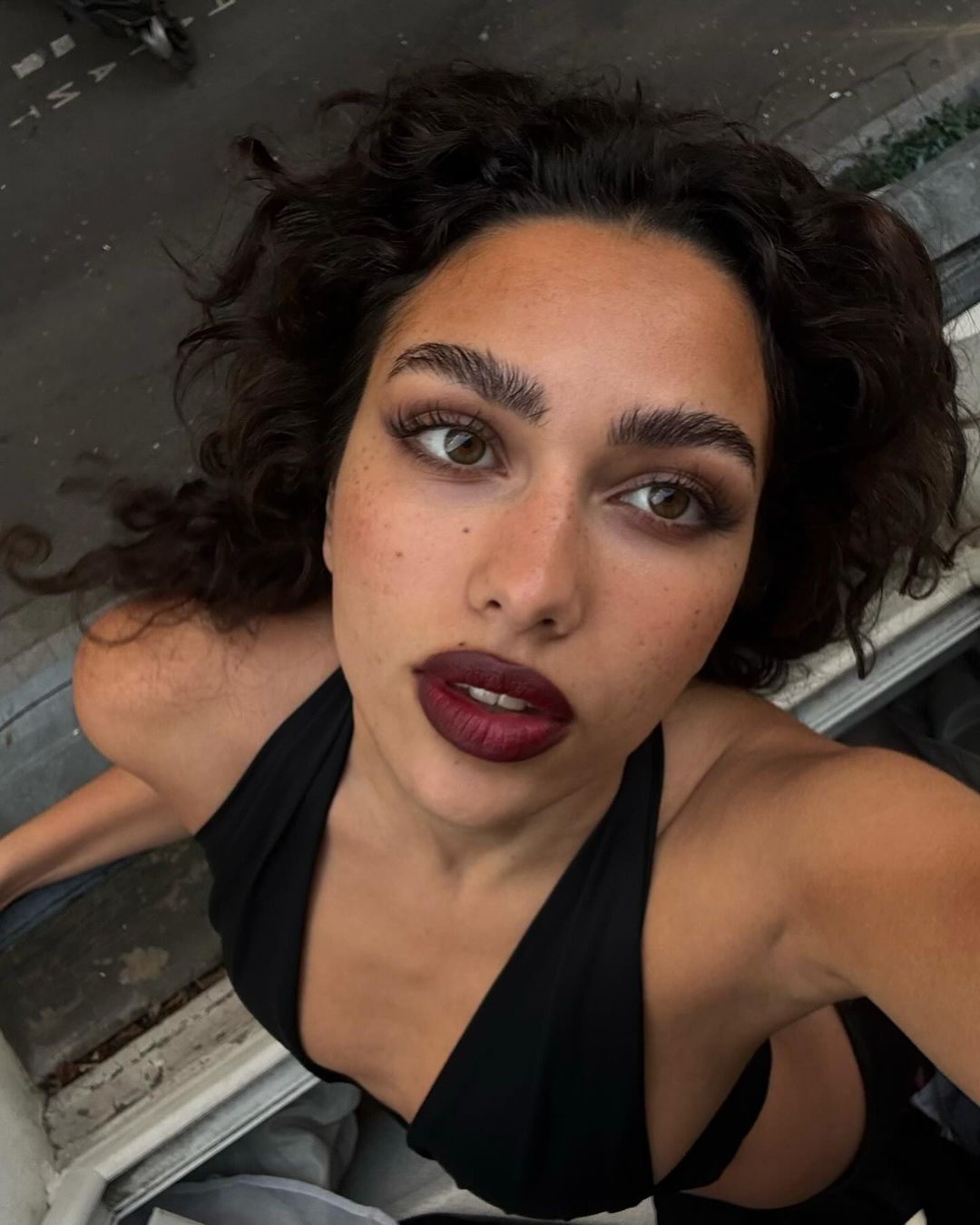
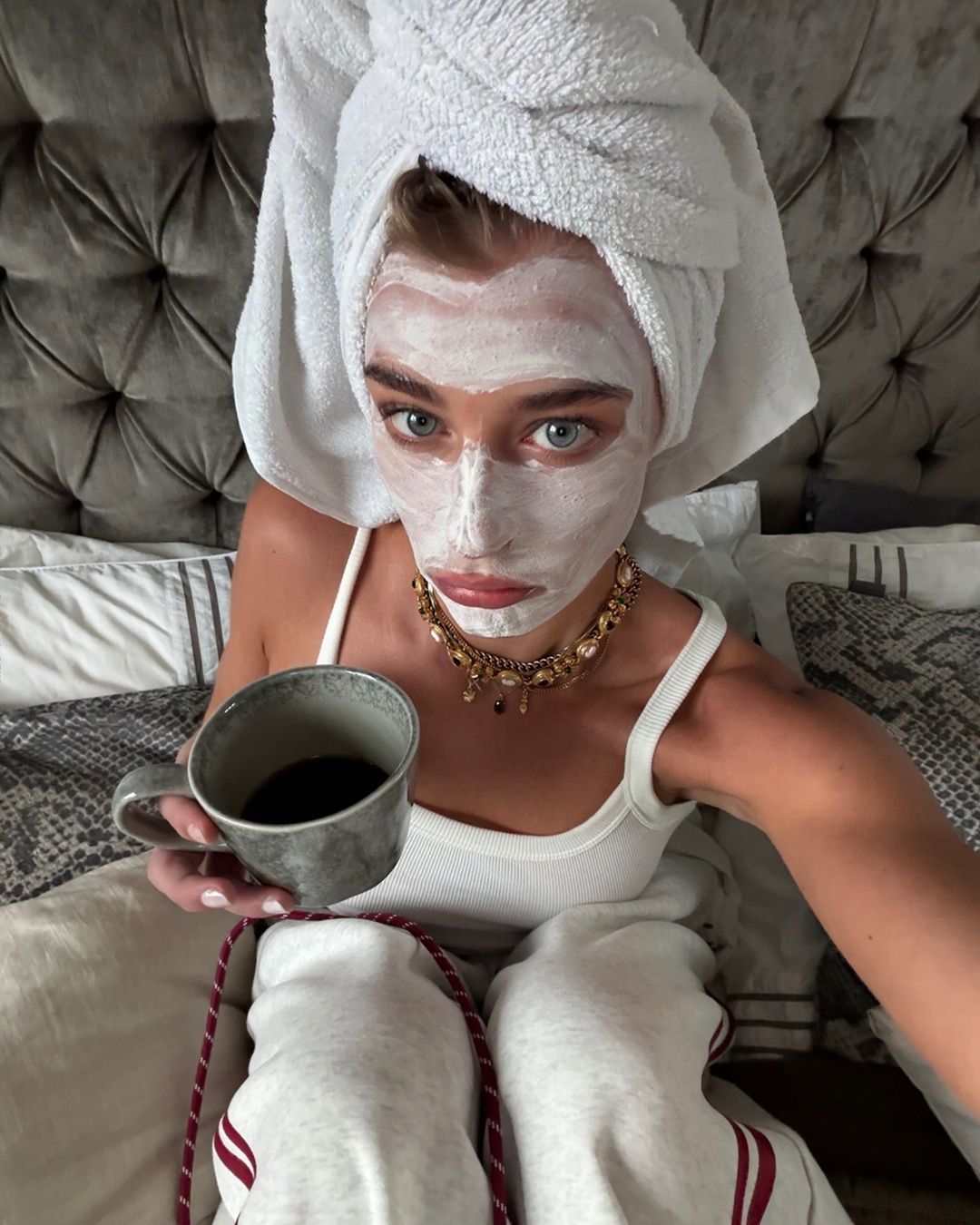
The current state of beauty appears to be experiencing a kind of inflation, not economic but psychological. Open TikTok and you'll see: Skin care routines involve multiple steps. No-makeup makeup actually requires a lot of makeup, and the pursuit of perfect hair has become its own epic saga. As more people, mostly women, are convinced they need an ever expanding arsenal of products to reach an idealized look, beauty shifts from once being a source of empowerment to a source of pure pressure.
The personal experience of those who feel the pressure of skincare
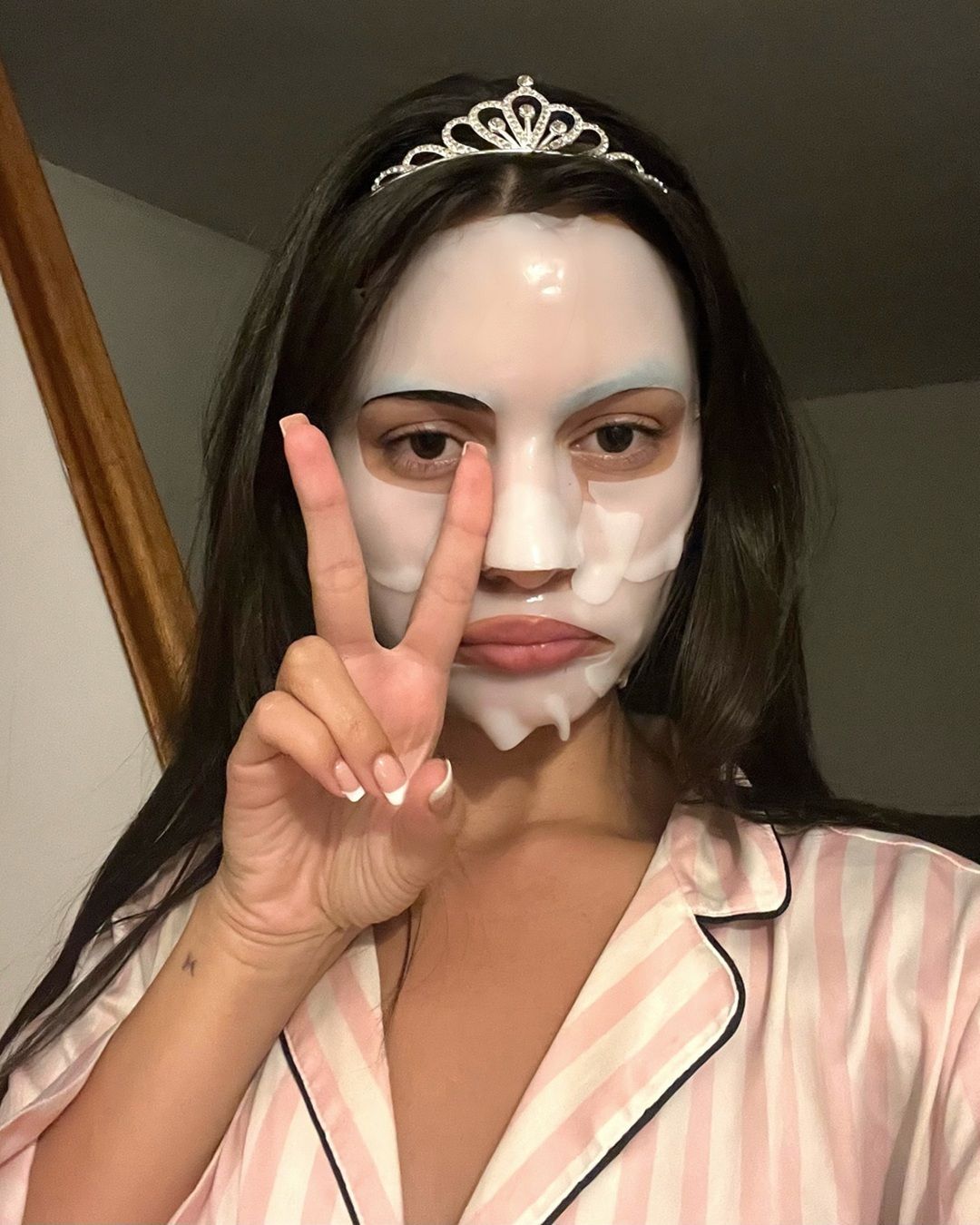
Twenty-two-year-old Jana El Rifai experiences beauty as something both intimate and demanding. While she enjoys taking care of herself and values the small rituals embedded in that routine, she is well aware of the expectations that come with it. “The pressure to have clear skin with no redness or texture is so consuming,” she says. “It’s detrimental to a person’s confidence. You’re scrolling and everyone seems to have this perfect, gorgeous skin, which, let’s be real, is probably filtered. Then they show off their skincare routines, and you start to think, if it works for them, it might work for me.” She admits she has fallen into that trap countless times, particularly over the past two years.
Too many products, few real results
Looking back over the past few years, her beauty counter was crowded with far too many products. “Walking into my bathroom felt like walking into a wellness store,” she confesses. The counter was lined with every serum imaginable, alongside an excess of other skincare social media sells as essentials. “I remember a friend came over and said something like, ‘Your bathroom is a mini Sephora,’” she laughs. But in her own reflection, it was really. She didn’t just own an arsenal of sunscreens and serums, ranging from niacinamide to the infamous snail mucin, but also a rotating cast of trendy Korean skincare products that crowded the space and left her staring at the counter, wondering: What should I use this time? ‘‘Some of those products were good, but they weren’t really fixing the problems I wanted to address, mainly hyperpigmentation.’’ El Rifai explains, not yet knowing she had rosacea, trying everything in hopes of erasing the redness.
The turning point: diagnosis, simplification, and a return to self-care
Though she remained intrigued by beauty products, El Rifai’s reality shifted once she received a diagnosis. “Finding a really good dermatologist, someone who truly understood my concerns, took time, but I’m glad I found her,” she confesses. “Skincare had become so overwhelming, and cutting down on the number of products has genuinely helped. It’s become self-care again, something meditative that I actually enjoy.” While El Rifai has rediscovered the pleasure of self-care that comes with a skincare routine, this is far from the reality for many others.
Aging under the gaze of aesthetic standards
Approaching forty, Lindsay Kastuk has begun to notice subtle changes in her face, changes that have only intensified the pressure she feels around skincare and makeup. Working in fashion, an industry built on the constant presence of perfect skin, offers little relief. During the pandemic, as makeup gave way to an all consuming focus on skincare, Kastuk found herself trying far too many products. “I had different creams and different serums for different things,” she says. Along with it came a ‘it will make it better’ mentality, causing her to find herself in an endless maze of chasing an unrealistic expectation of how her skin was supposed to look.
Il costo psicologico della conformità estetica
Indeed, current beauty standards fail to ease the pressure. According to Masoud Saman, a double board certified plastic surgeon based in New York City who is outspoken about the current image culture, social media has conditioned consumers to see their natural faces as inherently flawed. “The reality is that filters and editing tools have created a world where reality no longer aligns with what people see online,” Saman explains. “I have had patients tell me they no longer recognize themselves in the mirror because they have grown accustomed to their filtered selves.” Beyond its clear links to low self esteem and body dysmorphic tendencies, Saman notes that the so called Instagram face promotes a racially composite ideal that leans heavily Eurocentric. “Girls from diverse backgrounds may begin to feel that their ethnic features are less desirable, which can create an identity conflict and, in some cases, lead to a form of cultural erasure,” he says. “It adds another layer of pressure, making them feel as though they do not belong unless they conform.” But the idea of conforming and reaching perfection is a lost battle. At least for Kastuk. “Complicating my routine did improve my skin at times, but it was a delicate dance, on the cliff of a destroyed skin barrier,” she confessed.
Social media, marketing, and continuous consumption
Alyssa Casciorizzo, co-founder of TimeLyss Med Spa, often sees patients with long skincare routines that cause skin irritation and barrier disruption. ‘‘It's easy to find yourself rotating through double [routines] and it's not because skin biology changed throughout these last five years, but because expectations did,’’ she states. But it's not just expectations, really. As the professional puts it, social media has completely transformed the way we consume things by constantly promoting new 'must-haves', reformulations, and better versions of things one may already own.
FOMO and products that are wrong for your skin type
For Nicole Hayre, dermatologist and founder of Cutocin, the FOMO is real. Constant exposure to social media has made us crave products, not just beauty-wise, and consequently buy them for fear of missing out. With audiences increasingly being carried away by internet trends, Hayre has noticed a growing number of patients using improper skincare products for their skin type. It may be an internet craze to look like a ‘‘glazed donut’’ as Hailey Bieber says it, yet it might not be for you. Hayre describes a scene she sees time and again: Younger patients who are using creams designed for older, dryer skin. ''They fall for the ads promising youthful glowing skin, but do not realize they are not the target for that ad,’’ she says. As a result, their over-moisturised skin often leads to acne and oiliness, causing further frustration at not having the ''perfect skin.''
The dermatological truth: every skin is different
‘‘Everyone is different, and someone's skin at age sixteen is different than at age thirty or fifty.’’ Hayre concludes. The answer, then, is a routine that feels less performative and more genuine. But above all, simple. Believe me, I'm not one to say less is more, but perhaps, when it comes to skin, that might just sound right.
What to read next
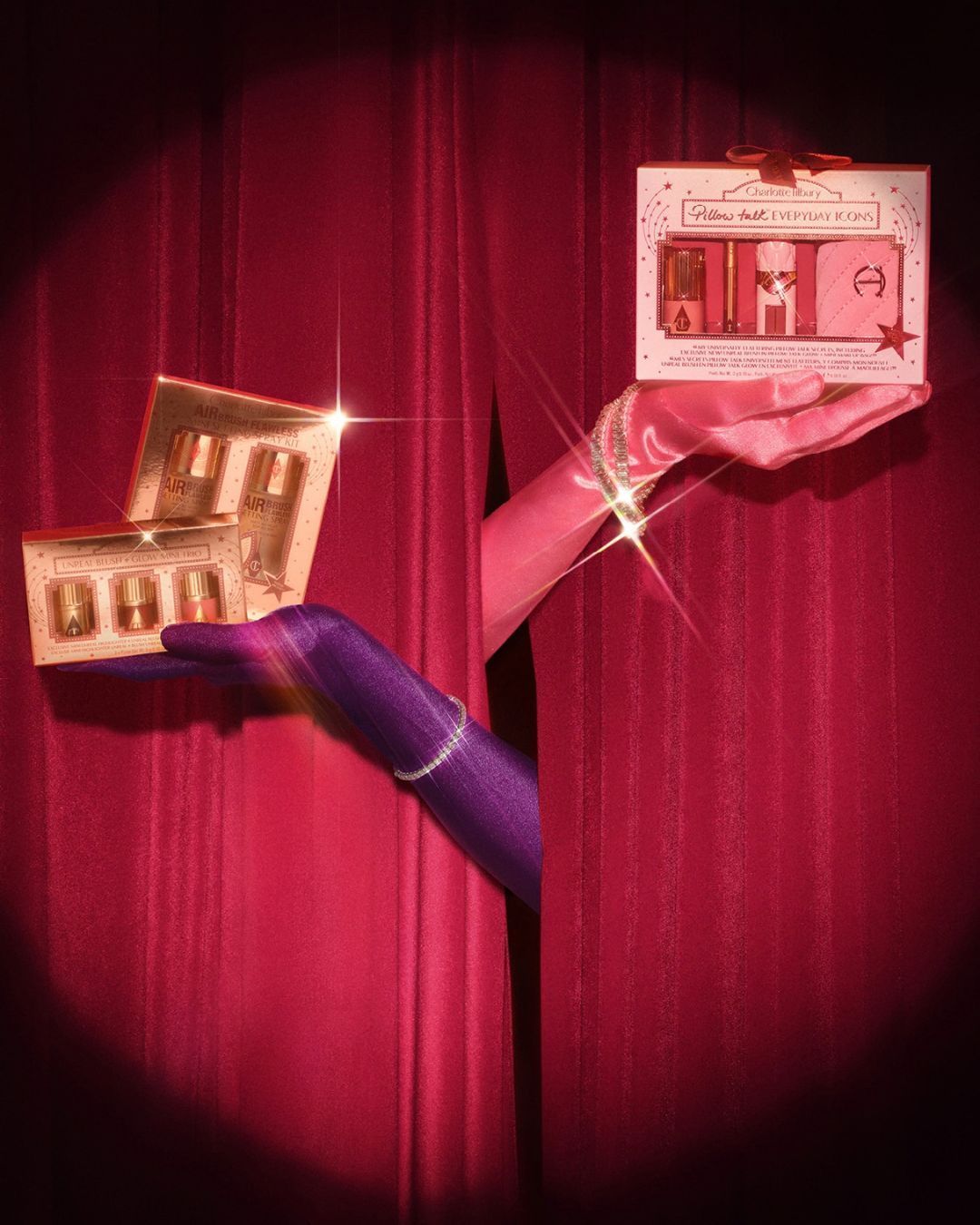
Charlotte Tilbury's new Hollywood Holiday Wonderland: all the goodies to mark for these holidays
The 2026 holiday collection has the right ingredients to give a bit of magic

#ChangeTheCompliment: the Dove e Parole O_Stiles initiative that invites us to change the way we compliment little girls
We are not only 'beautiful', but creative, courageous, intelligent and much more, we just don't hear it very often
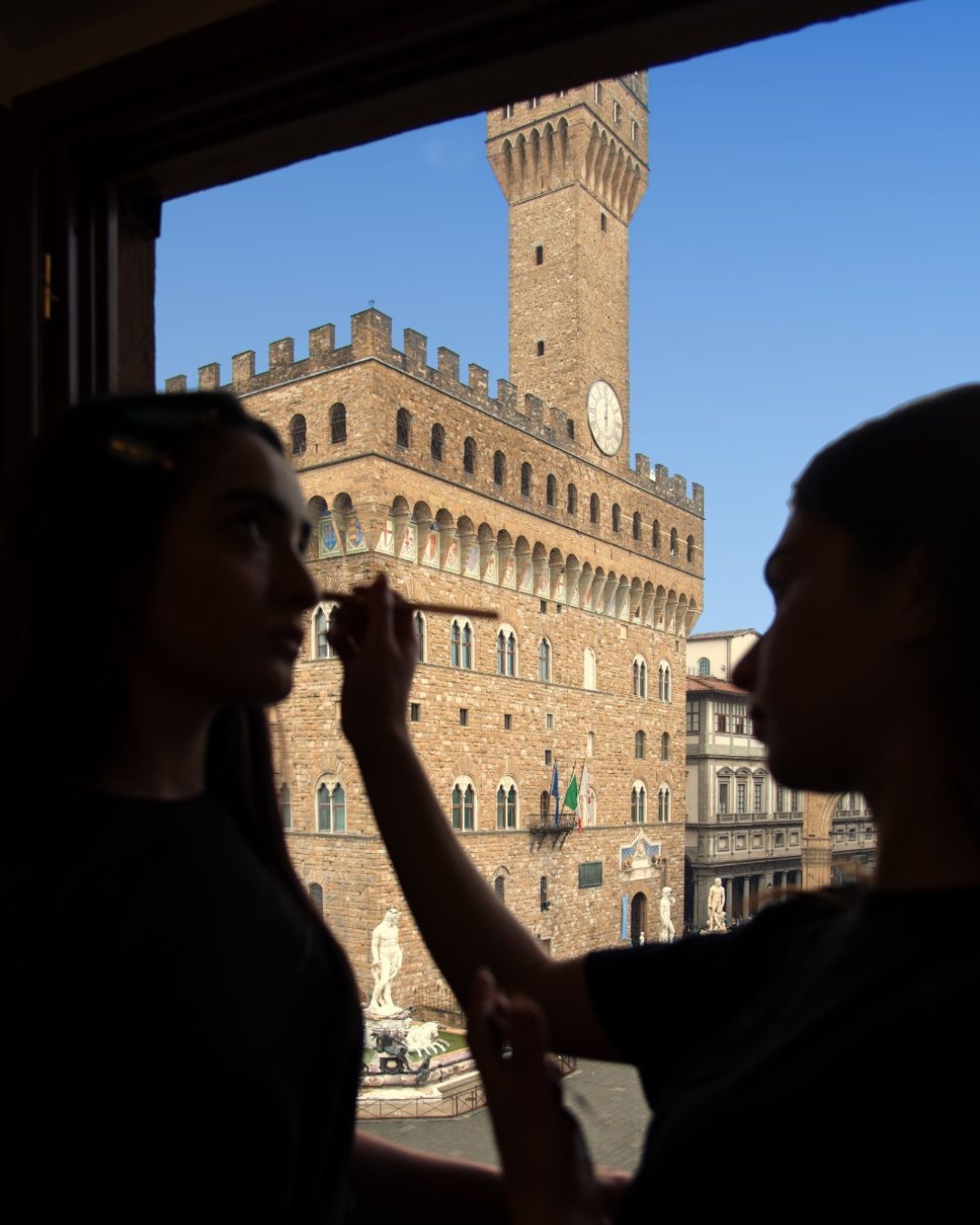
Vanessa Icareg will hold an Editorial Make-Up Masterclass in Florence
And it will reveal the secrets behind the editorial looks created for the runways (and not only)