






































Not everyone hates us Pop psychology of a collective misunderstanding called the liking gap
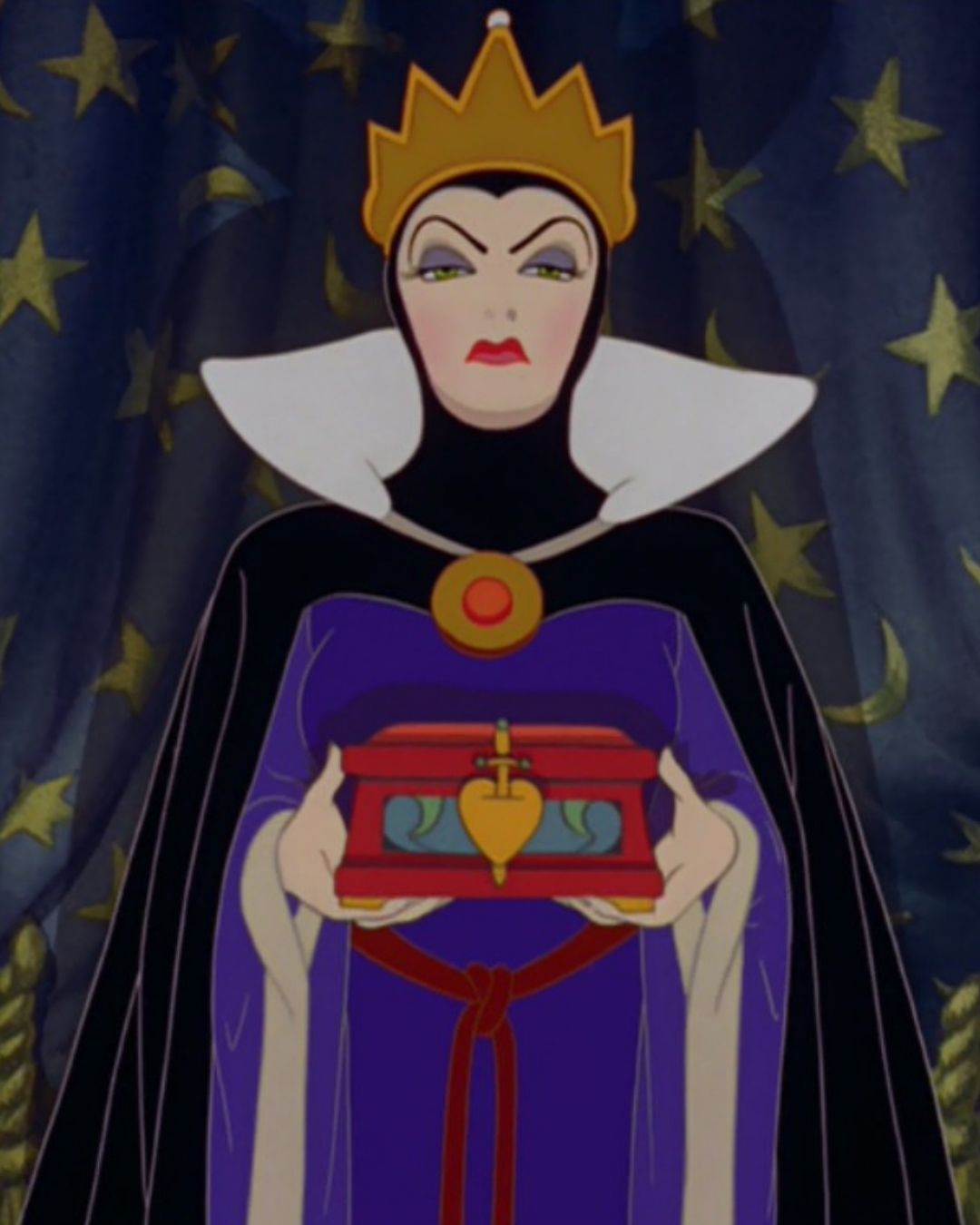
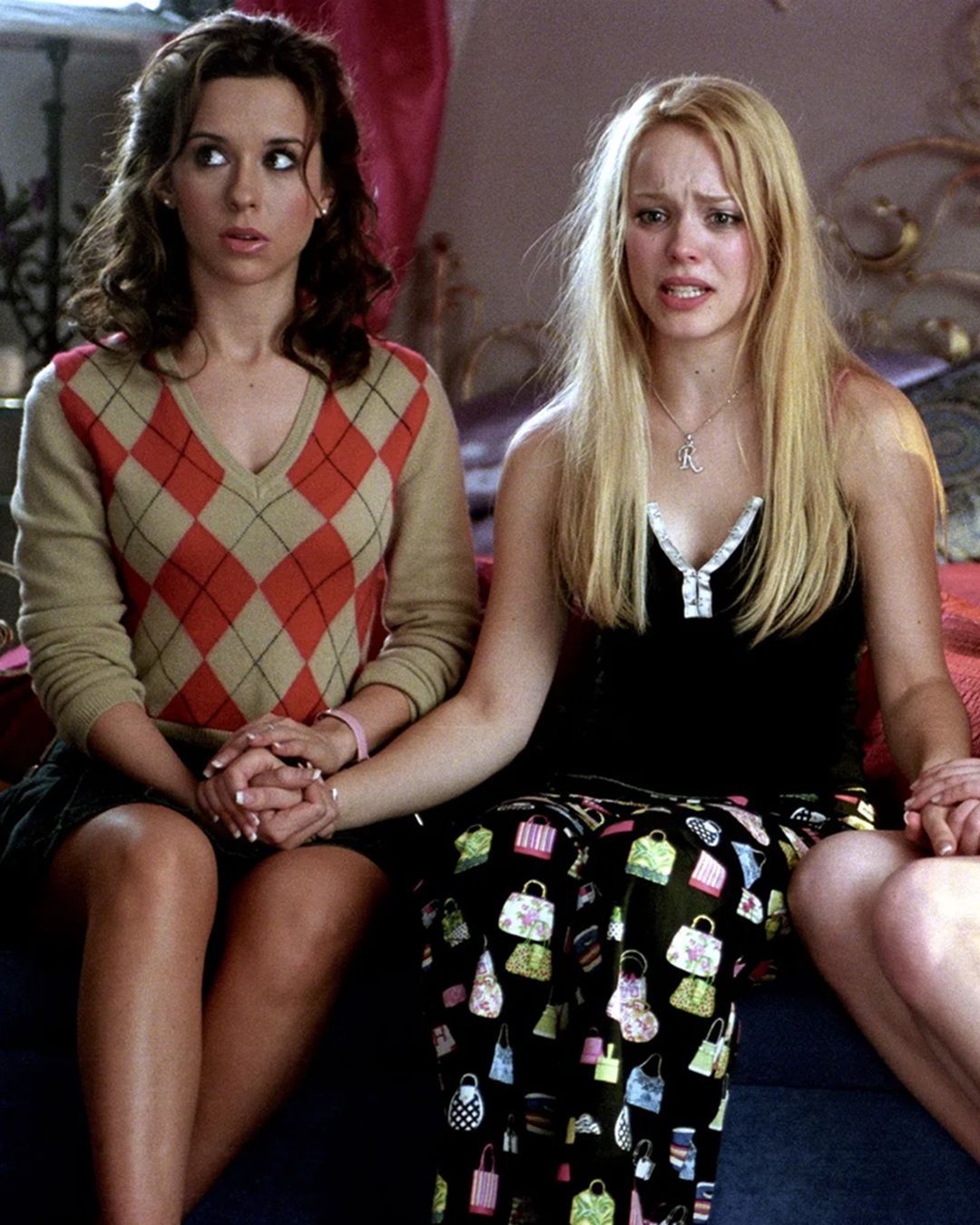
The conversation is over. Finished. Filed away. No one died, no one threw chairs, no one yelled “take them away.” And yet, the exact moment we stop talking to the other person, our brain opens a case file. Title: Why we ruined everything. From there, the post-social process begins. Replay. Slow motion. Emotional zoom on every word said half a second too late. That’s when the inner dialogue takes over and delivers the most overused verdict in human history: “They hate me.” Welcome to the club. You’ve officially entered the territory of the liking gap.
What the liking gap really is (spoiler: it’s not paranoia)
The liking gap is one of those things that, once you discover it, makes you want to text half the people you’ve spoken to in the last ten years just to say, “Sorry for everything I imagined.” Simply put, it’s the distance between how much we think we were liked and how much we were actually liked. And it’s almost always a huge distance, filled with highly toxic material like self-criticism, social anxiety, and assumptions with no evidence. Social psychology has been studying it for years and keeps finding the same result: after a normal conversation, people think they came across worse than the other person actually perceived them.
Why our brain is wired to expect the worst
It’s not that we enjoy suffering. It’s just that our brain is poorly designed for the modern world. It’s hyper-alert to signs of rejection, allergic to ambiguity, and massively overpowered when it comes to sounding alarms. Once, this helped us avoid being excluded from the tribe. Today, it just convinces us that a three-second pause equals a moral judgment. Making things worse is the spotlight effect, the tendency to believe others notice our mistakes as clearly as we do. This is the great asymmetry of social interactions: each of us has full access to our own inner dialogue. We feel the insecurity, the hesitation, the exact moment we think we said something wrong. The other person only sees the external result, someone talking, listening, reacting. They don’t feel the silent panic running through us as we search for the right words. So while we’re mentally replaying the conversation, they’re simply moving on with their day. That’s why we leave a conversation convinced we failed, while the other person, more often than we think, walks away with a positive feeling. Conversations aren’t performances. They’re environments. And atmosphere matters more than perfect lines.
@thefriendshipexpert Truth bomb at the end. You’re welcome. #femalefriendship #friendadvice #psychologyfacts original sound - Danielle Bayard Jackson
We don’t just underestimate how much we’re liked, but also how kind others are
The liking gap is part of a broader set of social prediction errors. We don’t just underestimate likability, but also other people’s empathy, availability, and kindness. We think a compliment might be awkward, when it often makes the recipient genuinely happy. We think texting someone “out of the blue” is annoying, when it’s usually perceived as a thoughtful gesture. We think asking for help is a burden, even though data shows people are far more willing to help than we expect. But once this pessimistic mindset is triggered, it becomes a trap that’s hard to escape. If we assume we’re not liked, we behave as if we’re not liked. We withdraw, self-censor, protect ourselves. We send signals of closure that others, of course, pick up on. Like a self-fulfilling prophecy, we fear rejection and act to avoid it. The result? We don’t just get less connection, we end up confirming our own fears. The liking gap makes us more insecure, less present, less open, and less available for connection. In short, more alone.
@paulinkaraj the law of connection is such a good read and has really helped me when making new friends in a new location #adultfriendships #neuroscience #connection #community original sound - paulinka
Recalibrating without becoming unbearably zen
The most ironic thing is that in many areas of life, we tend to overestimate ourselves. We drive better than average, communicate better than average, understand relationships better than average. Then a conversation with someone we don’t know well comes along, and suddenly we’re convinced we’re terrible. It’s as if all confidence evaporates the moment someone else’s gaze enters the picture. And yet, that’s often exactly when we’re more appreciated than we think. Unfortunately, there’s no motivational trick to eliminate the liking gap. There is, however, a much less glamorous and far more effective practice: doing the scary thing anyway. Talking. Writing. Showing up. Not because we “have to leave our comfort zone,” but because only repeated experience can correct the brain’s faulty expectations. Every interaction that goes better than expected is a small rebuttal to your inner critic. Without new data, it will keep telling the same story. The idea that saves us a huge amount of mental energy? Accepting that not everyone will like us. It's not a defeat, it’s a simplification. We’re not responsible for others’ perceptions, nor can we control them. And if it helps, it’s very likely that no one is thinking about us with the same harshness we direct at ourselves. In the end, the liking gap says more about us than about others. It speaks to our hypervigilance, our fear of getting things wrong, our need to belong. But it also tells us that people, on average, are kinder, more available, and more inclined to appreciate us than we imagine. And no, most likely, they don’t hate us.