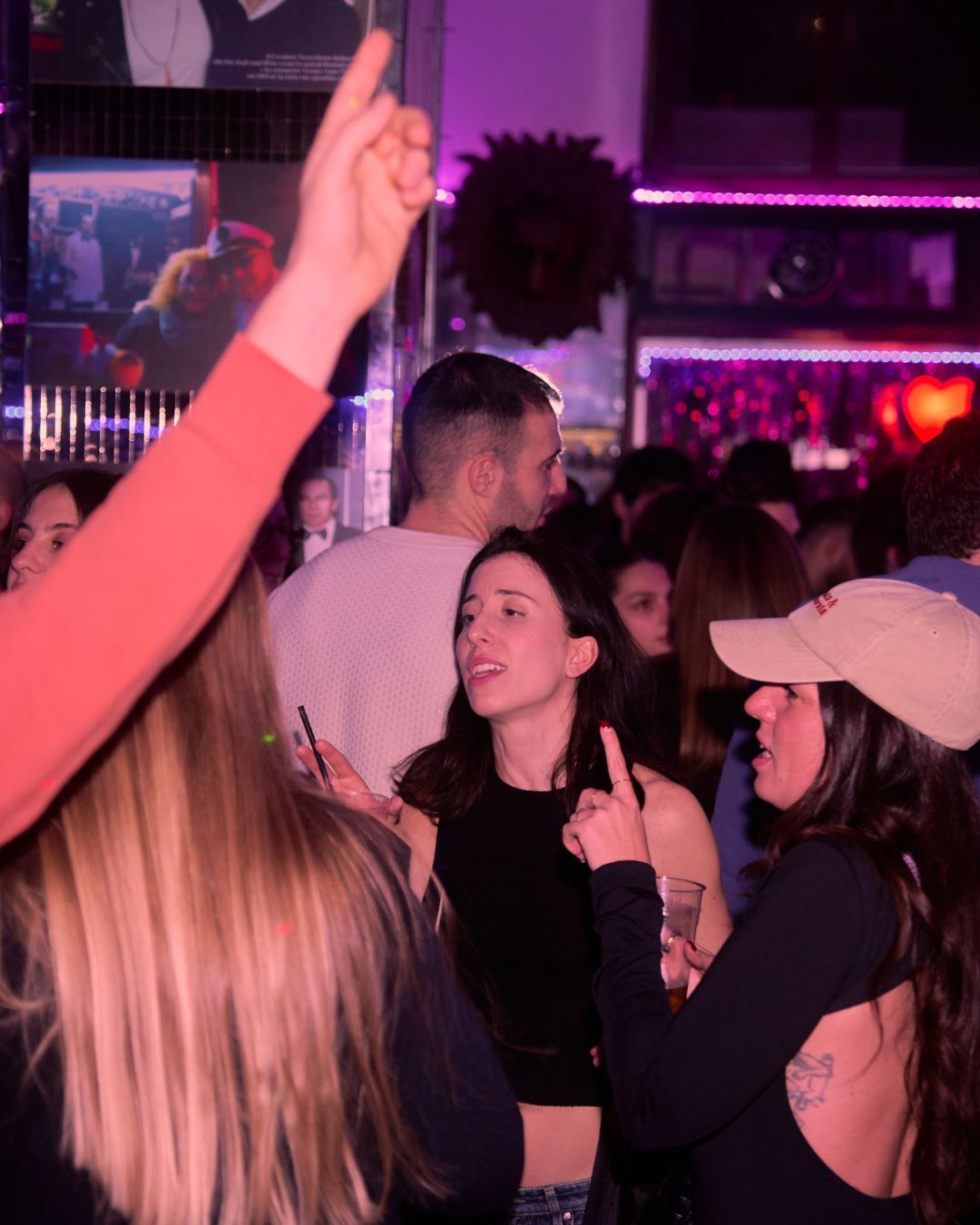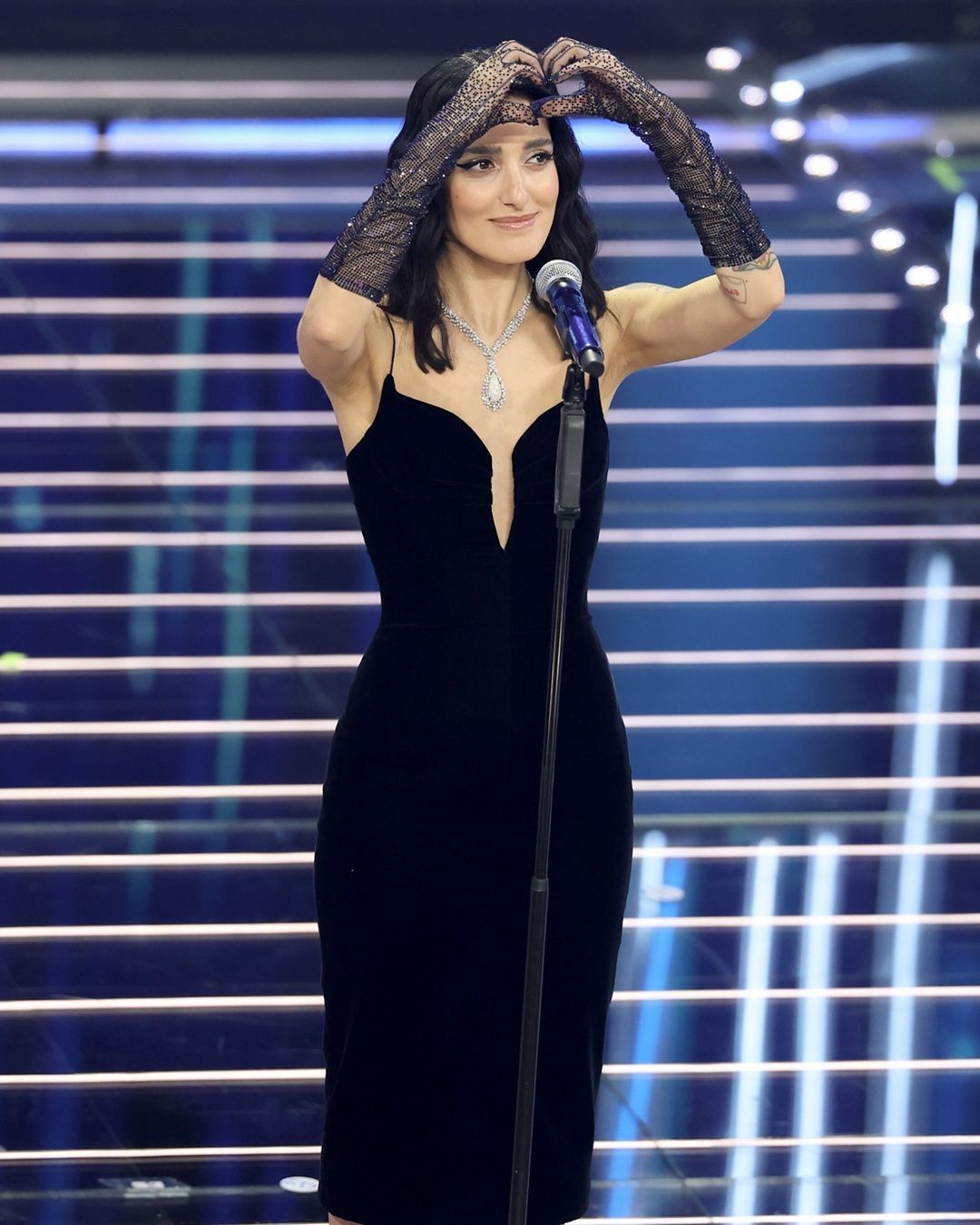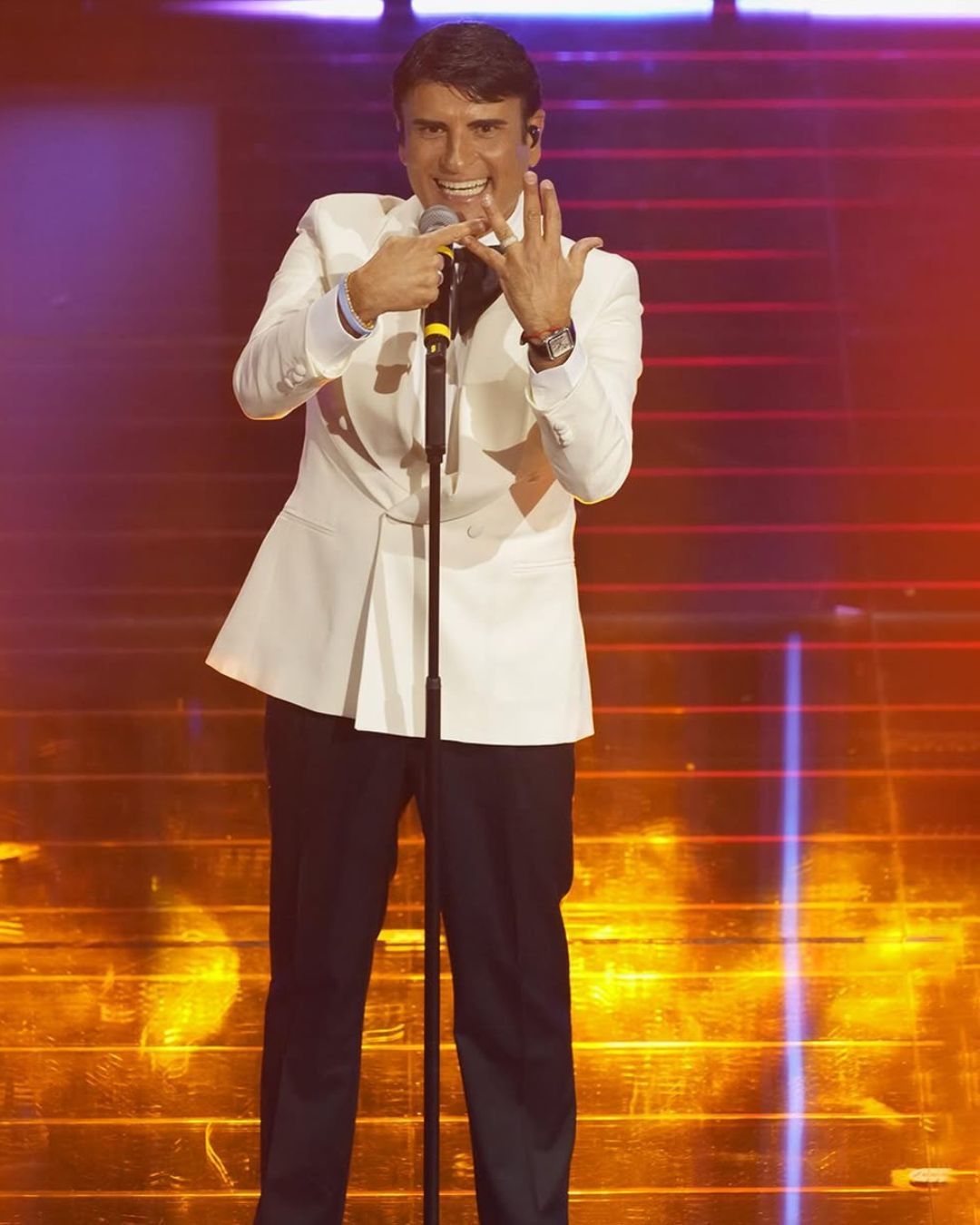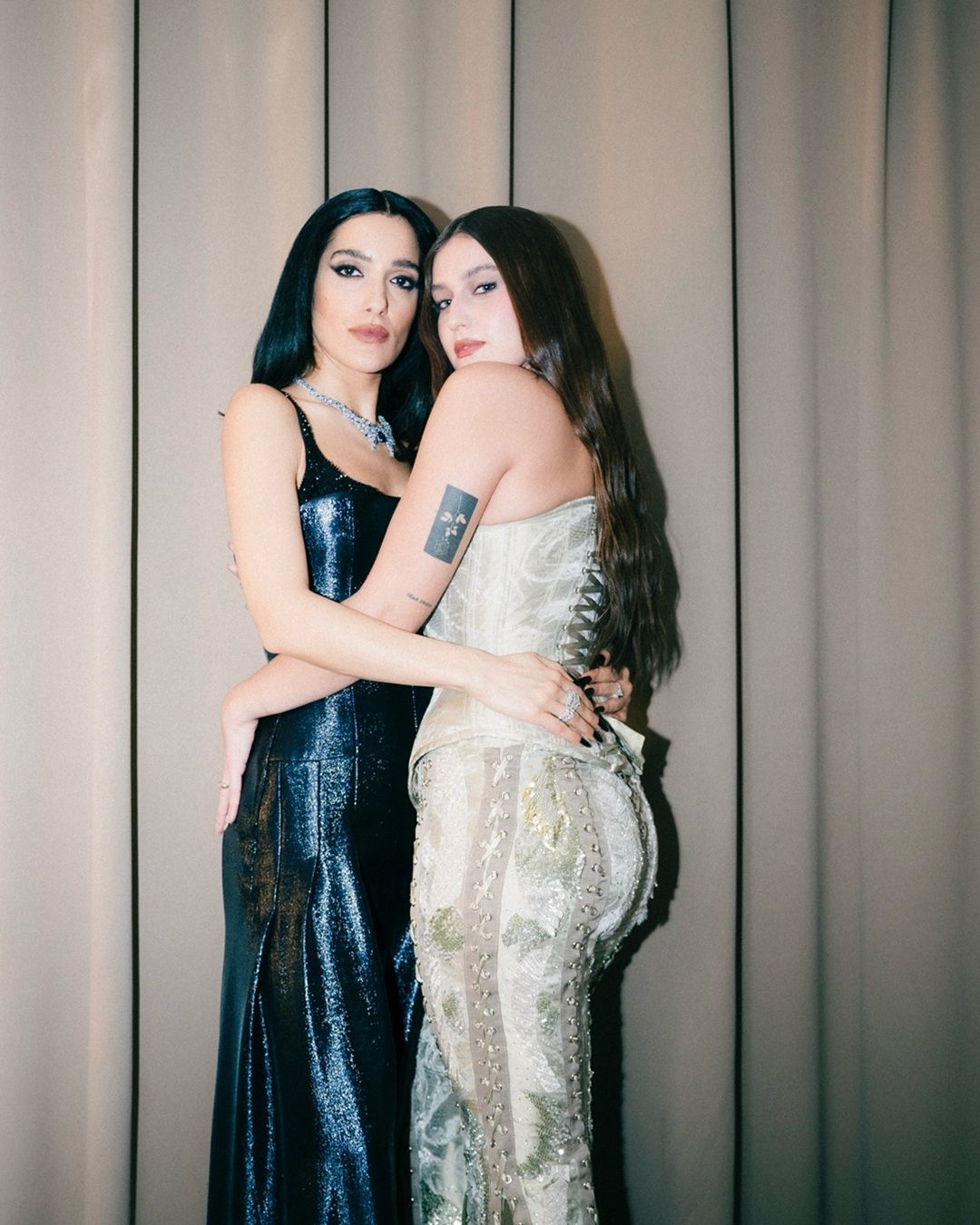


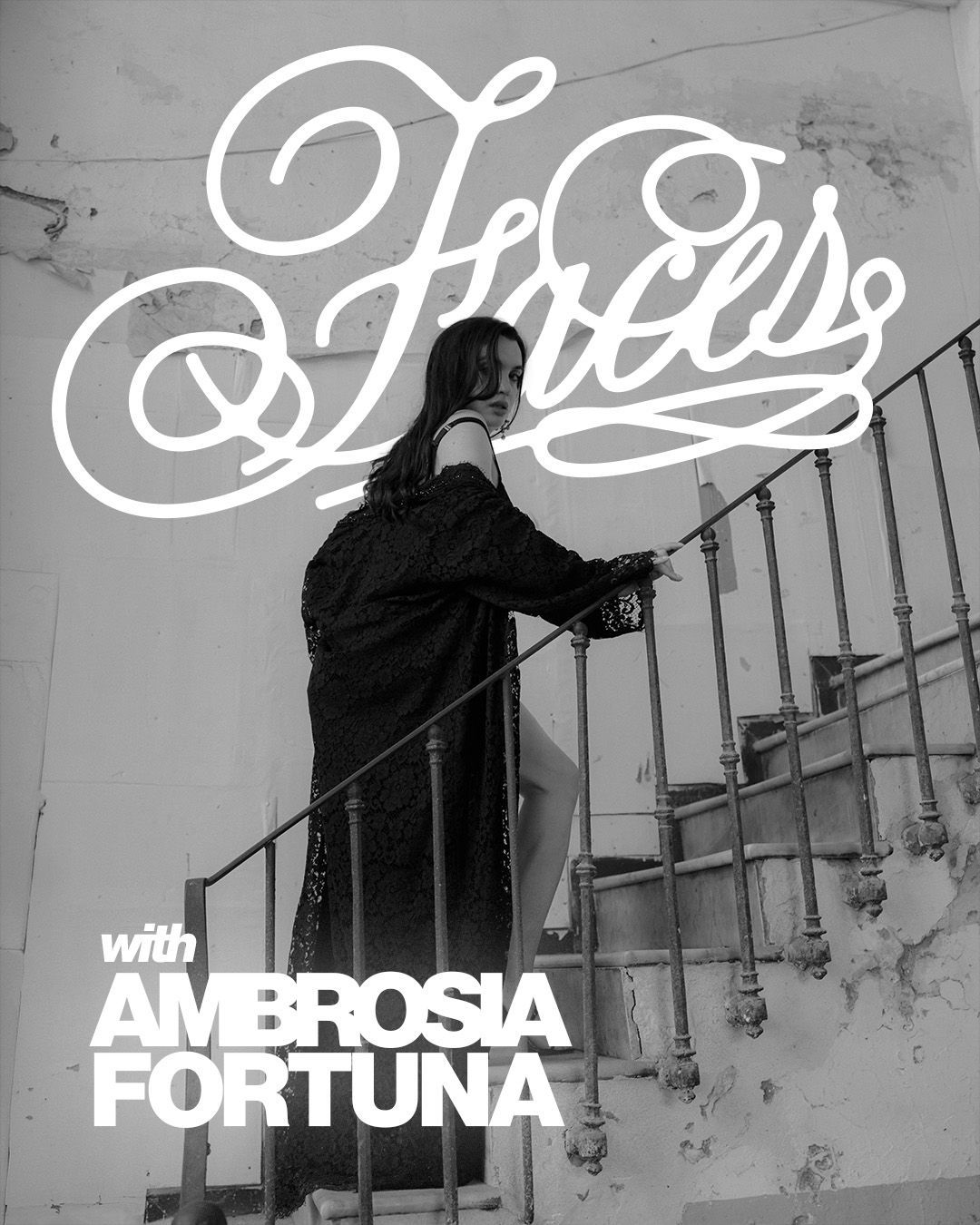
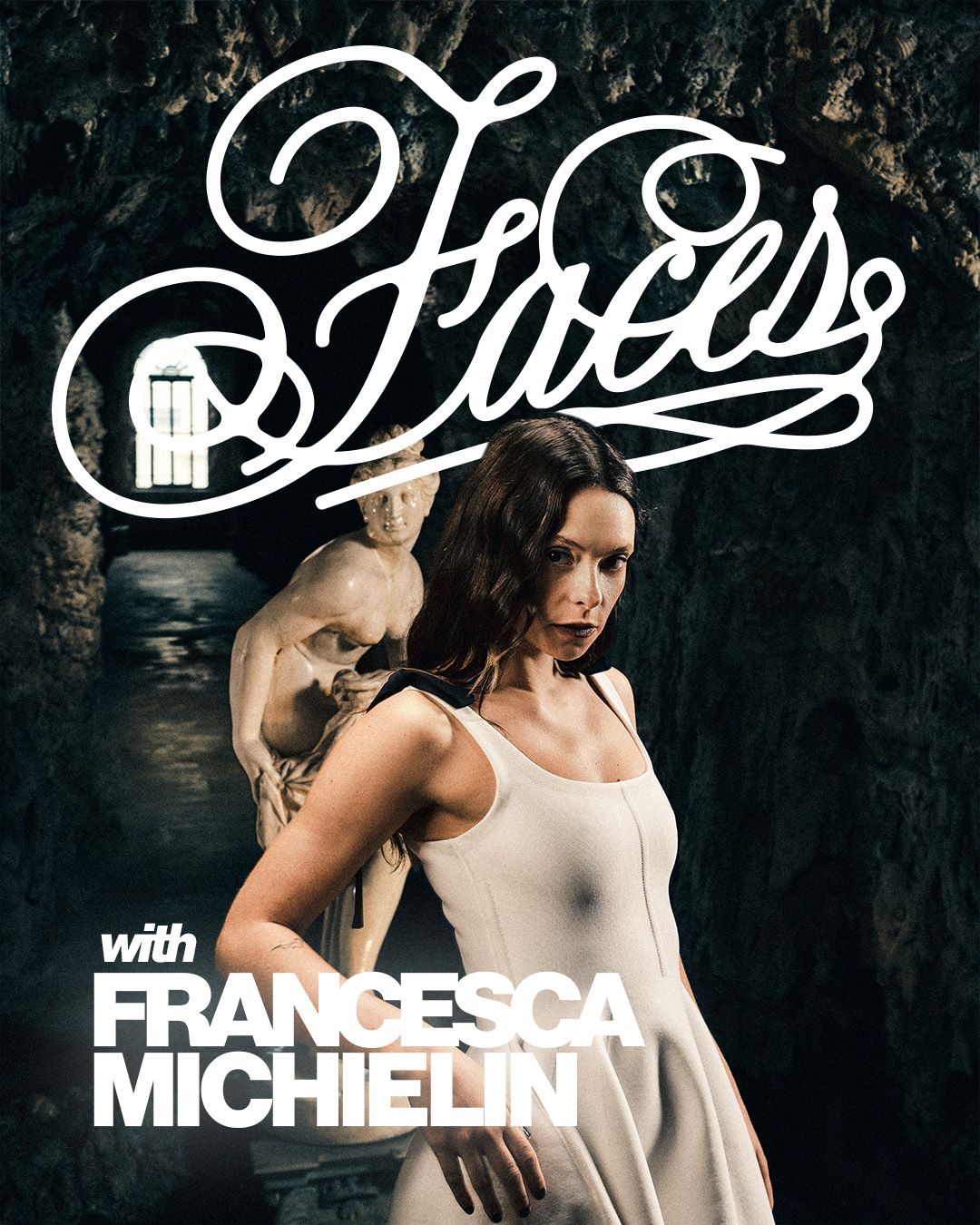
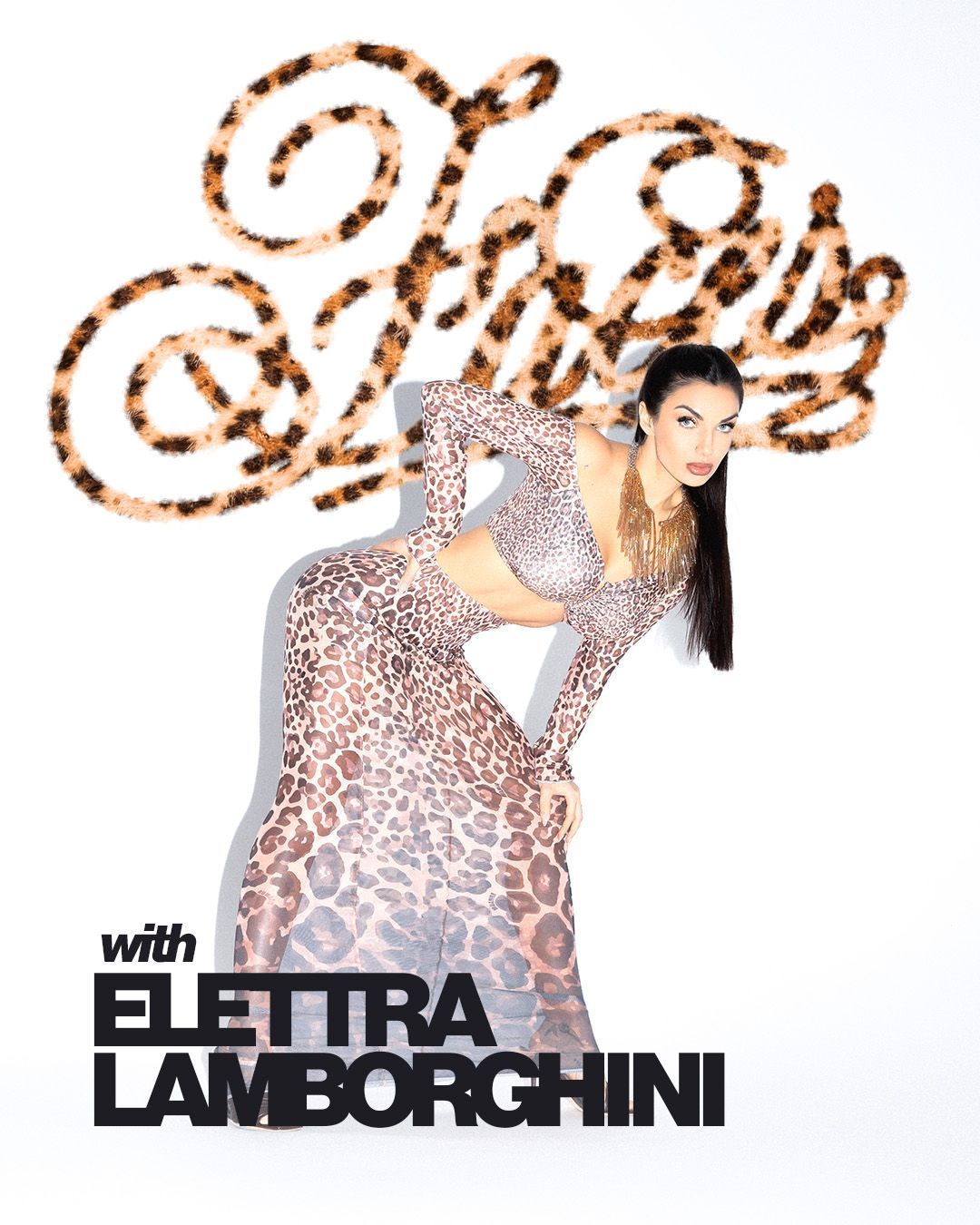
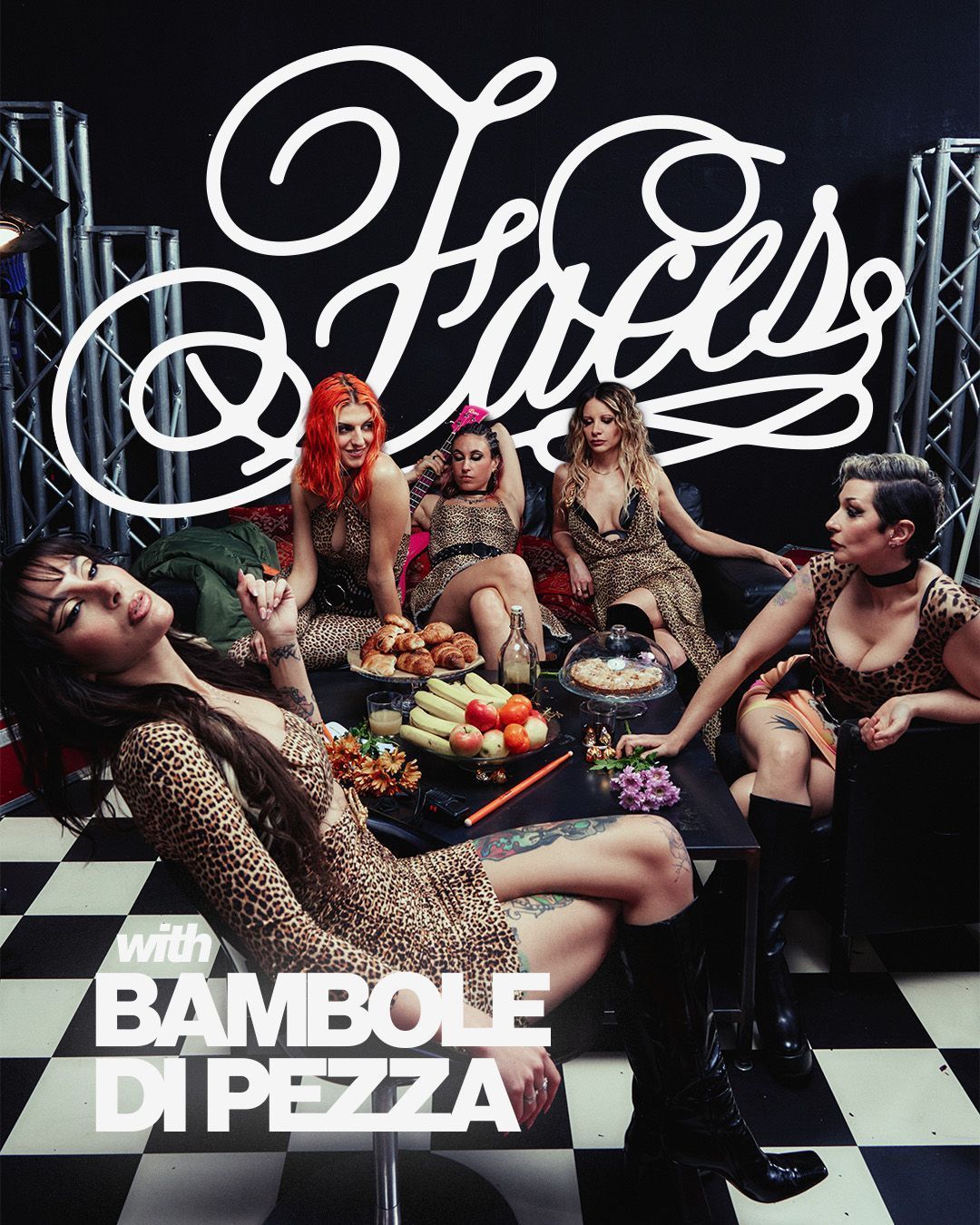
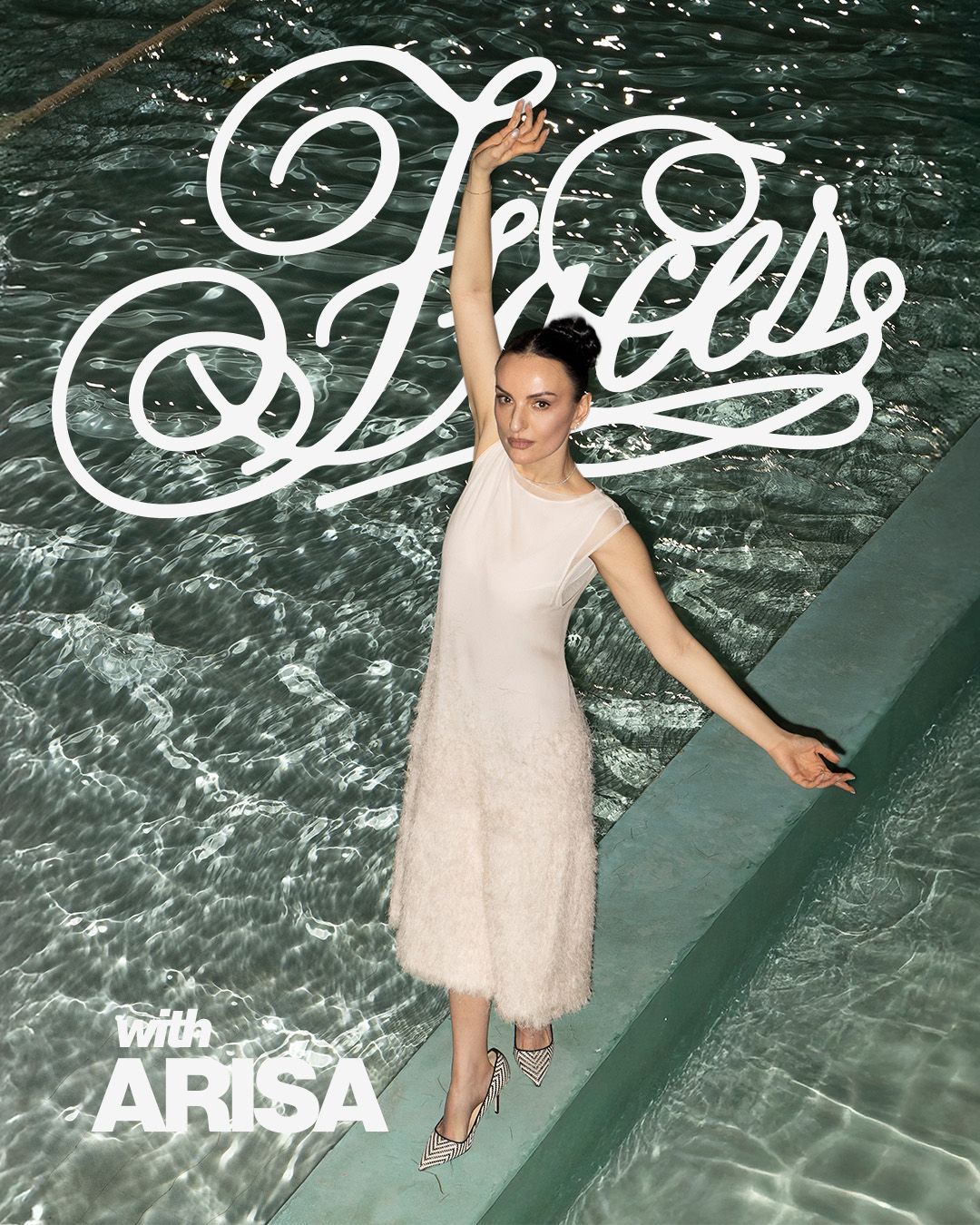
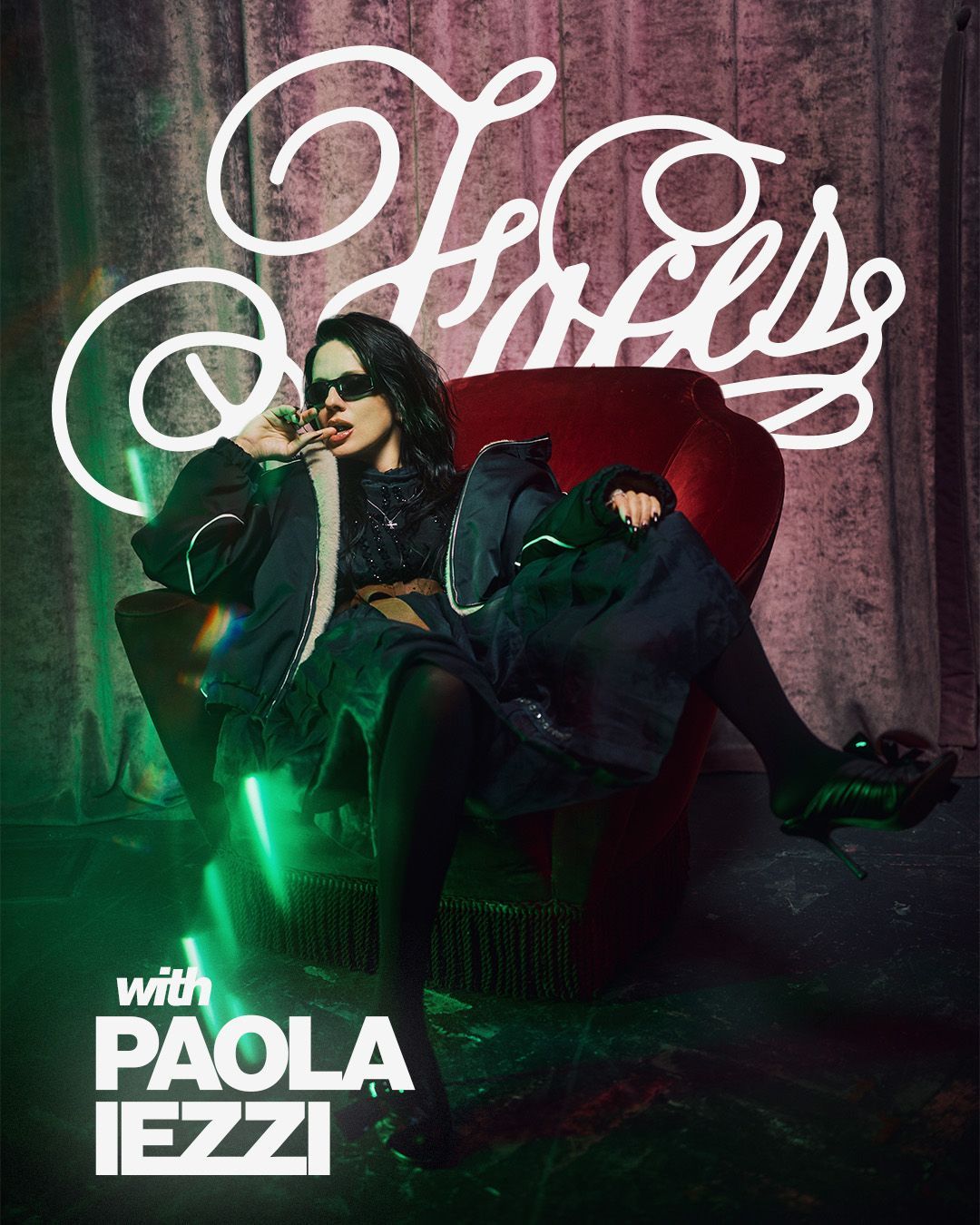
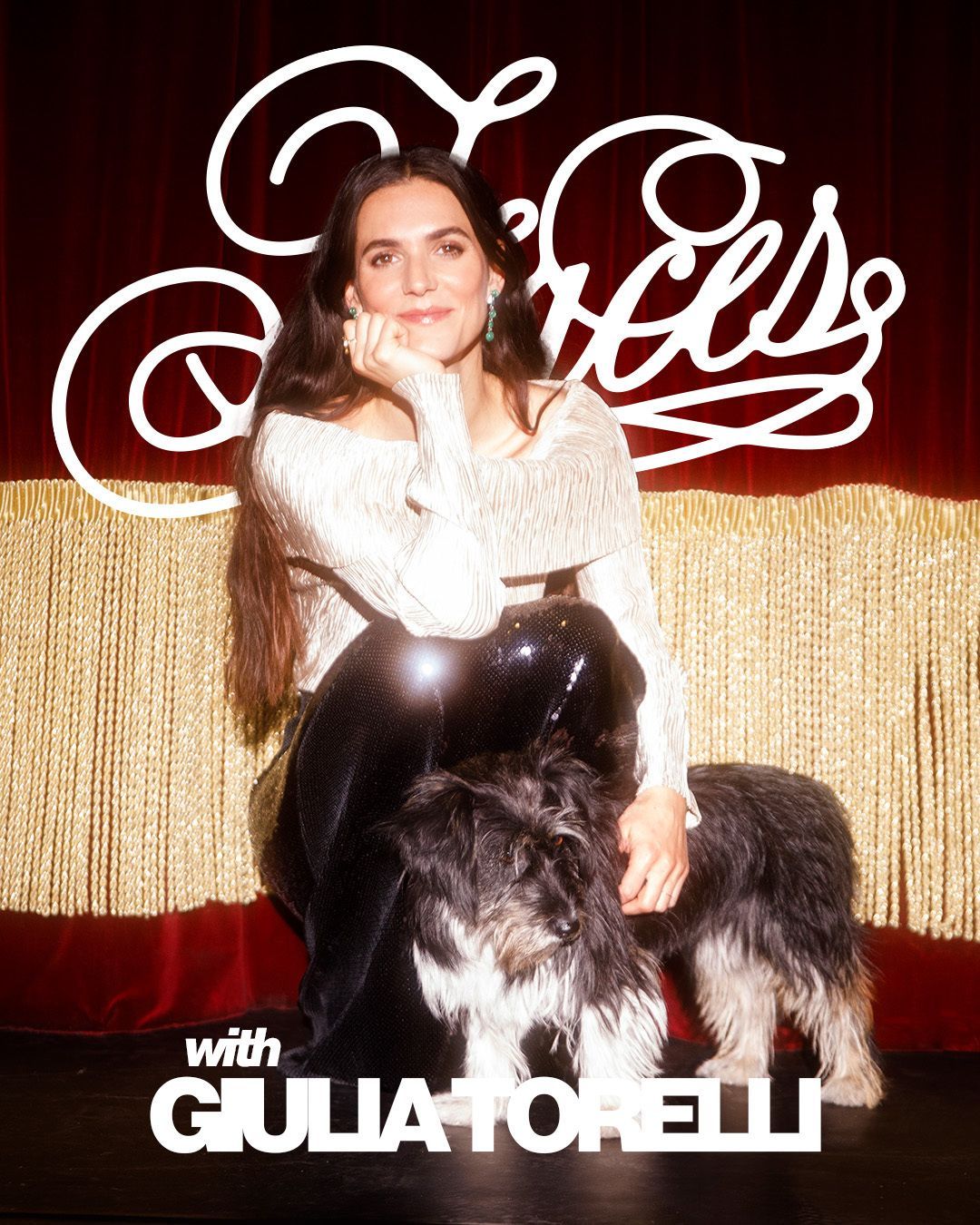
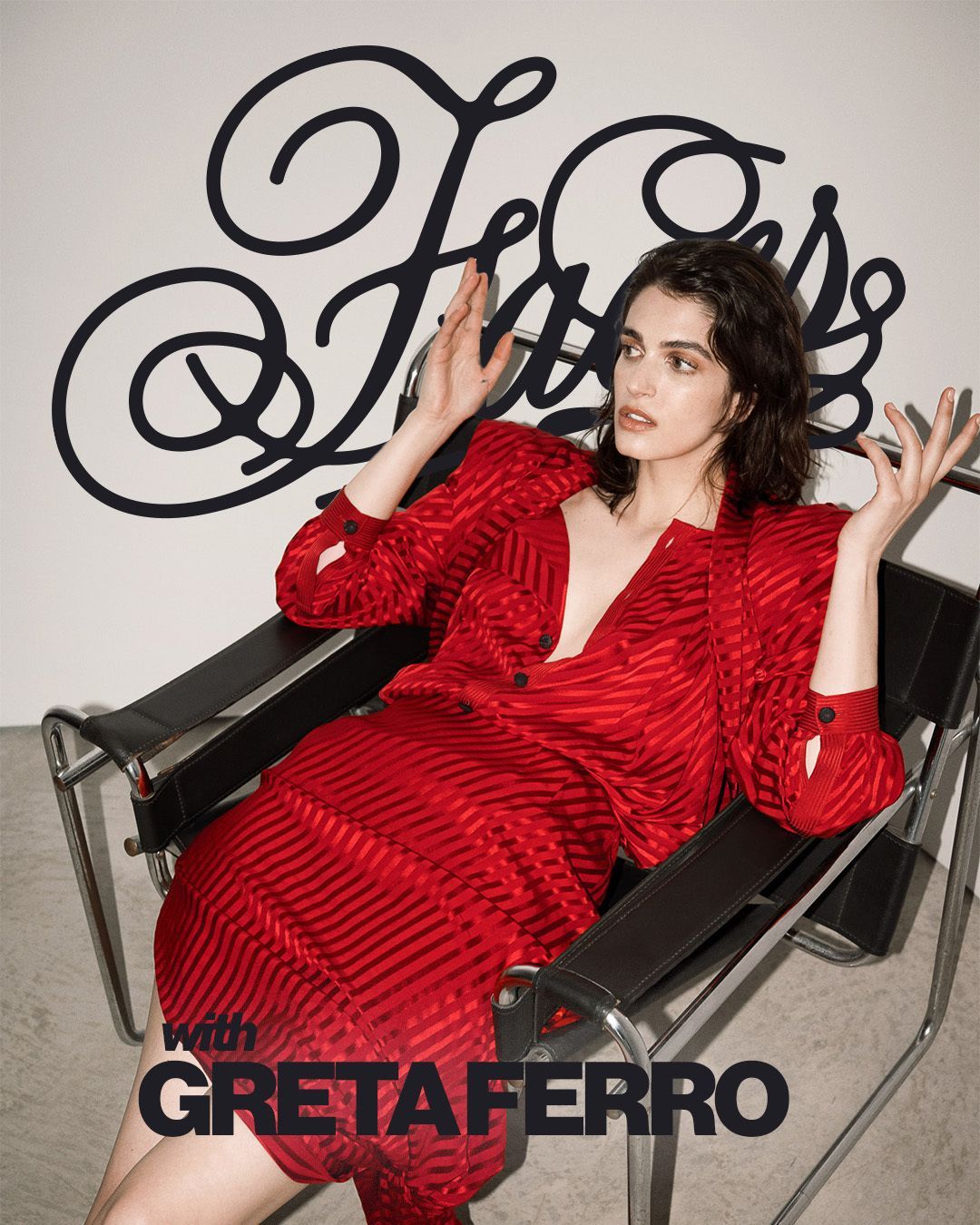
Sanremo is beauty: makeup and hair on stage What do the beauty looks of the Festival really tell?
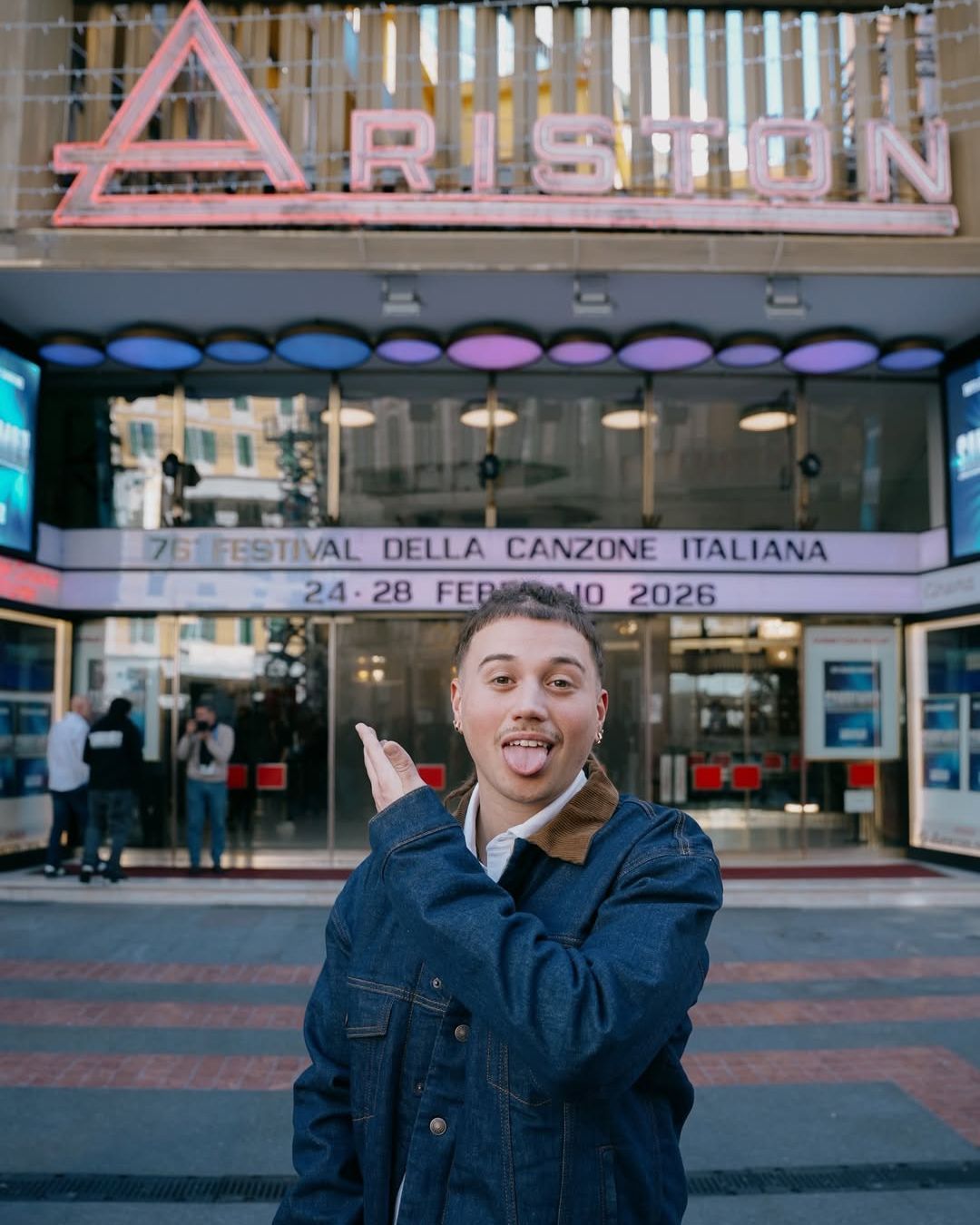
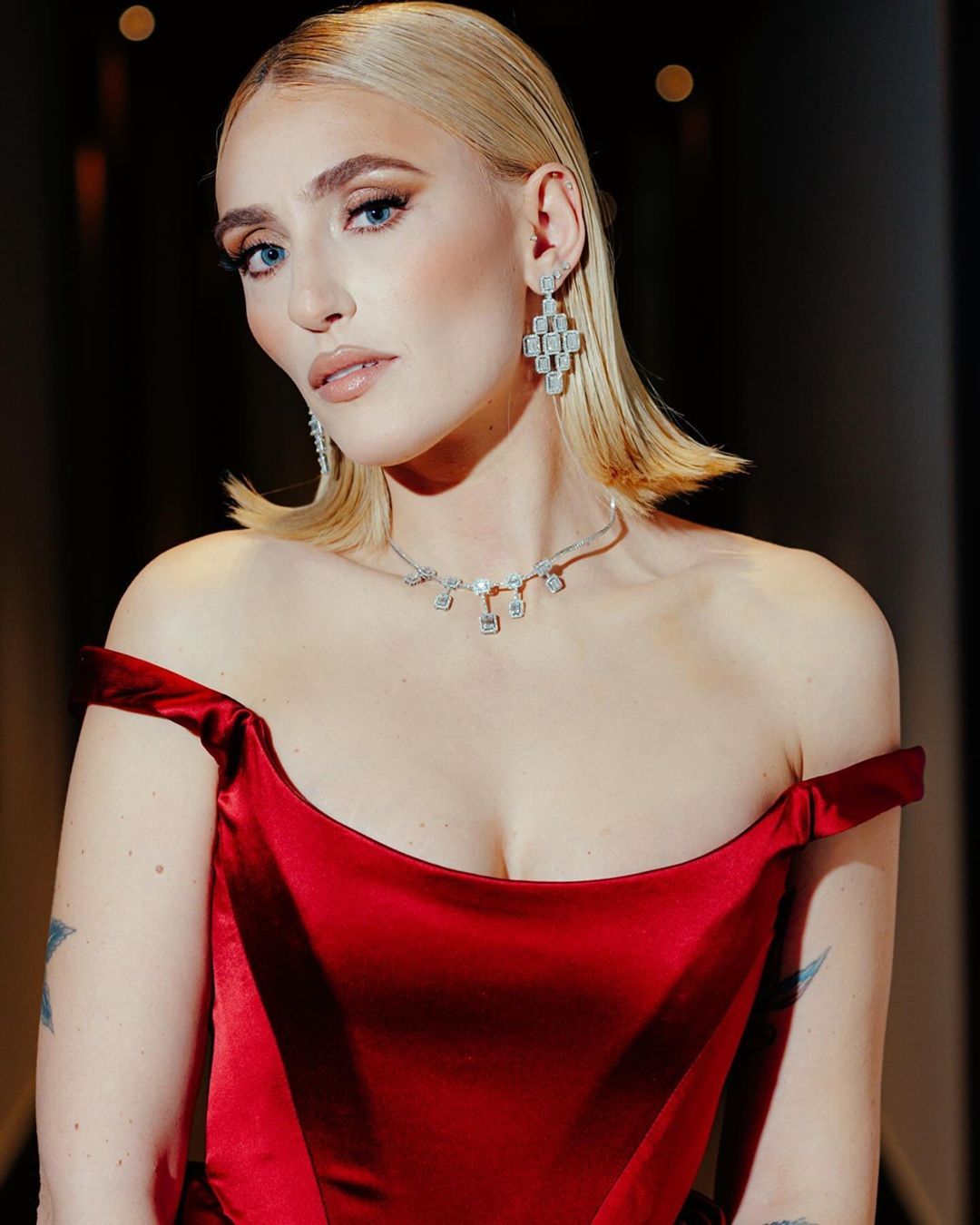
Sanremo is not just about music. For one week, the Festival becomes the center of the national conversation and alongside the songs, we observe and comment above all on beauty: beauty looks and outfits. Make-up and hair are not just technical details, but an incredibly powerful cultural language. Behind every look there is the silent work of stylists, make-up artists and hair stylists who shape the artist’s image and anticipate new trends. Every graphic eyeliner, every carefully constructed hairstyle, every seemingly effortless choice is never just a matter of personal taste. On the Ariston stage it becomes a statement, a reflection of the times we are living in. Sanremo amplifies everything: a detail becomes a headline, a lipstick becomes a debate and a blow-dry becomes a trend. As we comment on the looks, we are also revealing something about ourselves, about how we perceive beauty, the boundaries we push and the aesthetics we normalize. For five nights, beauty is not just preparation for the stage, but part of the show.
The Sanremo 2026 stage as an aesthetic observatory
Looking back at past editions, beauty looks tell an almost sociological story of each era’s taste. From the voluminous, heavily sprayed hair of the Nineties to the sharp contouring of the early 2000s, up to the ultra-smooth skin of a few years ago, every detail reflects a dominant idea of what was considered socially and televisually acceptable. In recent years, something has shifted. Alongside glamorous, Hollywood-inspired looks, we now see more natural textures, less structured hair and less cinematic make-up. Absolute perfection is no longer the only reference point: a more conscious and less defensive beauty is emerging, one that pays more attention to the person beyond the image. It’s not the end of styling, but a rethinking of it. Less mask, more intention.
@debora.fulli Qui con noi @Damn Tee per commentare i beauty look della quarta serata del Festival! Tra combo sbagliate e sfumature discutibili, abbiamo qualche giudizio da dare #Sanremo2025 @TikTok Italia #adv suono originale - Debora Fulli
Presentable, iconic or excessive? What we expect from Sanremo 2026
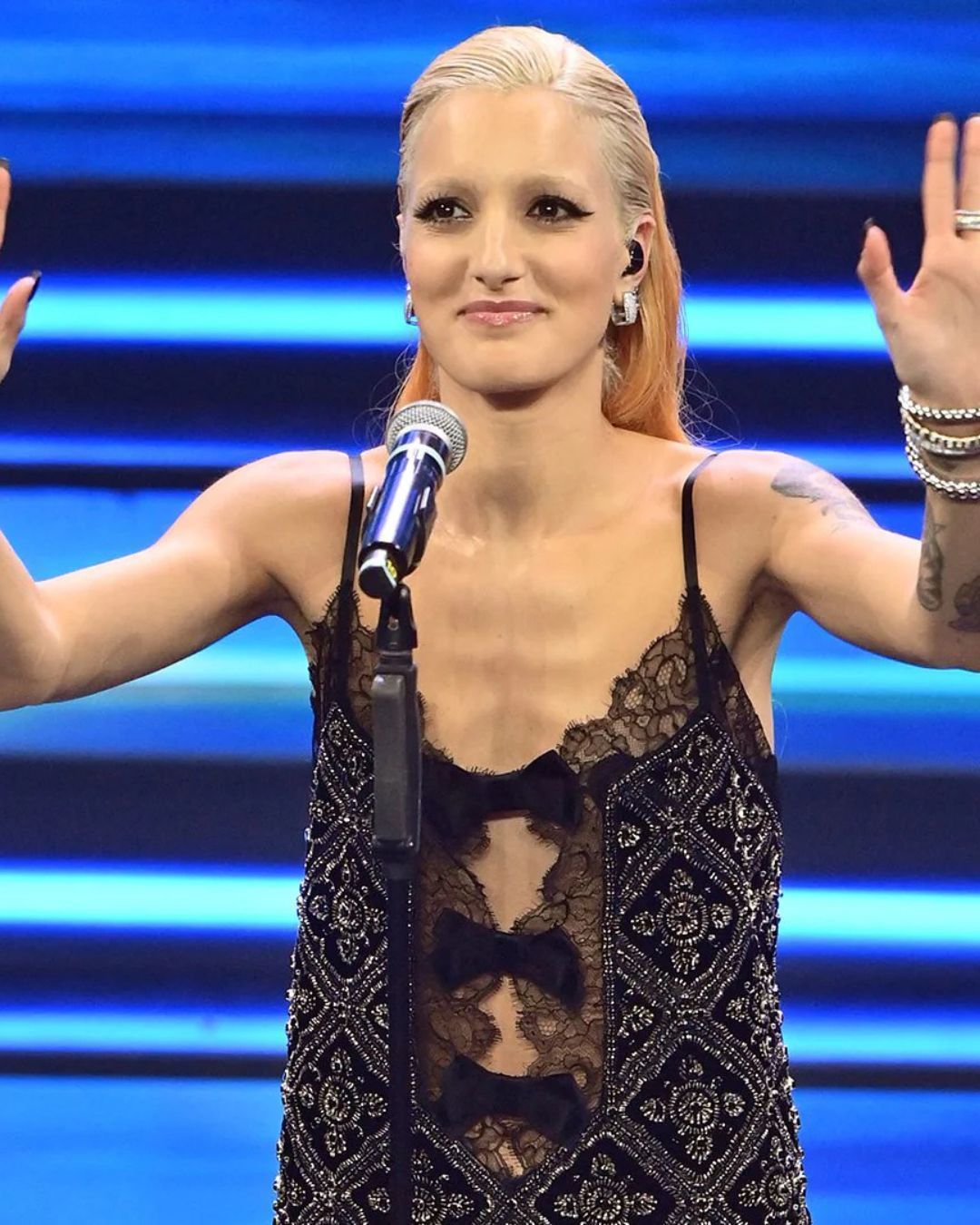
Sanremo remains an institutional stage, deeply rooted in Italian television tradition. It is one of those events that brings together vastly different generations: we comment on it in real time on social media, but our parents and grandparents watch it with the remote in hand. This cross-generational dimension means that every aesthetic choice becomes a small cultural test. The Festival is where we measure the boundary between what we consider elegant and what some still perceive as too much. A neon wig, genderless make-up, dark nail polish or, on the contrary, a deliberately minimal choice spark immediate discussion. It’s not just a matter of taste: when a look is described as “excessive” or “finally different,” we are talking about expectations, visual habits and what we still consider acceptable on such a popular stage. Rai has historically had a reassuring, old-school imprint, but in recent years there has been a sense of gradual renewal. Not a revolution, but a progressive opening that allows new aesthetics in without completely disrupting the balance. It is precisely this coexistence of memory and change that makes Sanremo such an interesting observatory: beauty is never neutral.
@alessandradecaroliss Realizziamo il Makeup che mi é piaciuto di più a Sanremo 2025. Complimentissimi alla makeup artist di Clara che é stata fantastica! @CLARA Credit: @selenetessera.g #makeup #makeupinspo #sanremo2025 #clara #makeupsanremo2025 #beauty suono originale - Alessandra De Carolis
Beauty as a statement, even on the Ariston stage
On the Ariston stage, beauty is never random. It can be reassuring, nostalgic, ironic or provocative. In this sense, make-up and hair become part of the artistic storytelling. Sanremo has a power that few other events possess: it turns beauty into a national topic. It doesn’t remain confined to industry insiders or beauty addicts; it enters living rooms, family group chats, Instagram, TikTok and the next day’s talk shows. For a few days, make-up is no longer just an individual choice in front of the mirror, but a collective matter. When we comment on or replicate a lipstick or a hair color, we are actually redefining together what it means today to be presentable, credible, iconic or simply true to ourselves.
A cultural snapshot told through beauty
The point is not to decide who had the best look. It is to understand what those looks are telling us. Sanremo is an aesthetic archive that updates every year and, viewed over time, shows how our idea of beauty evolves. It is not just a music stage, but a visual thermometer. It tells us how much space we give to experimentation, how ready we are to embrace imperfection, or how attached we remain to reassuring models. Watching Sanremo also means looking at ourselves through the faces on that stage. And realizing that while we comment on beauty looks, we are talking about something bigger: the way beauty enters pop culture and reflects the transformations of those who observe it. Because Sanremo is, after all, Sanremo.