



























Valentine’s Day and love in the age of social media: here’s what the tarot says! From posted love to lived love: a symbolic interpretation of feelings in the age of social media
Valentine’s Day is the day when love is literally put on display, especially on social media. It’s a fixed appointment that reminds us, whether we like it or not, if we’re in a relationship, a situationship, a flirt, or if we’re simply chasing crushes who don’t even know we exist (or maybe they do, which is even worse). It’s a holiday that divides people, because it forces us to face what we already have or what we “lack.” Between posts of romantic dinners, carefully planned stories with red roses in the foreground, and promises that last only one night, love is told online as something almost mandatory. You’ve probably had that perpetually partnered friend ask, “So you’re not celebrating this year either?” or, even worse, “I’m sure you’ll find the right person to spend Valentine’s Day with, if you really want to.” But reality is far more complicated and full of nuance: love can be intense, exhausting, even destabilizing. And it often looks nothing like what we’ve been taught to desire, especially on Valentine’s Day, a holiday built on romantic movie clichés and expectations that are definitely too high. Because yes, those reels where boyfriends take their girlfriends to bookstores to celebrate are, ninety percent of the time, prearranged for views. And yes, that’s true for pretty much all the grand or “too much” romantic gestures, so maybe it’s better to keep your feet on the ground and not idealize this occasion too much.
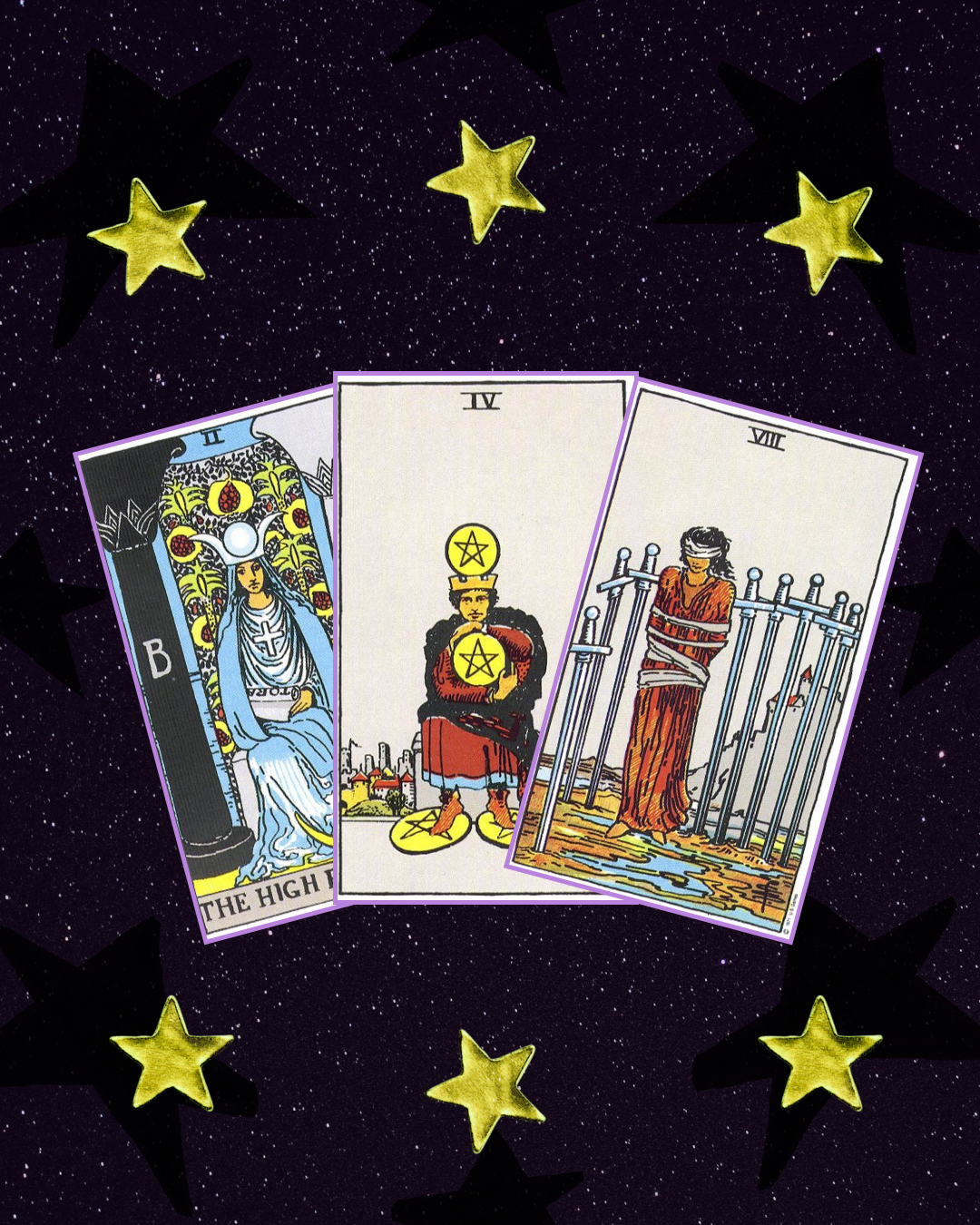
On such a “public” Valentine’s Day, tarot cards aren’t meant to predict an unexpected strategic DM, or even a rekindled romance, but to help us look deeper. The cards speak of emotional dynamics that we often can’t clearly decipher with our love-struck minds alone. On a day so loaded with expectations, they can become a tool to understand what kind of love we’re living or searching for: not the perfect one, but the possible one, the one that truly resembles us (even when it may not be so easy to show).
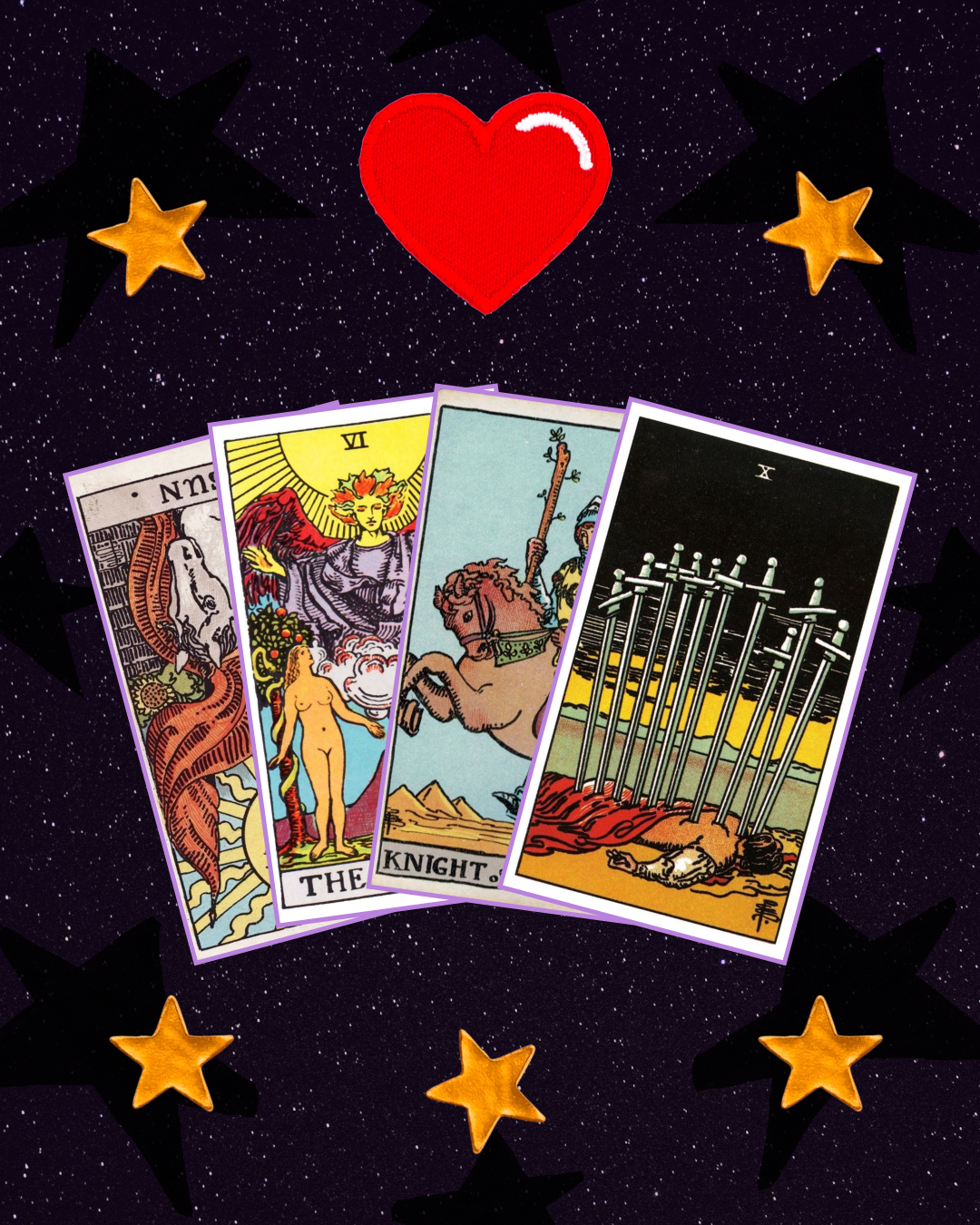
Valentine’s Day and social media: here are the tarot cards drawn
The Lovers: love (also) offline
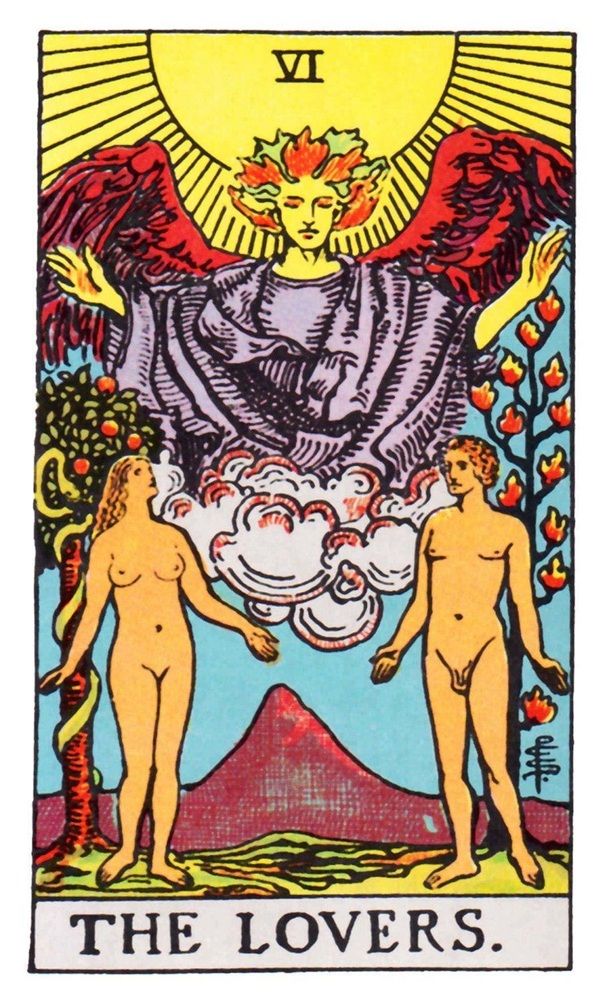
On social media, The Lovers is not the card of a romantic fairy tale, but of conscious choice. It speaks of relationships that exist even when they are not displayed, of bonds that don’t need external validation to be real. In a world where love seems to have to be constantly proven (and posted), this card invites us to pause and ask how much of what we live is real and how much is constructed to be shown. This card tells of the importance of intimacy, the kind that doesn’t need filters. It is the love that is chosen every day, far from the constant comparison with the “perfect” couples filling our feeds. A relationship that works is not the one most “visible,” but the one where two people choose to be there for each other, even when no one is watching.
Knight of Wands: the romantic impulse of the feed
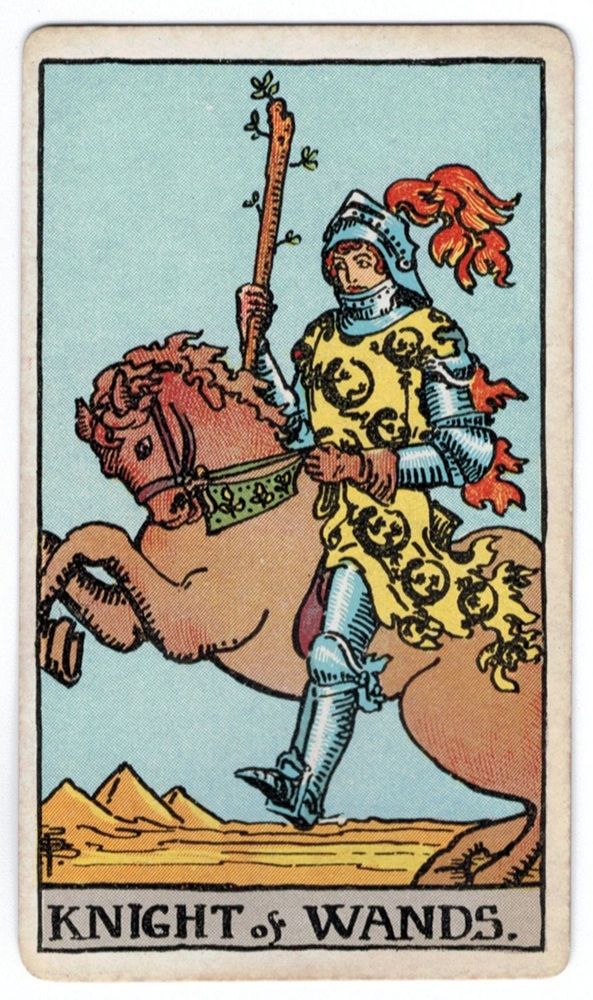
The Knight of Wands perfectly embodies love in the age of social media: intense and immediate. It’s the attraction that sparks from late-night DMs, from a connection that feels overwhelming from the very beginning. Everything starts with great enthusiasm, fueled by the constant possibility of something new and more exciting. But this card also speaks of instability. The Knight of Wands’ love thrives on adrenaline and fades when the novelty wears off. On social media, where everything is constantly replaceable and updating, this kind of relationship risks remaining superficial: yes, it will always be in motion and always feel like the first time, but it will have no roots. It’s a love that ignites, but doesn’t truly warm.
The Sun (reversed): the need to display love
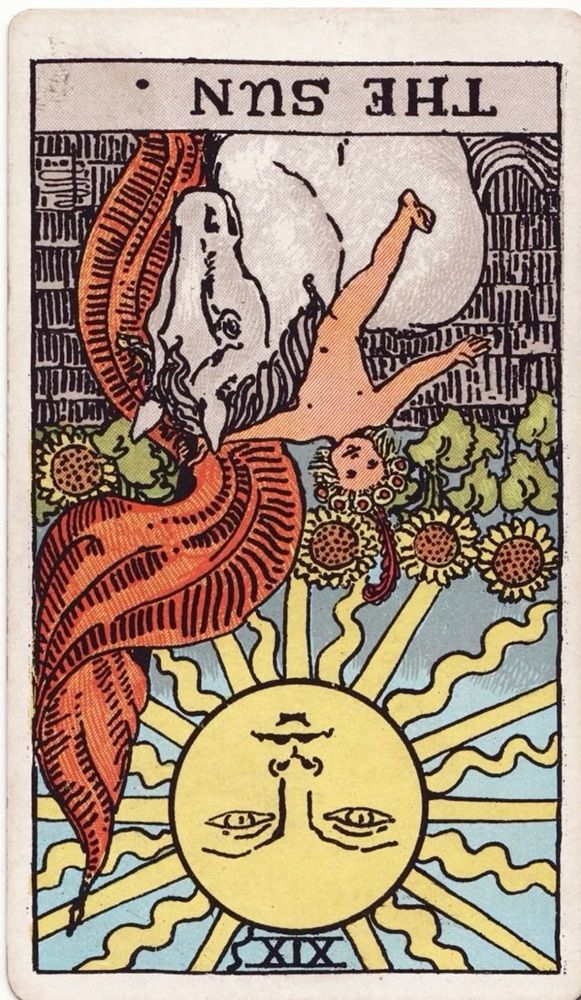
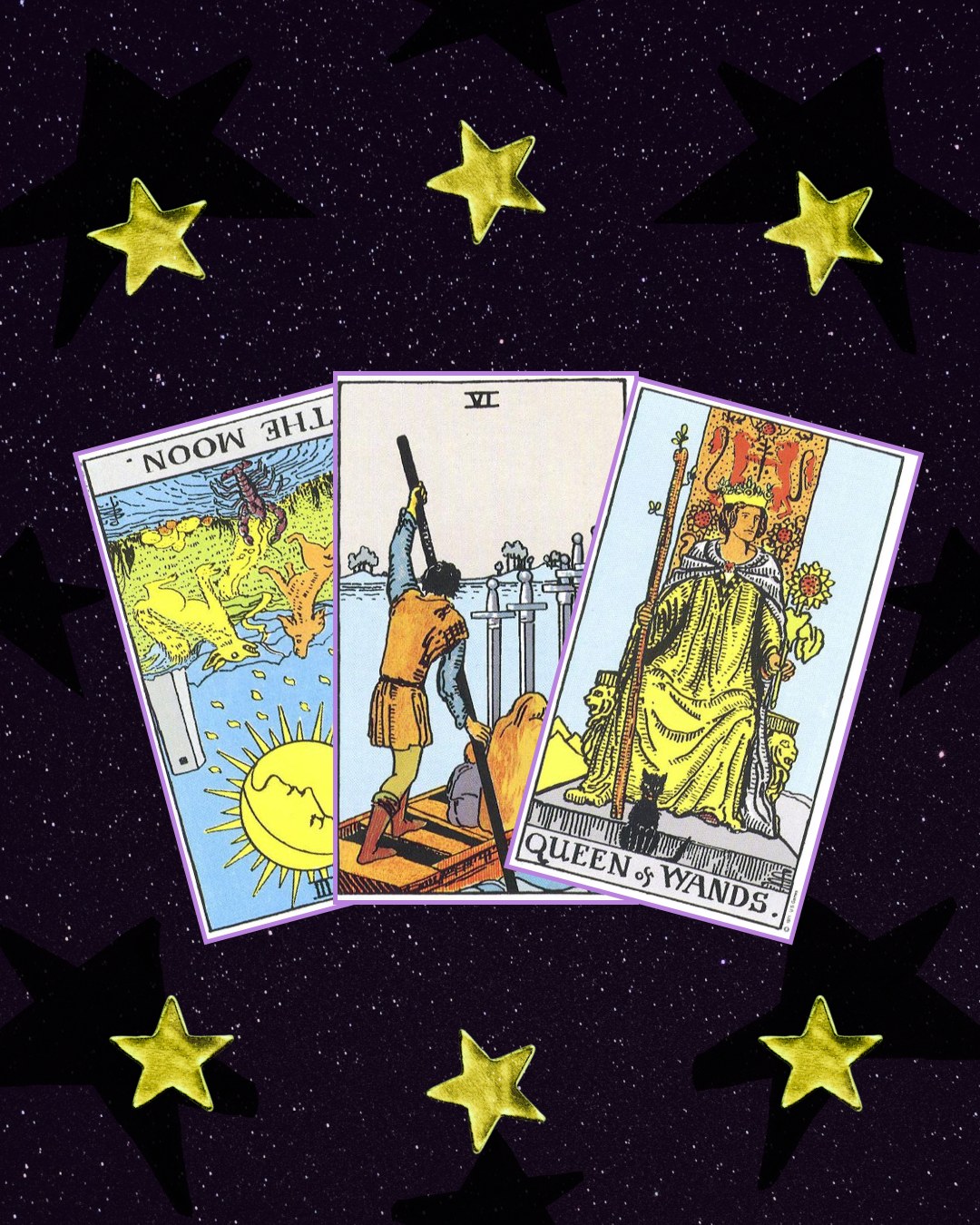
The Sun reversed tells of a love that exists, but struggles to stand without an audience. In the age of social media, it represents relationships that seem to shine brightest when they are displayed and shared. Perfect couple photos for the feed, grand gestures in public (or filmed for social media), declarations visible on the For You page, everything becomes proof of happiness. But when attention shifts elsewhere and the screen turns off, insecurities emerge. This card does not speak of a lack of feeling, but of fragile serenity, too dependent on others’ approval. The Sun reversed challenges the idea that love must constantly be tested and demonstrated to be considered real. It invites us to distinguish between what is truly lived and what is staged, reminding us that not everything that isn’t posted online is any less authentic.
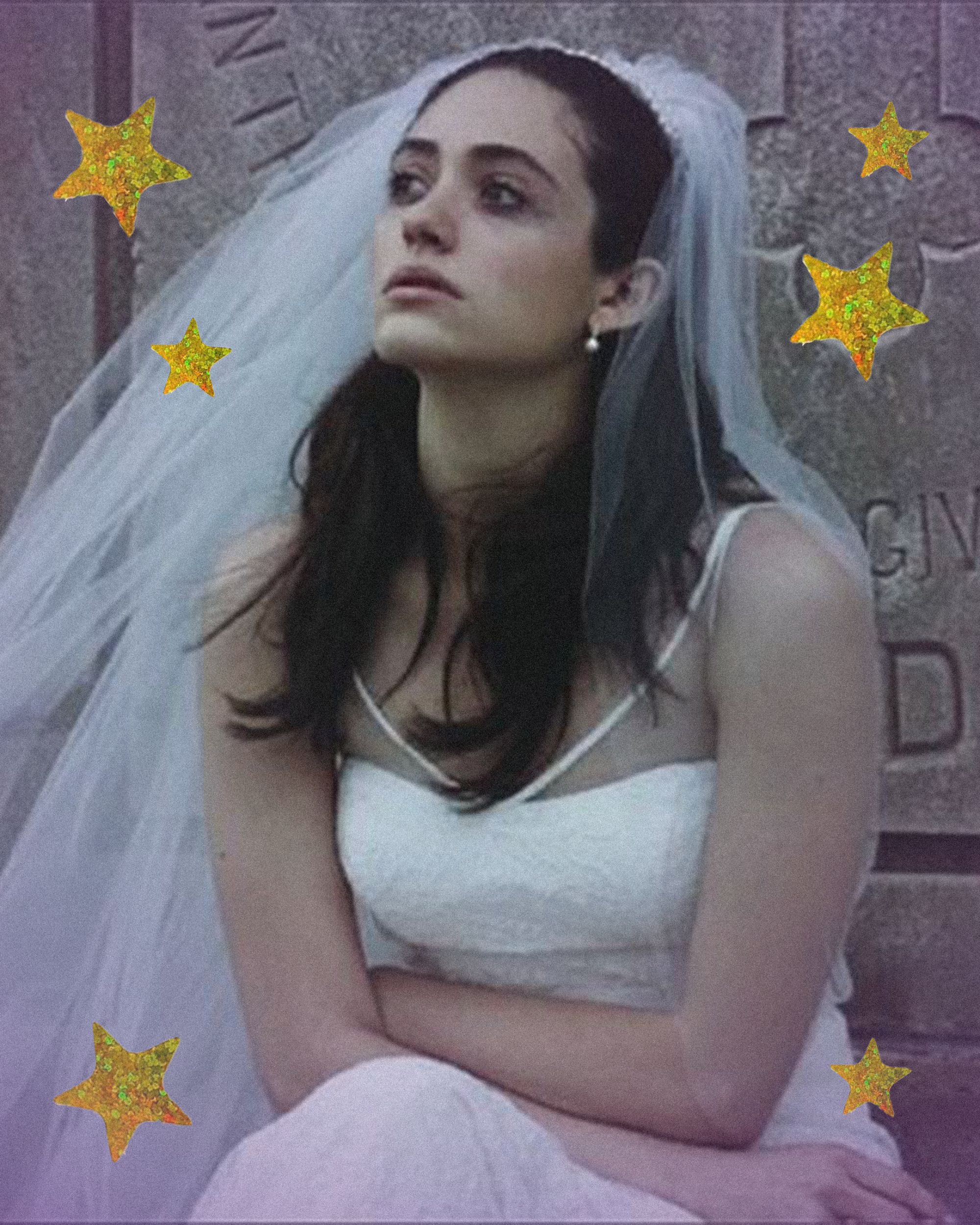
Ten of Swords: the (painful and public) ending
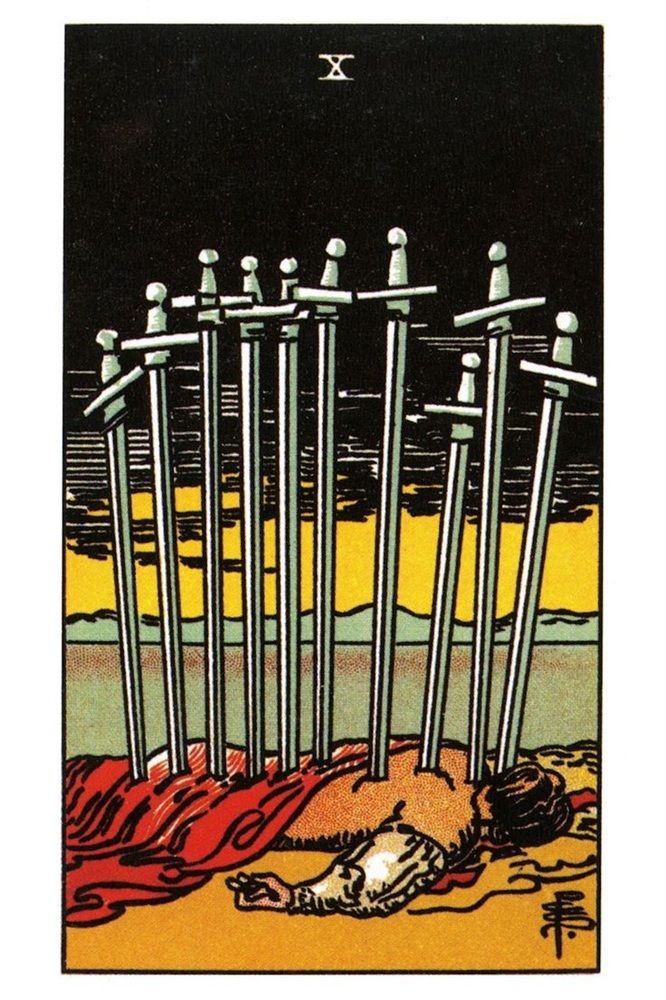
In the age of social media, the Ten of Swords speaks of an ending that is never private. It’s the breakup that continues to live through secretly visited profiles, songs obviously chosen on purpose, and pointed jabs in stories (that we already know the other person will watch). When love ends today, it doesn’t really disappear, it just gets archived, like a post we can’t bring ourselves to delete, ready to reopen wounds and make us rethink what was and what comes next. This card speaks of pain amplified by constant visibility, of the difficulty of letting go when our lives are always on display. But the Ten of Swords is also a card of awareness: it shows that the lowest point has already been reached. From there, the only possibility is to begin rebuilding, making our profile private and giving space back to our own healing.
What to read next

Halloween make-up inspired by the most iconic runway shows
From Christian Dior by John Galliano to Matières Fécales

Rubinacci has launched its first ready-to-wear women's collection
The lifestyle journey between past and present told at the trunk show on October 7

The most popular Italian and European pharmacy products abroad
The keywords are to soothe and protect: from Biafin to La Roche-Posay