













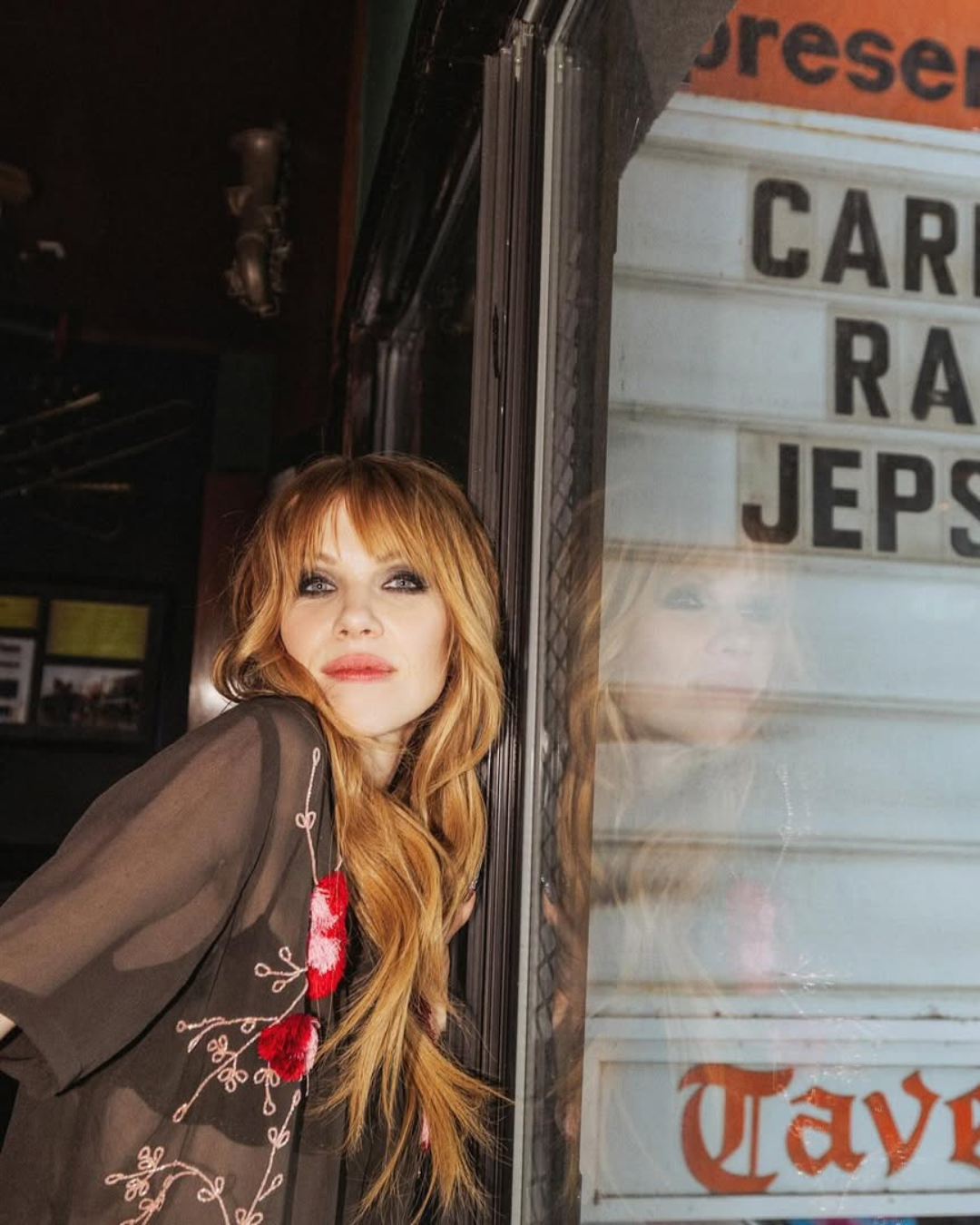

Tom Connell: "We don't follow trends and we don't use Artificial Intelligence" Interview with Davines' Hair Art Director
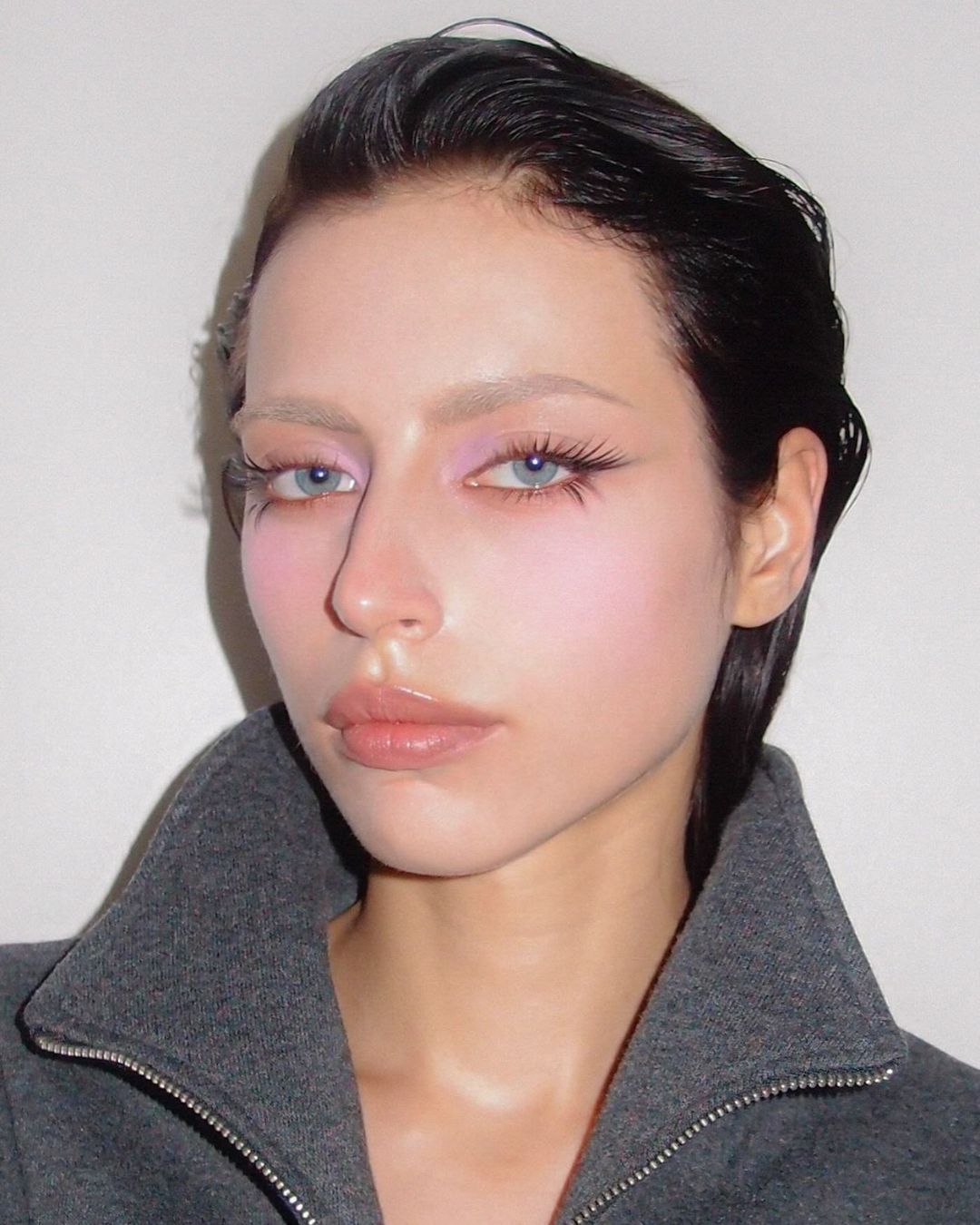
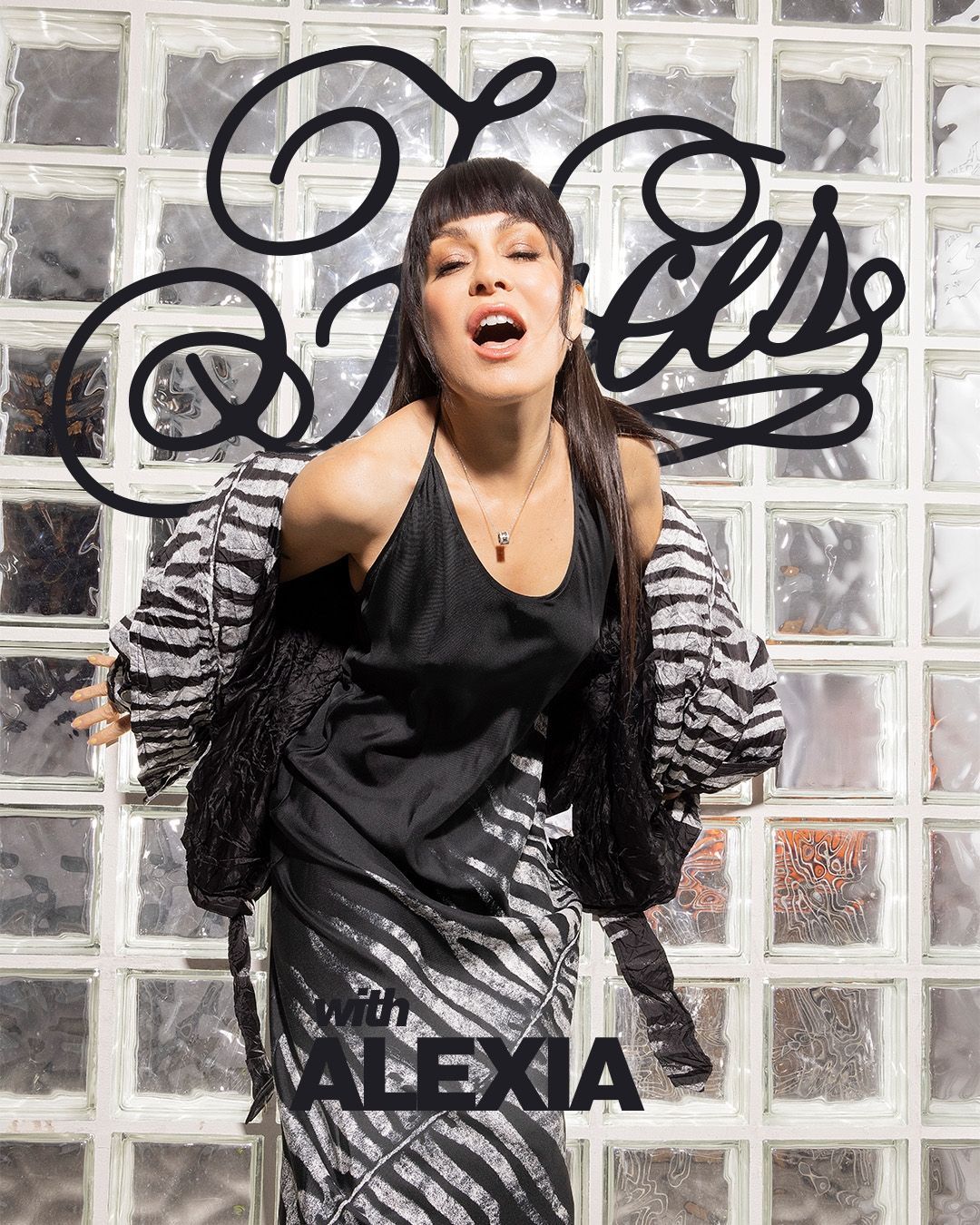
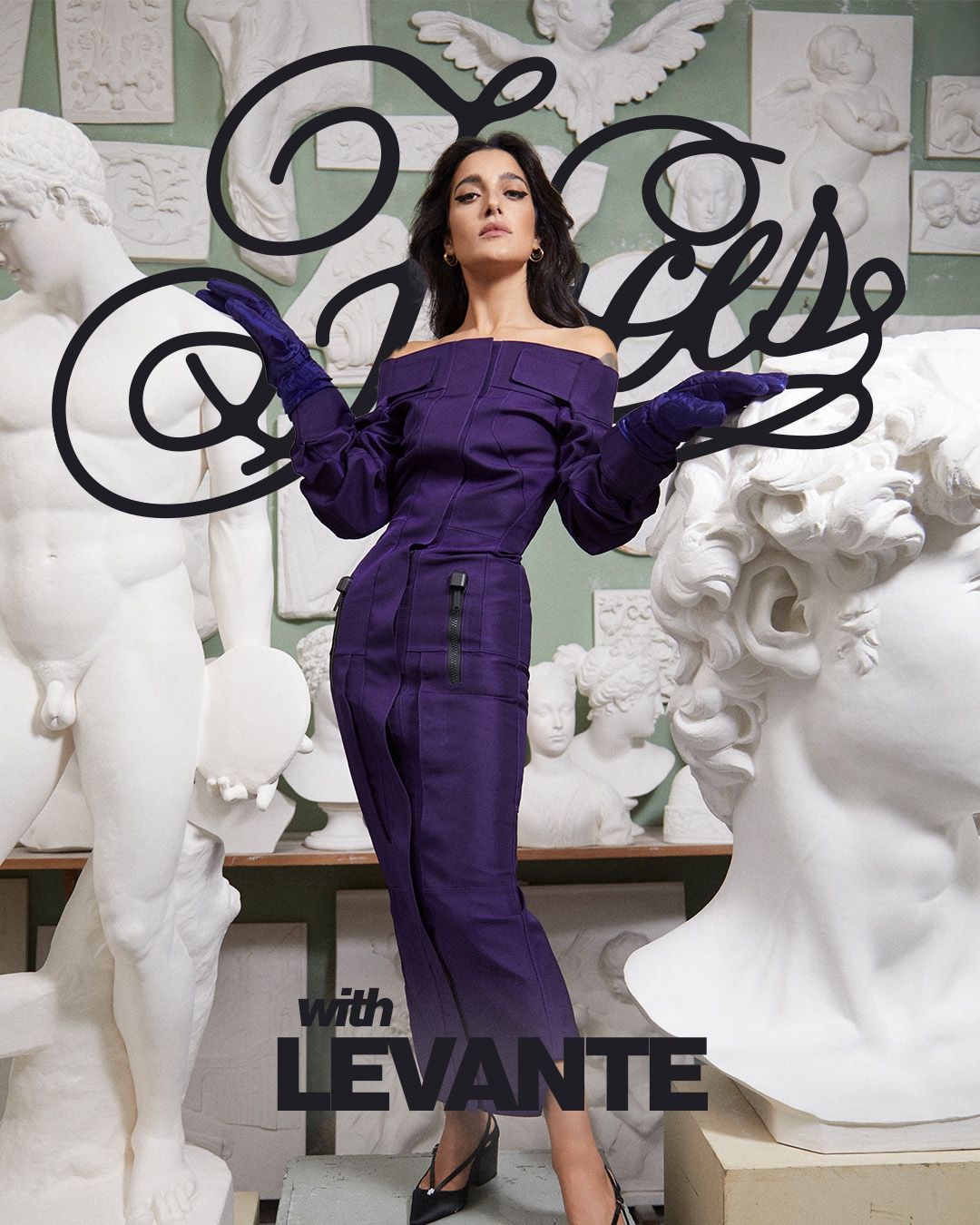
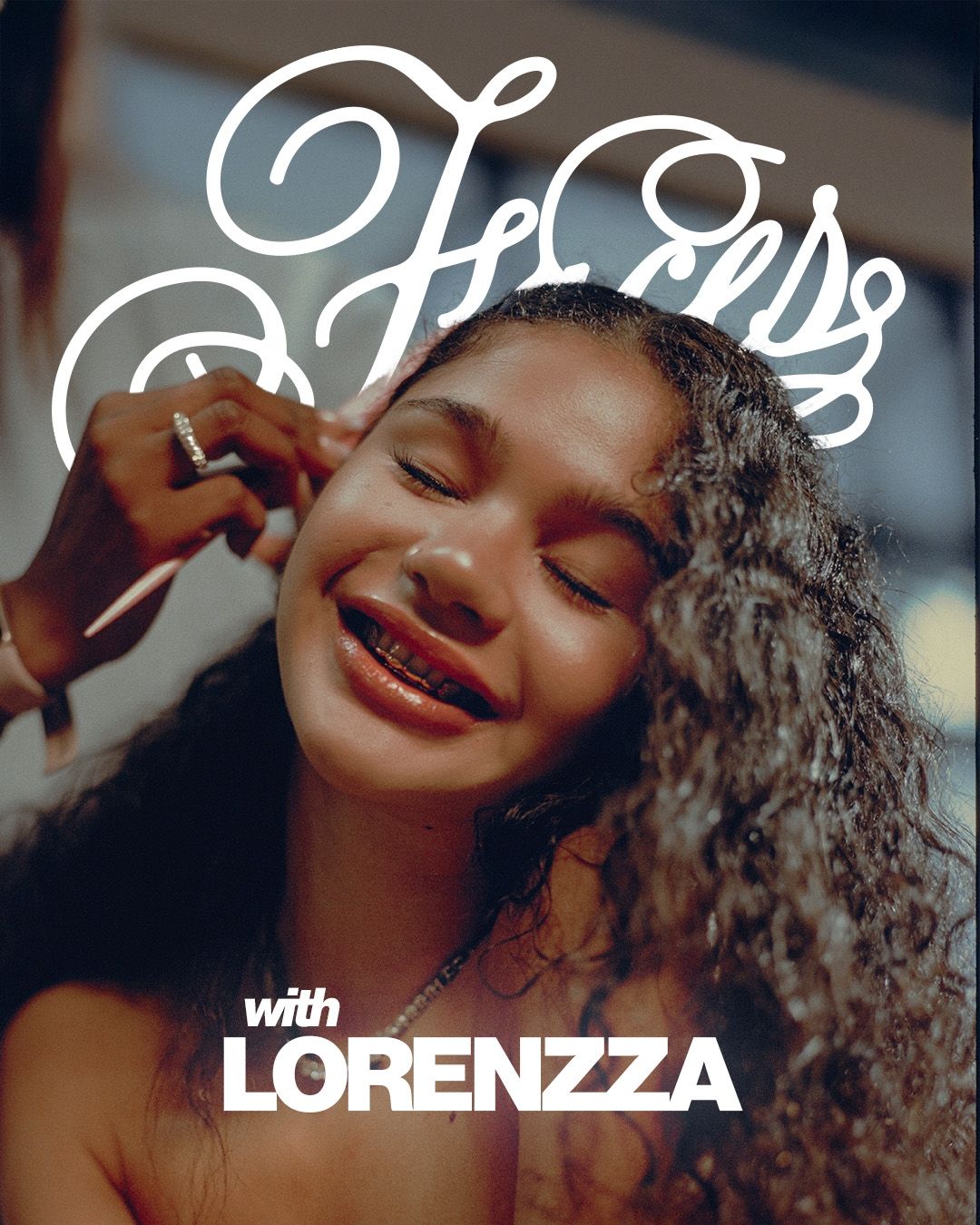
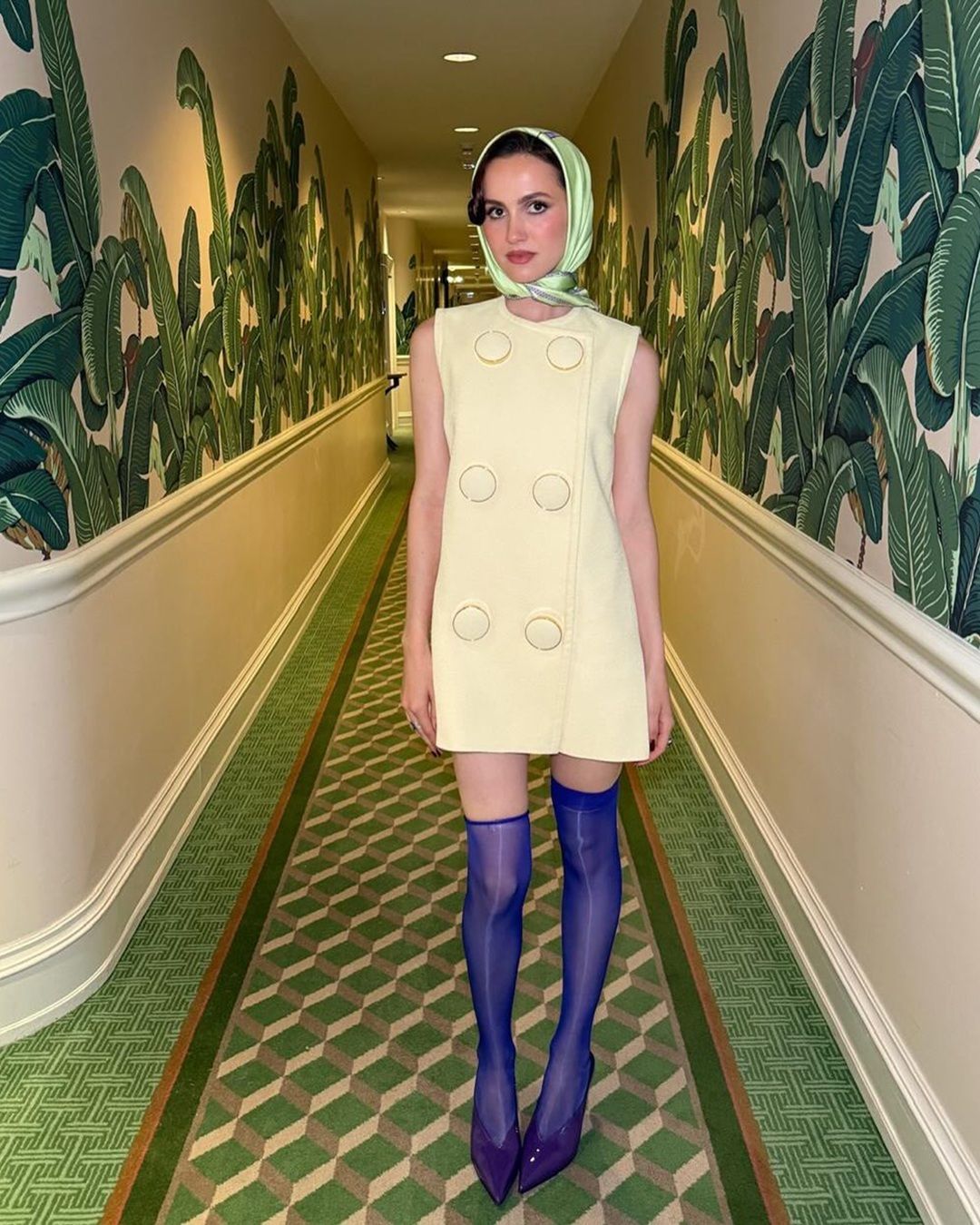
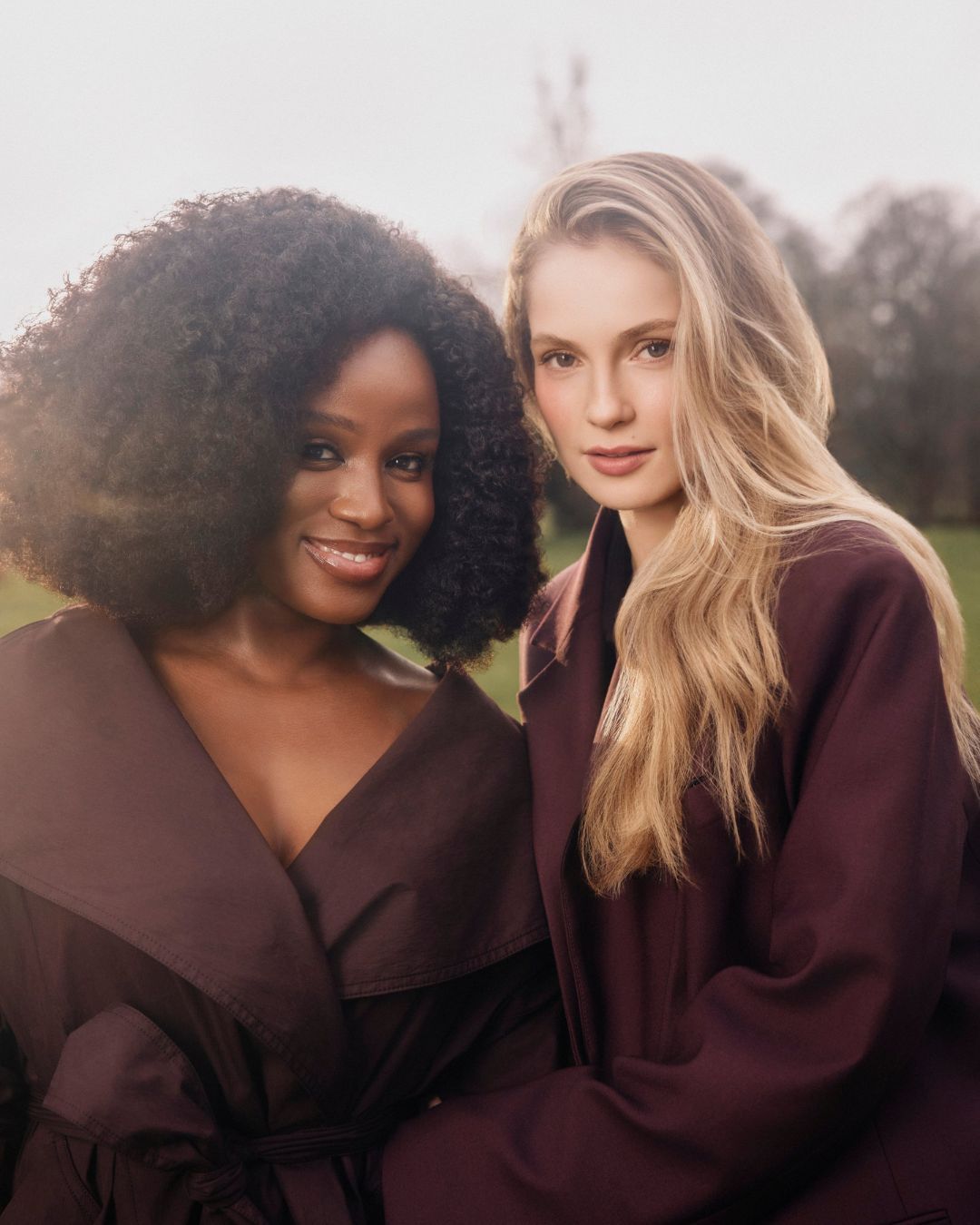
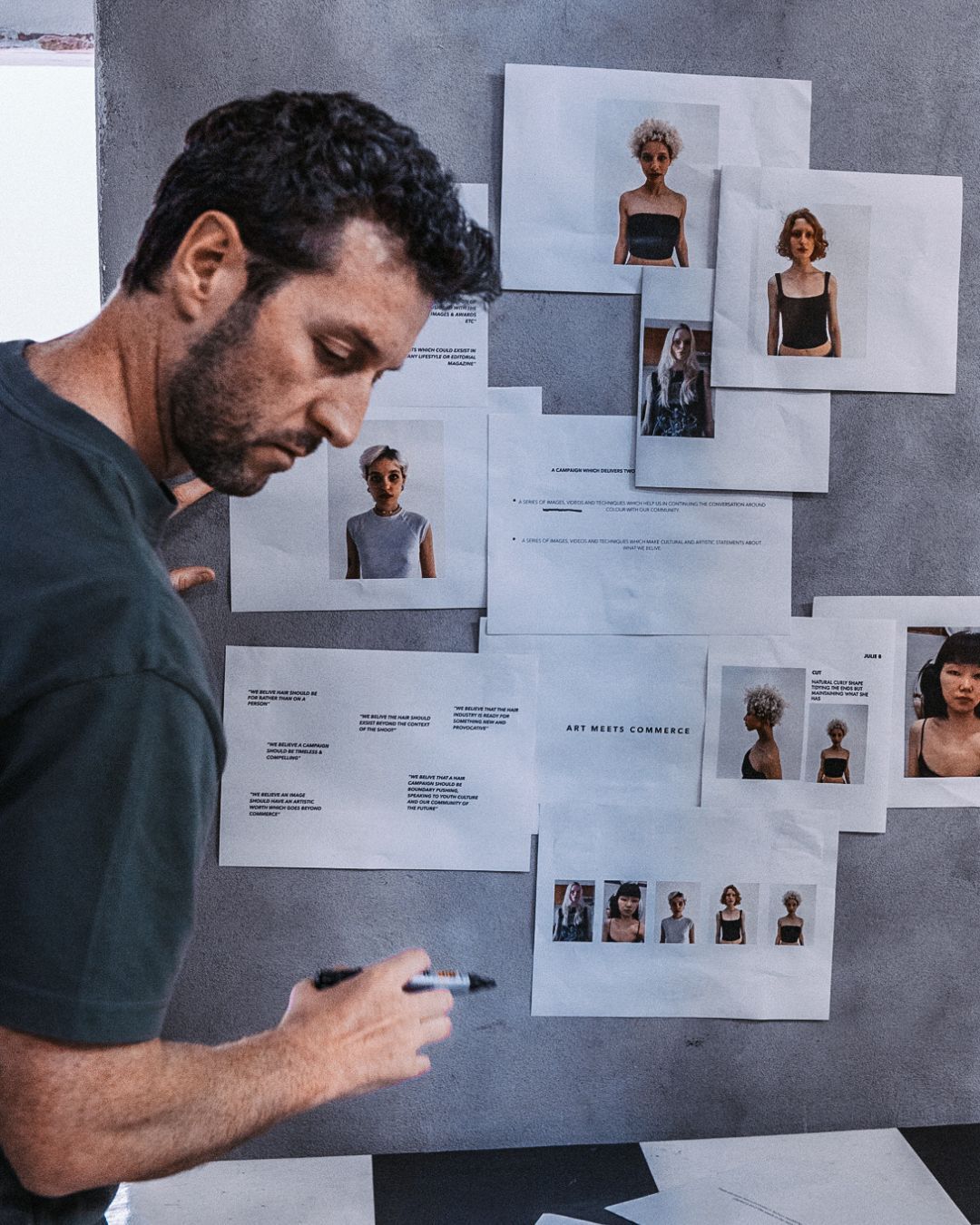
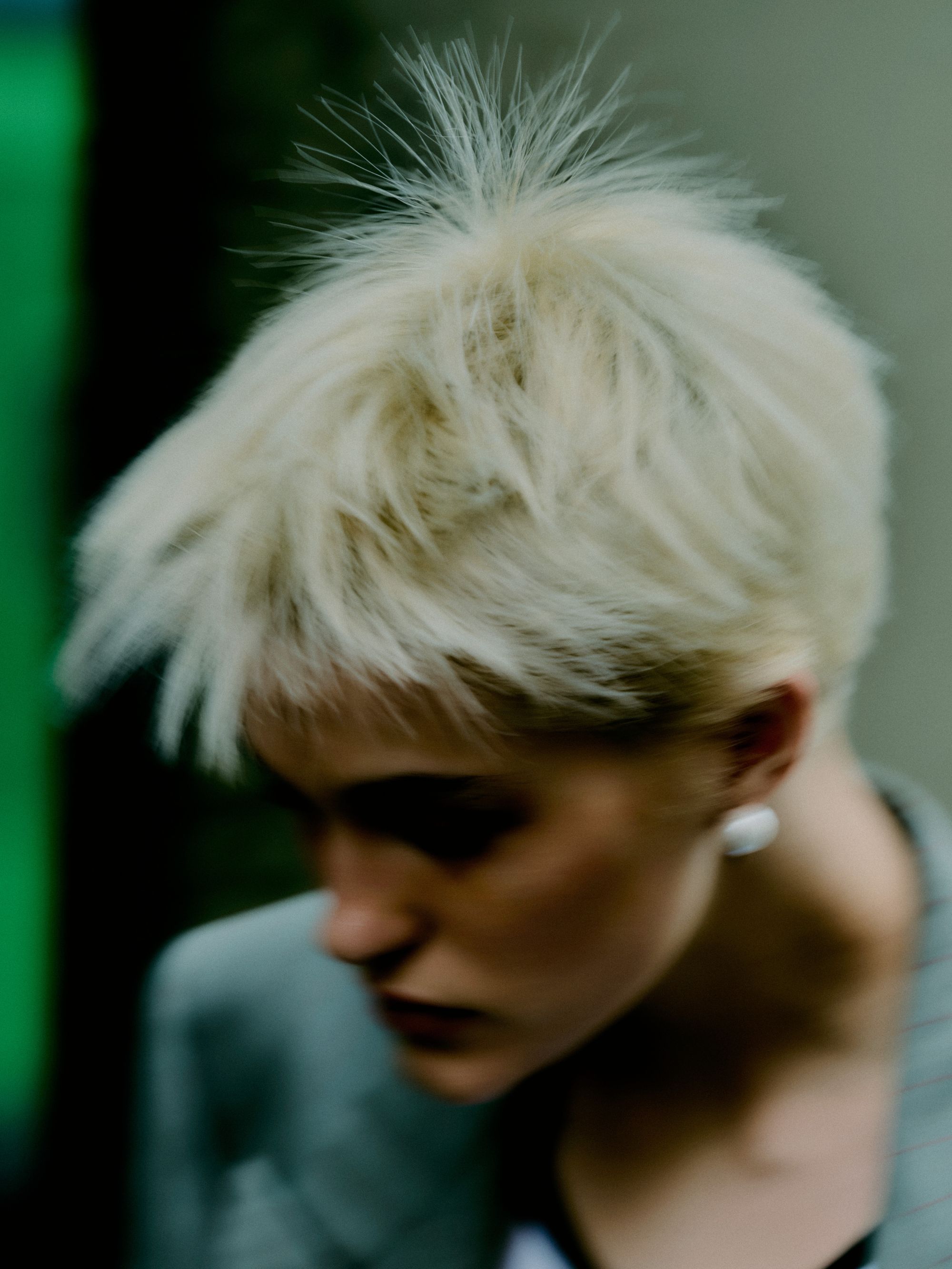
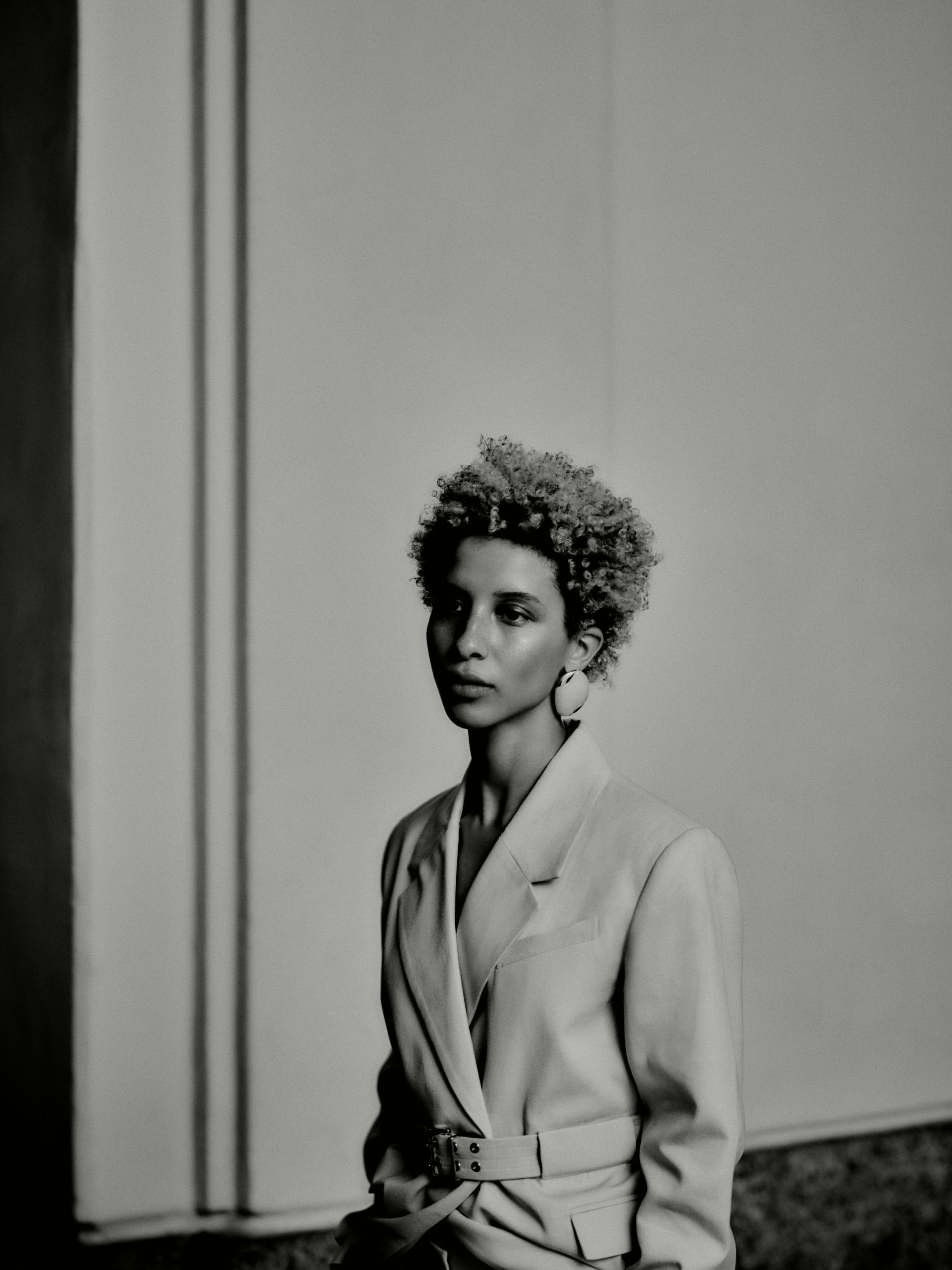
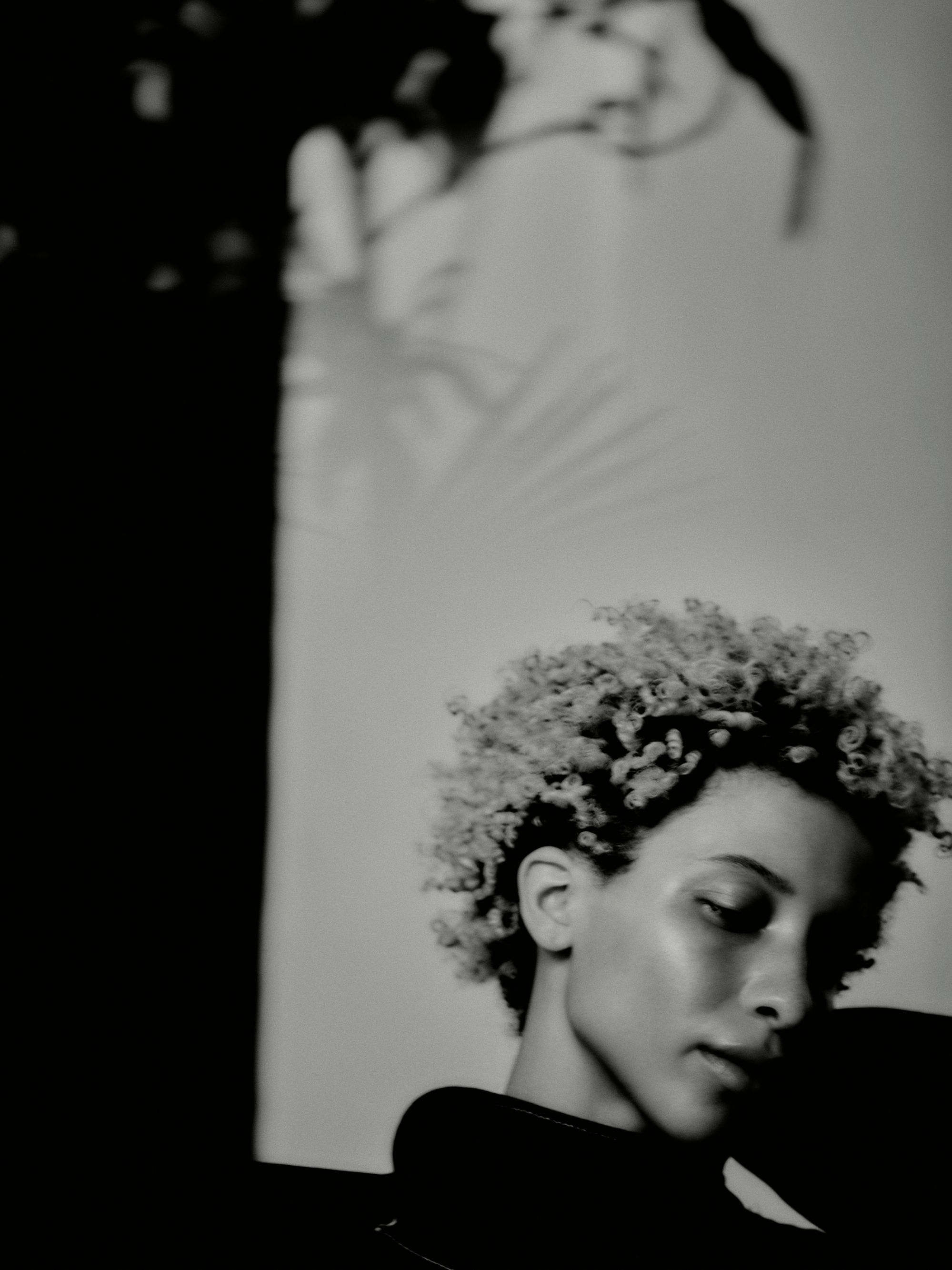
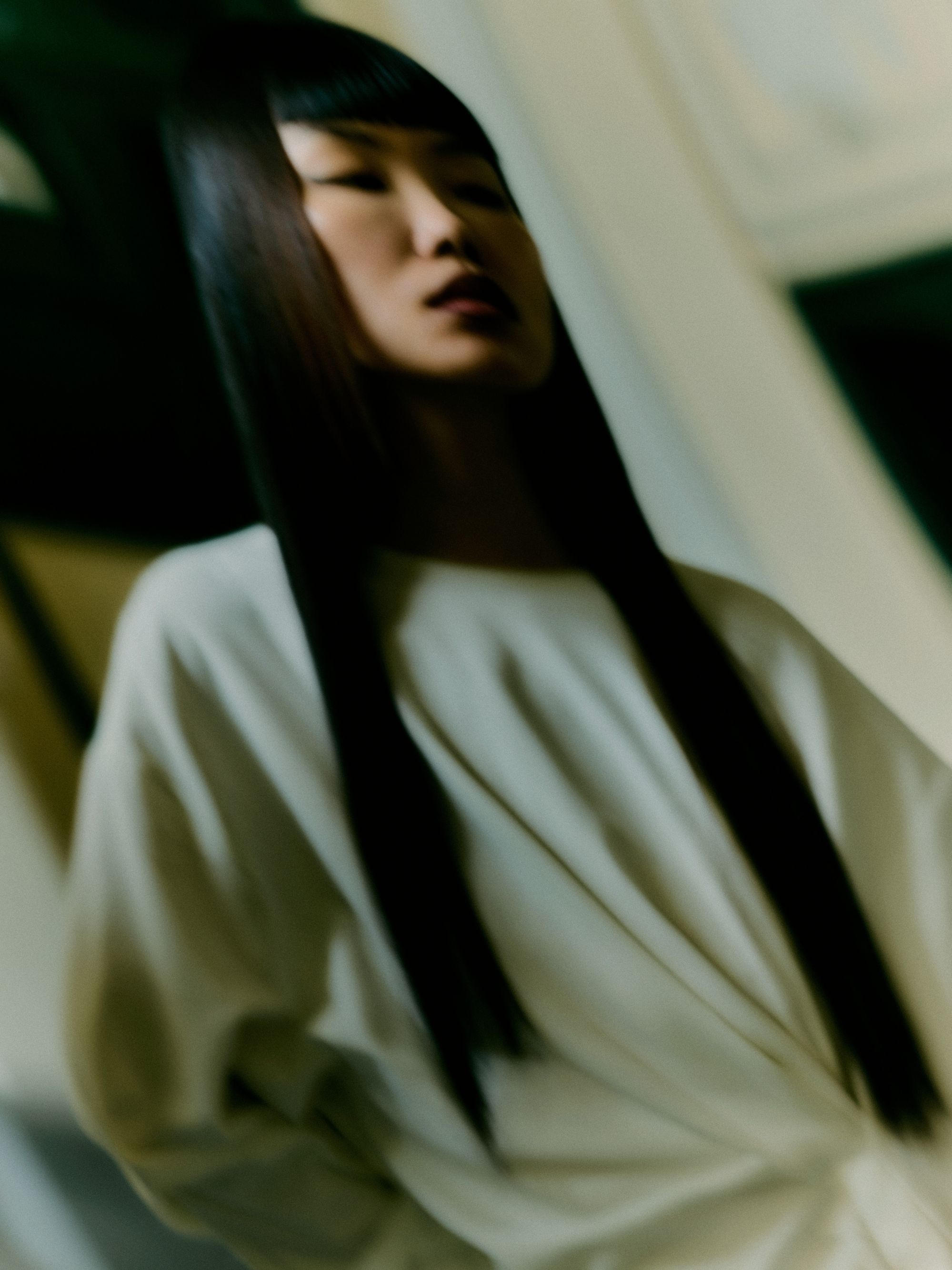
Remember those slightly '90s-style images plastered on the walls and windows of your favorite hair salon? All the same, all a bit stale. Davines chose to break away from that idea and launched a new campaign and collection, aiming to innovate not only in terms of products but also in terms of imagery. It's called Once, Forever and comes from a clear idea: hair is not an accessory to be applied, but a personal language to be interpreted. Encapsulated in the principle Hair for a person, not on a person, the campaign focuses on the dialogue between hairstylist, client, and hair, turning the act of creation into an instinctive and collaborative process. Created by Tom Connell, the brand’s Hair Art Director, Once, Forever explores the delicate balance between art and technique, image and storytelling, aiming to capture those fleeting moments when form and essence coincide. The result is a collection that looks beyond trends, focusing on timelessly captivating images and styles that enhance the authentic identity of each individual.
Interview with Tom Connell, Hair Art Director at Davines
How would you define the concept of the Once, Forever collection in a few words?
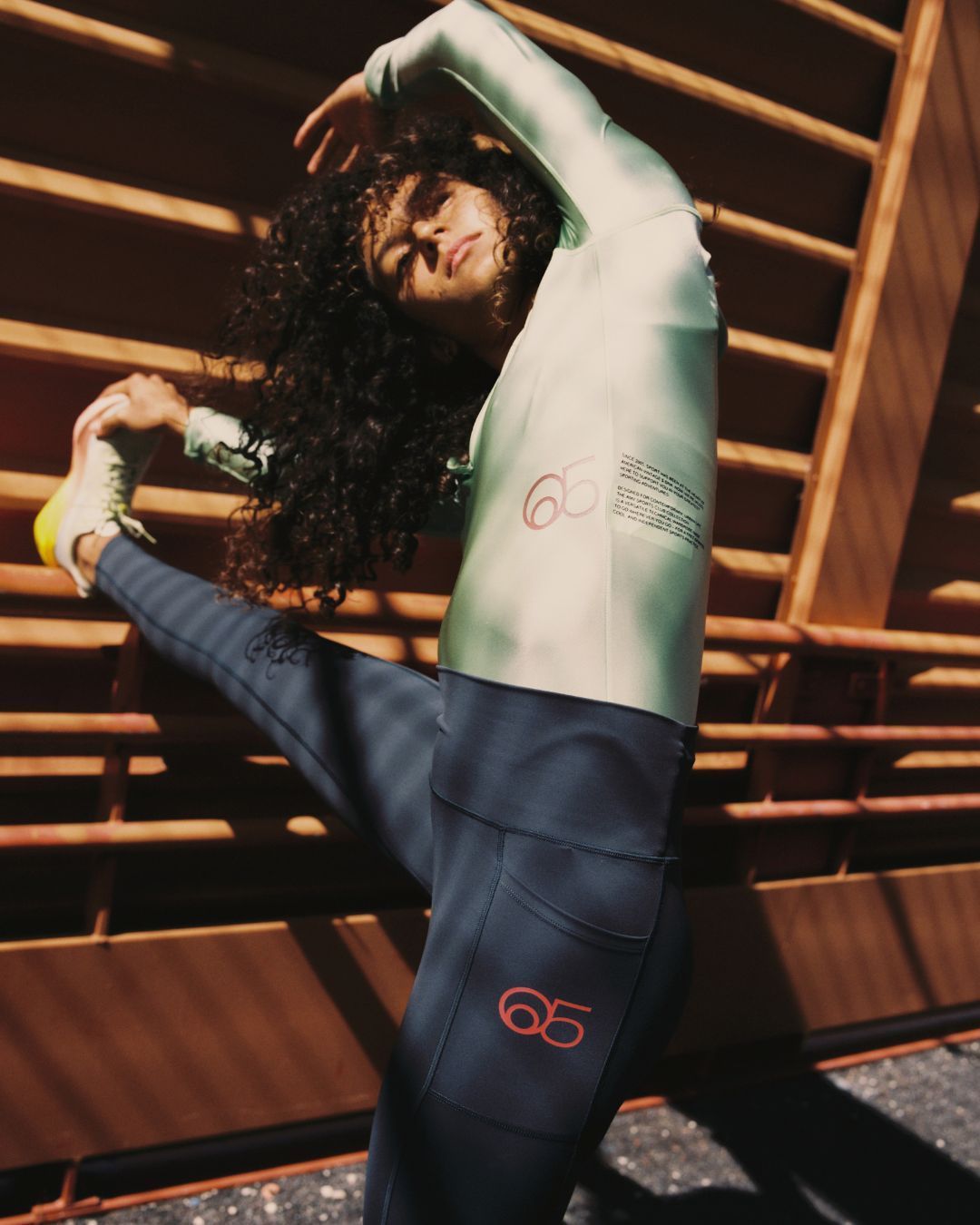
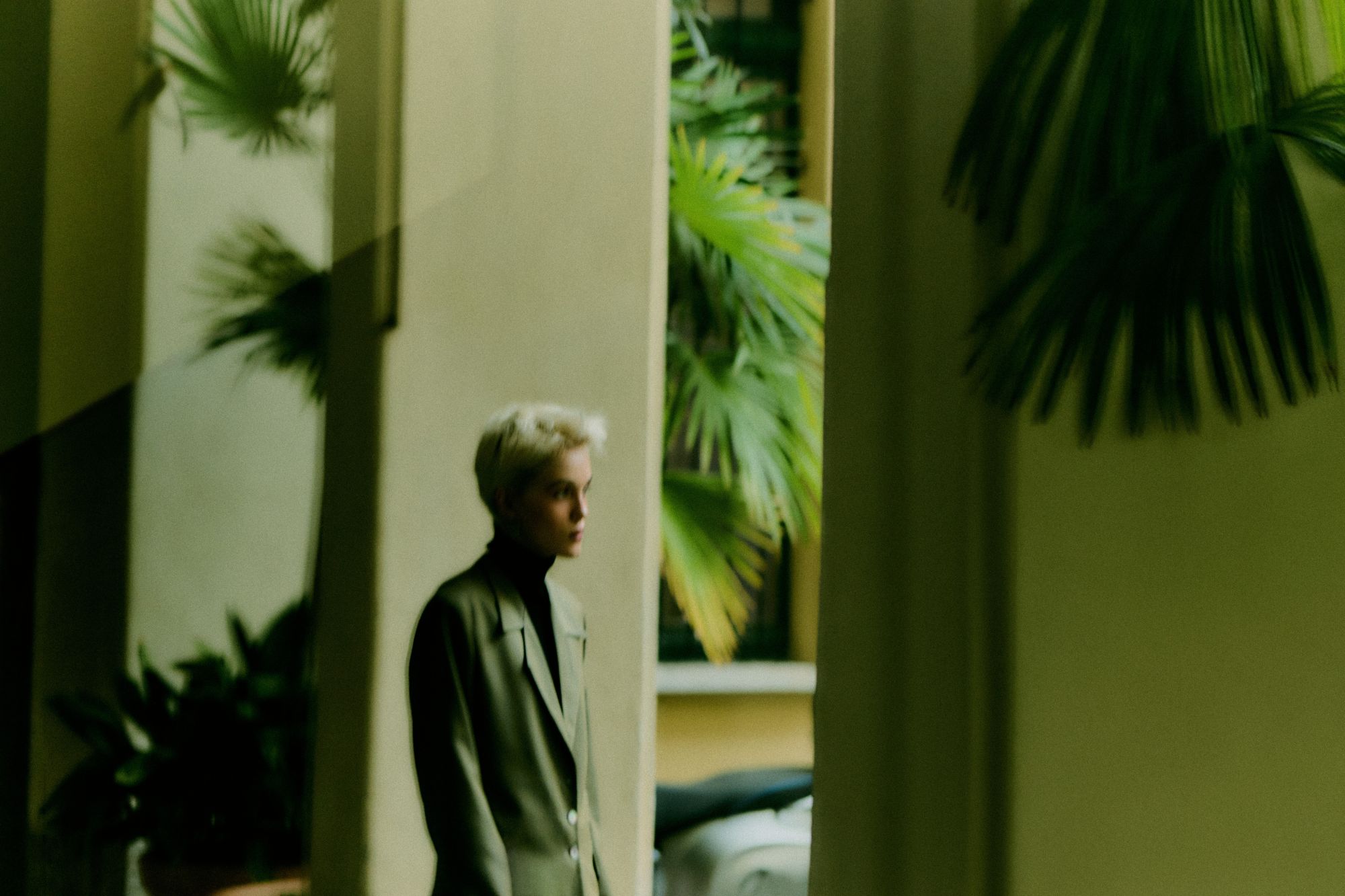
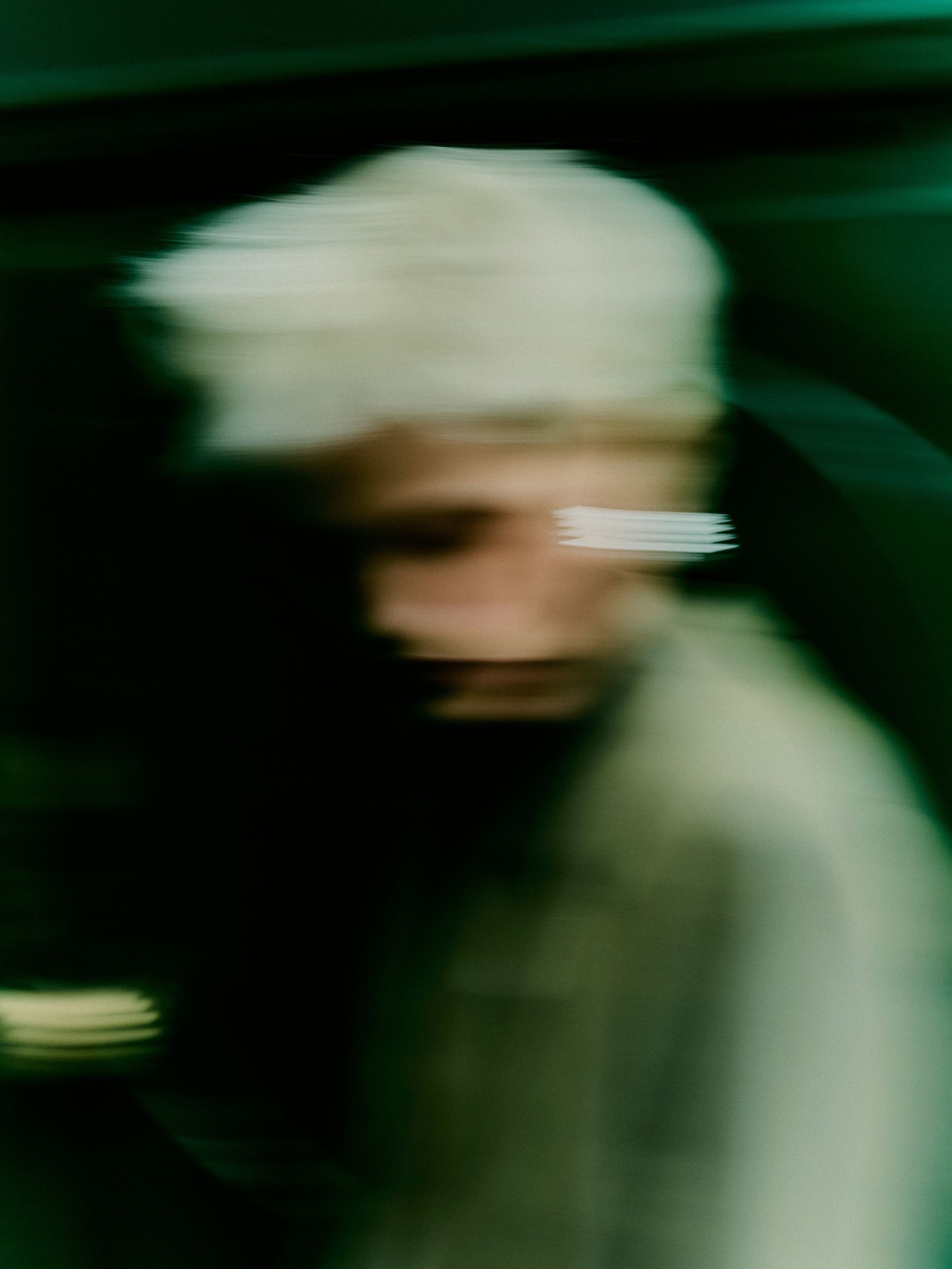
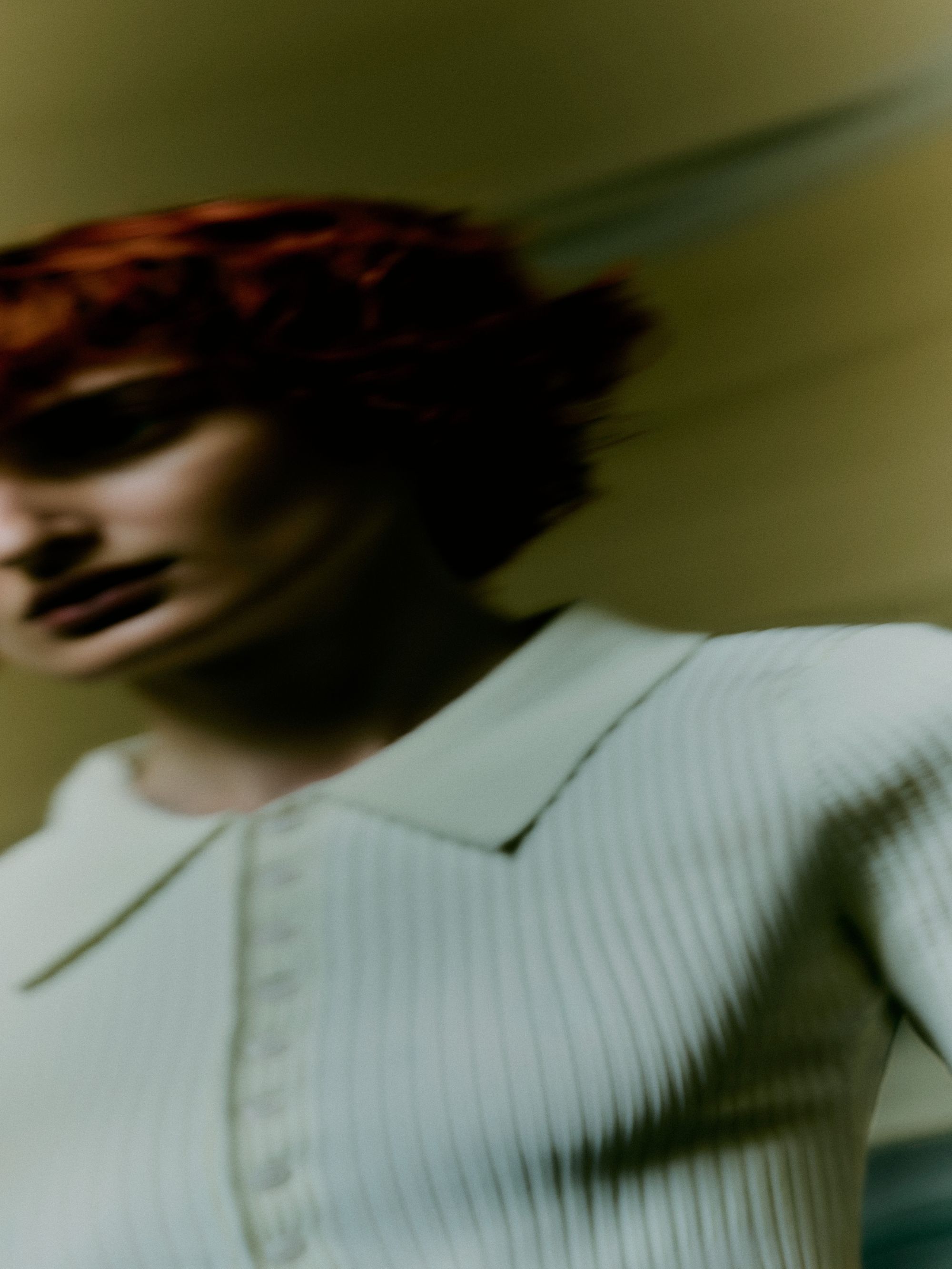
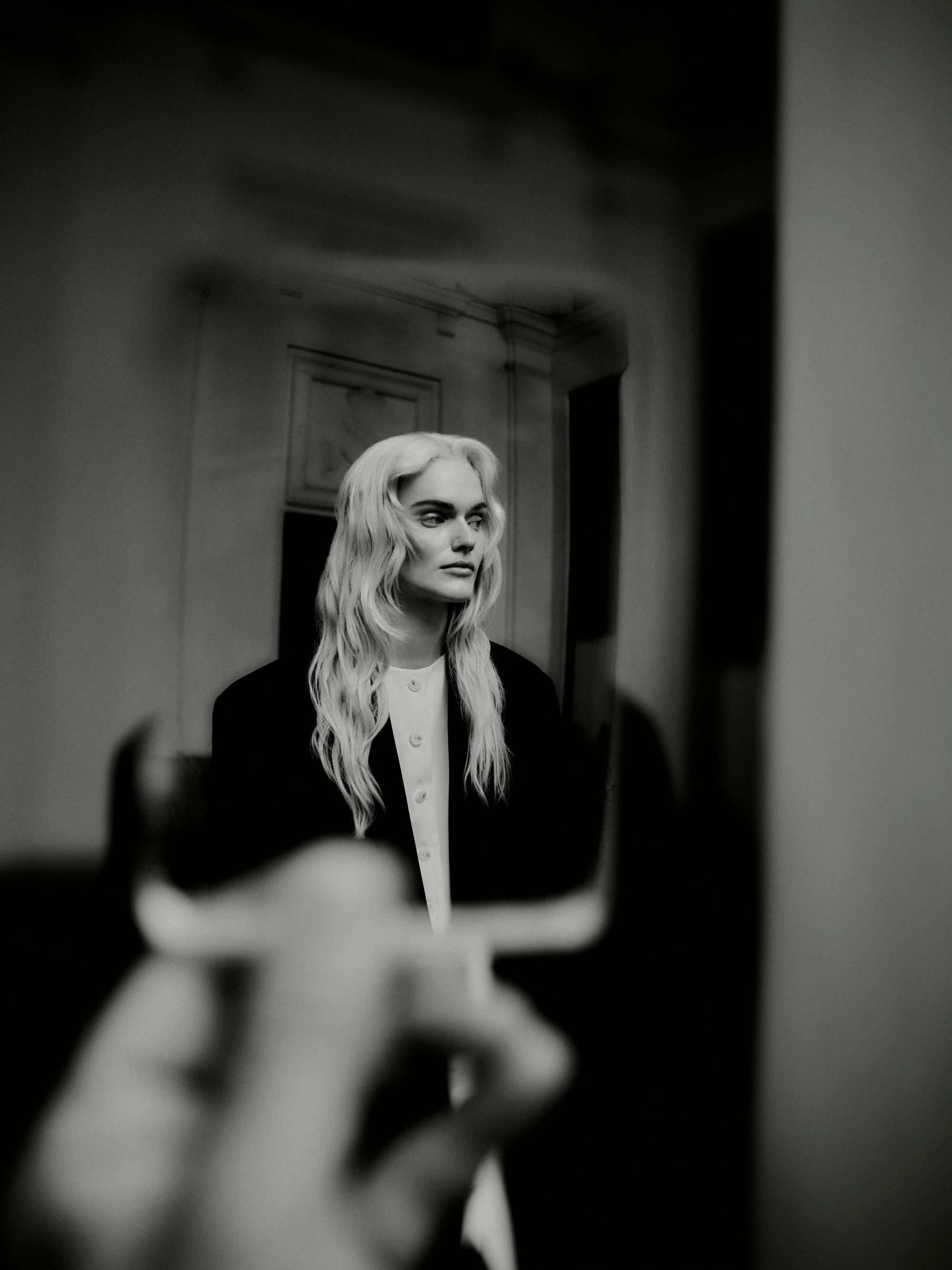
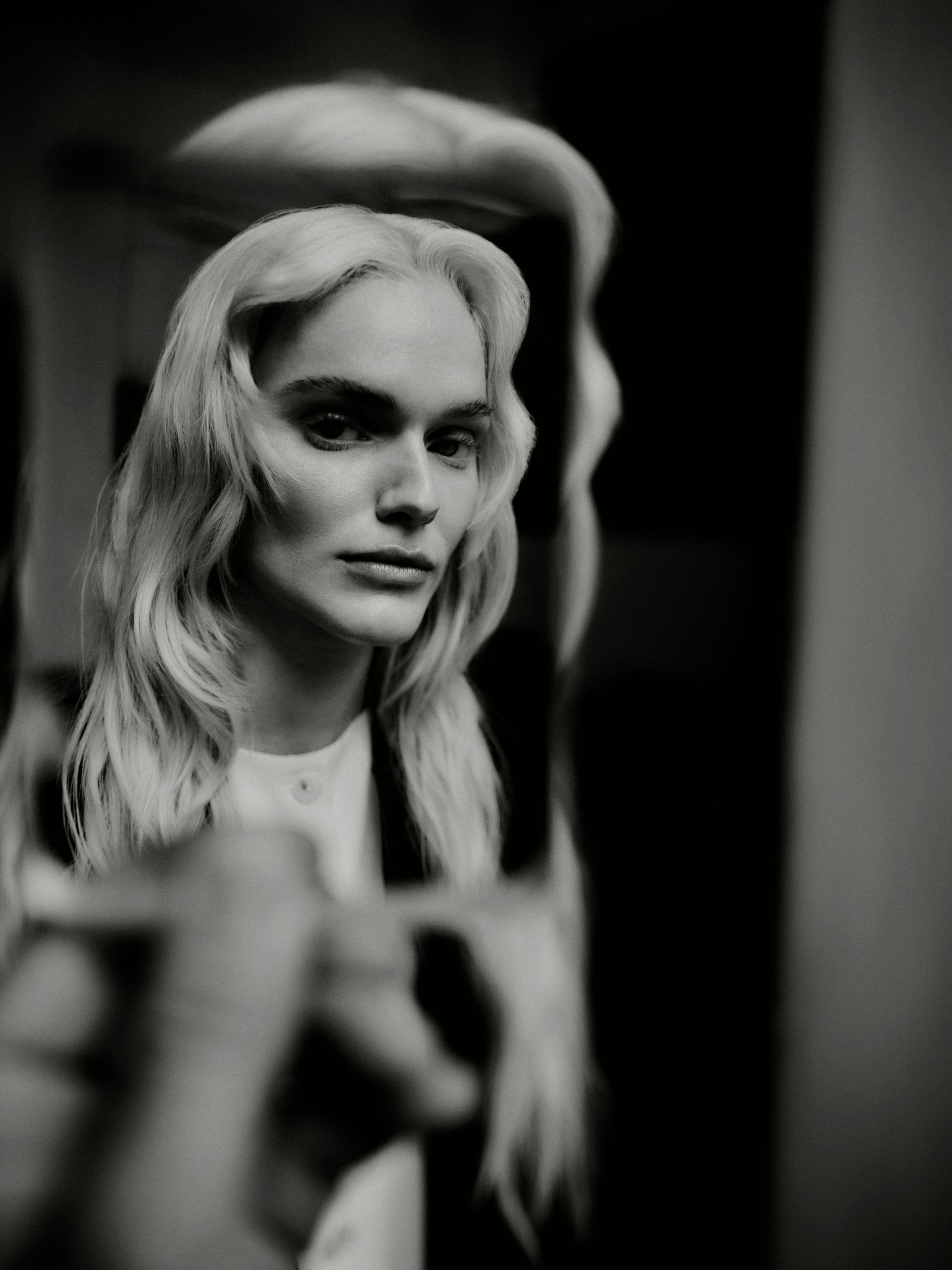
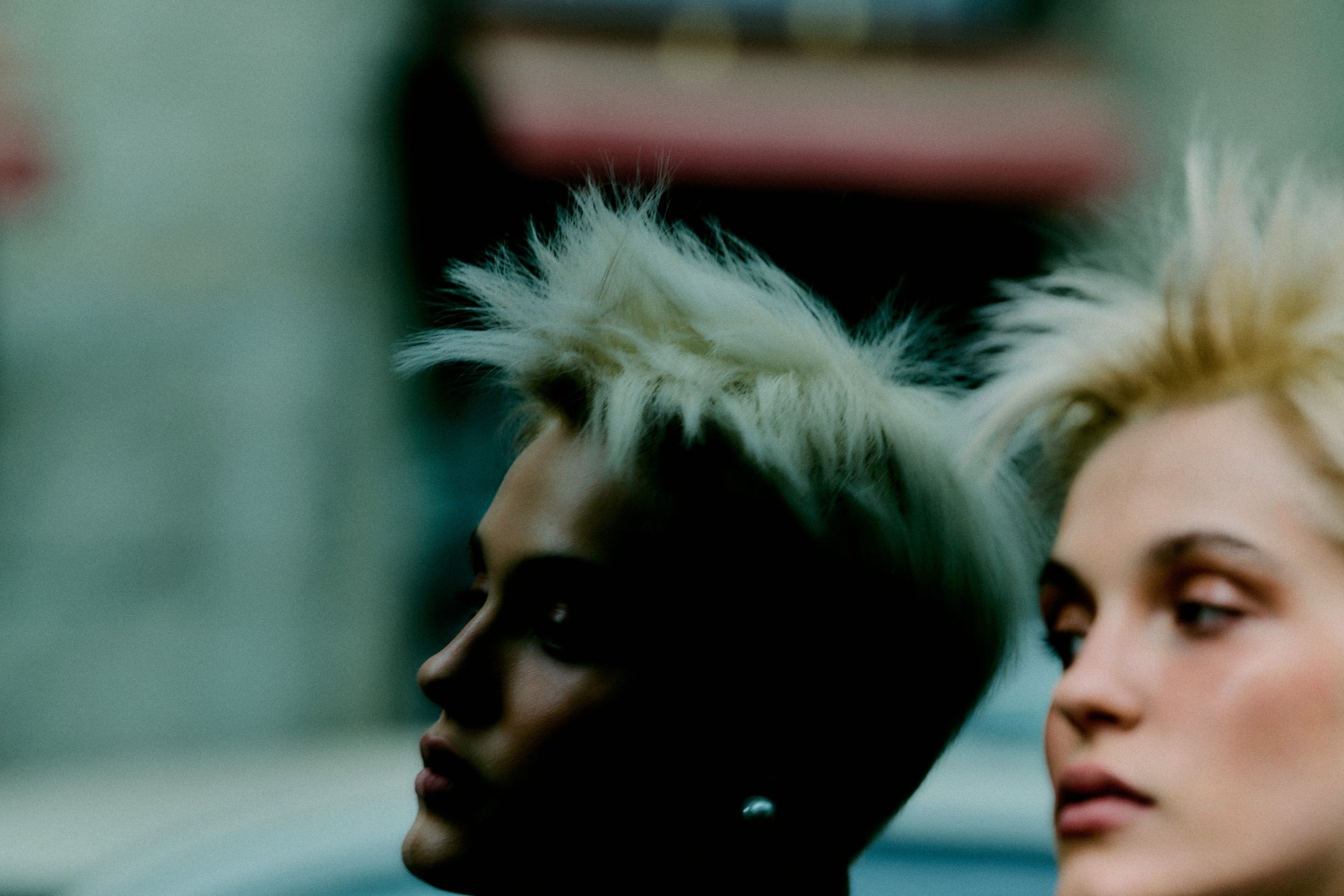
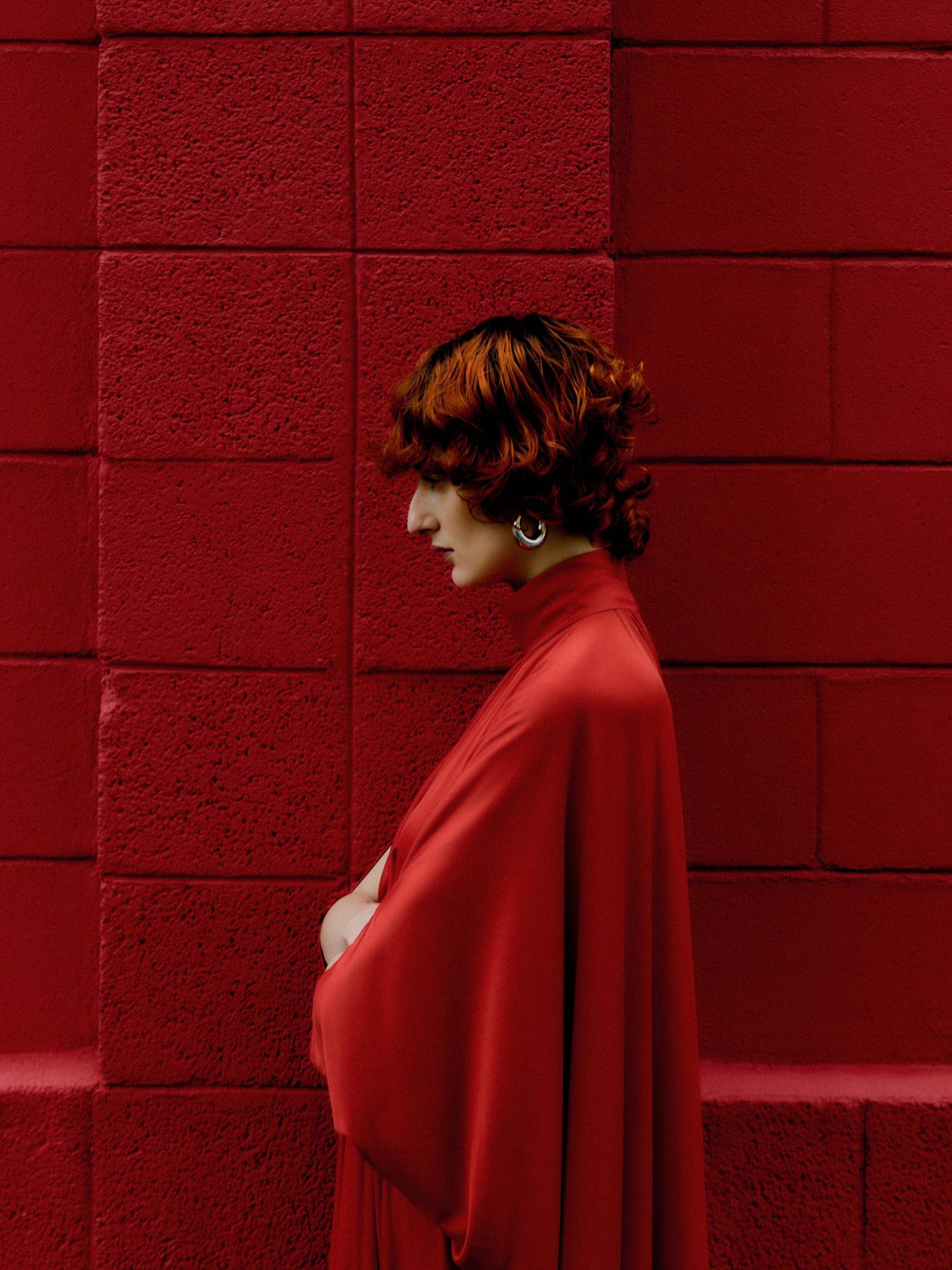
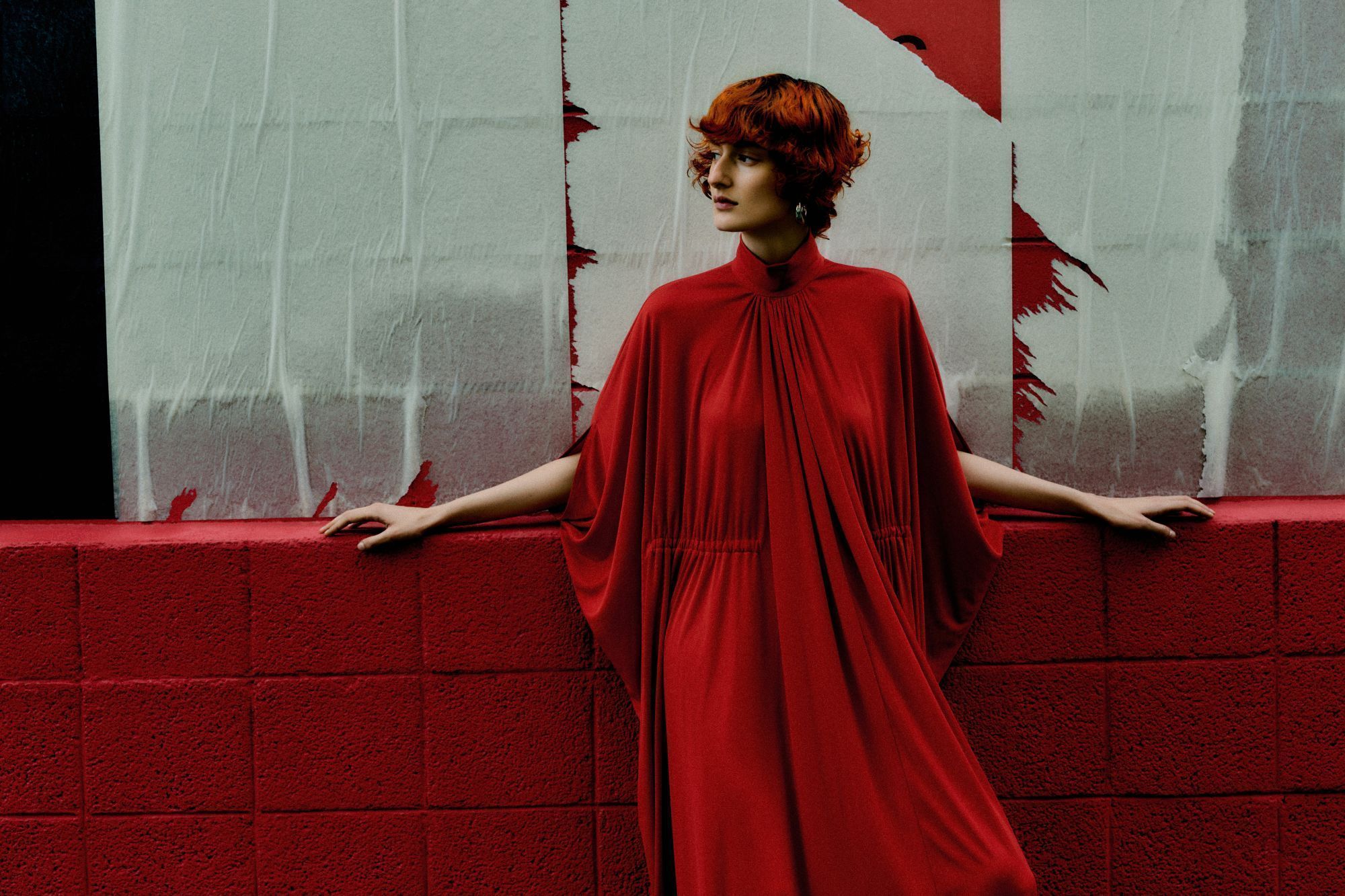
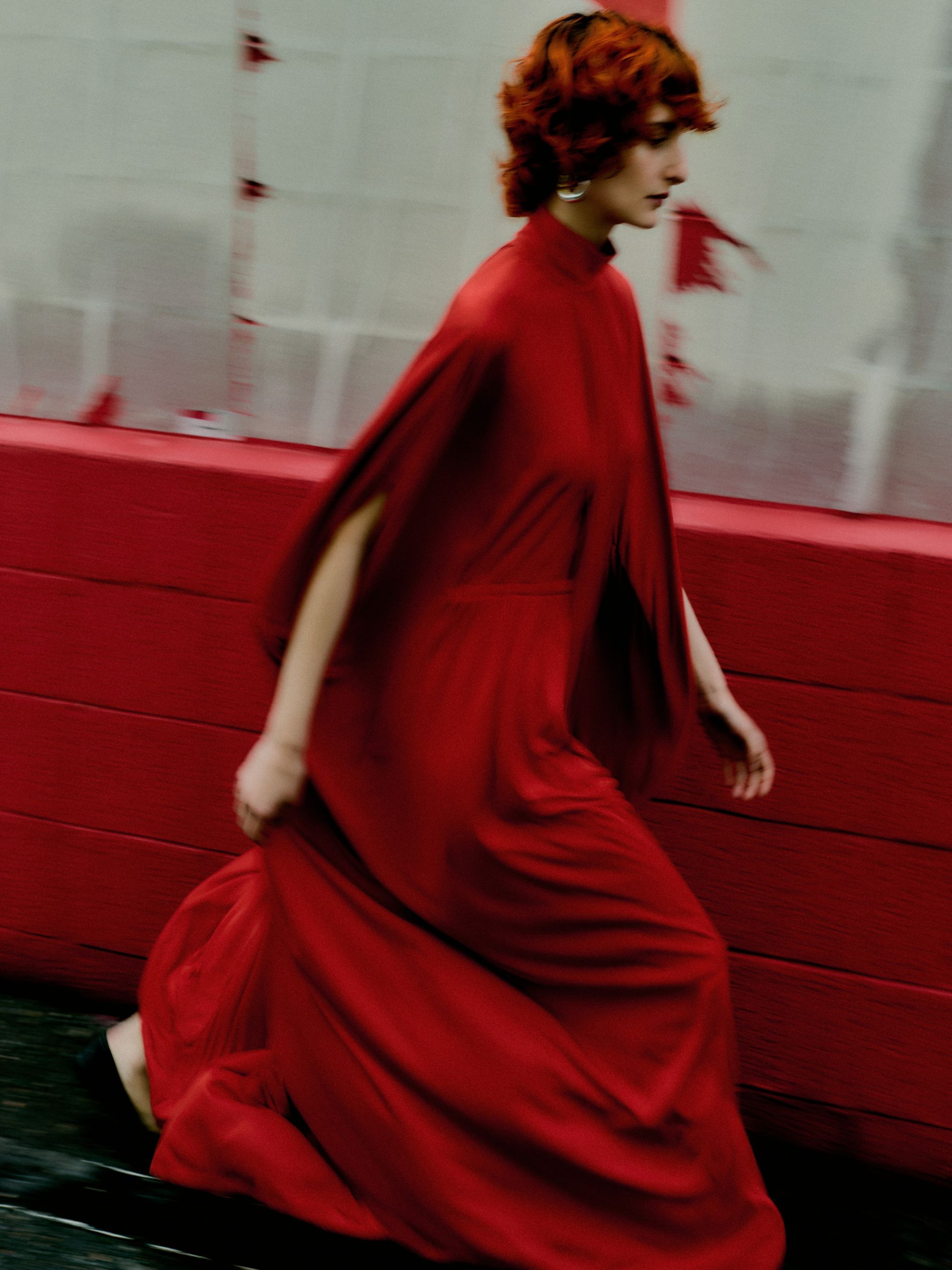
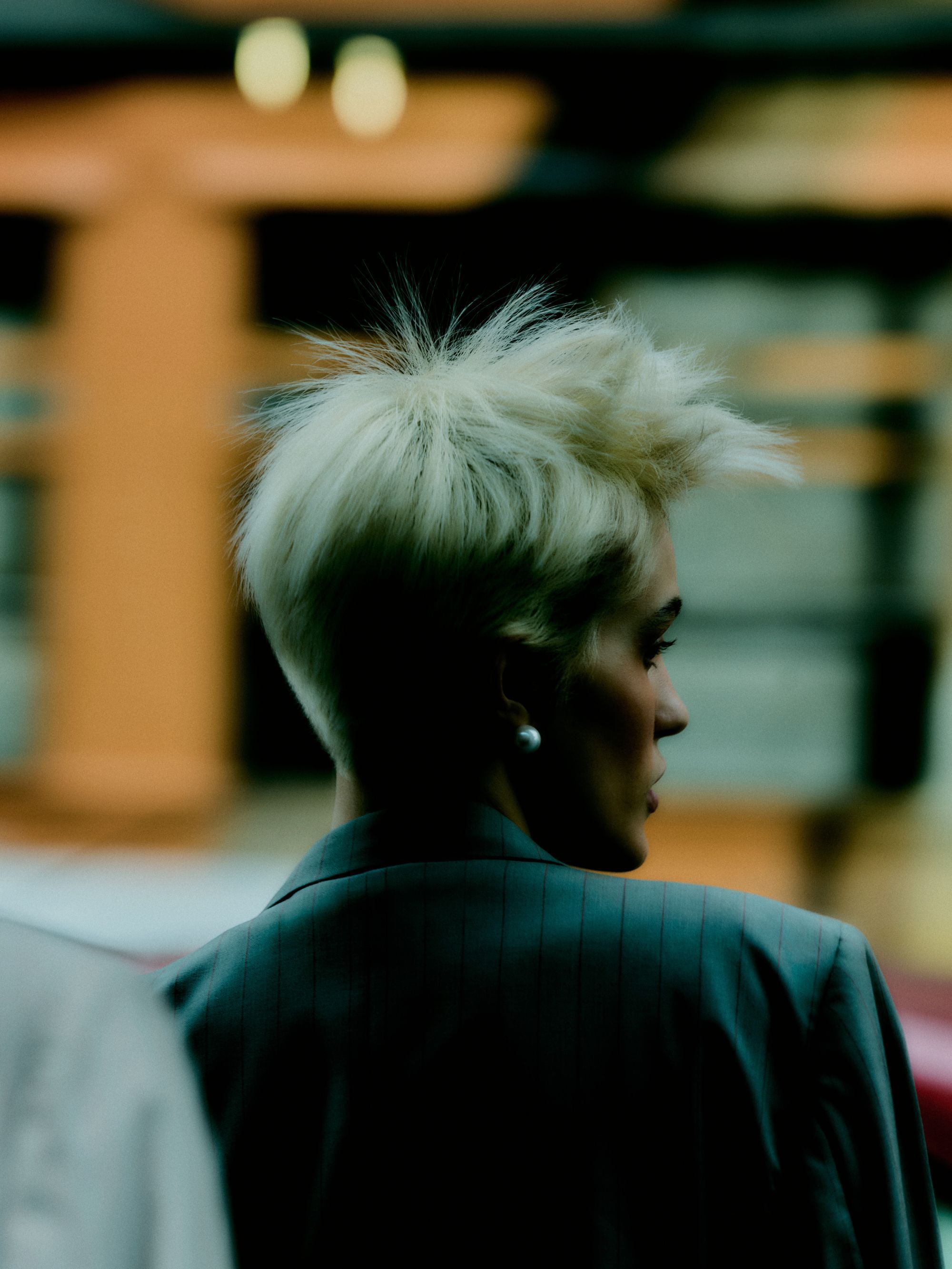
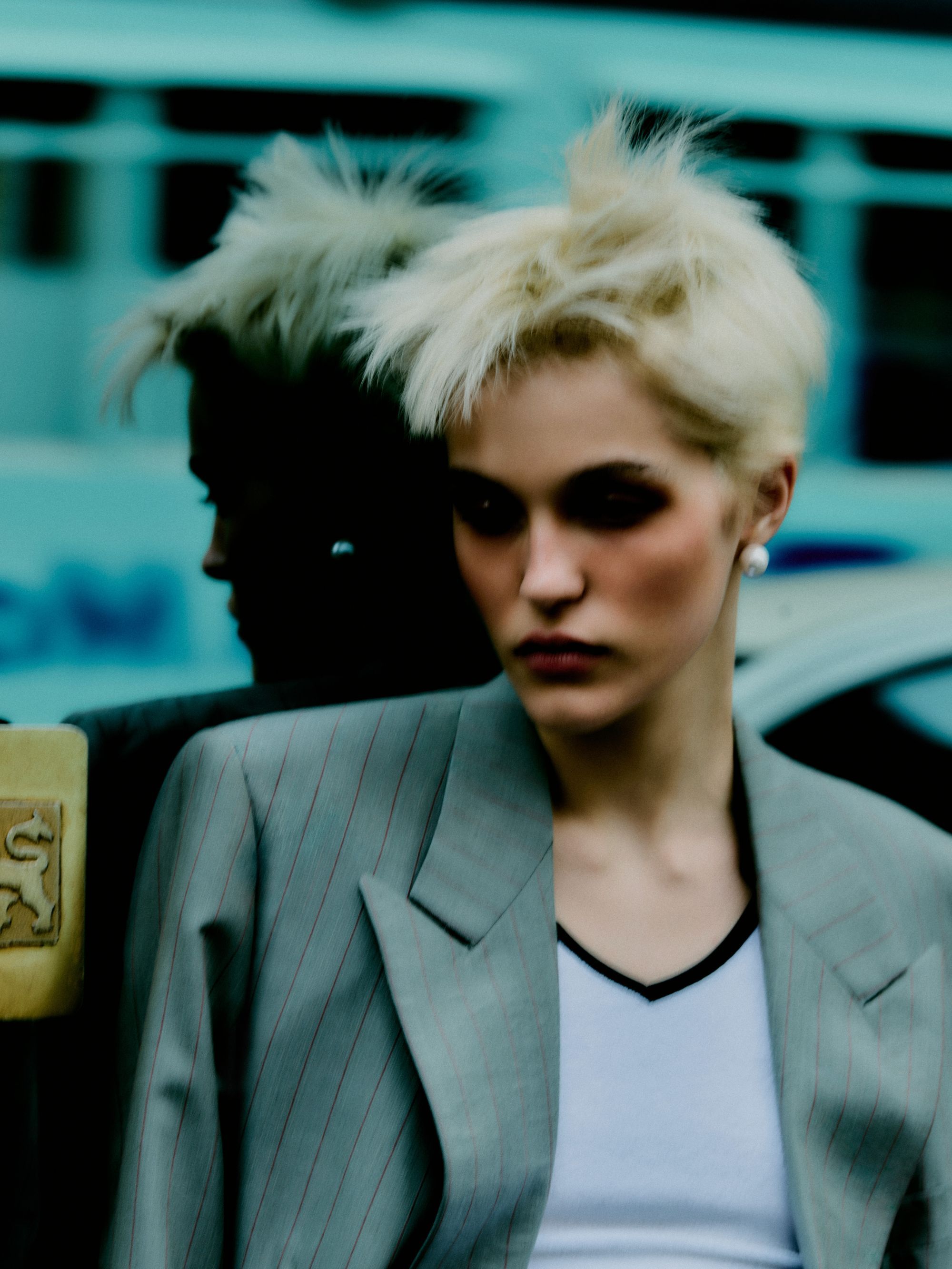
We wanted to create a series of images that didn’t feel commercial. Instead, we approached it as a street art project documenting people and their hair. We drew inspiration from street photographers such as Saul Leiter and Henri Cartier-Bresson.
How did the Once, Forever collection come to life, and what was the creative process?
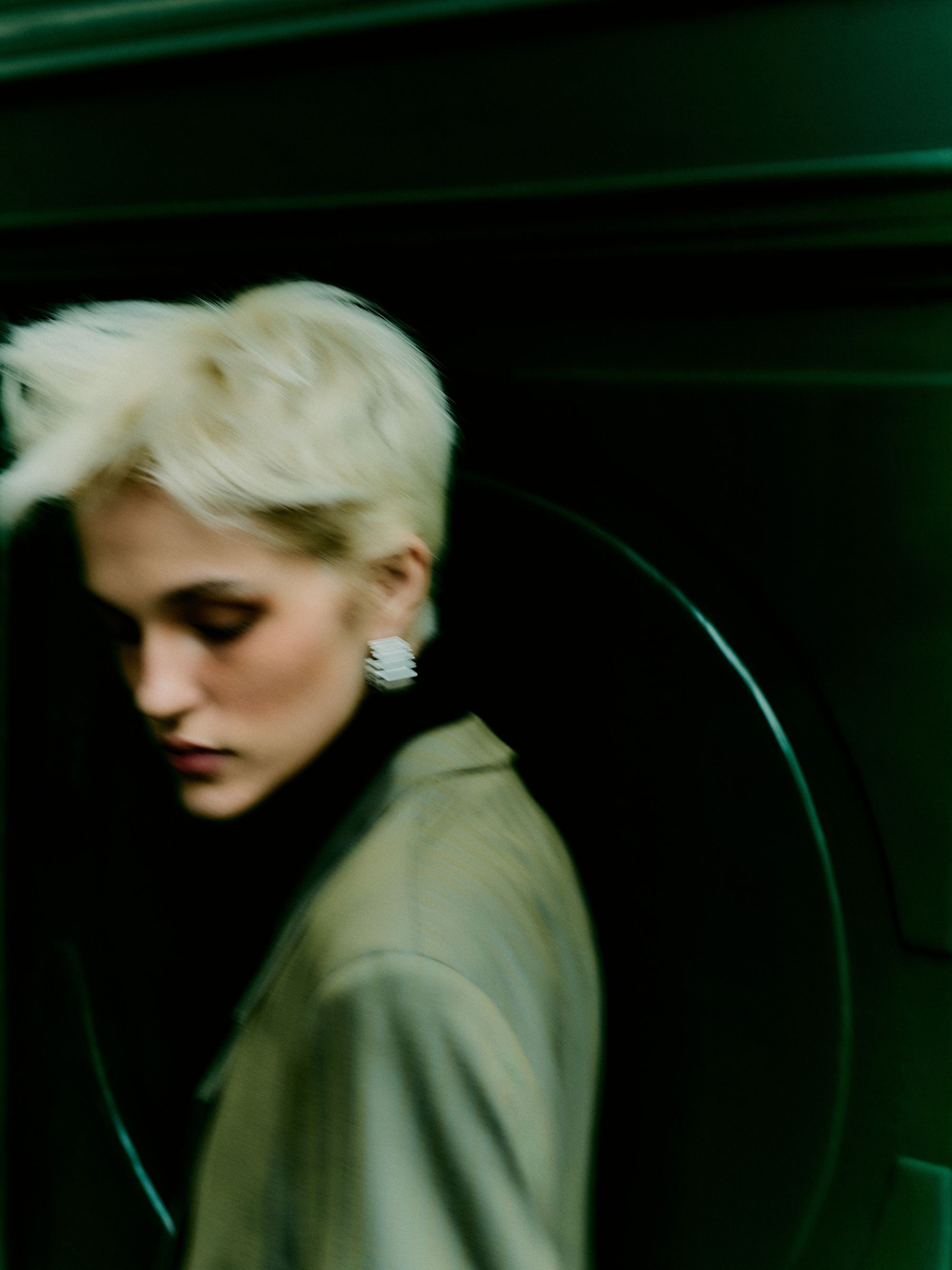
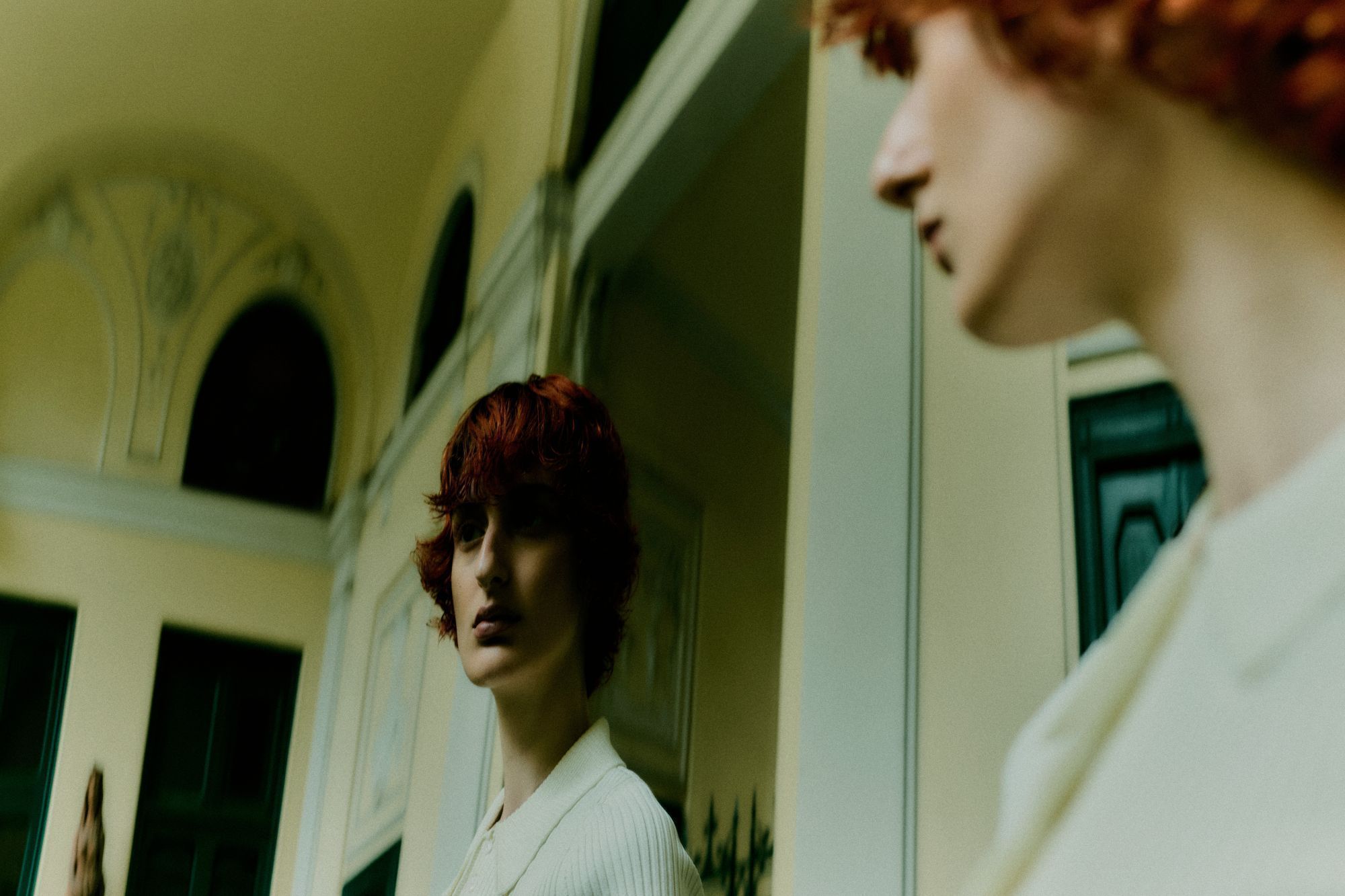
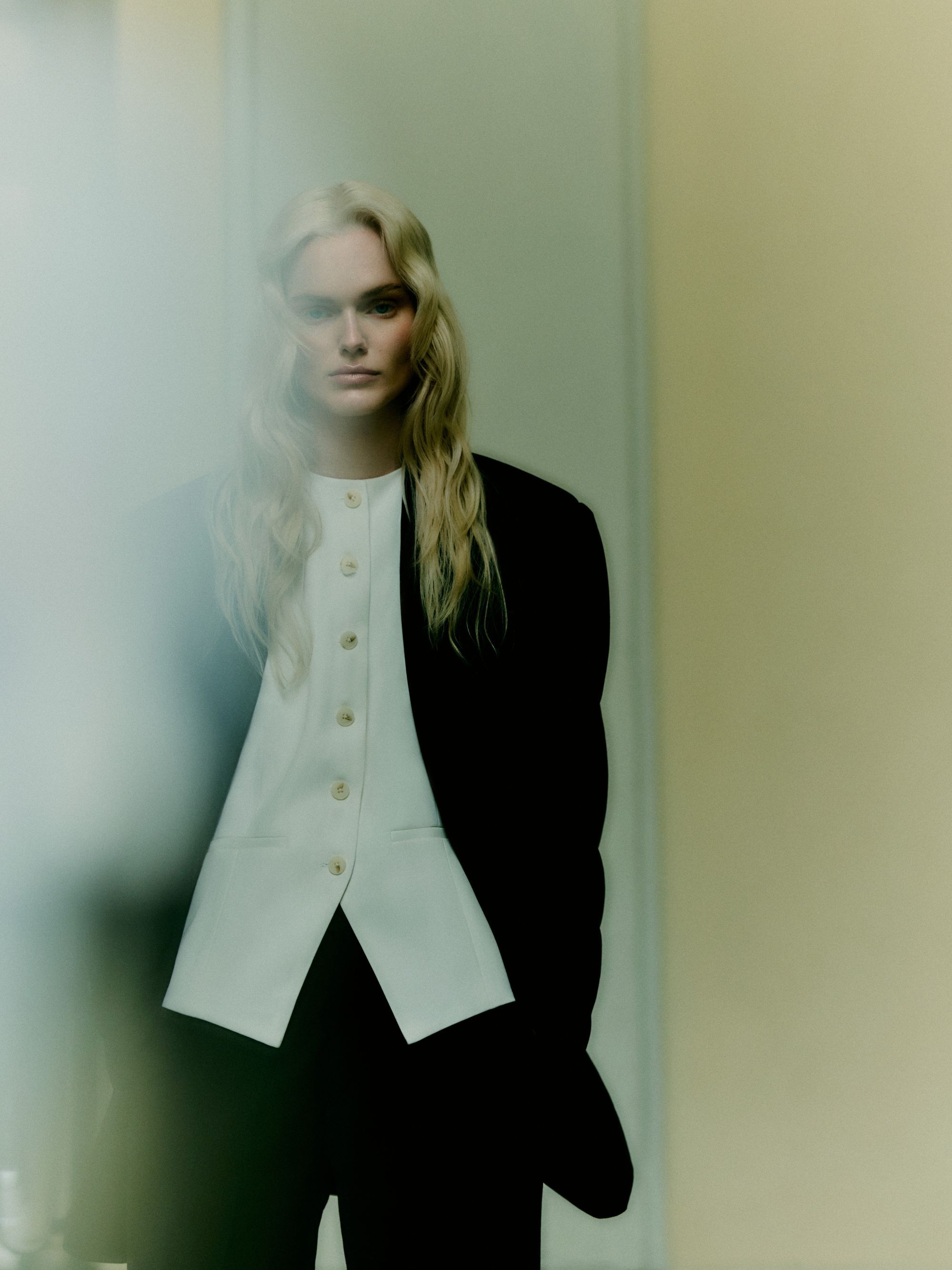
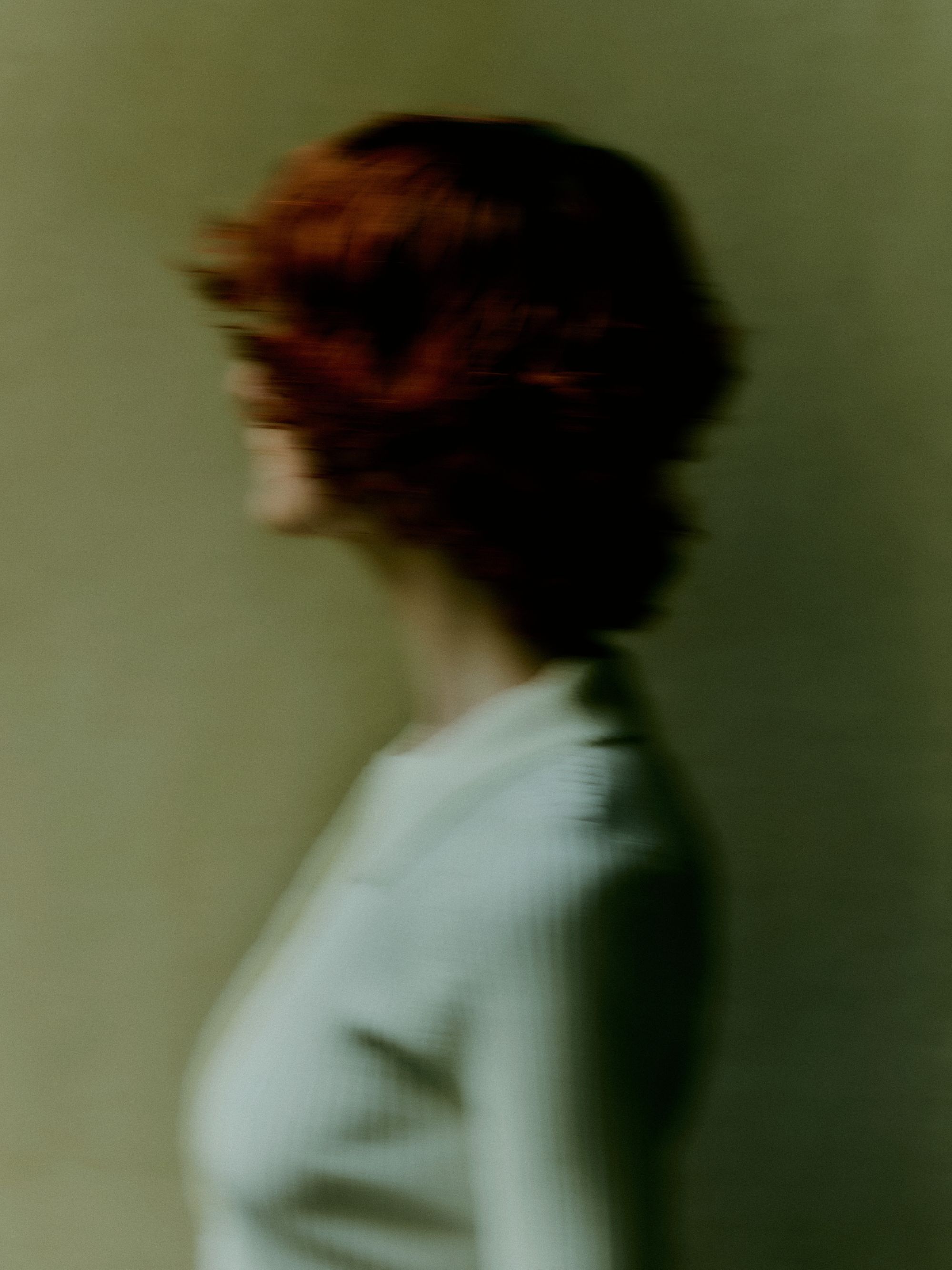
The first stage is always research. I wanted the photographs to look more like paintings than crisp, perfect images, so we began planning with the team to use glass, shadows, and reflections to deliberately distort and "roughen" the images. Then comes casting: choosing the right people is essential. At Davines, we say we create "hair for a person, not on a person," so every look was designed in collaboration with the wearer. They actively contributed, giving input and directing their own look just as much as we did.
How did you balance the artistic and commercial sides when creating this collection?
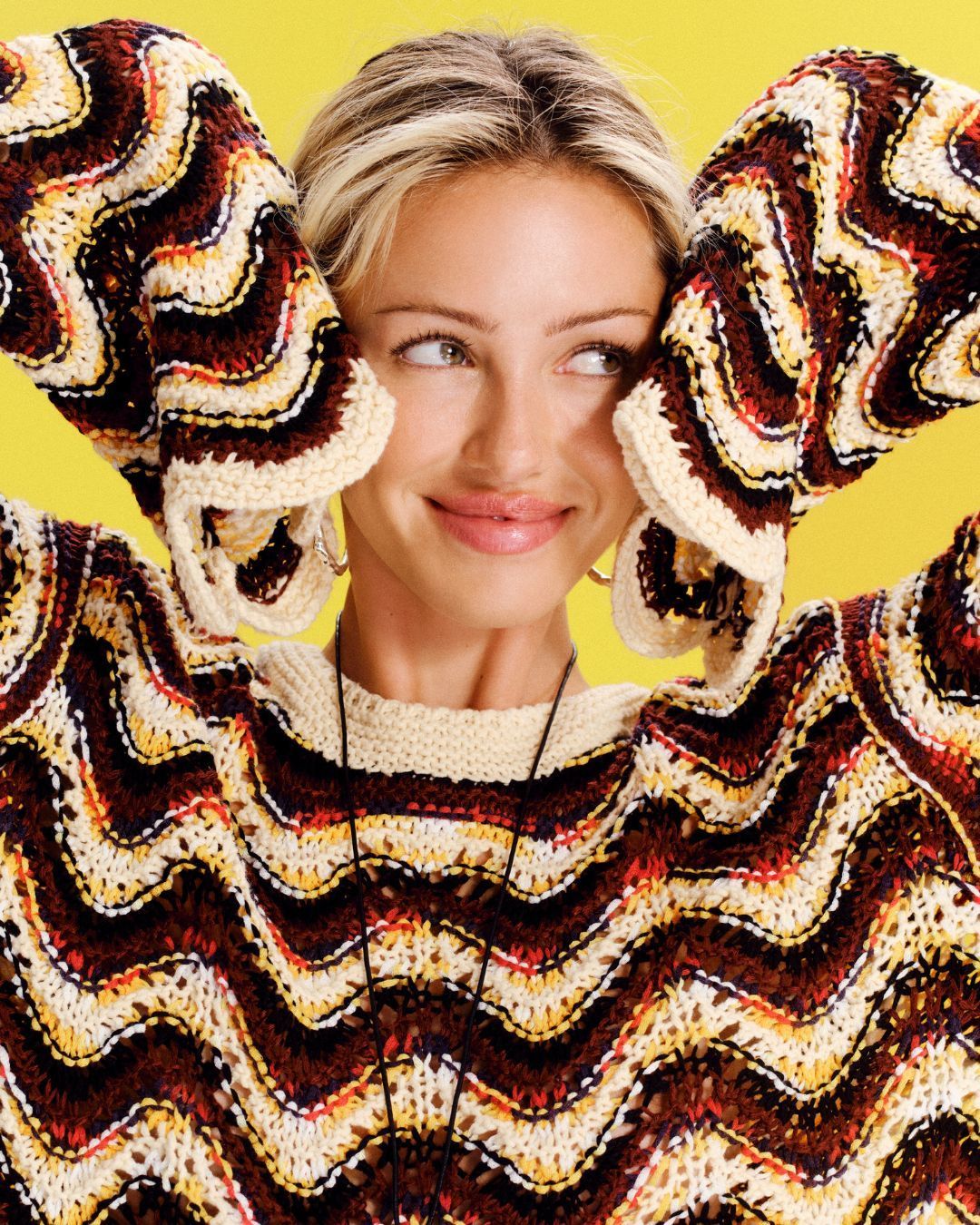
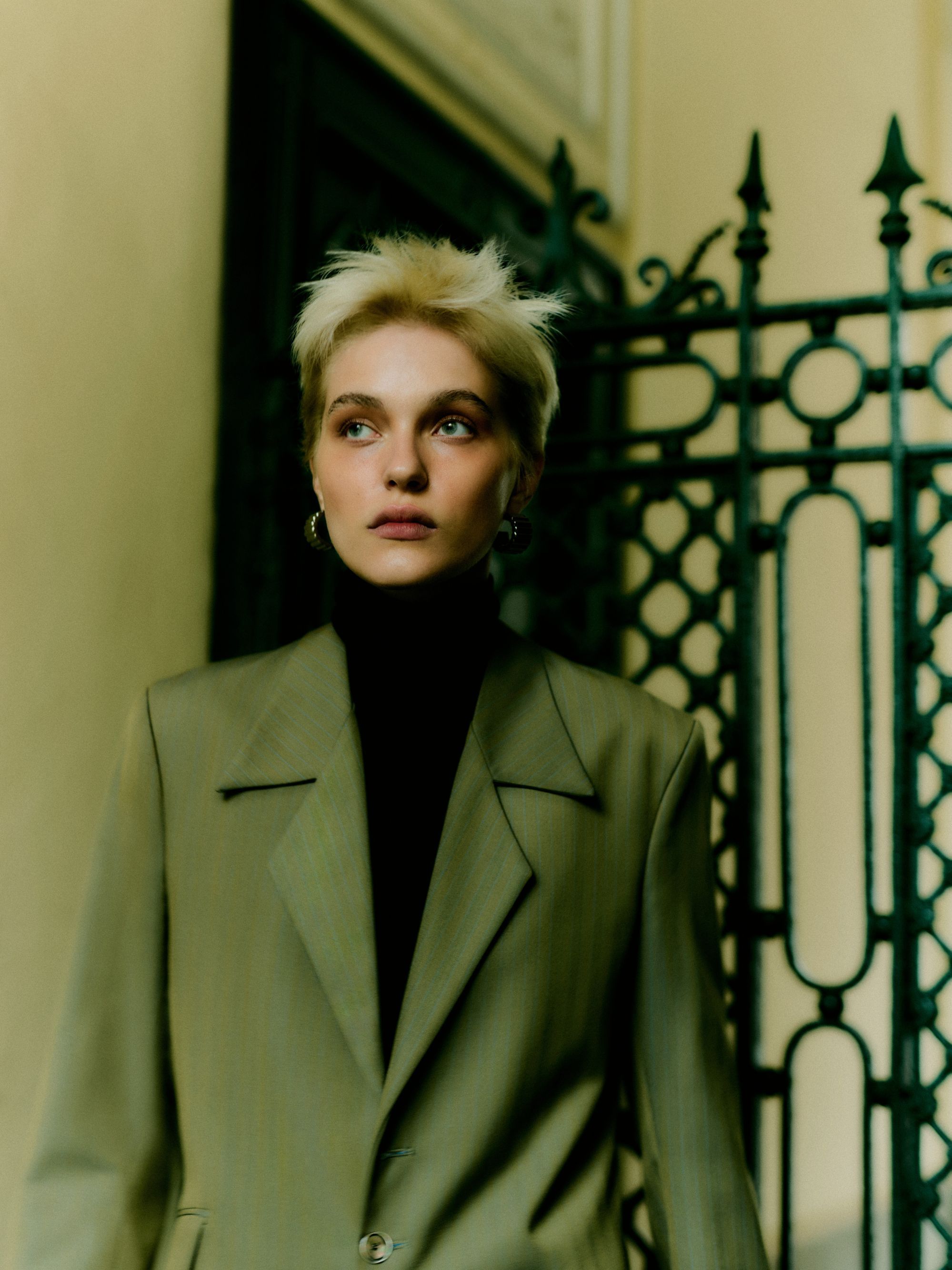
We decided to photograph the same look in two different ways. The first was a clean, defined studio shot where color, texture, and shape were clear and communicated the product’s performance. This freed us up the next day to focus on our art project, aiming to create something new and disruptive for a professional haircare brand.
Where do you find inspiration for creating such unique and personal looks that express individual beauty?
I believe the hardest thing for a designer is developing a recognizable style. The best way, in my opinion, is to let all your passions outside your field influence your work: music, films, art, humor… everything that defines you is the most authentic source of ideas. Then you need to adapt these insights to the person in front of you, really listening to how they feel about the look. If you create a hairstyle that makes them feel confident and comfortable, it will inevitably show in the final image.
Is there a look from the Once, Forever collection that best represents your HairIdentity philosophy?
I would say the blood orange look on Alceste. It was designed in close collaboration with her. My job is to have a conversation with the hair as I work, being guided by how her curls and waves naturally want to sit. I want every look to feel like it was requested by the person themselves, not something we imposed or tried to convince them of.
Are there color trends or techniques that particularly attract you?
We tend to avoid trends in the strict sense because everything starts from the person who will wear the look. Of course, we want the hair to feel contemporary, but I think that depends more on instinct and team discussion than following current trends. I read a line in the Comme des Garçons Brand Book from the '80s that said: "While most Western fashion houses were thinking about next year’s trends, we were thinking about eternity." It’s an interesting approach to escaping the trend logic.
Are there mainstream trends you intentionally avoid, and why?
Using AI instead of creativity is a trend I would avoid. Half the appreciation of art comes from the wonder it generates. We’ve always been fascinated by what people achieve when they arrive at the right moment and push themselves beyond what seems reasonable. When I listen to a great album, I’m interested in the story behind its creation as much as the music itself. When I see a photograph by Don McCullin, the pain and suffering behind the shot is what makes it truly moving. What mistakes did these artists make, and did those mistakes improve the work? Questions are a fundamental part of experiencing art. Even if AI creates something pleasing, it lacks the pain, love, life, and loss that often go into great works. When we watch the Olympics, we know a Ferrari is faster than Usain Bolt. But that’s not why we watch.