




































Take That talk about Take That The Netflix docuseries tells the rise, fall, and comeback of one of the most famous boy bands of all time
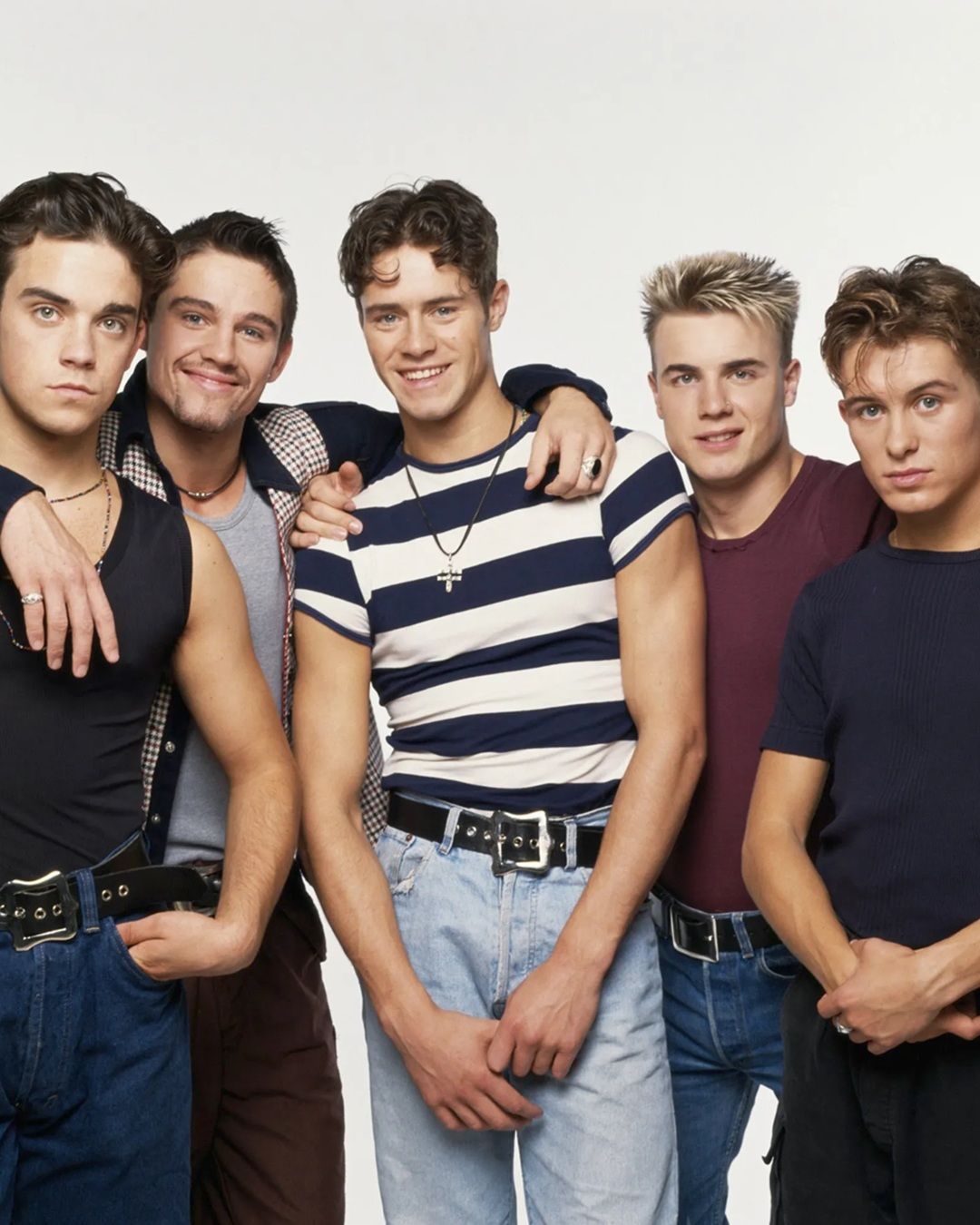
In 2005, almost ten years after the breakup of Take That, four of the five members of the boy band reunited for the documentary Take That… For the Record, making an incredible discovery. Despite nearly a decade having passed since their last performance, the group managed to achieve staggering ratings during the television broadcast of the project directed by David Notman-Watt. The success was so significant that Gary Barlow, Howard Donald, Mark Owen, and Jason Orange received an offer that, for the second time, would change the trajectory of their lives forever. 2006 became the year in which the quartet returned to filling stadiums together, and it would take a few more years before the prodigal son, Robbie Williams, rejoined the bandmates with whom he had begun his career in the 1990s.
The Take That Netflix docuseries: revisiting a pop phenomenon
Everything comes back to life once again in the three-part Netflix docuseries, simply titled Take That. The birth, the first signs of strain, the breakup, and then the restart from where things had been left off of one of the most influential boy bands of the last century, whose cultural impact continued well into the 2000s and still resonates today. Even with a different lineup (from five members to three), the band has managed to keep alive a light that had been temporarily extinguished for ten years of its history. If only Barlow, Donald, Owen, and Orange took part in the 2005 documentary, the Netflix Take That series also includes the voice of Robbie Williams, now willing to share his own version of events after already embarking on a similar journey of confession and redemption with the biopic Better Man. This time, however, he does so not as a solo artist, as often happened in his career, but by harmonizing with those who were, for a long time (and then intermittently), his traveling companions.
Fame, insecurity, and male fragility
Take That does not take a critical stance on the band’s rise, fall, and comeback. Instead, it offers a multi-person portrait assembled using thirty-five years of original archival material, leaving the band members solely as narrators of events, alternating throughout the story. It is a powerful confession about the risks posed by fame, but even more about the wall of insecurities it builds, preventing people from talking about them. In Take That, this manifests as a form of male fragility that did not know how to express itself, partly due to the young age of the boy band members during their golden era, and partly due to societal and gender-related prejudices that discourage openness and instead cause negative emotions to be suppressed and repressed.
Growing up as a boy band in the 1990s
These were challenges the young men had to face during the period from 1990 to 1996, when they rode the wave of success, from choreographed performances in UK queer clubs to appearances on Top of the Pops. Too young to know how to handle it, too trapped in a 1990s context in which the deconstruction of masculinity had not yet been questioned, especially when it came to being sex symbols. There was a restlessness closely tied to the turmoil of youth, along with the desire to find an identity that was not collective but individual, both artistically and privately, and not a label imposed on them that flattened their uniqueness. In the midst of one’s twenties, struggling in a period where everyone tries to understand who they really are, just like everyone else, except not everyone has been part of a boy band.
Un campanello d'allarme culturale e industriale
While Take That explores the inner lives that pop stars attempt to lay bare, the docuseries also reconstructs the cultural phenomenon that swept the United Kingdom and later expanded across the rest of the world. It examines what can happen when people become money-making machines, exposing the economic and industrial consequences that led the band to become the biggest UK case since The Beatles, matching the Fab Four in terms of achieved successes. It serves as a reminder to an industry that may never learn, or perhaps always learns too late, to treat its artists as people before seeing them as revenue streams. And for Take That themselves, the journey from the intense training of their launch years to full maturity has finally led them to “the greatest day of our lives.”
What to read next

Miu Miu's commercial boom is coming to a halt
The rest of the Prada Group, however, is holding up well

Liu Jo presents “The Gigi Hadid Edit”
The project that transforms selection into an identity gesture