






































White hair: cover it, live with it, or love it? When white hair stops being a flaw and becomes a matter of style
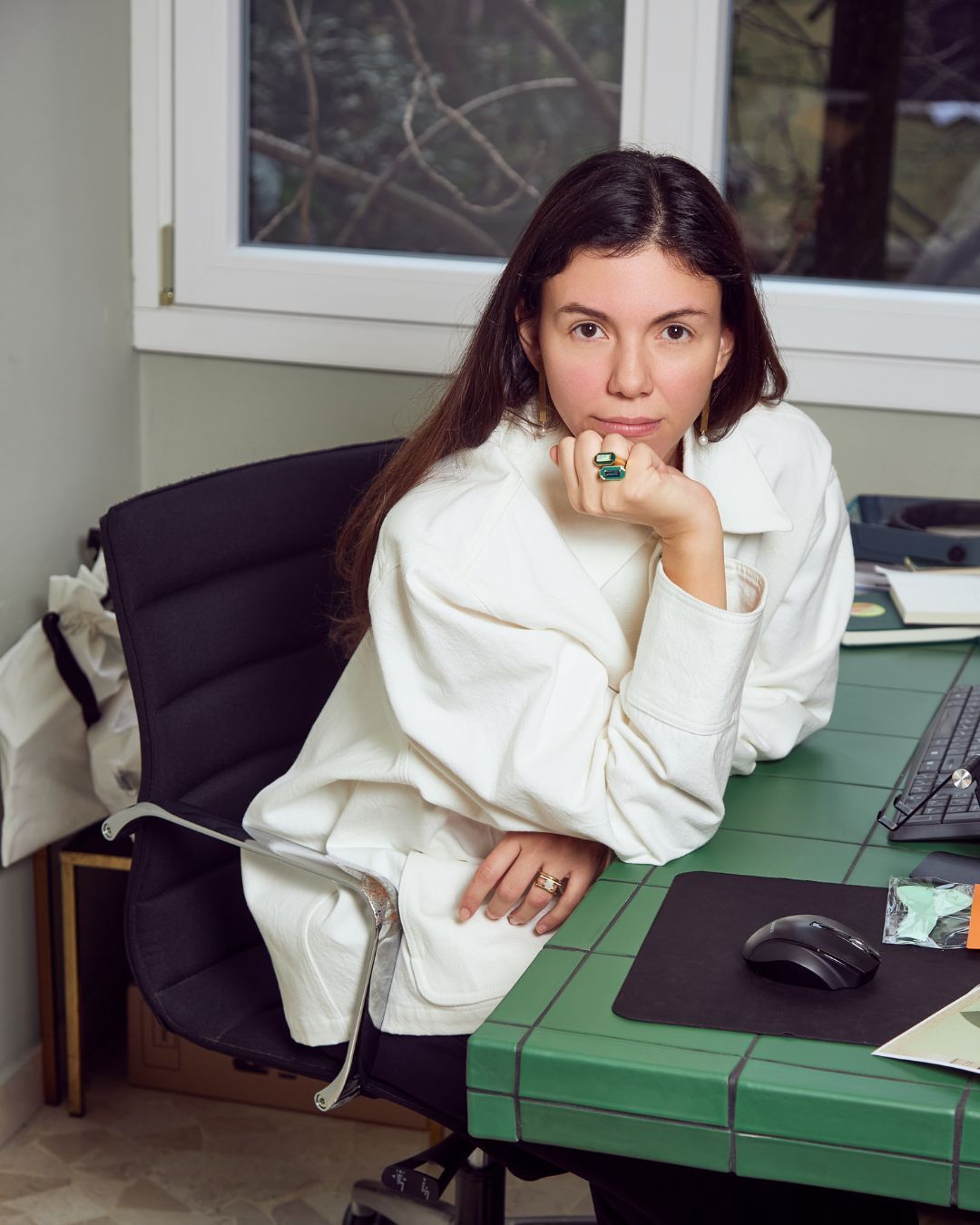
In recent decades, white hair has had only one dominant narrative: that of a "flaw to cover". It was the visible sign of time passing, something to hide before it revealed too much about us. An imperfection to erase, a detail that seemed to clash with the idea of looking polished, which we were conditioned to pursue for far too long. Times have changed, and so has the way we perceive and rethink our image. White hair is no longer just something to manage: it has become part of the story. Like wrinkles and hair removal, it can be a distinctive feature that defines personal aesthetics. Some choose to let it grow naturally, others turn it into a creative opportunity: natural greys, silver shades, carefully designed contrasts with sharp cuts and contemporary styling. At the same time, some opt to cover it, not out of fear of judgment, but to stay consistent with the image that feels most authentic to them at that moment. White no longer divides between right and wrong, "in & out". It has become a personal variable, a purely stylistic choice.
Covering white hair: convenience and autonomy
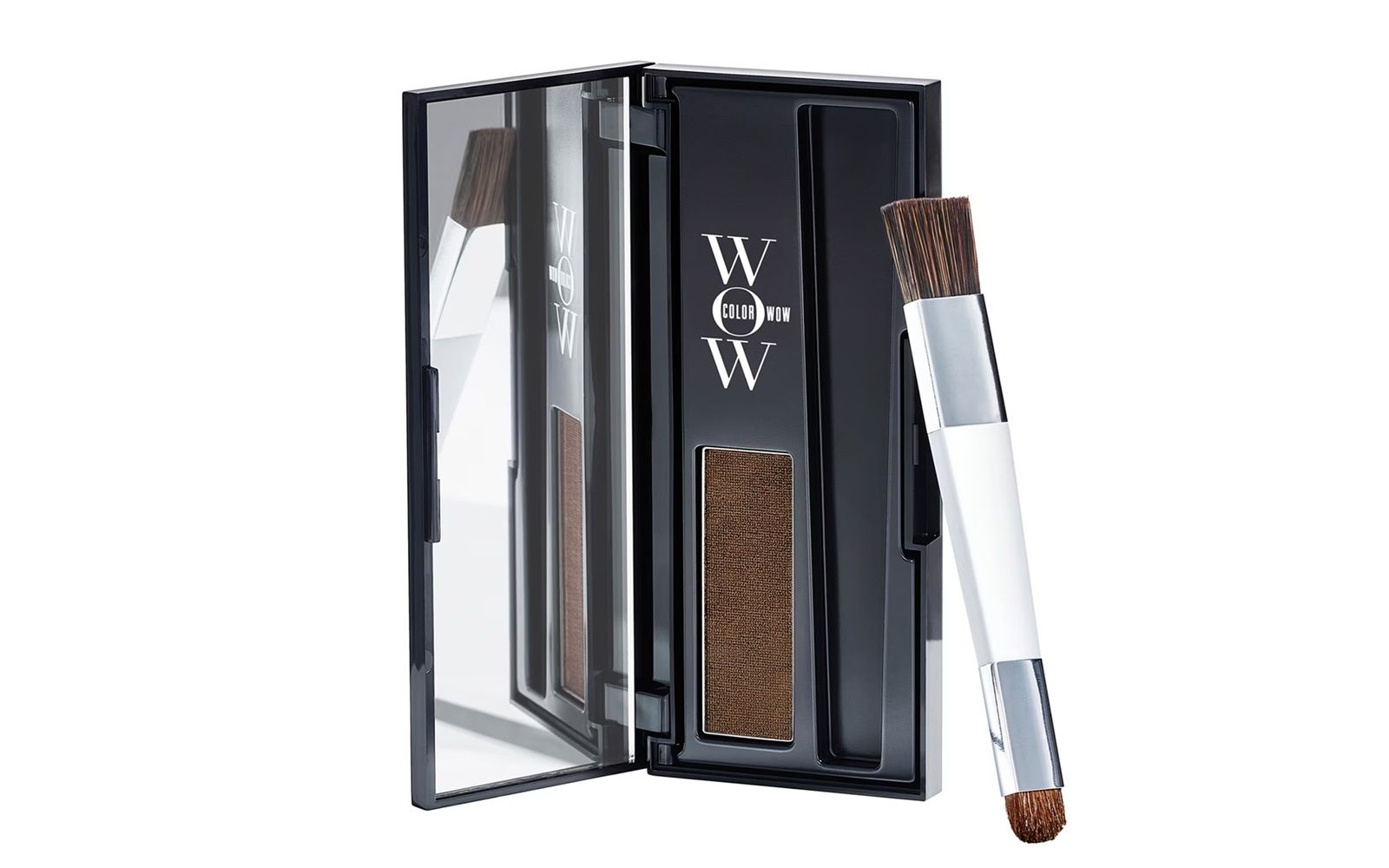
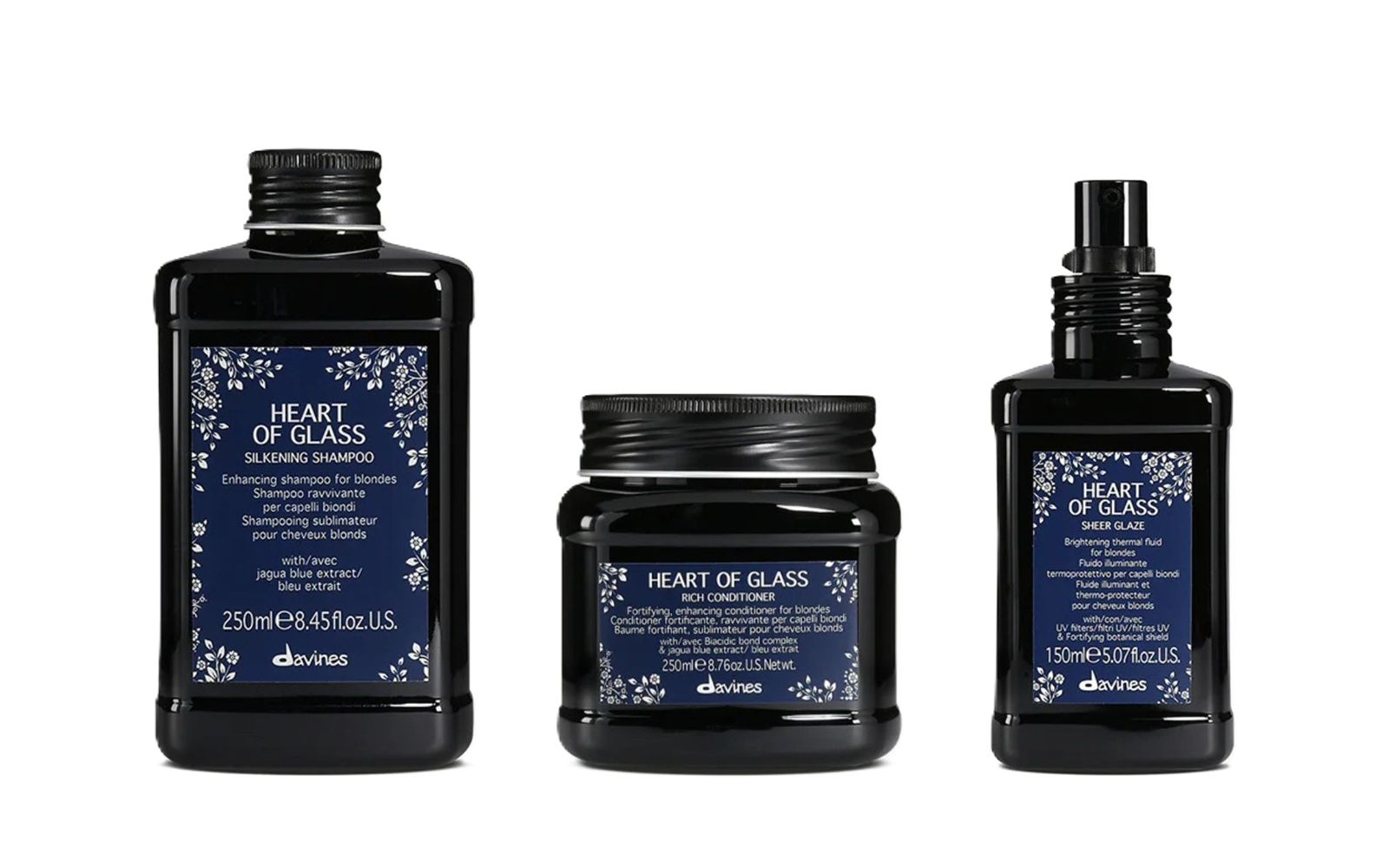
Choosing to cover white hair today is an aesthetic management practice like many others. The difference lies in the tools and approach, whether more casual at home or professional. Between color treatments, products like Color Wow’s Root Cover Up allow targeted intervention on regrowth, blending color with a simple, temporary application. It’s a practical solution for those who want a uniform result without stressing the hair with frequent treatments. Similarly, L’Oréal Paris’ Perfect Root Touch-Up Spray addresses a daily need: visually correcting roots in seconds, especially along the hairline. It’s not a permanent transformation but an instant tool that adapts to our rhythm. For those preferring a longer-lasting solution, salon work remains central. Professional lines like The Present Time by Davines work on color while respecting the hair fiber, focusing on luminosity and naturalness, turning coverage into a tailored service rather than a standardized procedure. Covering white hair doesn’t mean denying change. It means choosing how to navigate it.
Living with white hair: a different kind of care
Deciding to let white hair show is not the same as "doing nothing", quite the opposite. White hair requires attention because it tends to be more porous and can yellow easily. It needs specific products that maintain shine and neutralize unwanted tones, such as Rausch Sage Silver Shine line. Even cut and styling play an important role because they define intention. Embracing white means working on texture, light, and shape. It’s a different way of practicing self-care, not a form of resignation.
Time and image: an evolving relationship
The question is not what to do with white hair, but to stop seeing it as a threat or a flaw to fix. Time is not a flaw to hide: it is a dimension that also shapes our image. Sometimes we choose to harmonize it, sometimes to highlight it, and sometimes to transform it. The meaning we give it has changed, and perhaps we’ve learned to love ourselves a little more. Today, white can be covered, enhanced, or reinterpreted without defining who we are. It is part of the journey, not a deviation. Learning to manage, modify, or embrace it is part of the same story: our love story with ourselves and the evolution of an aesthetic that grows with us.
What to read next

Raye is the protagonist of Zalando's most ambitious cultural project ever
It's called Access All Areas (AAA) and it will take place on April 25 in Berlin