





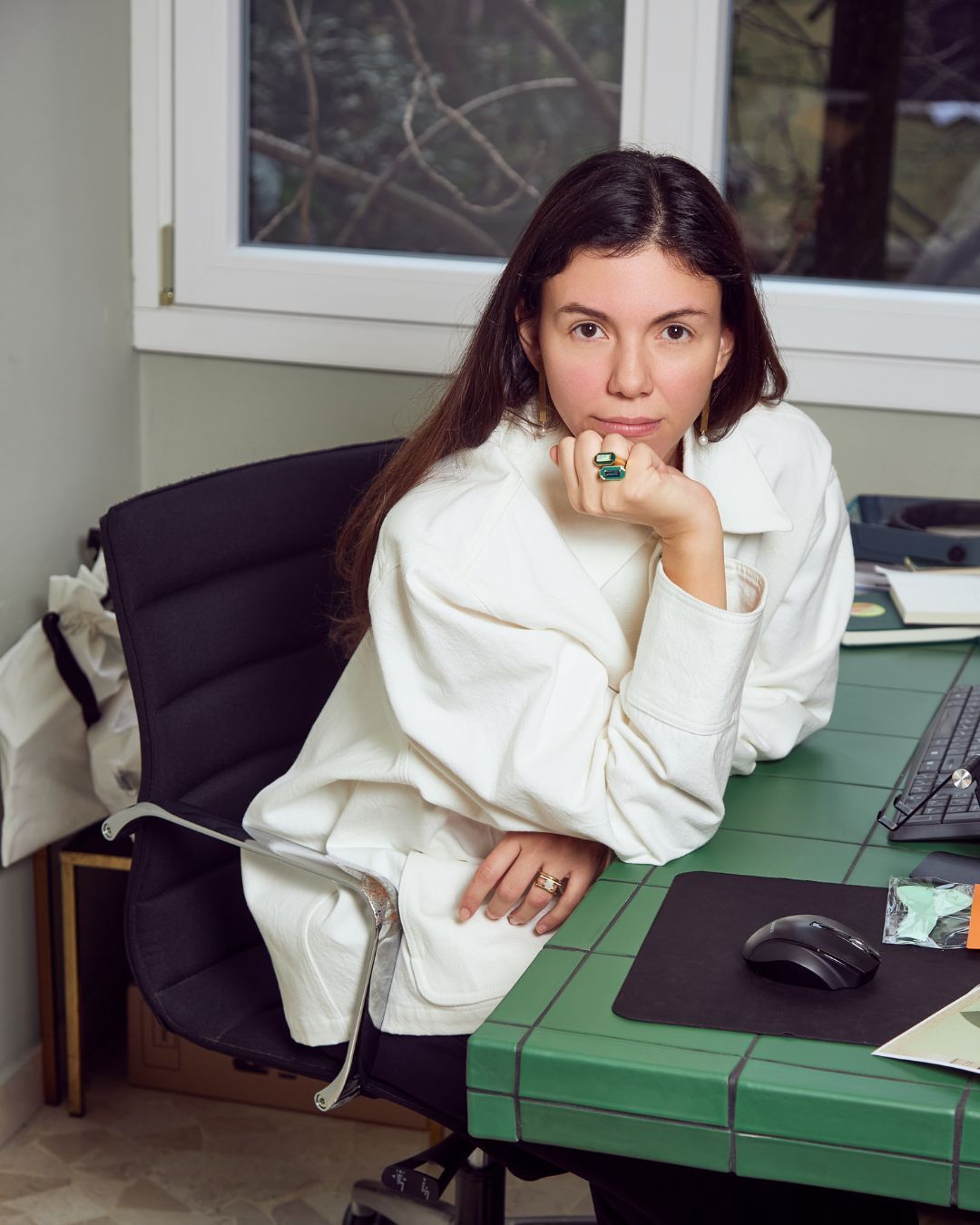
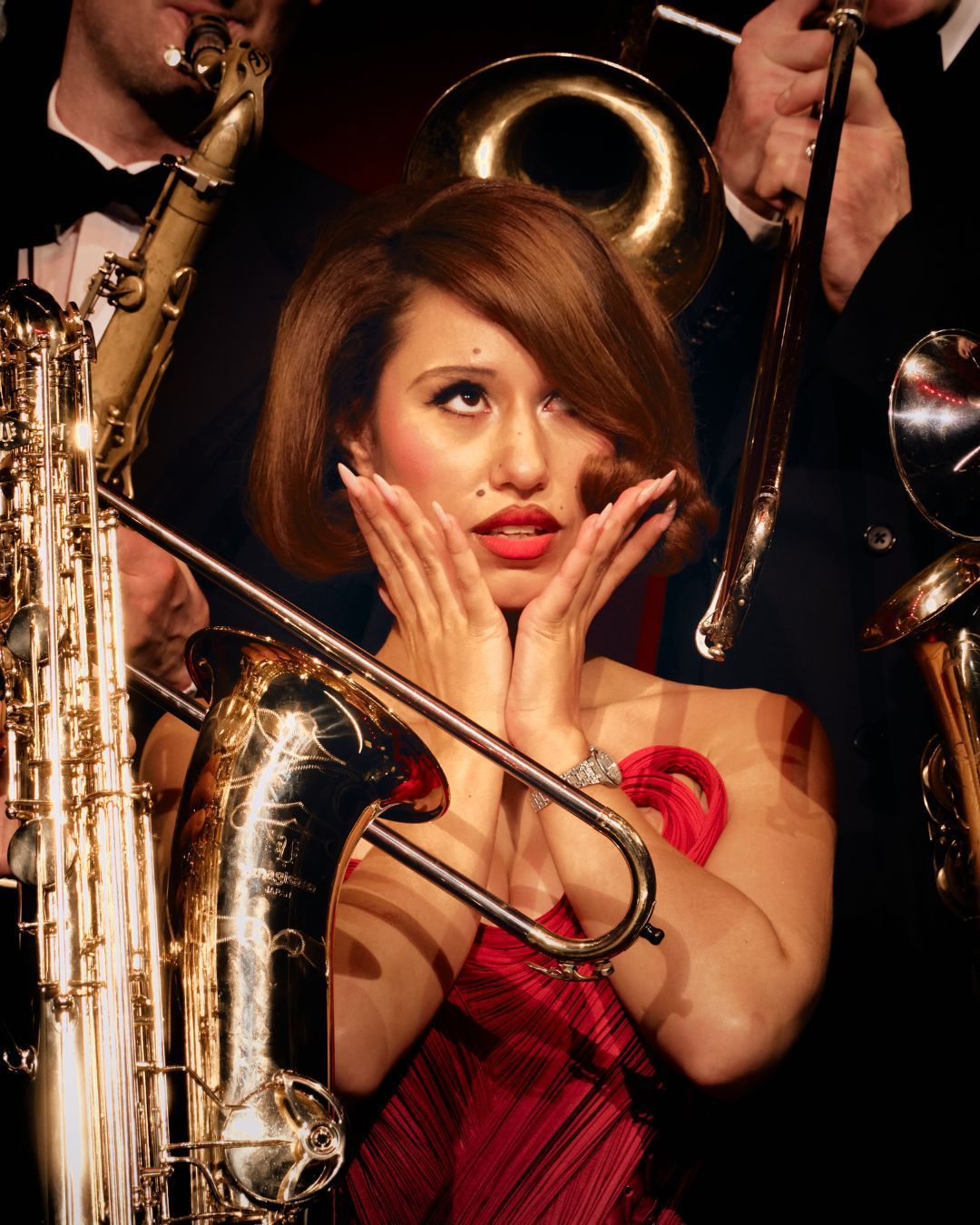
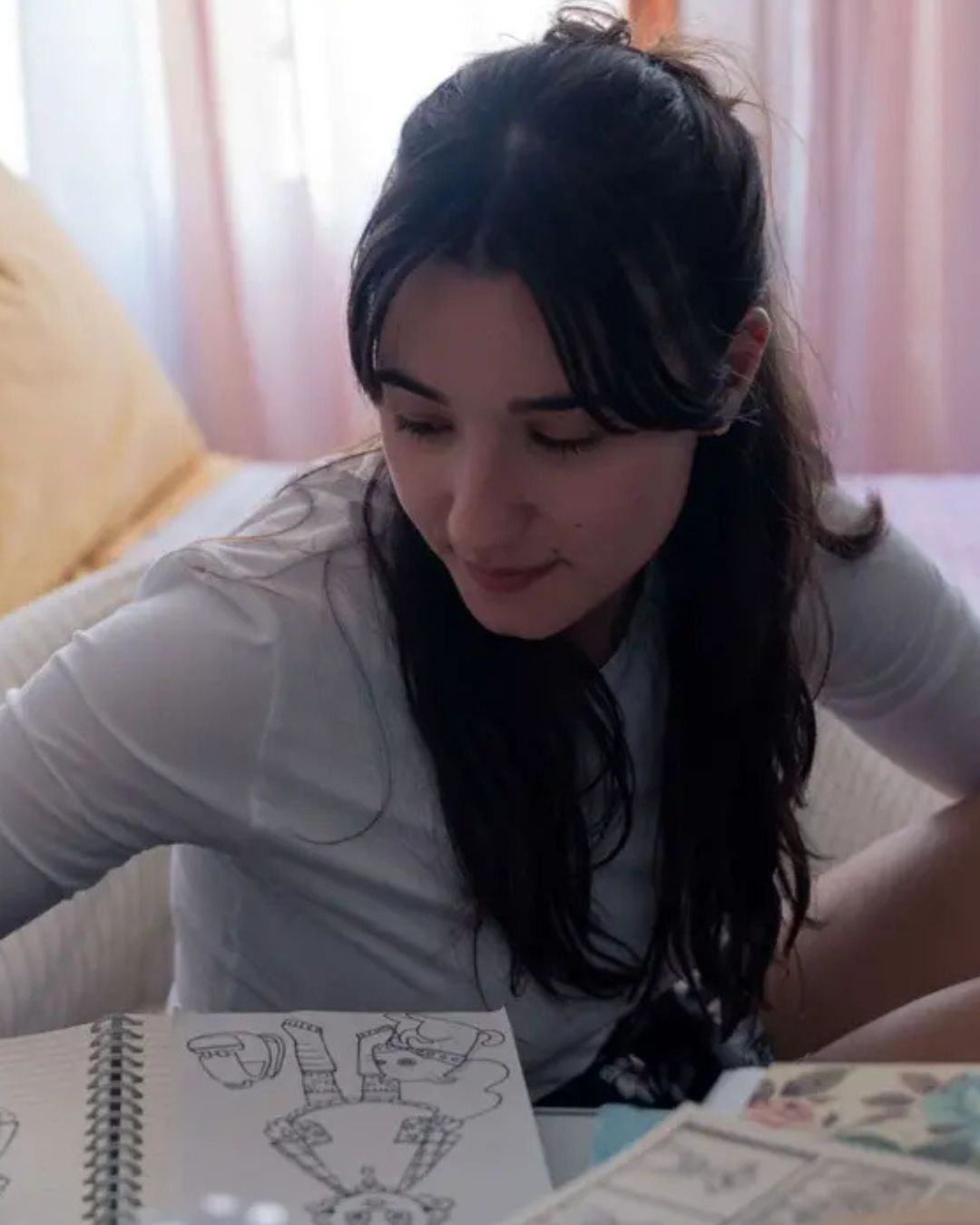
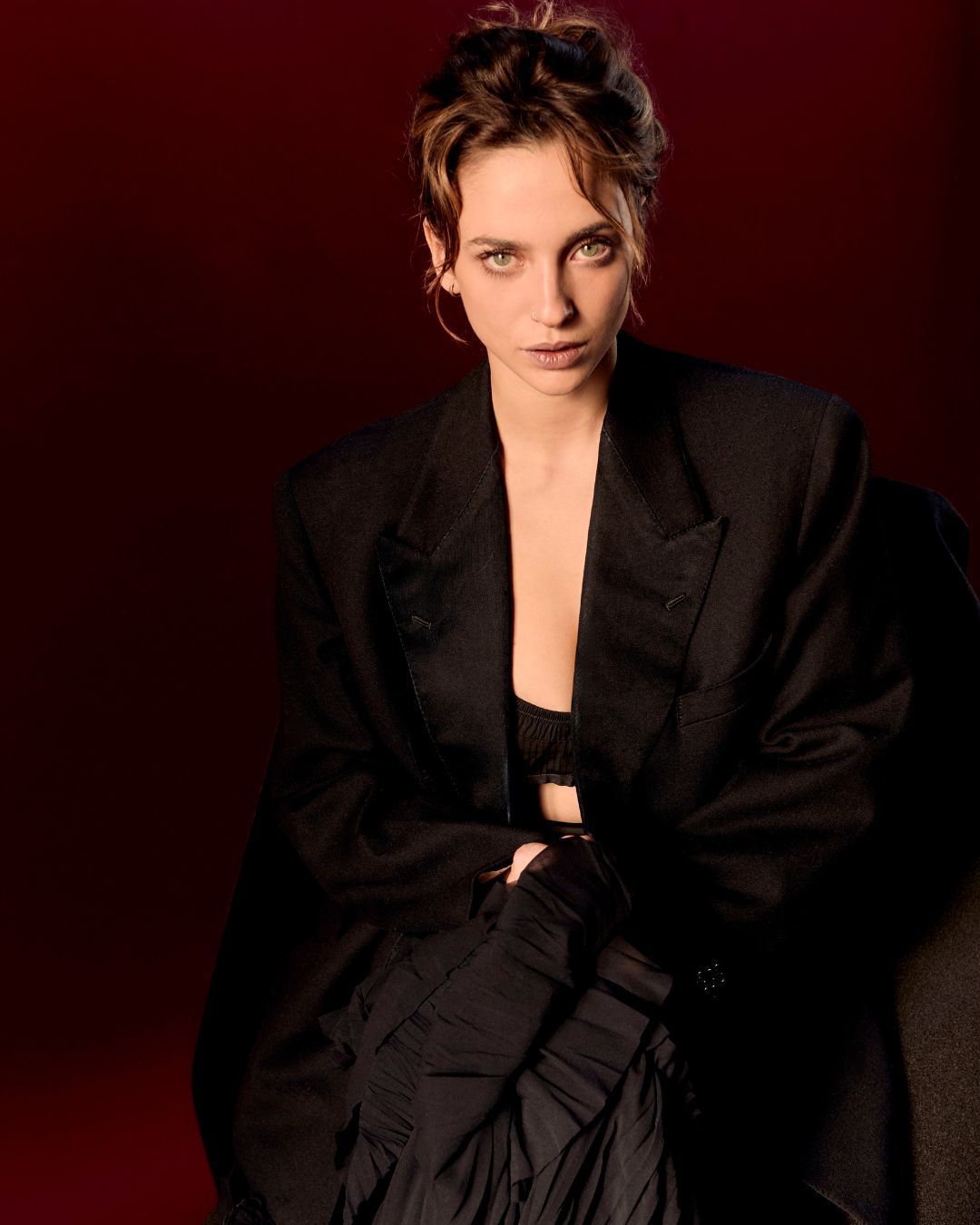
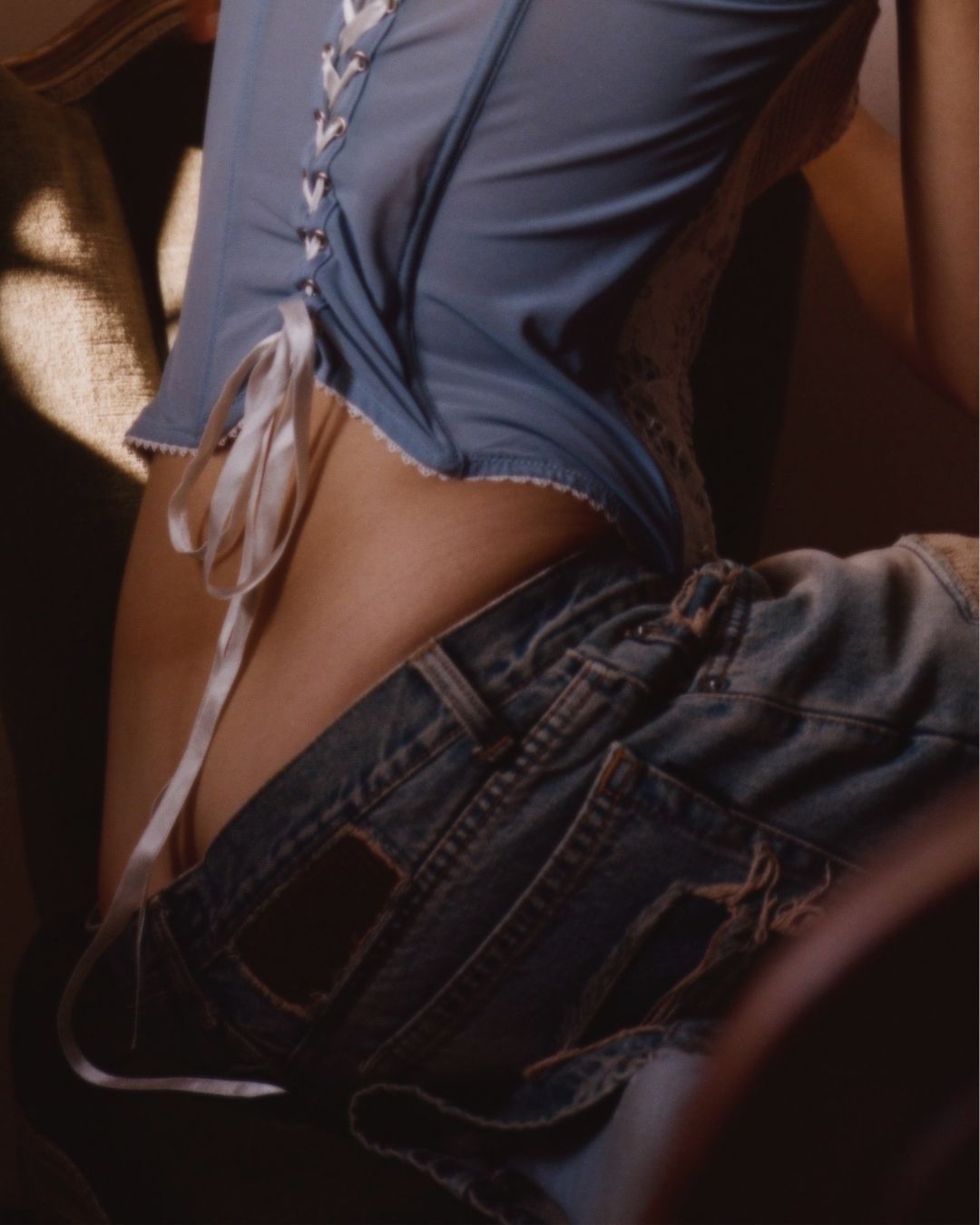
"I wasn't interested in speeding the machine up, I was interested in slowing it down" Interview with Rosa Aquino, founder and creative director of The Archivia
"Naples is my starting point, Milan is where I was shaped." That’s how our interview with Rosa Aquino, founder and creative director of The Archivia, begins. After spending some time in Los Angeles, she returned to Italy in 2018. Following her first experiences at Hugo Boss, Tommy Hilfiger and Valentino, she decided she wanted to create something of her own, and in 2021 The Archivia was born. “My previous experiences taught me so much,” she adds. “I wasn’t interested in speeding up the machine, I wanted to slow it down, to make room for people, the supply chain, and the land I was leaving behind.” From there, the brand’s journey began, in Rosa’s own words. This is what she told us.
Interview with Rosa Aquino, founder of The Archivia
Tell us about The Archivia
The Archivia was born during a time when we all felt like time had stopped: the lockdown. I truly paused and realized what I no longer wanted to leave behind. I rediscovered my emotional archive inside the “explorer wardrobe” in my grandmother’s house: the starting point and the very reflection of the project’s identity. A form of tailored elegance, yet versatile, able to tell and protect the authenticity of a sustainable, local supply chain.
The SS26 collection speaks about a “subtle and conscious” femininity. How did this vision come to life?
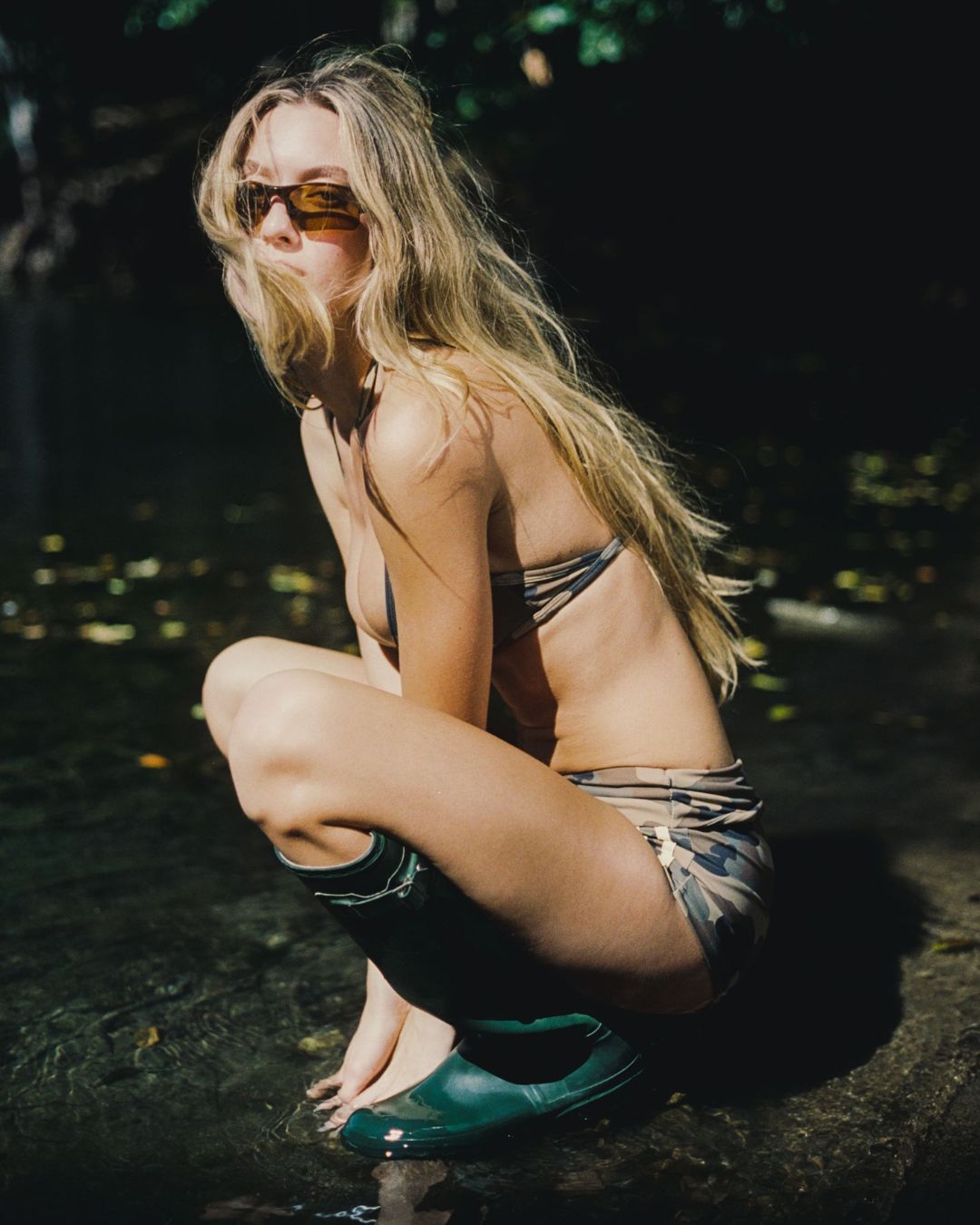
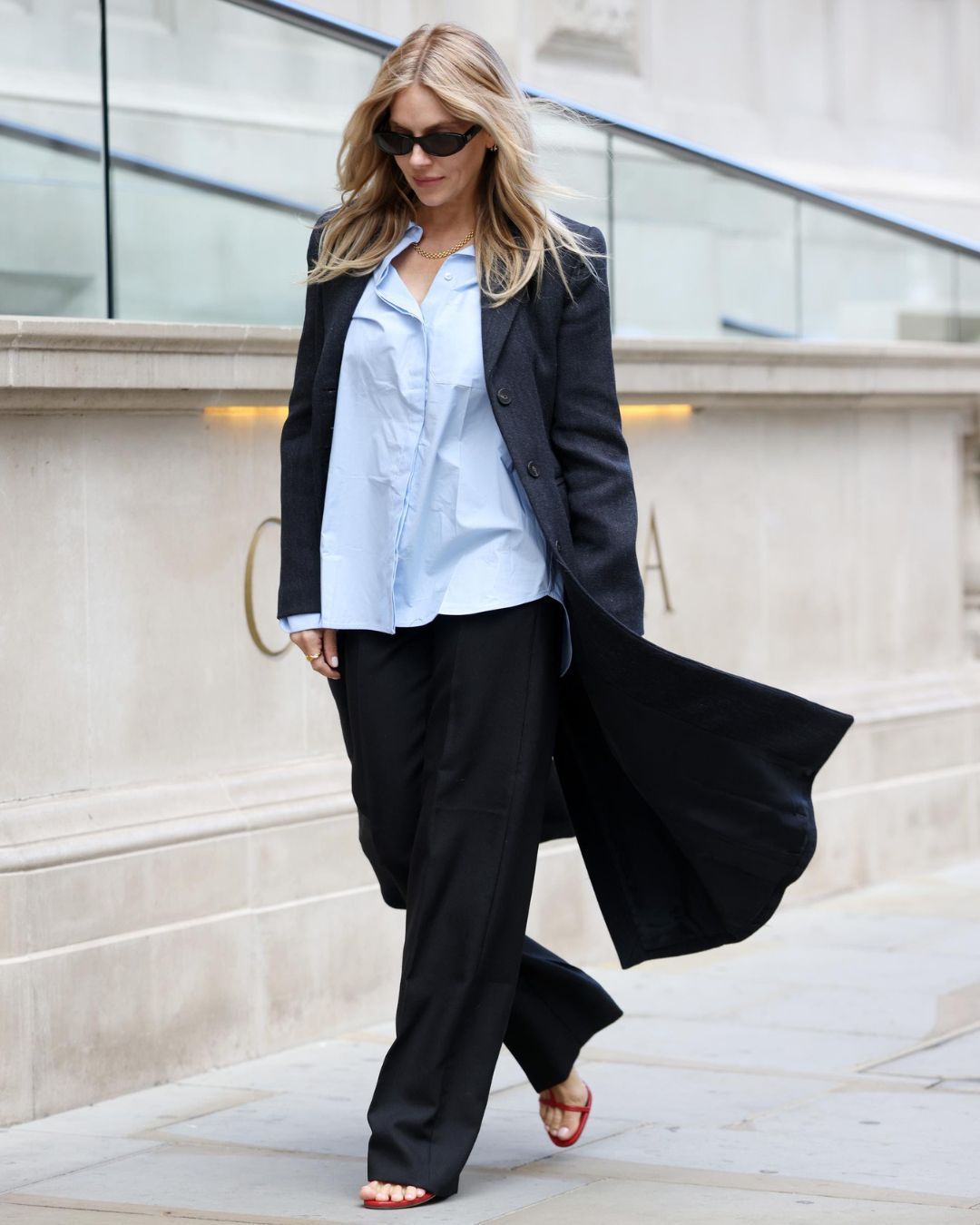
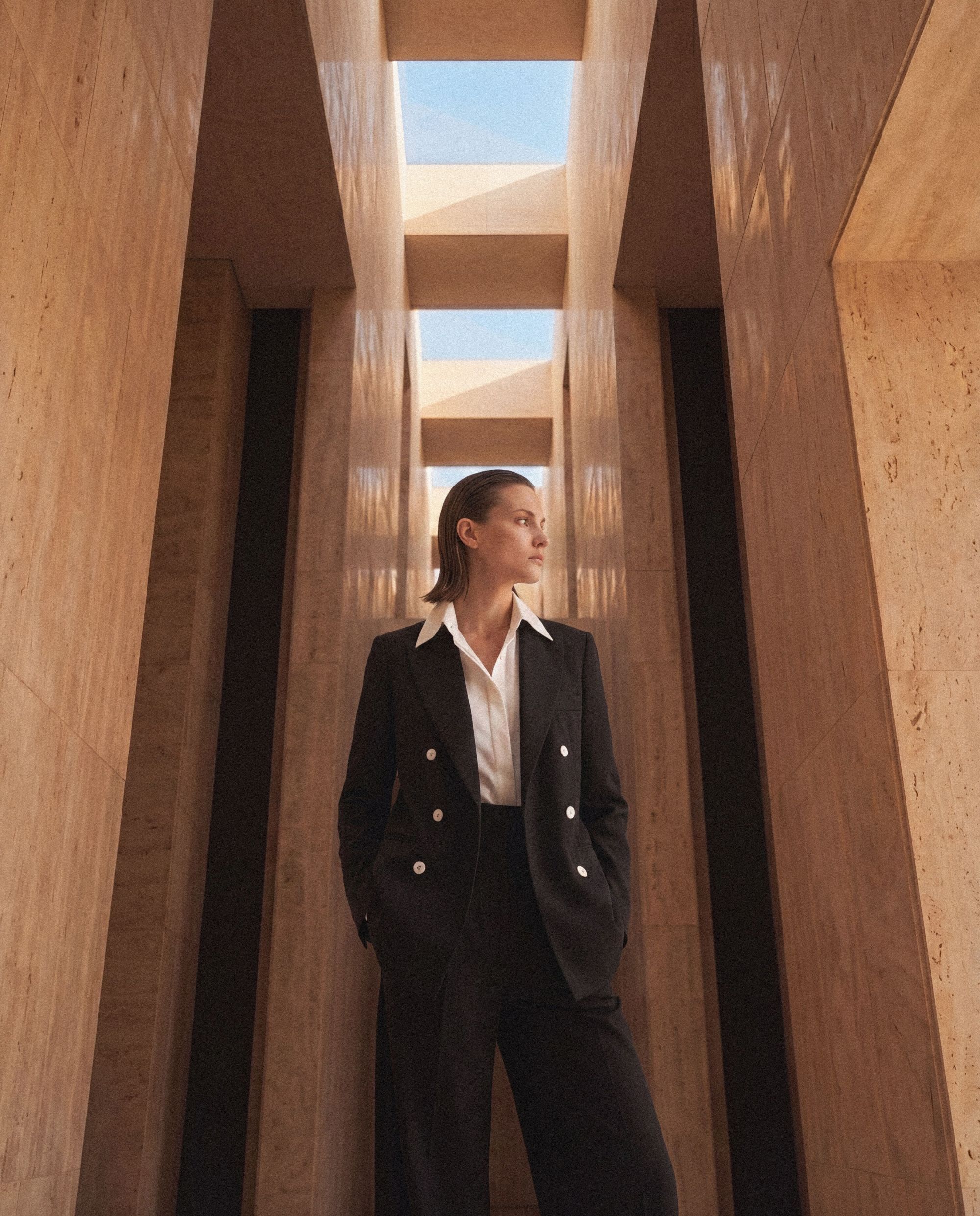
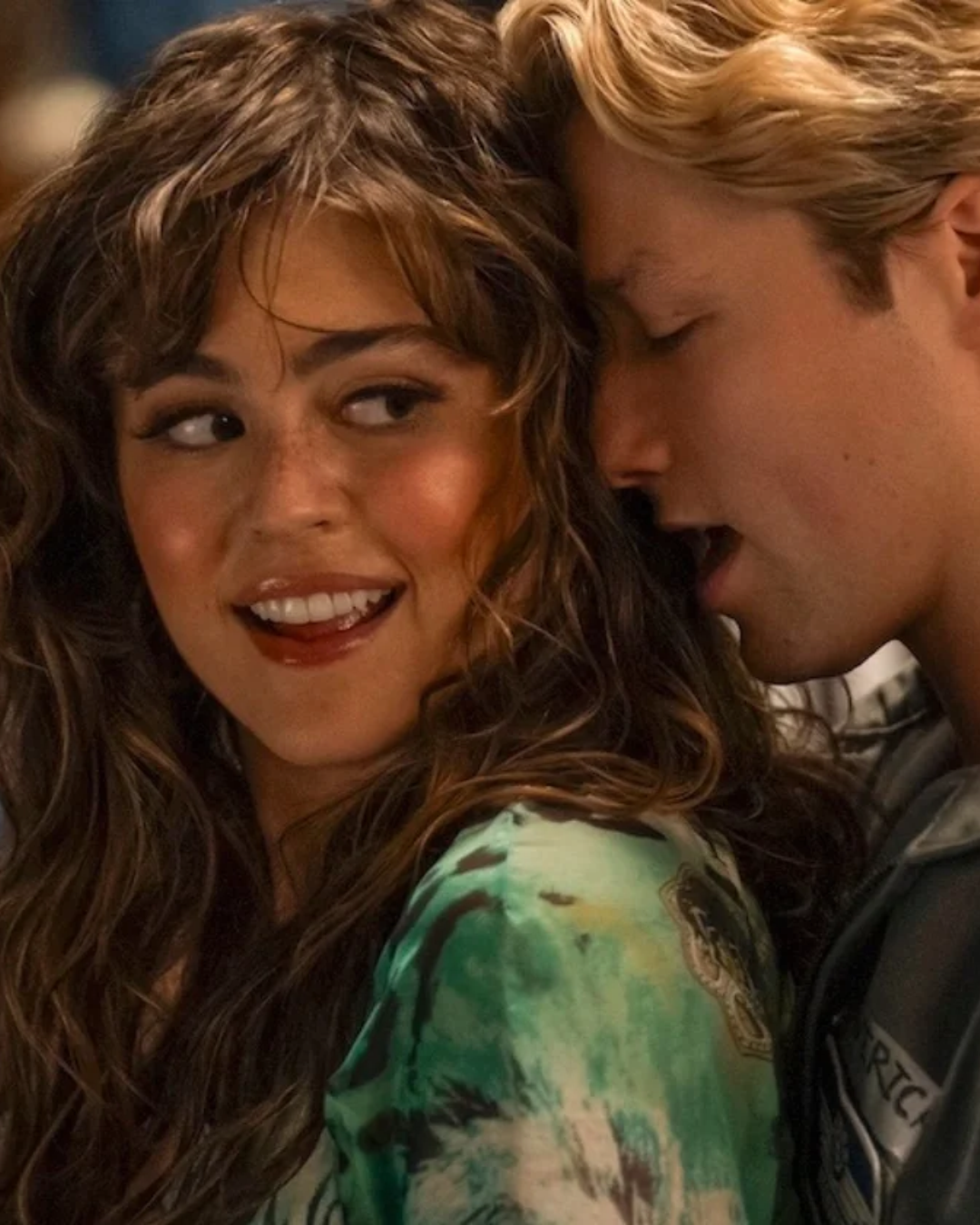
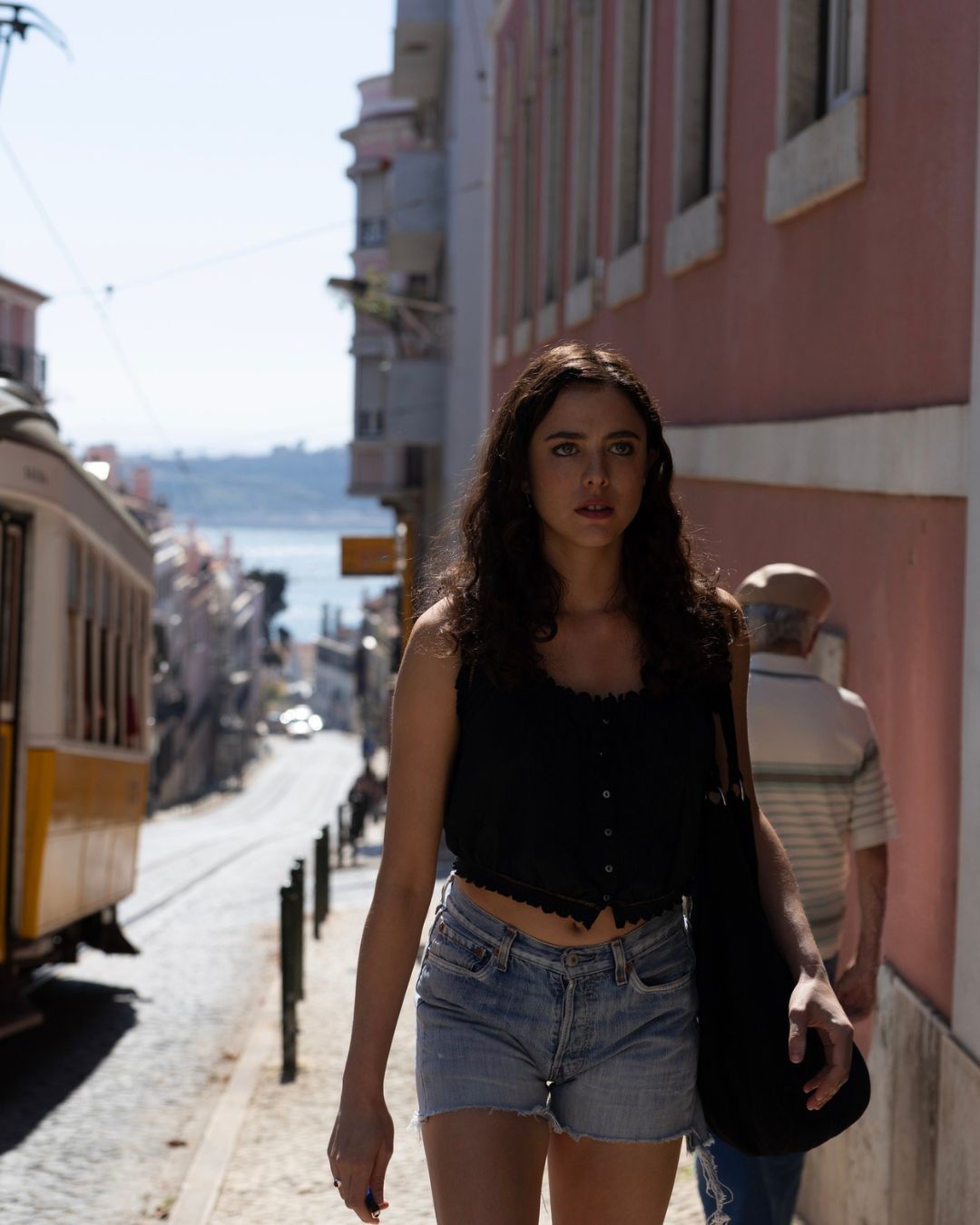
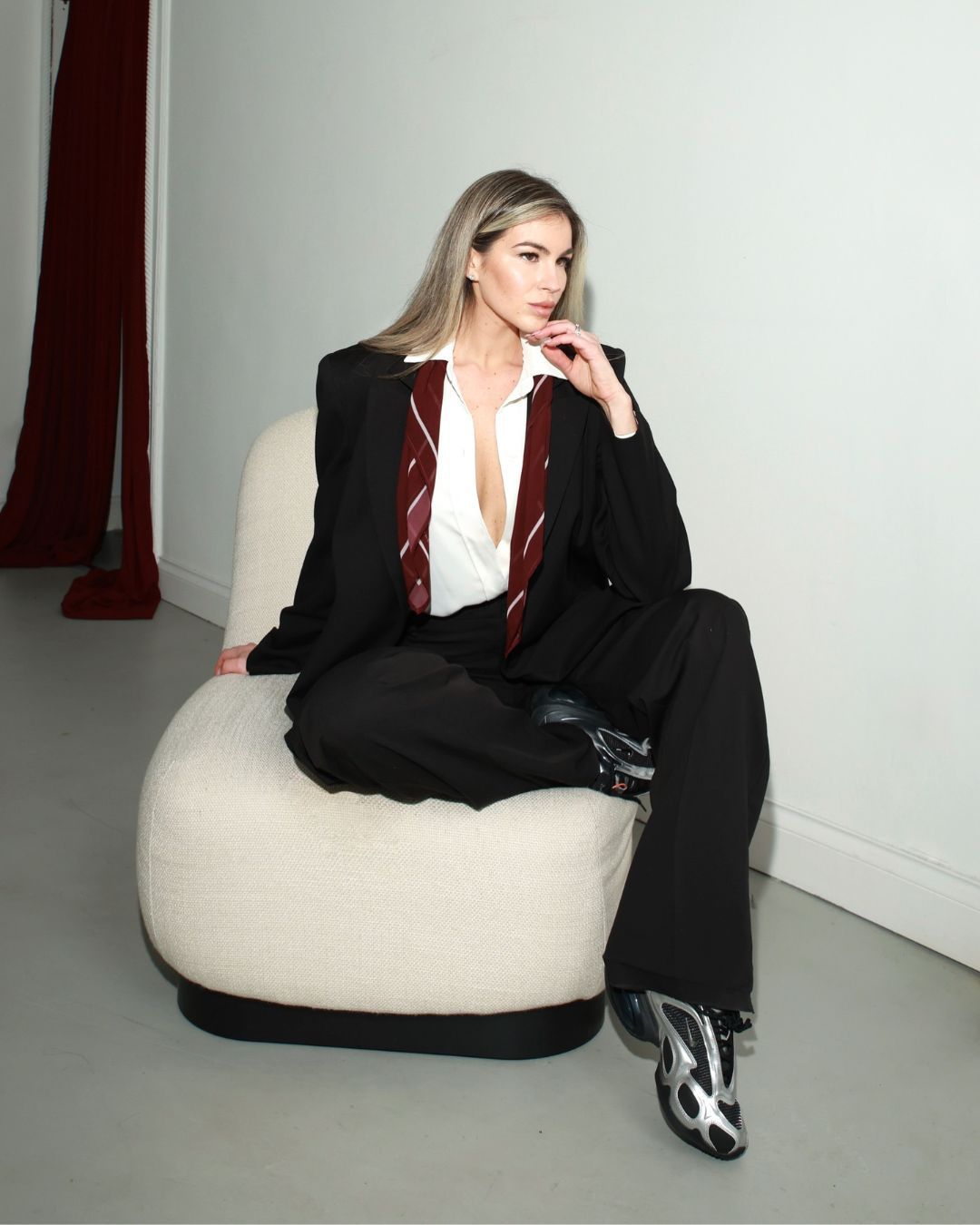
The vision behind SS26 comes from observing what remains once you remove the noise. The new capsule is a tribute to the nostalgia of the ’70s, to relaxed luxury and effortless freedom. Tailoring loses its rigid structure and rediscovers lightness. I wanted to evoke that magical moment in the 1970s, when elegance felt free yet deeply intentional.
This collection feels incredibly sensory, almost tactile. Where does the desire to focus on perception rather than immediate impact come from?
It’s both an ethical and an aesthetic choice. In a system obsessed with instant impact, I focus on what remains after the noise fades away. If a garment has no sensory depth, there’s no reason for it to last. And if it doesn’t last, it’s not sustainable.
If you had to describe the The Archivia SS26 woman in three words, what would they be?
Conscious, free, evocative.
The Archivia was born from the emotional archive connected to your grandmother’s wardrobe. What is the strongest memory you still carry within the brand today?
I grew up constantly admiring the women in my family: the elegance in my grandmother’s attitude is still my anchor today. Tailored suits, scarves and cameo brooches. Even now, the feel of cool wool between my fingers takes me back to that childhood gesture: touching her jackets and understanding what it means to wear a garment made to last.
The entire production is tied to the Campania region and artisanal craftsmanship. How important is it for you to preserve this knowledge today?
Craftsmanship from Campania is the beating heart of the brand. I deeply believe in the manufacturing and textile potential of our region, and it’s important for me to highlight how much this aspect is an essential part of the project’s identity. The finishing touches and applications on the garments are made according to the purest essence of craftsmanship, without the help of machinery: a process that makes industrialization impossible, extending production times but ensuring care and control. In this way, maintaining a sustainable and responsible production chain allows us to preserve a tradition and a form of knowledge that belong to Italian culture. It’s not a marketing choice, it’s a practical and emotional necessity. Tailoring as an act of love, quality as a promise of longevity.
Working with a team of young seamstresses also means passing on skills and creating opportunities. Do you feel a particular responsibility in that sense?
Absolutely. In fact, I believe it’s one of the most beautiful parts of my job. It’s a huge responsibility, one I feel every day and embrace with great awareness. My girls are precious collaborators: with them I share work, but also — whenever they want — personal struggles, doubts and moments of growth. It’s beautiful to be a point of reference for them. I often see myself in them, thinking back to the years before I started my own project. Ours is not a hierarchical model, which I think is outdated: we are a group working together on a shared vision, and feeling like an integral part of what we do is the most important thing to me. The workplace truly feels like a second home.
How difficult is it today to maintain such a human and “slow” approach within the contemporary fashion industry?
For me, it feels completely natural. I wouldn’t know how to be any different. The way I work comes from an inner rhythm, from an idea of care and presence that I cannot and do not want to sacrifice. It’s an approach that requires time, listening and authenticity, but it’s also what gives value to everything we create.
What would you say to a girl who dreams of starting her own brand but is afraid of not being “ready enough”?
I would say that there’s no such thing as truly feeling ready. Waiting to feel “ready” is often an elegant excuse we give our fear. At some point, you have to stop waiting for the perfect moment and simply begin. Courage arrives in a very precise, almost physical instant: when you realize that you can’t postpone it any longer, that the only possible direction is the one that has been calling you for a long time. It’s an impulse that comes from the gut, but it’s sustained by discipline, dedication and deep honesty with yourself. Fear and doubt never disappear — in fact, they walk beside us every single day — but they are part of the process. The most important journeys are never linear: they’re made of attempts, stumbles, sudden intuitions and sacrifices that give depth to what you’re building. And that’s exactly why they’re worth it.
What is your biggest dream for the brand?
My biggest dream is for the brand to become more than just a project: for it to become a meaning. A language, a message, a reason for people to feel part of something. I want it to be useful, to create value — for the people who work with me every day and for those who will choose to step into our world. I would love for it to be recognized not only for its aesthetic, but also for its ethics: for its care, for its respect for human timing, for that quality born from real hands and stories worth listening to. I want it to be a place where people feel seen, welcomed and valued; a place where work becomes relationship, and relationships become growth. Then there’s an even bigger dream: that what we create might, even quietly, leave a gentle yet lasting mark on our land. I deeply believe Italy needs businesses capable of preserving artisanal knowledge and transforming it into the future without distorting it. If the brand can become one of these discreet yet necessary forces, then I will have achieved my greatest dream.
What to read next
"Make-up for me is identity building"
Interview with Stephanie Glitter, who needs no introduction
The beauty world is made in Italy
International brands that have chosen Italy to produce their beauty products