















Valentina Magaletti: "Creativity and humanity go hand in hand" Interview with the experimental musician who just performed at the Teatro della Cometa
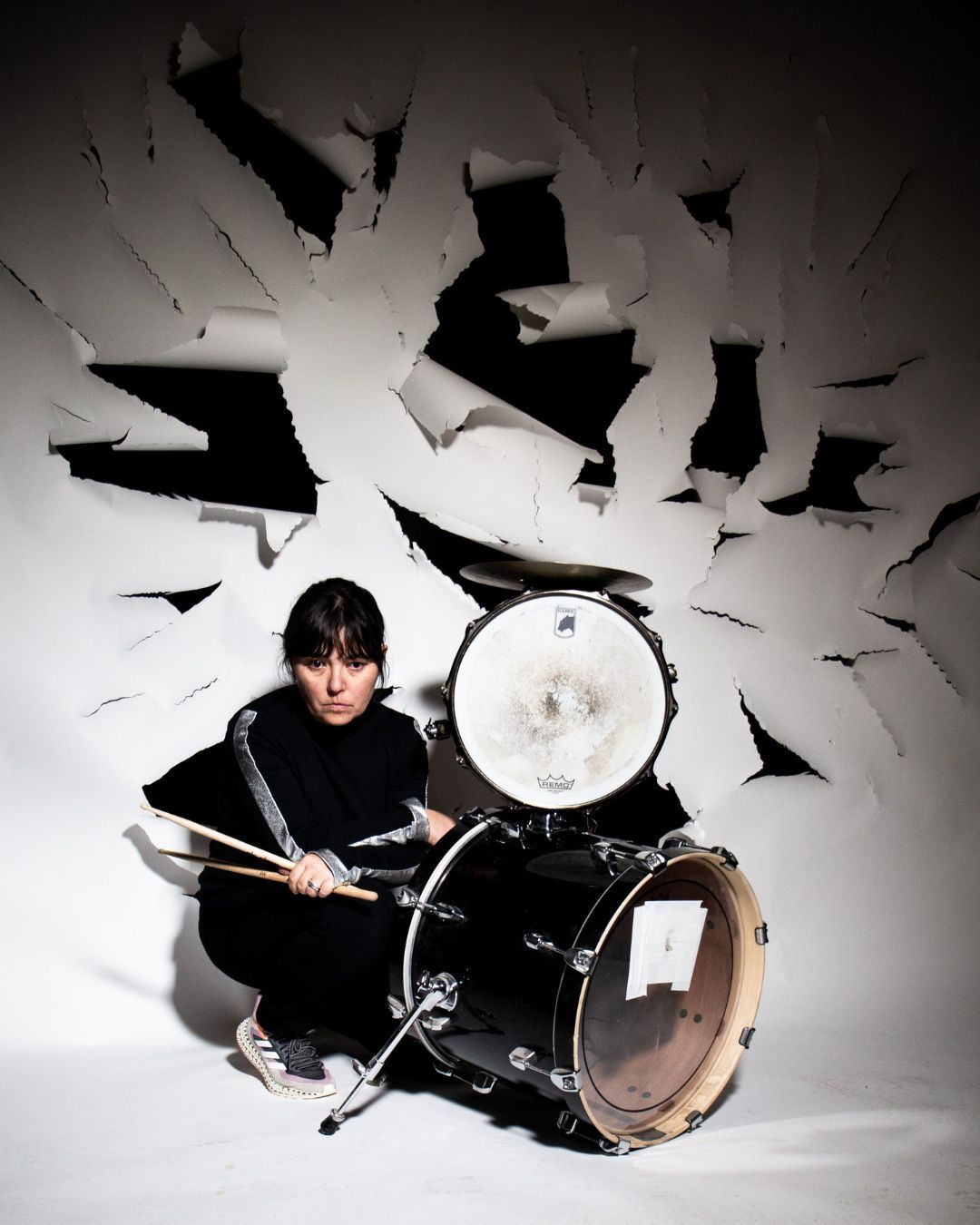
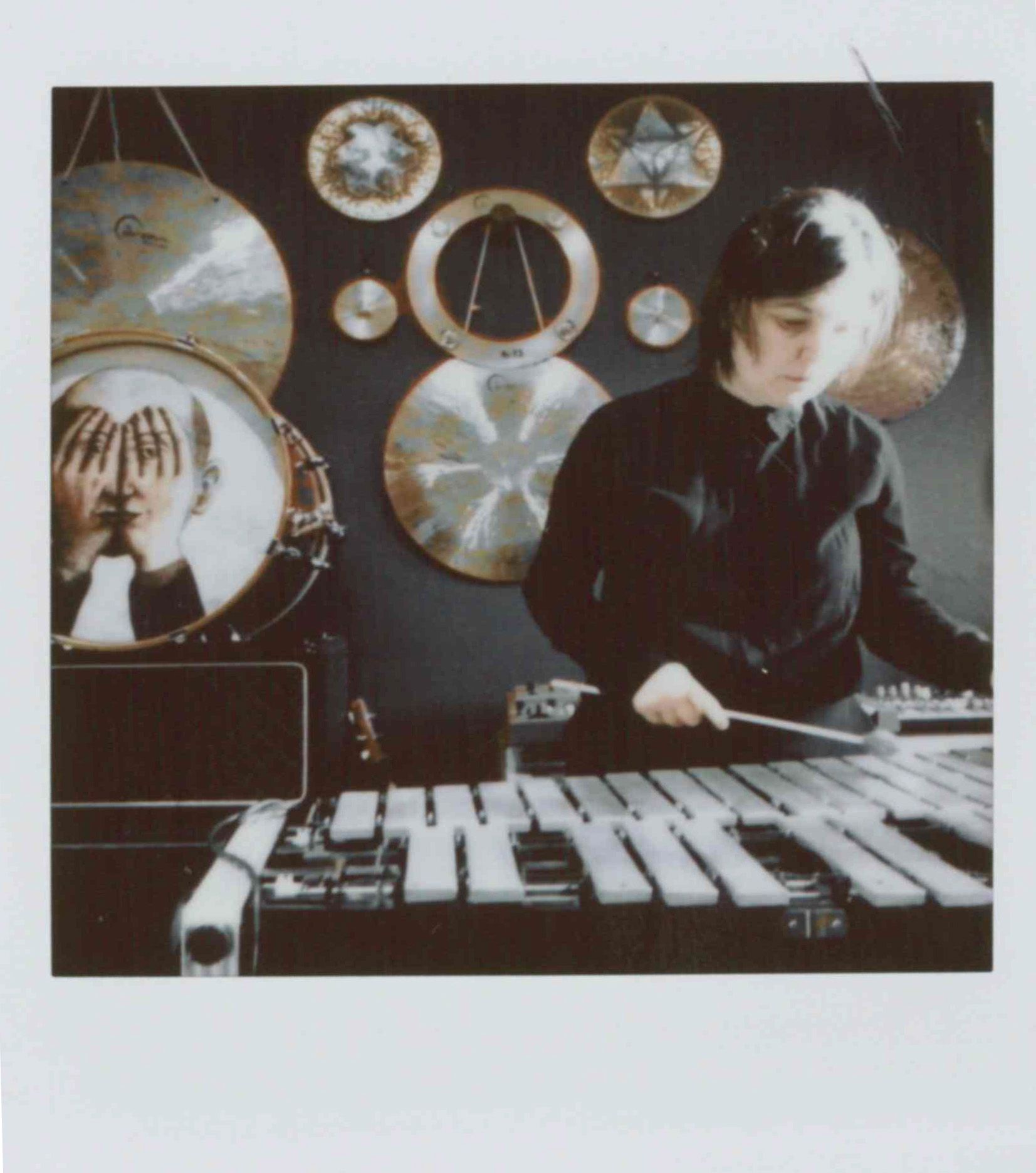
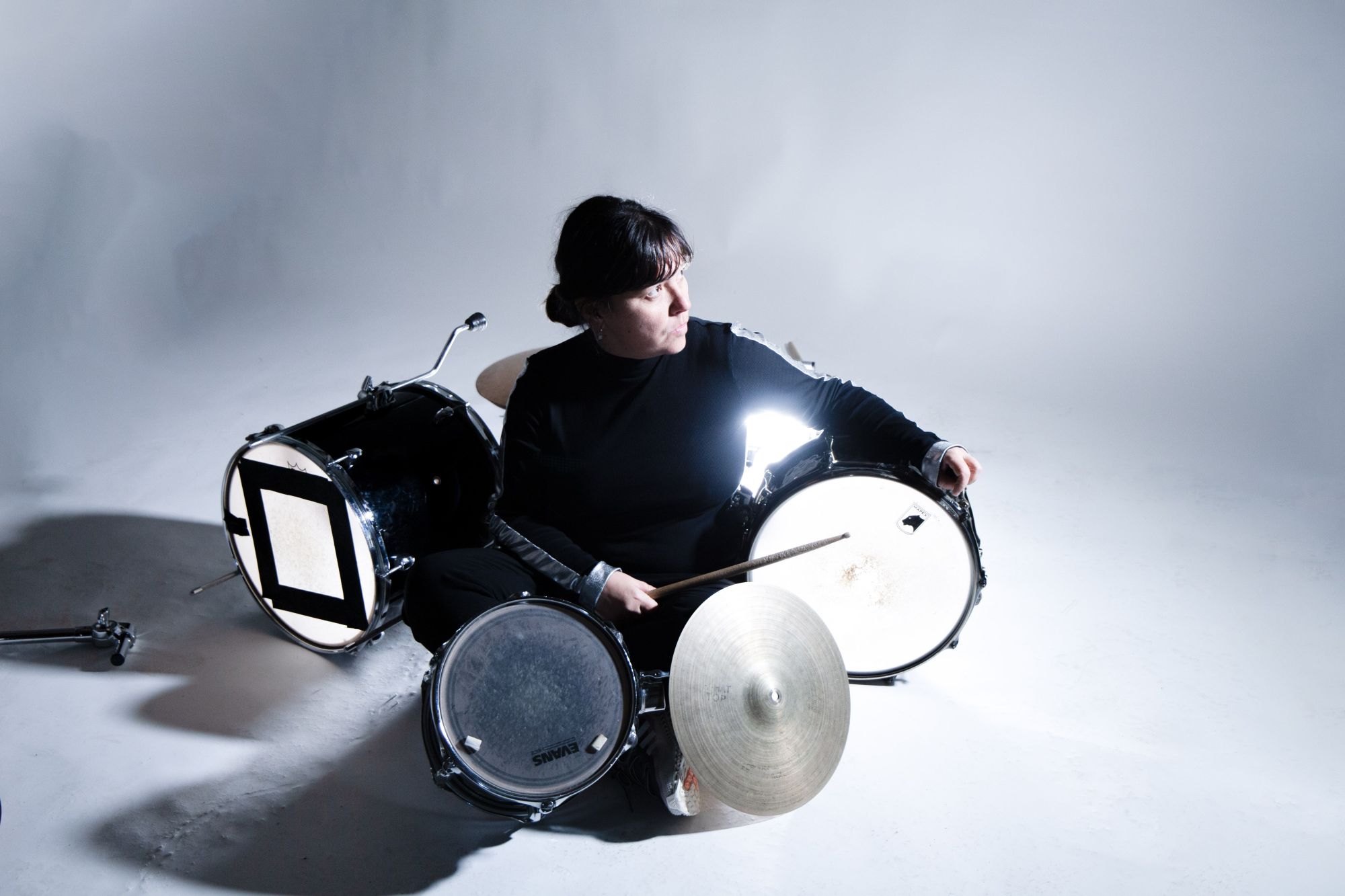
Valentina Magaletti is one of the most magnetic voices in contemporary experimental music: an Italian drummer, percussionist and composer based in London, capable of transforming sound into a living, ever-changing organism, shaped by intuitions and tensions that escape any clear category. In her work, avant-garde meets jazz, post-punk, electronics and a sonic rituality that becomes narrative gesture. For Magaletti, percussion is not just a set of instruments, but extensions of thought and body, vehicles for a hypnotic and deeply human vision. From solo projects to immersive installations, and albums such as A Queer Anthology of Drums (2020), La Tempesta Colorata (2022) and Rotta (2022), her research has grown increasingly broad and radical, an exploration of time and the physicality of sound that continues to redefine the boundaries of contemporary music. We spoke with her on the eve of her performance at the Teatro della Cometa, held on November 19 in Rome. Here’s what she told us.
Interview with Valentina Magaletti
How did your hybrid approach emerge, and how do you decide what to integrate into your projects?
It’s never a conscious or deliberate choice; there is no established modus operandi. It’s a natural evolution of my training and my creative expression. And it’s always in fieri, because I have the possibility and the privilege of travelling a lot, meeting new people, having the space to move forward or backward. It’s always different, never intentional. I have no idea where it will lead or how my career might evolve.
The performance at Teatro della Cometa is site-specific. Has the venue’s architecture influenced your preparation?
This process was likely handled by the promoter. I didn’t have the opportunity to do a site viewing. I’ll arrive in Rome tomorrow morning and will see the venue for the first time. There will be a soundcheck, so I’ll have the chance to study the room and its reverberations, and understand, based on that, how to move sonically. The sound adjustments will happen after seeing the space. Reading the room is an integral part of my show and my improvisation. So it changes from one place to another.


And what about the audience, does it influence you, if at all?
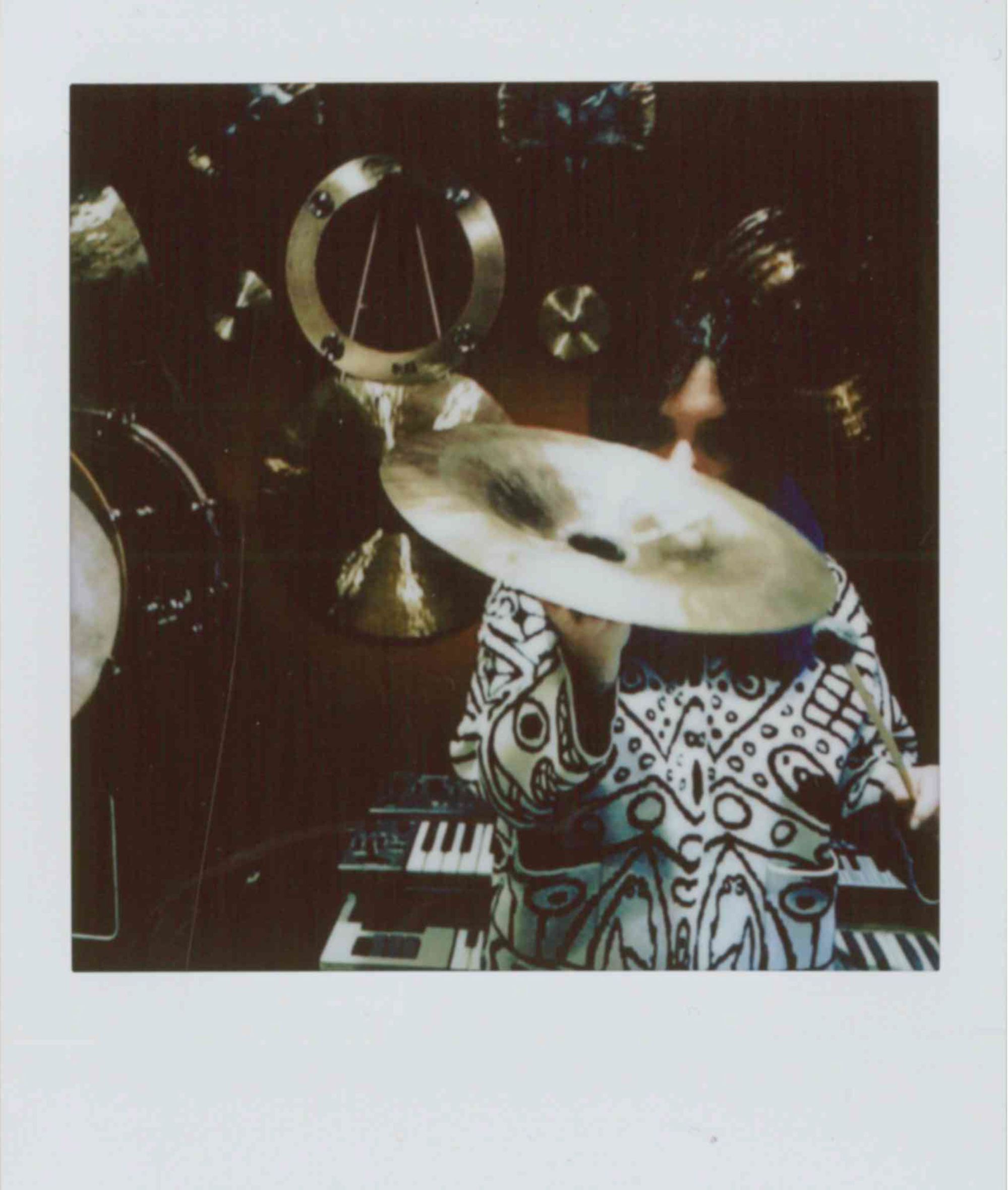
In fact, I’ll probably have quite a few friends coming to see me, but I can’t judge or speculate on what the audience will be like. It’s a process that unfolds when the show begins. Everything is managed in the moment, somehow. When I perform, I don’t know who’s coming to see me, what the chemistry will be, whether there will be an energetic exchange or not. The unknown is significant, and it’s part of what intrigues me about my work.
You meet the audience only on the evening of the show and the theatre the day before. You really don’t follow any set framework?
It’s important for me to have some kind of time indication. When I play, I don’t know what time it is or how long I’ve played, so performances can last 2 minutes, 20 minutes, or 3 hours. The only fixed point is determining the duration in advance, and that happens through a soundscape.
Your approach is innovative, while Teatro della Cometa is quite a traditional venue. How do innovation and tradition meet?
This tension between tradition and innovation reflects my soul, my ethics. I’ve always been unconventional, so it aligns perfectly with what my message is, the conceptual message present in my records. I want to shake up convention within music; even though I come from an academic background (I studied at the conservatory), I’ve always tried not to preserve too much of what I learned. My practice is based on building and deconstructing.
Is there any aspect of musical performance you haven’t explored yet that you’d like to explore in the future?
Musical research is analogous to a personal search. Everyone wants to grow, to explore new territories, as human beings before even as creative beings. Creativity and humanity go hand in hand; as long as you continue to exist, there’s naturally the curiosity to move forward. It’s a process that never ends, it ends only when you do.