









How can our hair influence us? Spoiler: much more than you can imagine
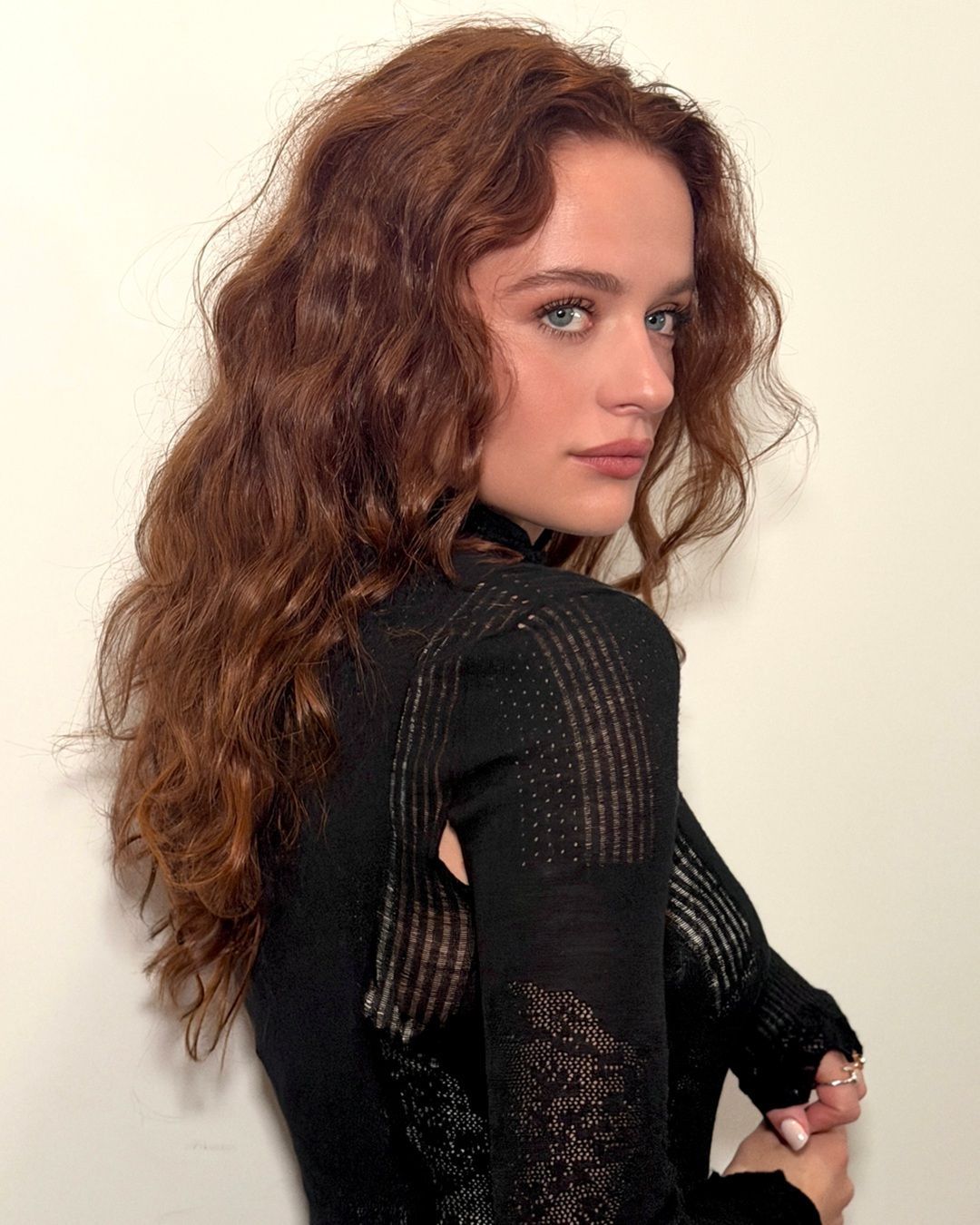
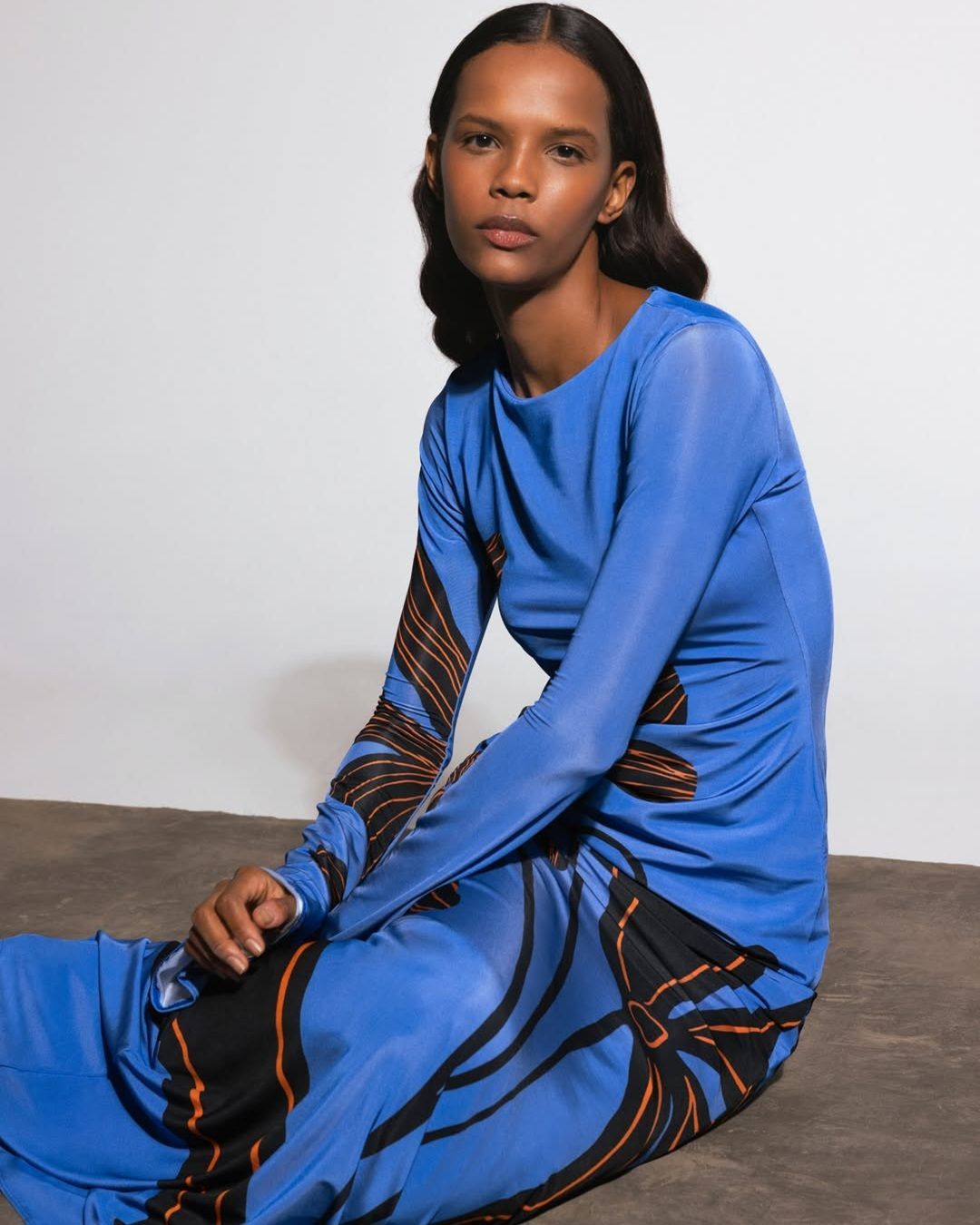
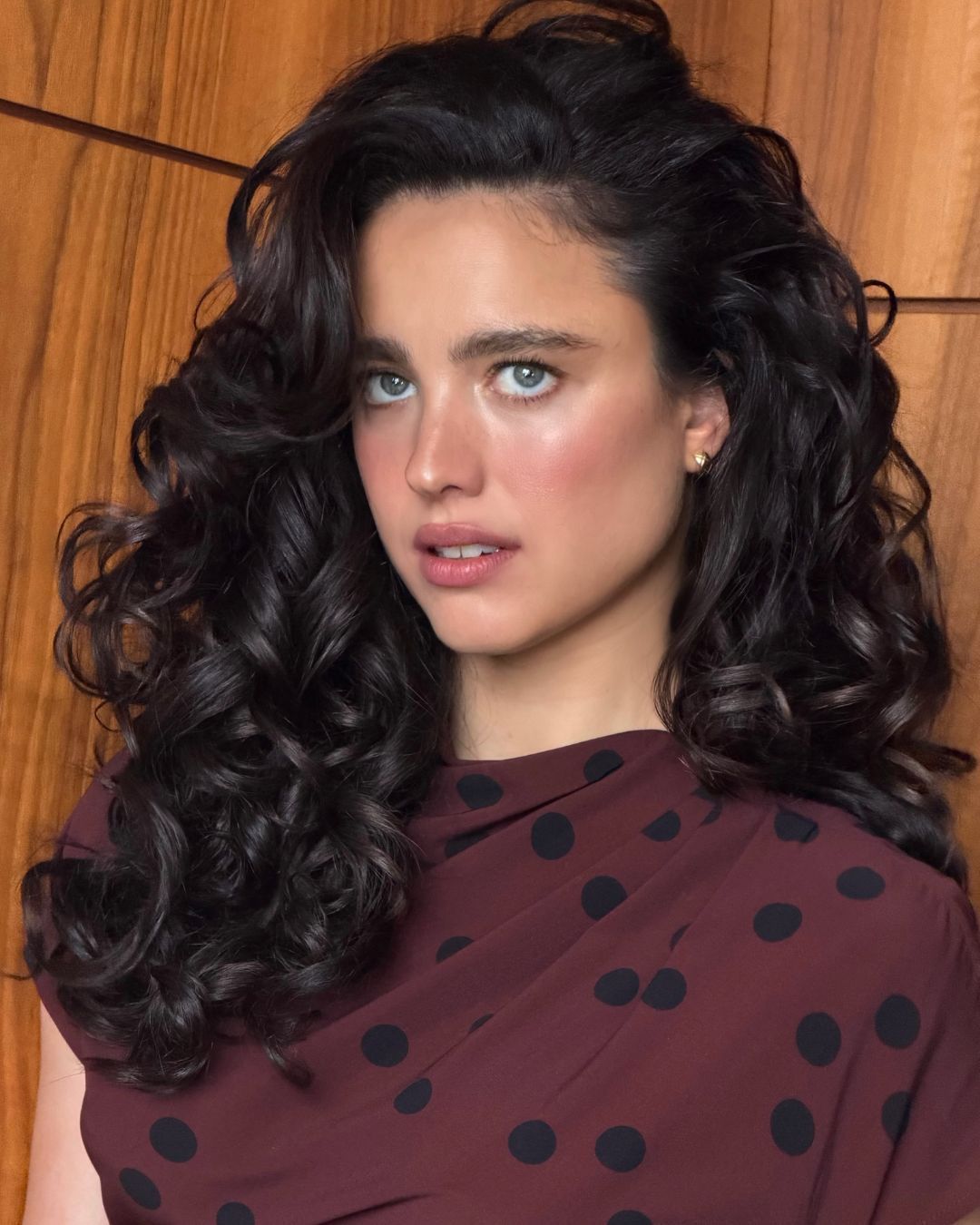
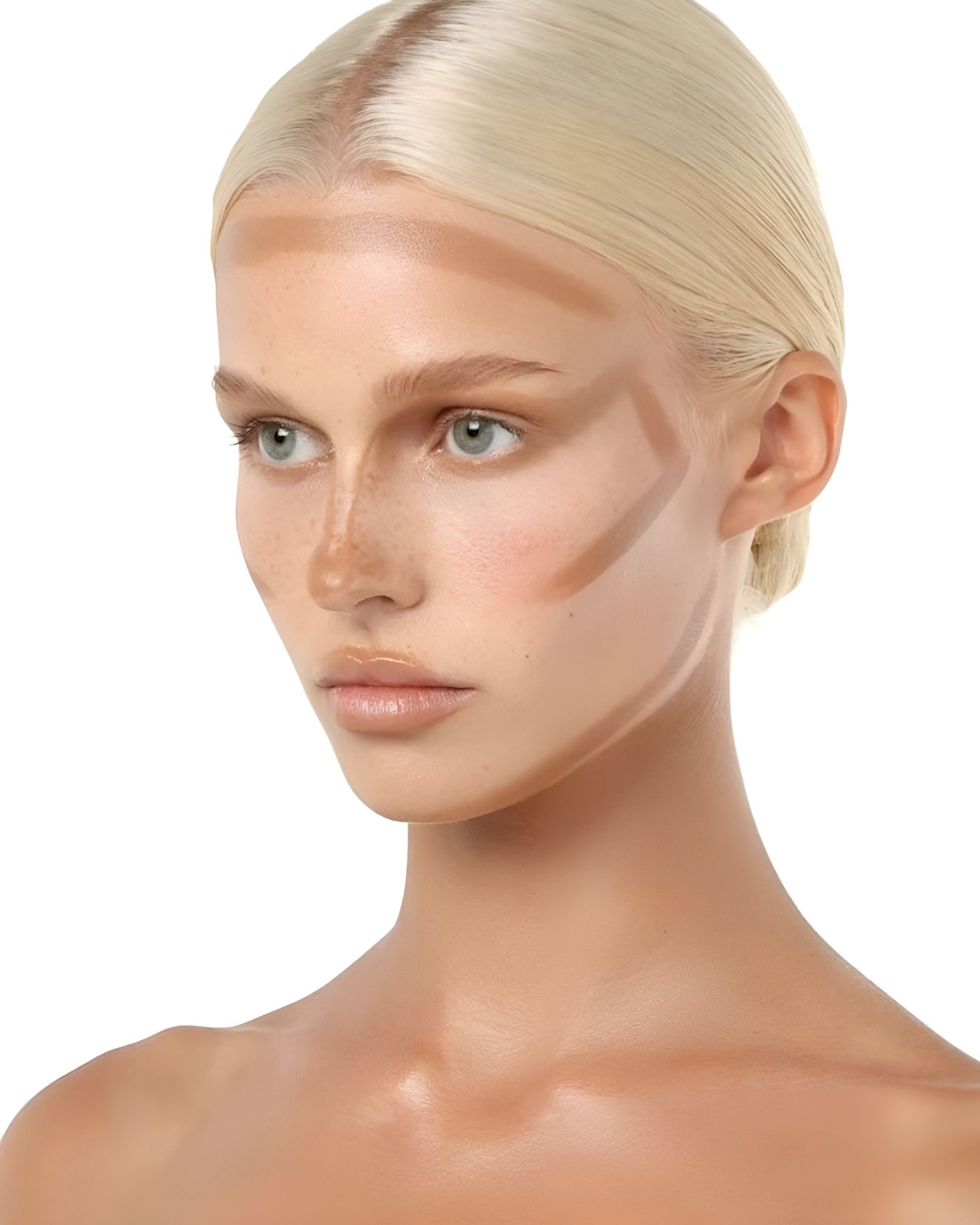
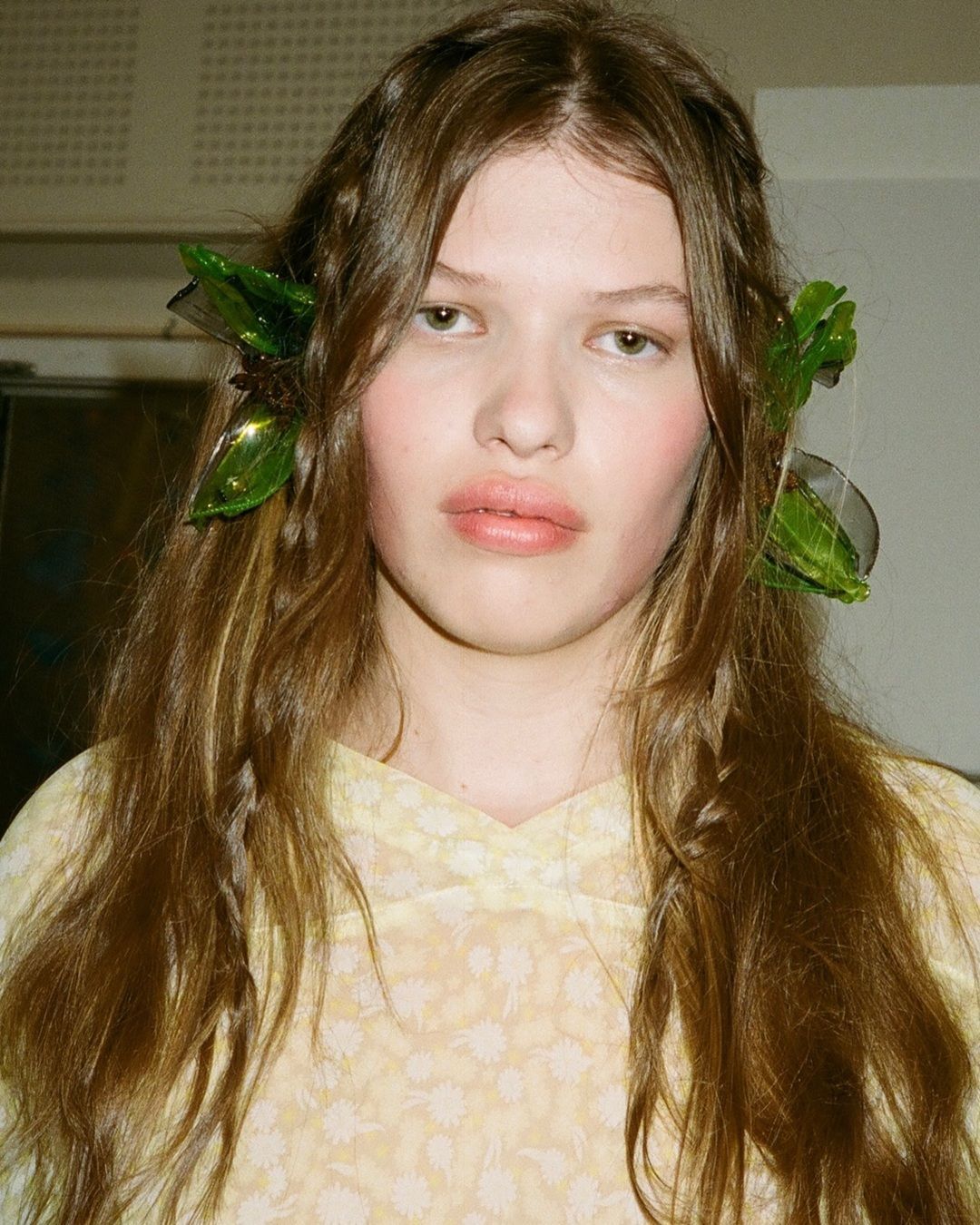
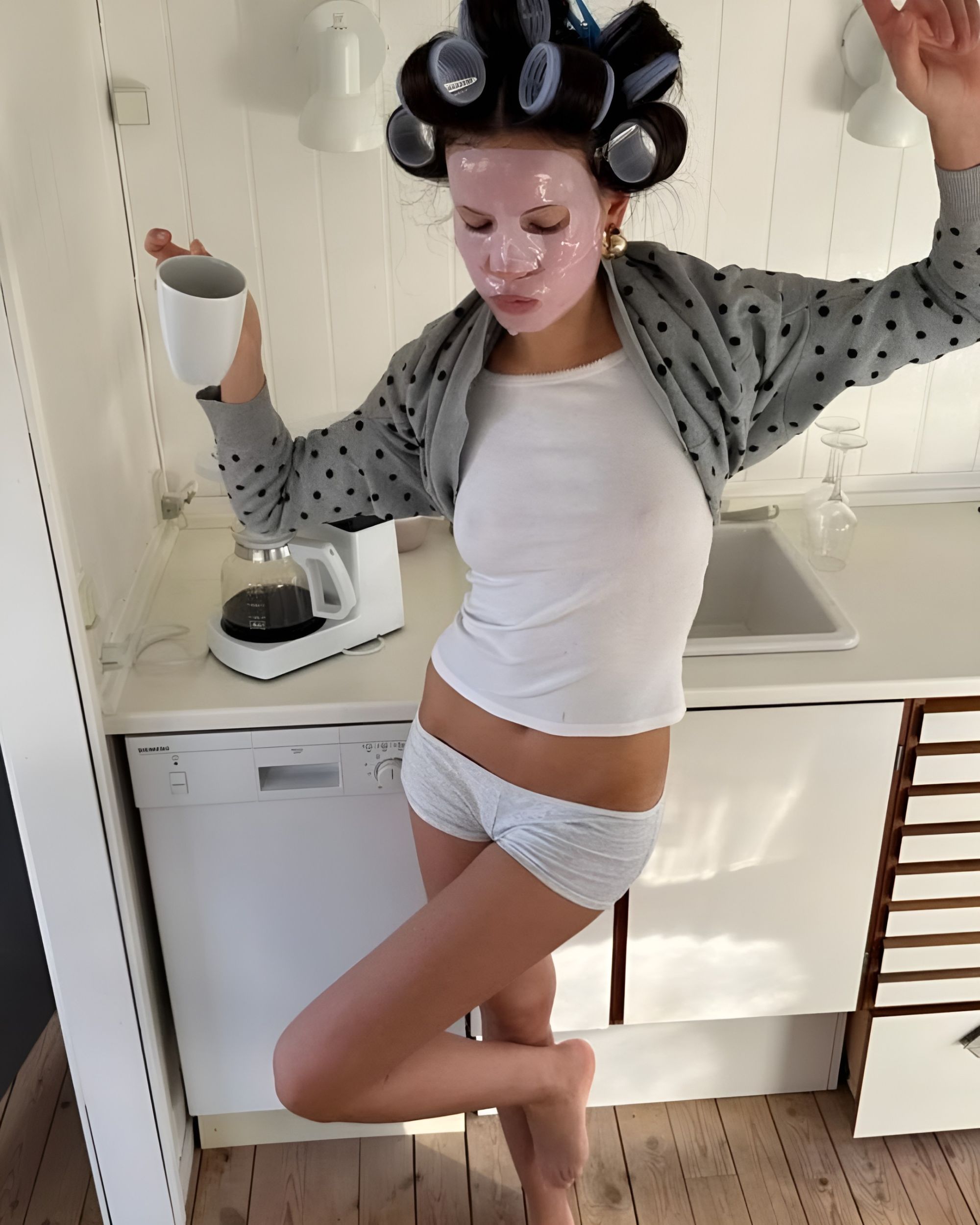
Hair has never been just an aesthetic detail. A new Ipsos Doxa study commissioned by Shark Beauty, conducted on 1,004 Italian women aged 18 to 74, clearly confirms this: our relationship with our hair is much deeper than we think. For 89% of Italian women, the appearance of their hair affects self-esteem, while 82% consider it part of their identity. Honestly, these figures aren’t that surprising. Just think about the difference in mood between a day with perfect hair, when we instantly feel more put together, and a “third-day hair” day, when our confidence is at its lowest.
How Much Do Hair Affect Us?
Time and Motivation on the Decline
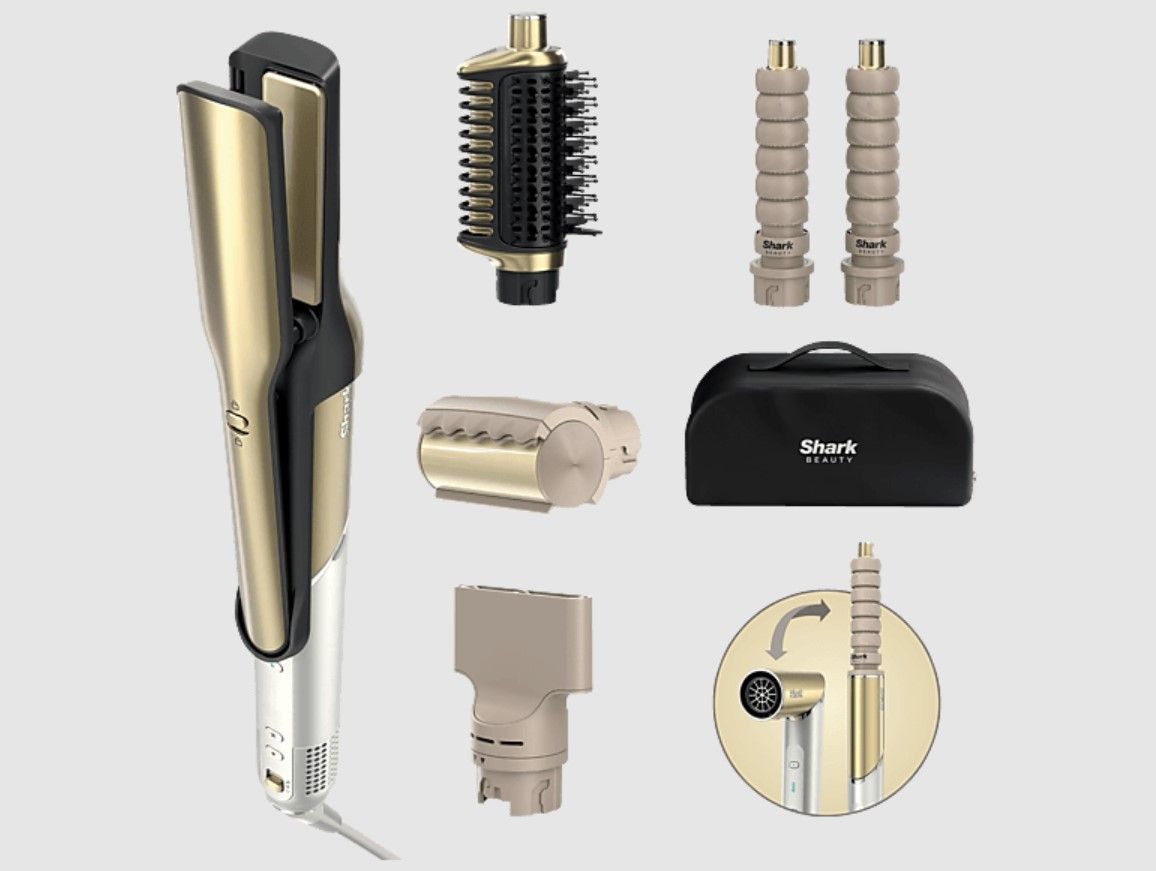
Taking care of hair is one of those small daily rituals we’d like to rush through, but often takes more time than expected. According to the study, most women spend between 5 and 15 minutes a day on their hair routine, while 36% exceed 15 minutes daily. It’s not just about time: routines are becoming increasingly complex and personalized. On average, each person uses more than two styling tools, from hair dryers and straighteners to other devices designed to achieve different looks. Despite all this effort, the relationship with hair care remains positive: 90% of women surveyed say that dedicating time to their hair makes them feel better. At the same time, 42% admit it can be a fairly time-consuming routine. This is the classic paradox of contemporary beauty routines: we want well-groomed hair without spending too much time in front of the mirror. This is where tools designed to make styling simpler and faster come into play, such as Shark Glam, the multi-styler from Shark Beauty created to achieve professional results at home and adapt to different hair types, following the brand’s "For All Hair Kind" philosophy, which aims to develop tools that work on all hair types and make styling more accessible and inclusive.
Between Personal Expression and Social Pressure
Beyond the daily routine, the study also highlights how hair is connected to self-perception and social expectations. For many, hair represents an immediate way to express personality and identity, yet it is also an area where standards and aesthetic models come into play. 70% of Italian women believe that there are still rigid ideas about which hair is “right” and which is “wrong,” while 36% feel pressure to conform to ideals promoted by media and social networks. Not surprisingly, almost one in two women admit to having changed their haircut or hairstyle at least once to fit contemporary beauty standards. This dynamic is even more pronounced among younger women: in Gen Z, 56% report feeling strong pressure related to their hair appearance, and 60% say they’ve changed their look, often following temporary trends, to be socially accepted. These numbers tell us something quite clear: even when we think we choose our hair purely for personal taste, social expectations, aesthetic models, and external pressures often play a role. In theory, hair should be just a way to have fun with your look, change style, or express personality. In practice, it still too often becomes a space where acceptance, confidence, and conformity are measured.