






































New publishing trends: from romantasy to the power of tropes How publishing is changing to keep selling books
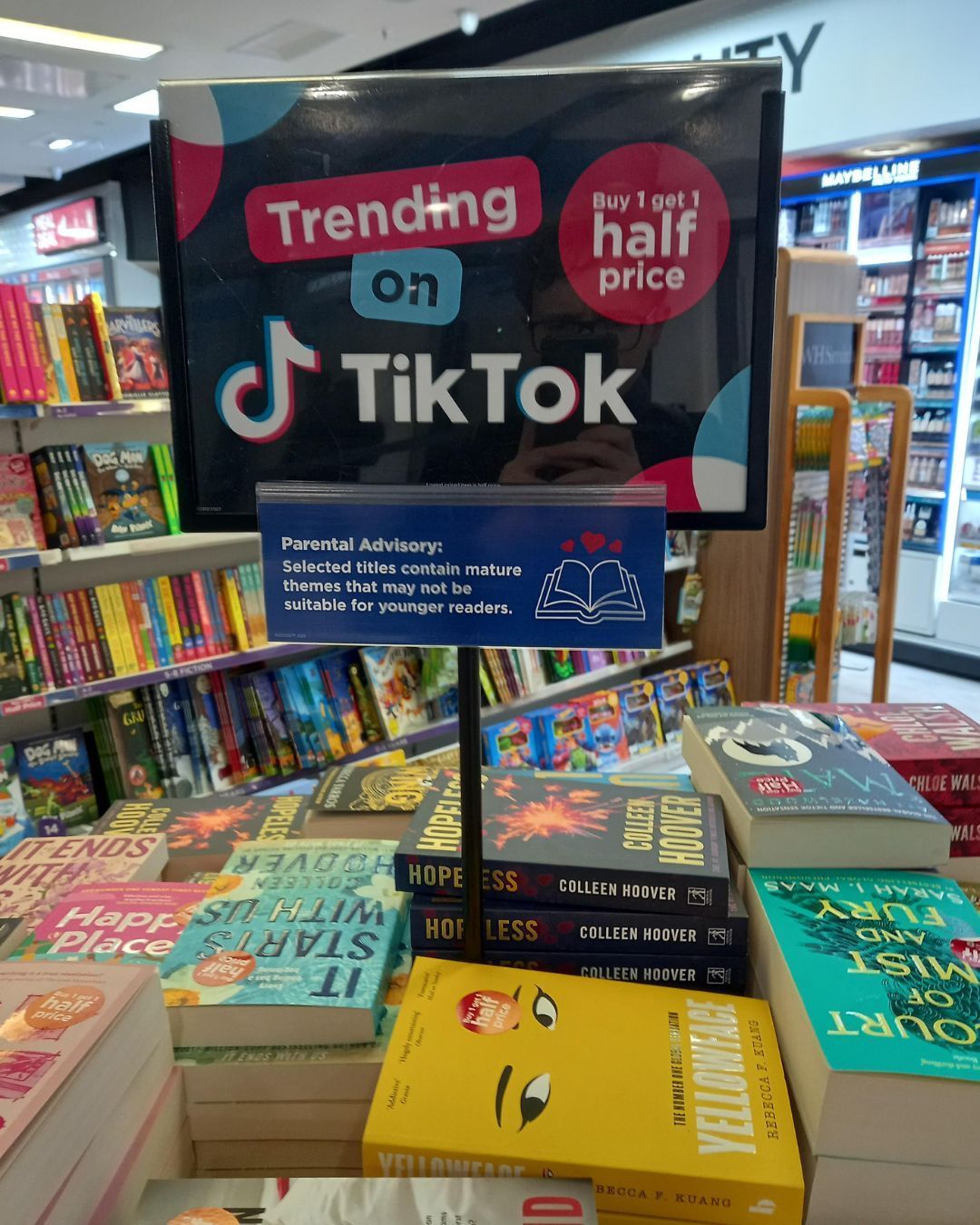
The contemporary publishing industry is no longer what it used to be. While in the past a book’s success was determined by literary criticism and its cultural relevance, today sales are increasingly tied to the interest of Gen Z and Millennials. Awards like the Premio Strega still carry weight, but now social media and word of mouth play a crucial role in shaping a book’s success. Instagram, TikTok, and online communities have transformed the way we discover new books. Reading is no longer a solitary experience: it has become a way to connect, share, and build relationships. From digital book clubs to fandoms dedicated to the most beloved series, real niches are emerging that are capable of influencing the publishing market.
Tropes in romance: the direct language winning over readers
The romance genre has successfully reinvented itself through more immediate communication. Today, beyond plot and cover, it’s tropes that guide readers’ choices. Terms like Enemies to Lovers, Fake Dating, and Marriage of Convenience create a shared, easily recognizable language. These elements are now often featured directly on book covers or back covers, alongside hashtags, making it even easier to discover new titles on social media. Alongside tropes, the importance of the spicy level is also growing, often indicated with symbols like chili peppers. When explicit content is particularly prominent, it is referred to as smut.
Romantasy and collectibility: when books become aesthetic objects
The power of fandoms has led to the rise of romantasy, a subgenre that blends fantasy and romance. Series like A Court of Thorns and Roses by Sarah J. Maas and Fourth Wing by Rebecca Yarros dominate the market. But it’s not just about the content: the book’s aesthetic is equally important. Editions with decorated edges, foil covers, internal illustrations, and reversible dust jackets turn books into true collectible objects. This fuels impulsive buying behaviors, often tied to limited editions and pre-orders.
The power of book clubs and communities
Today, we also read to connect with others. Book clubs, both online and offline, are becoming increasingly popular, transforming reading into a shared experience. Complex and layered books become fertile ground for discussion and debate. Some titles, even years after their release, go viral again thanks to these dynamics. Publishers are therefore focusing on books with strong plots and themes that spark conversation, encouraging their spread within communities.
Historical novels and female faces on covers
A well-established trend is that of historical novels featuring female figures on the cover. Stories set between the 19th and 20th centuries often follow protagonists seeking emancipation and identity. These books respond to the contemporary need to find strong female role models in the past, keeping the genre highly relevant and in demand.
"If you liked this…": new sales strategies
Comparisons with bestsellers remain an effective strategy: suggesting new titles based on books readers already love makes decision-making easier. Today, however, this approach is evolving. Bookstores like Feltrinelli are experimenting with new formats, organizing books not only by genre but also by emotions and moods. This is the case with Milan’s BookBubble bookstore, an example of a “community bookstore.”
@thebooksharmony Io adoro il concept, voi cosa ne pensate? #libreria #feltrinelli #bookbubble Finitude - Gabriel Albuquerqüe
Conclusion: how the way we read is changing
The publishing world is evolving alongside its readers. The search for emotions, the need for connection, and the influence of social media are reshaping the market. Whether it’s reading in groups, following BookTok trends, or listening to audiobooks, one thing is certain: the way we read today is increasingly connected, shared, and constantly evolving.