

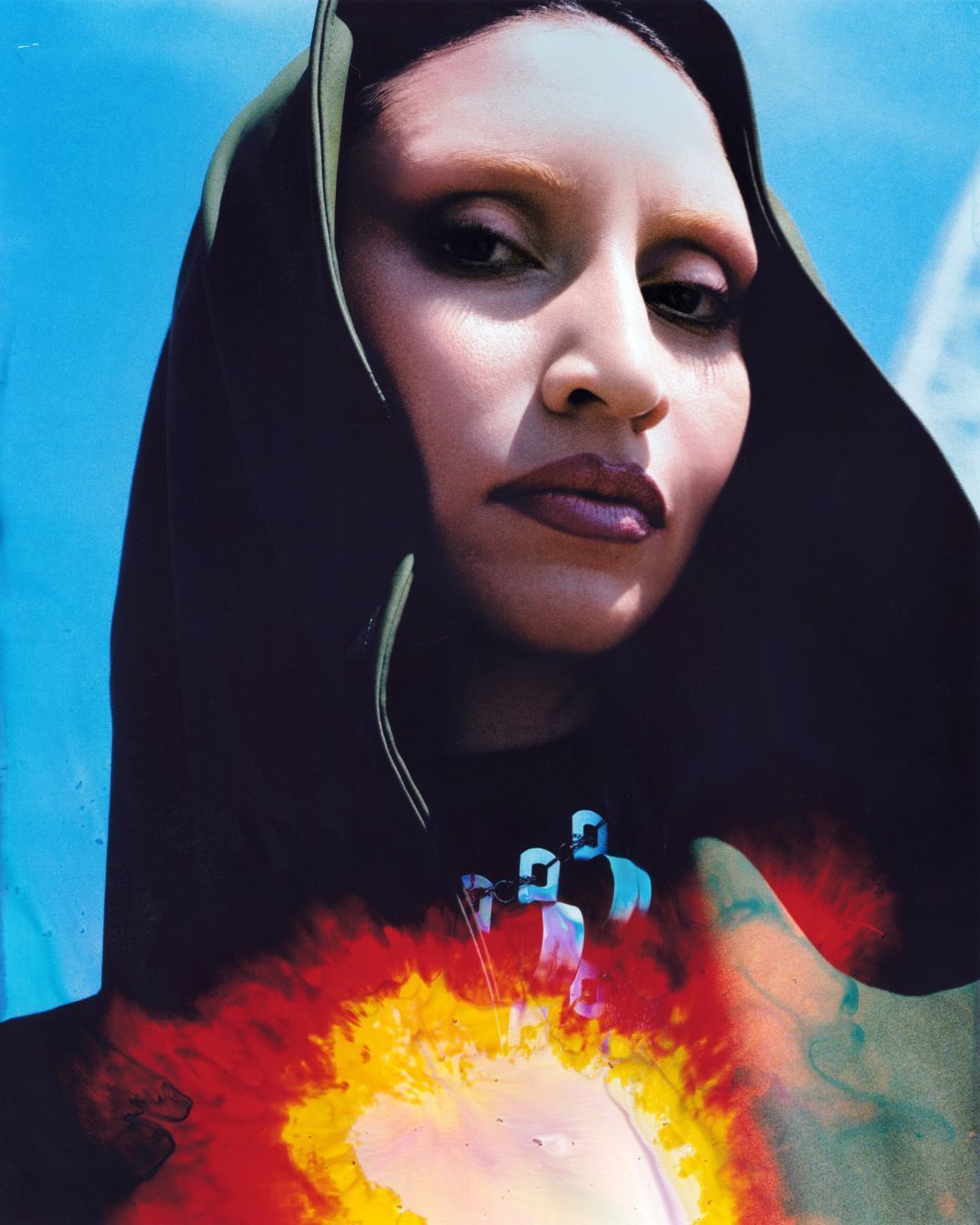
"The more time passes, the more I learn and the more I know myself" A conversation with Nava
On the occasion of the release of Gabbeh, Nava’s new album, we met her to talk about origins, emotional knots, and "divine timing." An album that weaves memory, belonging, and freedom with sound and imagery, transforming a personal journey into a shared sonic and visual landscape.
Interview with Nava
The beginning as a choice. Tell me about the moment when Nava stopped being an idea and became a path: who was there, what did you decide, what did you leave behind?
It’s strange because when the project started, I was practically a child, and that’s not a bad thing! I was just curious to learn. Over time, especially from Bloom onwards, I had to "grow up" on my own, which led me to find a new team, a new family. During that period, the project was changing its formation: it meant accepting many novelties, sometimes uncomfortable, but necessary for growth. I started taking charge of many more aspects of Nava, especially the visual side, which has always been essential for me. The more time passes, the more I learn and the more I discover about myself. It’s an inner journey.
The title Gabbeh refers to hand-knotted Persian rugs. Why did you choose this image as the album’s structure? What does the idea of a "knot" represent in each track for you?
The Gabbeh are the visual diaries of nomadic women from the Qashqai tribes: they weave their lives into the rugs. This album is my sonic diary. It starts from texts written in an app on my phone, with date and location. They are the things that haunt me: knots in my throat, memories, concepts. Sharing them is liberating; it frees me and, perhaps, can help those going through something similar.
On the album you speak of distance and belonging, the fear of losing contact with language and memories. How does Gabbeh transform this tension into music? What personal strategies do you use to "hold onto" your roots?
Honestly, I don’t have a strategy yet. But confessing these thoughts gave me peace: accepting reality allowed me to live with it, and now I can look for a solution. I hope this album helps me connect with other people who feel like me, creating a community in this way too.
Writing with Erio and producing with Fabio Lombardi: what did each bring to your process? Which decision unlocked the album’s final sound?
Erio was the spark that allowed me to write and finish the album. I met him in Milan while Fabio and I were working on Kashan: we asked him for feedback, and from there something reignited. I immediately wrote to Claudio (my AR) to involve him, and he agreed enthusiastically. It was divine timing: Erio had time to stay in Milan, and we started building tracks with broken guitars, a single microphone, and everything we had. We brought the demos to Fabio, and he was able to capture their essence. This work requires infinite patience, which Fabio had completely. When I finished recording the vocals, we decided to add Erio’s voice too. There are moments where he even sings in Persian.
The international collaboration with Loraine James on "Fire": how did it come about? Why was this track the right ground for your meeting?
Claudio reached out to her while she was open to new projects. I didn’t want to get my hopes up; it seemed too big a dream. But we decided to try: shoot our shot. After some emails via management, I told her the story of Fire, of DONNA VITA LIBERTÀ, and the track’s imagery. That’s when she decided to be part of it. I later met her in person in Milan while she was performing. It was incredible: it felt like we had known each other forever. Music moves everything. I still sometimes can’t believe it.
"Fire" intersects the Donna Vita Libertà movement and the symbol of fire connected to Nowrouz. How do you translate such a political theme into concrete musical choices, avoiding slogans?
Music is therapy, it was the only way I could express myself. I wanted the song to truly reflect the demonstration. We included recordings from the streets of Tehran, when rivers of people were shouting the same words. With Fire I tell what one would see and hear at that exact moment.
The visual imagery: Ghashghai rugs, the red sand of Hormoz, your grandfather’s stamps. How did you build this landscape with Strocchia, Servina, and Sudolski, and what do you want it to add to the album and live performances?
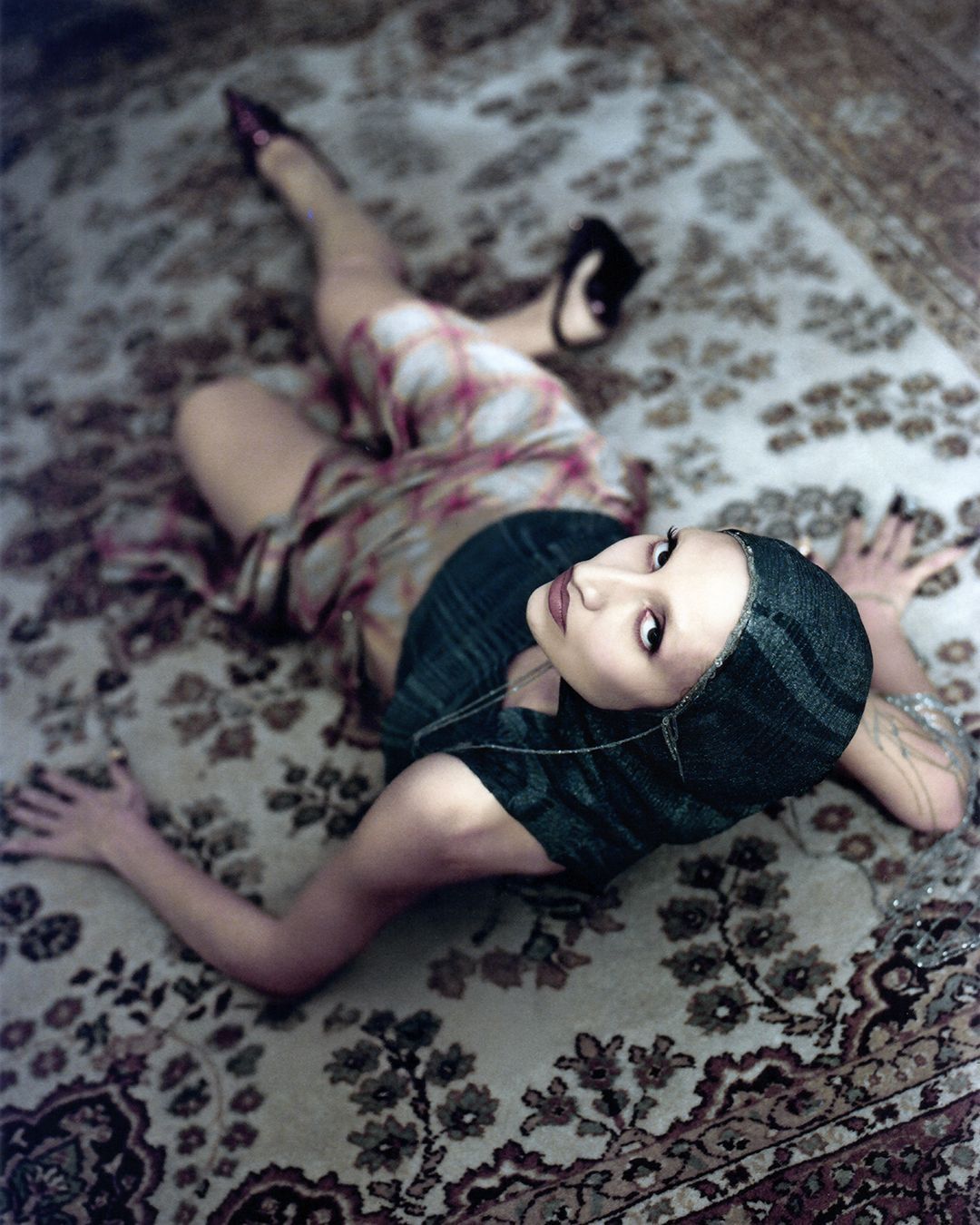
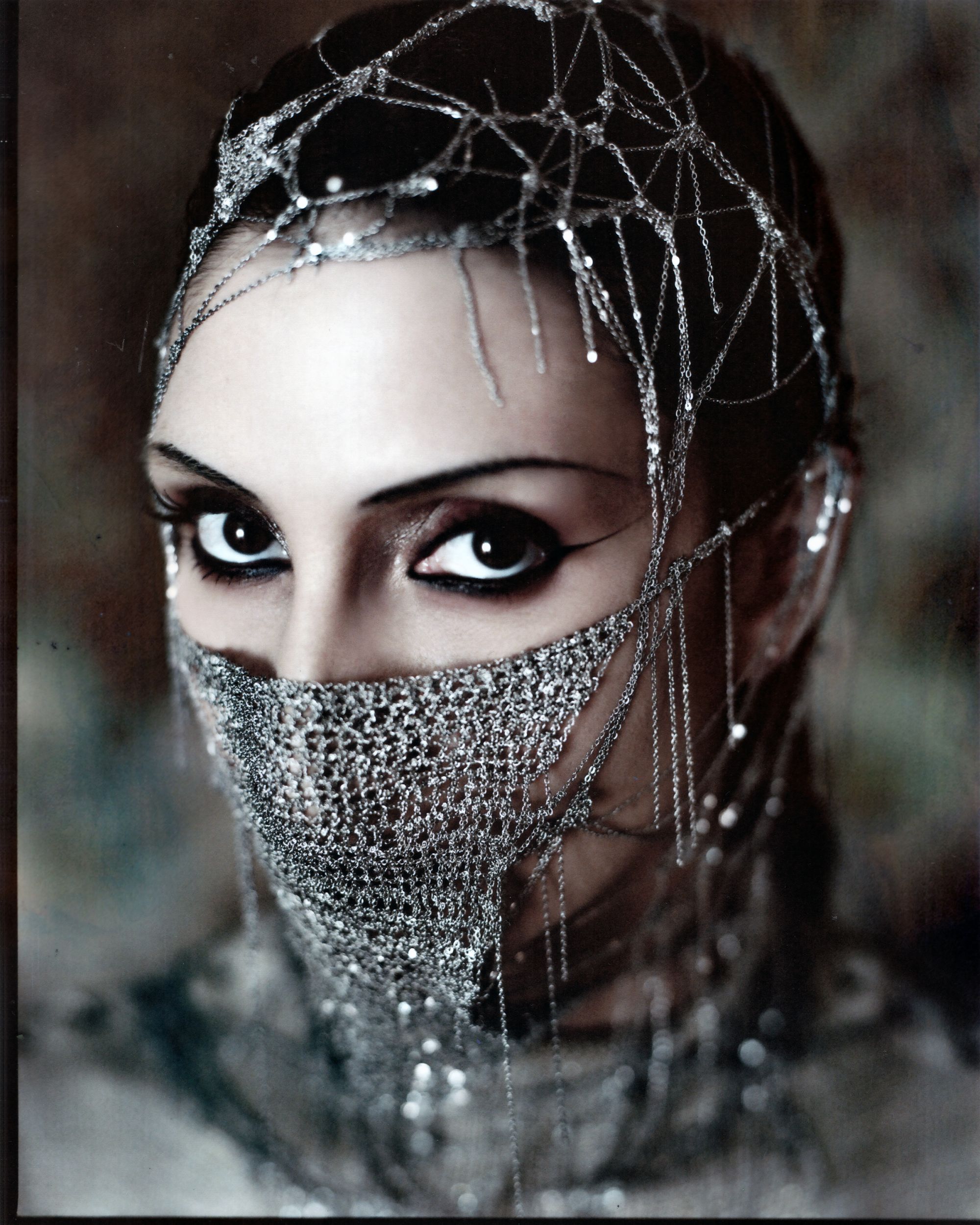
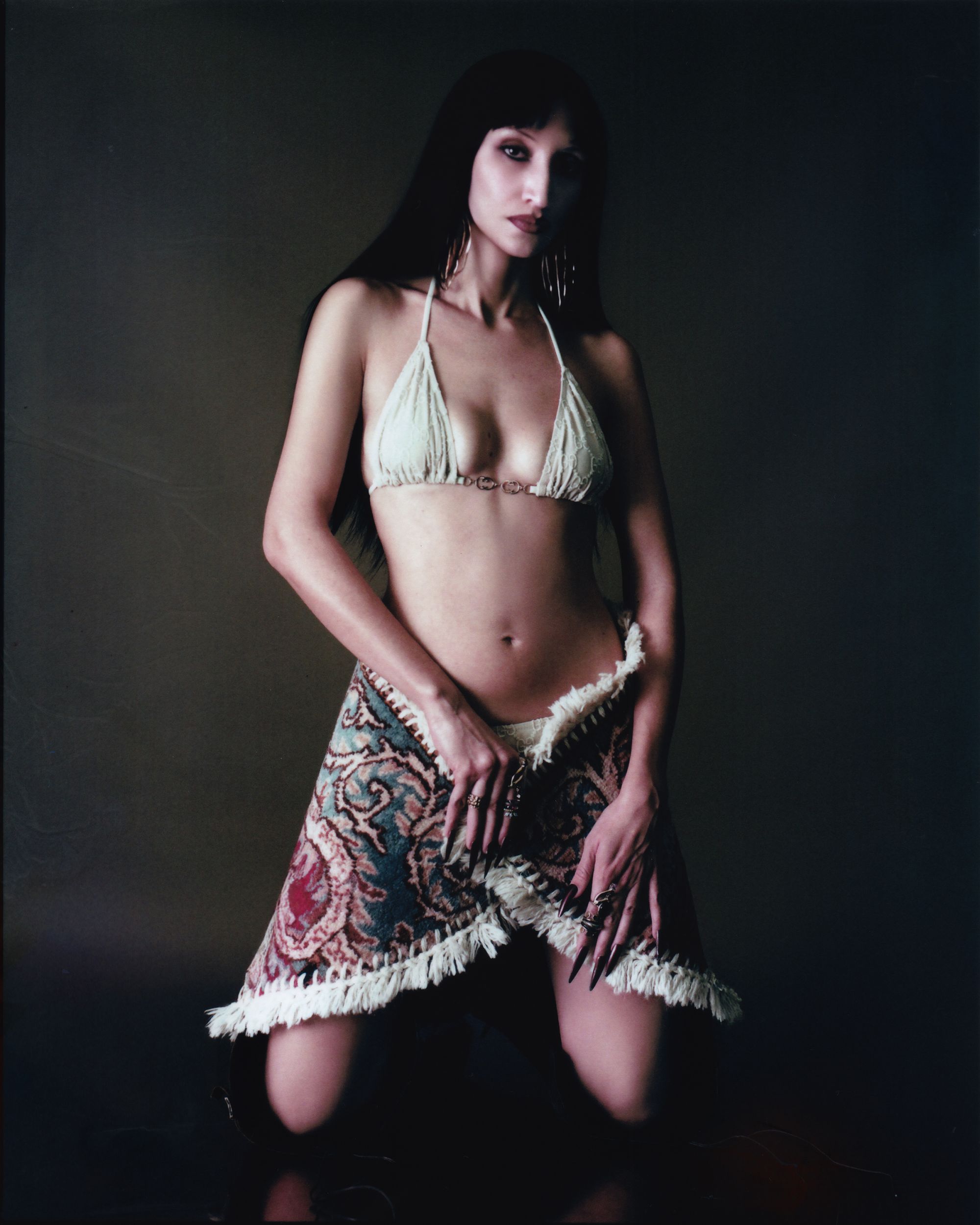
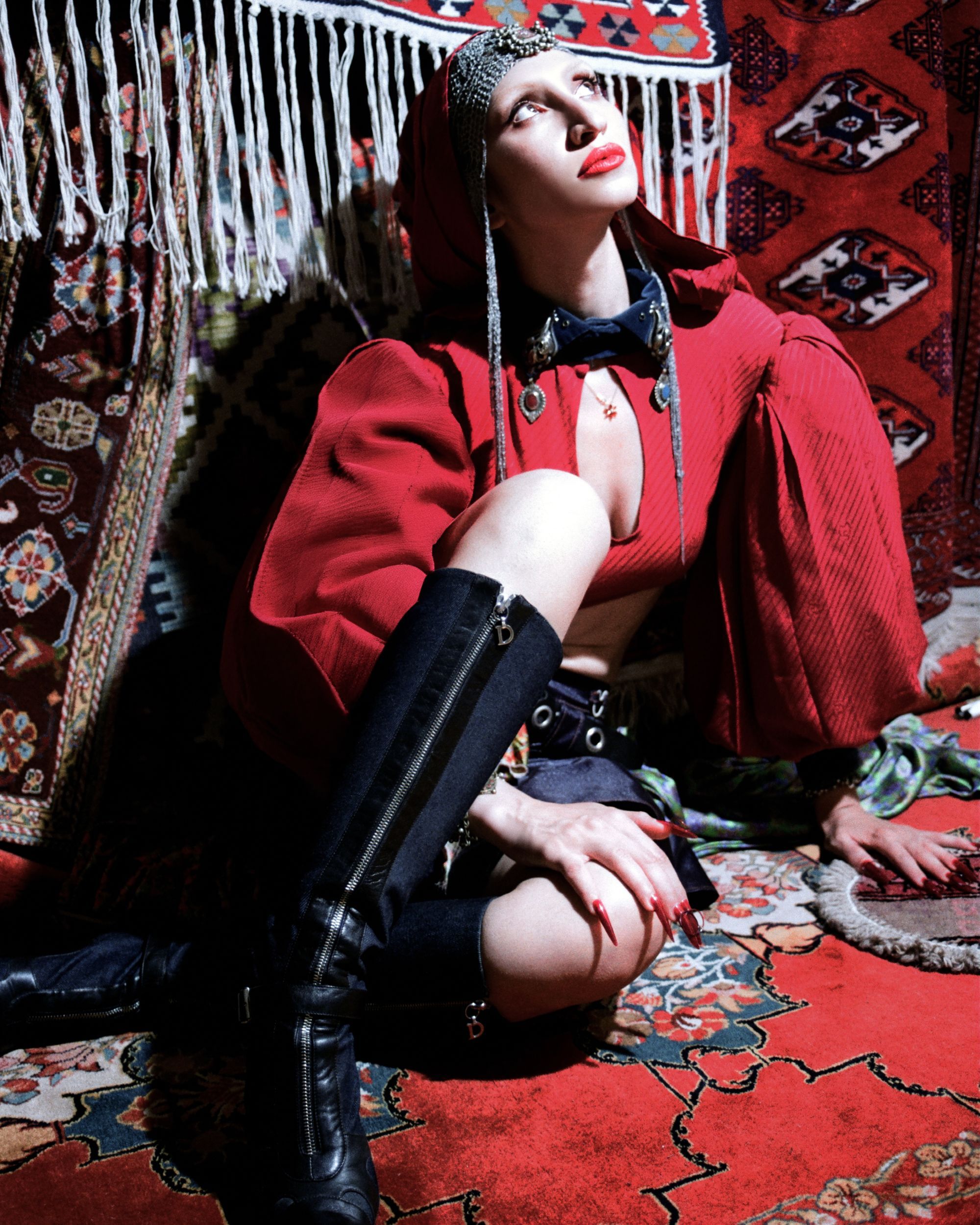
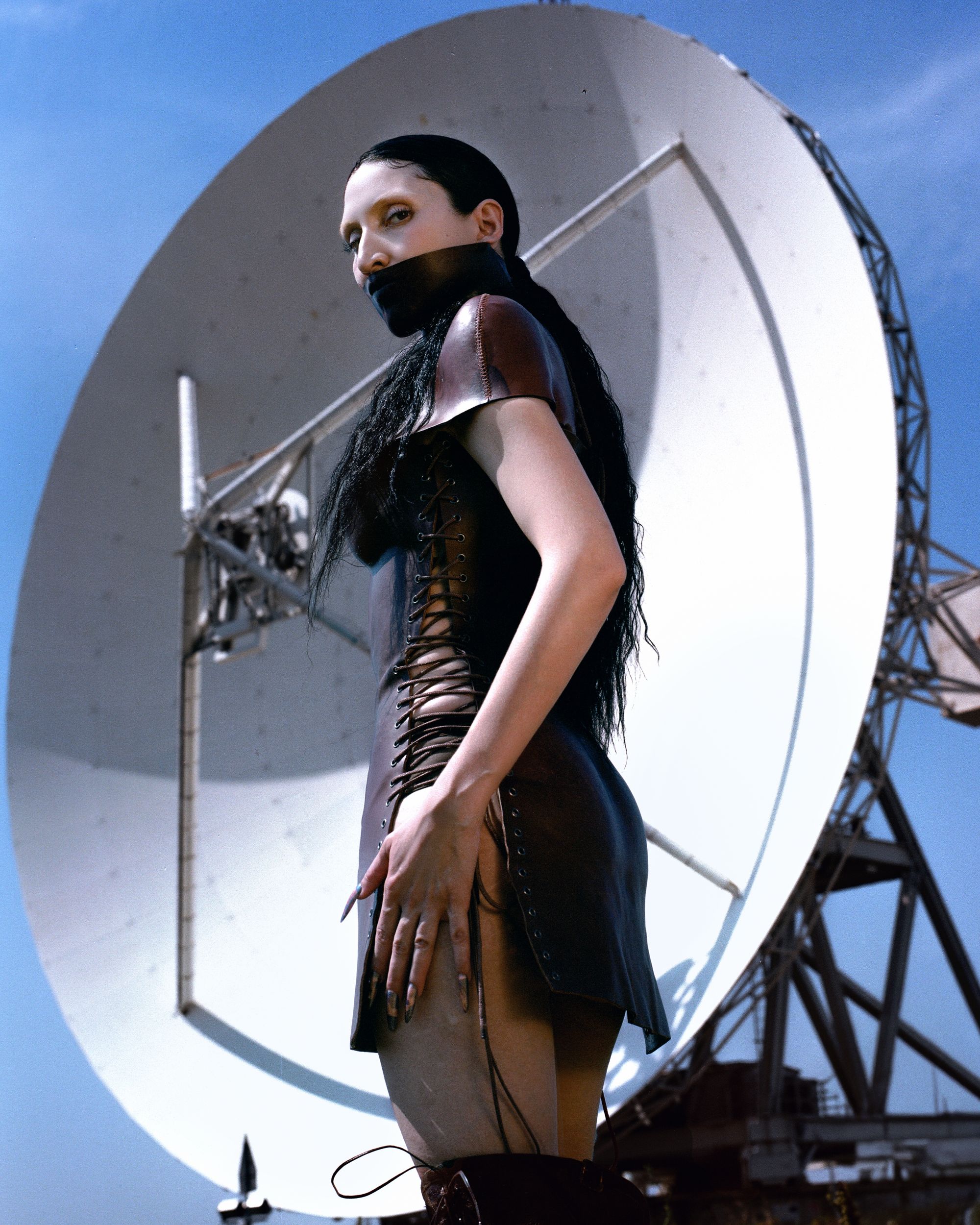
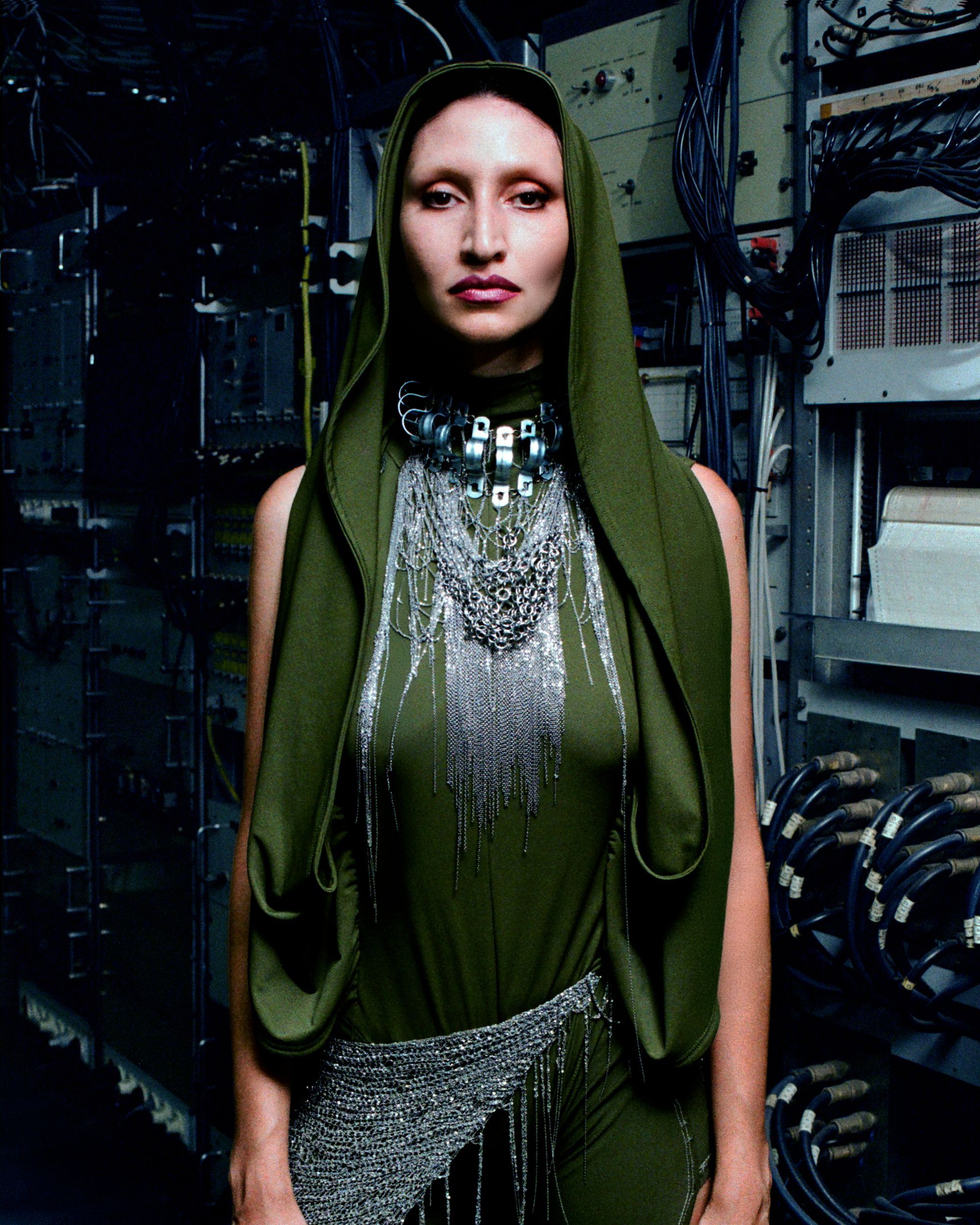
With Matteo Strocchia and Marco Servina we always start with long sessions where I share themes, songs, and lyrics. This time I also had an archive of images from places I visited: palettes inspired by the red sand of Hormoz and the houses of Kashan, the idea of a riot metallic armor for a warrior figure, and the "botte jegghe" patterned shoes I wear on the cover. The stamps came from their suggestion: I decided to use my grandparents’ collection, preserved in a huge album by my mother. I wanted to merge Matteo and Marco’s analog eye with Karol Sudolski’s CGI, already present in the live visuals: from there we went from a vision board to analog shots reworked in 3D, up to the title design by blssnd. The same palette runs through the concerts: Marco and Giorgia Zuccon created custom outfits, while Karol also handled the light design. We’ll have very few stage lights: the visuals will illuminate everything, keeping the palette 100% intact.
Is there a "hinge" track that best summarizes your direction in Gabbeh? Which writing or production detail makes it central to the album’s narrative?
Kashan. It’s the only track in Italian with a rap section in Farsi. It wasn’t chosen as a single: it will be a gem to discover within the album. Kashan is a city near Tehran, built with red sand, and it’s incredible. I shared all this with Erio and how impossible it would be for me to revisit it now. This shaped the body of the song. But Kashan also contains hope, because I am sure I will be able to return one day! This concept is woven into the production and is full of waves of emotion. Every time I sing it during live rehearsals, it still moves me.
With the November 14 release on OYEZ!, what is the immediate trajectory? Which audience do you want to reach? What is your measure of success?
We chose PR and international distribution: I imagine this album for an international audience. The themes I address are realities for many of us. I believe that when a song is released, it finds its home on its own. I just hope for fewer obstacles in performing live: there are many mechanisms that make music less accessible to a curious audience. I would love a remix edition and to bring Gabbeh to Asia. I’m curious to see what surprises will come.