











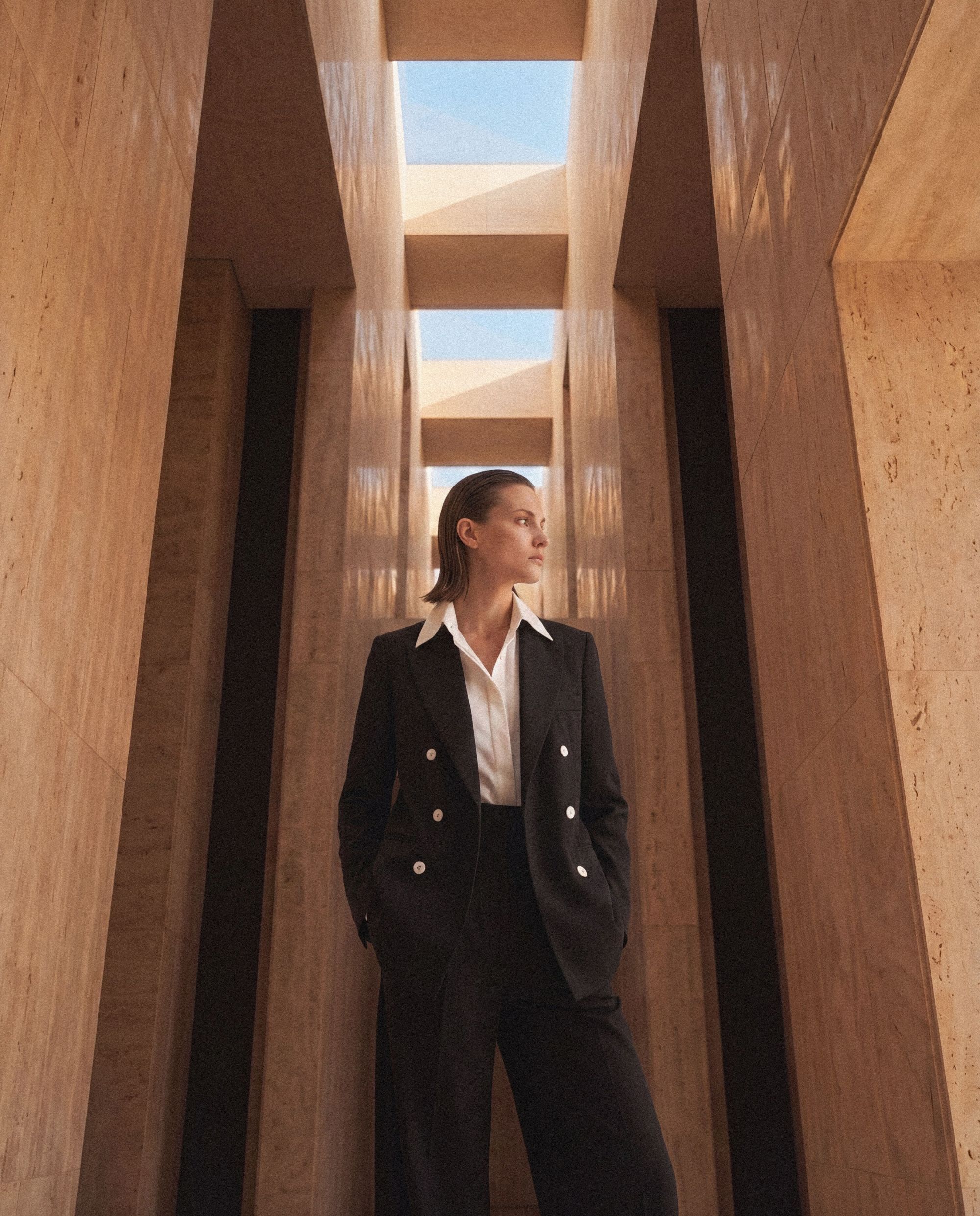
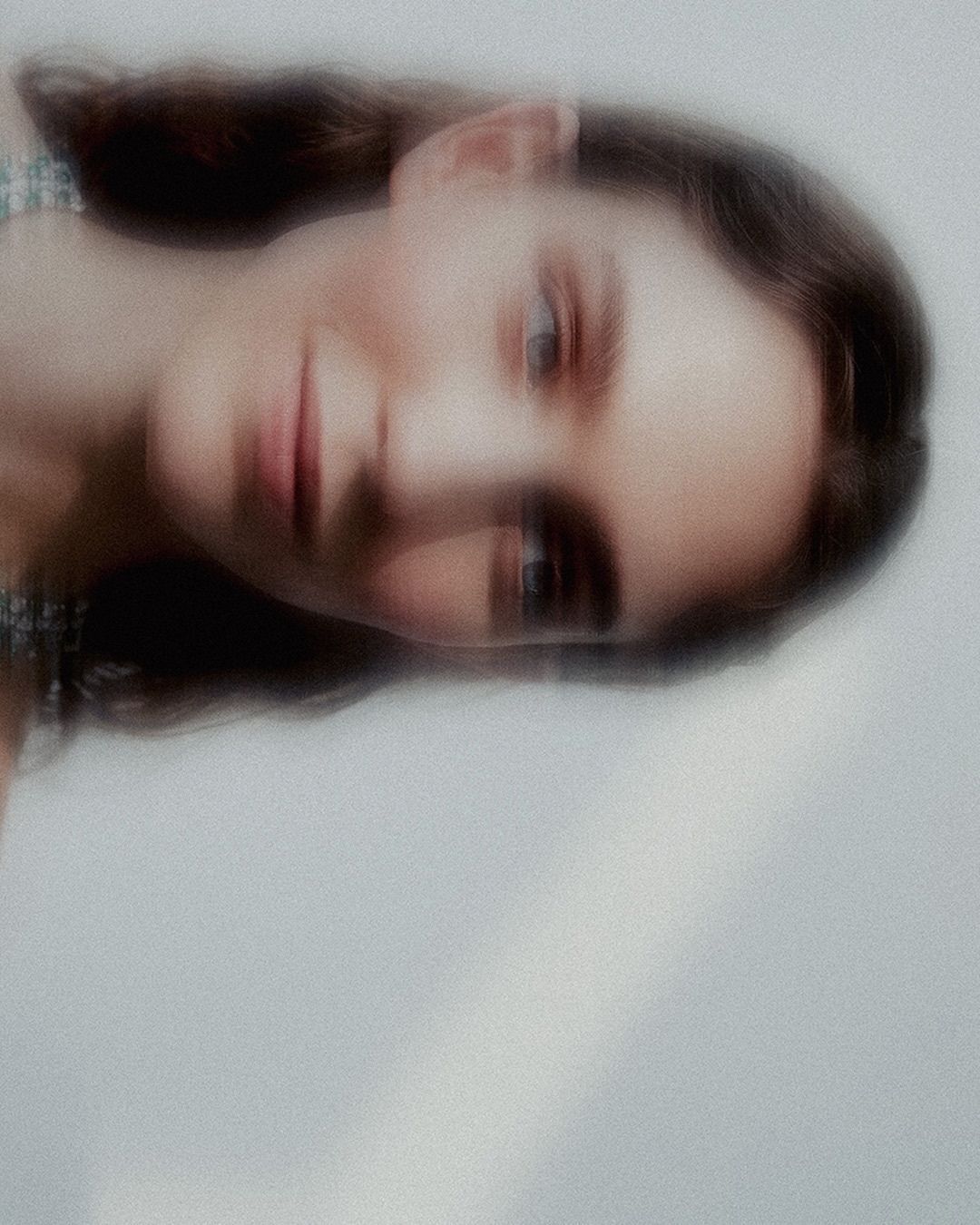
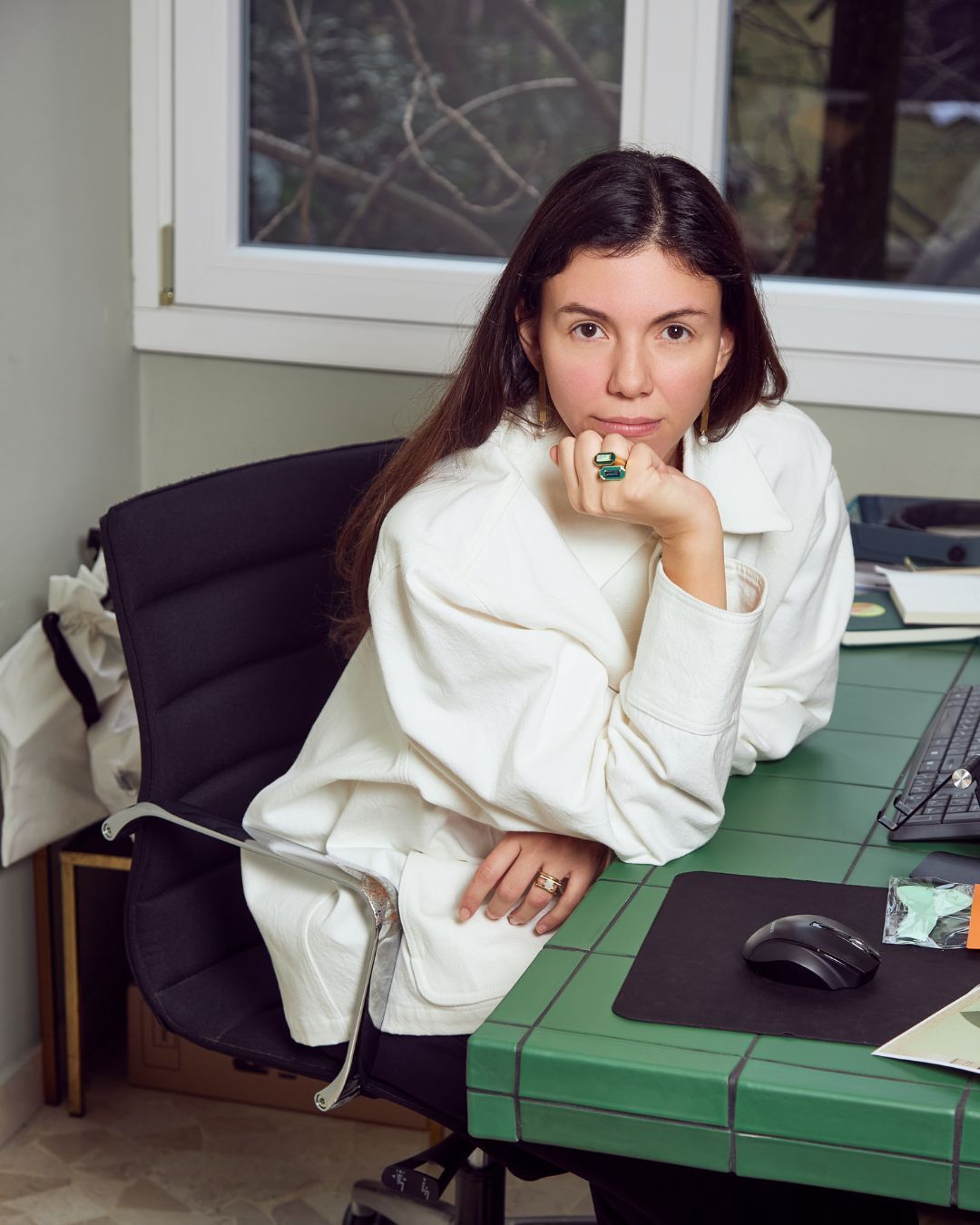
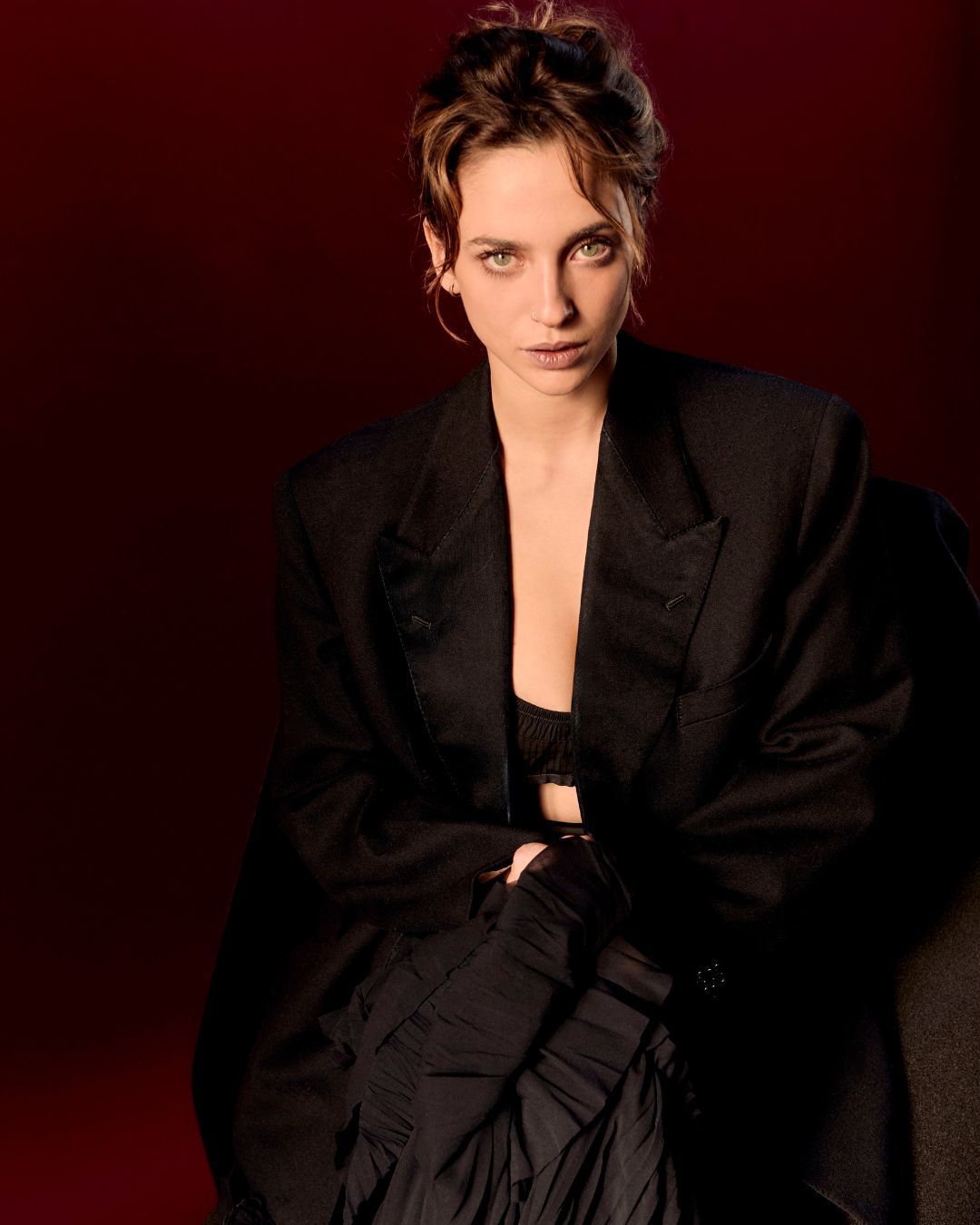


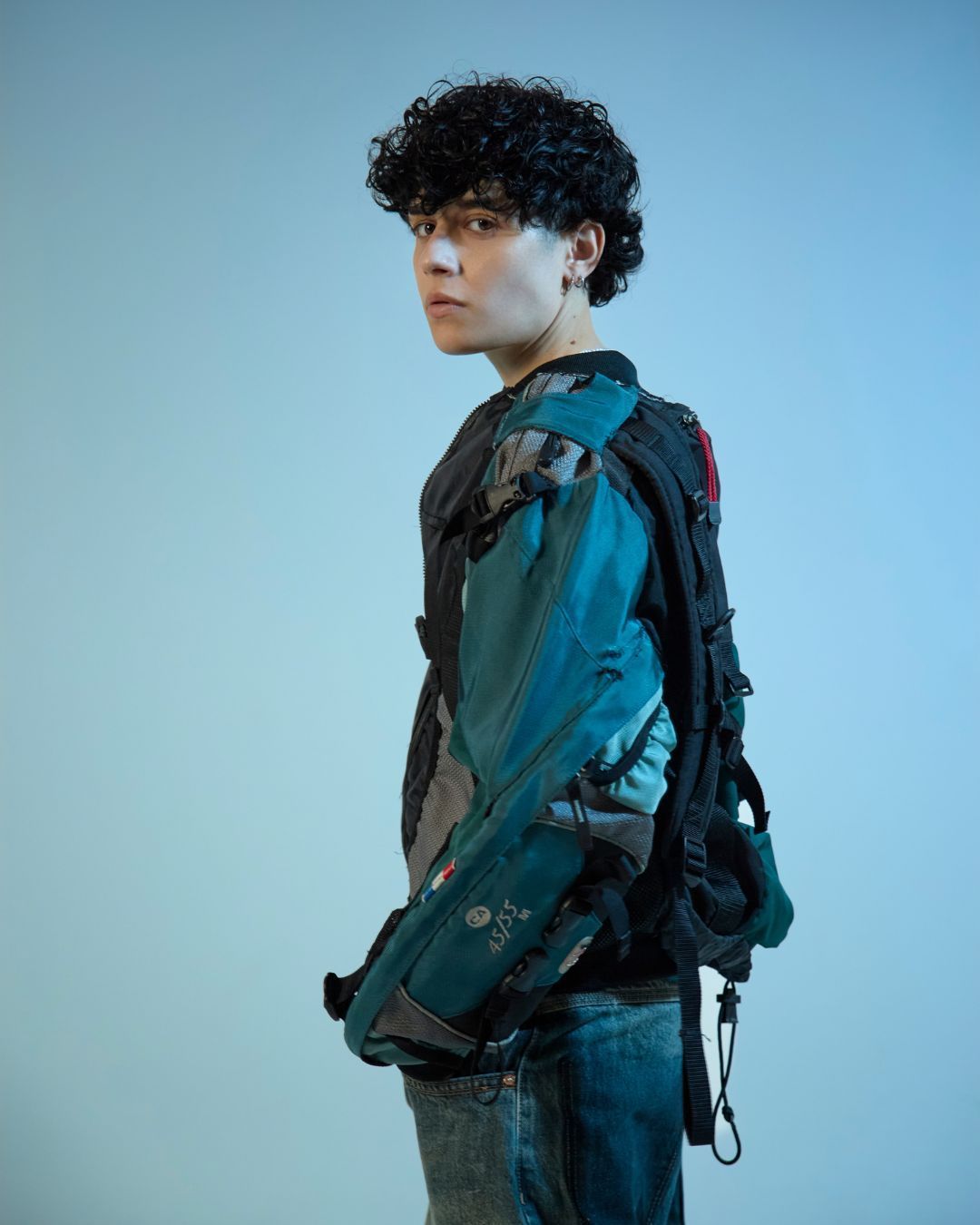
Senza Cri: "Nature dictates that every flock has a black sheep" Interview with the Sanremo Giovani artist
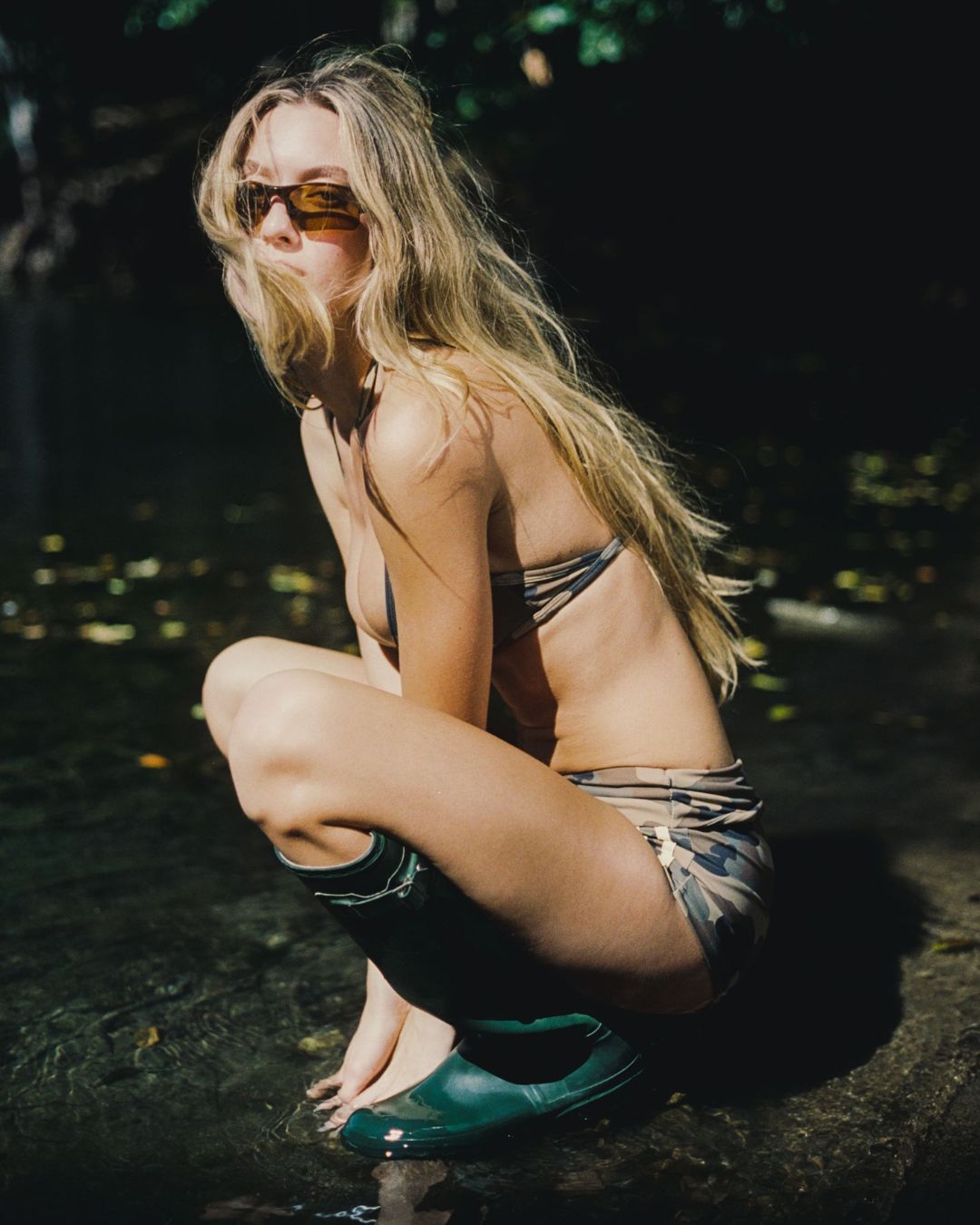
There’s a moment, in every artist’s trajectory, when something shifts inside quietly, long before the world notices. For Senza Cri, that inner movement began taking shape well before stages, spotlights, and expectations. It started with a name, and with the choice to let it go: sometimes, to truly grow, you have to remove, make space, allow your truth to emerge without fear. Their story is made of duality, vulnerability turning into determination, emotional tides that always return to the same place: the courage to expose oneself. Their path holds independence, television, moments of falling that became turning points, and an already striking aesthetic, shaped by wide-eyed curiosity and a creative hunger that refuses compromise. For Sanremo Giovani, they present Spiagge, a song that is at once confession, safe place, and inner boundary. A calling card that speaks of the sea, of love, and of that exact point where we finally decide to become ourselves.
Interview with Senza Cri, from Amici to Sanremo Giovani
The name "Senza Cri" feels like an invitation to free yourself from a fixed identity. When did you understand you wanted to remove something from your name to make space for yourself, and where does this choice come from?
Sometimes it’s easier to perceive others than ourselves. I’ve often had to face the fact that what I hoped people wouldn’t notice about me was actually the first thing they saw, whether I liked it or not. My name actually started as a nickname my high school classmates gave me, and over time it brought to the surface everything I tried to hide but that inevitably forced its way out. You can’t live under a mask, even superheroes cry. Growing up, I understood that the soul resides in choice, in the foundations of who we really are, and the more we grow, the stronger those roots become. I couldn’t force my nature toward something that wasn’t part of it. Removing a defined label allowed me to discover myself quietly, slowly, without the pressure of having to show anything to anyone, only with the desire to know and love myself for who I am, to live in my truth. Definitions matter, of course: they inform, they answer legitimate questions. But just as I wasn’t a number on a school report card, I won’t be a tag pinned to my back. I am myself, enriched by many shades, good and bad, available to anyone willing to read them.
Looking back at your journey, from the independent scene, to TV, to a more intimate EP, when did you feel the most significant shift in your way of being an artist?
A few months before entering Amici I felt that my life was really about to change and no, I hadn’t even applied for the show yet. I felt this feeling while writing a song that later became one of my latest releases. With ANNO DEL DRAGO I realized my life was about to take the turn I wanted, because every part of me was ready. Some things just can’t be planned. From that moment on, everything felt different: the sense that life is about to change is something you feel and you know. Once you recognize it, you just have to keep your focus because you’re walking right into your story, and it’s going to be beautiful.
Your music holds a constant tension, vulnerability and determination. Where do you think this duality comes from, and how does it influence your writing?
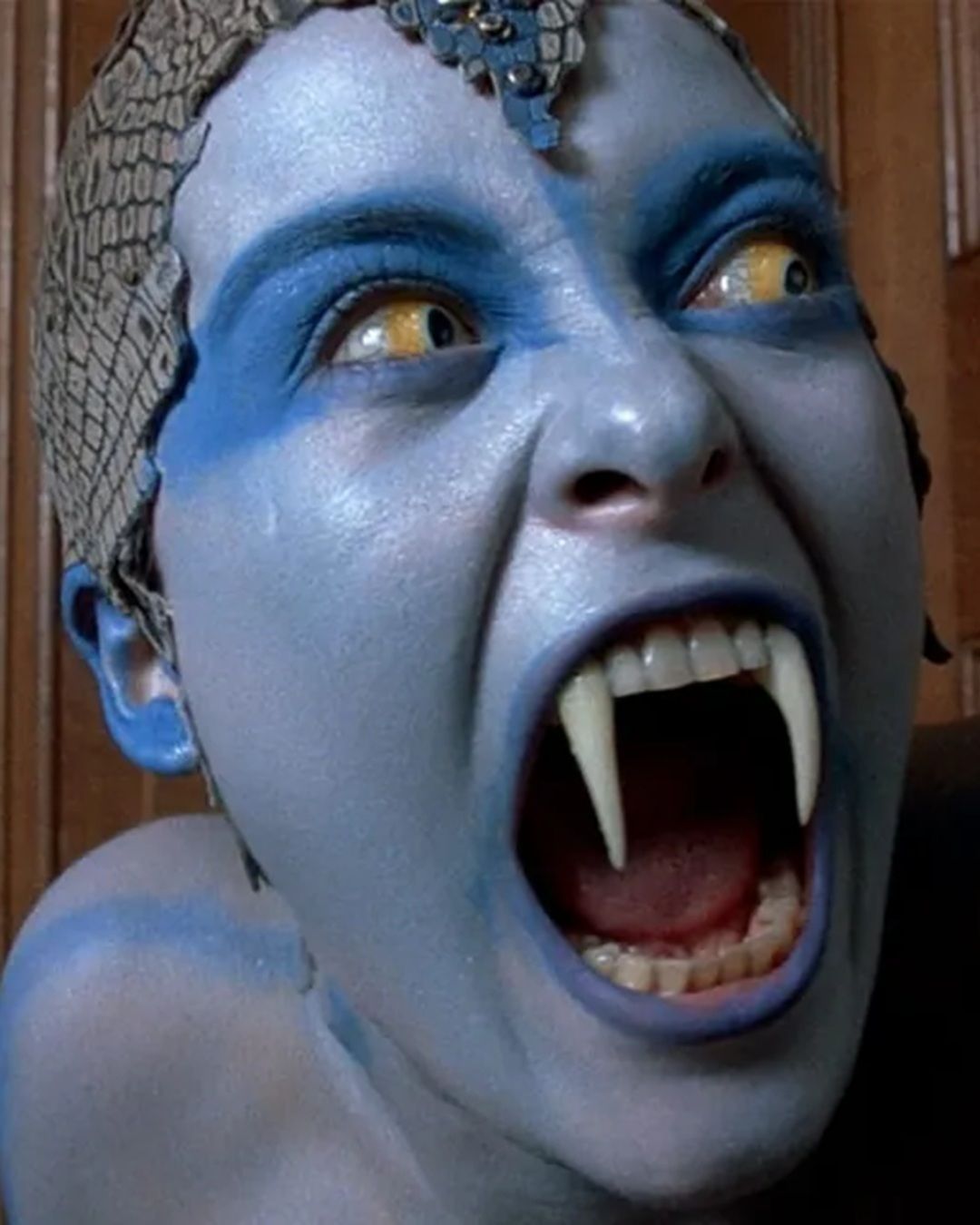
Duality is my element. I recognize myself in everything and in nothing. I’m not exactly sure where it comes from, it was born with me. I often ask myself why I am this way; I would have preferred being “easier.” It would’ve caused fewer struggles for me and for those around me. But the truth is that people like me are born the way a black sheep is born. We’re used to seeing the black sheep as something negative, something isolated from the flock. Instead, we should reflect on the fact that nature wants every flock to have one. It’s a resource, disrupting patterns and allowing the group to evolve. I proudly feel like a black sheep. And that helps my writing, because it allows me to experience emotions from different angles, never just one. Almost all my songs contain thesis and antithesis. Confrontation, even in art, is essential; it pushes growth and exploration.
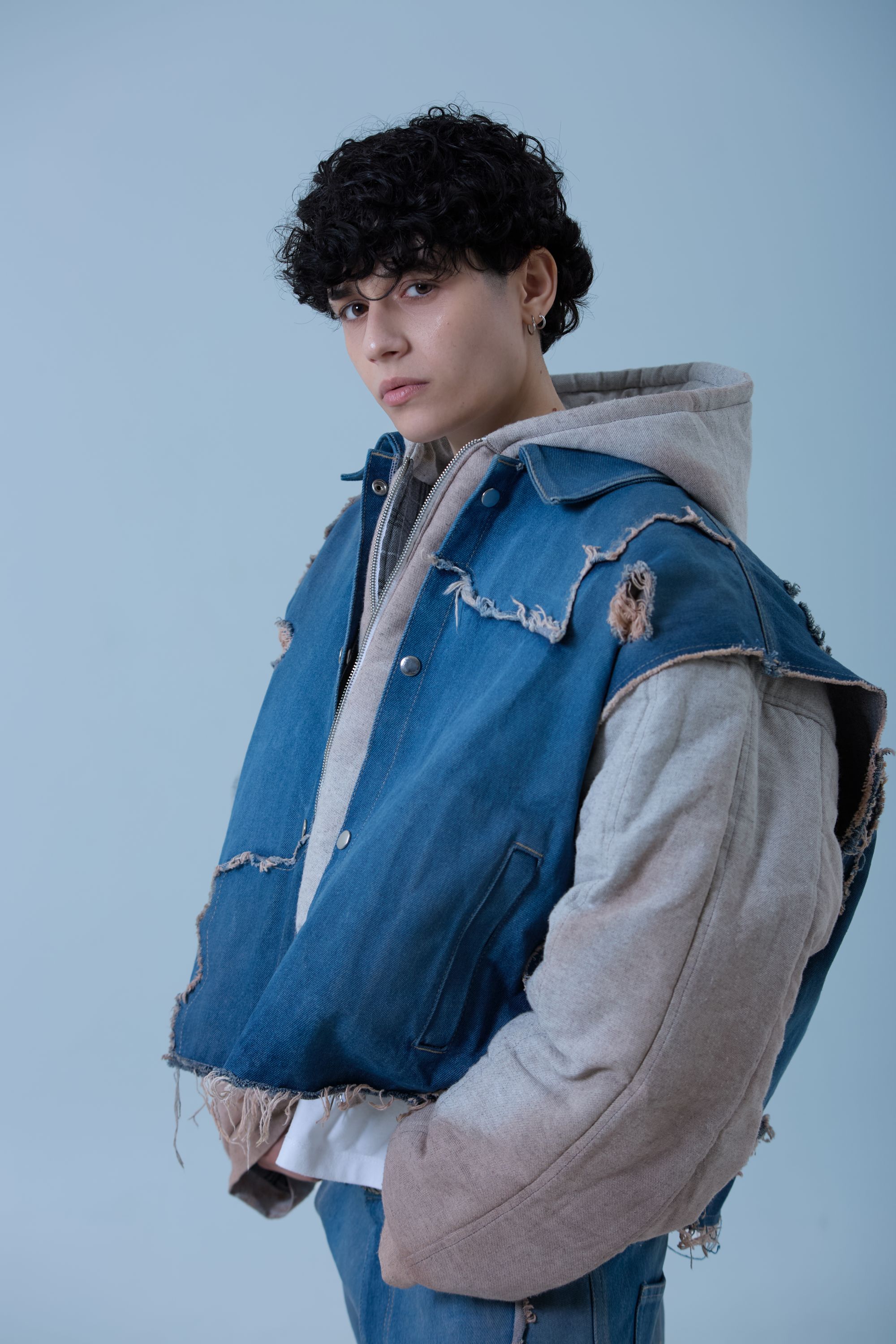
"Spiagge" is the song you’re bringing to Sanremo Giovani. The opening is powerful and immediate: what image or moment, real or symbolic, sparked the song?
I thought about the sparkle of the sea, and the sparkle in the eyes we get when we feel love for someone or something. That association helped me so much, it let me see love as something outside my control, just like the sea. Even the repetition of "Spiagge" is intentional - almost stubborn - because it reinforces the idea behind every verse: how everything about that person (in my case) led me back to the sea.
Spiagge also evokes the idea of an inner boundary. Is there a part of yourself that still feels distant, and that music allows you to touch or understand better?
My sensitivity has often created chaos. My emotionality makes me lose control, and it’s hard for me to come back to myself. Music helps because it becomes a moderator of my dramas, of the many versions of me and everything I feel. Writing helps me create order and find courage. Sometimes I realize I can open up to the world only after writing something down, because writing makes it real. With "Spiagge" it happened again: I admitted a huge amount of love that I would normally have hidden out of fear. But then I asked myself… fear of what?
In the song there’s a complex relationship with the sea: is it more refuge, distance, or promise? What does a beach truly represent for you?
For me, the sea is a refuge, the same feeling you get in someone’s arms. I’ve always loved letting the sea rock me, even when the waves were high. Life took me far from the sea, and my choices often took me far from love. It feels like they’re the same thing. A beach, for me, is a memory, a happy one, an extremely happy one. Sometimes crowded, sometimes deserted, but always a place where you can relax and let go.
In a very short time, you’ve built a highly recognizable imagery. Which encounters, influences, or visual obsessions have shaped your way of looking at things?
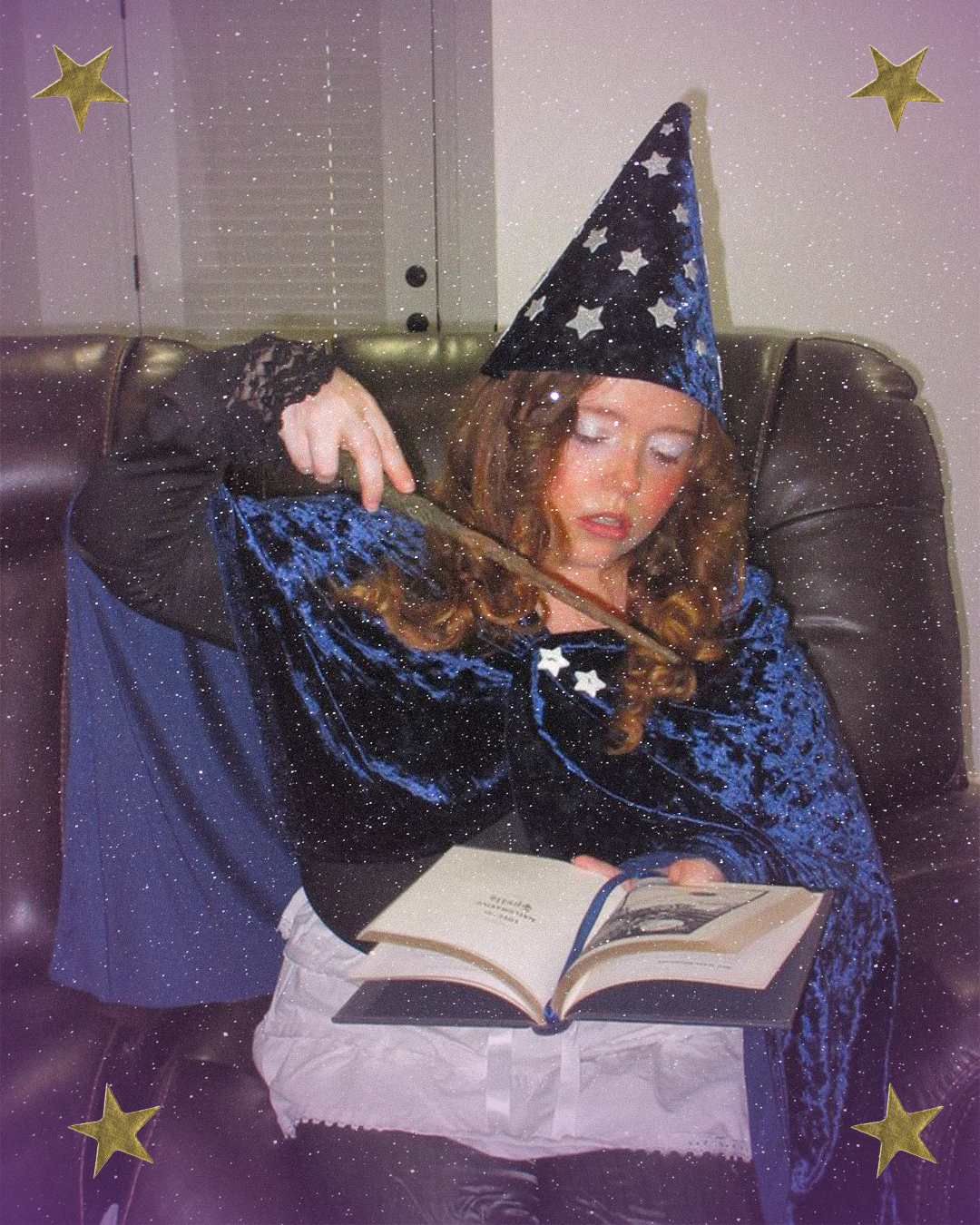
In every photograph of me as a child, my eyes are wide open, I’ve always had a strong desire to observe the world. I have a vivid imagination and a curiosity that can be dangerous at times. I can’t give you just a few references because I’ve always taken inspiration from everything that stimulated my creativity. In music, certainly Michael Jackson, 070 Shake, and The Weeknd. Meeting STABBER, and then working with the guys I compose with (Fiodor, Swan, Lorenzo), was enlightening. I finally found people capable of translating my ideas into sound.
The music world moves fast and demands constant adaptation. What is the creative principle you refuse to sacrifice, no matter the pressure?
I’ve learned very clearly that if you follow others, you’ll walk a safe path but you almost certainly won’t find anything, mostly because you won’t even know what you’re really looking for. I have no intention of compromising with trends. You don’t follow fashion, you create it. I refuse to conform just to appeal to a mainstream audience. I’d rather struggle but speak to people who don’t listen to music passively. I want to speak to those who scream at concerts, because they are the ones who need to let something out, who want to feel. And I want to be there for them, with dedication, surprising them, giving them every part of me.
What’s a mistake you’ve made and now claim with pride because it led to something positive?
For many, my exit from Amici, or the final weeks of the show, might have looked like a failure. And at first, I saw it that way too. But it was actually illuminating: it showed me what was for me and what wasn’t, and which challenges I genuinely wanted to face. Sometimes you need to force yourself to go to a themed party to understand you’re actually a “pizza-and-movie” type of person. That period, where my emotions spiraled out of control, was a clear sign: it helped me understand how many self-imposed limits I had and pushed me to confront them until I shed them completely. The show was placing in front of me everything I wasn’t ready to express. Time - and that crisis - allowed me to face it. Today I feel like a new person: secure, proactive, aware. That fall allowed me to take flight, to become who I am: SENZA CRI.
What to read next
Vanilla fragrances are here to stay
Despite everything, they are still the number one choice among female consumers
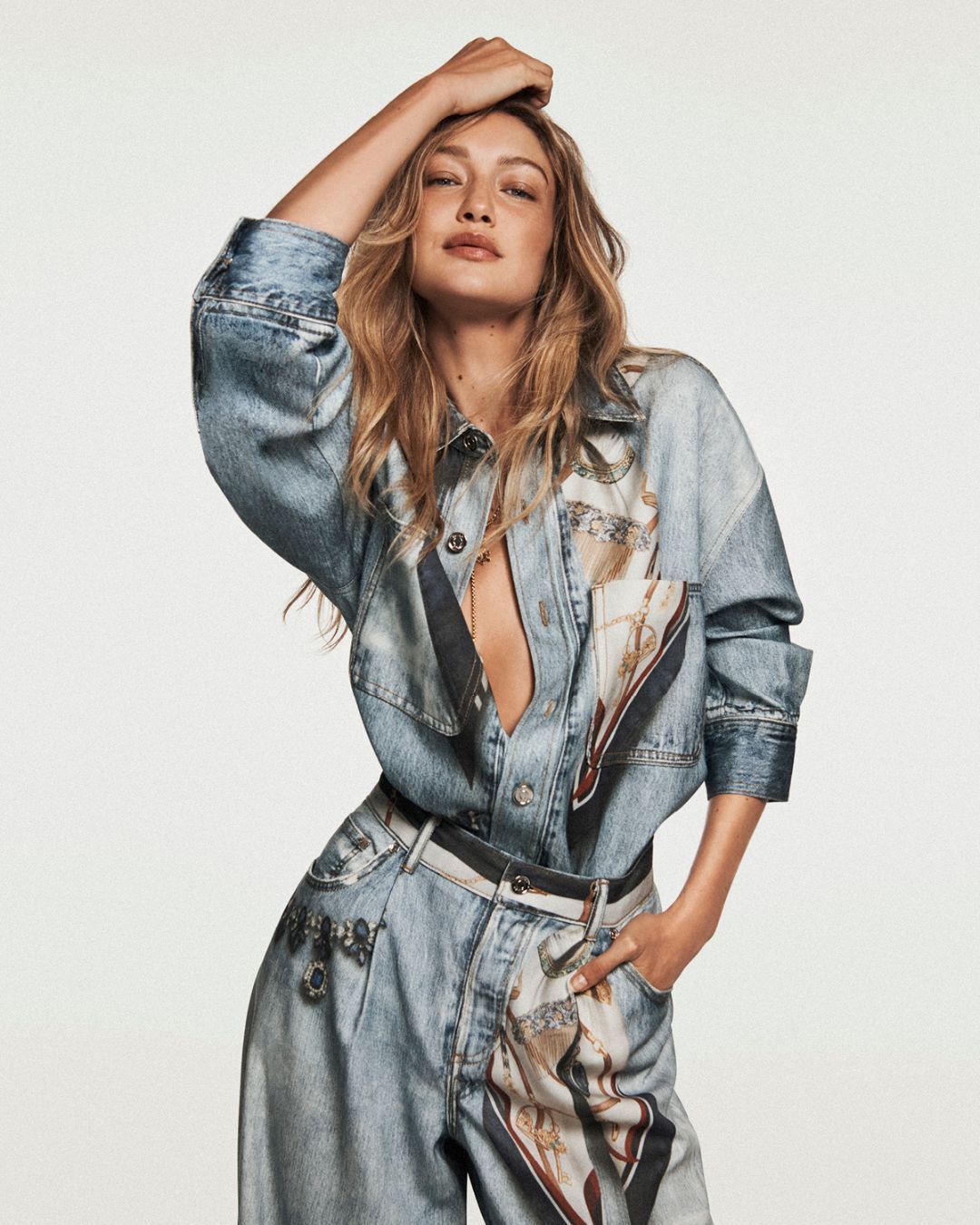
Liu Jo presents “The Gigi Hadid Edit”
The project that transforms selection into an identity gesture