





























Skincare ritual vs. skincare aesthetics: what are routines really for? When is it truly care, and when, instead, is it merely a performative act?
Some people open a little jar at night and apply cream straight from bed, in silence, as the final gesture of a long day. They do it every day, almost automatically, and there’s something grounding about that ritual, a sense of completeness. Then there are those who approach the exact same routine almost as a performative act, as if invisible cameras were pointed at the mirror making sure every single step is done correctly, in texture order, layer by layer, according to rules dictated by who even knows. Without those rules, going to bed would feel somehow incomplete. For years, skincare was something deeply domestic in the simplest sense of the word: you learned it from your dermatologist, from friends, from magazines. Then social media changed everything. First blogs and forums, then videos and get ready with me content: skincare became one of the most recognizable aesthetics online, but in the process it may have also changed the meaning of self-care itself.
Ritual skincare vs aesthetic skincare: what are routines actually for?
Skincare routines as self-care
For some people, skincare is a very tangible act of care, a specific moment in the day to slow down, reconnect with their body and pause the constant stream of thoughts that build up throughout the day. In fact, research says something fairly simple: daily rituals work, and not just for your skin. There’s even an area of dermatology called psychodermatology that studies the relationship between the skin and the nervous system, showing that skin is not an isolated surface but an organ deeply involved in immune regulation, hormones and stress responses. What happens on the surface often reflects what’s happening internally, which is also why chronic stress, anxiety and exhaustion tend to manifest directly on the skin. And this is exactly where the idea of self-care comes in: consistently taking care of your skin can also positively affect mental wellbeing. Physical touch, focused attention toward your body and the repetition of a routine all contribute to creating a sense of stability and continuity throughout the day. Even just a few minutes, repeated over time, can help reduce mental overload and lower stress perception. And it doesn’t matter whether the routine has two steps or ten: the point isn’t complexity, but intention. For some people, applying cream at night isn’t about chasing perfect skin, but simply about doing something that helps them feel more connected to themselves.
Skincare routines as performance
@isanelba why does self care always equal buying something? like i love a good aesthetic moment but when did "take care of yourself" become "purchase your way to wellness"? #rant #skincareroutine #selfcareroutine #selfcare #opendiscussion original sound - Whitney Leavitt
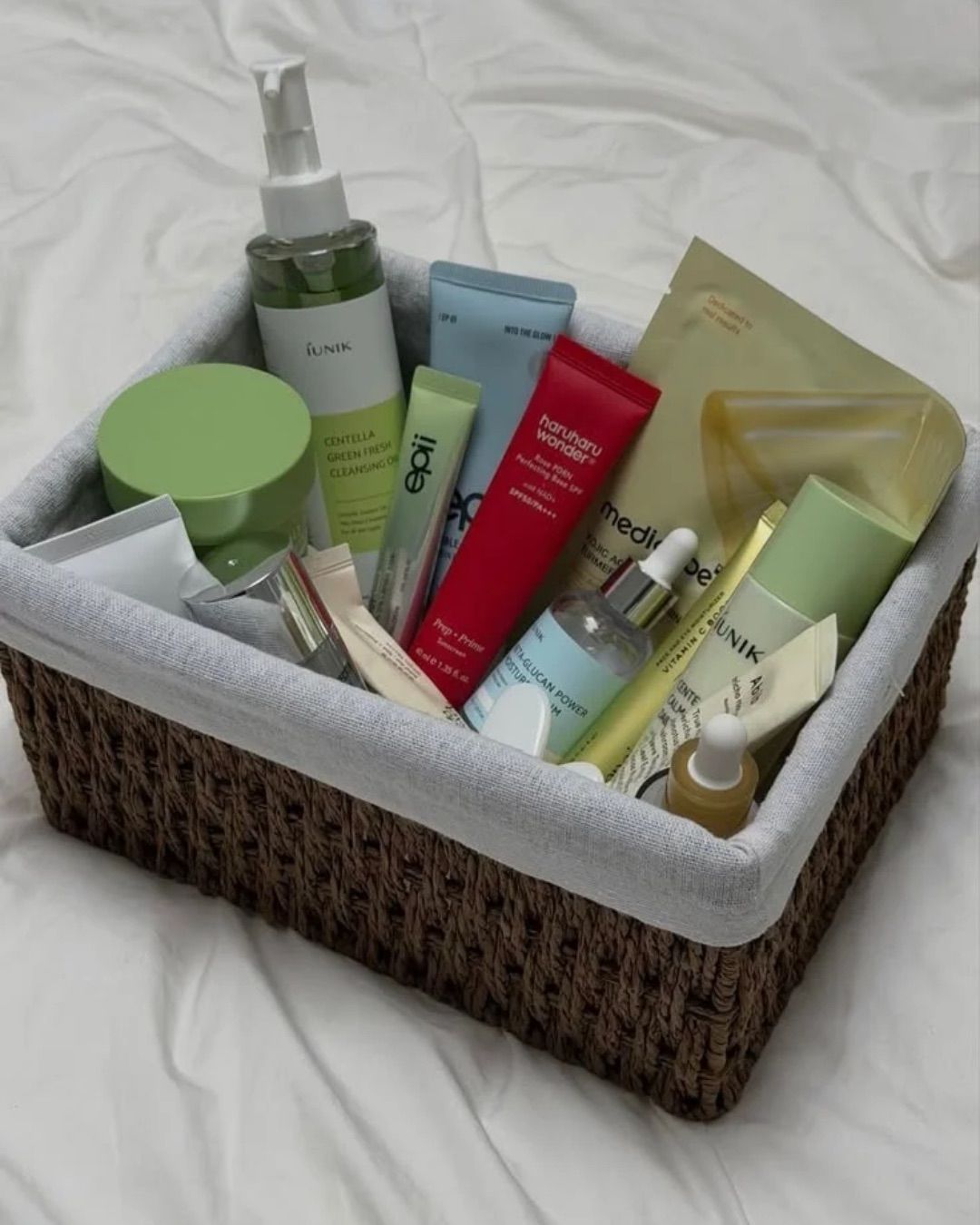
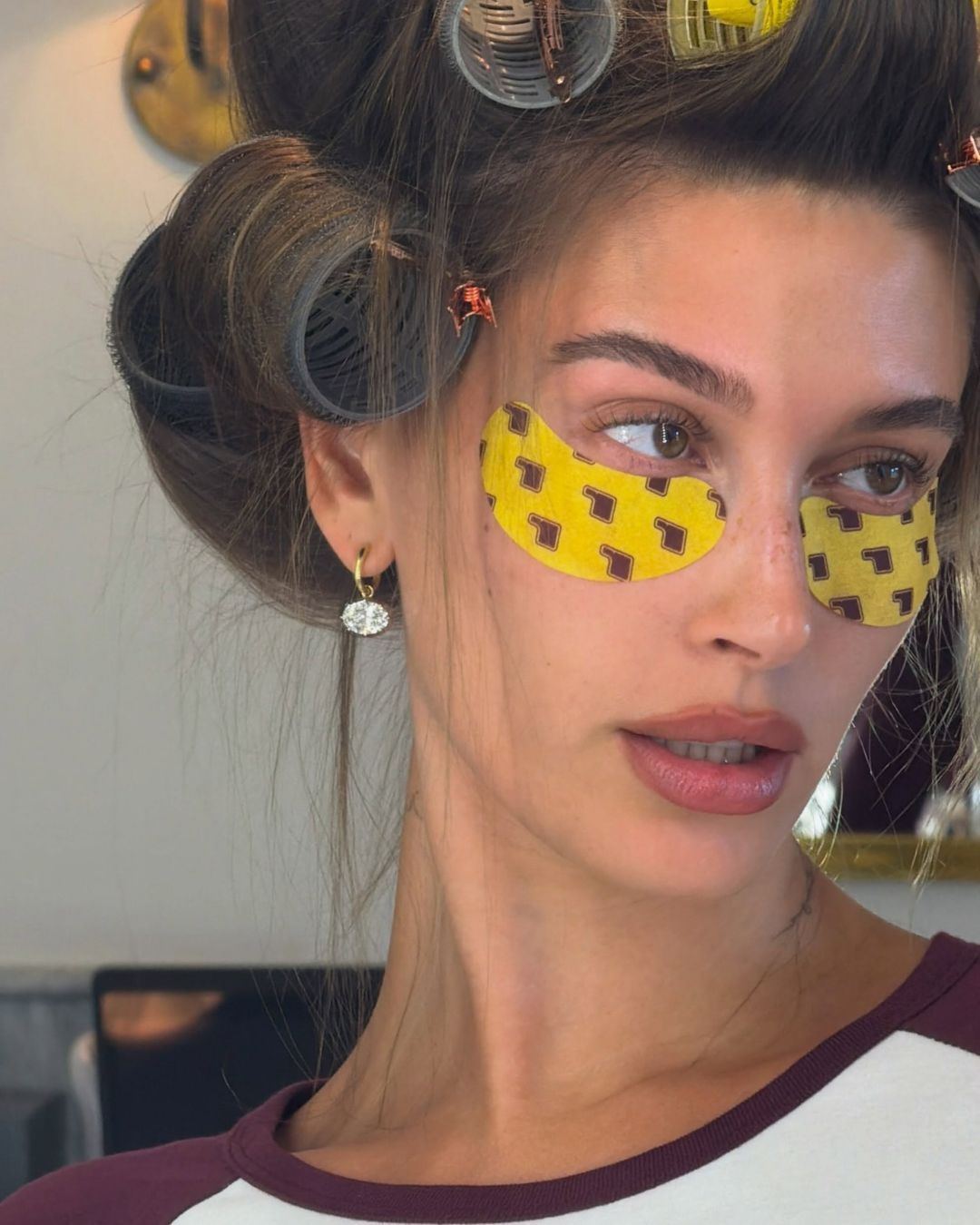
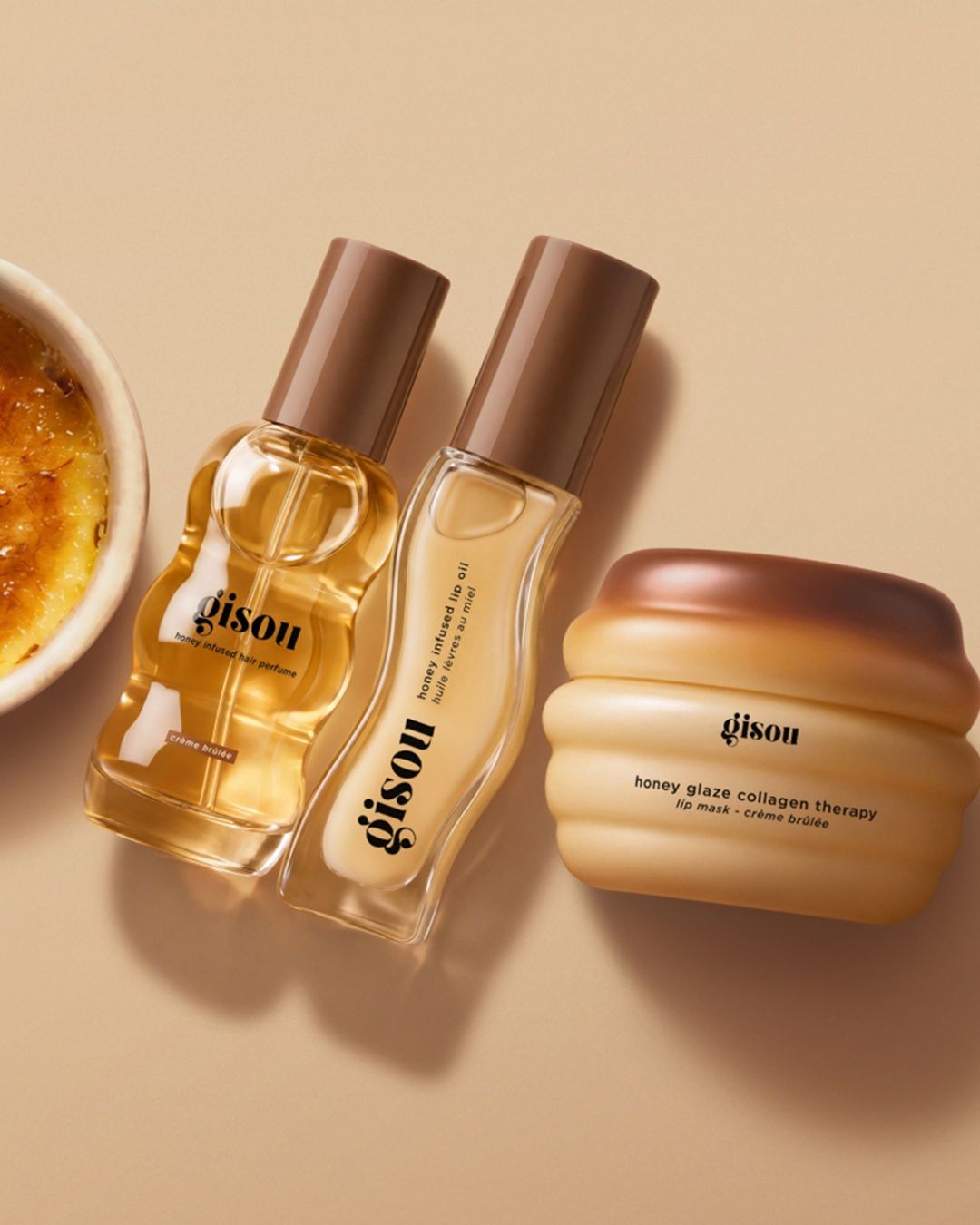
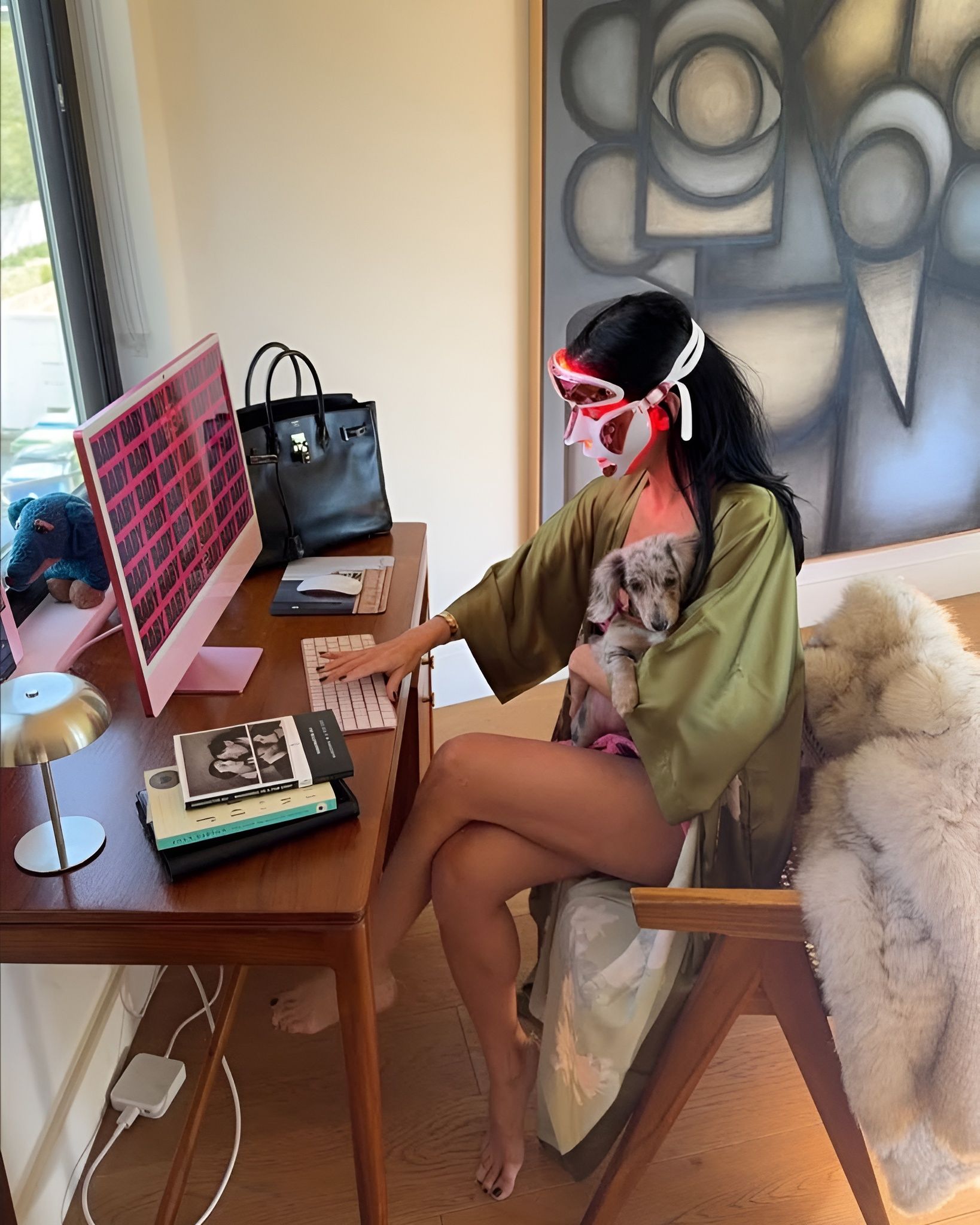
Ever since skincare entered social media, it has become one of the internet’s most fertile grounds for performance anxiety. TikTok has surpassed 80 billion views under #skincare and, alongside this massive amount of content, a very specific idea has settled in: that there’s a right and a wrong way to do skincare. The issue isn’t information itself, but the shape it has taken: a routine that can either be done correctly or incorrectly. And the moment there’s a “right” way, there’s automatically the possibility of failure. Skipping a serum becomes a flaw, not using the right sunscreen feels negligent, not being updated on the latest trending ingredient suddenly seems absurd. In this scenario, skincare, originally meant to be an act of care and stress reduction, often ends up producing the exact opposite effect. There’s also another issue: skincare has become part of a personal aesthetic to display. Not just through content, but also through the objects themselves. Brands quickly understood this dynamic, filling the market with products designed not only to work, but also to be seen: masks, patches, photogenic packaging, objects functioning almost like visual accessories. As a result, bathroom shelves keep filling up and routines keep getting longer, not because skin truly needs it, but because there’s always something new to add, test or avoid missing out on. Within this system, new labels have emerged that only reinforce this mindset: the skintellectual, someone who approaches skin like a scientific project to constantly optimize; cosmeticorexia, meaning compulsive product buying driven not by real needs but by the anxiety of staying updated; and prejuvenation, the use of anti-aging treatments on already young skin before there’s any actual need for them. And just when it seemed like age might still function as a boundary, the phenomenon of the so-called Sephora kids pushed that limit even further. Ten or eleven-year-old girls using retinol and complex routines not out of necessity, but imitation: because it’s what they constantly see on Reels and TikTok, and because not participating now feels like falling behind. So age is no longer a boundary, routines are no longer simply wellness practices, and not owning enough products no longer feels like a personal choice, but risks turning into a sense of exclusion, anxiety and stress.
What to read next
The Manual Lift RT Method is the new pre-makeup routine you need to know about
Rosalia Tuttobene's customized treatment focuses on contours, tension, and texture to create a more relaxed face that's ready for makeup
Rose PDRN is the beauty ingredient of the moment
For repairing the skin, reducing redness and boosting radiance

We have officially entered the soft face era
How natural beauty has become our new aesthetic priority