









































The UV filter favored by beauty enthusiasts is finally approved in the United States It’s called bemotrizinol, and it’s the first new sunscreen ingredient to receive FDA approval in over twenty years
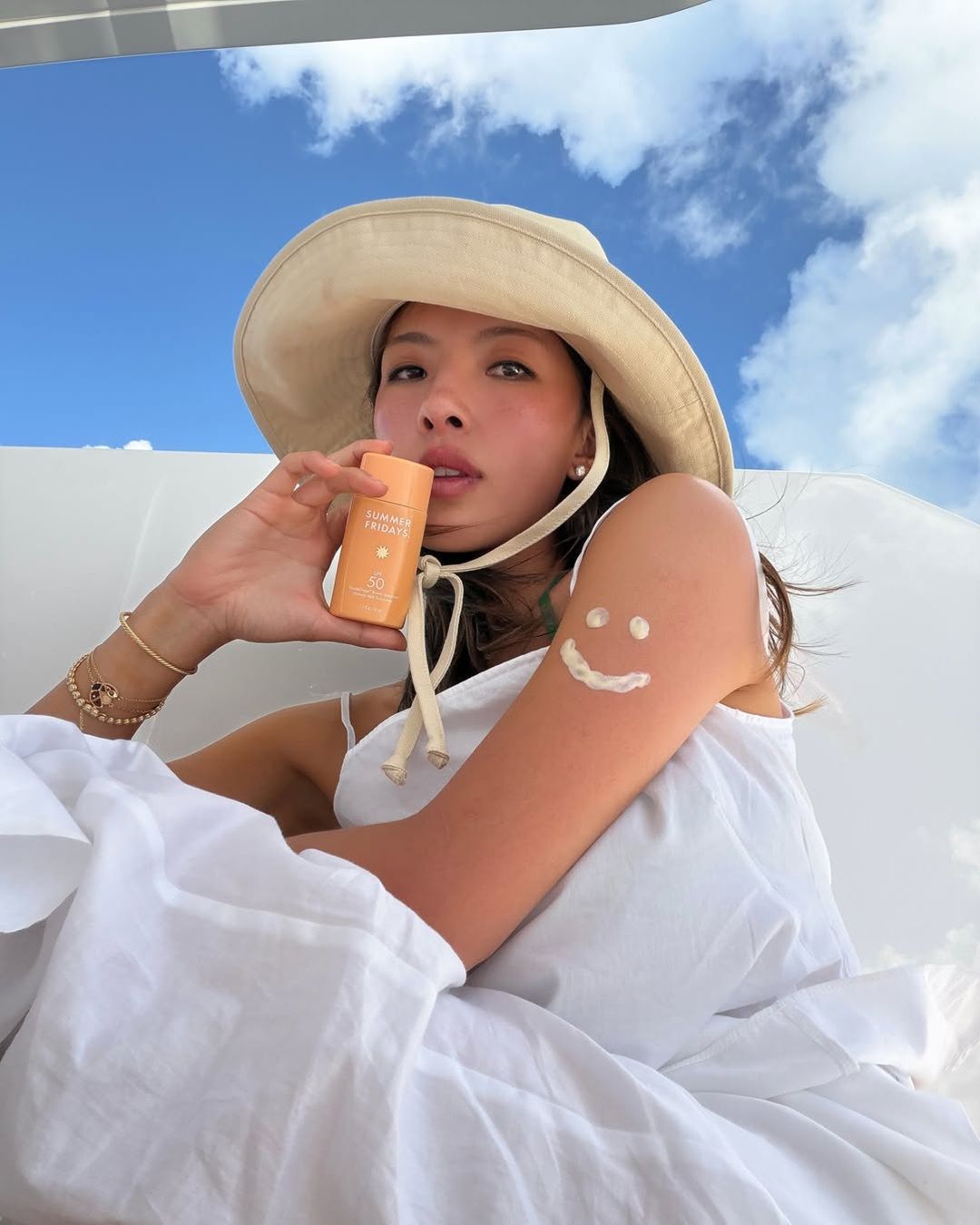
No active ingredient promises an instant skin transformation the way retinol or exfoliating acids do, yet dermatologists never stop repeating that the most important product in any skincare routine is sunscreen. So we all started searching everywhere for the best one. But while we were filling our shopping lists with viral Korean brands on TikTok and SPF products bought in French pharmacies and brought home like precious beauty souvenirs, the United States remained stuck a generation behind with sunscreens that were too thick, greasy, and plagued by that annoying white cast. The reason? The FDA had not approved a new UV filter for general use since 1999. That means that when the last ingredient was authorized, Google had just been born, social media did not exist, and the very concept of a skincare routine was mostly limited to soap and moisturizer. On June 9, something changed. The FDA approved bemotrizinol, also known as BEMT, the first new sunscreen ingredient approved in more than twenty years. It is a historic decision that comes after years of pressure from dermatologists, cosmetic companies, and increasingly informed consumers.
What is Bemotrizinol and why did everyone want it?
Behind the nearly unpronounceable name lies one of the most highly regarded UV filters in the modern cosmetics industry. Bemotrizinol is a broad-spectrum chemical UV filter capable of protecting against both UVB rays, which cause sunburn, and UVA rays, which penetrate deeper into the skin and are associated with photoaging, hyperpigmentation, and skin cancer. Its popularity is not based solely on effectiveness. Bemotrizinol is extremely photostable, meaning it continues to work even after prolonged exposure to sunlight. In addition, it tends to remain on the skin’s surface more than other chemical filters commonly used in the United States, a characteristic that has helped build its reputation as a safe and reliable ingredient. The real revolution, however, lies in texture. For years, the Western sunscreen market was divided between mineral formulas that left an unattractive white cast and chemical formulas that often felt heavy or greasy. Bemotrizinol makes it possible to develop products that are lighter, more transparent, and more pleasant to apply. In other words, it enables SPF formulas that feel like skincare rather than wall paint.
Why the United States had fallen behind
If bemotrizinol has existed for years and is considered safe in much of the world, why is the United States only approving it now? The answer lies in how the country regulates sunscreen products. Unlike Europe, where sunscreens are primarily treated as cosmetics, in the United States they are classified as over-the-counter drugs. This means longer procedures, more complex testing requirements, and significantly higher costs to obtain approval. As a result, Europe currently has more than thirty authorized UV filters, while the American market uses roughly half that number. For years, this gap fueled a kind of myth surrounding foreign sunscreens: French SPF products bought at pharmacies in Paris, Japanese formulas ordered online, and Korean sunscreens that became the stars of thousands of TikTok videos. The approval of bemotrizinol therefore represents an attempt by the United States to close a gap that has been building for an entire generation.
Why this approval matters
The approval of bemotrizinol does not mean that American store shelves will suddenly be stocked with the exact same formulas available in Seoul or Paris. Many of the most advanced sunscreen products still rely on combinations of filters that are awaiting FDA approval. Even so, this decision signals that the system may finally be starting to modernize, and it could encourage many more people to wear sunscreen consistently. How? The best sunscreen is not necessarily the one with the highest SPF number printed on the package, it is the one we actually apply every morning. We all want a sunscreen that protects us, of course, but it also has to be pleasant enough to use every day. A more modern UV filter makes it possible to create products that are both more effective and more comfortable. That is why bemotrizinol is much more than a new molecule. It is a symbol of a cultural shift in which beauty, health, and prevention are converging into a single daily habit. And after twenty-five years of waiting, even the FDA seems to have noticed.
What to read next
Skincare and the menstrual cycle: do we really need to change routines every week?
Is there anything scientific behind this new obsession with the menstrual calendar?

The Manual Lift RT Method is the new pre-makeup routine you need to know about
Rosalia Tuttobene's customized treatment focuses on contours, tension, and texture to create a more relaxed face that's ready for makeup
Rose PDRN is the beauty ingredient of the moment
For repairing the skin, reducing redness and boosting radiance