















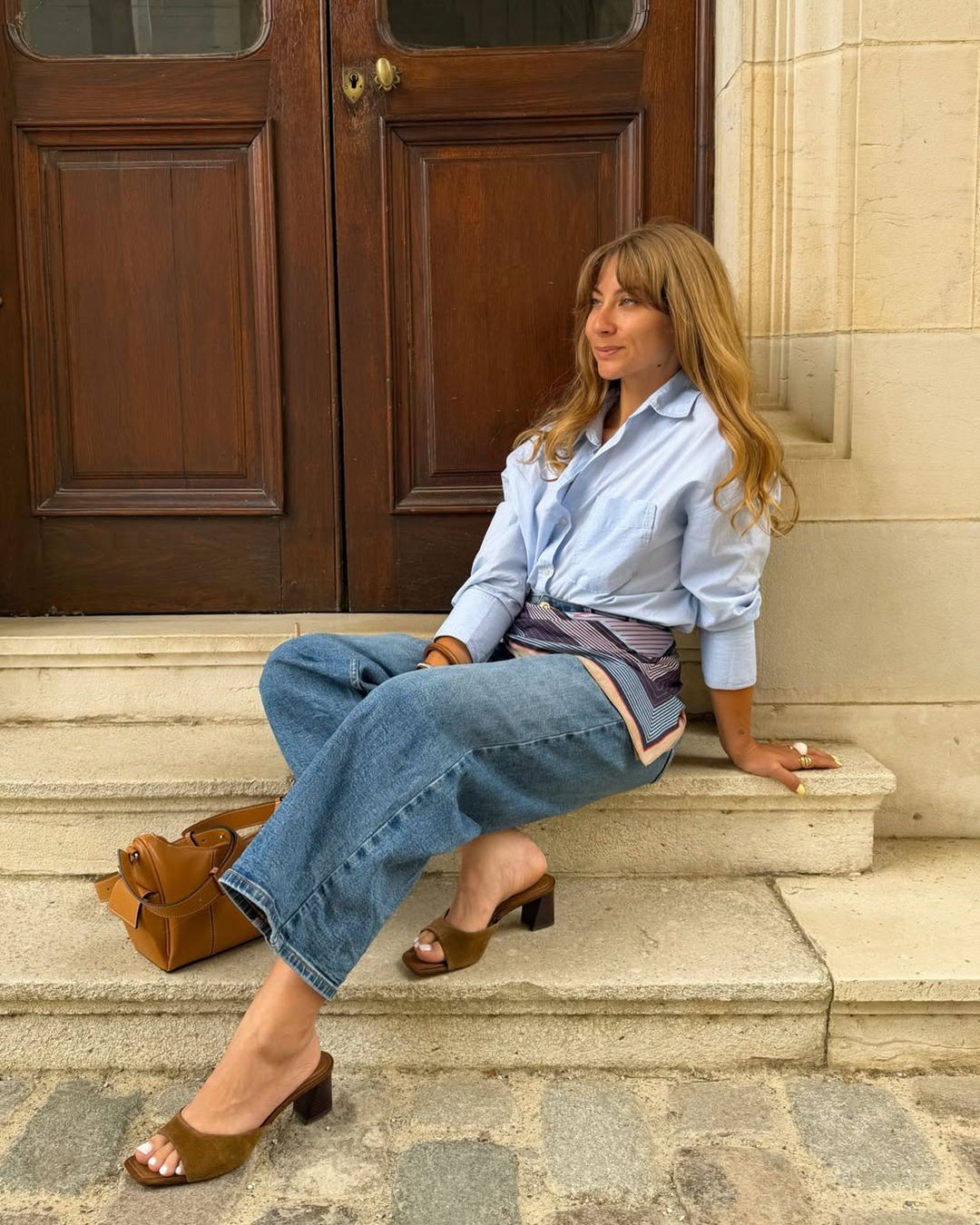

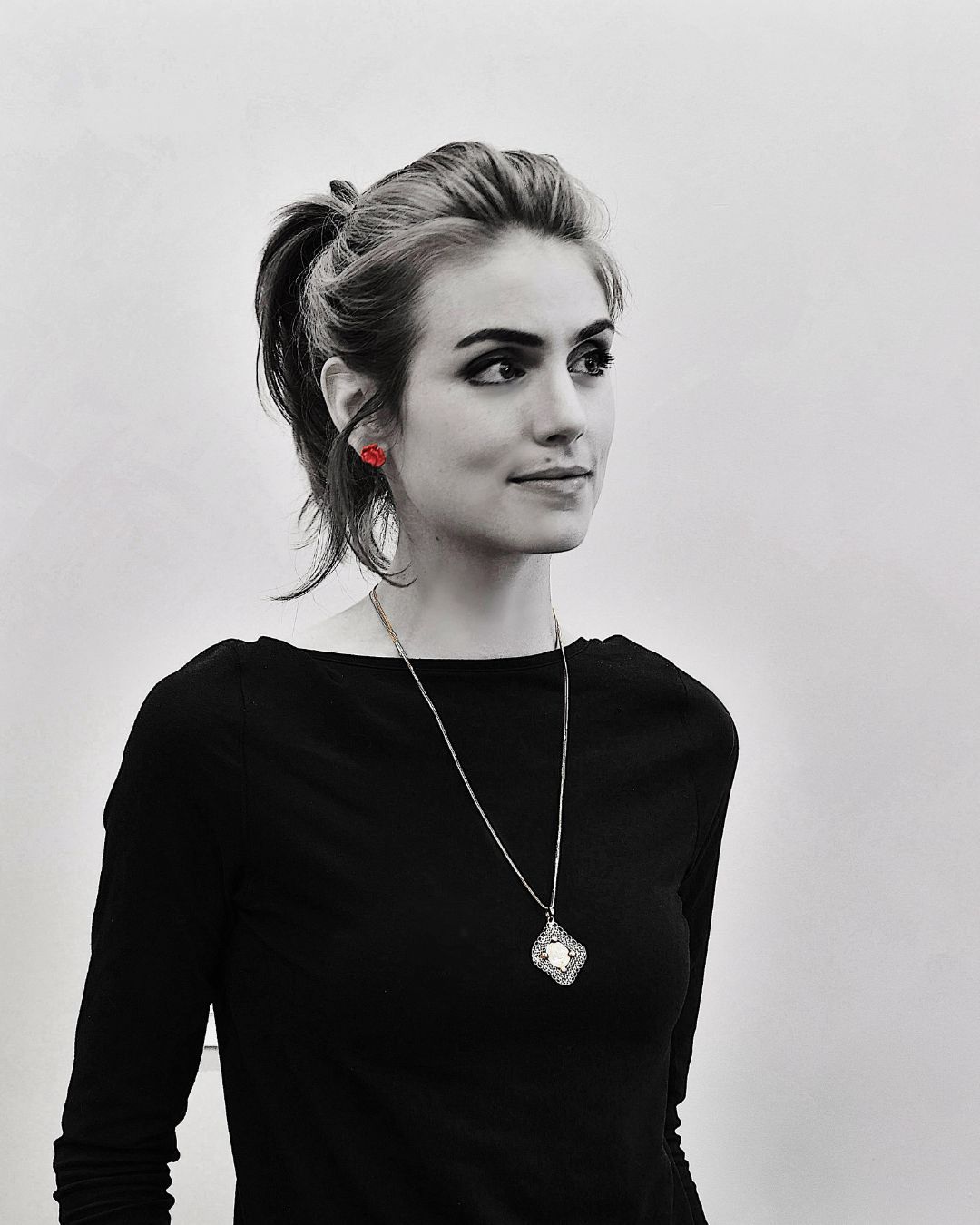

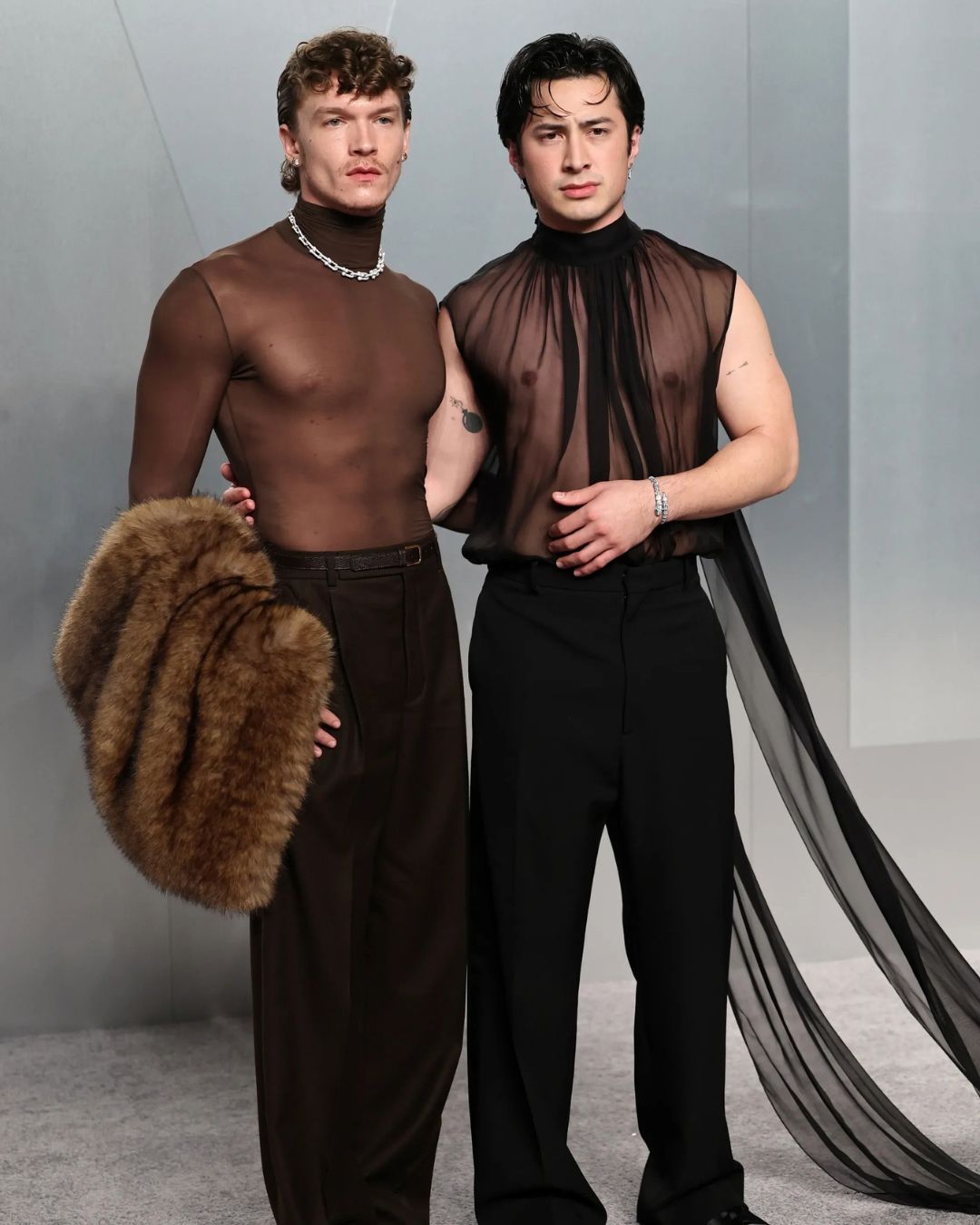

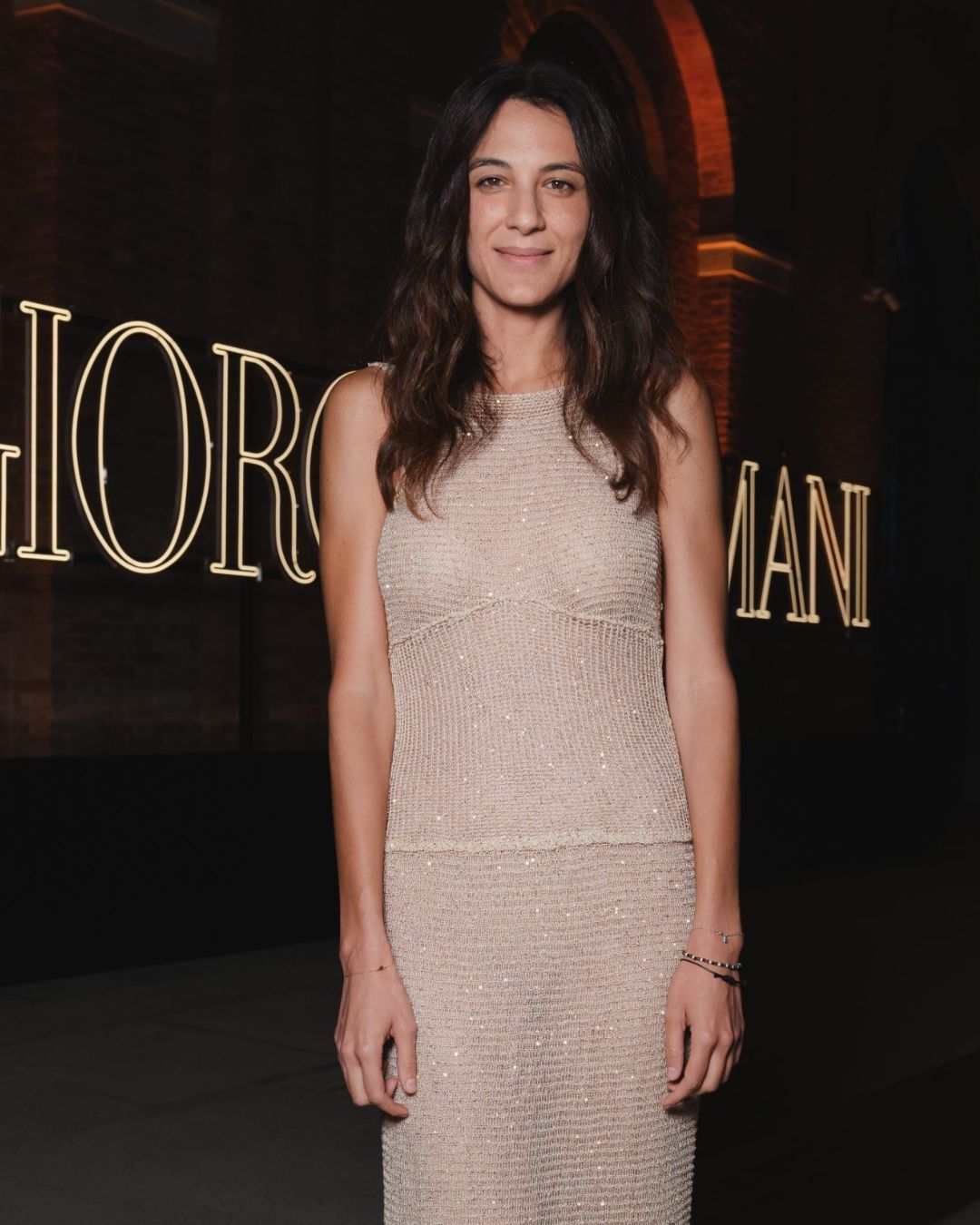

Dressing well for no reason is a radical act Maybe the point isn't to wait for the right moment, but to build it
There’s a recurring scene: an overflowing wardrobe, tags still attached, clothes considered too much for everyday life. We live boring office routines, exhausted mornings where we start running the second the alarm goes off, and the desire to put together a beautiful outfit that makes us feel good ends up taking a back seat. What if my coworkers thought I was too dressed up for a random Wednesday morning? What if kitten heels were too uncomfortable to run after the tram if I were about to miss it? Meanwhile, reality is still made up of university, work, rushed aperitivos without enough time to go home and change. The point is simple: if we keep waiting for the occasion, the occasion never comes. So maybe the real question is not when to dress well, but how to become aware that perhaps no moment deserves it more than another when it comes to fashion.
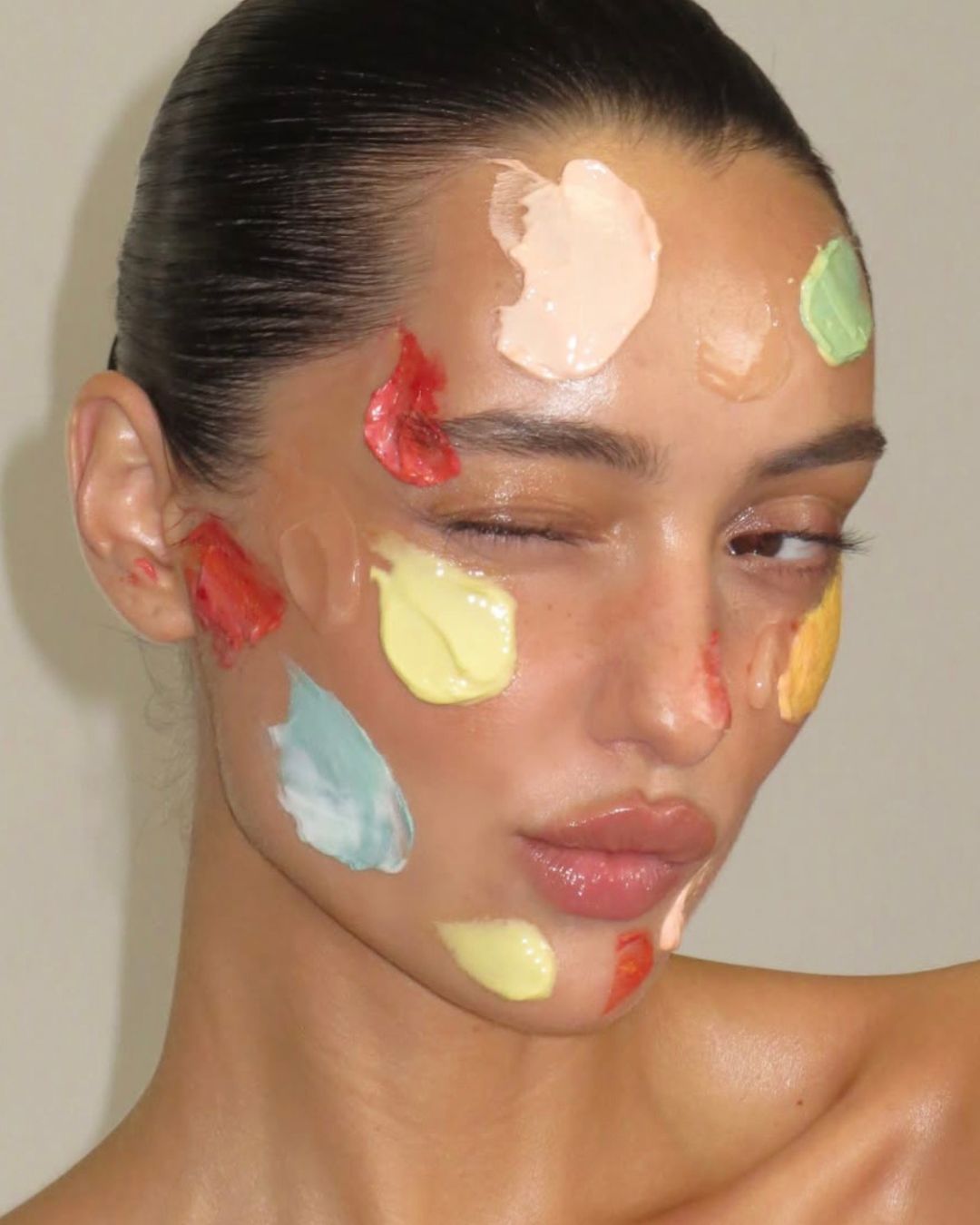
@mels.rec0very Pre-shower makeup #preshowermakeup #foryou #funny #laugh #makeup #trend son original -
The special occasion doesn’t really exist
Do you remember that beautiful period during the most carefree years of our teenage lives, when we used to organize amateur photoshoots with our high school friends, heading to a park trying to capture the perfect Facebook picture? That was the peak of creativity: we turned our wardrobes upside down trying to create the most Tumblr combination imaginable and, armed with our iPhone 4s, we were ready for a full artistic afternoon where the occasion to dress up had been created from scratch.
The myth of the special occasion and pre-shower makeup
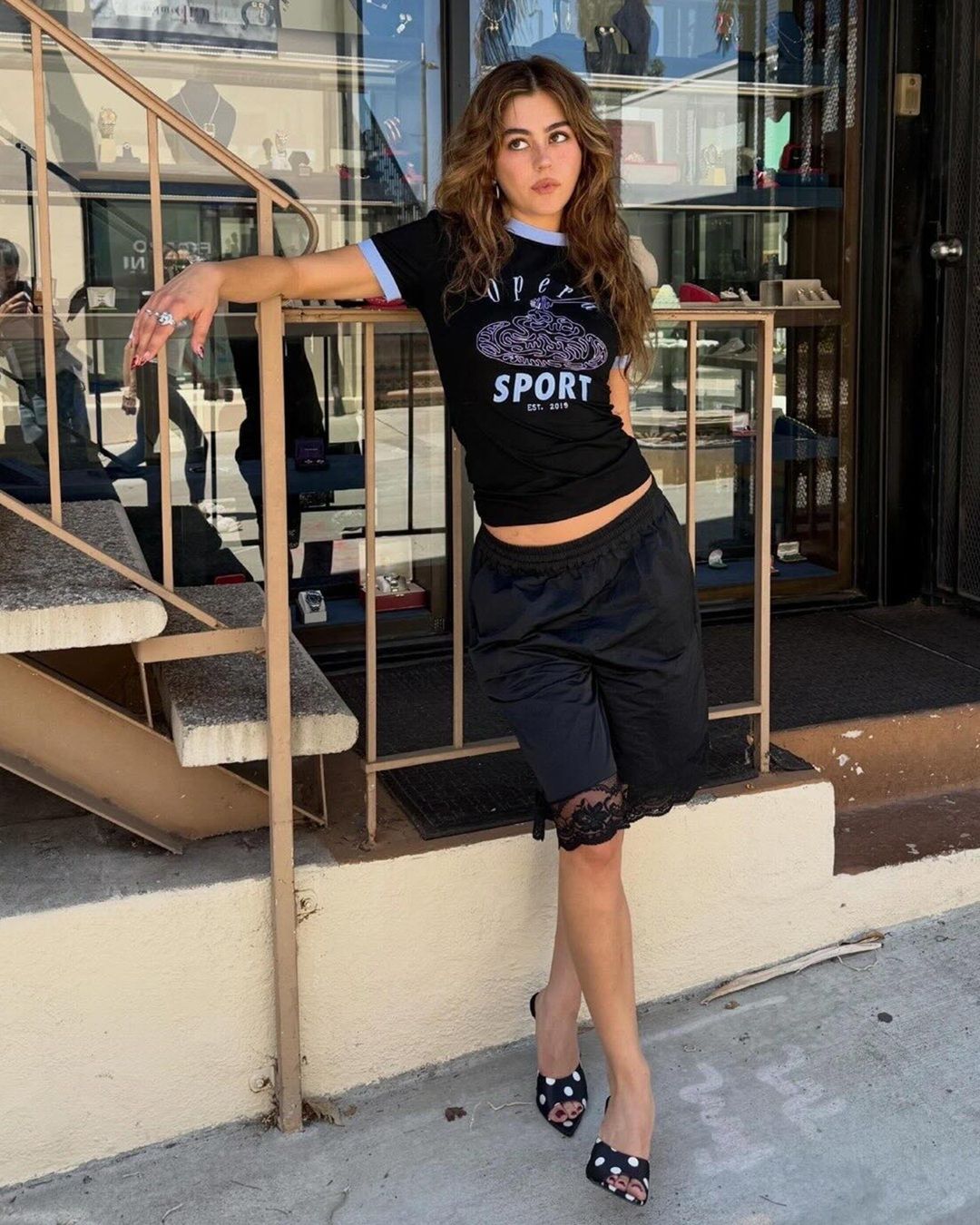
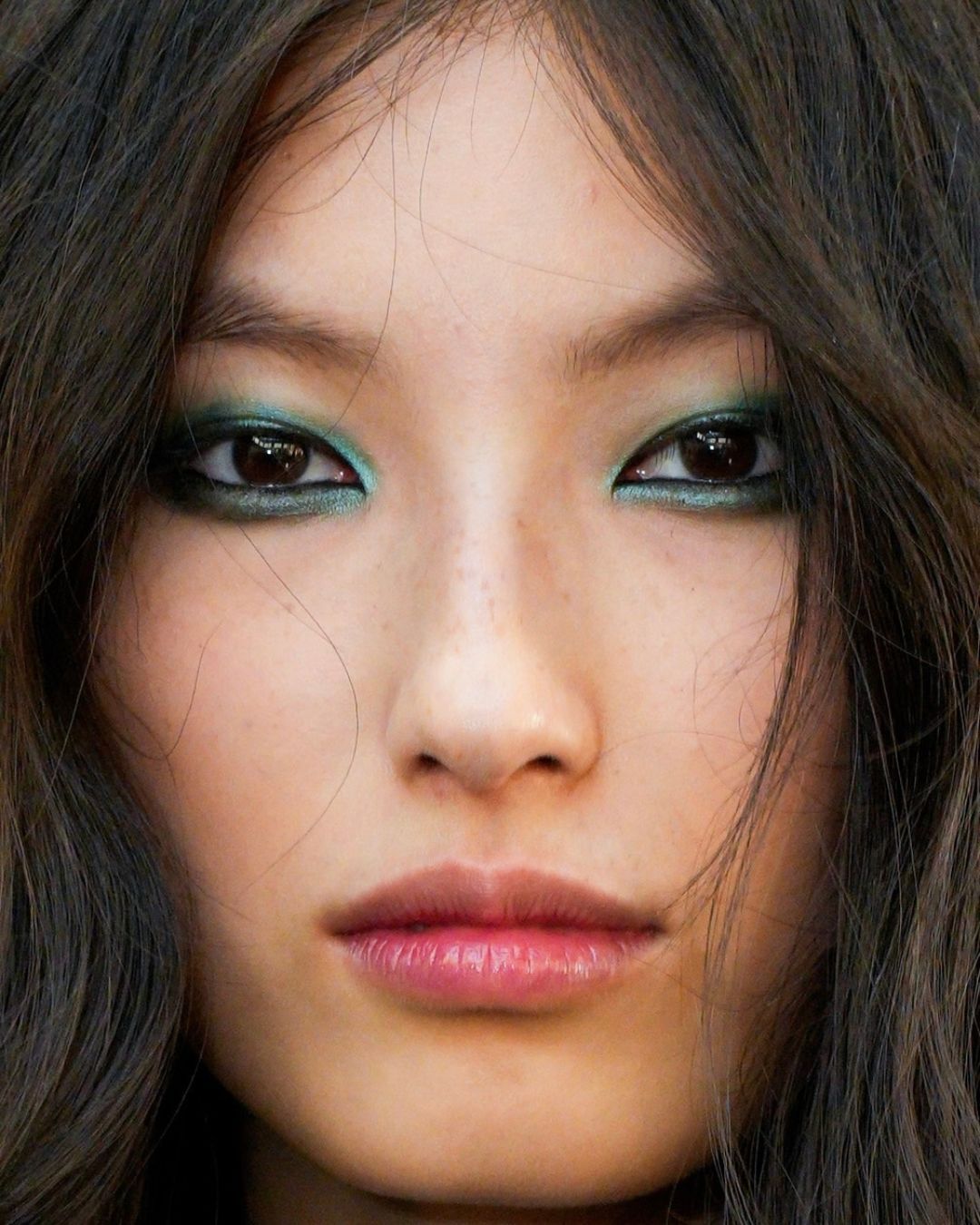
Fashion has always been built around rigid contexts: prêt-à-porter and haute couture. Weddings, galas, offices. Codified and ritualized occasions that justified certain outfits while excluding others. Thankfully, Gen Z is slowly breaking down these boundaries and we’ve been seeing Adidas sneakers under elegant dresses or heels paired with denim bermuda shorts for a while now. Social media has redefined the way we discover and experience clothes and make-up, turning everyday life into a constant stage where every moment can deserve a look. There’s nothing strange about simply wanting to feel beautiful after a hard week where you haven’t been able to express yourself the way you wanted. What if you did a full face of make-up just for a selfie? Would there really be anything wrong with that? That’s exactly what pre-shower make-up is about, for example.
When a look becomes a personal experience
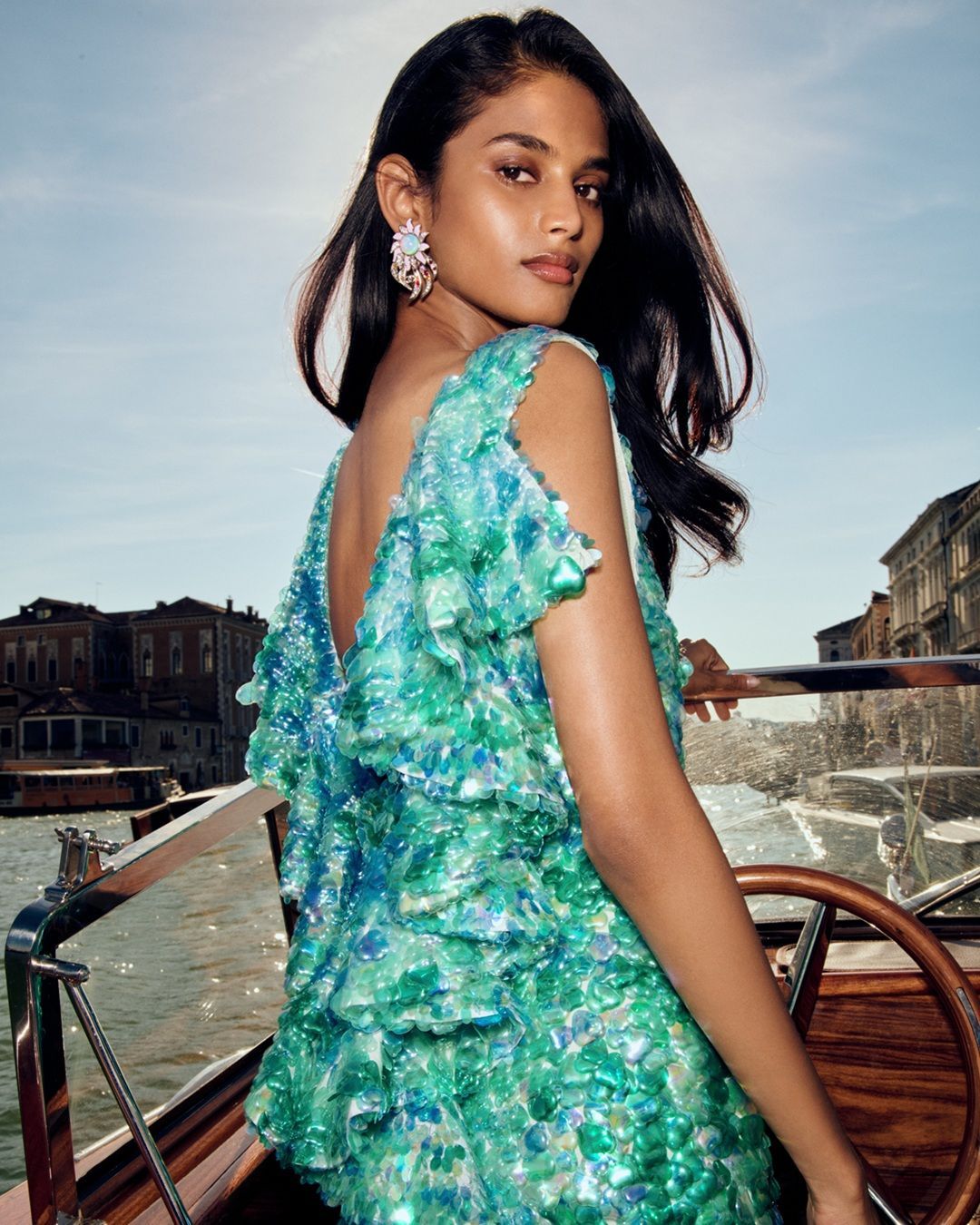
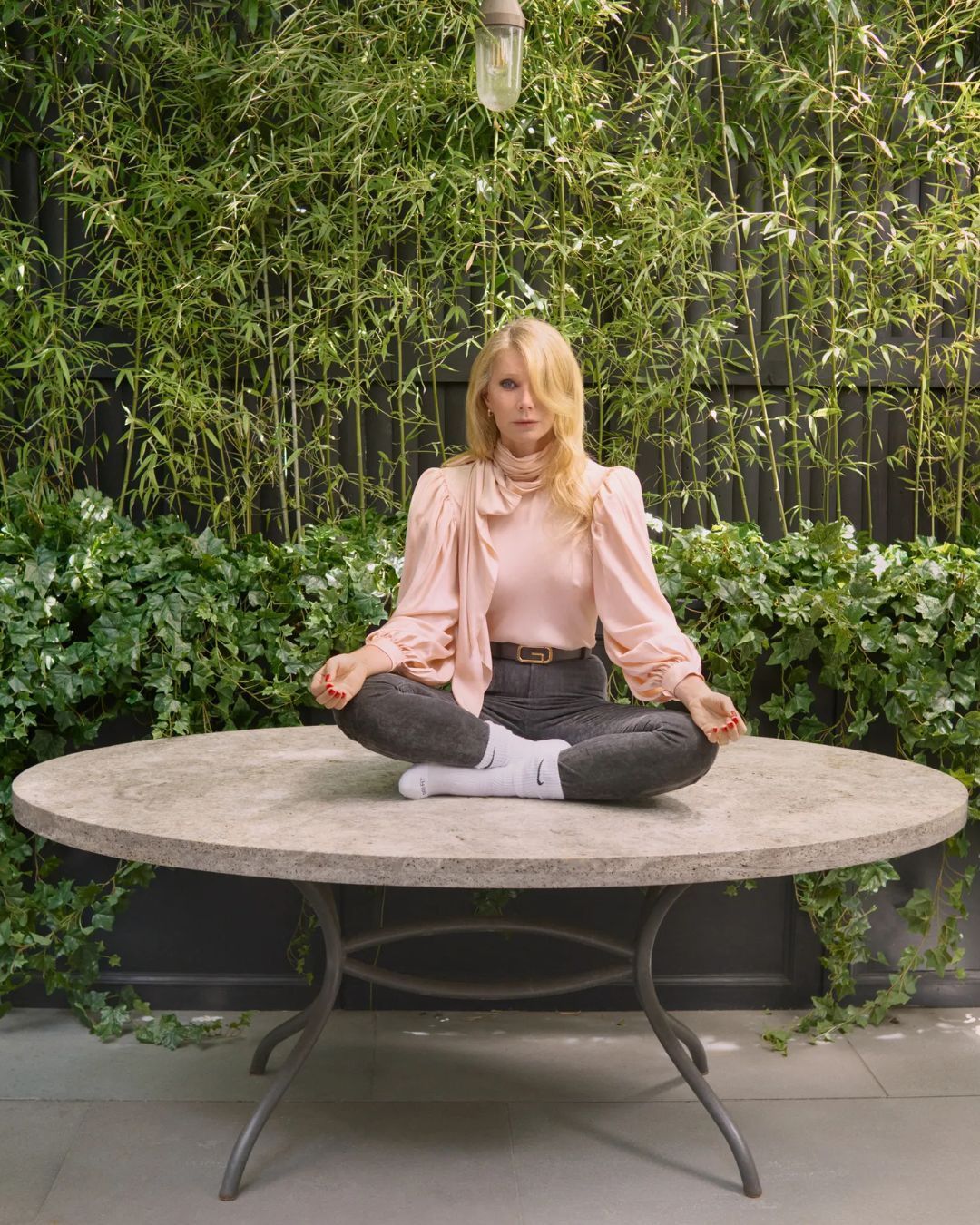
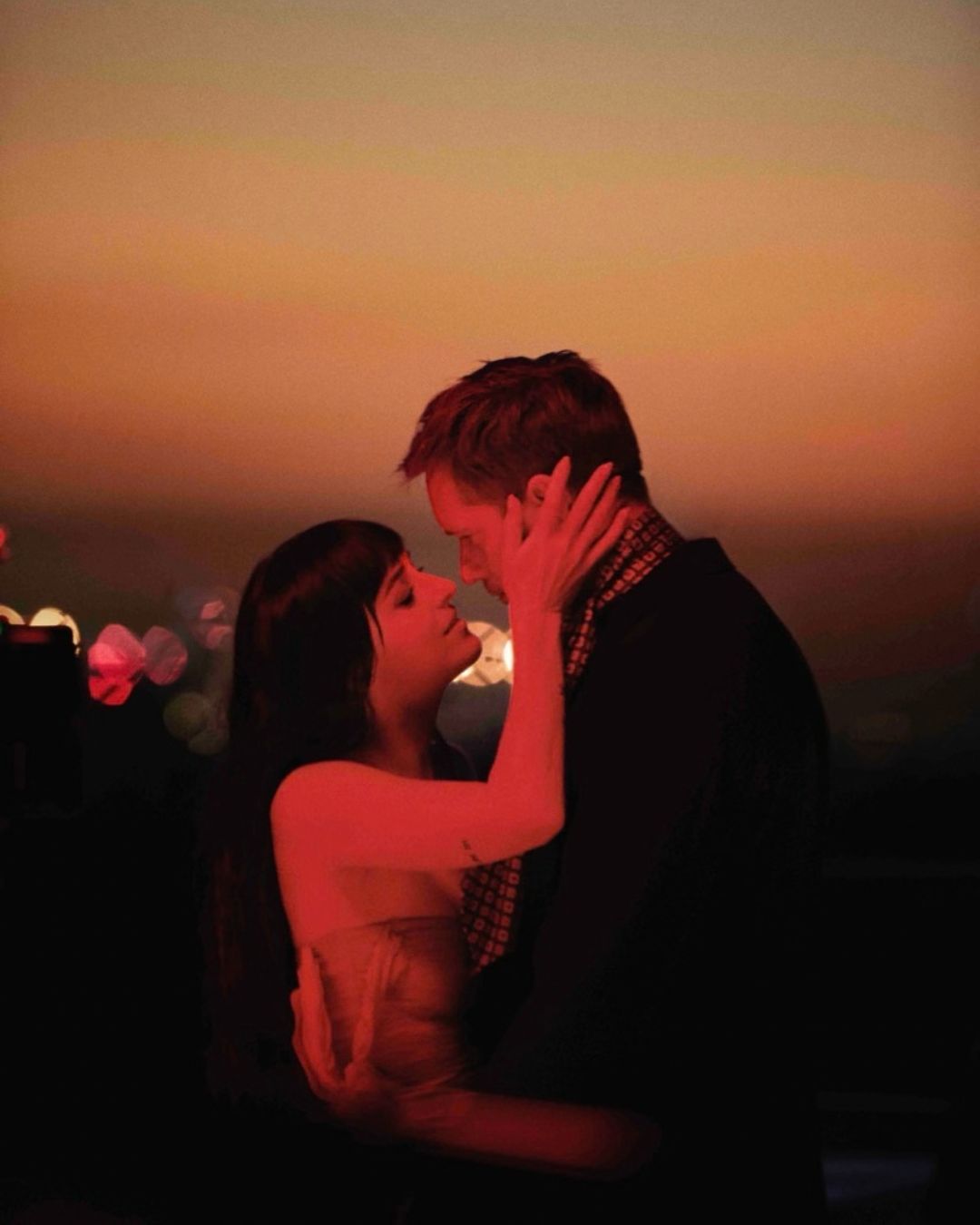
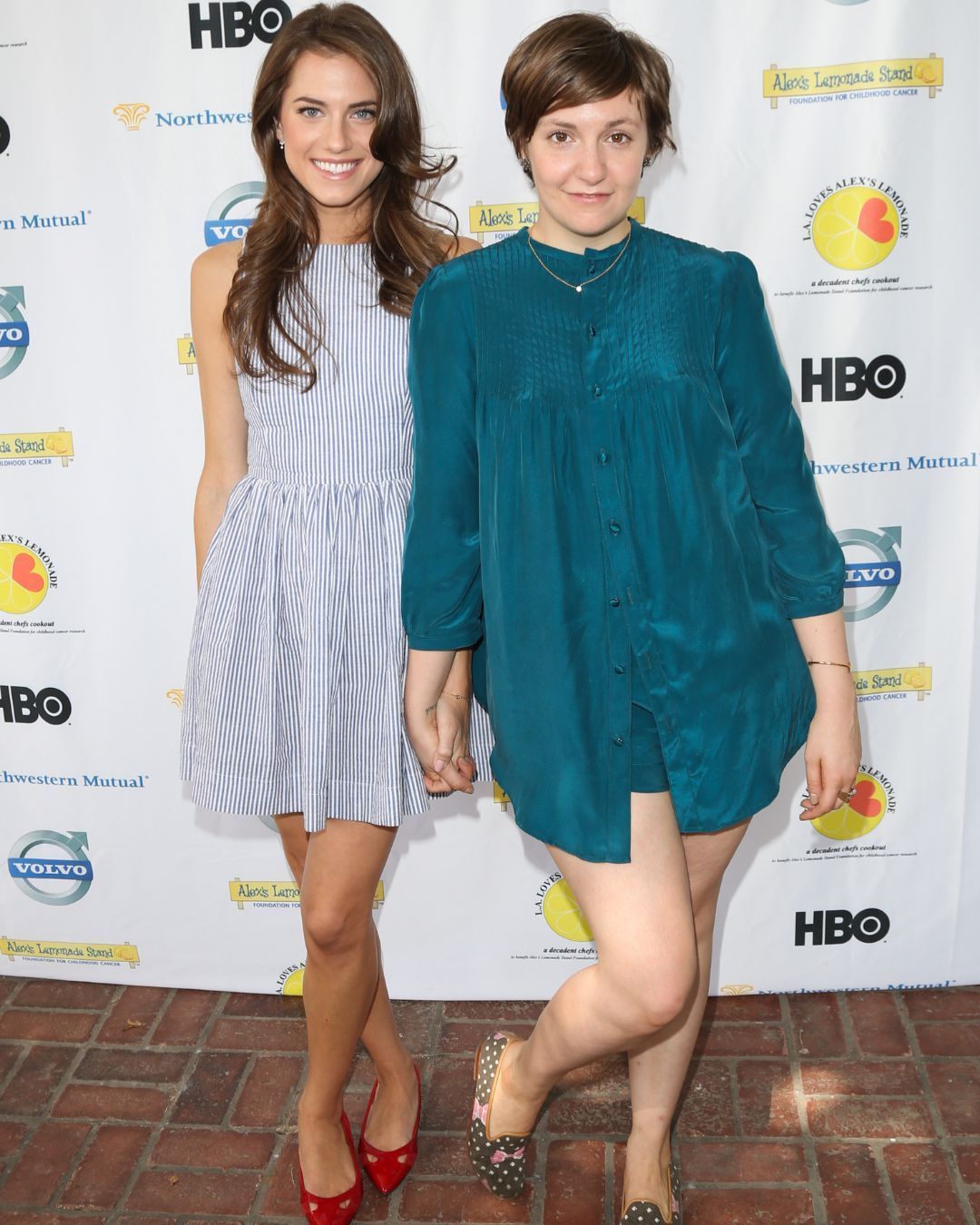
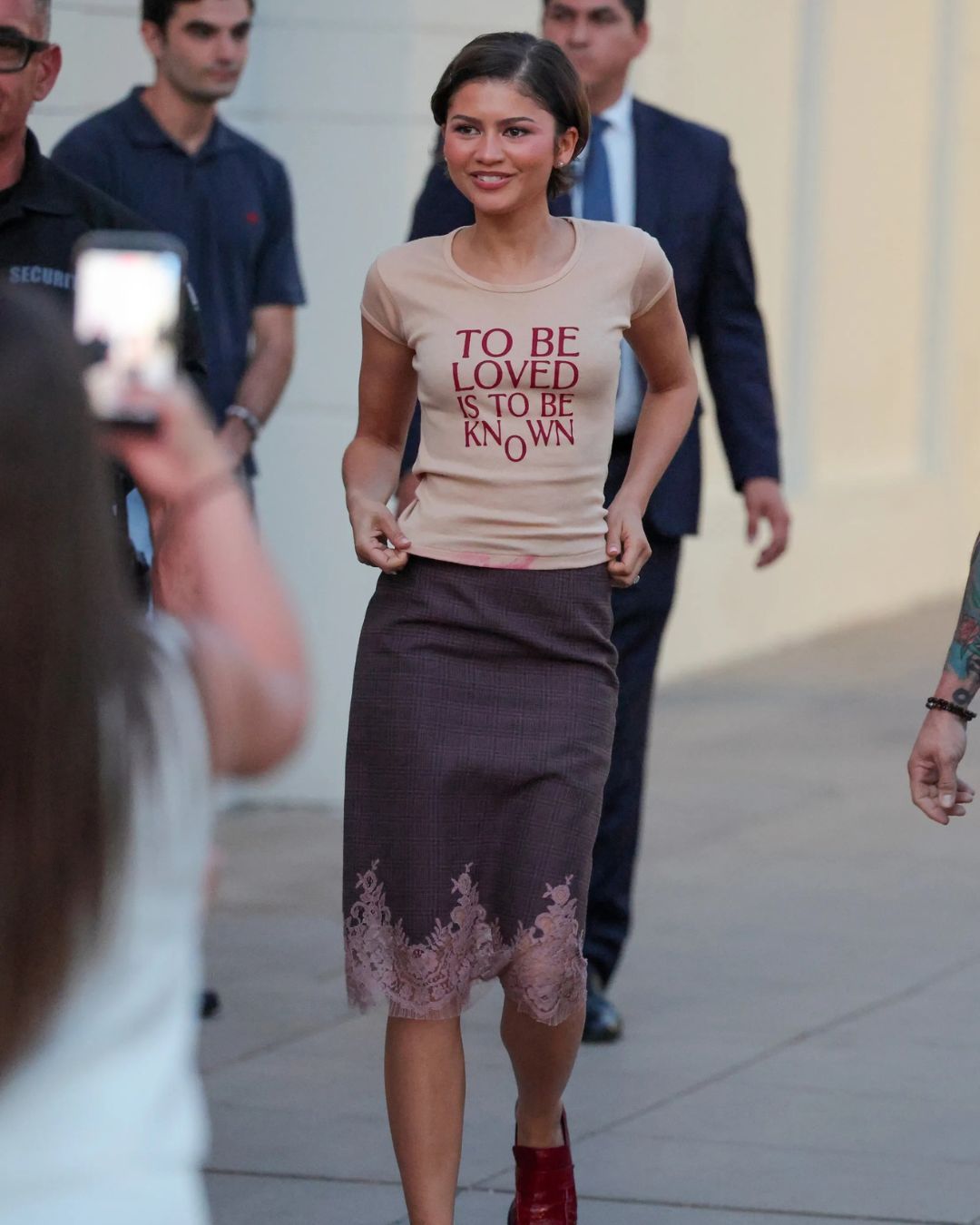
Bella Hadid walks around in runway-level looks, Zendaya and Dakota Johnson turn every appearance, even casual ones, into a high-fashion moment, while Harry Styles has completely rewritten the concept of “occasionwear” by bringing statement pieces outside traditional settings. The implicit message is clear: there’s no need to wait for the right place anymore, you just have to decide that the place becomes right. Stop tying beauty and styling to external events and start experiencing them as something valuable even just for the person wearing them. And if there are many things we shouldn’t imitate celebrities for, this is definitely one worth taking inspiration from.
From outfits “for something” to outfits “for yourself”
This very freedom has created a short circuit. If everything can be an occasion, then nothing truly is. We scroll, save inspo and buy into aspirations for a version of our lives that exists more online than offline. As Yves Saint Laurent once said, “Fashions fade, style is eternal,” but today the issue is not so much distinguishing fashion from style as it is finding a real space in which to express them. That’s the contemporary paradox: we are constantly exposed to aesthetic stimuli, yet increasingly less inserted into contexts that make them feel necessary.
Does other people’s gaze decide our look?
There’s a more radical, almost invisible shift redefining the way we think about clothes: stopping seeing them as a response to a context and starting to use them as a tool to build that context and affirm ourselves in a space entirely our own. It’s no longer “I dress like this because I’m going there,” but “I choose where to go also based on how I want to dress.” This shift also implies a different relationship with other people’s gaze. For years outfits were calibrated around implicit social codes like being appropriate, fitting and coherent with the context, but today dressing feels closer to an authorial practice than an exercise in conformity. It’s not simply about expressing yourself, but about deciding which version of yourself to make visible in a space that wasn’t designed to welcome it. Ultimately, it’s also a shift in perspective regarding time: the outfit “for something” exists in function of a future, often idealized event; the outfit “for yourself,” instead, exists in the present, even if imperfect, even if ordinary. And that’s precisely what makes it harder: it requires legitimizing everyday life as a space that is enough.
Small steps to enter this attitude
You don’t need to revolutionize everything all at once. A gradual mindset shift works better, built through small everyday choices.
1. Stop classifying clothes as “too much”
The first obstacle is mental: stop dividing your wardrobe into rigid categories - day/night, casual/elegant, normal/special. Let’s question this structure. The point isn’t making everything coherent, but making everything possible.
2. Introduce one extra element a day
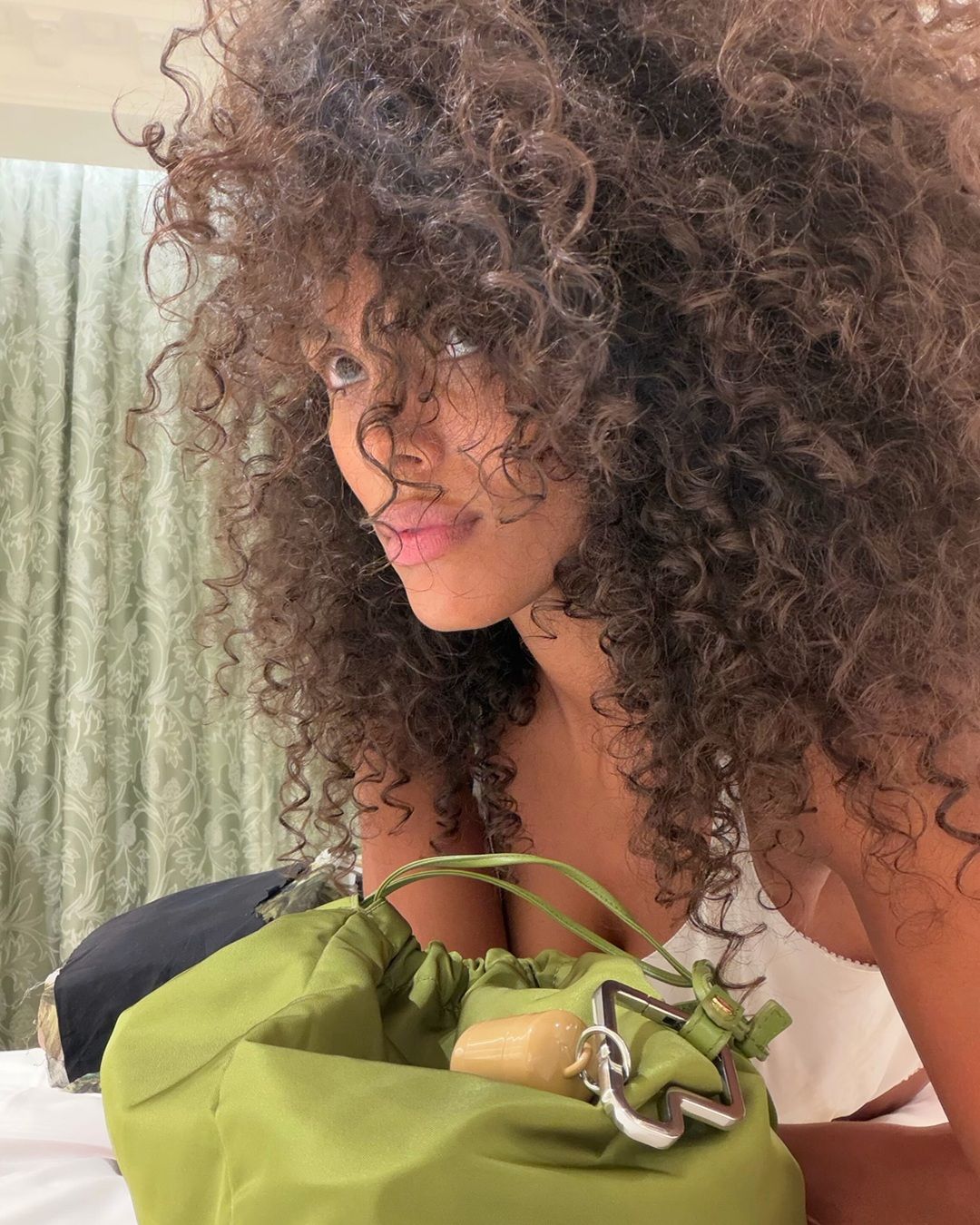
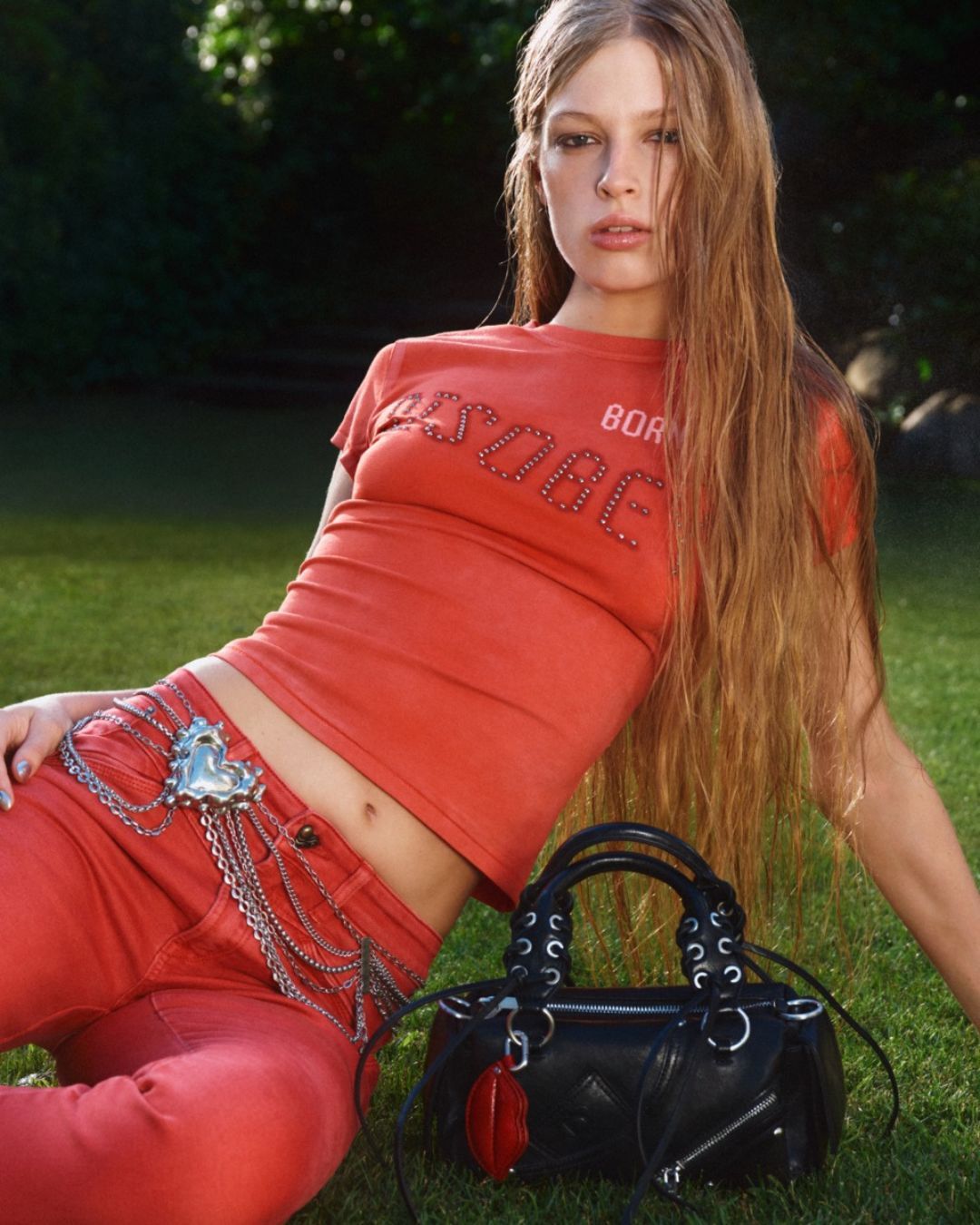
You don’t need to step out in a full red carpet look at 9 a.m. Just add one slightly over-the-top element: a statement bag, a bold lipstick, a shiny piece. It’s a simple but effective technique: it lowers the embarrassment threshold and gets both your own gaze and others’ used to seeing you differently. Over time, what once felt “too much” starts to feel normal.
3. Use everyday moments as an excuse
This may be the crucial point: it doesn’t have to be objectively important, it just has to become important to you. A coffee, a call, a walk. Give aesthetic meaning to neutral moments.
4. Reduce dependence on external validation
Dressing “for yourself” is easy to say, harder to practice. It means accepting that the context won’t always respond to your level of styling. Here comes the choice: do you want to be appropriate or expressive?
5. Change your internal narrative
Often it’s not the context limiting us, but the way we interpret it. “It’s just an aperitivo,” so it’s not worth the effort. But what happens if it becomes: “It’s a moment where I can express myself”?
6. Rethink the value of clothes
A piece isn’t valuable because of how rarely you wear it, but because of how many lives it gets to have. Leaving an outfit untouched for months “waiting” devalues it, it doesn’t preserve it. The more you wear it, the more you understand it. The more you mix it, the more it becomes yours.
What to read next