










































Guide to applying self-tanning serums for the face How they work and how to use them at their best
Self-tanning serums have officially entered the pre-summer skincare routine: that time of year when there’s still no chance to actually lie in the sun, but the urge to fake a weekend by the sea is very real. And when they work well, the result can be pretty convincing too: slightly sunkissed skin, perfectly glowy, even if you’ve actually spent the last 48 hours in front of your computer with the blinds half shut. The problem is that the line between a natural tan and a Donald Trump-inspired complexion is incredibly thin. All it takes is applying too much product around the nose or forgetting your neck to end up with the classic orange effect that’s notoriously difficult to remove evenly. And this is exactly where self-tanning serums beat mousses, sprays, and old-school formulas: they’re gradual, easy to mix into your skincare routine, and most importantly, they don’t force you to sleep like a corpse hoping not to stain your sheets. You just need to understand how to use them properly. And that’s where we come in.
A guide to applying self-tanning serums on the face
How do self-tanning serums work?
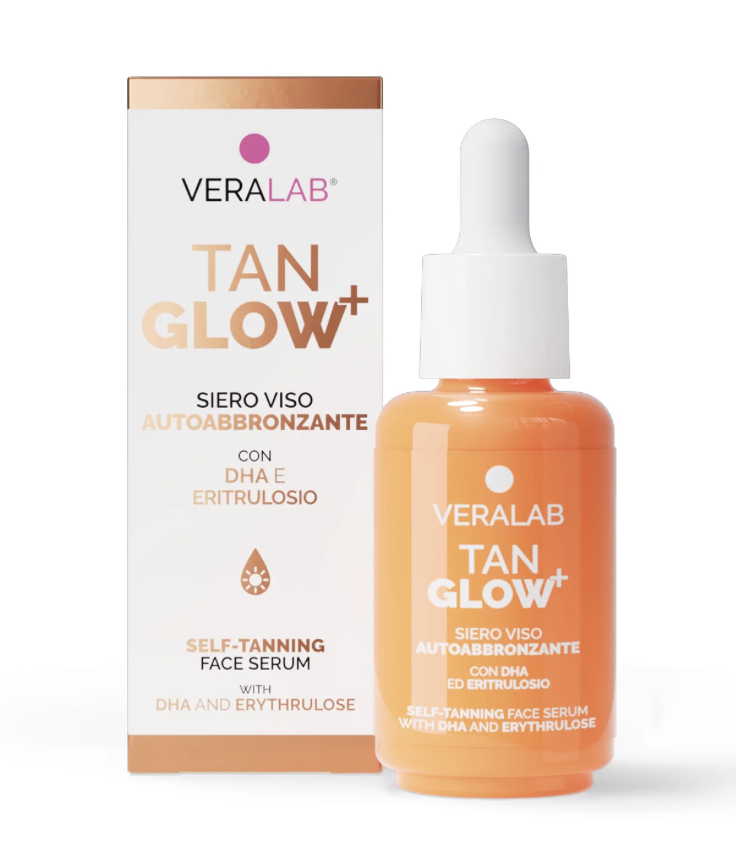
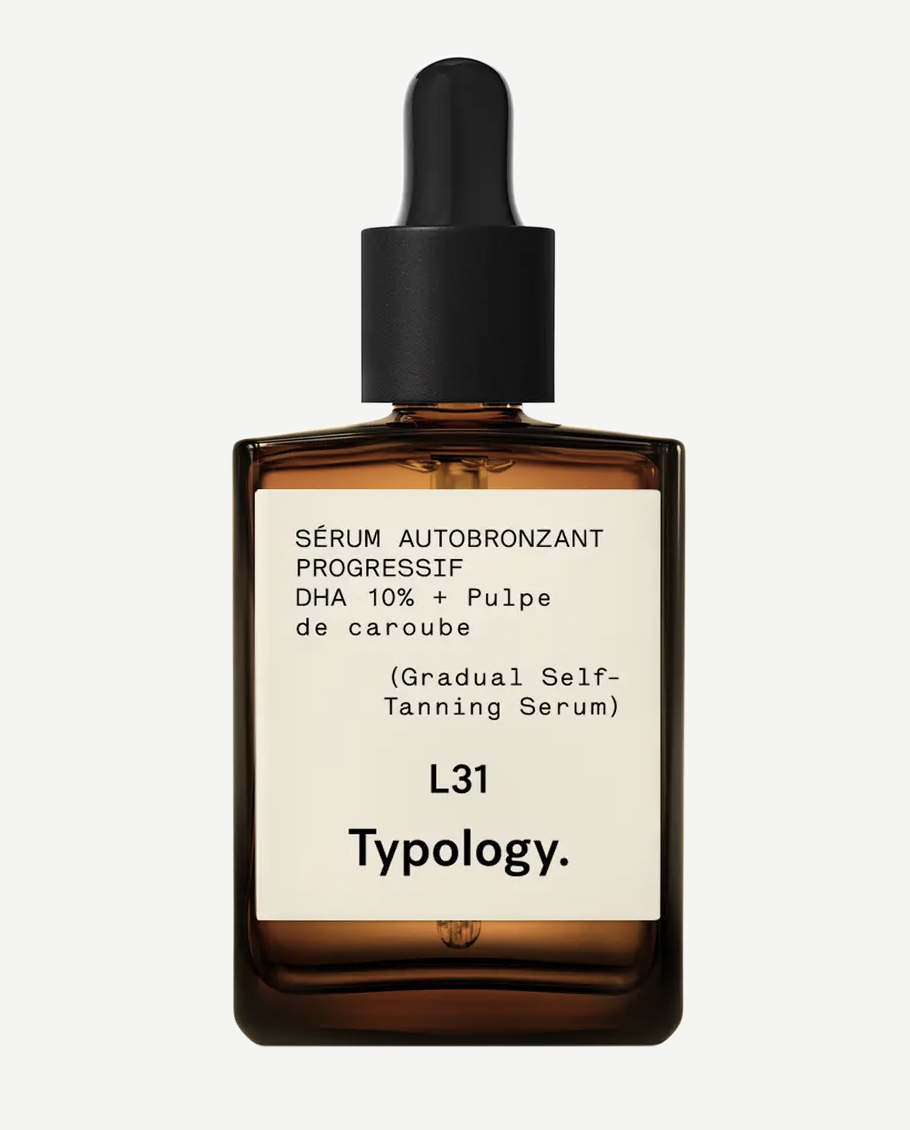
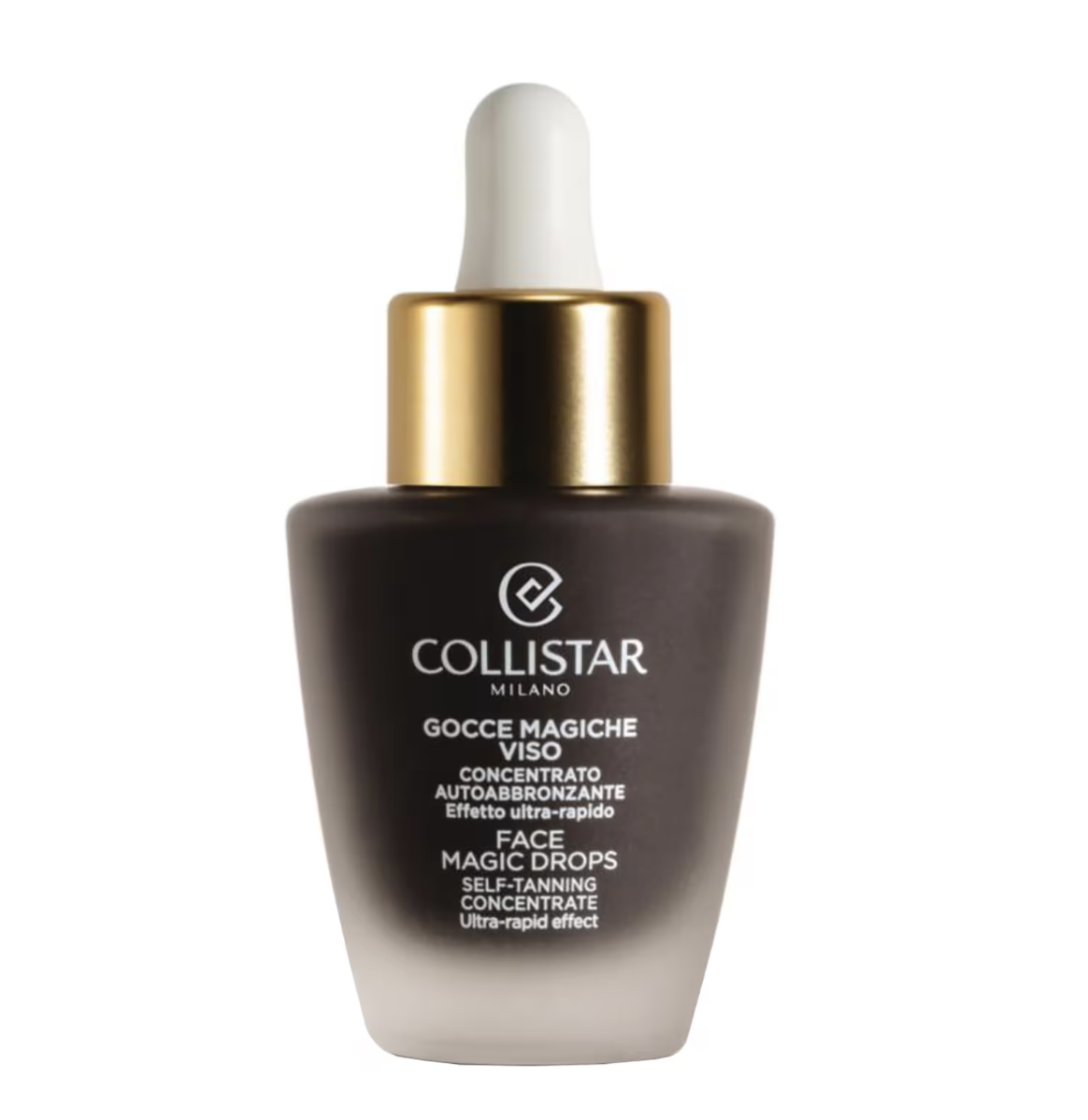
Before using them as if they were just ordinary drops to apply to your face, it’s probably worth understanding what they actually are and what they really do. Self-tanning serums don’t stimulate a real tan. The key ingredient is almost always DHA, or dihydroxyacetone: a molecule that reacts with the amino acids found in the outermost layer of the skin, creating that golden glow that looks like a tan, even though it obviously isn’t. And that’s also why results vary from person to person. The way DHA develops depends on hydration levels, the skin’s pH, the skincare used beforehand, and even how dry your skin is at that specific moment. Basically, two people can use the exact same product and end up with completely different results: one gets the perfect sunkissed glow, while the other ends up looking slightly oompa loompa. The color also doesn’t appear immediately. Self-tanning serums usually take between 4 and 8 hours to fully develop, so the classic mistake is checking the mirror after twenty minutes, assuming nothing is happening, and adding more drops. Big mistake.
How to prep your skin before applying self-tanning serum
@cocosolis.official Just 2 drops for a healthy, glowing tan in no time. #cocosolis #selftanner #faceserum #skincare #facetan #fyp Get Ready with Me - Adriel
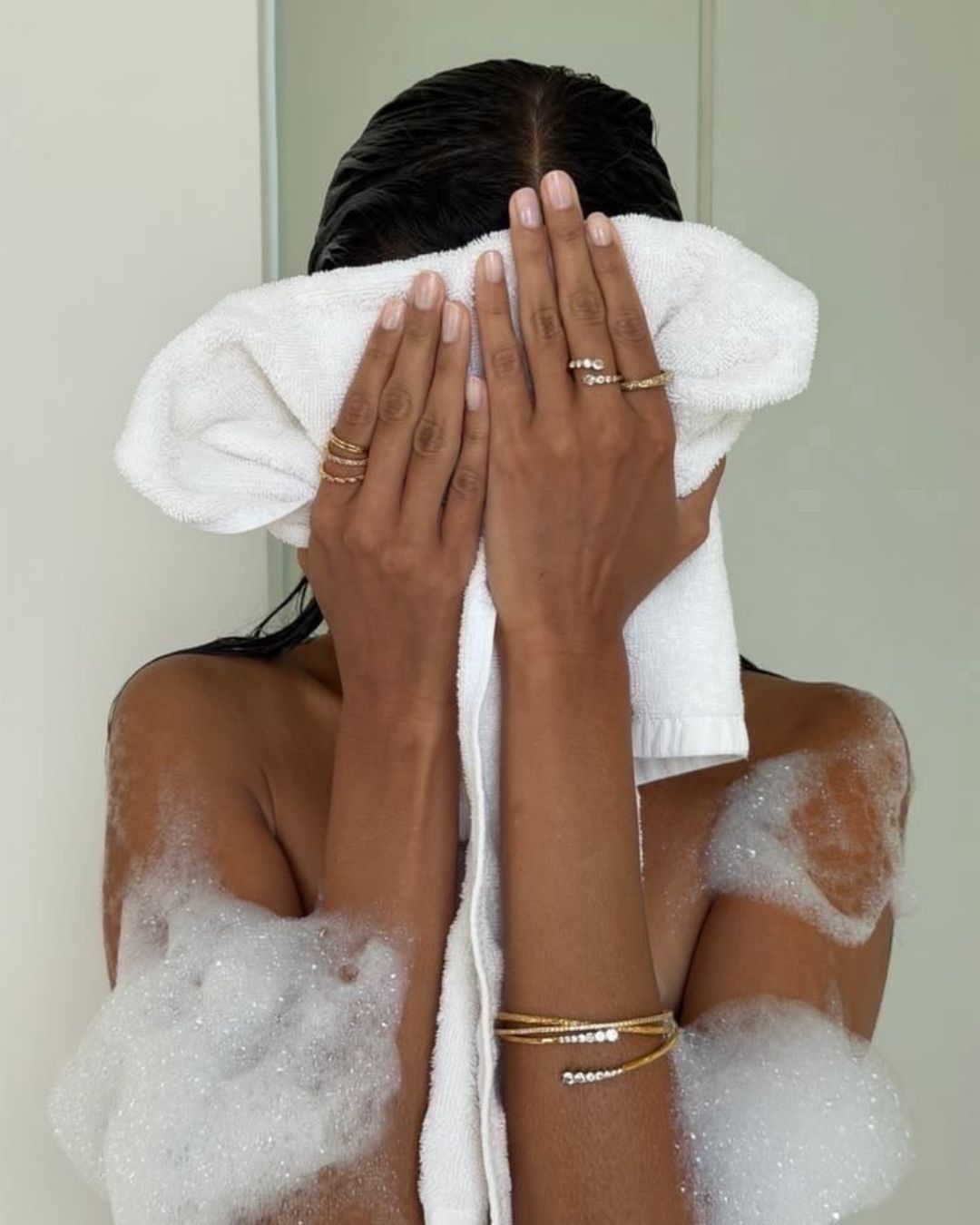
DHA develops more intensely on dry areas or where product buildup is present, so applying it on skin with flaky patches, cracks, or leftover skincare from the night before is basically an invitation to total chaos. To prep your skin properly, start with a clean, freshly cleansed base, do a gentle exfoliation if there are rough or flaky areas, and if your skin is particularly dry, apply a lightweight moisturizer to keep hydration even and prevent the self-tanner from clinging to problem spots.
Application methods
@isascholdd A victim of tan blindness hehe
som original - mshelaena
There are two methods you can follow. The first is mixing the self-tanning drops into your moisturizer. This helps distribute the product more evenly, allows the color to develop more gradually, and keeps the final result looking far more natural. The amount varies a lot depending on the effect you want, but the real mistake is almost always the same: overdoing it. Three to five drops mixed into your cream are already enough to give your skin that fresher, more golden glow without risking a fake-looking finish. The second method is applying the serum directly onto freshly cleansed skin. The result is more intense and more immediate, but also slightly riskier. In this case, you need to pay even closer attention to spreading the product evenly across the face, neck, and décolleté, avoiding buildup in tricky areas like the hairline, sides of the nose, or eyebrows, where DHA tends to settle and turn into patches. Again, the amount is very personal: generally, 3–5 drops create a subtle glow, while 6–10 give a deeper color. Still, the advice remains the same: it’s always better to start with fewer drops and repeat the application over the following days rather than waking up the next morning with a tan that’s too dark to fix. And yes, remember to wash your hands afterwards.