




































Are we too cynical to believe in love? Romantic comedies have lost their cultural centrality, making way for a far more nuanced narrative of love
I remember when we used to go to Blockbuster. In my family, there was a designated weekly ritual: my dad would take me to the DVD rental machine and patiently wait while I went through the entire catalogue to pick a film. The genre rarely changed: romantic comedies. The early 2000s were a factory of rom-coms with happy endings, more or less funny, with more or less successful scripts. The Holiday, 27 Dresses, The Wedding Planner, 50 First Dates, The Proposal. Different stories, same ending: love, in some way, always won. Maybe it was precisely that teenage overdose of happy endings that left me with a certain idea of romance. Or maybe, if my dad had occasionally rebelled against the questionable tastes of the female side of the family, today I wouldn’t look around a bit disoriented asking myself: what happened to rom-coms?
The end of romantic comedies (as we knew them)
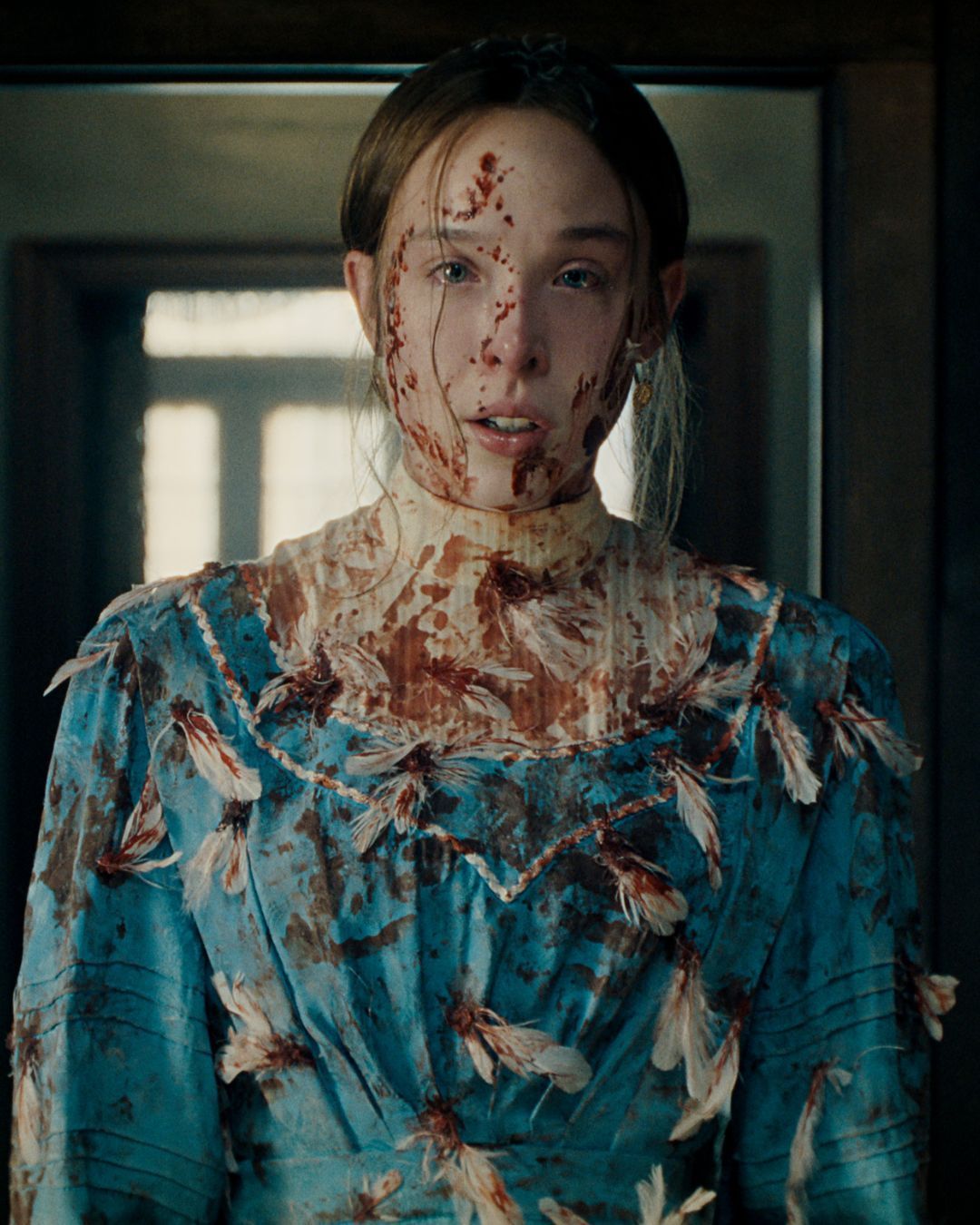
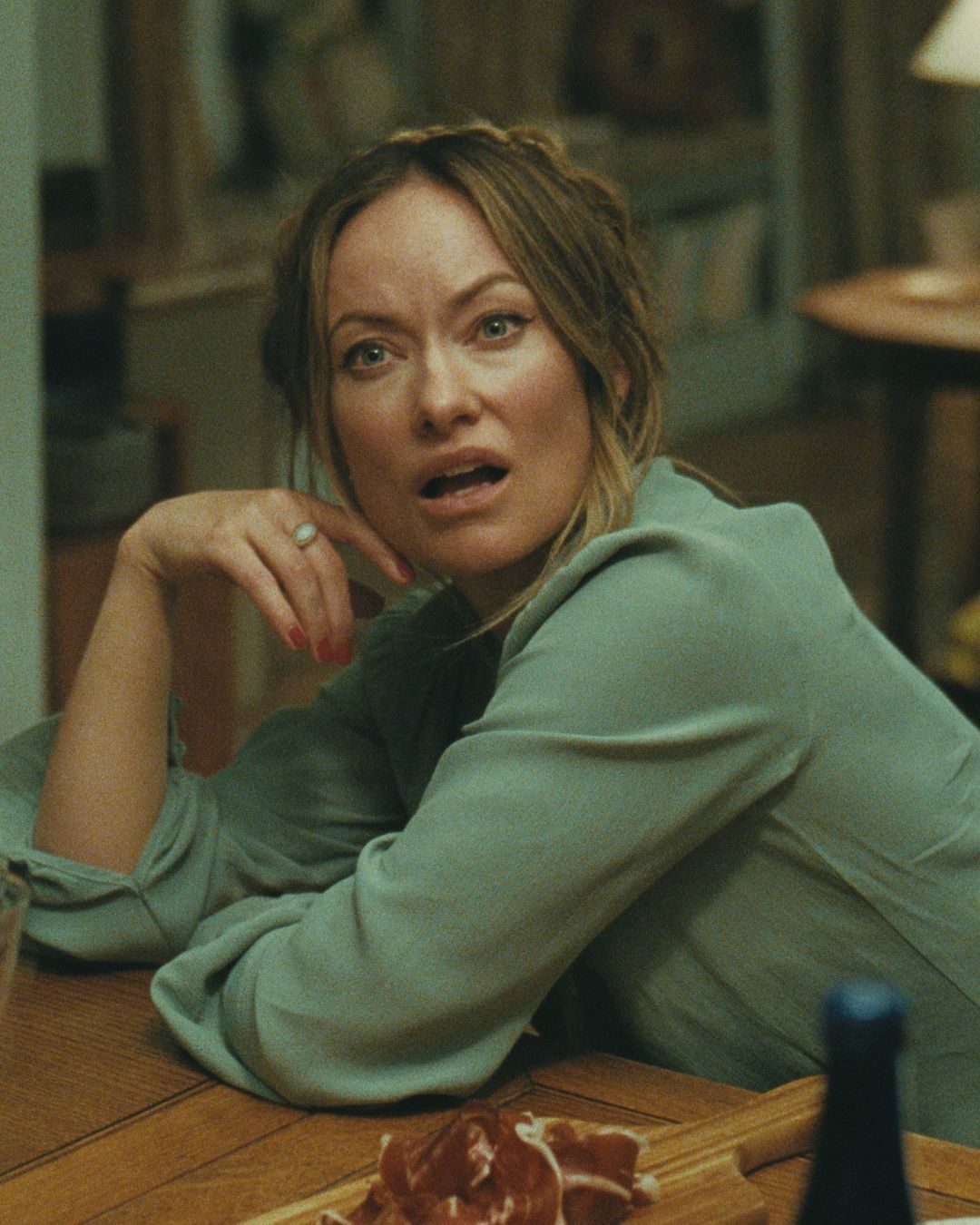
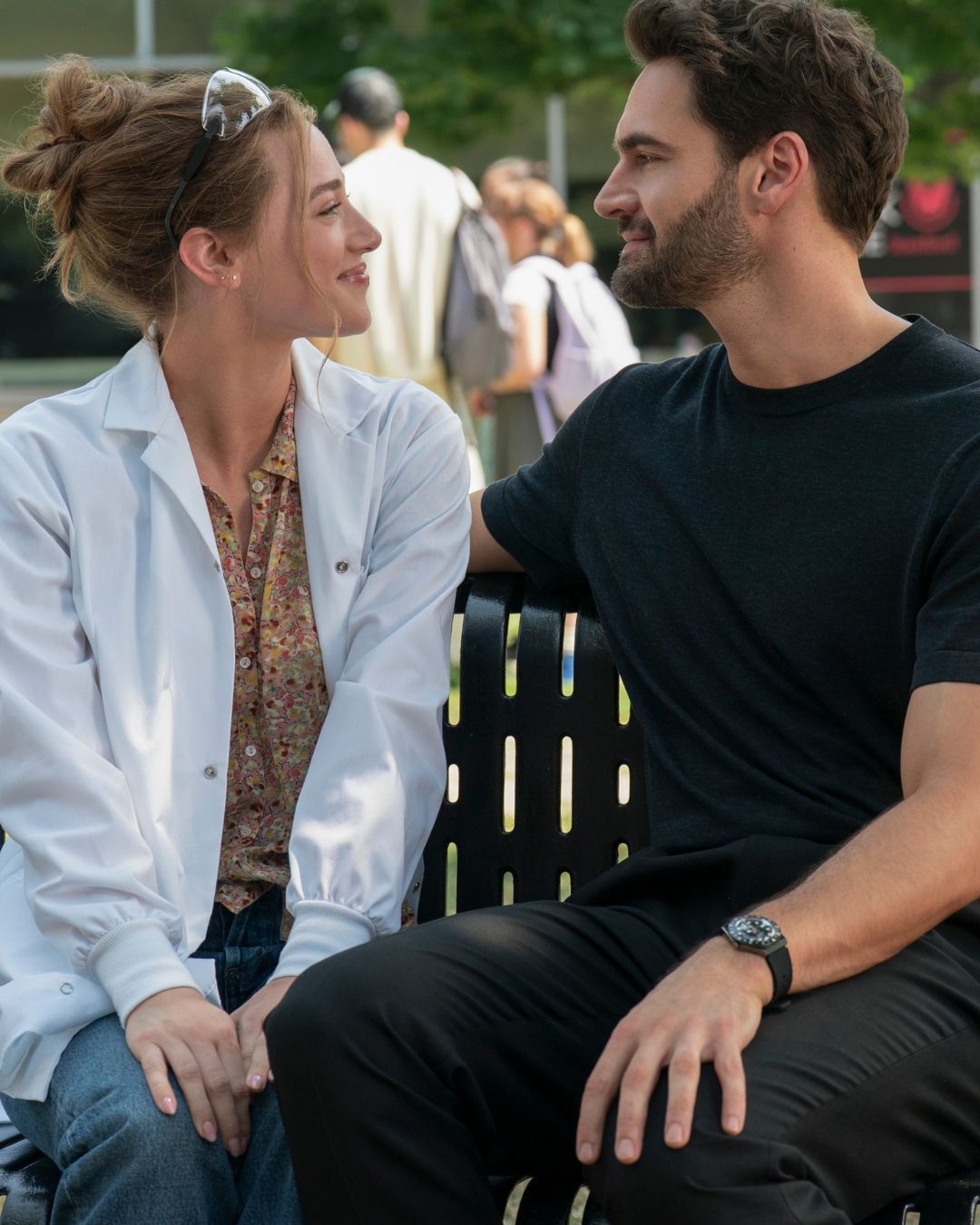
The short answer is that rom-coms didn’t disappear: they simply stopped telling love stories the way they used to. In recent years, the genre has bent—and in some cases broken, under the weight of a much less linear emotional reality than the one we were used to. Films like The Drama (2026) or Oh, Hi! (2025) start from all the classic rom-com premises—the meeting, physical attraction, chemistry, only to sabotage them from within, turning the story into something more ambiguous, at times unsettling. It’s no longer about watching two people choose each other, but understanding why they can or cannot do it. Even when the tone remains lighter, the emotional core has shifted elsewhere. In the 2019 film Someone Great, for example, the breakup is not an obstacle to overcome but the starting point: the real narrative arc is not romantic, but individual. Love is still there, but it loses centrality, making space for friendship and personal growth. The happy ending, if it exists at all, no longer necessarily coincides with couple happiness.
Love in an adolescent form
Meanwhile, more traditional love stories seem to have retreated into an adolescent imaginary (maybe people in their thirties have a nostalgia problem?). Global hit series like The Summer I Turned Pretty or Maxton Hall, along with titles like My Fault, continue to portray romantic relationships, sometimes problematic, built on absolute choices and hyperbolic emotions. But this is a love that mostly belongs to youth - or to an idealized version of it - often born and developed on platforms like Wattpad, where romance in its most canonical form is still a dominant language. For adult audiences, instead, love has become something more ambiguous, fragmented, and almost suspicious to look at. Dating apps, ghosting, undefined relationships: contemporary emotional life is made of grey zones, and cinema has adapted to an increasingly layered landscape. It hasn’t really stopped talking about love, but it has stopped telling it in its simplest and most idealized form.
The exceptions, and a new film industry
Exceptions do exist, but they are increasingly rare. Films like Anyone But You (2023) and The Idea of You (2024) are among the few recent examples of classic rom-coms with strong production and media investment: recognizable stars, major marketing campaigns, familiar narrative structures. But they are few, which is why they stand out and generate discussion, often along with criticism and skepticism. So what is happening? Have we all become too cynical and introspective to allow ourselves an hour and a half of romantic disillusionment? Or is the reason not so much the audience, but the way the global film industry (or more specifically, the American one) is structured today? Classic rom-coms were mid-budget films (compared, for example, to blockbusters of the time like Troy or The Gladiator), built around star power and wide theatrical distribution. Today, that kind of investment has become increasingly rare: between blockbusters and independent films, the space for small but mainstream stories has shrunk. Streaming platforms still produce romantic content, but often with a different approach, more serialized or algorithm-driven, less tied to the idea of a theatrical event. Without star systems, without massive marketing, without the very idea of a cinema appointment, rom-coms have also lost part of their cultural centrality, becoming a genre that still exists, but that rarely leaves a lasting mark.