







"SFX make-up is a form of possibility" Interview with Greta Giannone
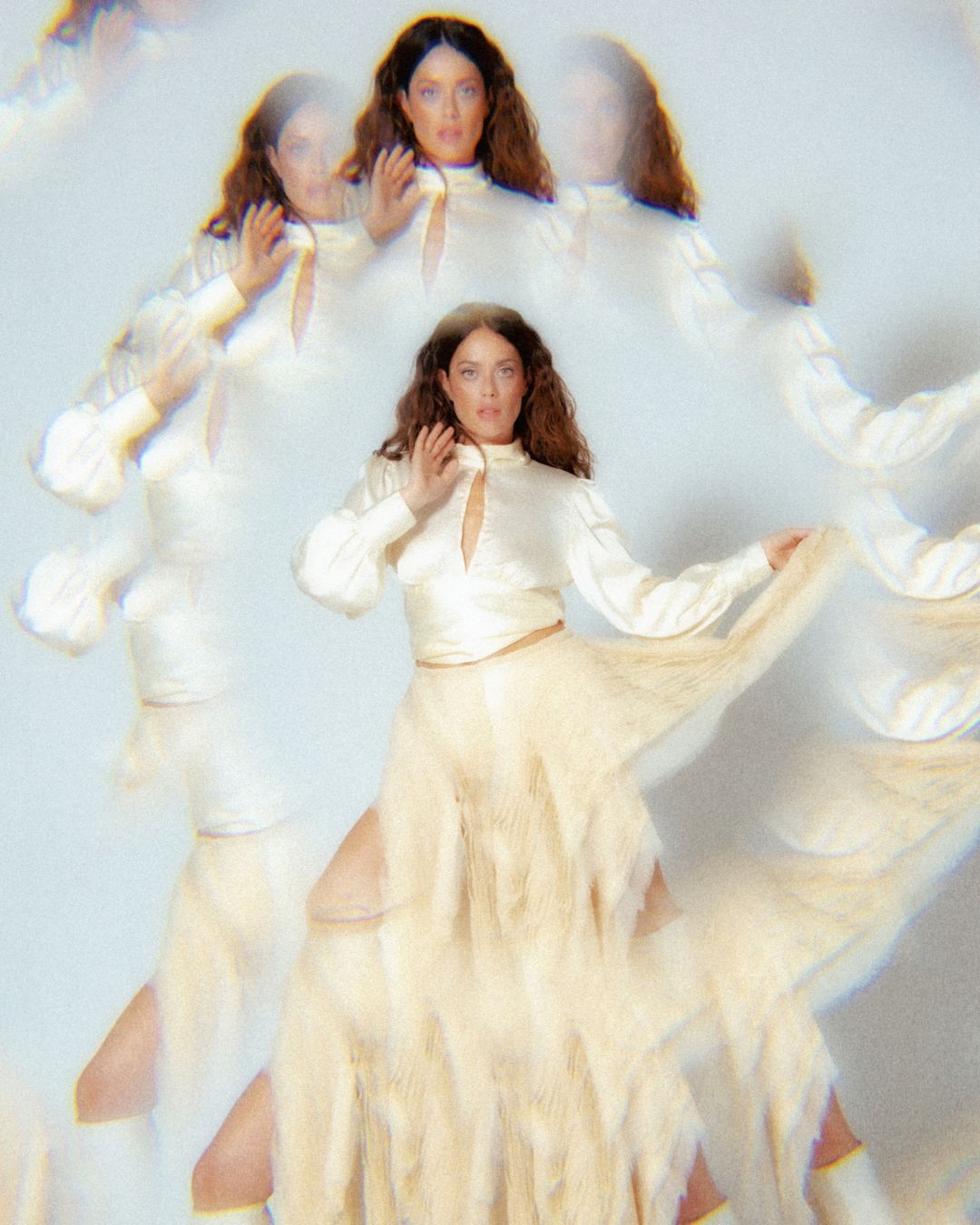
Under The Beauty Radar is nss G-Club’s format that explores beauty artists, trying to go a bit deeper. Deeper into the concept of beauty itself, into inspirations, contaminations, and experimentation. It was therefore to be expected that an episode would be dedicated to Greta Giannone. To be clear, she is the make-up artist behind the looks of Olly and Gaia but she is also much more than that. Beneath the surface, this is what she told us, starting from herself and her story, to dive into the transformative power of make-up, which doesn’t just make people look attractive, but does so much more.
Interview with Greta Giannone, SFX make-up artist who has worked (also) with Gaia and Olly
Introduce yourself to our audience
I’m Greta Giannone, I’m 27 years old and I’m Sicilian, born in Noto but raised in the province of Varese from 2003 onwards. My passion for make-up was born in Sicily, watching my mother (a make-up artist at the time) and my uncle, who is still a make-up artist and head of the make-up and hair department at the Greek Theatre of Syracuse since 2000. I spent my first springs and summers in that place, among actors and costumes. If I look back at myself, I still see that enchanted child among those sets and reconstructions. Right after graduating in human sciences, I wondered whether to continue along that path and study Philosophy or return to something more visceral but artistic. I was searching for expression, probably I needed to lighten myself after an intense adolescence full of conflicting emotions. I decided to enroll at the BCM make-up academy and later studied SFX at La Scala in Milan. I know there is something destined in all of this.
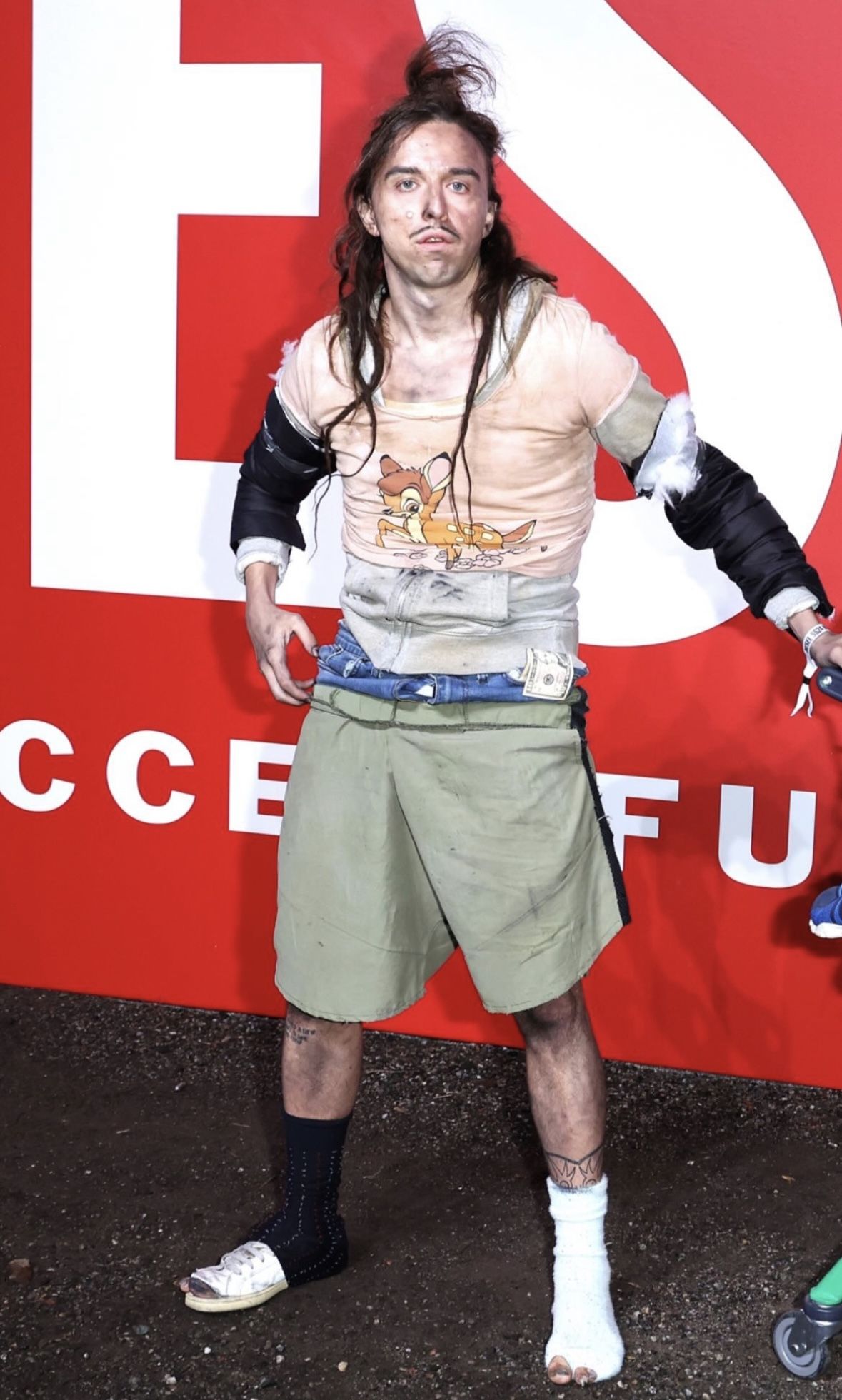
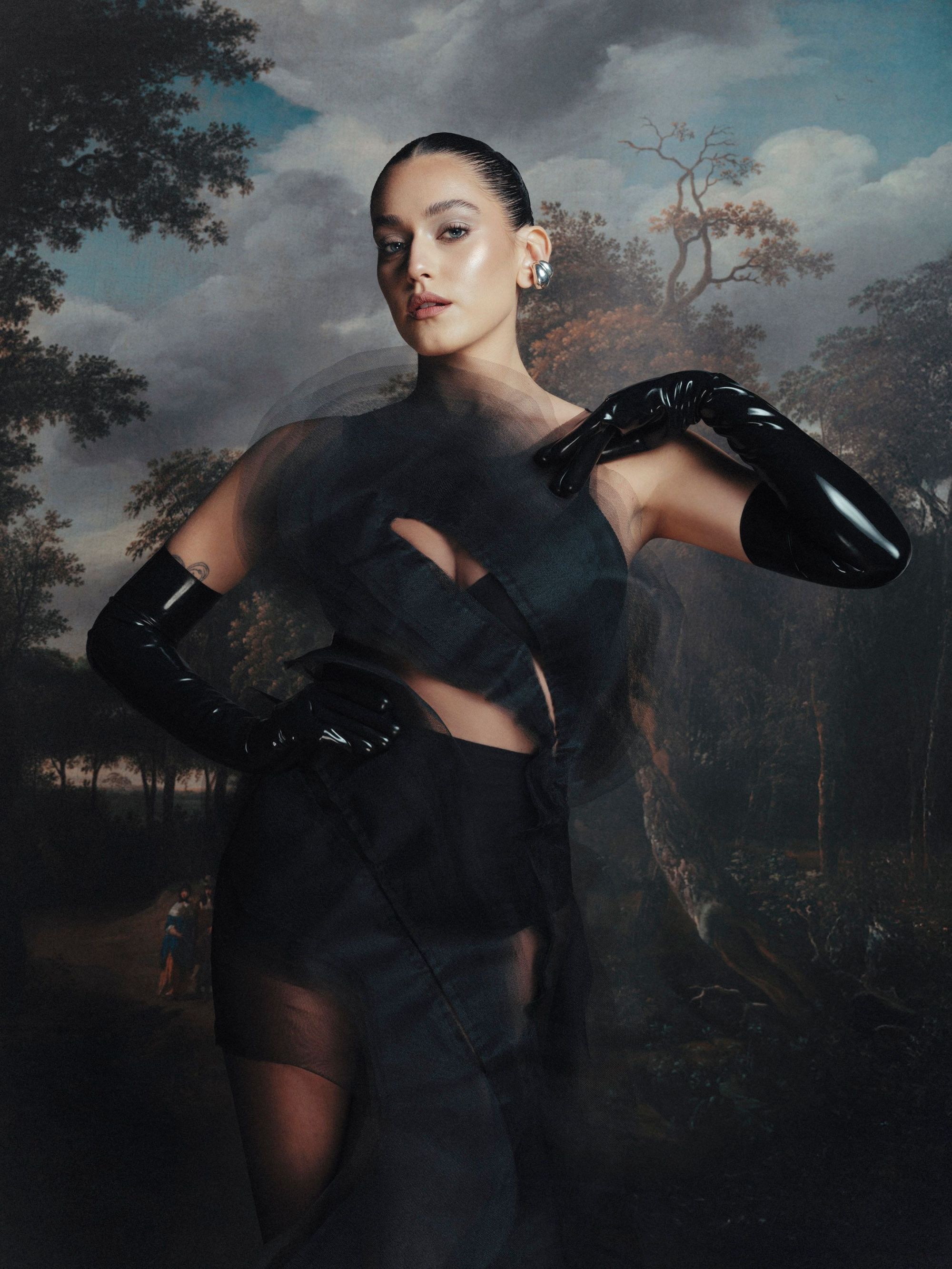
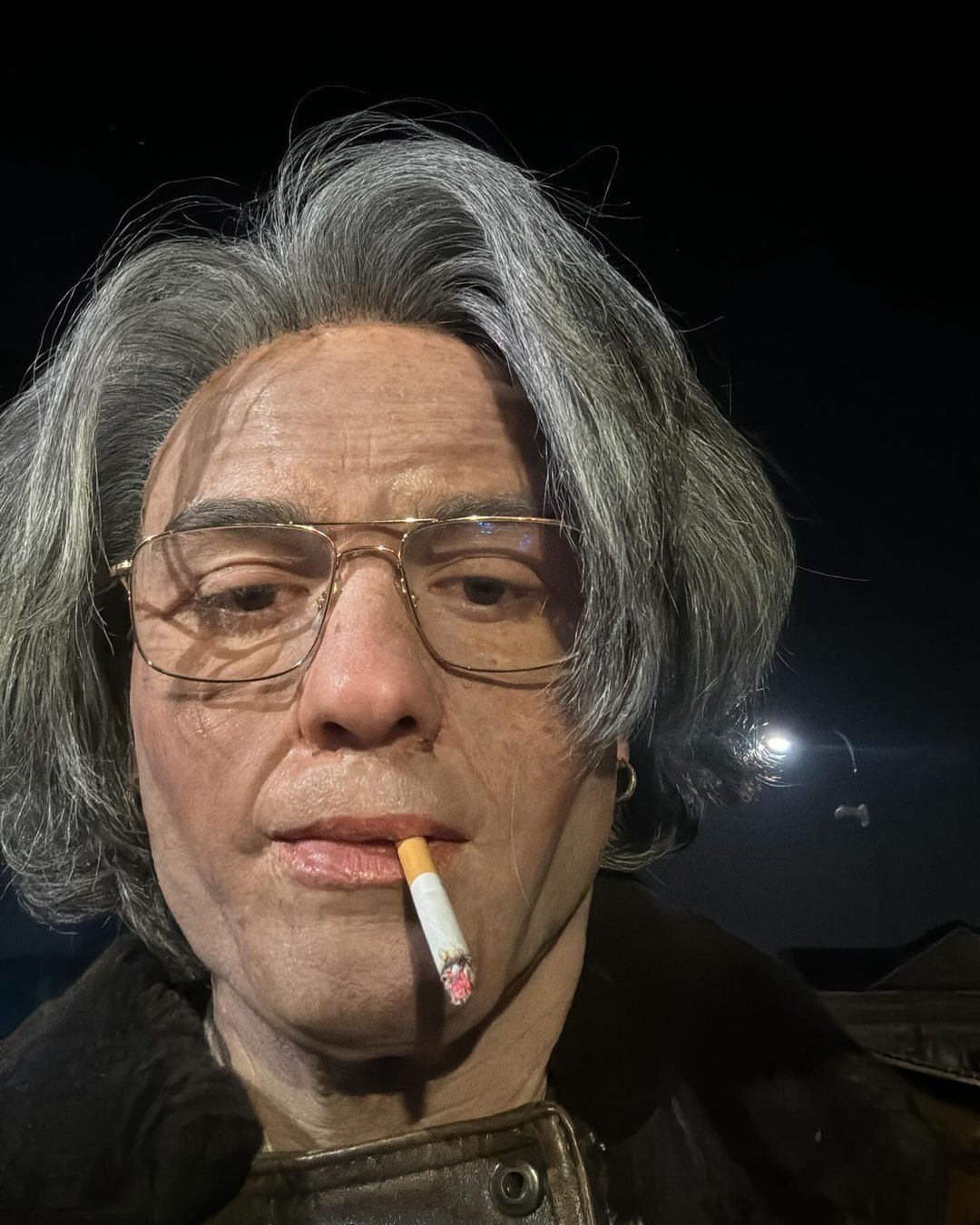
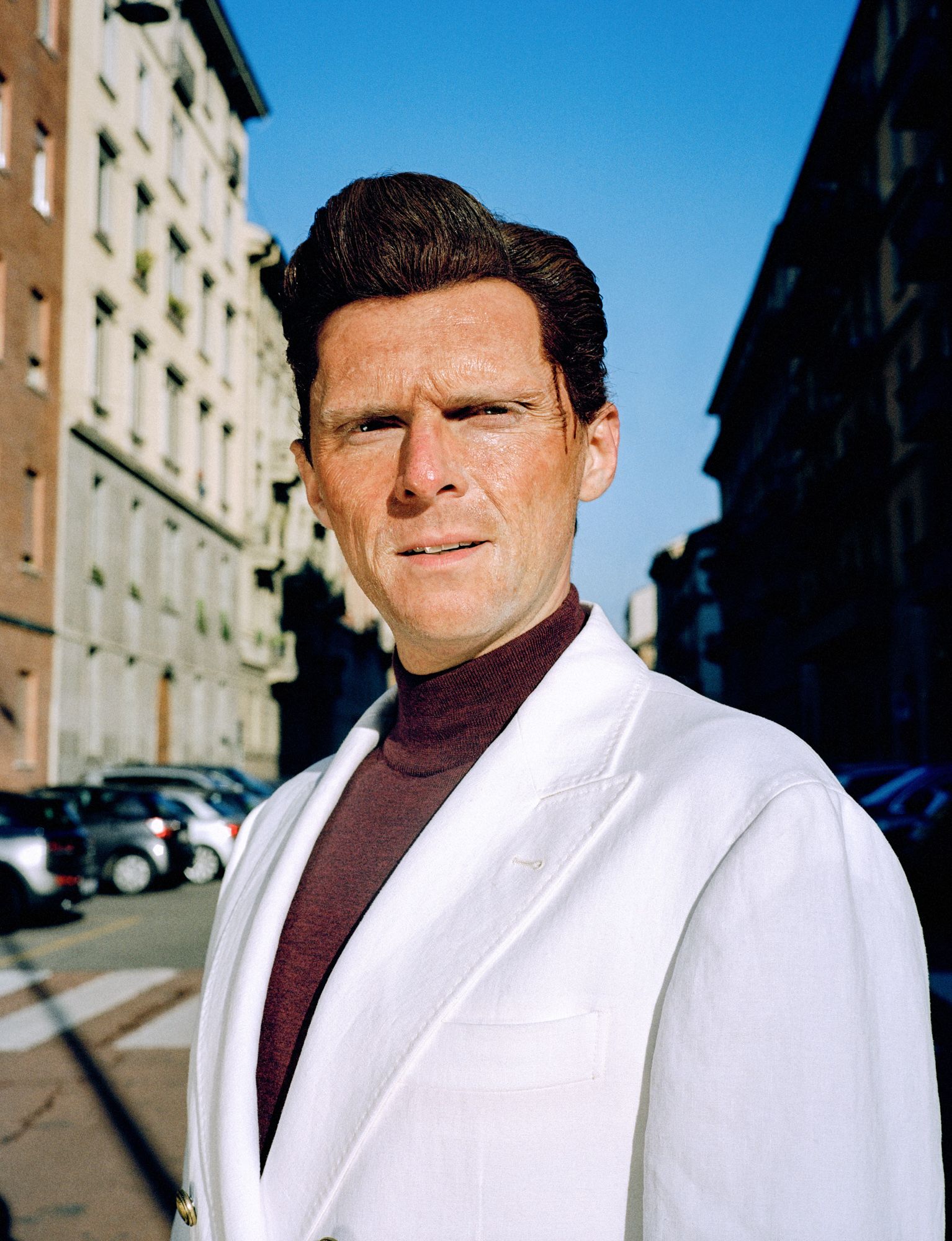
Describe your artistic style in three words
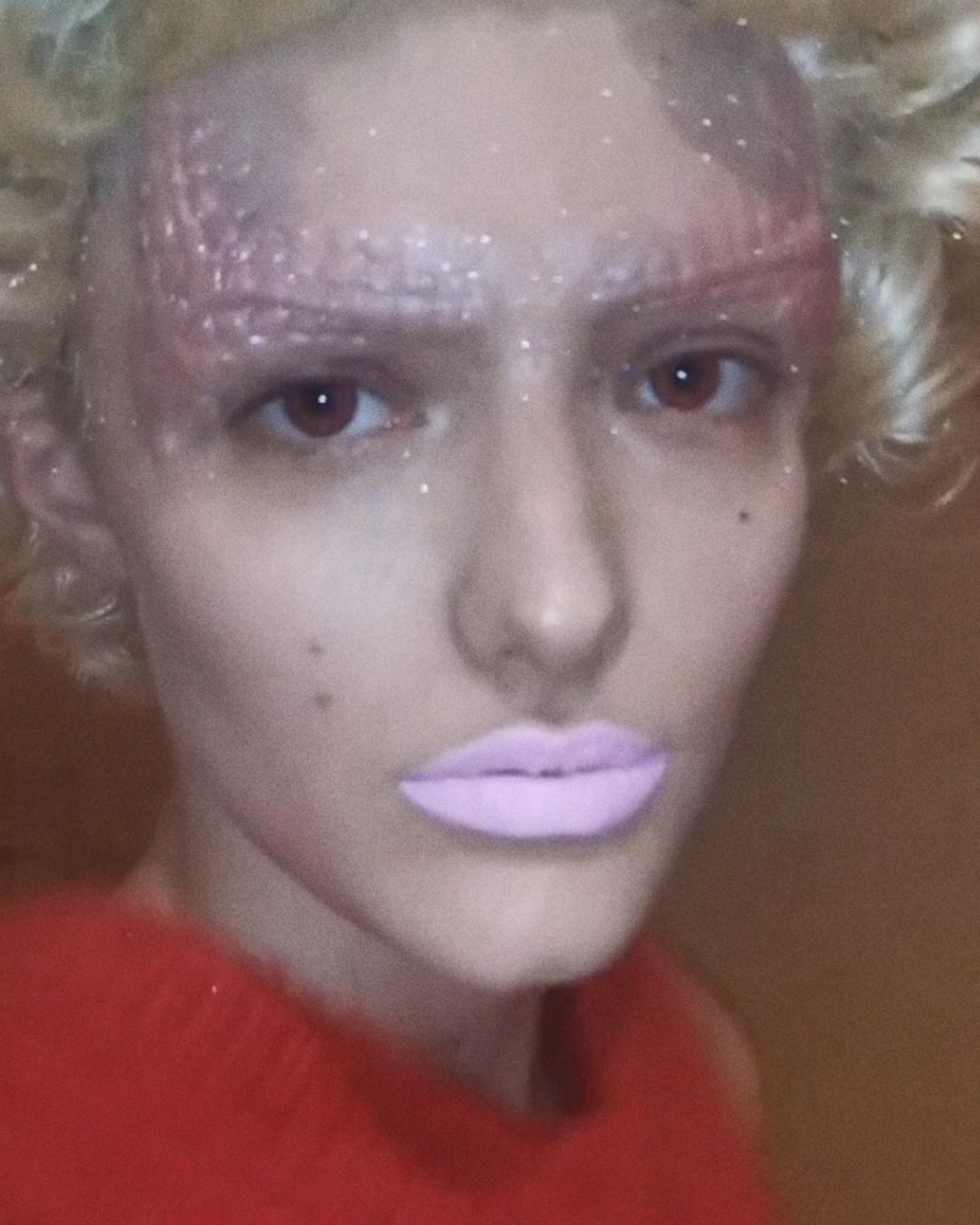
Mutant, sexy, gore.
You are a make-up artist, you work with stars and singers but also with prosthetics and SFX make-up. Which one feels more natural to you?
I feel like both, and I don’t fully identify with just one direction. If I think about what feels most natural to me, I would say it is precisely the dialogue between the two worlds. I relate to both because, at their core, they respond to two different but complementary needs in the way I create, or even just perceive things. Make-up can be an act of listening, while SFX make-up is a possibility, it is hyper-realistic surrealism. I believe this duality is not a contradiction. Make-up always lives on these two poles: on one hand it reveals, on the other it alters. It is a language that defines and rewrites. In this sense, I recognize myself in this oscillation: between respecting what is and imagining what could be. It is a continuous tension, and that keeps my work alive. My approach changes very clearly, even though the root remains the same. Make-up is the quietest part of my work: it is enhancement, observation, the ability to connect with a face. It is a delicate, almost intimate gesture. I find that delicacy rewarding. I look for a balance that feels believable, without disrupting the identity of the person in front of me, especially when working with artists or celebrities. There is a very relational, almost empathetic component. Special effects activate a more instinctive side and require me to enter a completely different logic. It is a more transformative approach, developed through very technical phases, design dimensions, sculptures, molds, knowledge of materials, chemical processes, all steps that require control. It is almost “mechanical” precision but also more free; it is a more altered narrative surface, I work through illusions that can feel credible even when they go far. In both cases, make-up and prosthetics, the dynamic of truth remains central.
Can you tell us about your professional path?
I started around 2019, after graduating and while attending make-up school. I was shooting with photographer friends and junior stylists, we needed material and we needed to put ourselves out there, make ourselves known. It required a lot of perseverance and trust in what I was doing; my family was fundamental in this, because they kept telling me “you know what you’re doing,” while in reality I was just believing in it. The results eventually came: music videos, magazines, and so on. Over the years my work evolved, and today I am part of teams of artists I love, also as people. Between 2024 and 2025 I worked on my first film as head of the prosthetics department, Orfeo by Virgilio Villoresi, presented at the 82nd Venice International Film Festival. It is a project I deeply cherish because it feels like a small miracle. There is still so much to do!
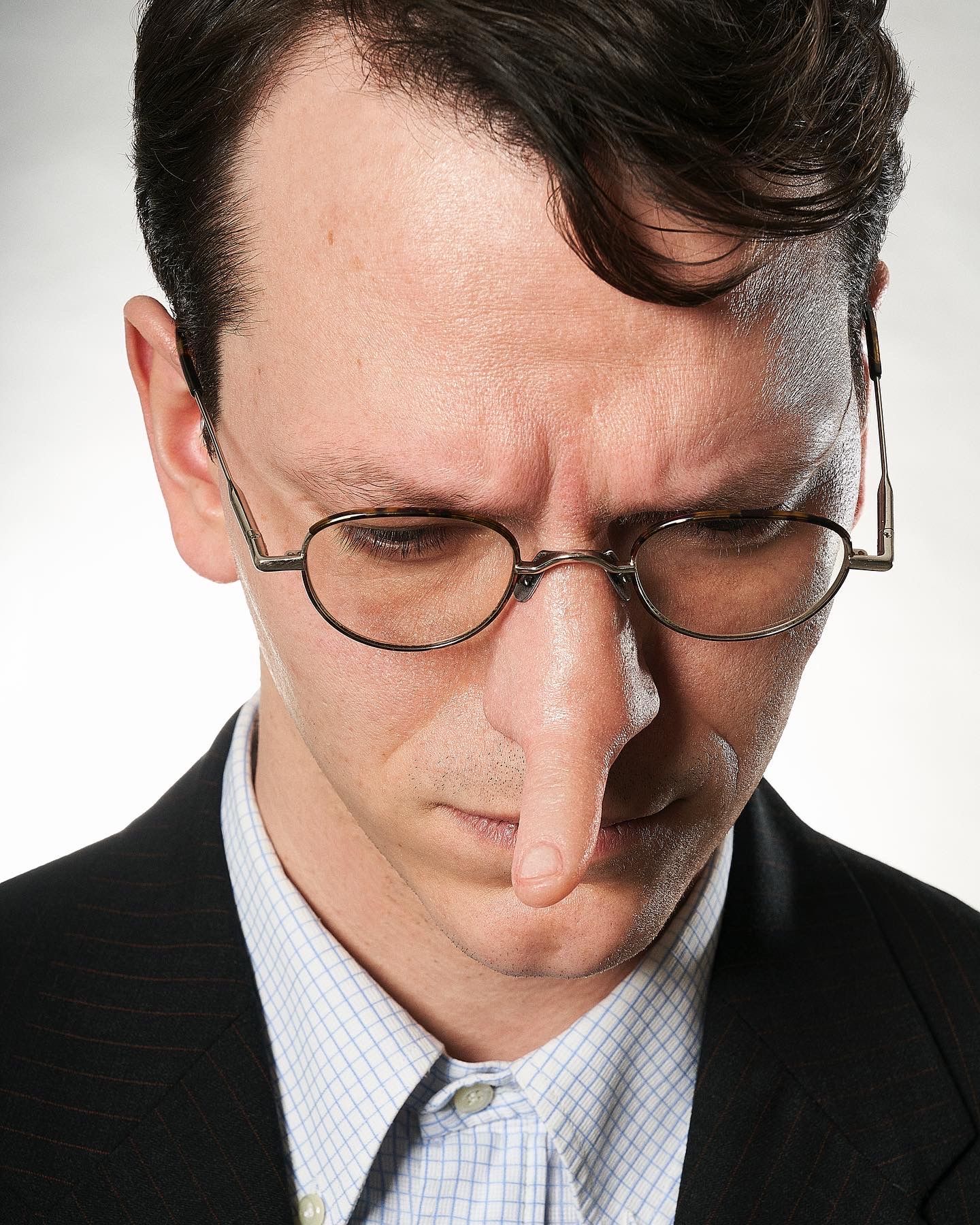
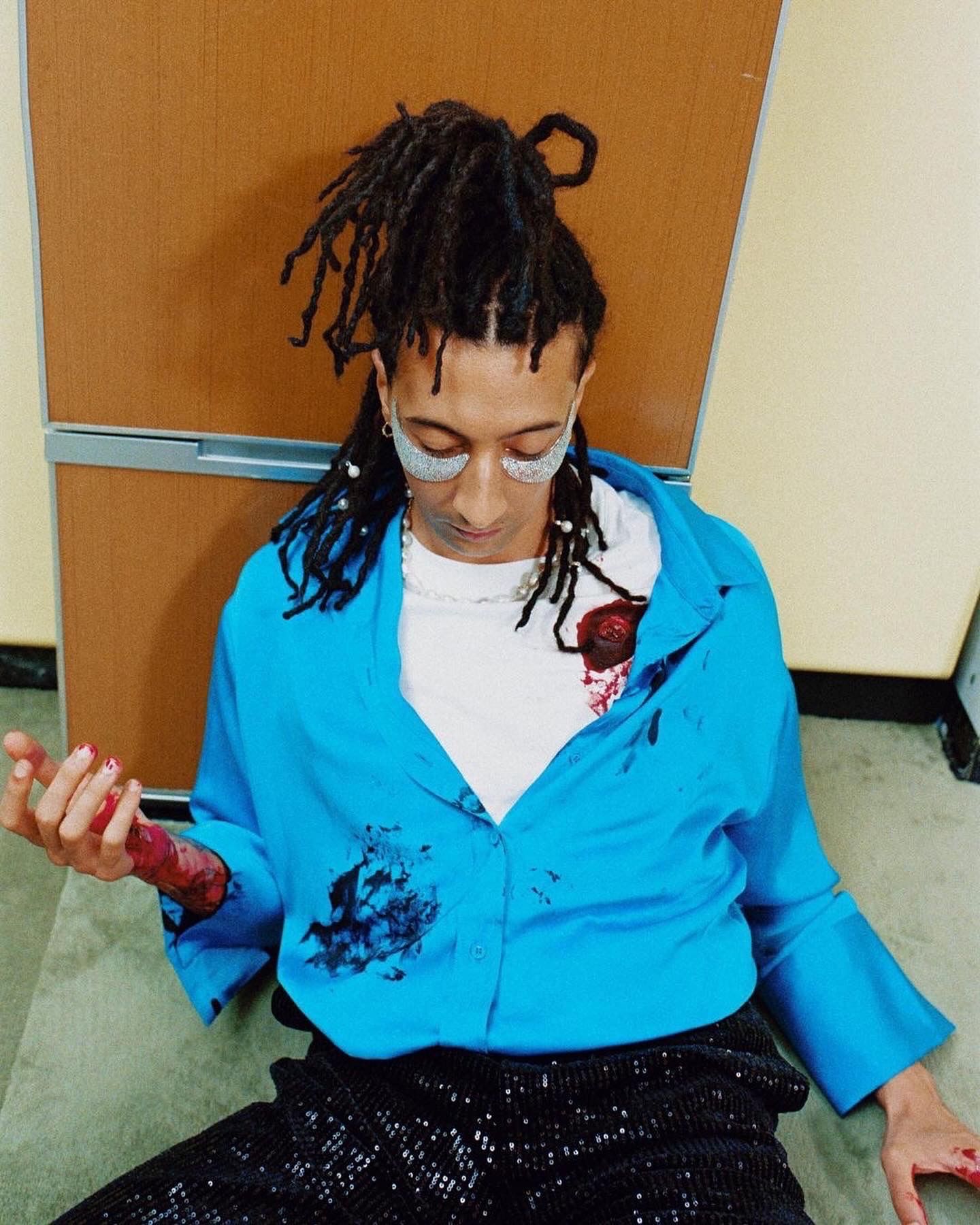
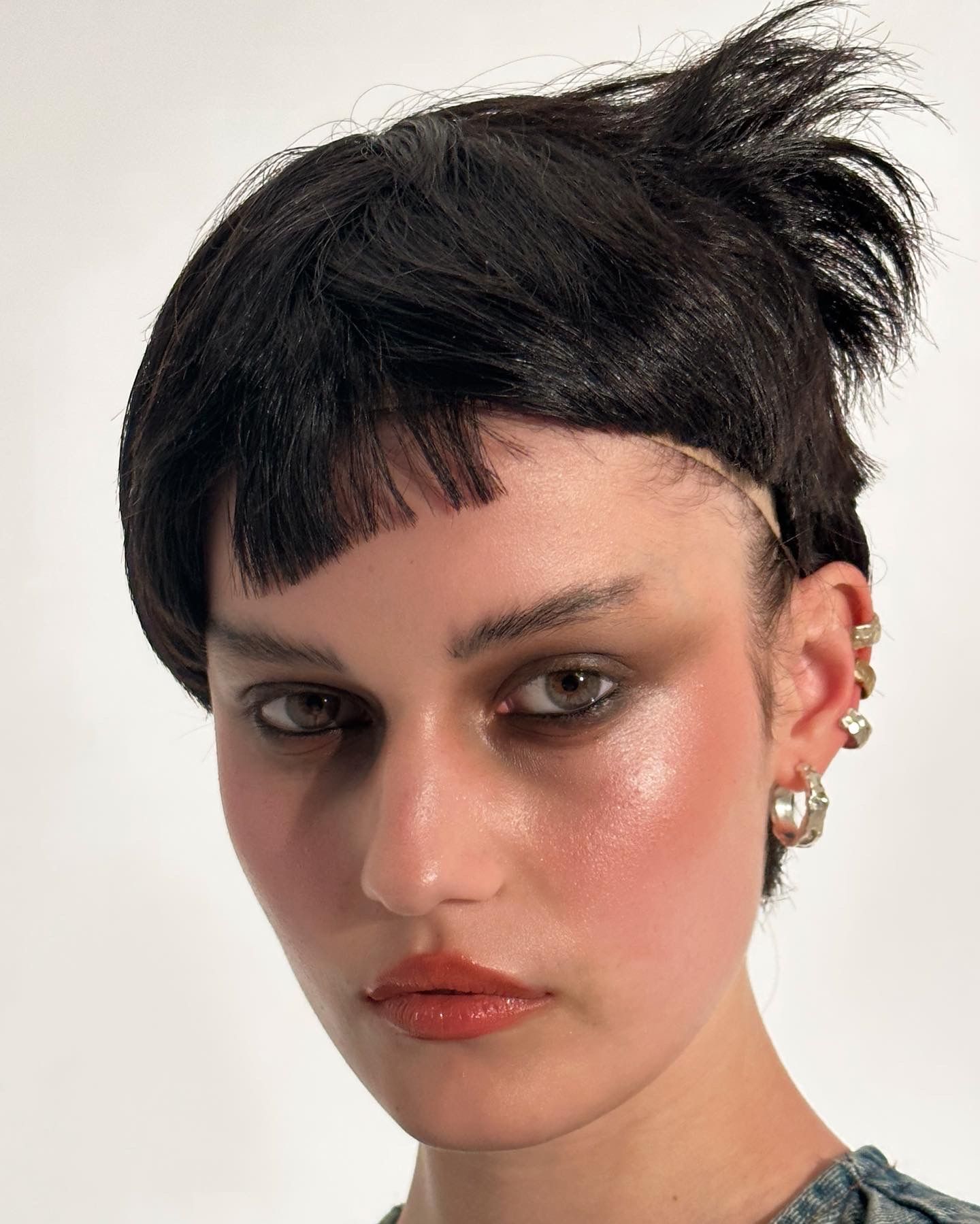
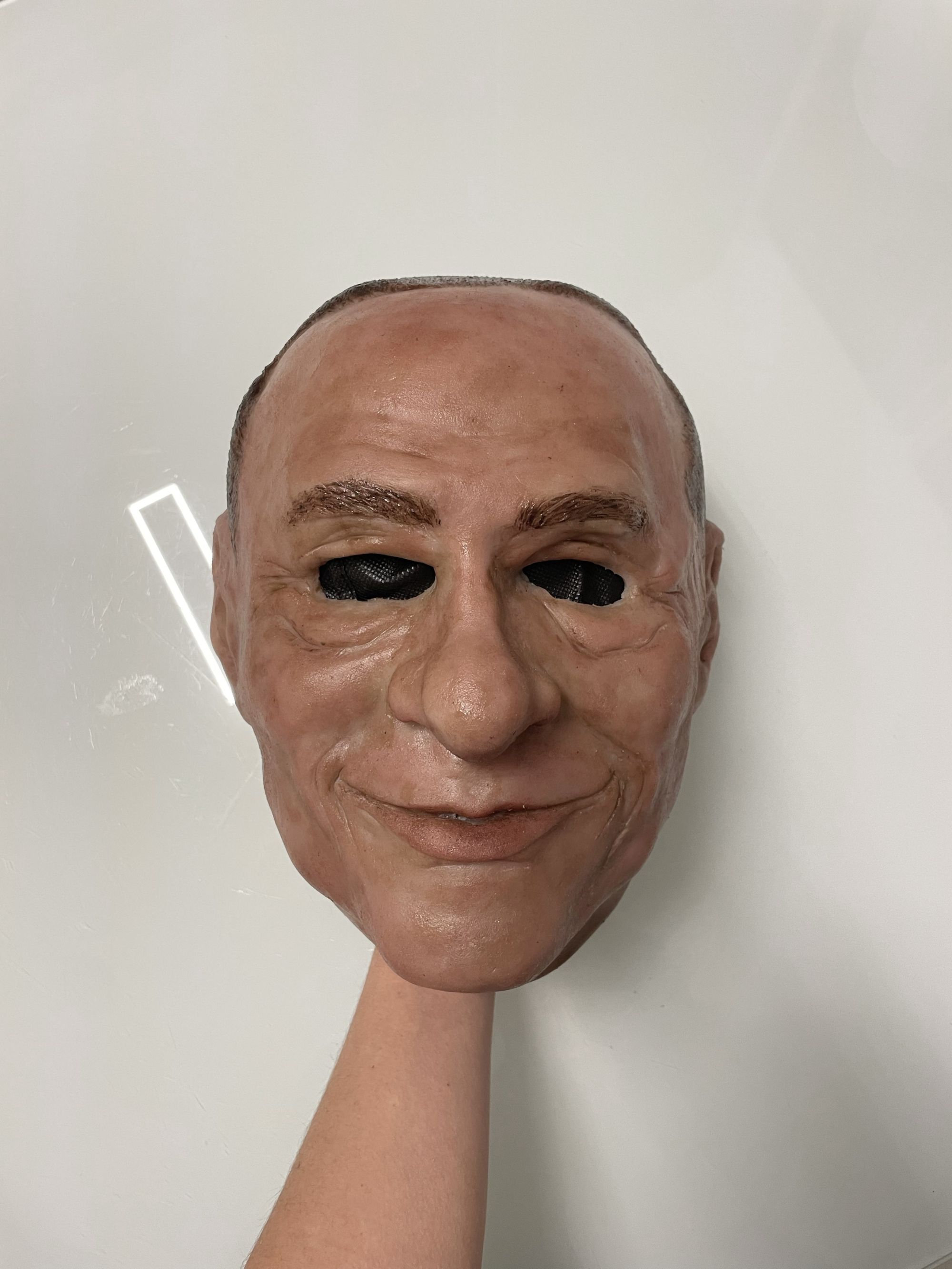
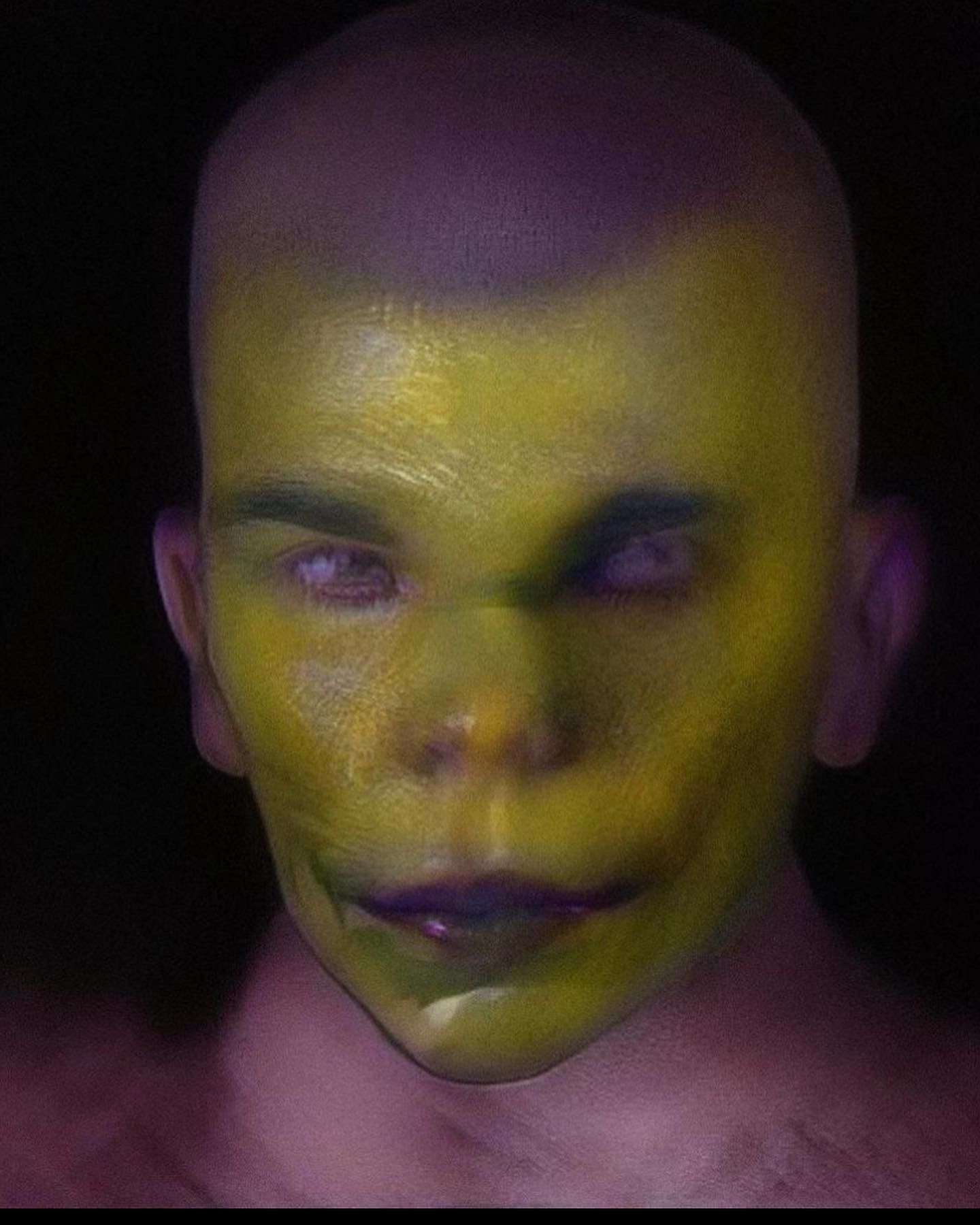
How does a cover look come to life? Tell us about your creative process
A cover look is born from the interaction between different departments, translating and bringing the idea onto a more concrete, operational level. My creative process starts undeniably from the search for meaning, which I consider essential. Often, in project moodboards, I find many references (also linked to the prosthetics world) included just for impact, completely unjustified, without any real narrative motivation. I ask myself: why?! What is this supporting? I believe a creative process, to truly work, needs intention. I need to enter the narrative frame, or at least for one to exist. Trust me, often there isn’t one. I still feed myself creatively by constantly watching a lot of cinema; I believe that knowledge is a great way of learning how to see.
In the field of SFX make-up, in Italy, it doesn’t get much visibility. The general public doesn’t really know the artists. Why do you think that is?
On one hand, there is definitely a cultural issue. SFX is often associated with genre cinema or very specific productions, and it remains far from the more immediate language of fashion or the beauty industry, even though in recent years there have been interesting intersections between SFX and fashion. There is not full awareness of these figures or this field; it remains a poorly told territory, and that’s fine. Personally, I see it as a way of protecting it from overexposure. That said, I hope the conditions of Italian cinema will evolve and encourage the use of prosthetics to tell different stories from the ones we are used to.
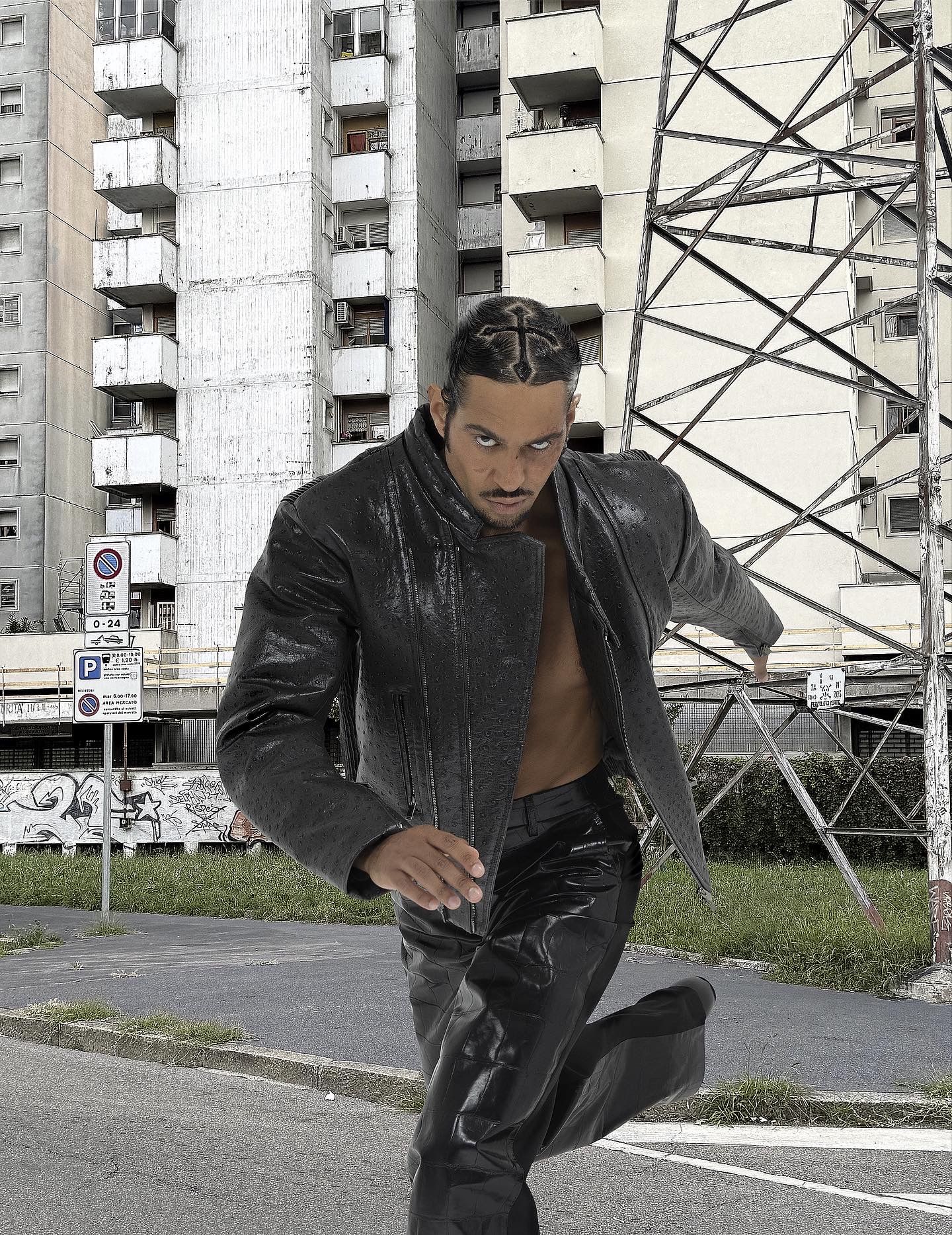
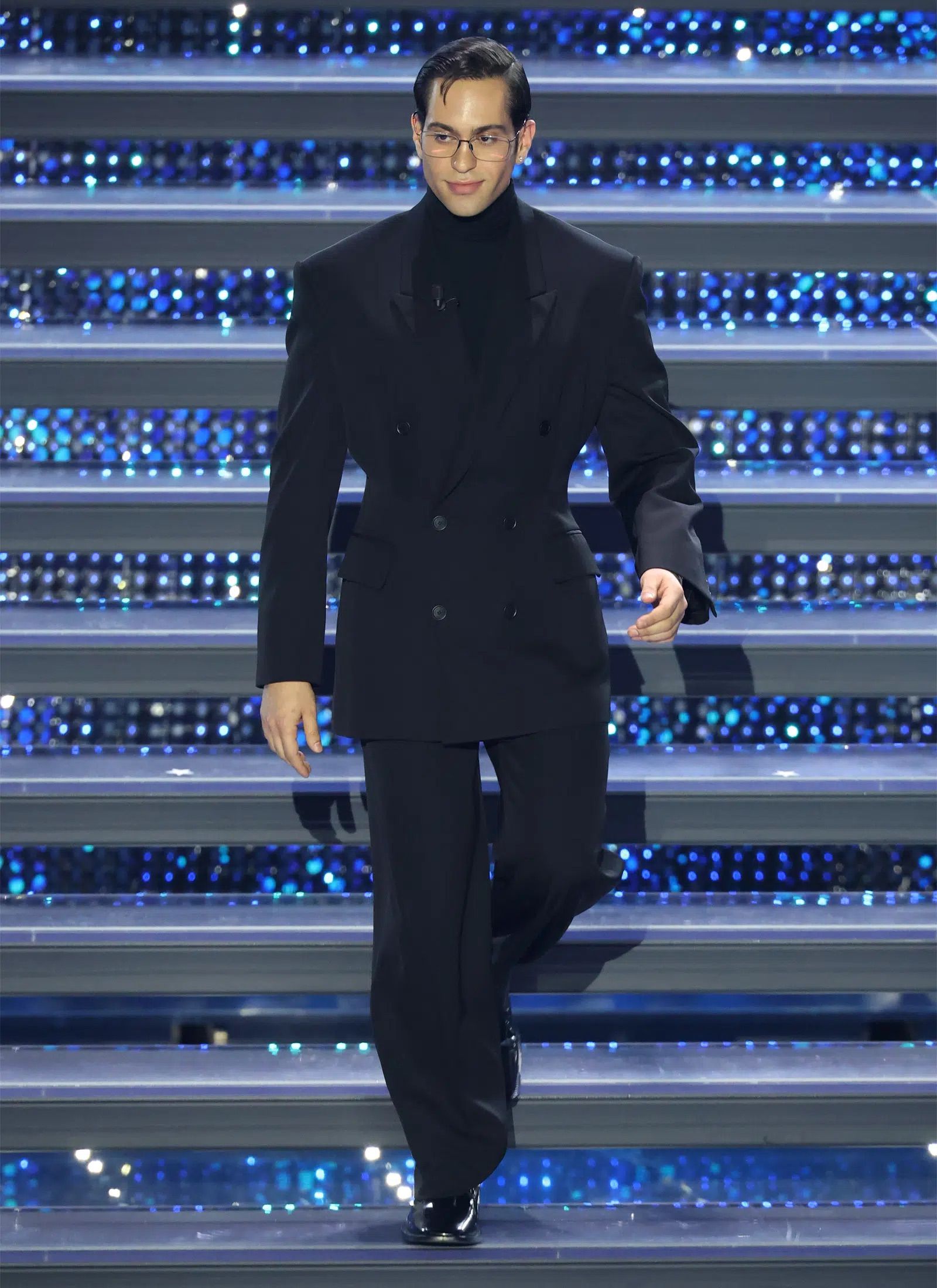
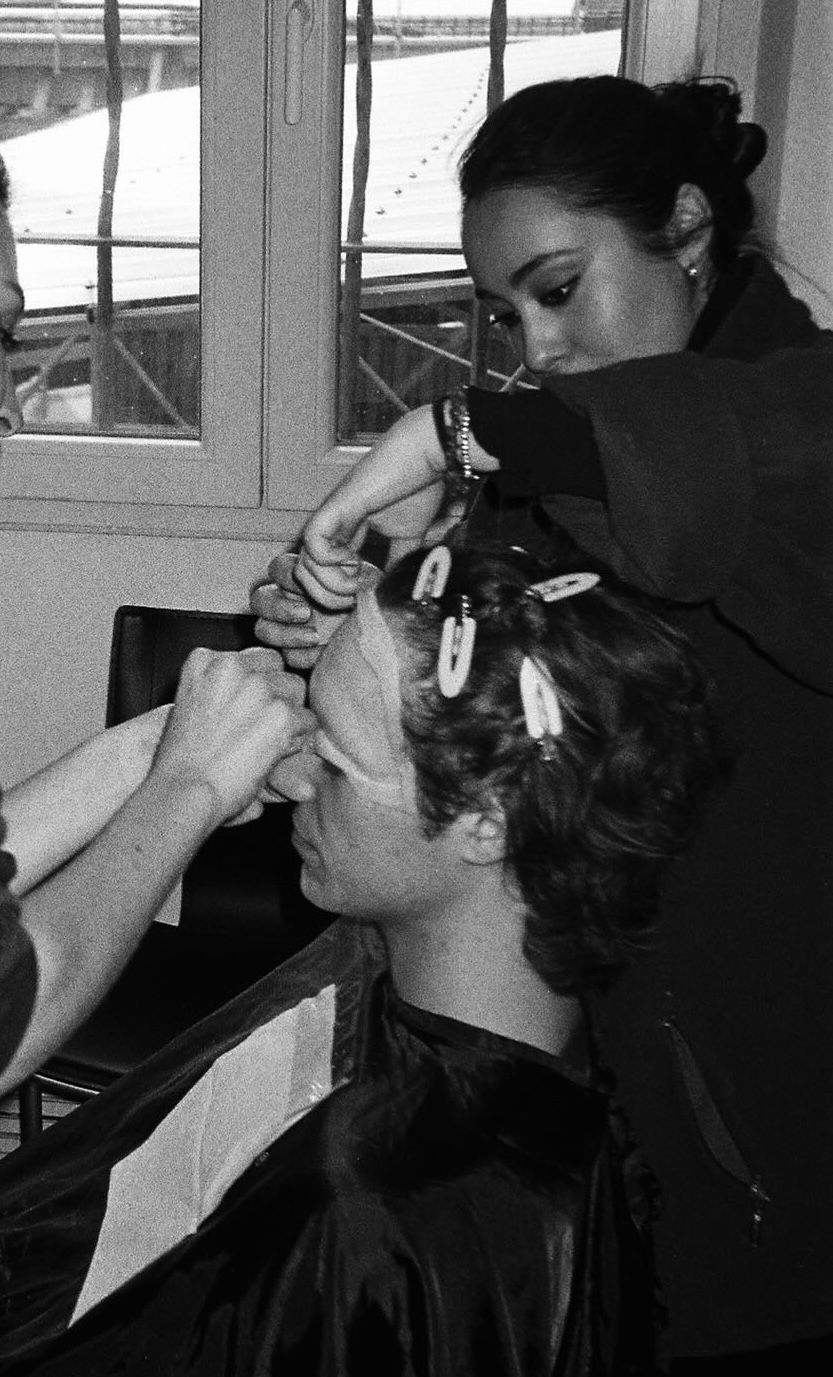
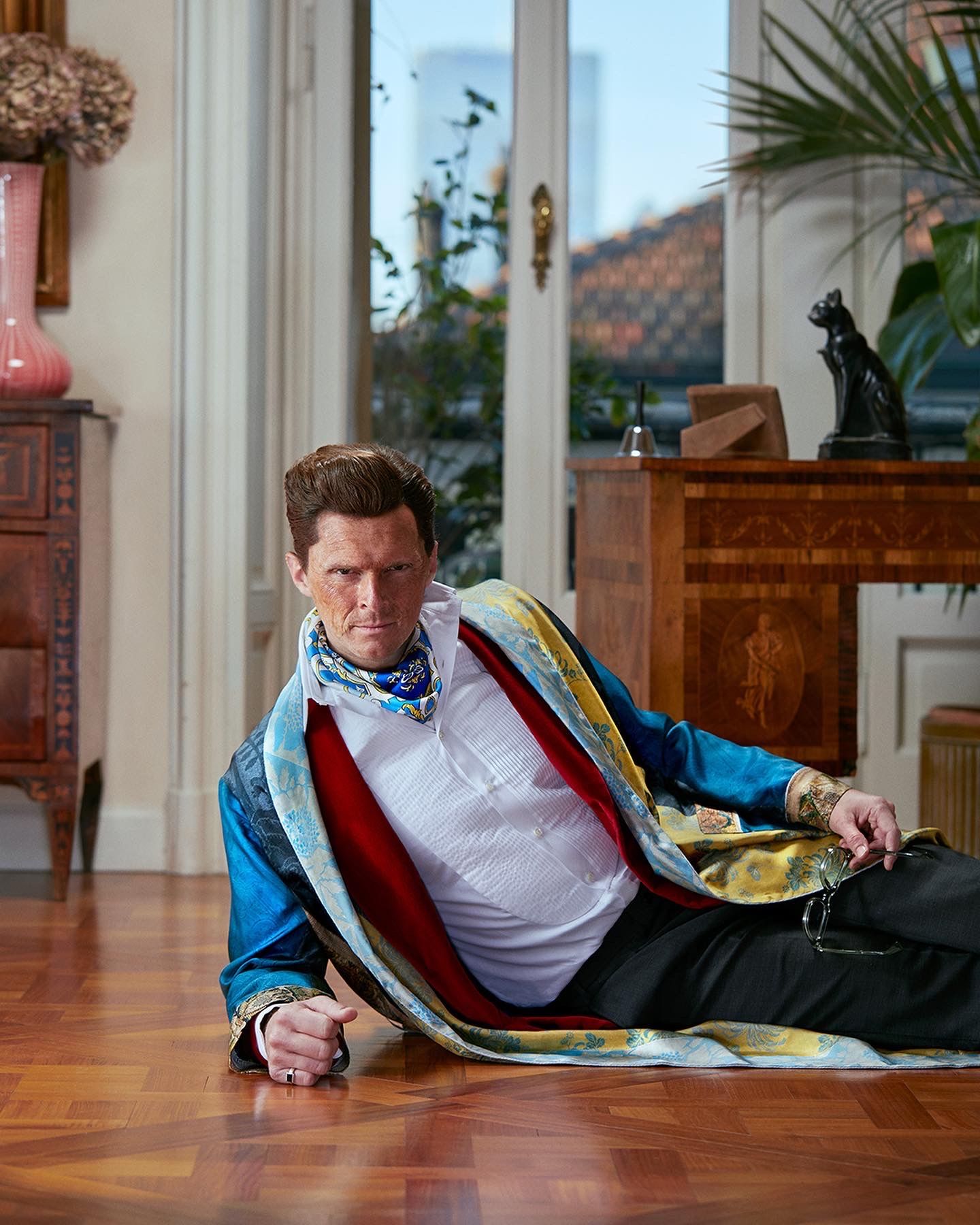
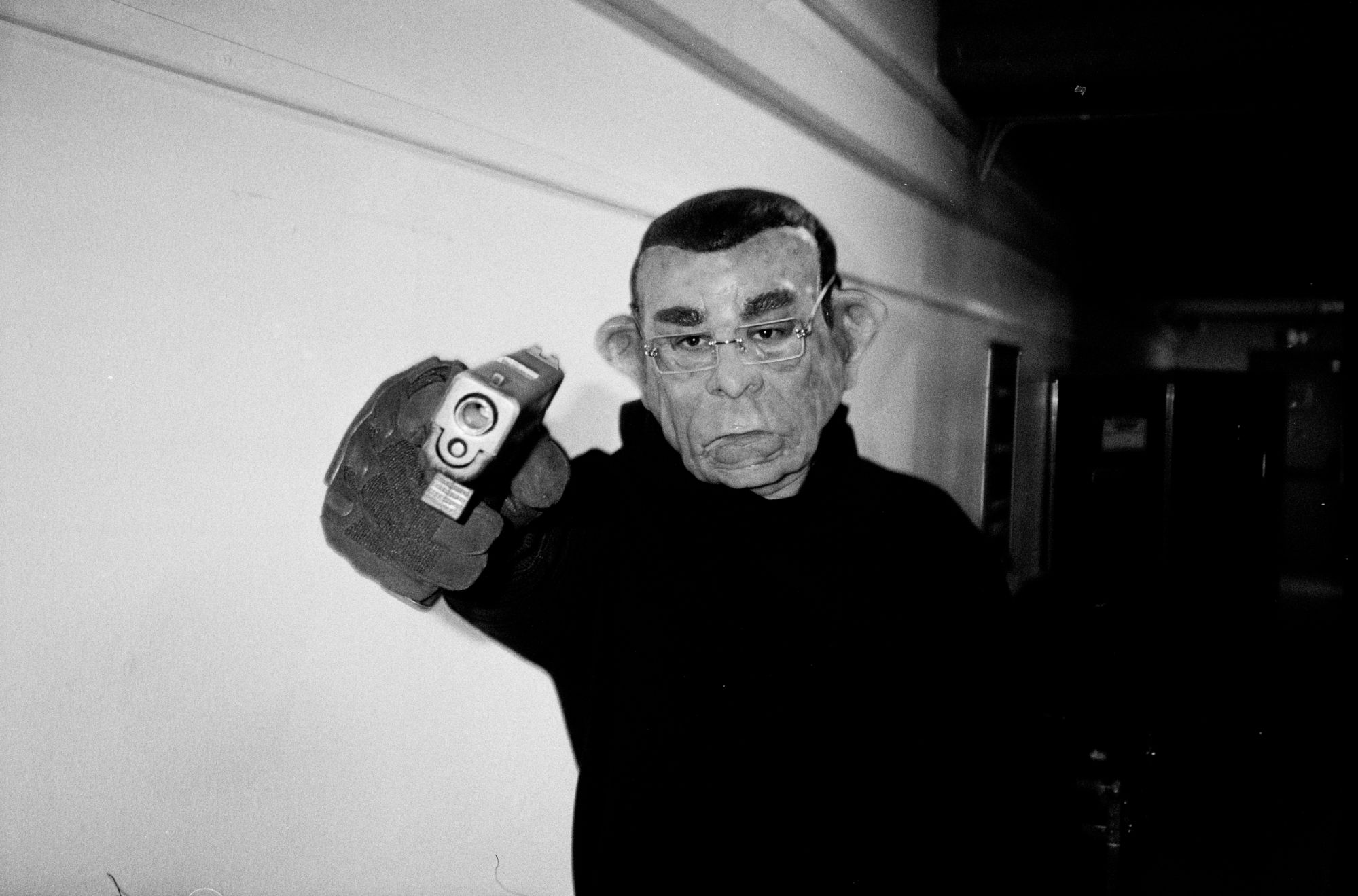
SFX make-up doesn’t aim for beauty but for effect. What changes? Do you think there is something revolutionary in that?
Everything changes. It has a different goal: above all, to be believable. I would define it as unsettling, linked to Freud’s concept of “Das Unheimliche,” which refers to the “familiar made strange.” It disrupts our usual perception of reality, creating a mental friction, even if only for a moment. We could say there is something revolutionary, not in the pursuit of non-beauty, but in the fact that it completely breaks away from this parameter. It is a language that does not aim or pretend to please; sometimes it is simply necessary, and that in itself is revolutionary. “Transformation happens because it cannot not happen.”
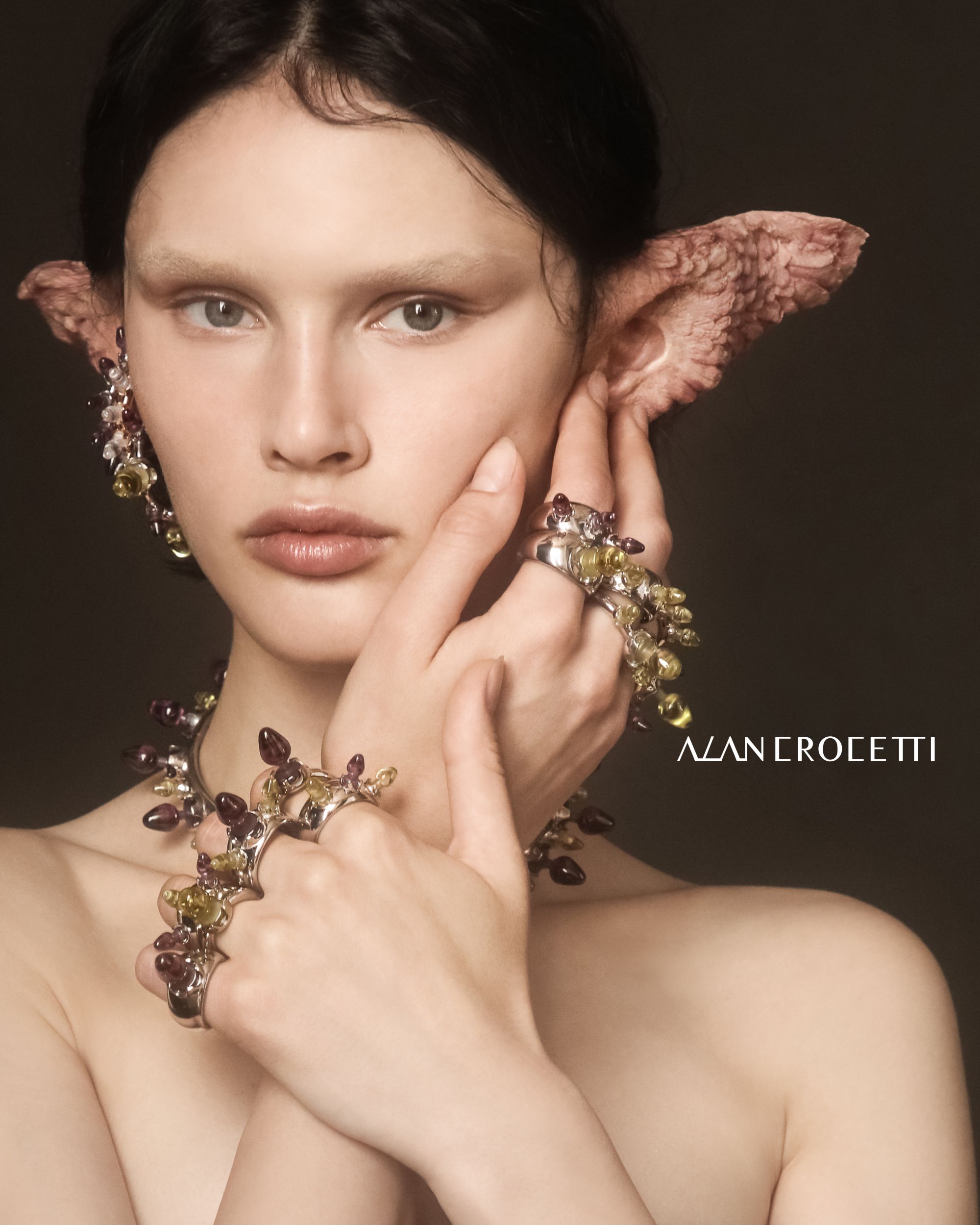
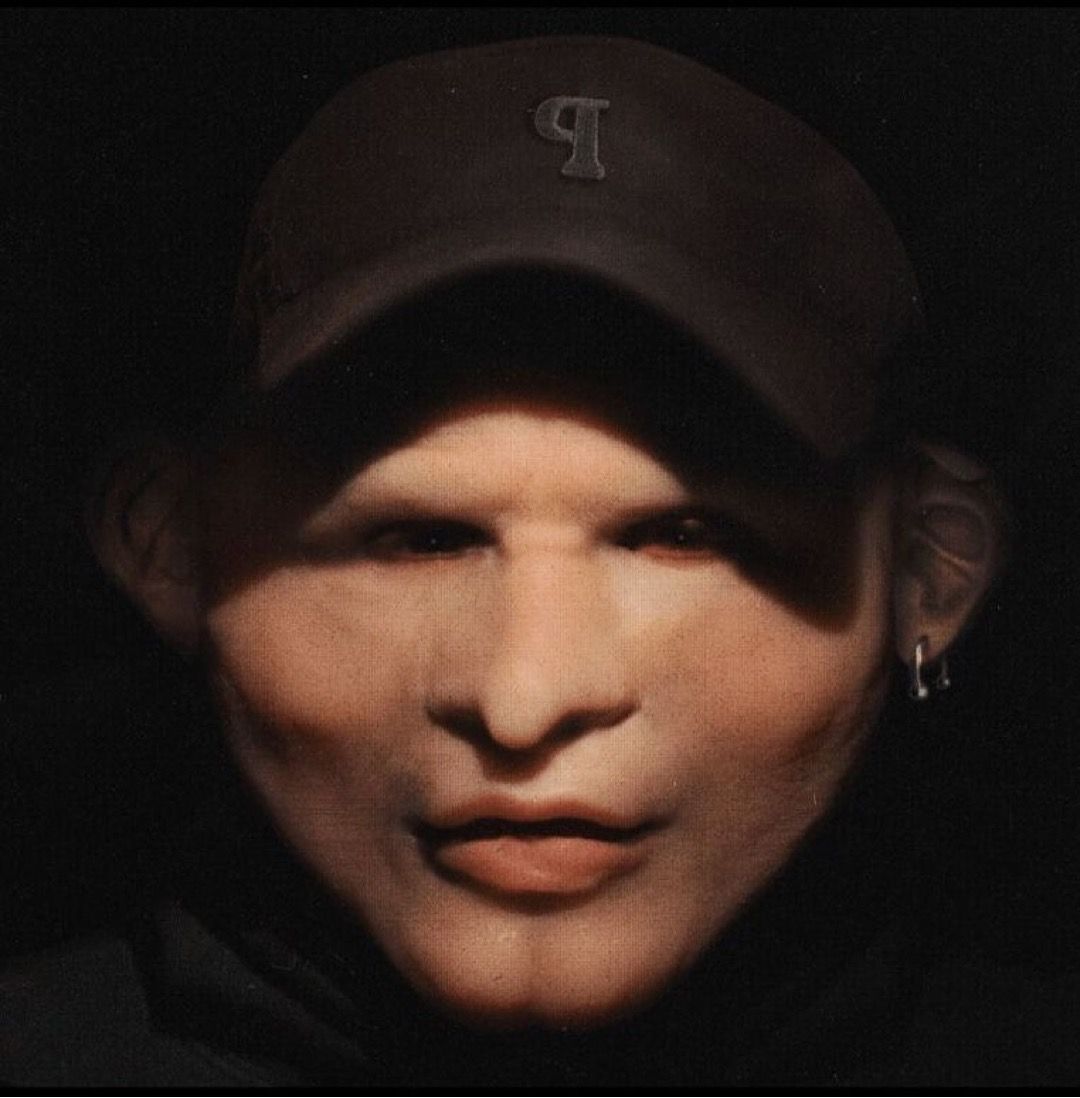
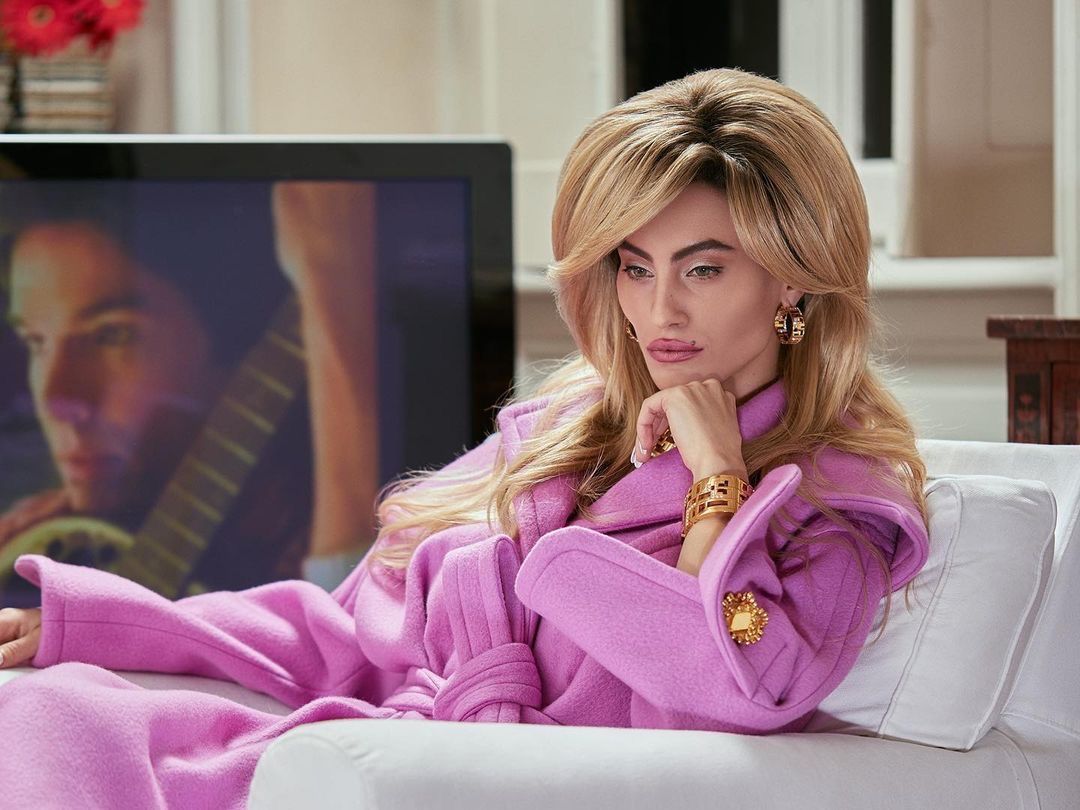
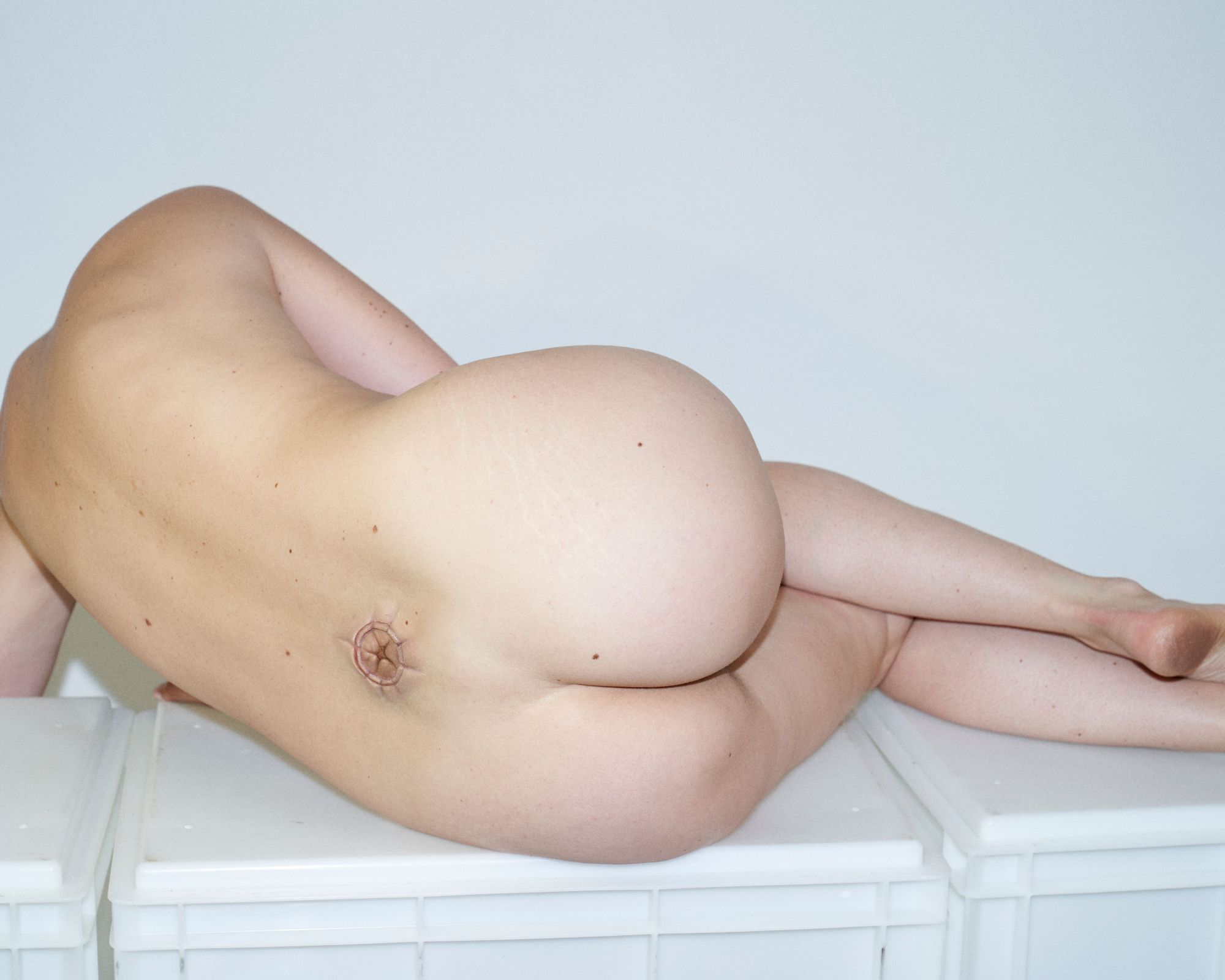
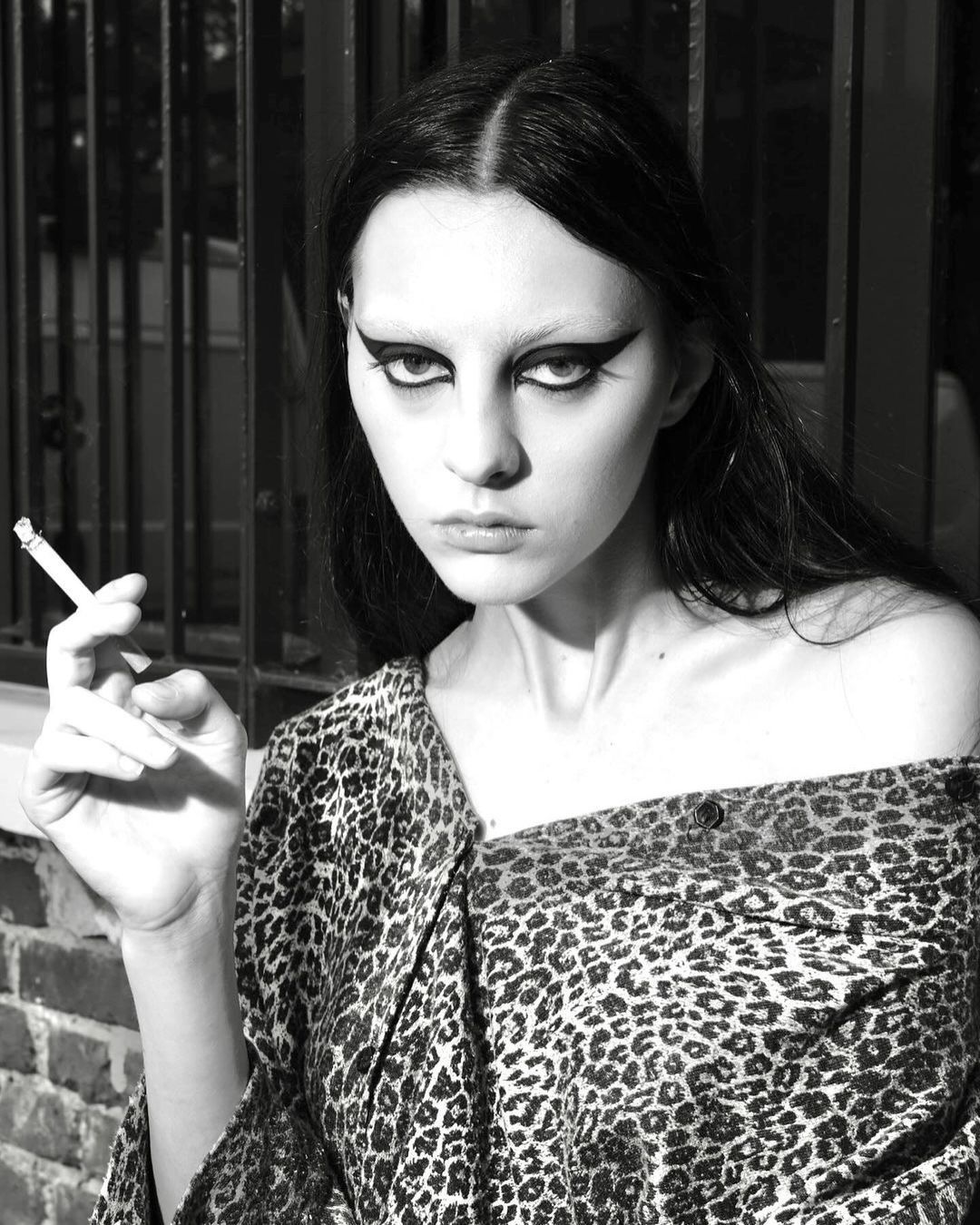
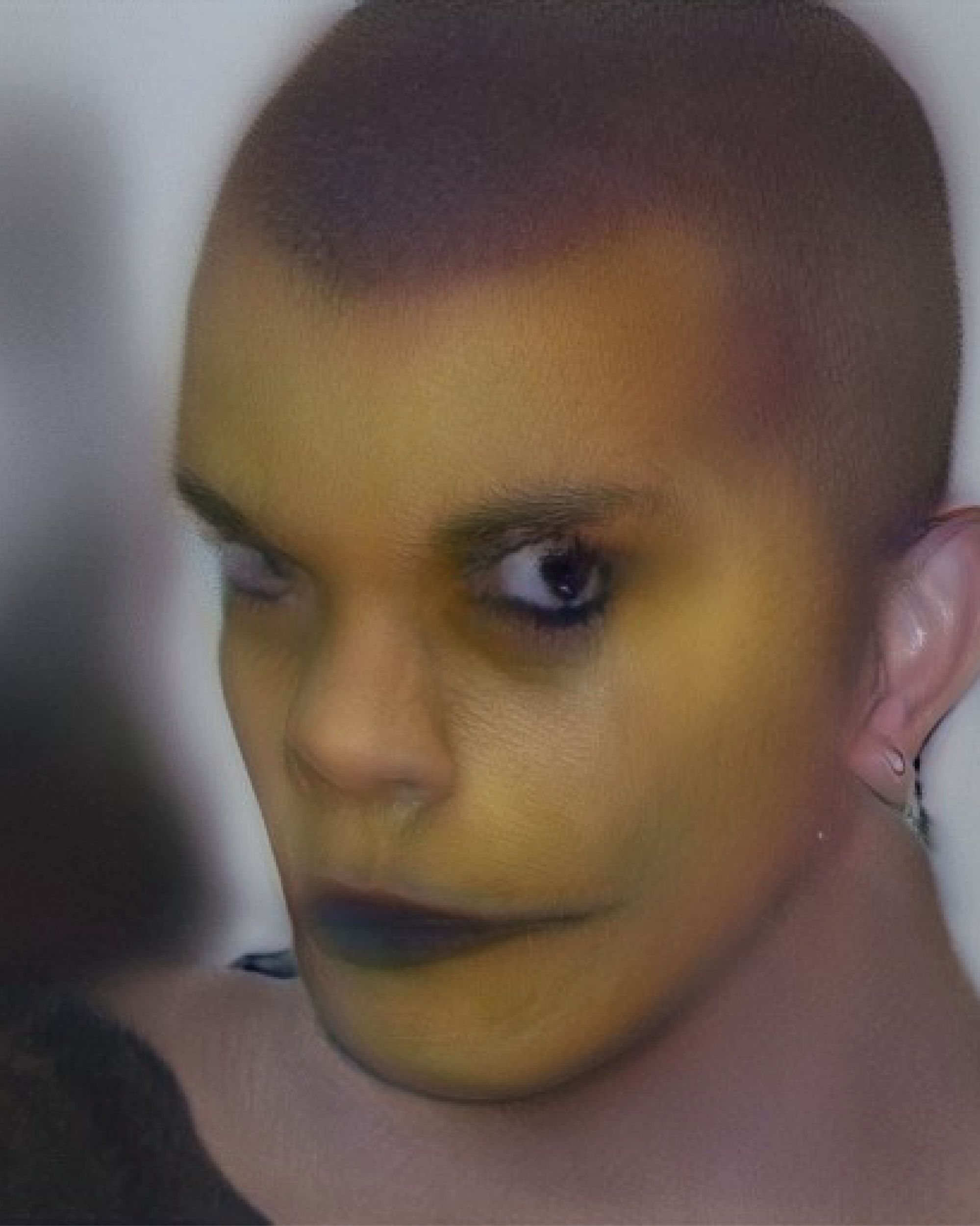
Which make-up trends do you love and which ones do you absolutely dislike? Do you follow trends in general?
A trend I love is the glitter lip combo, one I hate is blush make-up, but only because it doesn’t mean anything. I don’t really like the concept of trends itself, nor how they are generated and consumed. The social media world is hungry for content: everything is immediate and transient, with very few real novelties. It’s hard for a professional not to see trends as repetitive in their visual grammar.
Are there make-up artists you follow and would recommend?
Sadhbhnicuidhir, yurybelyavskiy, izzigalindofx. For me, they are disturbing, fascinating, and fun.
