





















Why an all-femal jury at the 2026 Venice Biennale is important Narratives, representation, and power
At the 2026 Venice Biennale, something happens that is immediately highlighted: the international jury is composed entirely of women. Five of them, all with exceptionally strong profiles, all with careers spanning different institutions and languages. And yet, the detail that stands out, the one that makes the headline at first glance, is gender, not quality.
An all-female jury: between progress and media narrative
This situation is obviously problematic, albeit within a positive framework. The fact that a jury has never been entirely composed of women is something that finally marks a change of direction. But the very need to point it out can sometimes make it feel like a concession. Perhaps the real victory will come when we no longer feel the need to specify gender at all. In any case, the 61st International Art Exhibition, titled In Minor Keys and curated by Koyo Kouoh, already fits into a theoretical and curatorial context attentive to marginal narratives, less dominant voices, and the “minor” registers of history and artistic production.
The international jury of the 2026 Venice Biennale
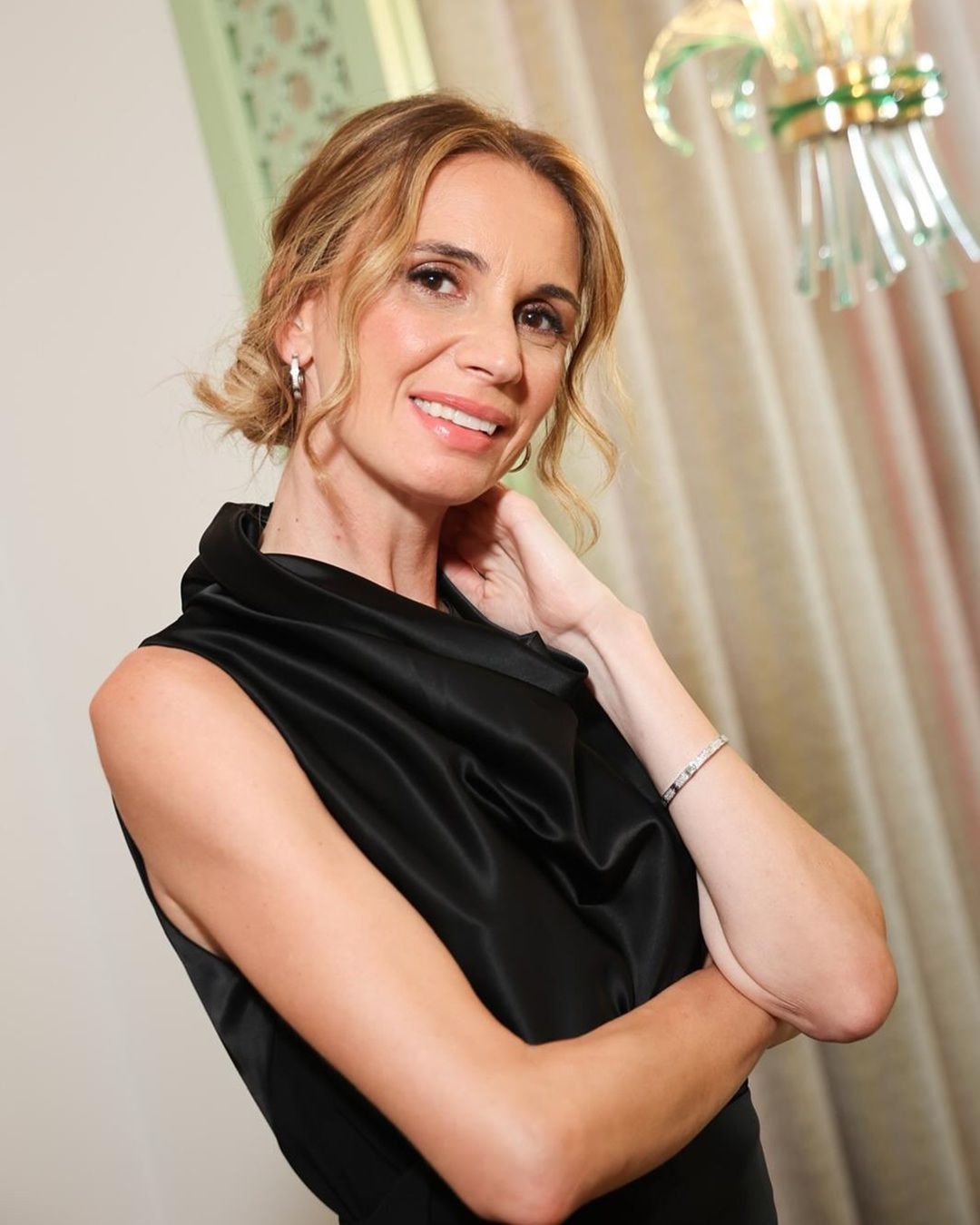
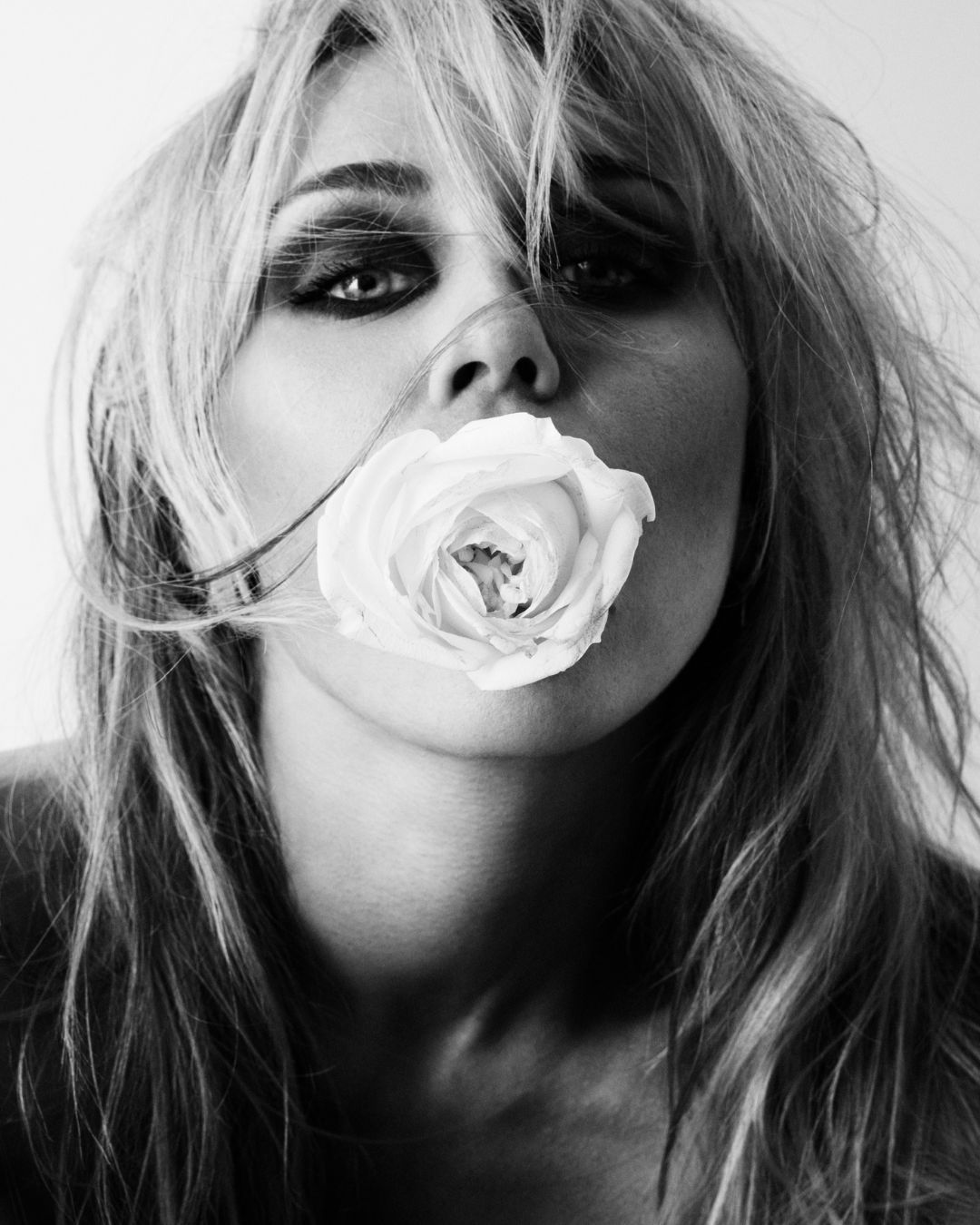
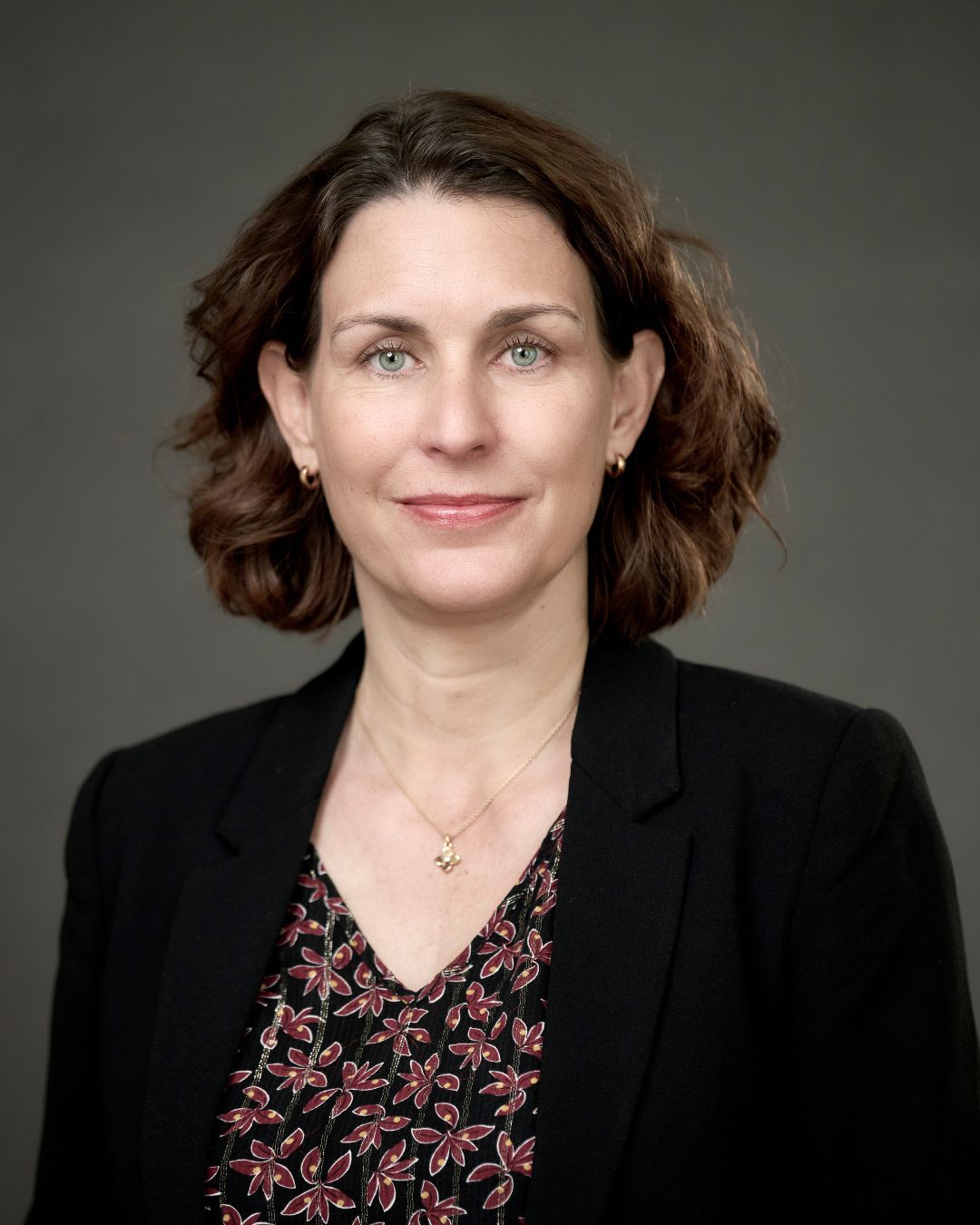
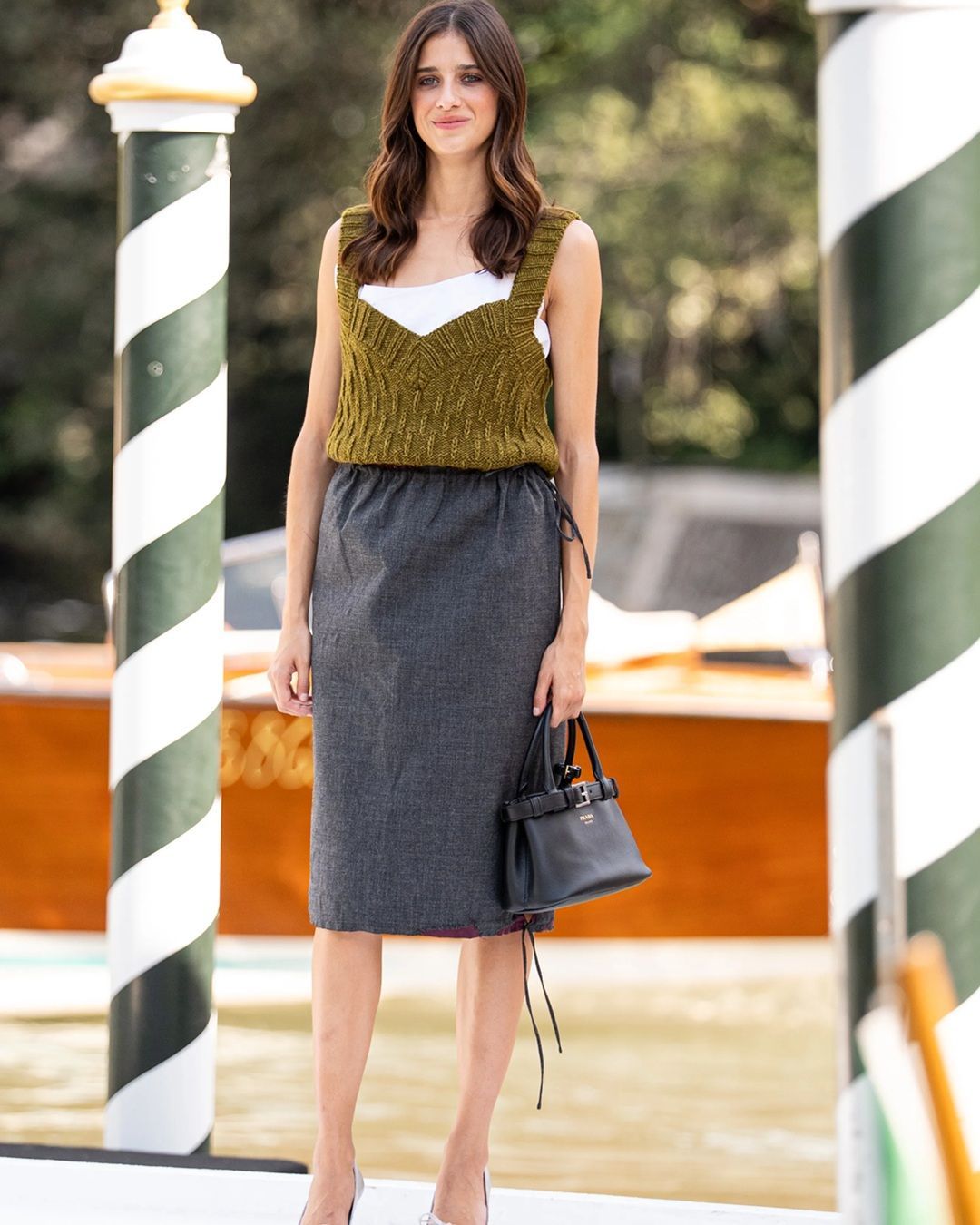
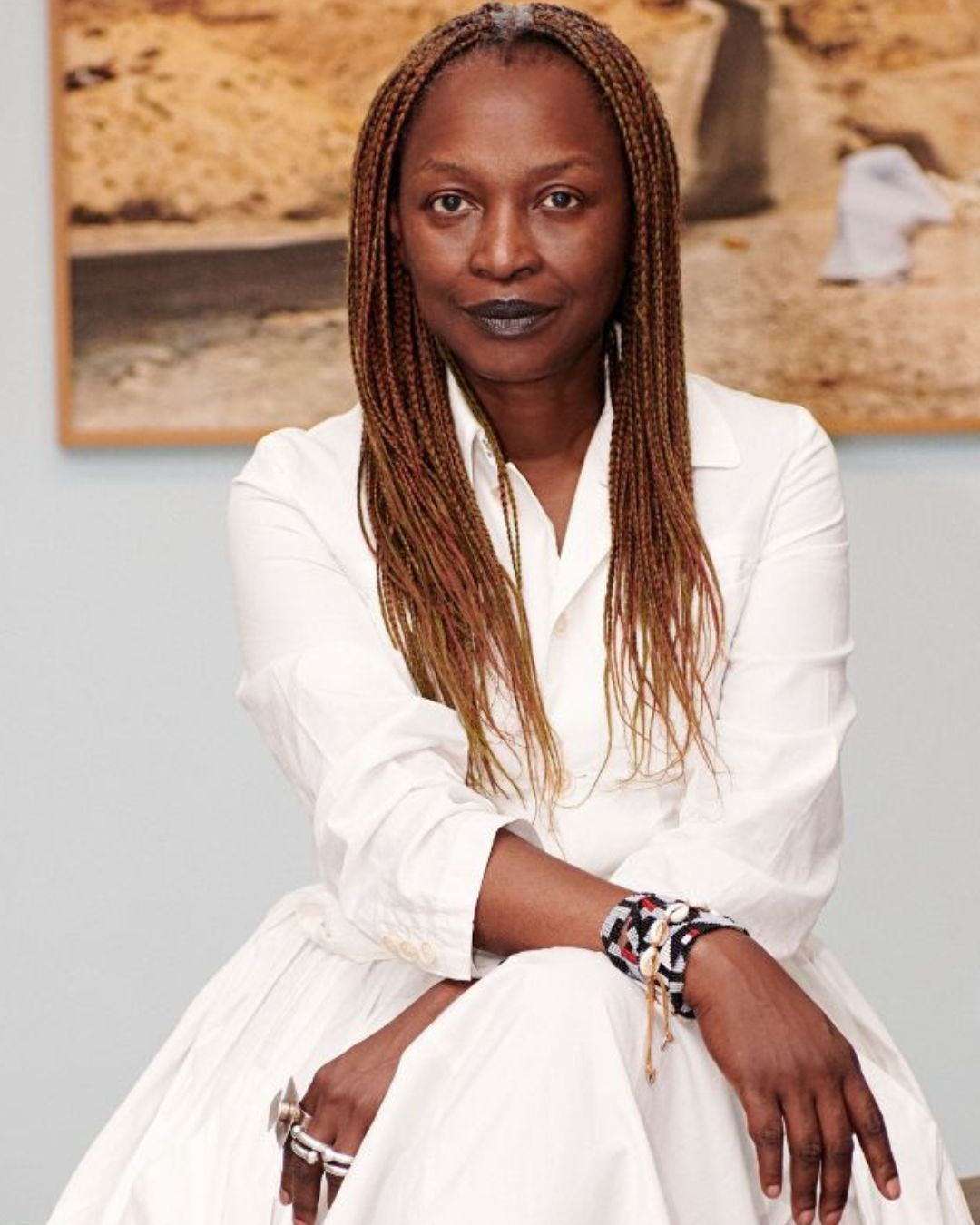
Presiding over the jury is Solange Oliveira Farkas, a figure who has spent over forty years building bridges between artistic scenes often excluded from dominant circuits. As the founder of Videobrasil, she has developed a platform that connects artists from Africa, Latin America, the Middle East, and Asia, insisting on a perspective that moves beyond traditional centers of contemporary art. Her work on video languages and non-Western narratives is deeply political. Alongside her is Zoe Butt, who has built her practice by working closely with artistic communities in Southeast Asia. Her approach is not that of a top-down institution, but rather one that develops cultural infrastructures from the ground up. Through the “in-tangible institute” and the deCentral project, Butt advocates for collaborative models and a form of curating that is also education and activism. Elvira Dyangani Ose brings a trajectory that spans some of the most influential institutions in the global art system, from Tate Modern to MACBA in Barcelona, to the Public Art Abu Dhabi Biennial. Her work focuses on critically re-reading history and constructing alternative collective narratives, with a strong emphasis on public space as a site of conflict and representation. Then there is Marta Kuzma, who embodies another form of authority. At the Yale School of Art, she held a key role, becoming the first woman to lead the institution in over a century and a half of its history. Her path weaves together curating, research, and reflection on the political contexts of artistic production, with experiences ranging from Documenta to Manifesta and more recent projects related to the war in Ukraine. Her work questions the conditions under which art is produced. Finally, Giovanna Zapperi, one of the most relevant voices in the study of feminist practices in the visual arts. Her theoretical work has helped redefine how we read art history, bringing issues of gender, body, and representation back to the center. She is a figure who has made a concrete impact on contemporary debate, also through international exhibitions and projects.
Narratives, representation, and power at the 2026 Biennale
All of them challenge dominant narratives and work, in different ways, to expand the field by including what has historically been excluded or marginalized. We are still not used to seeing women fully occupy spaces of power, even symbolic ones, without perceiving it as something exceptional. For decades, juries, artistic directions, and boards have been largely composed of men without this ever becoming a headline. In my opinion, this does not take anything away from the value of this choice—quite the opposite. Hopefully, it is just one of many firsts.
