














































How to avoid makeup pilling Causes and solutions
There’s something really satisfying about starting the day with a perfect skincare routine: cleansing, toner, maybe even that milky one, serum, moisturizer, and of course sunscreen. Then primer, foundation, everything in order like a ritual, as if each step were essential to build a flawless base. And in theory, at that point, your skin should be ready for anything. And yet, the moment you start blending your base makeup, something happens: the foundation that was supposed to sit perfectly on your skin starts separating, balling up, and peeling in little bits. That’s makeup pilling, and today we’re here to understand how to avoid it.
How to avoid makeup pilling
Problem n.1: rushing
@isaxkristina the rage i feel when my makeup starts pilling is……… #makeupfail #makeuppilling #imjustagirl #femalerage Black Swan - Swan Lake - Pyotr Ilyich Tchaikovsky
Pilling almost always starts with one thing: rushing. Today’s beauty routine has become a continuous layering process, where each step is placed on top of the next without really having time to settle. SPF over skincare, foundation over SPF, primer under everything. But if the skin doesn’t have time to absorb, each new layer doesn’t blend in: it just sits on top. The result is an unstable surface where formulas don’t merge but instead push against each other and separate.
Problem n.2: product incompatibility
Not all products are made to go together. The issue isn’t just texture, but the formula base: water-based, silicone-based, or oil-based. Each type behaves differently on the skin and is not always compatible with what comes next. In general, water-based formulas, like gels, toners, or hydrating serums, need time to absorb and set, while more silicone- or oil-based products, such as some sunscreens, primers, or foundations, tend to stay more on the surface, creating a smooth, sealed film. The problem arises when these layers are applied too quickly and in a messy order. If a water-based layer hasn’t fully absorbed and an oilier or silicone-heavy product is applied on top, the products don’t blend: they sit on top of each other. At that point, makeup doesn’t properly adhere to the skin but instead slides on an unstable surface and starts to separate. To avoid this, besides allowing proper time between steps, it helps to follow a simple logic: start with the lightest, most water-based textures and gradually move toward richer, oilier or silicone-based ones. First the products that need to absorb, then those that seal everything in. Or simply stick to products with the same base to avoid conflicts altogether.
Problem n.3: application technique
@alessyafarrugia all that work for nothing
original sound - funnyvideos69
Even the way you apply products makes a huge difference. In fact, rubbing skincare, SPF, or foundation too aggressively, especially when the layers underneath haven’t fully absorbed yet, is one of the fastest ways to break down your base. The more you drag the product across the skin with a brush or your fingers, the more you risk shifting what’s already underneath and disrupting the balance of all those layers. And that’s when you get pilling, clumps, and patchy areas. Patting gently with a beauty sponge, instead, helps keep everything in place without moving anything around.
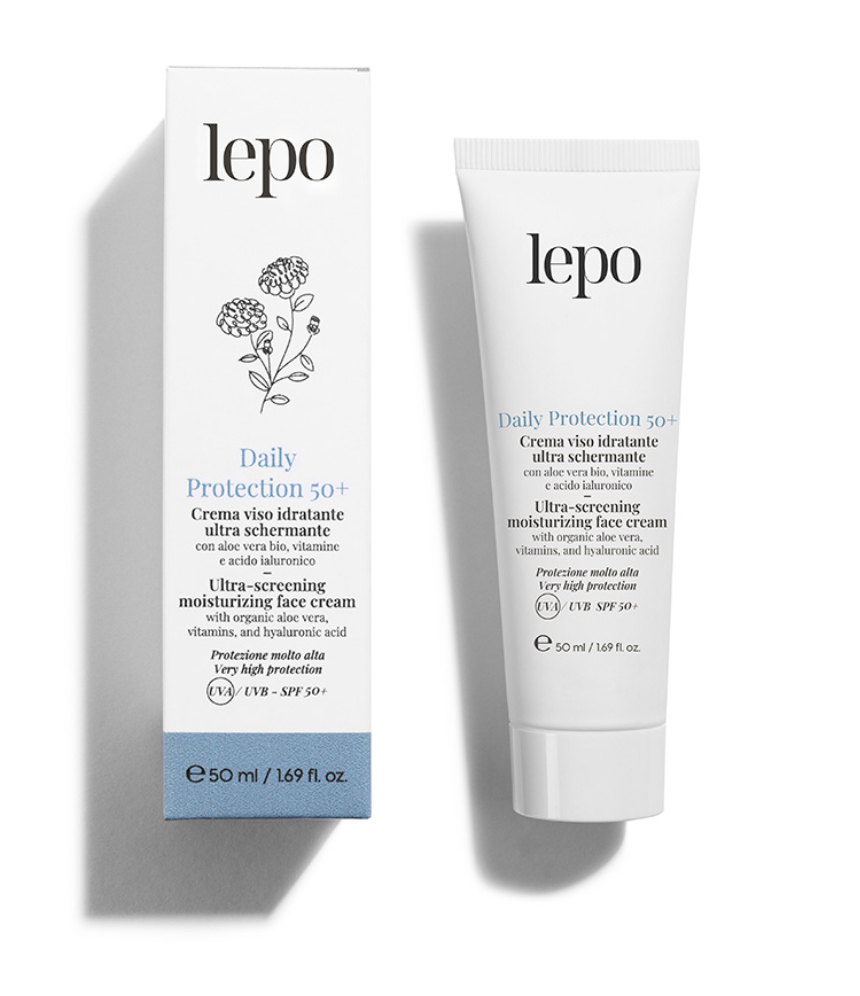
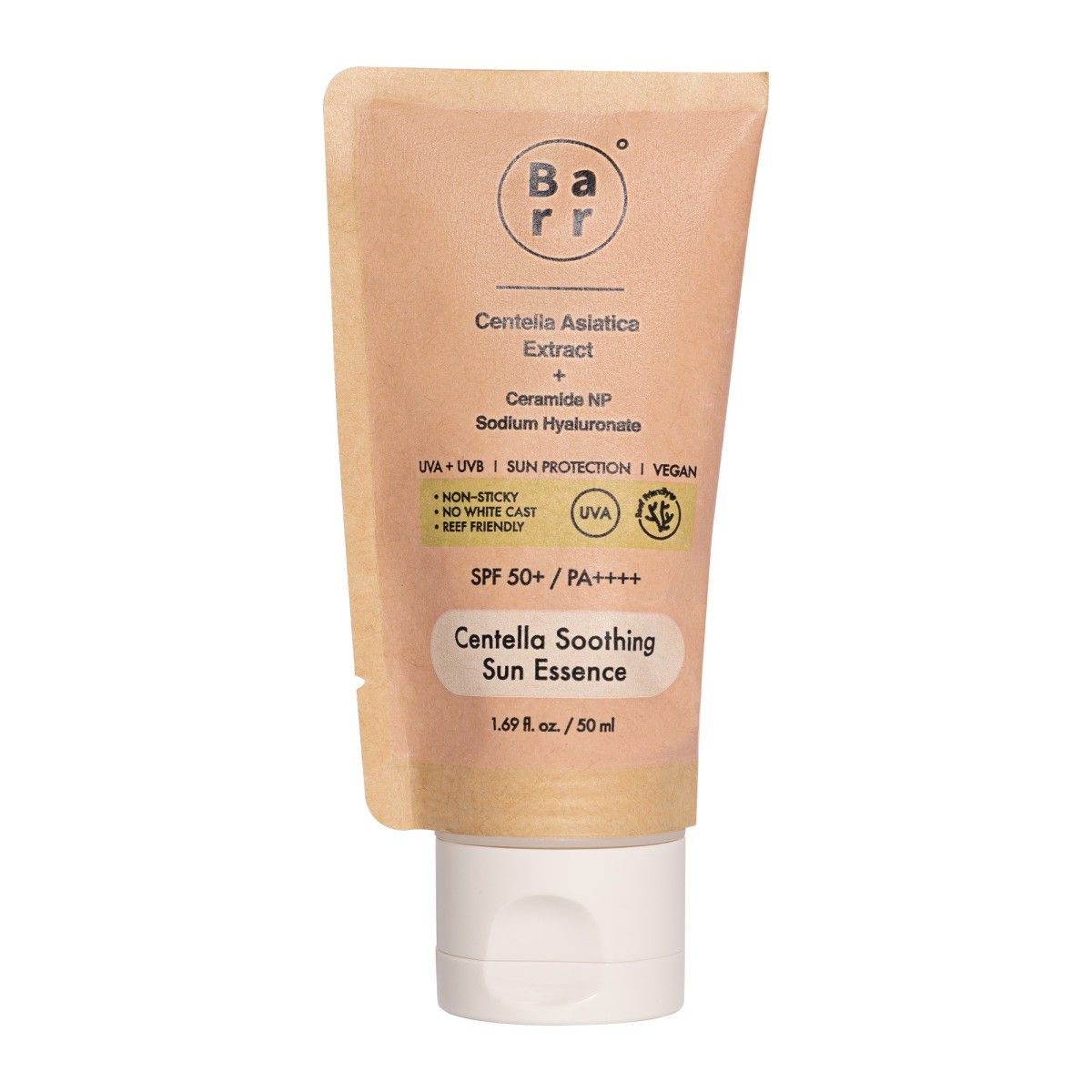
How to fix SPF-induced pilling
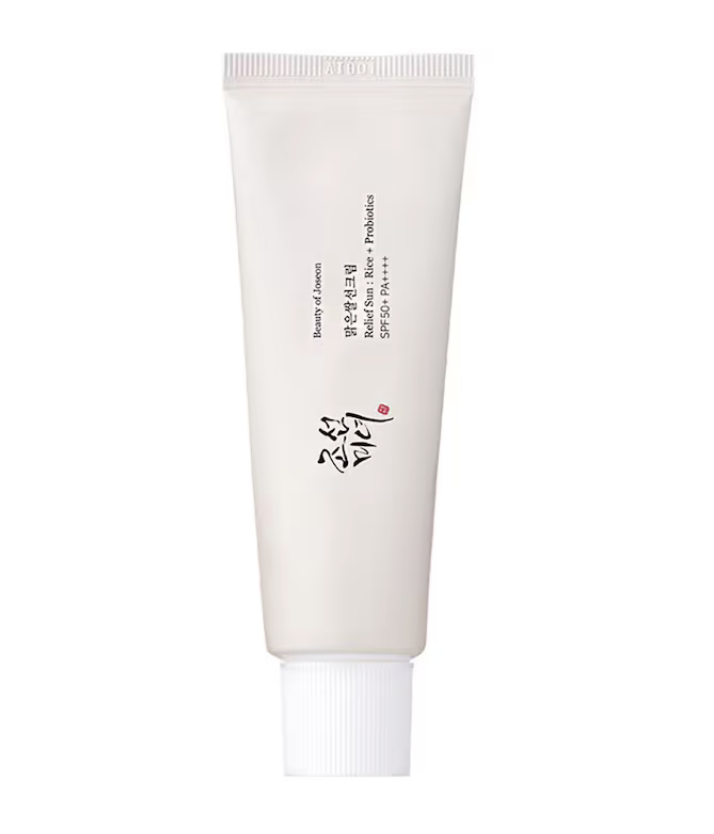
More than any other product, SPF tends to sit on the surface: it needs to form an even film over the skin to truly protect it, and that’s exactly what makes it one of the trickiest steps to layer under makeup. Does that mean you should stop using it? Obviously not. It just means finding a sunscreen that works not only with your skin, but also with everything you put on top of it. So here are some sunscreens I’ve tested that, for once, don’t cause make-up pilling.
