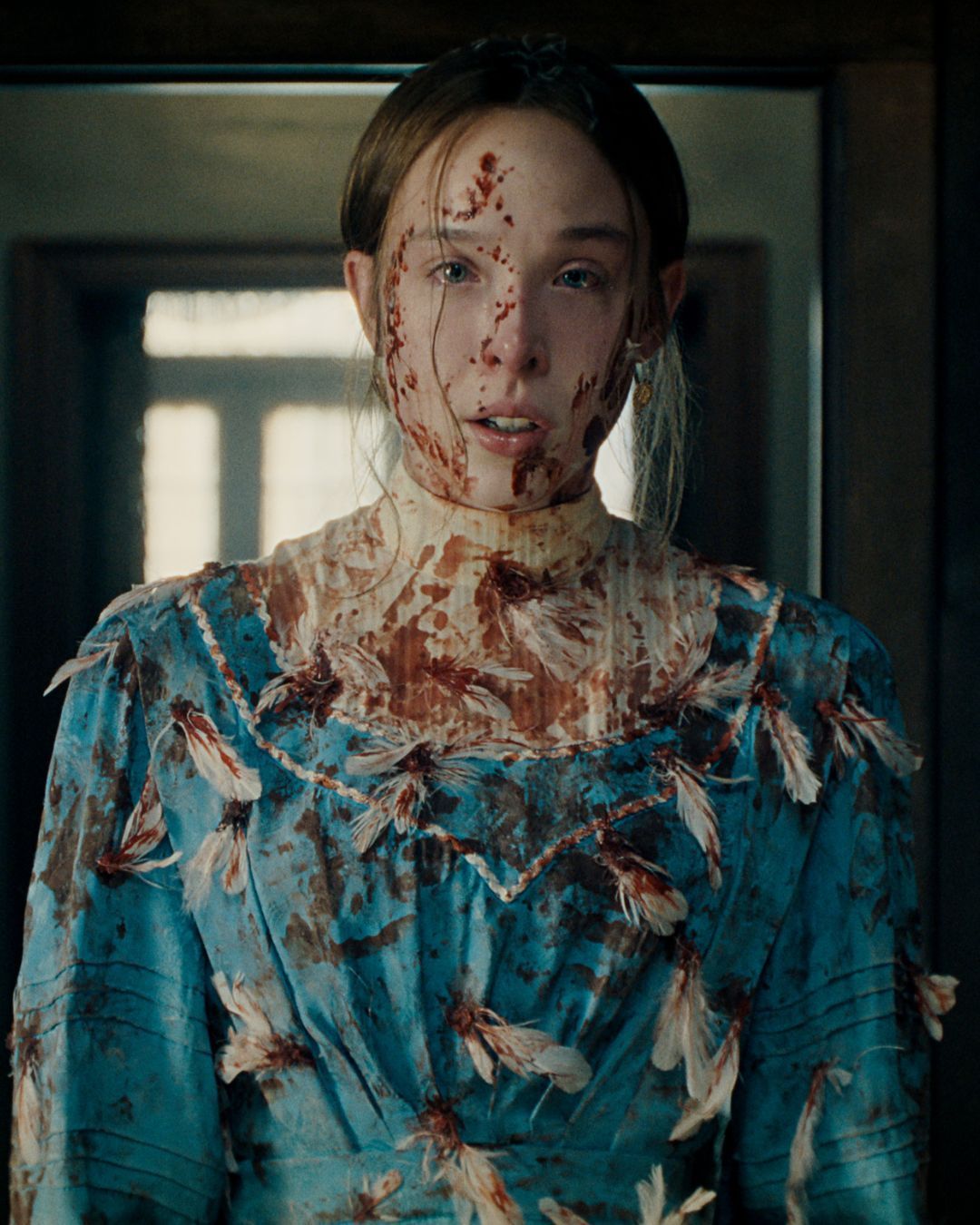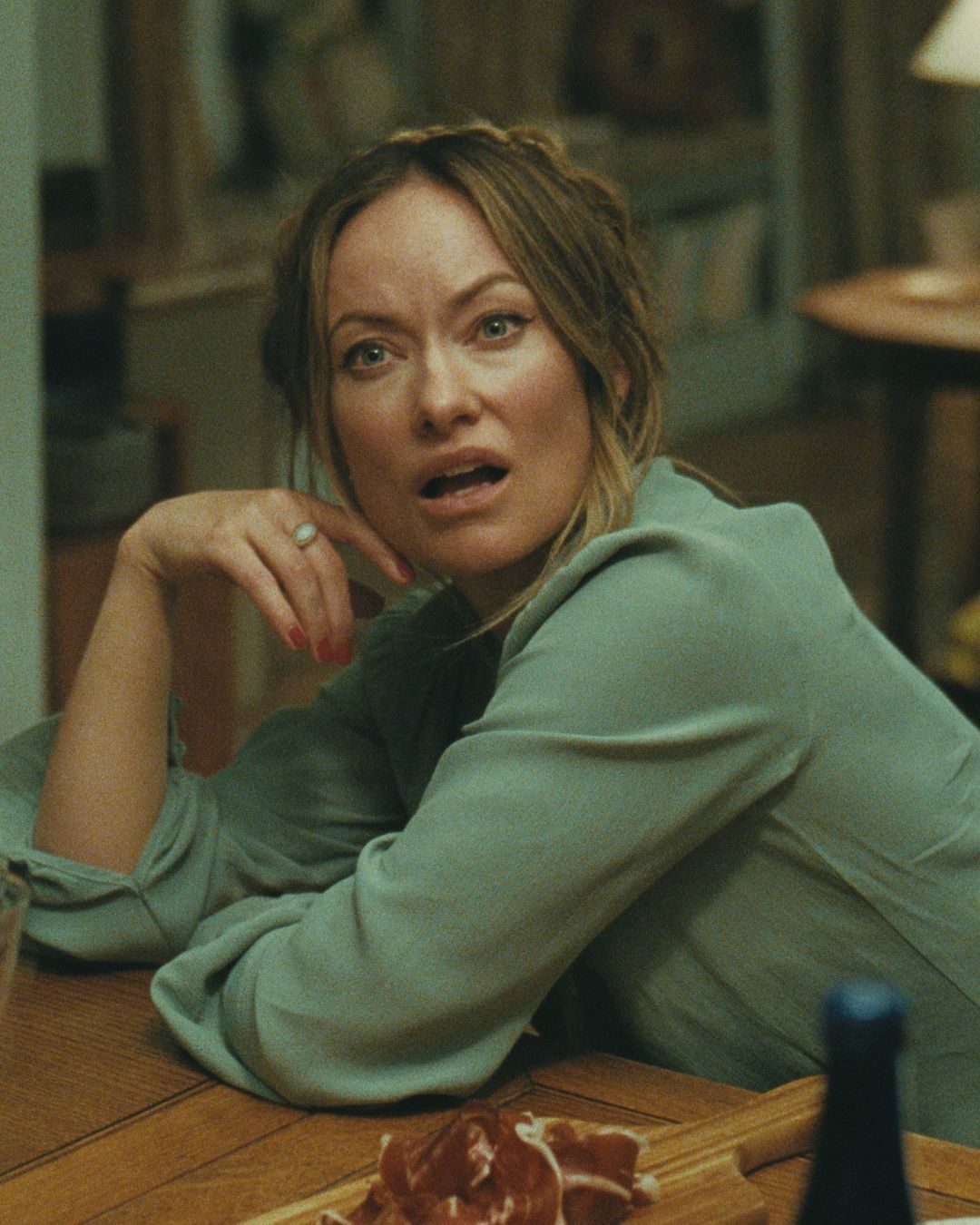















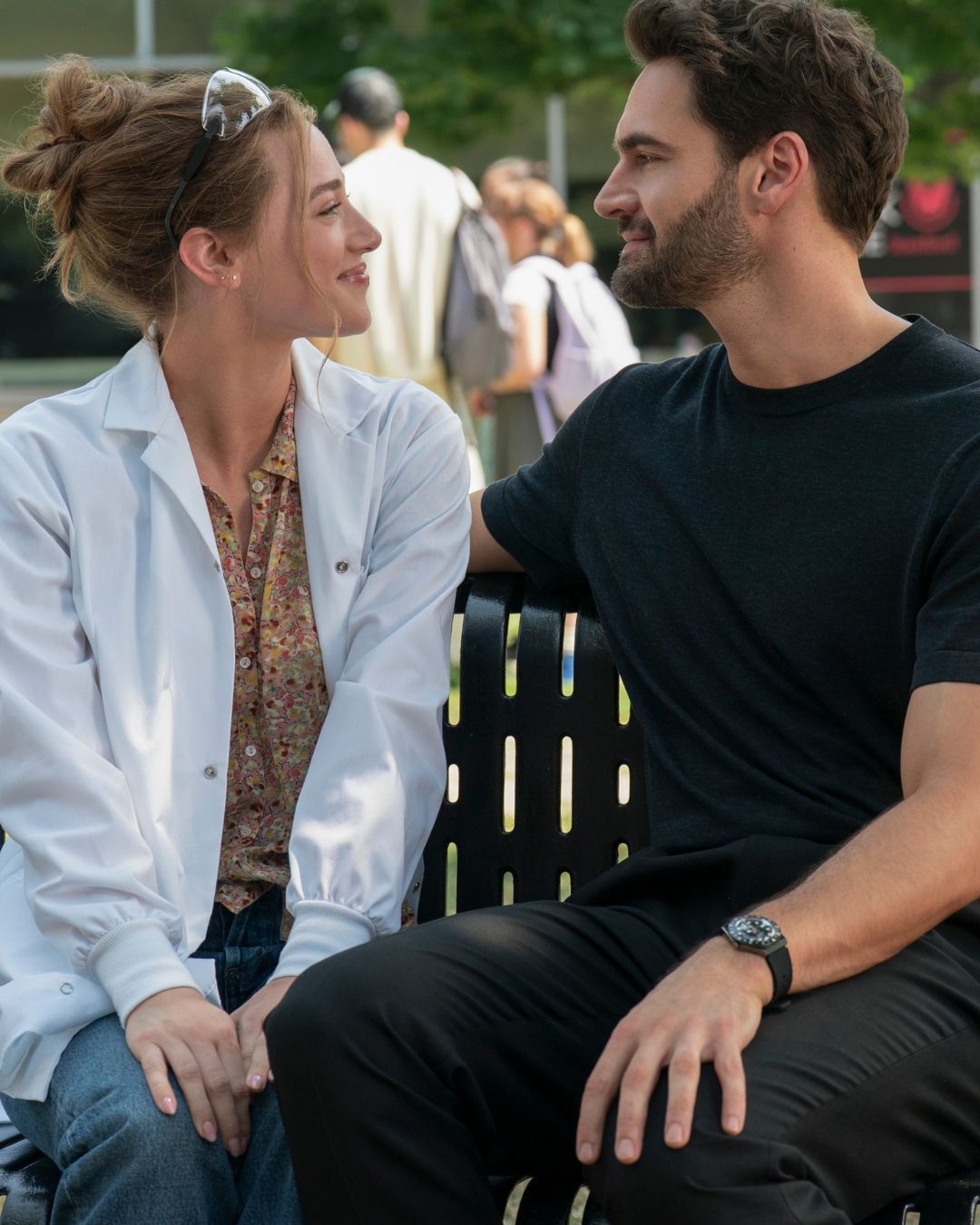

In the In Utero series, the heart of the story is a fertility clinic On HBO Max Italy with Sergio Castellitto
Let’s make one thing clear right away: In Utero is a good series. It’s not a great series, but it is a good series. It landed on HBO Max Italy, though it is not an original production of the platform. It’s an operation that doesn’t feel out of place. It’s not as powerful as one might expect from local productions designed for such a prominent streaming window, but it reveals both the strengths and the cracks of national projects. Strengths and cracks that, in the project created by Margaret Mazzantini with the dual direction of Maria Sole Tognazzi and Nicola Sorcinelli, we can observe up close.
Plot and themes of In Utero: identity, parenthood and fertility
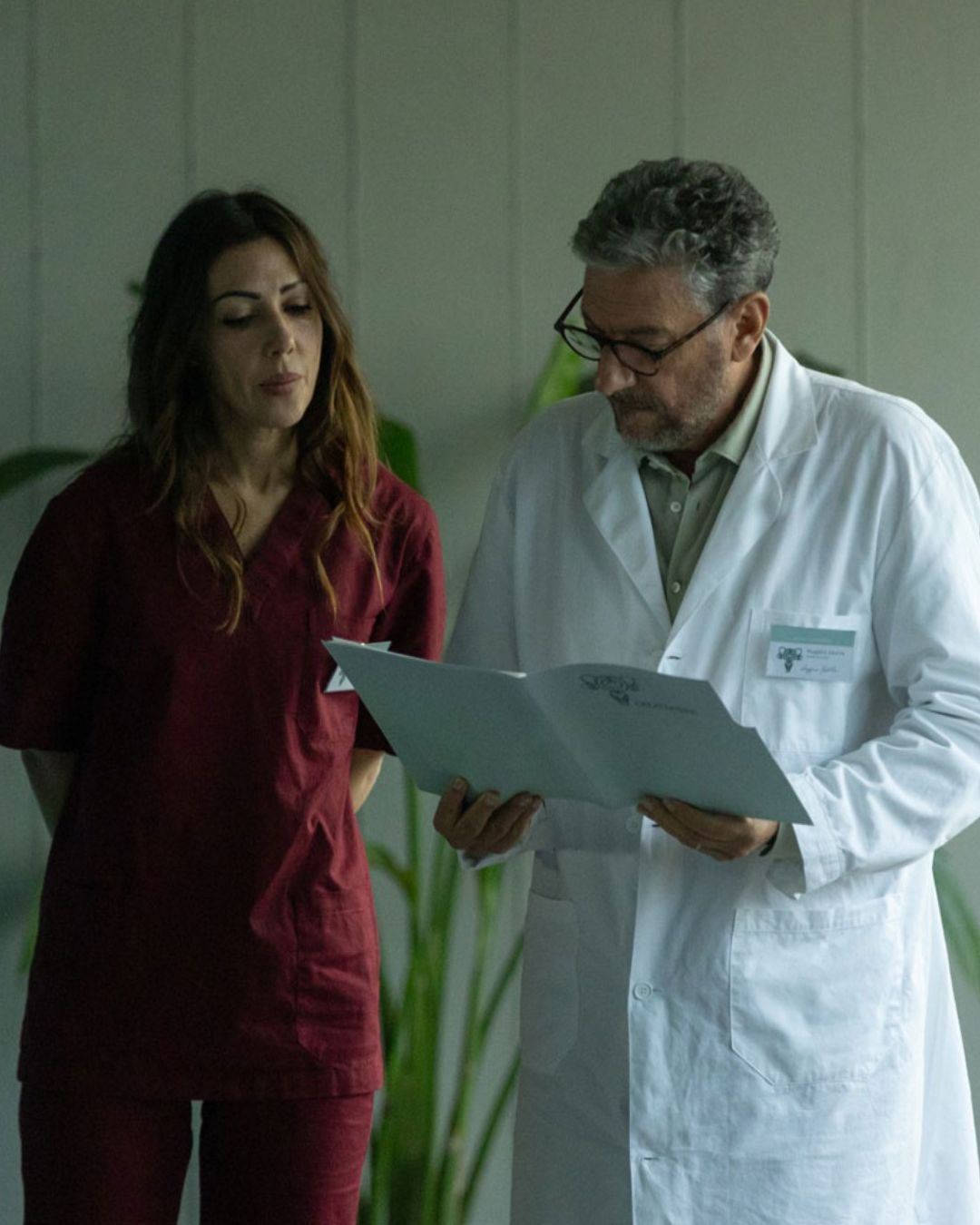
First of all, there is the courage of the subject matter. It is not new, but it is handled with care across a prism of episodes that explore its various sides and facets, offering multiple perspectives in an attempt to create a broader and more plural portrait. It starts from a fertility clinic in Spain, in Barcelona, and expands into a range of human individualities, both single and/or in couples. Against this backdrop, the secondary themes are relationships, parenthood and the desire to bring life into the world. It also touches on identity, both sexual and gender identity, which within the microcosm of a single workplace attempts to open up to a narrative that is somewhat conventional, but at least makes the effort.
Cast of In Utero: Sergio Castellitto, Maria Pia Calzone and rising talent
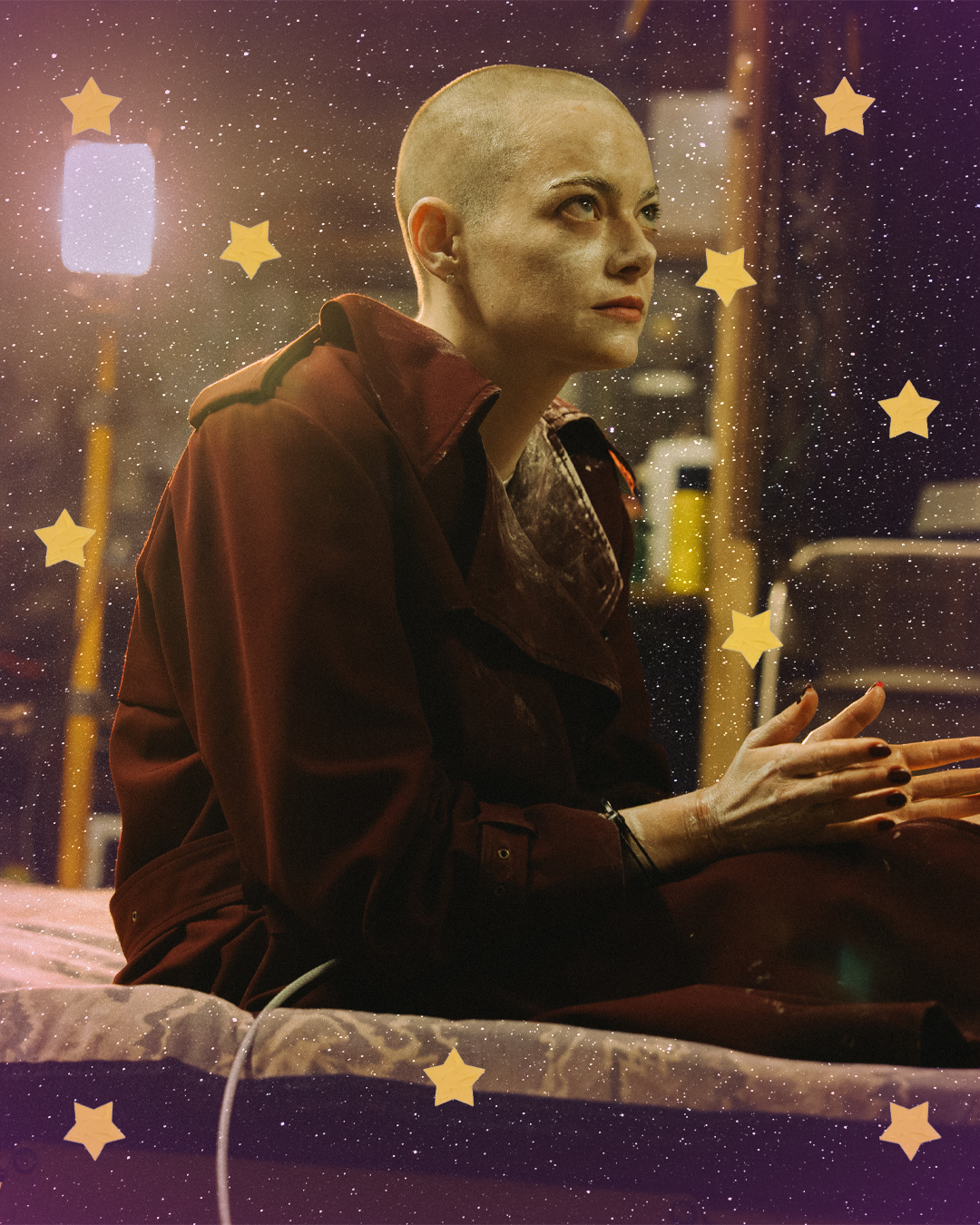
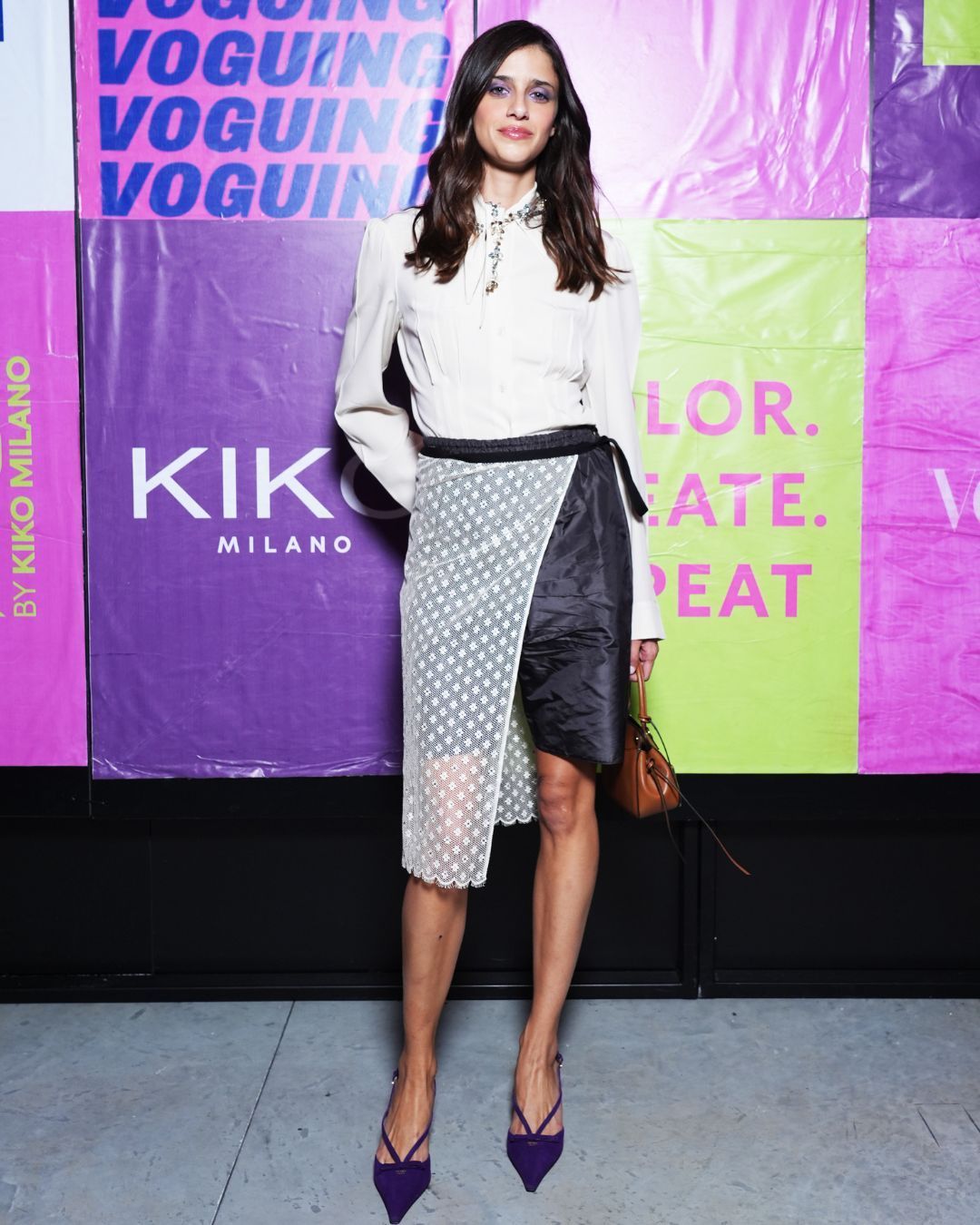
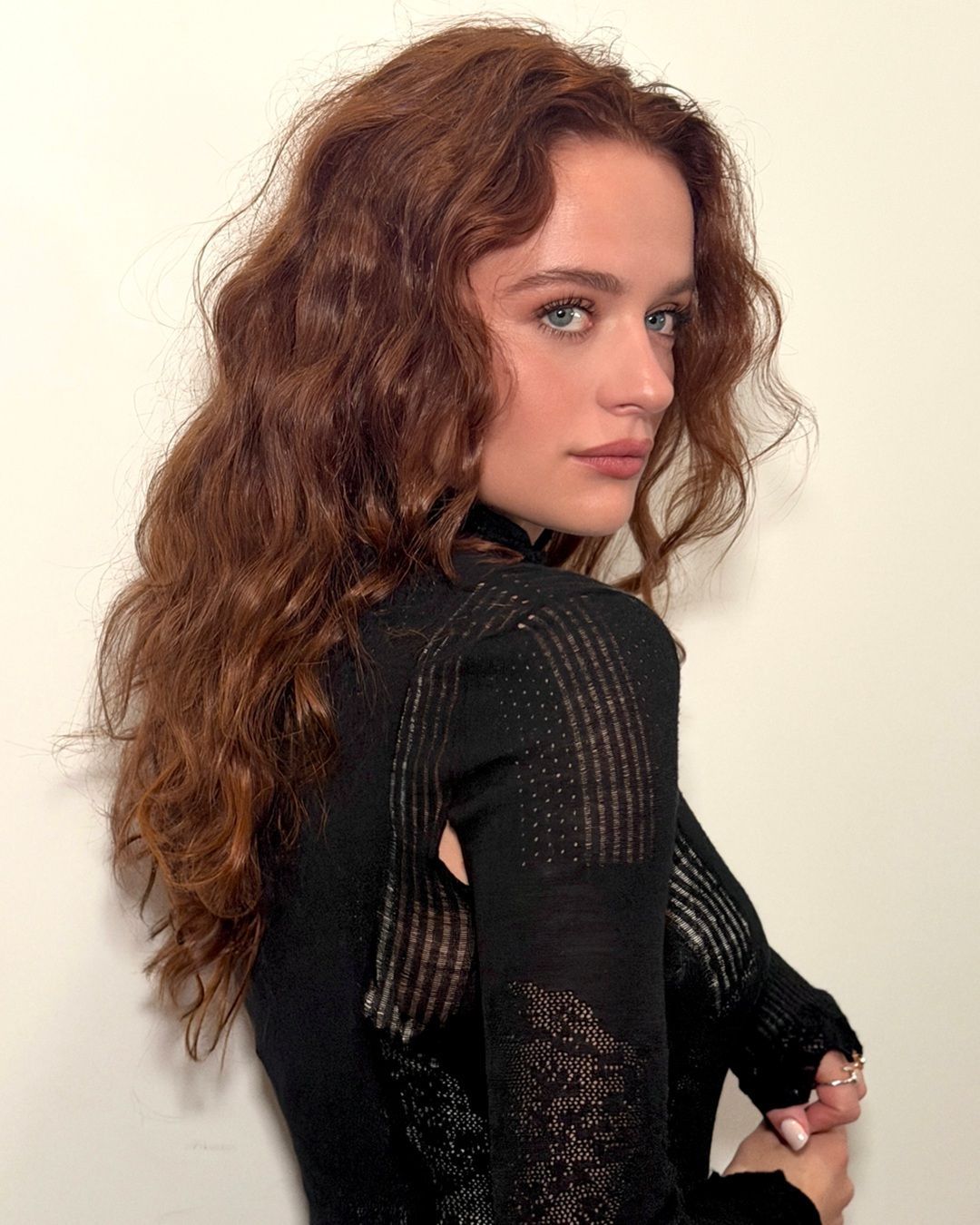
Another distinctive element is how these multiple storylines are brought together in In Utero, making each episode the beginning of a new narrative that then intersects with the others, choosing recognizable yet fresh faces from the Italian industry. It ranges from the leading names, Sergio Castellitto and Maria Pia Calzone, and then integrates emerging talent such as Romana Maggiore Vergano, Enrico Borello, Marianna Fontana and Michela Rossi. Not to forget established figures like Thony, Maya Sansa, and a serial discovery such as Sara Drago, who reached a wider audience with Sky’s Call My Agent - Italia, as well as debutant Alessio Fiorenza, who carries a substantial part of the overall narrative of In Utero.
A good series, but there’s a catch
The issue that eventually comes to the surface is that, although the themes are modern, they are written in a linear way and performed competently, but they are not particularly striking. They lack that writing finesse that would make each episode unmissable. In Utero suffers from a certain fatigue that makes the viewing experience slow towards the end, without much spark. A good series, as mentioned, and already more than enough within the higher average of Italian television production. But it relies more on its themes than on its structural strength. It is worthy but not outstanding. The narrative leads the viewer to reflect on the issues it raises, but in a way that feels somewhat detached from the series itself, expanding beyond the screen. Perhaps, in the end, that is exactly what a story should do, and In Utero does it.