

Freebleeding, between historical meanings and political relevance Yes, we are talking about blood
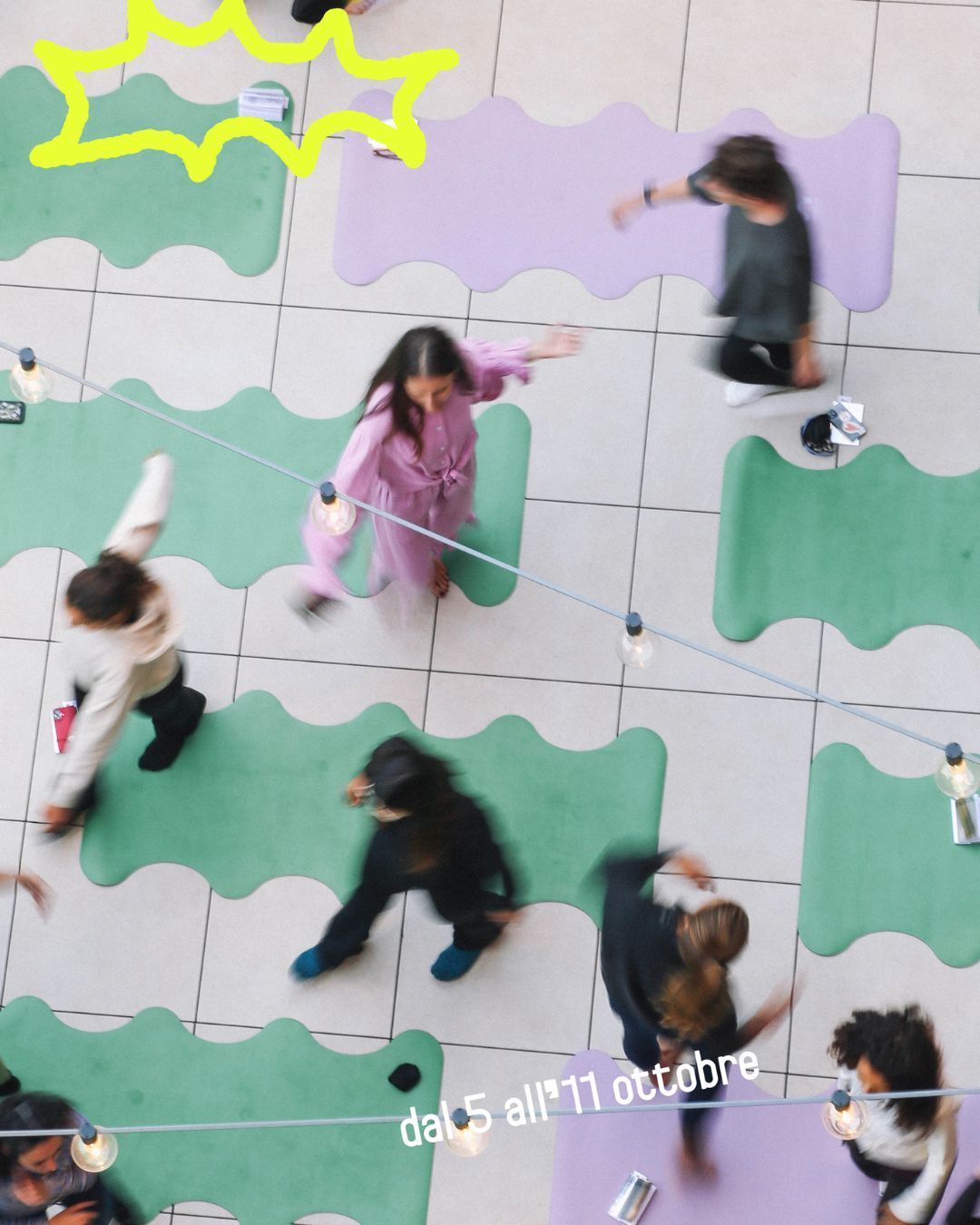
There was a time when openly talking about menstruation felt impossible. Today, periods are discussed on TikTok, routines are shared online, blood stains on clothes are being normalized, and people are experimenting with new ways of experiencing their bodies. Within this cultural shift comes the phenomenon of freebleeding, a practice that sparks debate, curiosity and, above all, opens an interesting conversation about the relationship between the body, freedom, and menstrual stigma. But what exactly is freebleeding? And why are more and more people talking about it? Blood is actually one of the central themes of this year’s Festival del Ciclo Mestruale, taking place from November 22 to 24 at Rob de Matt in Milan. We’ll be there too, come say hi!
What is free bleeding?
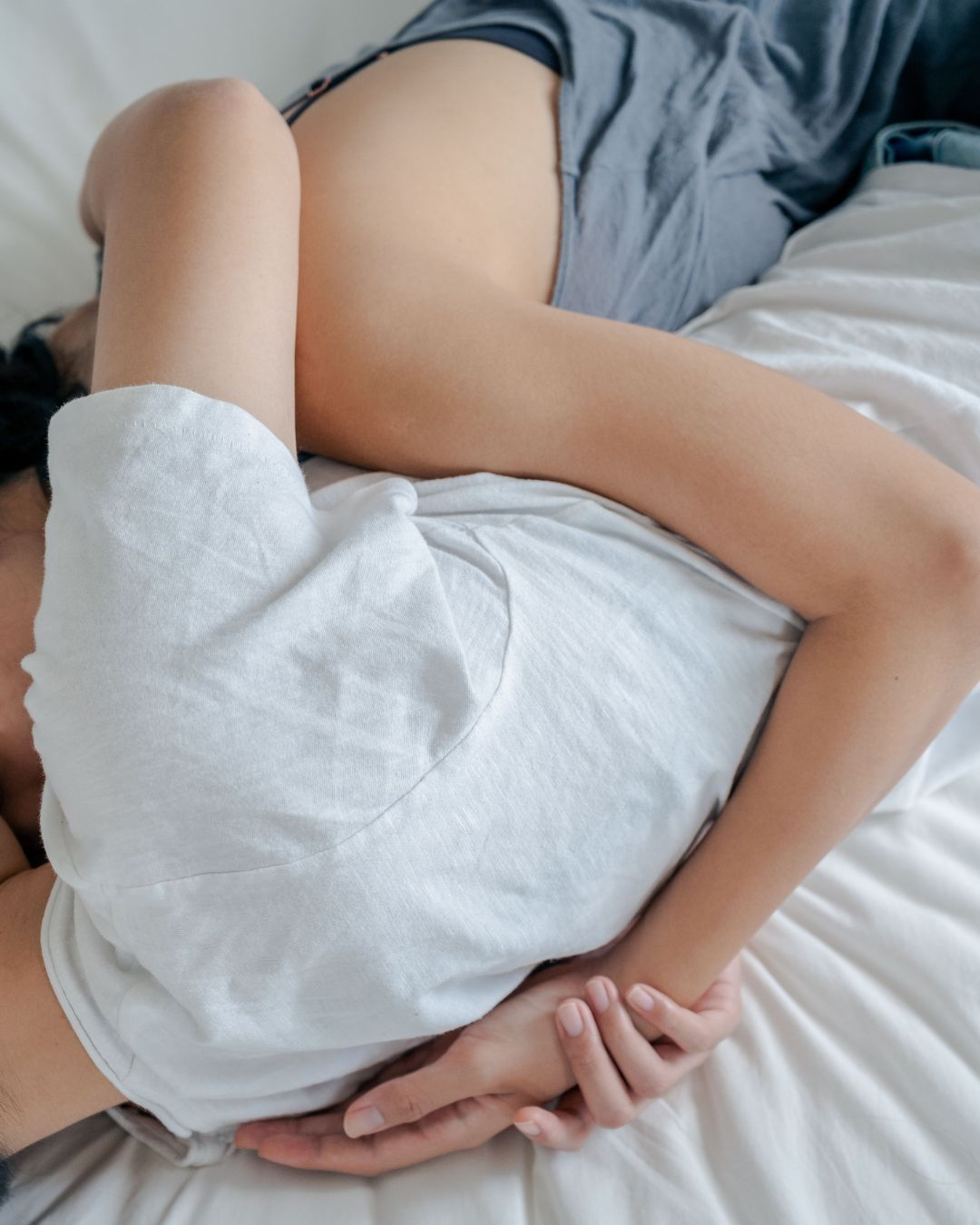
Literally, it means free bleeding: experiencing menstruation without using traditional absorbent products such as tampons, pads, or menstrual cups. Some people practice full freebleeding, while others only do it at home, overnight, or during lighter flow days. There are also those who wear period underwear, turning the concept into a more practical and contemporary version. Although the phenomenon may seem recent online, freebleeding has actually always existed. It’s how people managed menstruation for centuries before modern hygiene products became available. Today, however, it carries a different meaning: cultural, political, aesthetic, and even environmental.
Why some people choose freebleeding
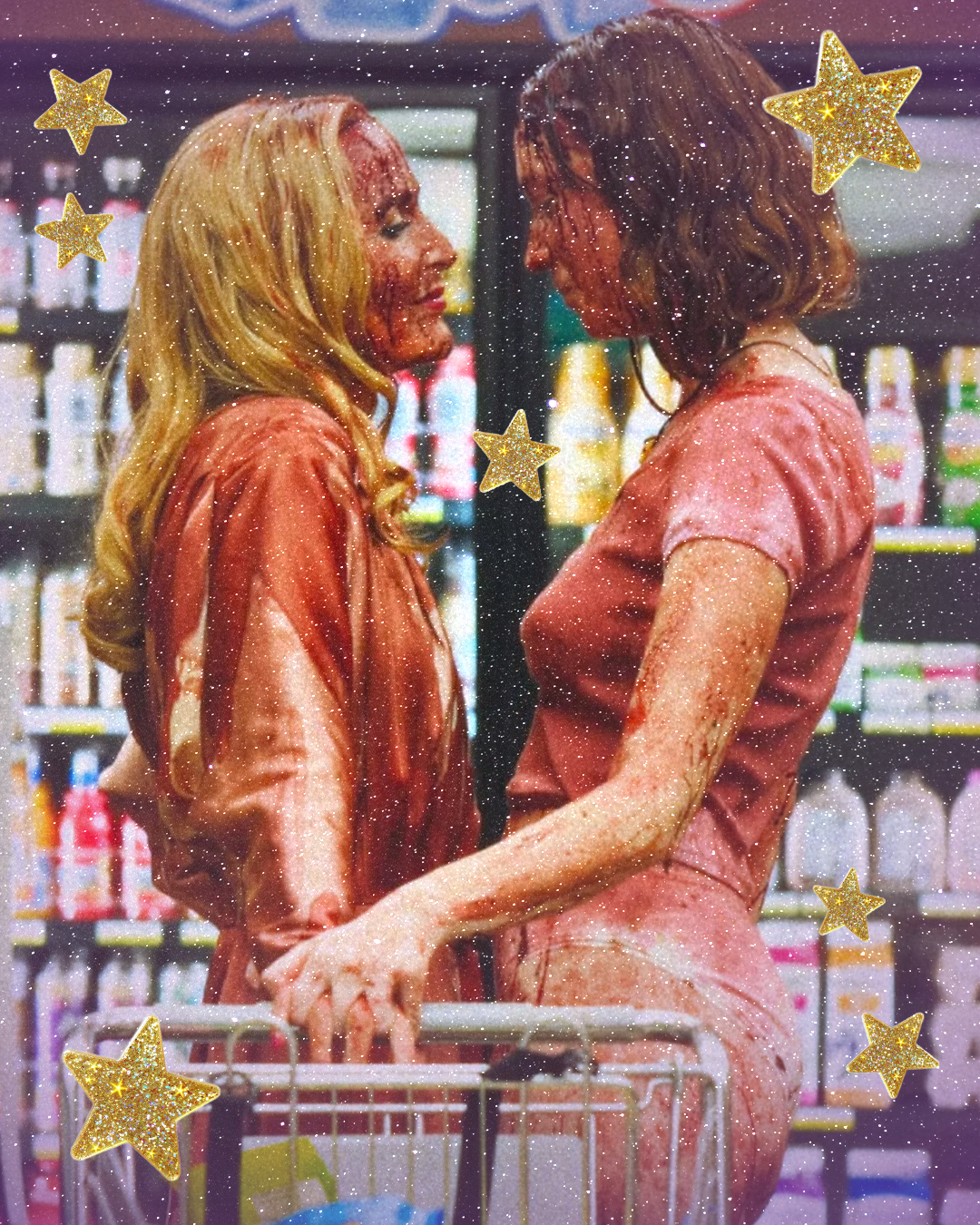
The reasons vary widely. For some, it’s about comfort: no irritation from pads, no dryness caused by tampons, and less physical discomfort overall. For others, it’s a matter of sustainability, considering the enormous amount of waste produced each year by disposable menstrual products. According to Healthline, billions of pads and tampons end up in landfills every year in North America alone. Then there’s the symbolic aspect. Freebleeding has also become a way to challenge the stigma that still surrounds menstruation. Showing menstrual blood without shame, talking about it openly, or simply refusing to see it as something that must be hidden is, for many people, a form of reclaiming ownership of their bodies. And yes, there’s also a very Gen Z social media component to it: free bleeding has become part of a contemporary wellness aesthetic built around body neutrality, rituality, a return to naturalness, and the rejection of the “clean perfection” that dominated representations of the female body for years.
Is it safe?
From a medical perspective, freebleeding is not considered dangerous when accompanied by proper personal hygiene. The Cleveland Clinic explains that health risks are minimal as long as people wash regularly and change clothes or bedding when necessary. However, there is currently no scientific evidence that freebleeding provides specific physiological benefits for the menstrual cycle. Some people report experiencing fewer cramps or feeling more comfortable, but for now these are mostly personal experiences and not clinical evidence. There are also some fairly obvious practical limitations: managing stains, comfort levels, hygiene in shared spaces, and the huge differences between lighter flows and very heavy periods.
The real issue isn’t the blood
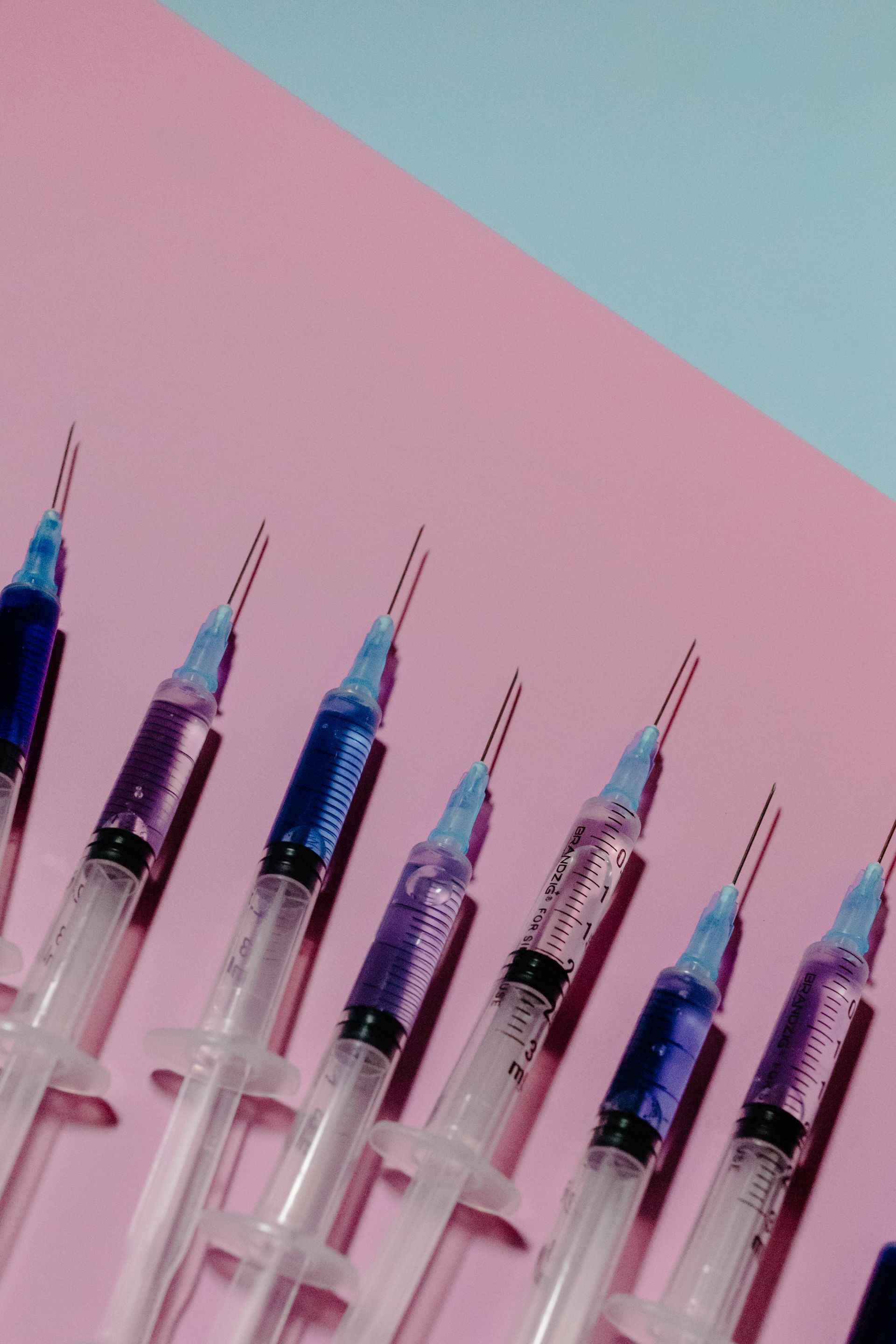
Perhaps the reason why freebleeding continues to spark discussion isn’t so much the practice itself, but the way society still perceives menstruation. For decades, menstrual product marketing portrayed periods as something to hide, neutralize, and make invisible, even in advertisements, the blood was blue. Freebleeding disrupts that exact narrative. Not necessarily to convince everyone to practice it, but to shift the conversation toward a more interesting question: why does menstrual blood still create so much collective discomfort? And maybe that’s exactly why the phenomenon keeps resurfacing online. Not because it will become the new normal, but because it perfectly reflects the cultural moment we are living through: more open, more fluid, and more willing to question rules that once seemed completely untouchable.