








































Why beauty wants to look increasingly clinical? Skincare no longer wants to be beautiful to look at, it wants to be credible enough to buy.
I don’t know if you’ve noticed, but we’re in a very specific moment where the beauty world has stopped trying to be visually pleasing. Satisfying packaging has given way to minimalist white bottles, imaginative names have been replaced by percentages of active ingredients, acids, and chemical formulas, and advertising campaigns have started to look more like something out of a dermatology lab. Today, beauty no longer wants to just look beautiful: it wants to look credible. The truth is that skincare has understood one very specific thing: science sells. Or at least, it sells the idea of control, precision, and safety in an era where we are increasingly obsessed with self-optimization.
Beauty wants to look increasingly clinical
Skincare speaks the language of medicine, but it isn’t medicine
@balancedbeautylover Medical grade skincare is not real. It’s marketing. Focus less on the brand and more on how your skincare is formulated. #skincare #skintok #skincareproducts #skincare101 #medicalgradeskincare original sound - BBL Skincare
One of the most common expressions in beauty today is “clinically tested.” You see it everywhere: serums, face creams, cleansers, sunscreens. It sounds scientific, reassuring, almost medical. But it’s also one of the most misunderstood labels. In the European Union, cosmetics are strictly regulated: they must be safe, and any claims made must have real supporting evidence. However, there is no single definition or standardized certification for the term “clinically tested”. In practice, it can mean different things depending on the brand, ranging from tests conducted on a group of people under dermatological supervision to results based on self-assessment, such as “yes, my skin does feel smoother to the touch.” In reality, everything revolves around one thing: marketing. Terms like “medical grade,” “cosmeceutical,” or “clinical results” are not technical categories officially recognized by the EU, but rather labels designed to sell. They are meant to create a very specific perception in the consumer’s mind: that the product is more scientific, more controlled, and closer to dermatology and medicine, therefore safer and more effective, even when it is ultimately still just a cosmetic product.
Communication and laboratory aesthetics
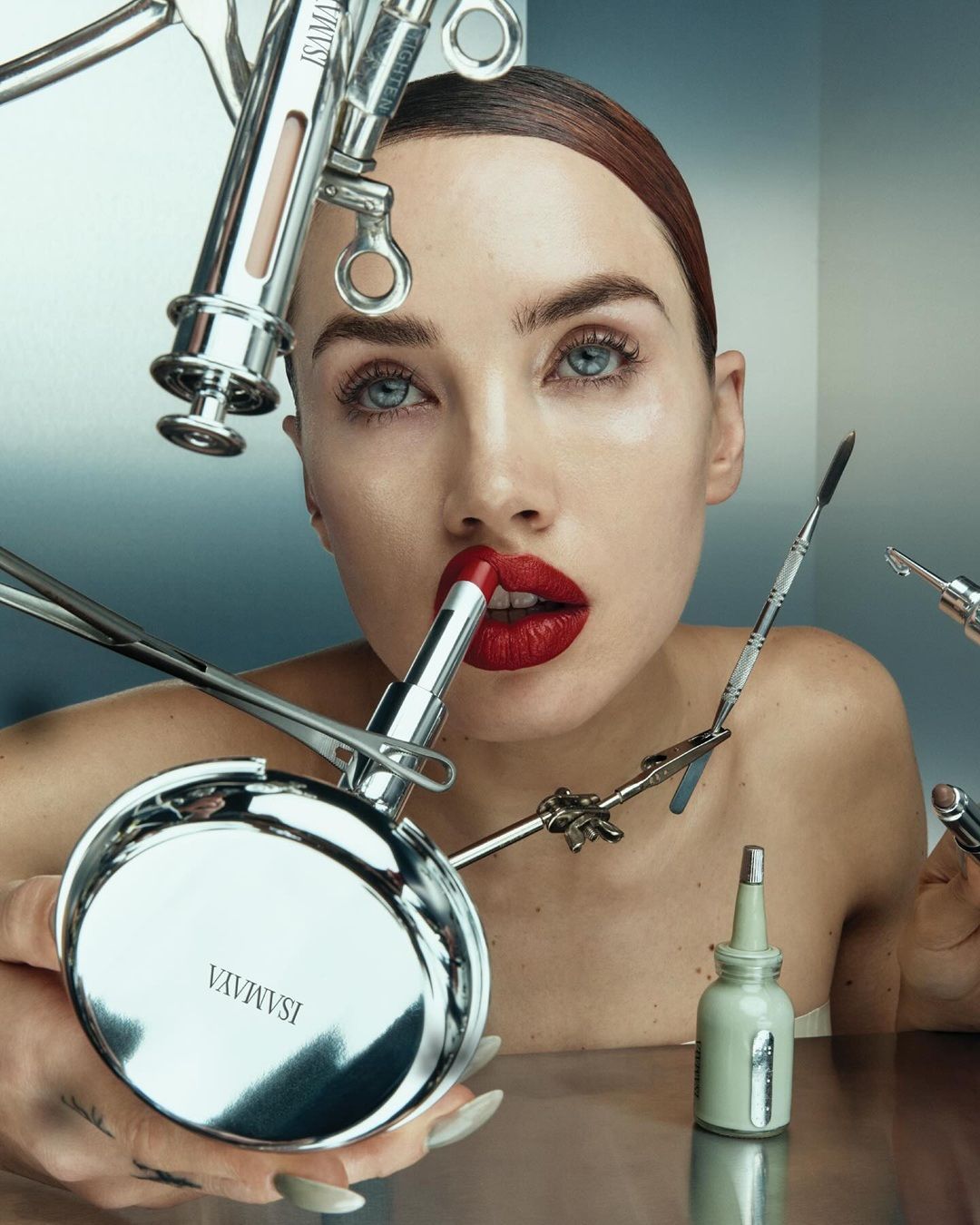
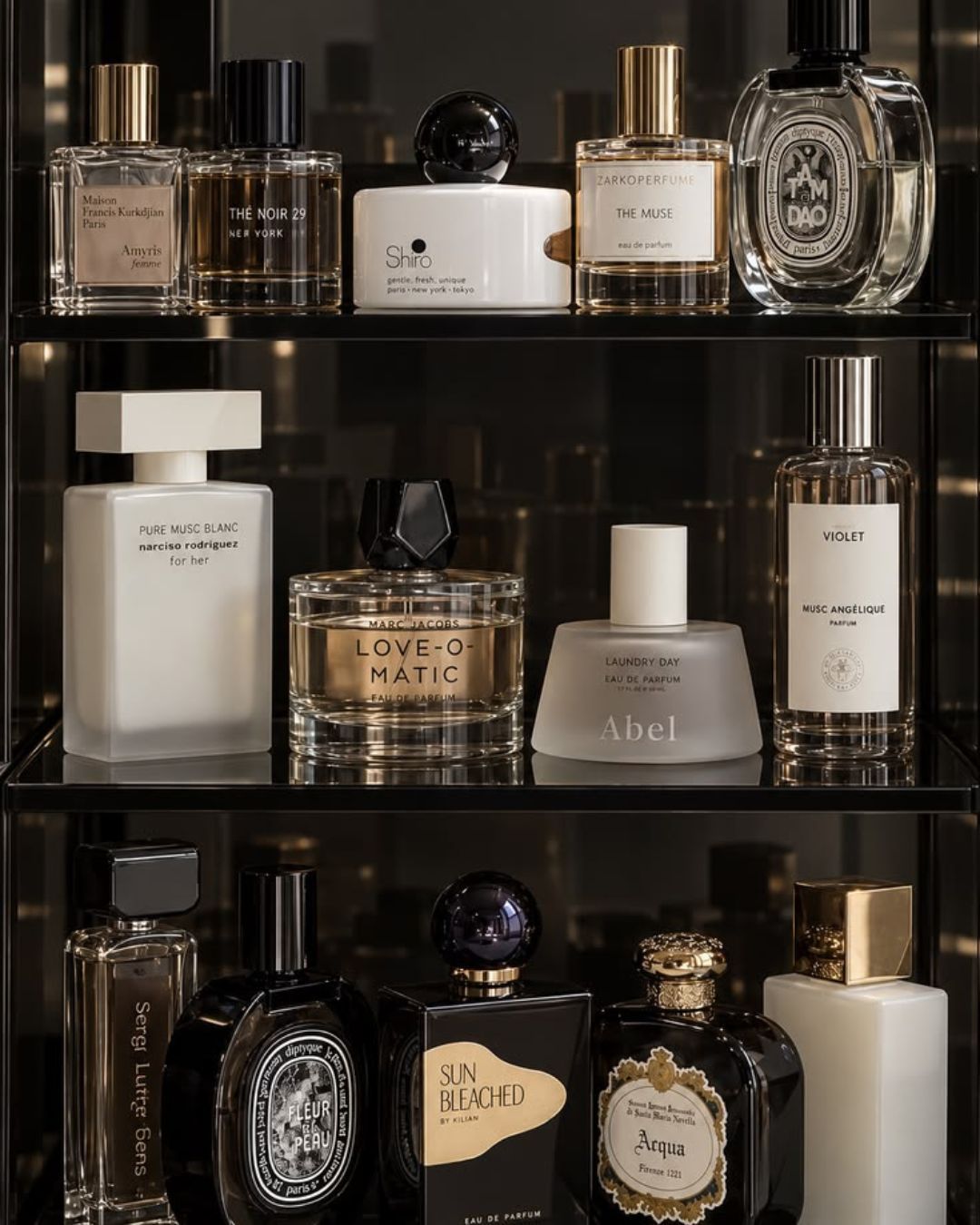
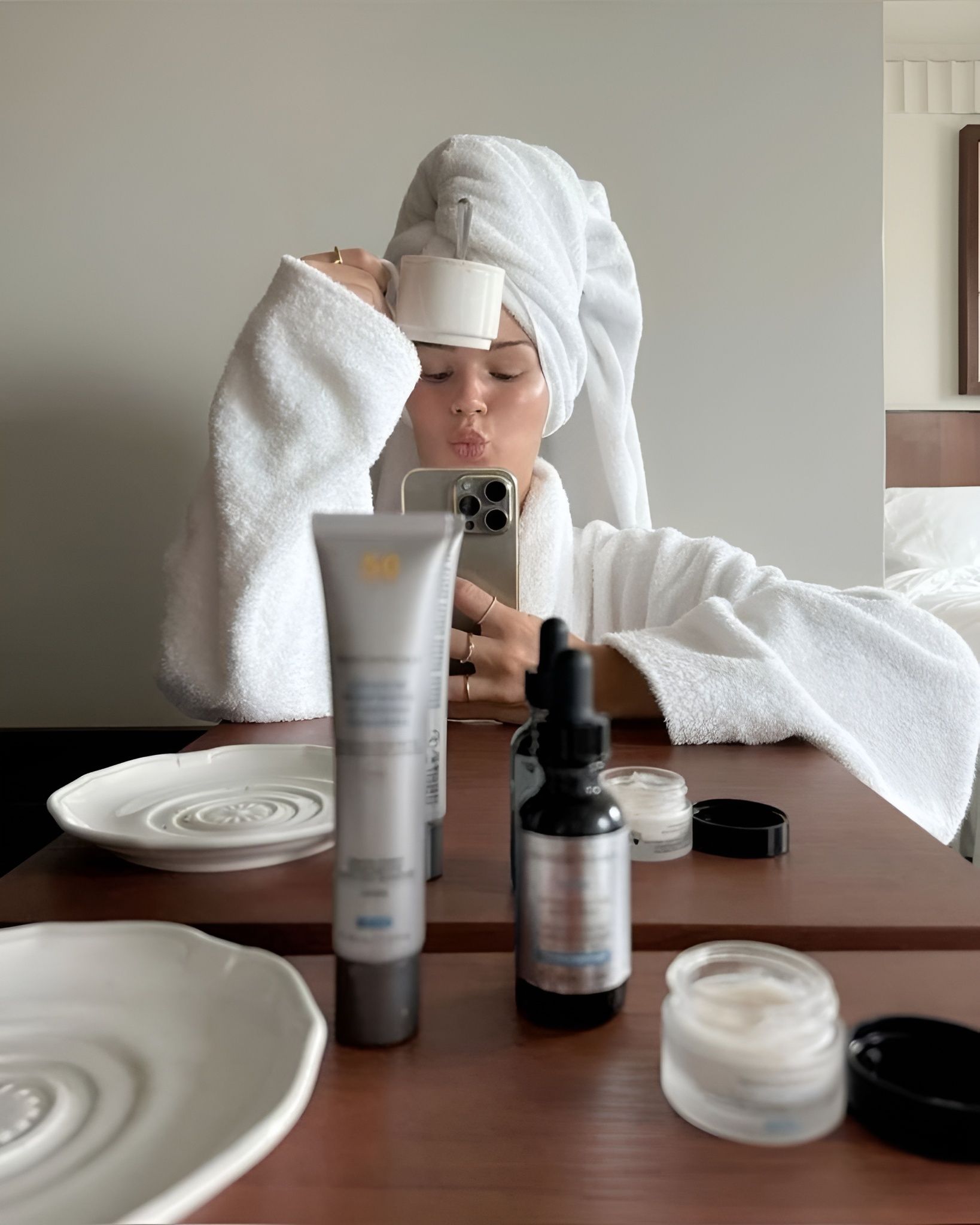
This idea is visible first and foremost in aesthetics. Packaging is minimal, often white, with an essential design that removes anything decorative. The goal is to communicate order, control, and precision. Even the tools themselves change: droppers, glass bottles, or packaging specifically designed to protect the formula. Every detail suggests that the product is not just a basic cosmetic in the traditional sense, but something more technical, researched, and clinical. The same applies to labels: instead of evocative names, we now find ingredients highlighted, precise percentages, and scientific terminology. Communication becomes more direct, almost like a technical sheet, and this immediately increases the perception of reliability.
The real evolution of skincare and the concept of “cleanical” beauty
Within this evolution, another increasingly popular concept has emerged: "cleanical," a blend of clean beauty and clinical skincare. It’s an approach that seeks to combine ingredients perceived as safe and “clean” with the effectiveness typically associated with dermatological and pharmaceutical products. Here, the focus is no longer just on the ingredient itself, but on how the product works on the skin: more and more often, skincare is described in terms of supporting collagen production, accelerating cell turnover, or strengthening the skin barrier. It’s a type of skincare that doesn’t simply sit on the surface of the skin, but is presented as something capable of acting on a deeper level. In this sense, contemporary beauty is moving toward products that don’t just want to appear scientific, but also need to look and function like real dermatological treatments.