




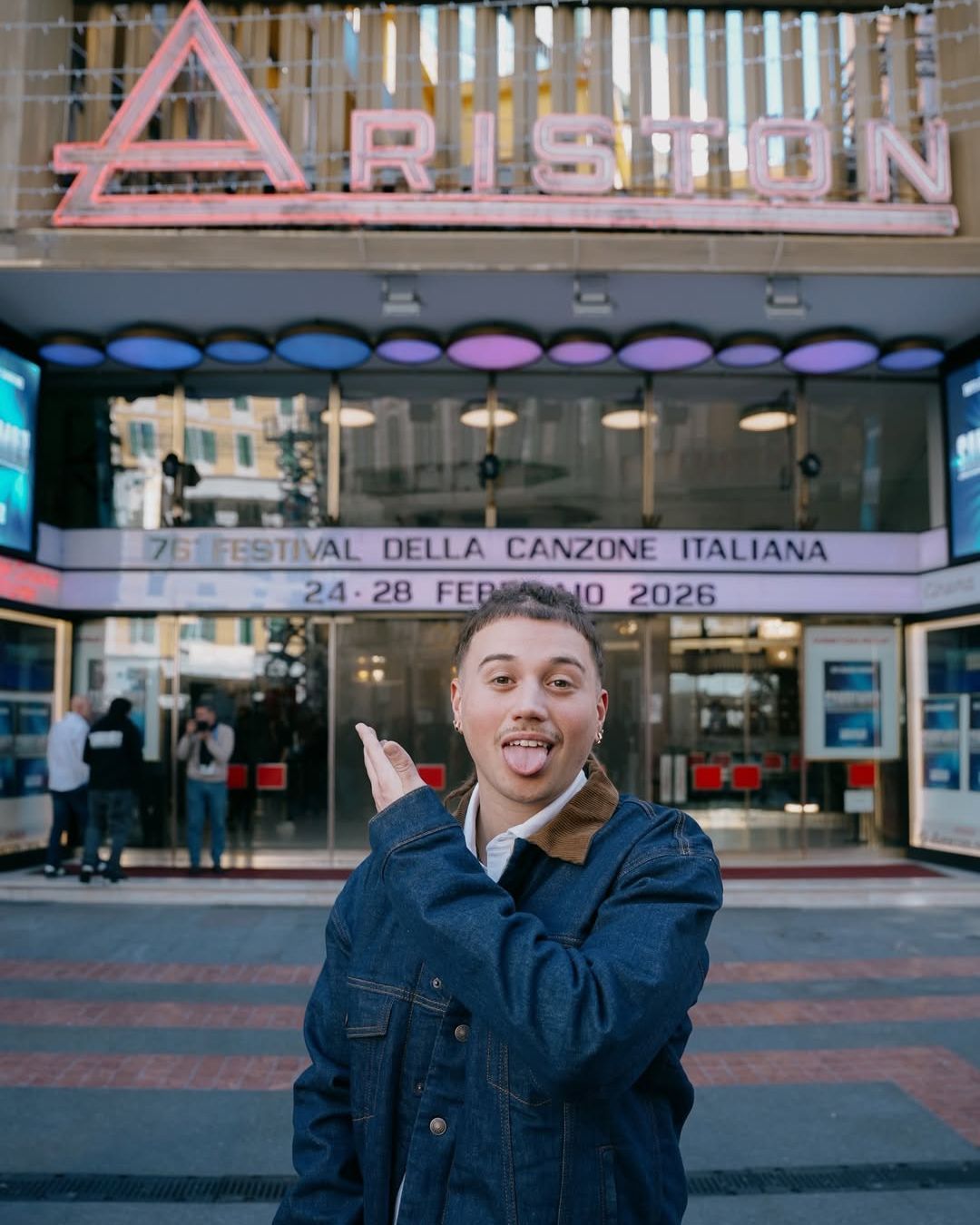
Sayf's hair at Sanremo 2026 doesn't deserve the controversies it's receiving We talked about it with Anfis Tassone, afrohair/braids specialist
On the stage of the Ariston, alongside Elettra Lamborghini, the bilateral after-parties and the pop-ular phenomenon of Sal Da Vinci, there is also Sayf. The breakout star of this edition, he stands out thanks to his funky moves, his song – titled Tu mi piaci tanto and catchy to the point of obsession – and his hairstyle. Born Adam Viacava, the rapper and producer was born in 1999 in Genoa to a Tunisian mother and an Italian father, and night after night he is establishing himself as the true revelation of the Festival di Sanremo 2026.
Sayf’s hair at Sanremo sparks memes
We cannot know whether his locks are a statement about his heritage or simply a stylistic choice. What we do know, however, is that social media did not waste a second making more or less (less) flattering comparisons, slipping into something that closely resembles – if not outright racism – ignorance and intolerance toward something we still do not know enough about: hair and hairstyles that belong to non-white cultures, and that are therefore automatically associated (deconstruction is a necessary process and racism exists within all white people) with dirtiness and degradation.
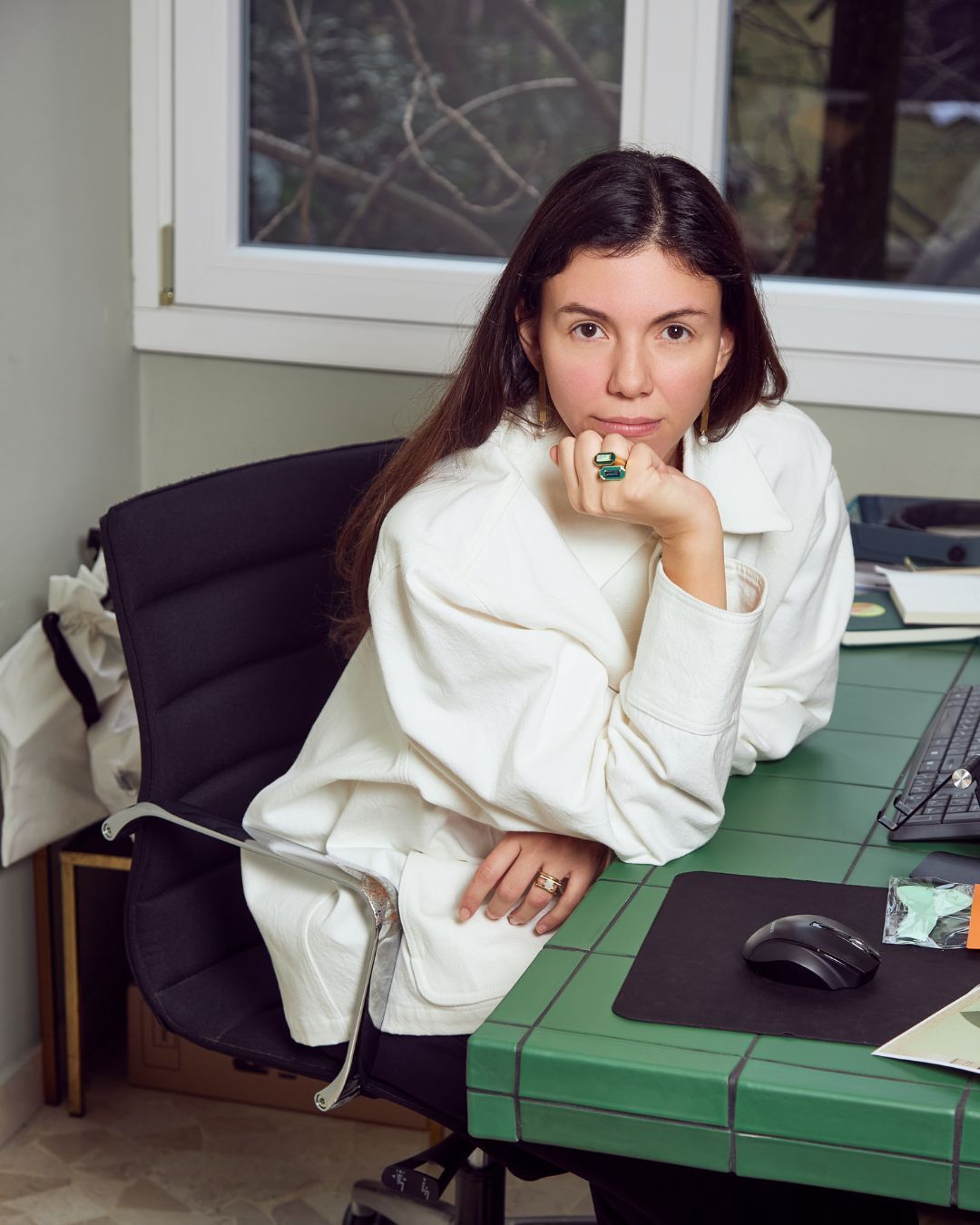
The opinion of Anfis Tassone, afrohair/braids specialist
We discussed it with Anfis Tassone, afrohair/braids specialist, and the conversation quickly expanded from hair to openness toward what is new. “Let’s start with the assumption that Italy is racist. It’s a country that judges you. There will always be someone pointing fingers or saying something, maybe even coming up to you to comment directly. Unfortunately, Italy is like this.” And if there is an audience that represents it, it is precisely the Sanremo audience, the quintessential centrist and conservative mainstream TV crowd. But back to trichological matters: “Sayf wears locks. Many people call them dreads. Today, however, we are trying to eliminate the term ‘dread’ because it is often understood as derogatory, dirty. Specifically, these are lock twists, twisted around themselves. They are very beautiful.”
What is a microaggression?
Some people have described the attacks on Sayf’s hair as microaggressions. What are they? Subtle comments, behaviors or attitudes – sometimes even unintentional – that nonetheless carry, in subtext, prejudice, stereotypes and exclusion toward a person based on their ethnic background. For example, comparing the rapper’s hair to jute ropes or posting a disgusted GIF alongside a related comment could be considered microaggressions. Anfis explains: “I don’t know whether what was said about Sayf can be defined as microaggressions; the point of view is certainly racist and perhaps a bit envious. He’s on stage, they’re on the couch.” He then adds: “Sayf is a white boy, but I’m happy he wears his locks proudly on a stage like the Ariston. We need all these representations. What matters is being aware, being conscious, wearing this hairstyle with pride – especially considering who knows how many insults he receives.”
@nicoleap.psy Domande come ‘Ma di dove sei veramente?’ e affermazioni come ‘Parli bene italiano!’, anche se fatte con innocenza, sono forme di MICROAGGRESSIONE. Di cosa si tratta? Una microaggresione è un comportamento o un’azione che mina in modo sottile l’identità di una persona, facendo leva su stereotipi o pregiudizi legati ad un gruppo sociale. Nel caso delle persone afrodiscendenti, il pregiudizio potrebbe essere quello per cui le persone nere non possano essere italiane o che non possano essere madrelingua italiana. #microaggressioni #minoritystress #afrodiscendenti #afroitaliani #discriminazione original sound - Lewky____
In short, the issue is nuanced but not ambiguous. Although Sayf’s origins are partly non-Italian, he is white presenting and white passing. His skin is white, and he is, in every respect, an Italian boy regardless of that. His choice is significant in this context because it forces us to confront the fact that Italy is – whether people like it, choose to ignore it, or fight against it – multicultural and multiethnic, and that a “standard Italian” does not exist, just as there are no acceptable or unacceptable, decent or indecent, clean or dirty hairstyles. Not even on Italy’s most timid stage, that of the Festival di Sanremo 2026.
What to read next
This is what you missed at Sanremelody 2026
At Bar Doria we sang Sanremo with mymelodyseilatop
The best outfits and beauty looks from the finale of Sanremo 2026
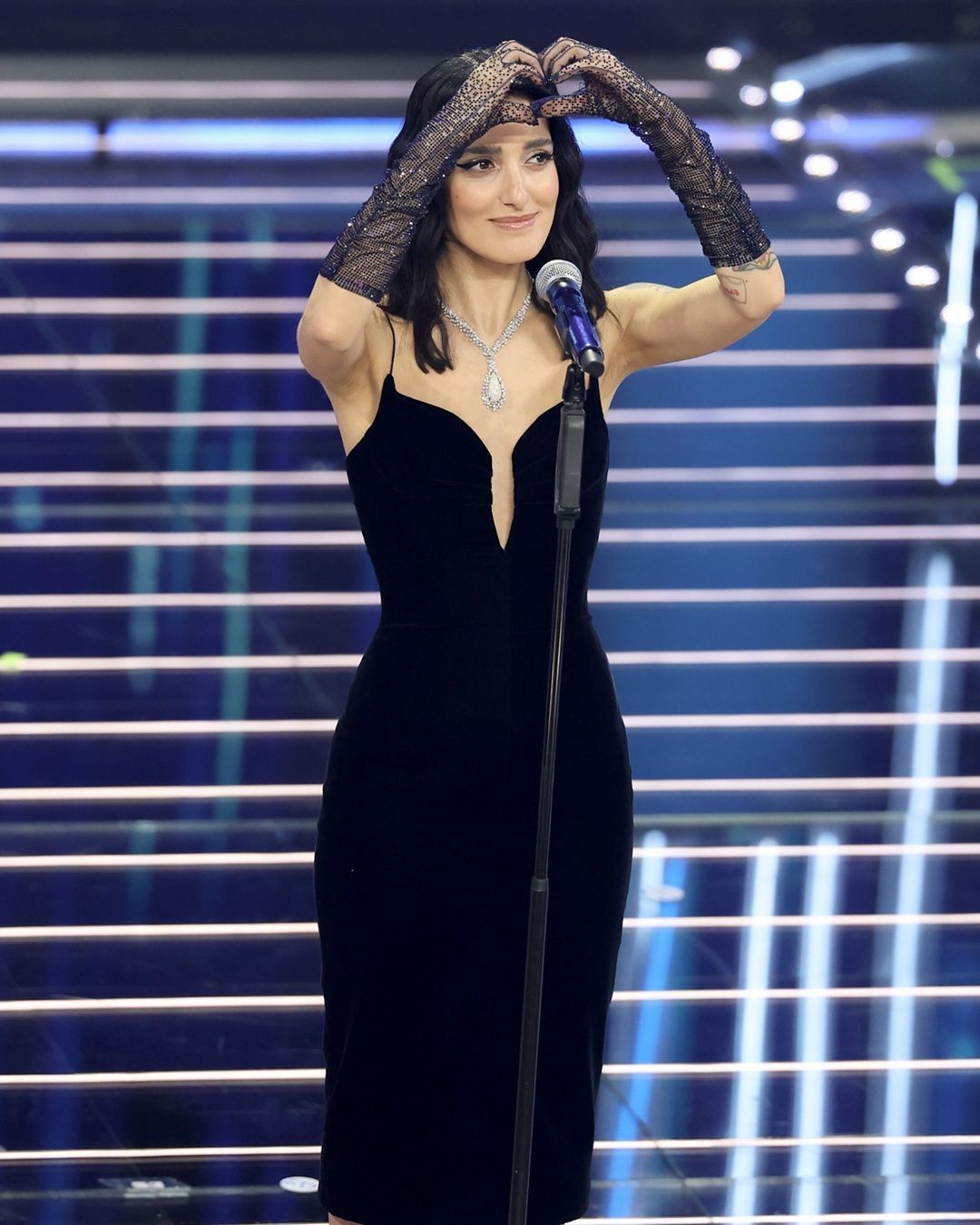
The singing contest was won by Sal da Vinci, but who to award the prize for style?
Sal Da Vinci won Sanremo Festival 2026
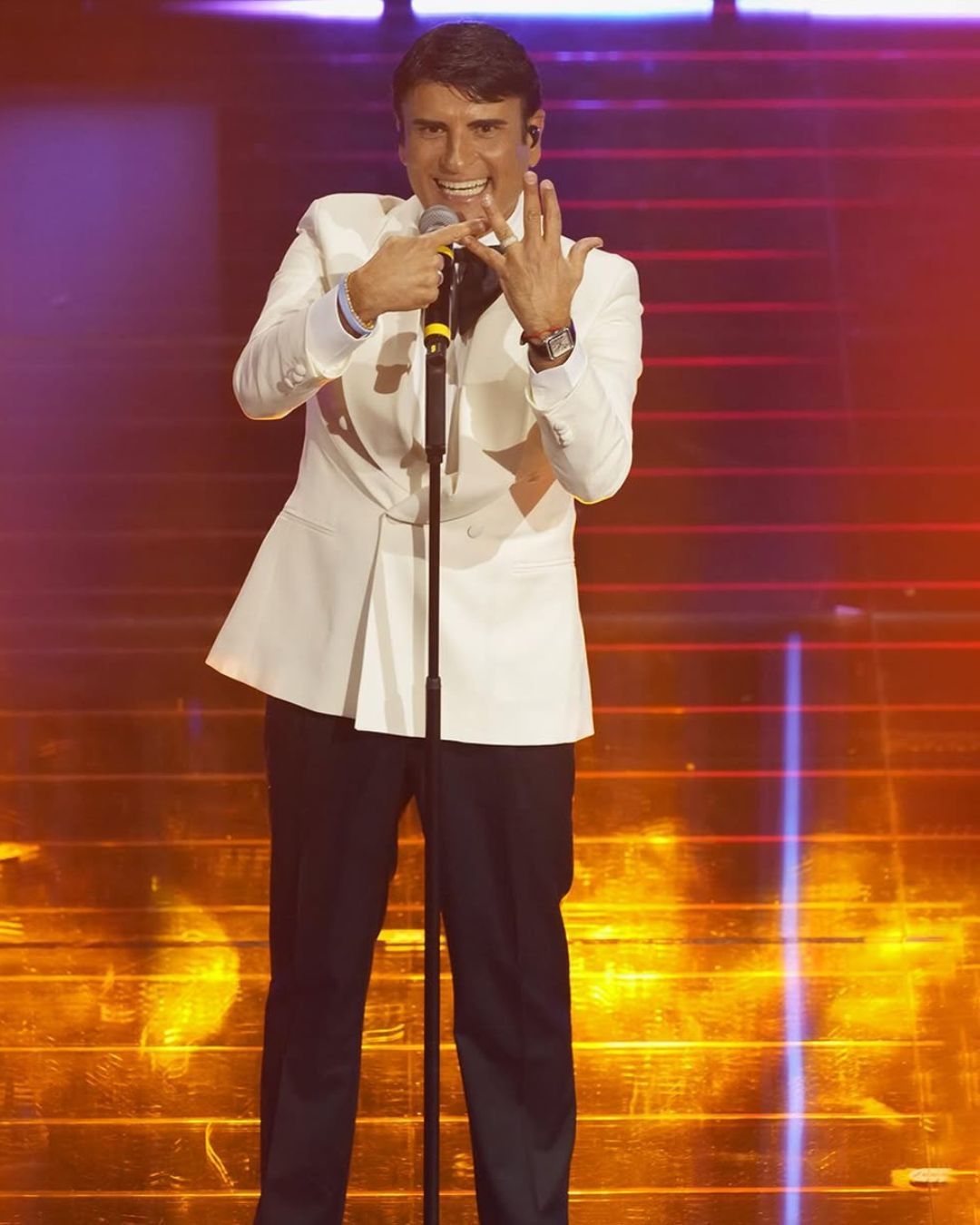
And here is the recap of the last evening of the 76th edition of the kermesse