





























Pat McGrath Labs has filed for bankruptcy When beauty myths clash with reality
It is not enough to be the Mother of makeup. It is not enough to have defined the aesthetics of makeup on the world’s most important runways for over thirty years, nor to have built a global cult around one’s name. And apparently, it is not even enough to embody the very idea of beauty as a cultural language to shield a company from the most ruthless mathematics of all: accounts that don’t add up. The news that Pat McGrath Labs has filed for Chapter 11 bankruptcy, reported by WWD, marks a symbolic turning point for the entire luxury beauty industry. Not because the brand was perceived as being on the brink of imminent trouble, but because it represented one of the last strongholds of the belief that creative genius alone is enough to sustain a company worth hundreds of millions. Today, that myth collides head-on with financial reality.
From backstage to a billion (and back): Pat McGrath Labs' history
When Pat McGrath founded her brand in 2015, the timing was surgical. The cosmetics market was buzzing, Instagram was dictating trends, and the boundary between fashion and beauty was thinner than ever before. Pat did not come from marketing, but from the creative Olympus: Alexander McQueen, Dior, Prada, Givenchy, Maison Margiela, Prada, Louis Vuitton, and many others. Her name was already a brand. The debut with Gold 001, a multi-use gold pigment sold in a sequined pouch, sold out in six minutes. It was not just a product; it was a manifesto. Thus Pat McGrath Labs was born, the first brand to truly transform backstage aesthetics into a global commercial object, delivering extreme glamour to the shelves of Sephora and Ulta Beauty. In 2018 came the definitive consecration, thanks to a valuation exceeding one billion dollars and a €60 million investment from Eurazeo. A beauty unicorn, founded by a Black woman, celebrated as a virtuous example of creativity, inclusivity, and the power of personal branding. Everything seemed possible.
Beauty is not only art
The problem is that the beauty business does not live on vision alone. In the following years, as the market evolved and consumers became faster, more fickle, and less easily impressed, Pat McGrath Labs began to show structural cracks. It forgot that growth means building structure, optimizing, simplifying, and deciding what to cut. Instead, its business model remained heavy; the collections, while still spectacular, became less readable, and the positioning oscillated between couture luxury and mass distribution. Costs remained those of a billion-dollar brand, while sales began to slow. The pandemic accelerated already latent problems. Makeup lost centrality to skincare, physical stores closed, online became more competitive and less forgiving. Internally, management changes, layoffs, continuous reorganizations, and an incoherent strategy emerged. The brand remained extremely powerful on a symbolic level, but increasingly irrelevant on a commercial one. In a market dominated by speed, the creator economy, and new visual languages, Pat McGrath’s hyper-constructed aesthetic suddenly appeared anchored to another era.
Investors exit and the numbers don’t add up
When investors start to slip away without triumphant press releases, the signal is usually clear. Eurazeo exited quietly in 2021. Sienna Investment Managers, which entered later with high expectations, wrote down its stake by up to 88%. In just a few years, Pat McGrath Labs’ valuation fell from over one billion to less than 200 million dollars. Sales figures tell the same downward story, dropping from over 100 million dollars at their peak to around 50 million dollars in recent years. Figures insufficient to support a structure designed for a billion-dollar brand. The outcome was inevitable: estimated debts between 50 and 100 million dollars and recourse to Chapter 11 as the only way to avoid collapse.
The Pat McGrath paradox
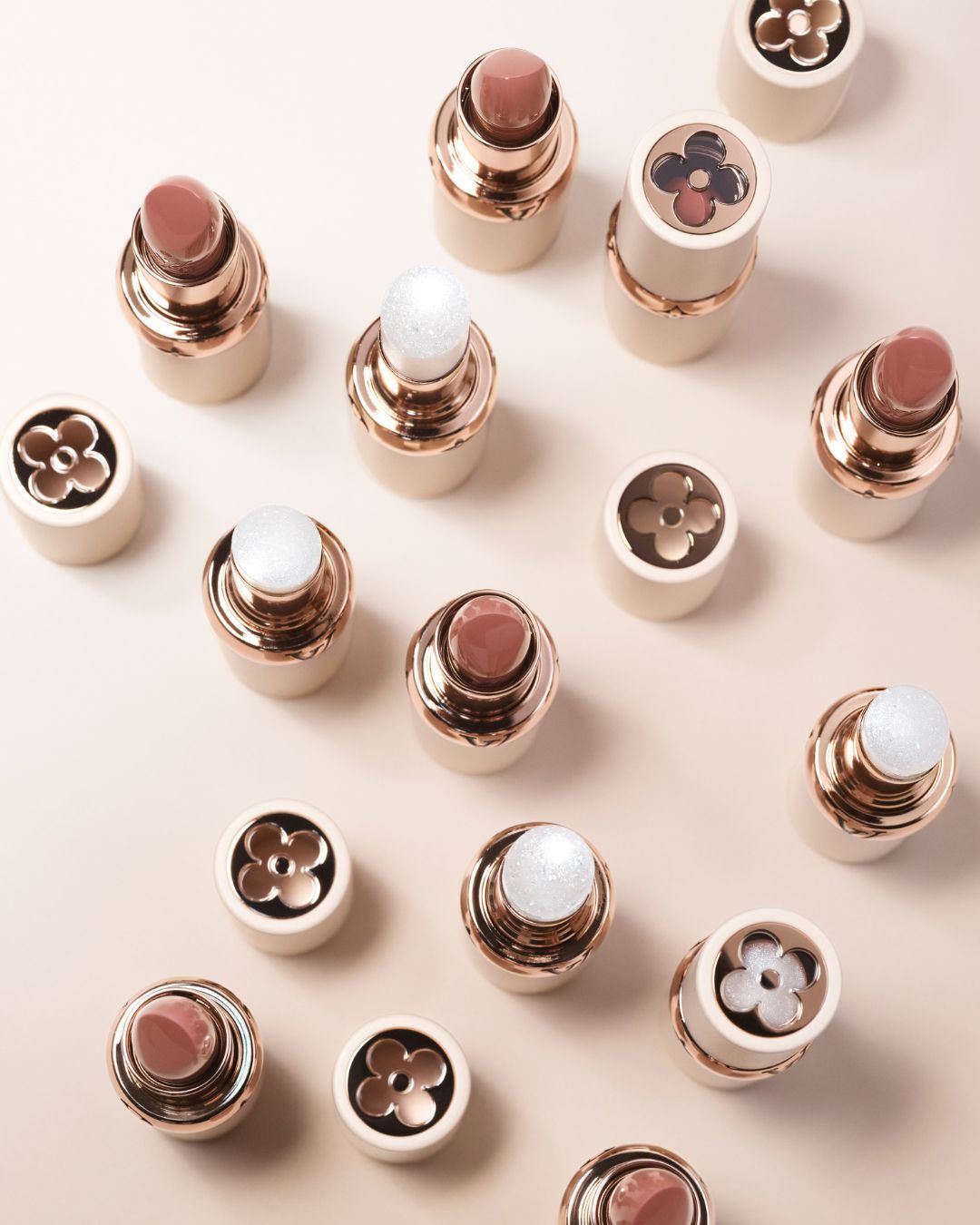
While the brand struggles, Pat McGrath as a creative figure remains untouchable and has never ceased to be central to the business. Her recent appointment as beauty director for Louis Vuitton’s La Beauté clearly demonstrates that the industry continues to regard her as an absolute authority. And here lies the most evident paradox of the entire story. The myth endures. The brand, however, must prove it can survive without relying solely on the creative talent that founded it. For years, Pat McGrath Labs thrived as an extension of its founder’s charisma. Today, the market demands something else: speed, clarity, margins, operational discipline. Words that don’t inspire dreams, but keep companies standing. In this sense, the bankruptcy of Pat McGrath Labs is more than financial news, it is a systemic signal. Luxury beauty is undergoing a profound downsizing phase, in which hype is no longer enough and the cult of the founder is tested against balance sheets. It demands less mythological storytelling and more financial discipline; fewer founder-stars and more governance; less hype and more sustainable margins. Even the most iconic brands must therefore prove they can function as companies, not just as aspirational narratives. Pat McGrath’s loyal community remains a huge asset, but it is not enough without an agile and credible model. The real question, then, is not whether Pat McGrath will remain a legend. She already is. The question is whether Pat McGrath Labs will be able to be reborn as a business.