





















Sephora vs Ulta: the 10 best-selling beauty brands online in the first half of 2025 From the boom of Sol de Janeiro to gourmand fragrances, here are the brands that dominate the rankings
The digital beauty market has become a privileged observatory not only for understanding what consumers buy, but also for interpreting how desires, habits, and even identities evolve through skincare, make-up and haircare products. Navigo Marketing collected data for the first half of 2025, cross-referencing bestsellers, advertising campaigns, and social trends. It observed that consumers continue to seek trusted brands but, at the same time, are open to experimenting with emerging labels in search of new sensory experiences. However, there is a clear distinction between shopping habits on Sephora.com and Ulta.com. Sephora confirms itself as the showcase of aspirational luxury and the preferred destination for those investing in mid-to-high-end products, with an average spend of around $40. Ulta Beauty, instead, caters to a more heterogeneous audience. Its average ticket, about $30, reflects a more transversal choice, where beauty becomes more democratic, with dermatological care coexisting alongside accessible makeup and professional haircare.
The top 10 best-selling brands on sephora.com in the first half of 2025
- Sephora Collection: despite a 0.5% drop, it remains at the top with 4.8% of sales. The private label continues to thrive thanks to its accessible price point and wide range.
- Sol de Janeiro: captures 2.4%, up 0.4%, driven by gourmand fragrances dominating TikTok and Instagram.
- The Ordinary: essential skincare, solid performance, at 1.9%, up slightly (+0.1%).
- Amika: slightly down, but still relevant in trendy haircare (1.7%).
- Kérastase: jumps forward (+0.6%) also reaching 1.7%. Professional hair luxury is carving out new space.
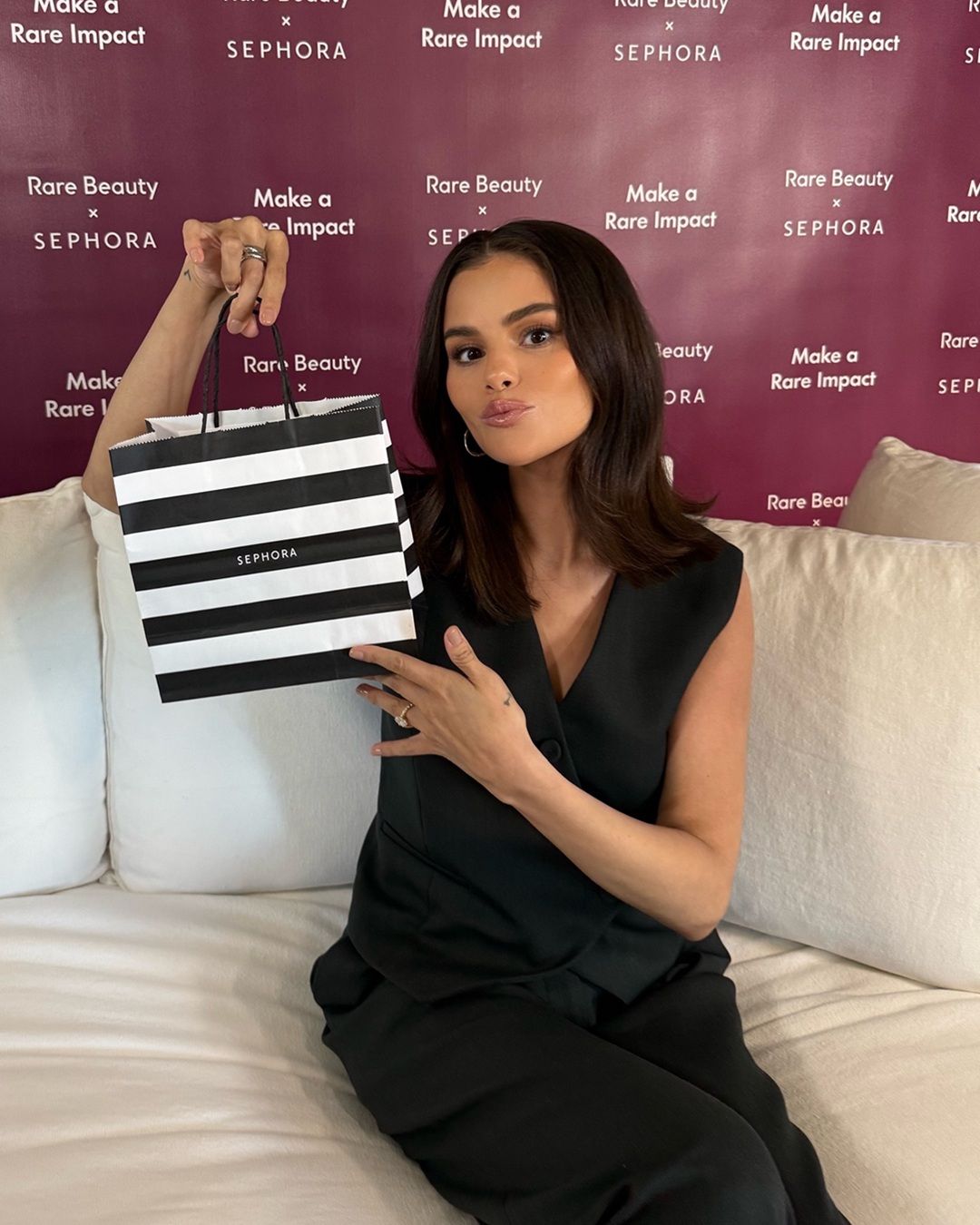
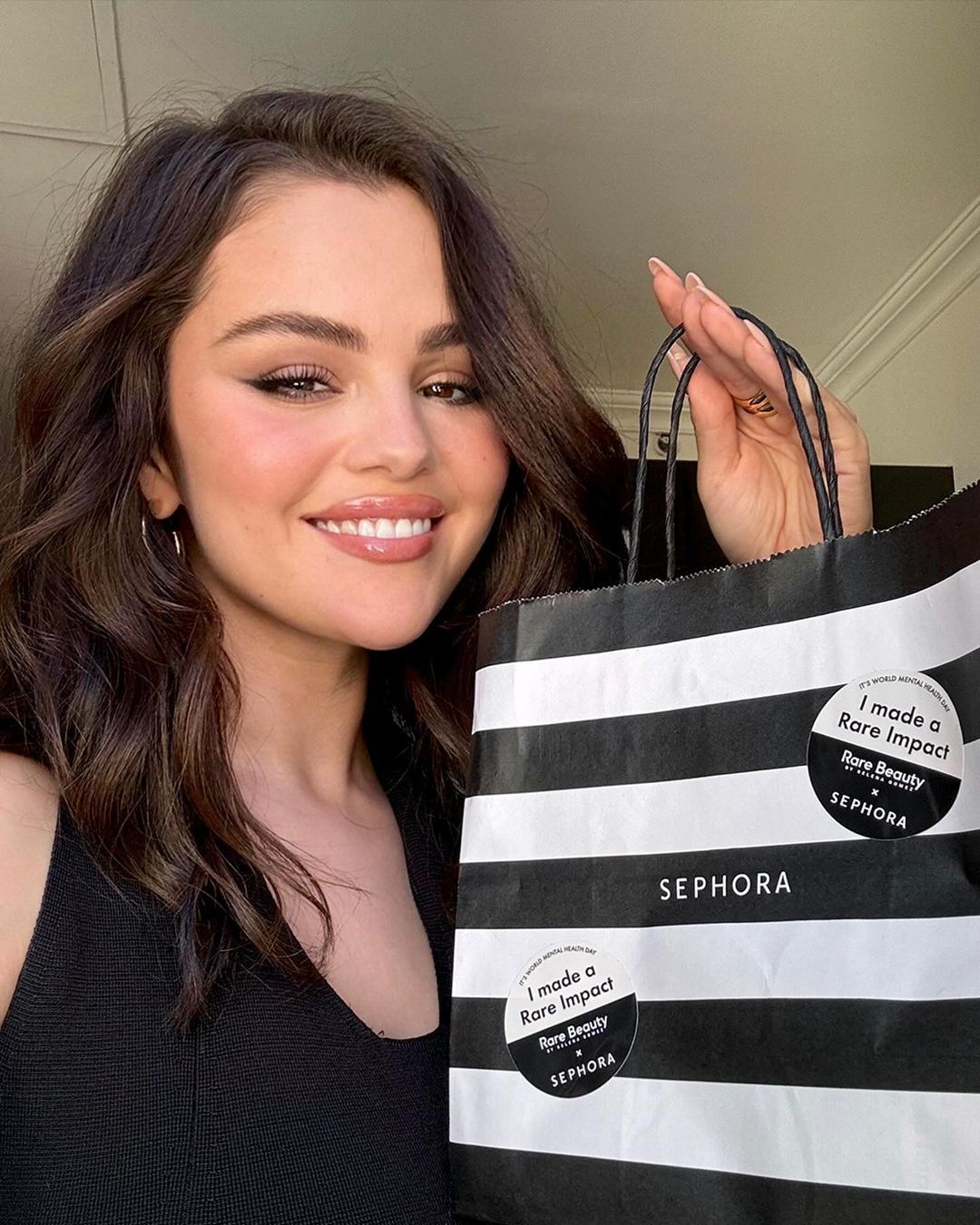
- Rare Beauty: up 0.1%, confirming its strong connection with Selena Gomez’s community.
- Moroccanoil: dips slightly (-0.1%), but remains stable among haircare lovers.
- Glow Recipe: down 0.4%; the fruity skincare trend seems to be slowing.
- Fenty Beauty: despite a 0.1% decline, maintains a solid 1.4% share.
- Charlotte Tilbury: closes the list with 1.3%, down slightly (-0.3%).
Sephora.com: the strength of iconic brands and the rise of haircare
Sephora’s ranking confirms that big names continue to dominate, but there is growing interest in premium haircare brands, capable of capturing new consumer awareness. At the top remains Sephora Collection, with 4.8% of sales despite a 0.5% dip. Its strength lies in both affordability and range breadth, ensuring everyone can find a product suited to their needs. The true revelation, however, is Sol de Janeiro, at 2.4% of sales and up 0.4%. It is more than just a commercial success: a cultural phenomenon that, thanks in part to TikTok, has turned gourmand fragrances into symbols of viral desirability. Sephora also consolidates its role as a skincare destination with The Ordinary (1.9%, slightly up), proof that scientific minimalism continues to attract those seeking effective formulas at affordable prices. Alongside, haircare brands like Amika and especially Kérastase (up 0.6%) highlight how consumers are increasingly willing to dedicate the same care to their hair as to their skin. The rest of the ranking is a mosaic of iconic makeup and skincare names: Rare Beauty, Moroccanoil, Glow Recipe, Fenty Beauty and Charlotte Tilbury, each with minor fluctuations but maintaining a consolidated spot in shoppers’ hearts.
The top 10 best-selling brands on Ulta.com in the first half of 2025
- Clinique: firmly in the lead with 3.2% and up 0.2%. Trust in classics endures.
- La Roche-Posay: gains 0.7%, reaching 2.3%. Clear evidence of the dermocosmetics boom.
- Ulta Beauty Collection: at 2.3%, resilient despite a 0.1% dip.
- Redken: up 0.2% to 2%. Professional haircare finds fertile ground.
- e.l.f. Cosmetics: gains +0.2% (1.4%) and confirms leadership in low-cost makeup.
- Sol de Janeiro: grows more than at Sephora (+0.7%), reaching 1.3%.
- Tarte: down 0.3%, but still relevant at 1.3%.
- OPI: up 0.3% to 1.3%, leading nailcare’s comeback as a key category.
- Nyx: +0.1% (1.2%), supported by a strong, youthful, social-driven community.
- MAC Cosmetics: at 1.1% (+0.1%), confirms the resilience of the historic brand.
Ulta.com: between dermatological skincare and accessible brands
Ulta’s ranking is dominated by brands that combine reliable dermocosmetics with democratic makeup, in a balance appealing to diverse audiences. At the top, with 3.2% and up 0.2%, is Clinique, a brand synonymous with trust and reliability for decades. This confirms consumers’ ongoing appreciation for its stability. Next comes La Roche-Posay (+0.7%), reaching 2.3% and certifying the dermocosmetics boom. These are products perceived as scientific, effective, and validated, ideal for a "no-frills" skincare routine rich in results. The Ulta Beauty Collection, in third place with 2.3% and a slight drop, demonstrates that private labels still play a central role. Professional haircare also stands out here, with Redken rising 0.2% to 2%, showing that haircare is no longer confined to salons but part of everyday home routines. In makeup, the key player is e.l.f. Cosmetics (+0.2%), with 1.4% of sales, a brand embodying accessible, inclusive luxury. Nyx and MAC consolidate their positions lower down the list, while Tarte shows a slight decline. A big comeback is seen with OPI (+0.3%), which at 1.3% reminds us that nailcare is once again becoming a central aesthetic language. An interesting case? Once again, Sol de Janeiro, which grows more at Ulta than at Sephora (+0.7%), signaling that its ability to speak to diverse audiences is one of the brand’s strongest assets.
What these numbers tell us
It is worth pausing on some clear trends. The first is the growing desire for identity-driven, sensorial products: it’s no surprise that Sol de Janeiro, with its gourmand fragrances and enveloping textures, has secured a stable place among bestsellers at both retailers. The brand’s success shows that today’s consumer doesn’t just seek technical performance but also experiences that speak to memory and emotions. At the same time, there’s a return to dermocosmetics and professional haircare, two segments previously seen as more "niche" but now central to daily routines. Dermatological brands like La Roche-Posay and haircare names like Kérastase and Redken demonstrate that beauty is no longer just surface-level, but a broader language of wellness where science and sensoriality intertwine. Consumers, therefore, seem to be driven by a dual tension: on one hand, the hedonistic, immediate pleasure of beauty as a self-care ritual; on the other, the concrete pursuit of efficacy, safety, and visible results. In this in-between space, Sephora and Ulta move as complementary poles, offering different yet equally meaningful experiences.
What to read next
LVMH Q3 2026: beauty saves the day
LVMH's quarterly results highlight strong performance in fragrances and retail, with Dior and Guerlain holding steady, while Sephora surges
Sephora bets on personalized skincare with Skin for You
The skin analysis service available in store