





Kering sells its beauty division to L'Oréal for €4 billion The agreement includes 50-year licenses for Gucci, Bottega Veneta, and Balenciaga
It’s the end of an era for Kering. After years of ambitious expansion, creative bets, and attempts at diversification, the French luxury group is selling its beauty division to L’Oréal for €4 billion. The announcement marks a point of no return for the conglomerate founded by François Pinault, an empire that, after dominating the global fashion scene, now finds itself forced to redraw its boundaries. Over the past three years, Kering has gone through a period of deep instability, both creative and financial. Sales at Gucci, the group’s long-time beating heart, have suffered a steady decline, worsened by difficult management turnover and a radical shift in consumer preferences. Since its 2021 peak, the company’s stock has lost around 78% of its value, with more than 60% of that wiped out in just the past two years. Meanwhile, debt has risen to over €10.5 billion, a burden that weighs on every strategic decision. In this context, the sale to L’Oréal appears as a moment of reckoning: to grow again, one must first regain breathing space, giving up on competing on too many fronts to refocus instead on one’s core identity. The new partnership opens a fresh chapter for the two French powerhouses, here are the details.
The deal: numbers, brands, and strategies
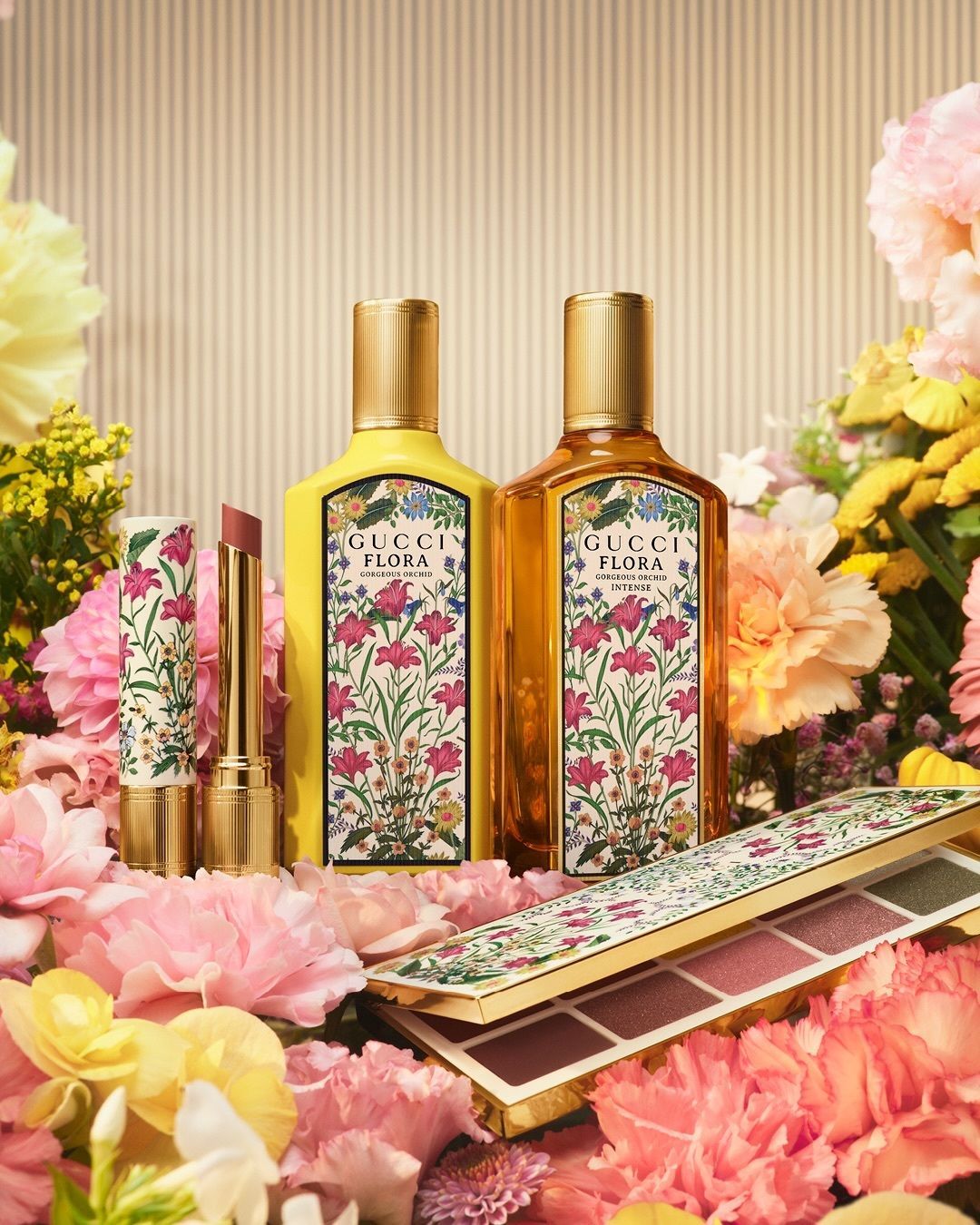
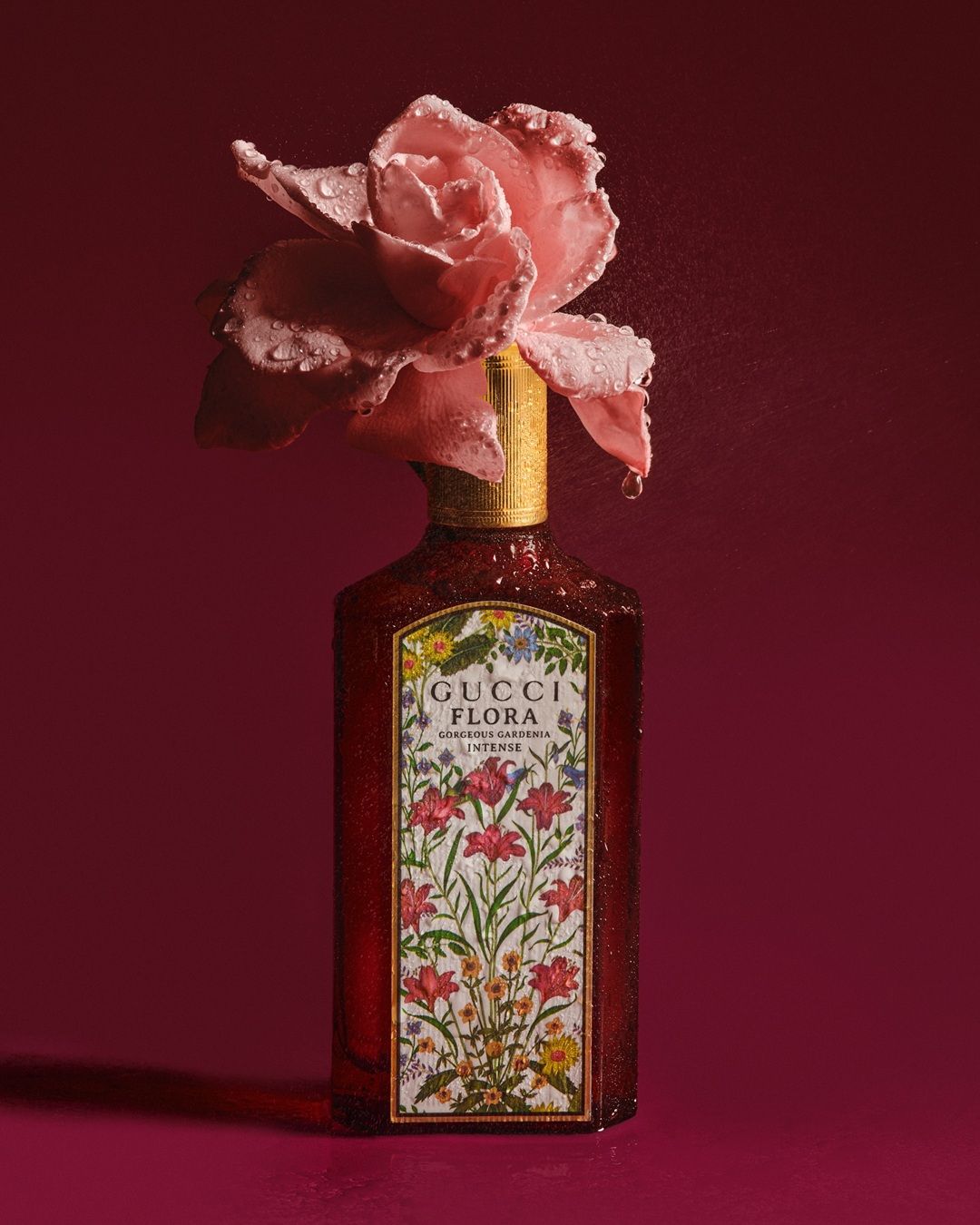
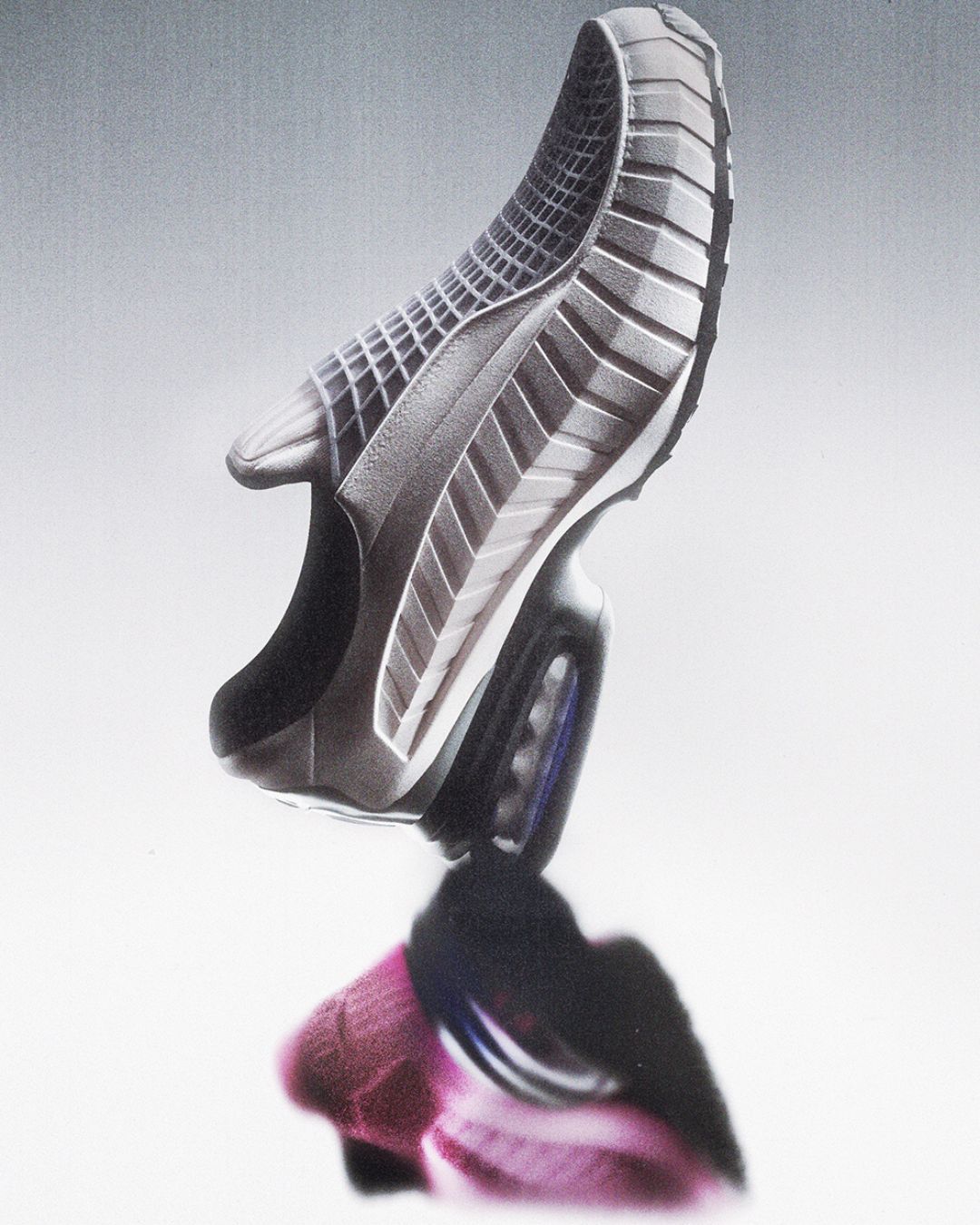
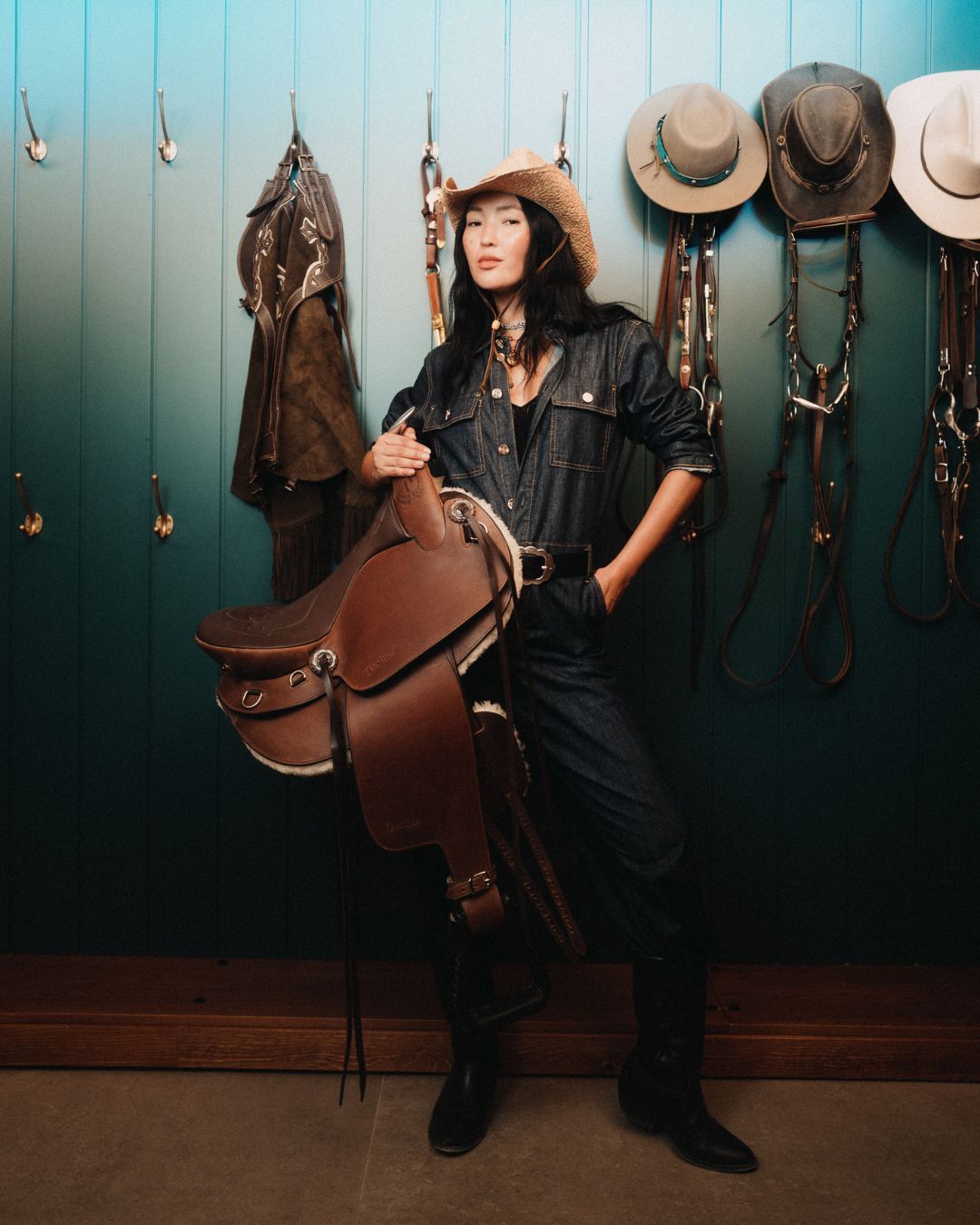
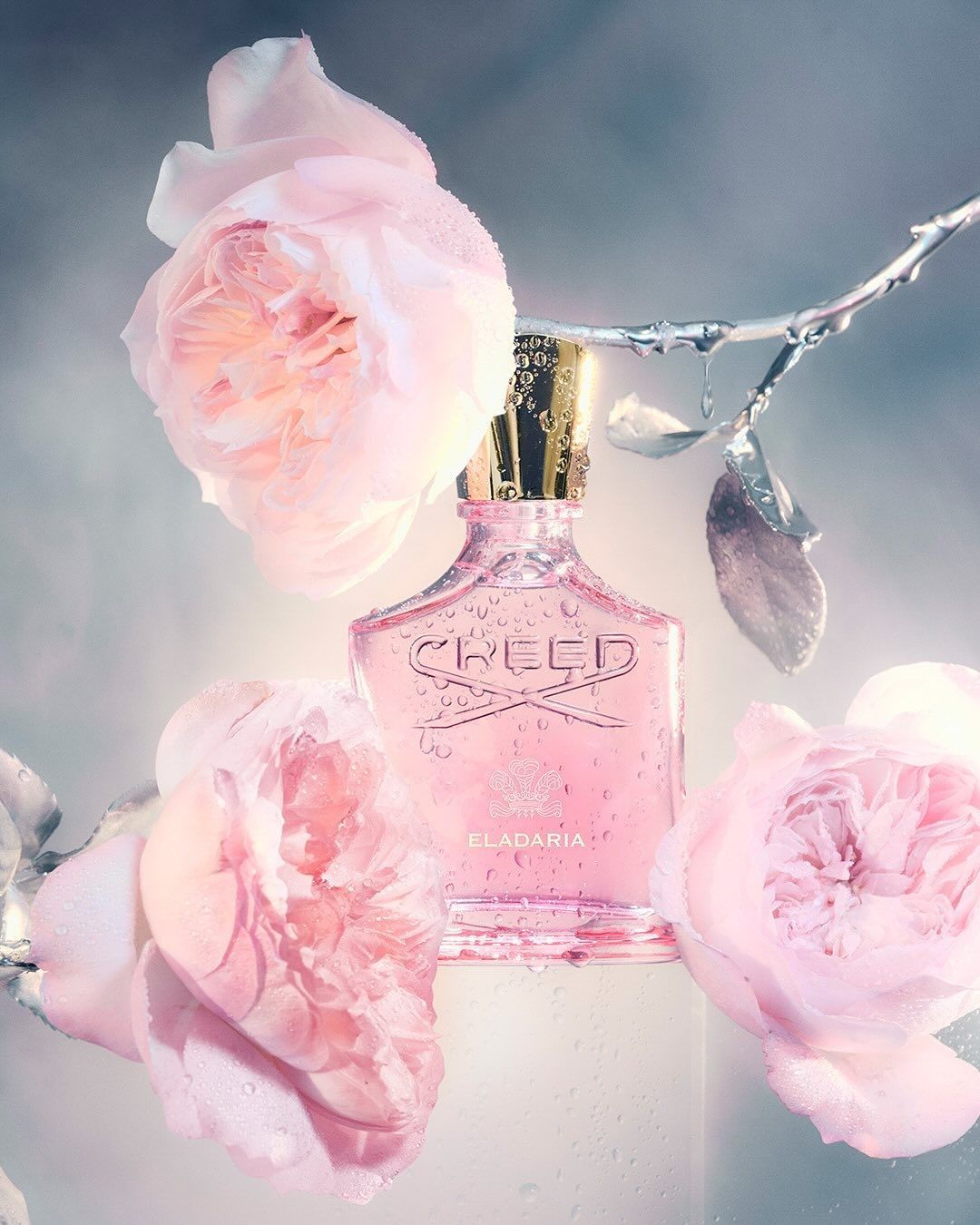
According to the joint official statement, “Kering and L’Oréal announced today that they are entering a long-term strategic partnership in luxury beauty and wellnes” The agreement includes the sale of Maison Creed to L’Oréal, along with 50-year exclusive rights for the creation, development, and distribution of fragrance and beauty products for Gucci, Bottega Veneta, and Balenciaga. The total value of the deal is €4 billion, fully in cash, with completion expected in the first half of 2026. The agreement also provides for royalty payments to Kering and the creation of a joint strategic committee to coordinate activities between the two groups. The statement emphasizes that this alliance “building on the success of Yves Saint Laurent Beauté, this alliance further consolidates the long history of collaboration of two global leaders with complementary strengths: iconic luxury brands of Kering and the world-class expertise of L’Oréal in beauty".
Luca De Meo and Kering’s New Discipline
For Luca De Meo, Kering’s CEO since June 2025, this is the first major decision of his tenure, arriving at a critical moment marked by declining results and a fragmented strategic identity. In an official statement, De Meo called the deal “a decisive step for Kering,” explaining: “Joining forces with the global leader in beauty, we will accelerate the development of fragrance and cosmetics for our major Houses, allowing them to achieve scale in this category and unlock their immense long-term potential, as did Yves Saint Laurent Beauté under L’Oréal’s stewardship.” Kering Beauté, founded in 2023, represented the dream of a complete luxury conglomerate, one capable of competing with LVMH even in the high-end fragrance market. However, managing the beauty business internally, from distribution channels to product development timelines, proved more difficult than expected. Its sale, De Meo clarified, “allows us to focus on what defines us best: the creative power and desirability of our Houses.” Known for his pragmatic approach and ability to handle complex transitions, De Meo has chosen to streamline the group, cutting less profitable branches to refocus on the historical pillars of luxury: fashion, leather goods, and artisanal savoir-faire.
L’Oréal expands its beauty empire
With this acquisition, L’Oréal strengthens its position as the undisputed leader in luxury cosmetics. The integration of Creed, together with the licenses for Gucci Beauty, Balenciaga Beauty and Bottega Veneta Beauty, bolsters the L’Oréal Luxe division, already dominant with brands like Yves Saint Laurent, Valentino, Prada e Maison Margiela. The statement notes that “a true heritage name in haute parfumerie, Creed stands among the leading high-end luxury fragrance Houses, celebrated for its craftsmanship and mastery of rare natural ingredients,” and that "as part of L’Oréal Luxe, Creed will be best positioned to accelerate even further its global development across both men’s and women’s markets”. As Nicolas Hieronimus, L’Oréal’s CEO, stated: “this partnership will further solidify our position as the world’s #1 luxury beauty company and allow us to explore new avenues in wellness together..” The move showcases L’Oréal’s ability to act with surgical timing during competitors’ vulnerable moments, as well as its skill in absorbing iconic brands and turning them into engines of global growth.
The price of luxury in crisis
The sale of the beauty division comes at a time when Kering is under pressure on multiple fronts. Beyond Gucci’s troubles, the group has reported declining results at Alexander McQueen and Saint Laurent, while its rising debt has sparked concern among analysts and rating agencies. Over the past two years, Kering’s stock has lost more than 60% of its value, a collapse for a group once regarded as one of Europe’s most solid luxury players. Diversification strategies, from eyewear to beauty, failed to deliver the expected returns, and now De Meo faces the daunting task of cutting costs, refocusing the Maisons, and restoring shareholder confidence. To do so, he has chosen to return to basics: strong brands, creative control, and financial discipline. The sale to L’Oréal provides immediate oxygen, but, more importantly, time to rebuild a solid, sustainable, and coherent identity.
A new alliance for the future of luxury
In the long term, this deal not only launches a lasting strategic partnership but could also redefine the balance of the entire luxury beauty market, confirming L’Oréal as the sector’s dominant player. The two companies announced that they will jointly explore new frontiers in wellness, longevity, and scientific innovation. The agreement also provides for the creation of a 50/50 joint venture dedicated to research and development of innovative experiences and services in the wellness field, combining L’Oréal’s scientific expertise with Kering’s deep understanding of luxury consumers. For François Pinault’s conglomerate, it marks the end of an ambitious yet ultimately unsuccessful experiment. For L’Oréal, it is the natural expansion of an already global empire. And for the beauty industry? It confirms what experts have long predicted: the future of luxury will increasingly depend on the ability to unite heritage and innovation, creativity and discipline, image and science.