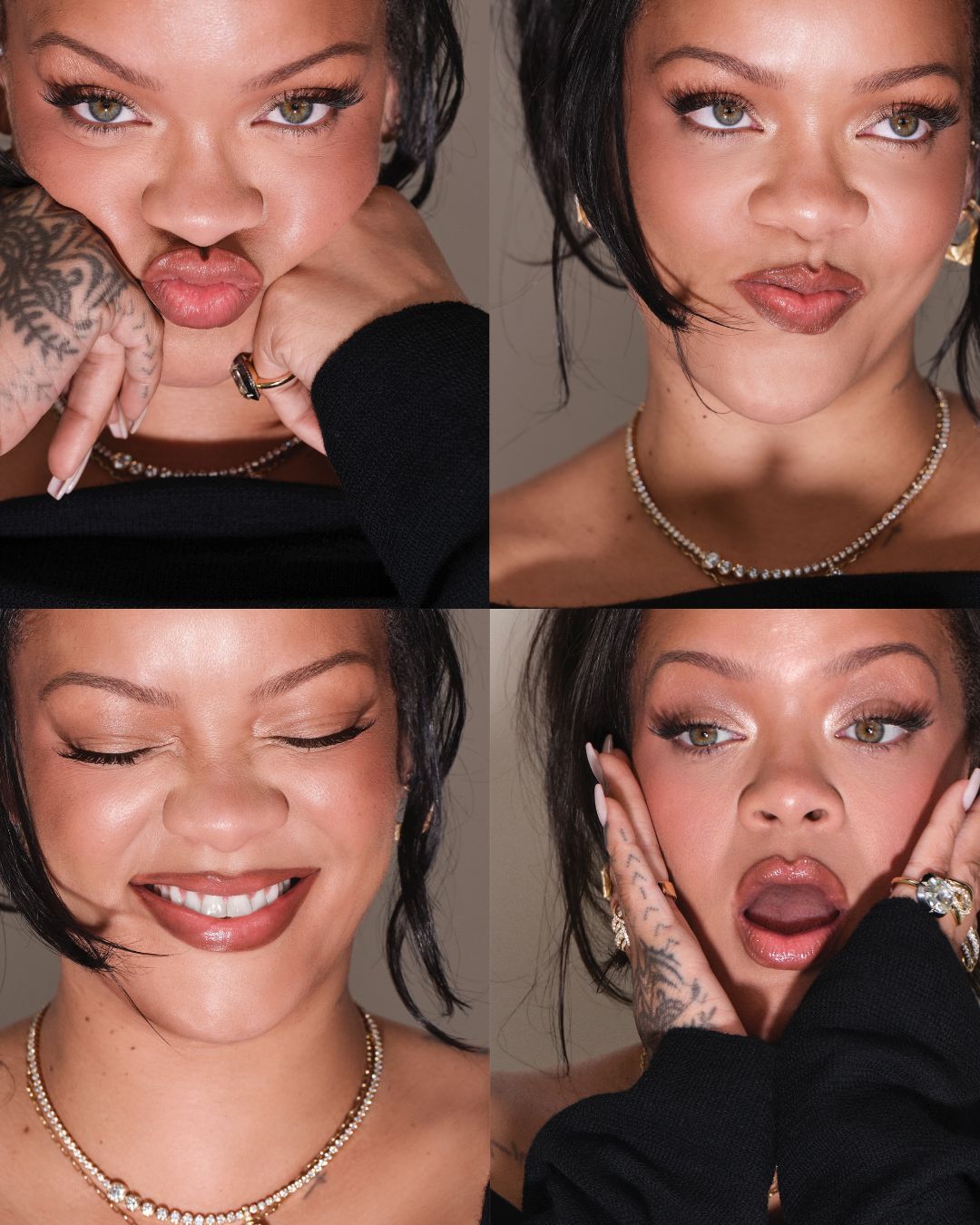
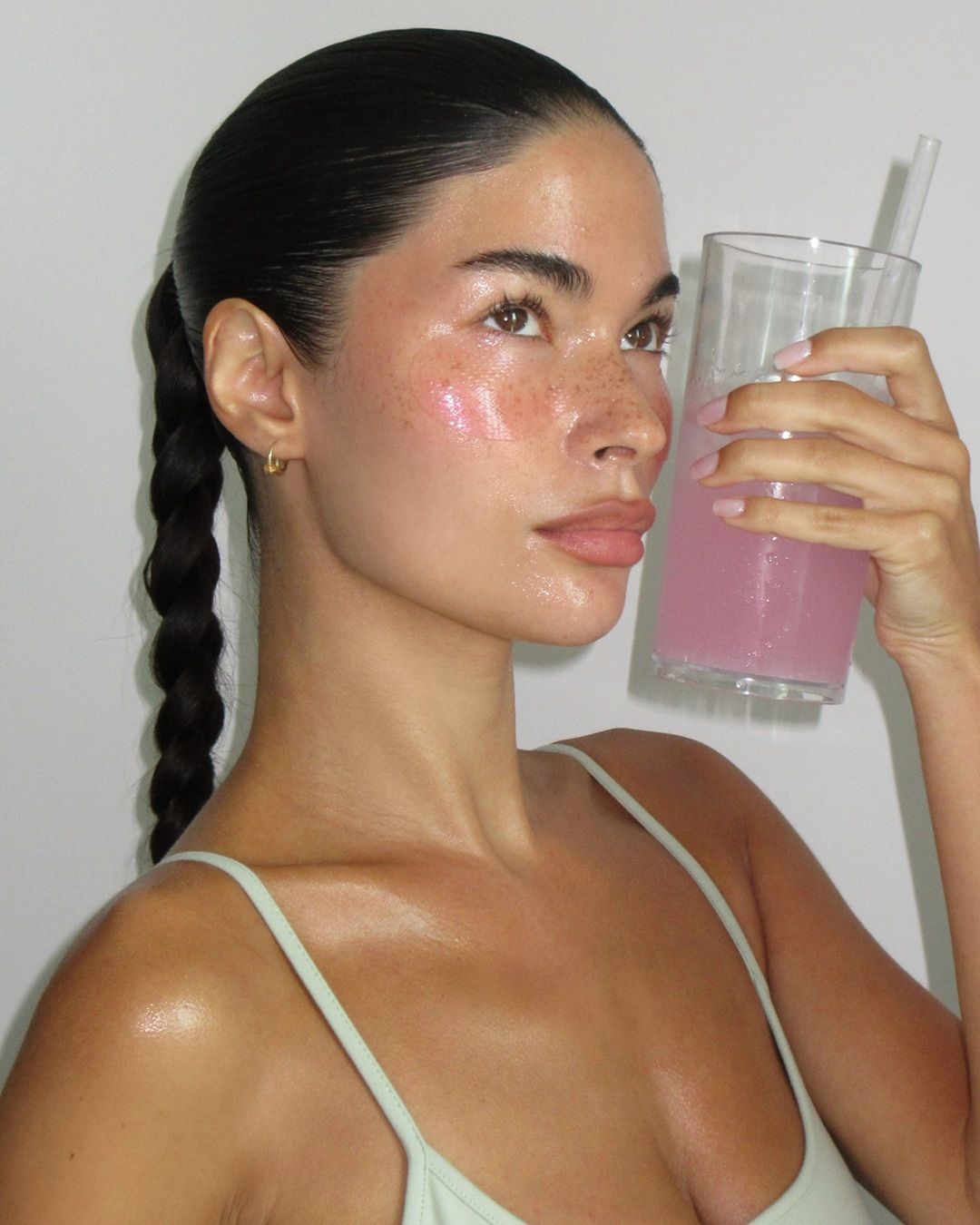
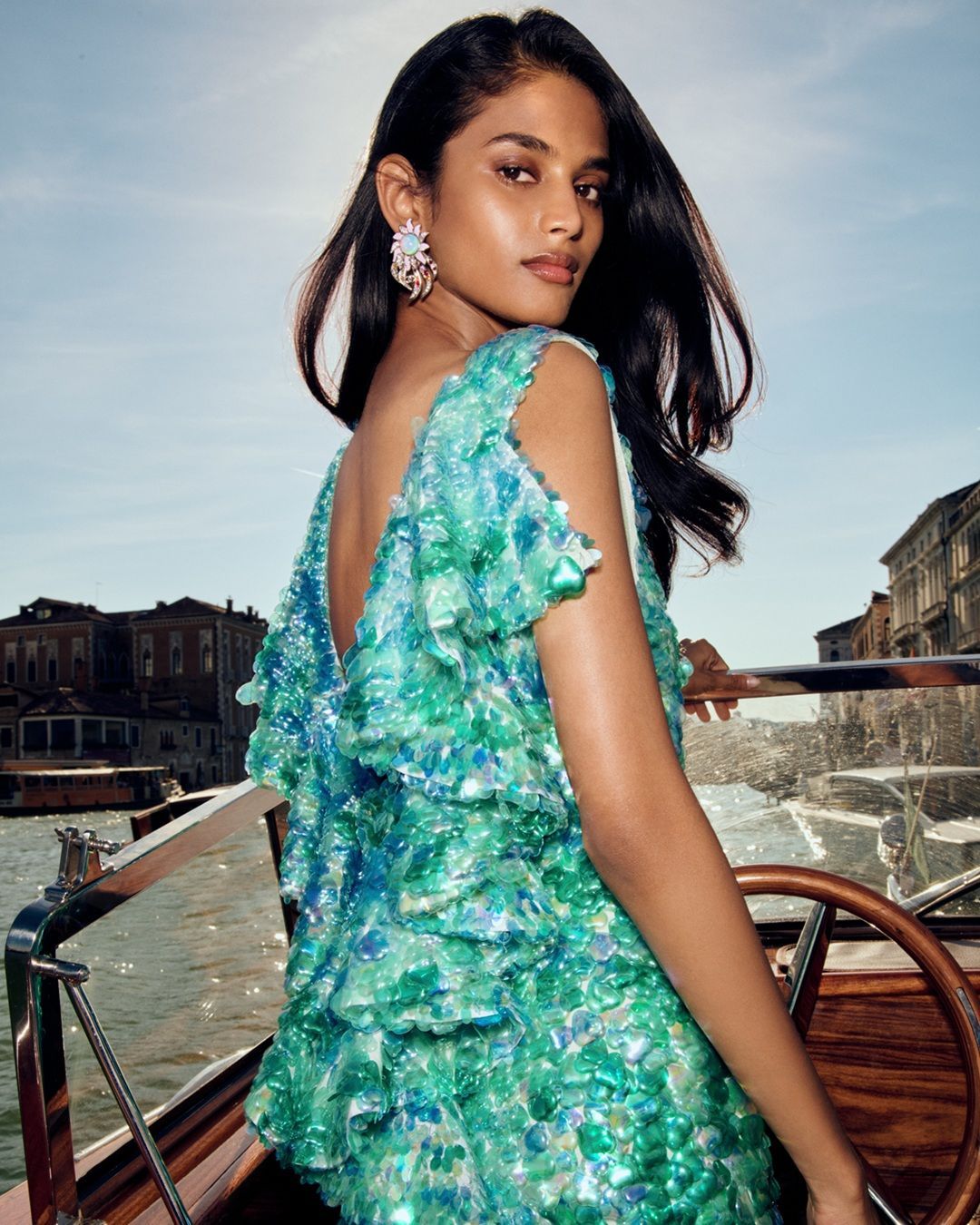





Bye bye skincare. Hello make-up! When skincare becomes a chore, makeup (preferably bold) takes center stage again
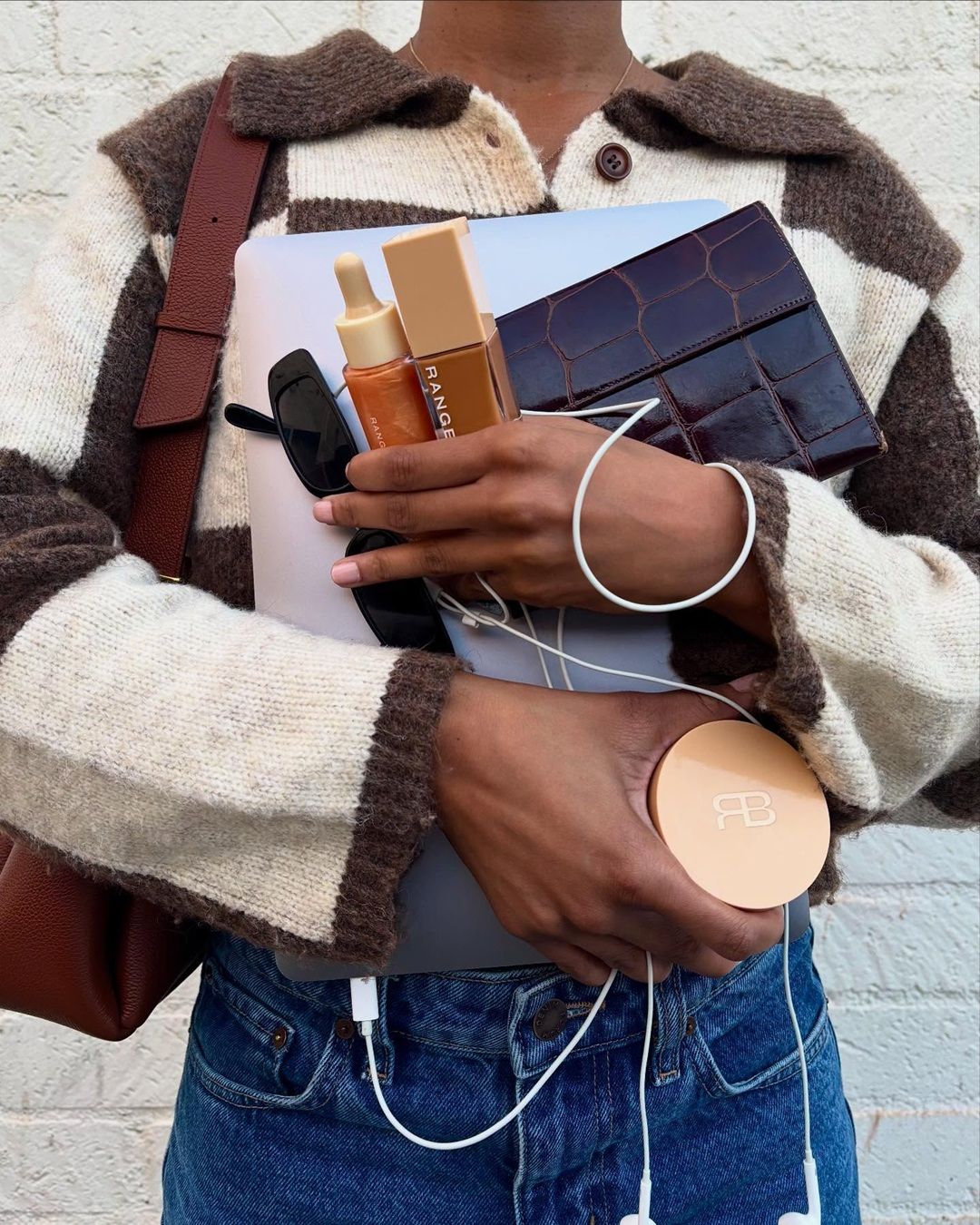
Stand up. Seriously. Walk to your bathroom and take a look at the drawers, the shelves, that little rack overflowing with glossy bottles and minimalist tubes. What do you see? Are there more skincare products or make-up items? Now do the same exercise with your phone. Open Instagram, TikTok, Pinterest. Scroll. How much space is taken up by creams, face serums, milky toners, fermented essences, miracle oils, and hydrogel masks? And how much by volumizing mascaras, eyeshadows, pigmented blushes, graphic eyeliners, and bold lipsticks? And if I asked you to think about the last beauty purchases you made? The last online cart. The last stop at Sephora or the pharmacy. The last product that promised you something more: brighter skin, more invisible pores, smoother texture, a happier skin barrier. Because the truth is that in recent years we’ve been collecting skincare routines as if they were Spotify playlists. Layer upon layer, step upon step, actives upon actives. Seven-, ten-, twelve-step routines. Morning routines, evening routines, post-gym routines, post-travel routines, routines for the skin barrier, routines for texture, routines for glow. And yet, in the past few months, something seems to be moving beneath the polished surface of glazed skin. A small shift in interest. A tiny change in direction.
Skincare vs make-up: the data
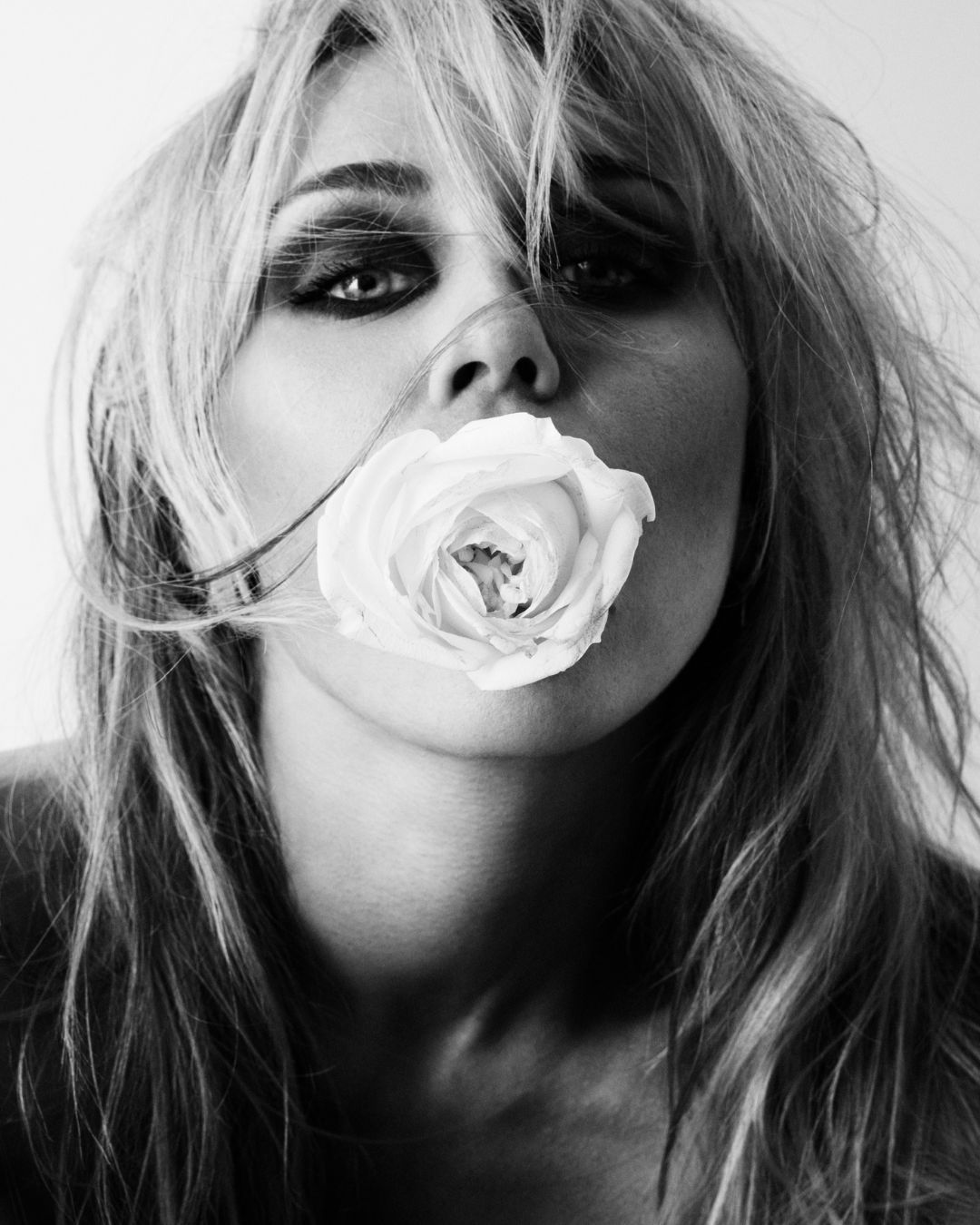
According to the cultural analysis account @databutmakeitfashion, the relationship between make-up and skincare is slowly changing. Sentiment analysis of online posts and press articles between January and February 2026 tells the story of a subtle aesthetic tremor: make-up +38%, skincare −7%. It’s not a collapse. Nor a revolution. But it’s enough to suggest that the wind may be changing direction. Perhaps our obsession with the endless skincare routine is reaching its saturation point. Perhaps we’ve entered that familiar phase in every aesthetic cycle when hyper-perfection stops exciting us and begins to feel exhausting. And perhaps, just perhaps, we’re starting to look again, curiously, at make-up. That old friend forgotten in the beauty drawer seems to be returning to center stage, not only in online conversations but also in the aesthetic imagination. The return of color. Of eyeshadow. Of bold make-up. Is that really happening? We can probably say yes. Just do a quick mental check of what we’ve seen over the past few months: the buzz around Sam Visser’s smokey eye for Gucci, the saturated and theatrical tour looks worn by Zara Larsson and created by Sophia Sinot, the return of eyeshadow on the runways. In short, something is shifting. But before declaring the death of skincare, it’s worth understanding what’s really going on.
The beauty pendulum: from minimalism to maximalism
Fashion, and beauty along with it, rarely moves in a straight line. It swings like a pendulum. In recent years we’ve lived through the era of aesthetic moderation. The undisputed reign of clean girl beauty. Perfectly hydrated skin, luminous but not too luminous. Natural, almost invisible make-up. Slightly glossy lips. Brows brushed upward with the precision of a Scandinavian design project. It was an aesthetic that spoke of control. Order. Balance. But like all dominant aesthetics, this one has slowly started to feel tiring. When every face begins to look like a variation of the same face, with the same glowing base, the same rosy blush, the same glazed skin, something inside the creative system reacts. And so the pendulum begins to move again. In recent months, the visual language of runways has slowly started shifting direction. More and more make-up artists are abandoning absolute neutrality to reintroduce color, texture, and contrast. The return of intense eyeshadows, graphic eyeliner, and dark lips is not an aesthetic accident. It’s a physiological response to a decade of minimalism. Maximalism never truly disappeared. It was simply waiting for the right moment to come back.
The return of make-up on the runways
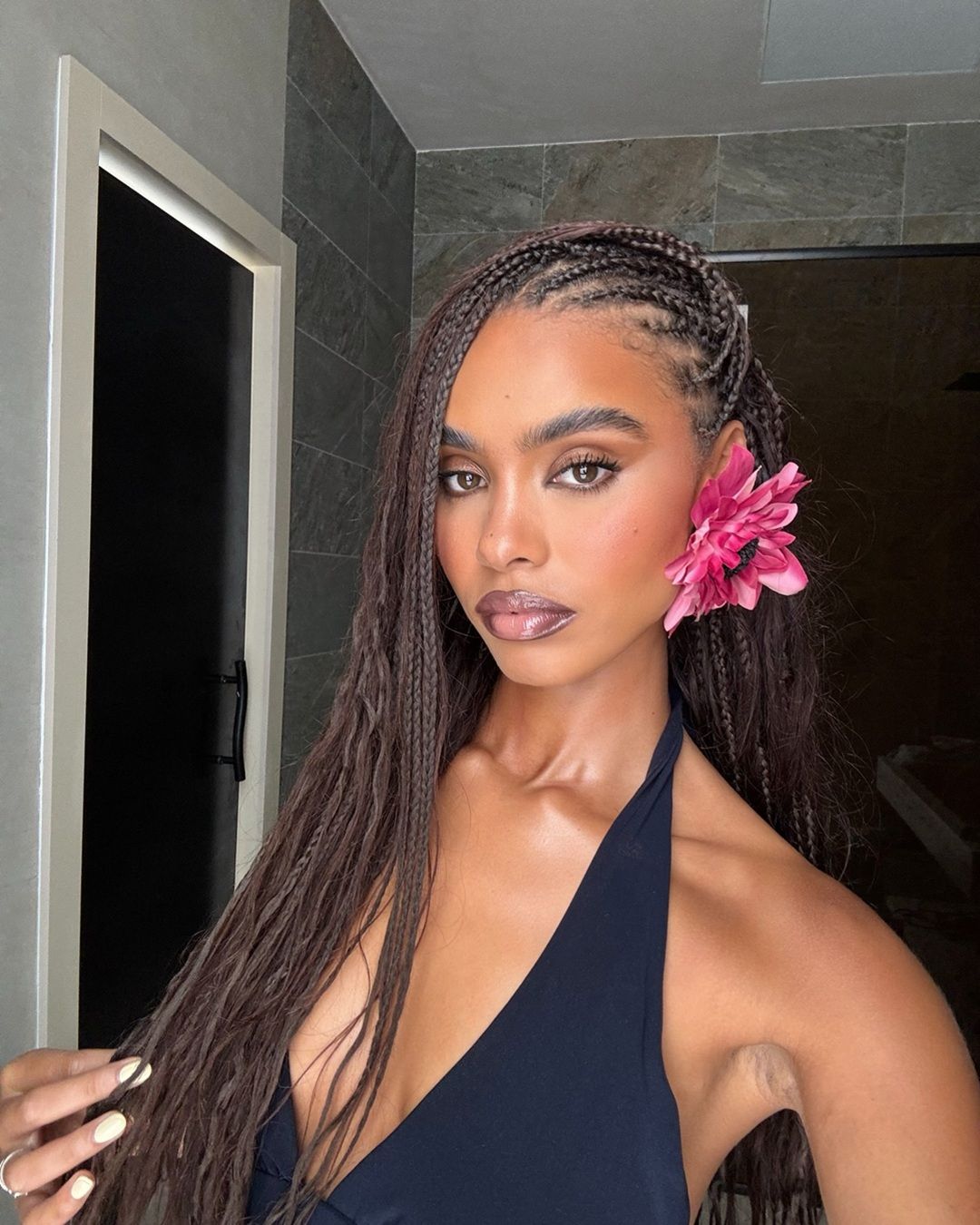
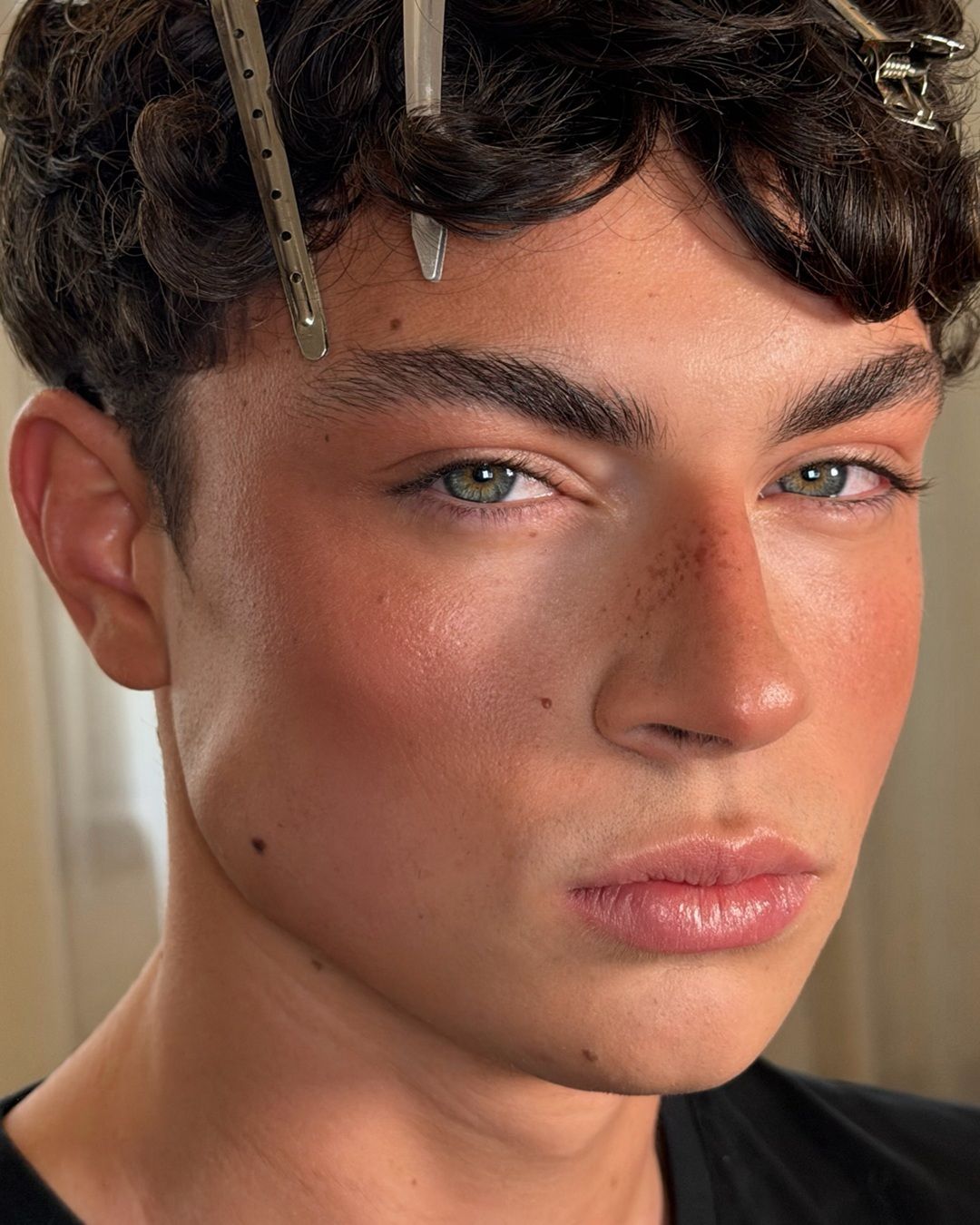
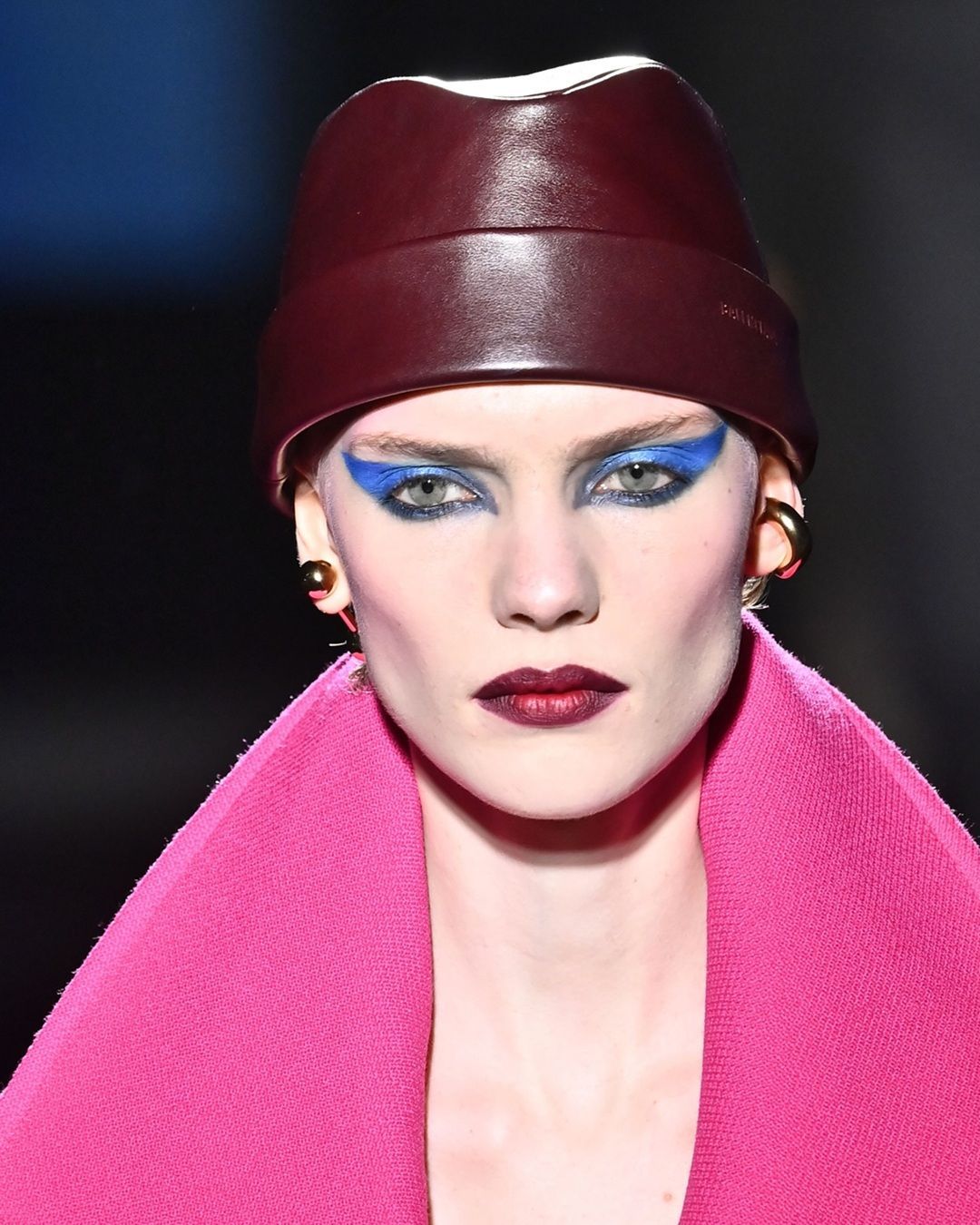
If there was still any doubt that make-up is returning to the center of aesthetic conversation, just look at what happened during the latest fashion weeks. After several seasons dominated by clean girl beauty, natural bases, sun-kissed blush, and nearly bare eyelids, the backstage atmosphere felt different. Freer. More theatrical. More playful. Make-up was no longer just there to perfect the skin, it was there to tell a story. At Milano Fashion Week, for example, several brands brought bold lipstick back to the center of the scene. At N21, lips were drenched in a deep, cinematic red. At Ermanno Scervino, the mouth remained intense while the eyes were framed by decisive black eyeliner. At Vivetta, graphic eyeliner became almost an artistic gesture, slightly irregular, inspired by the eyes of swans that ran through the collection’s imagery. Meanwhile, burgundy lipstick seemed to be turning into a true trend. It appeared at Dolce & Gabbana, but also in many other collections where dark lips created striking contrasts against intentionally understated complexions. On the eyes, textures and pigments dominated. At Blumarine and Diesel, eyelids shimmered with metallic eyeshadows, while other shows featured graphic cat-eyes, deep smokey eyes, and saturated colors. Then came the viral moment of the season: the extremely dramatic smokey eyes created by make-up artist Sam Visser for the Gucci runway show. An intense, layered, almost theatrical eye look that immediately flooded social media. Within days, TikTok and Instagram were filled with tutorials, reinterpretations, and reposts attempting to replicate that smoky, dramatic gaze. It’s the perfect proof that eye make-up is once again becoming an object of aesthetic desire. Internationally, the trend is the same. At Roberto Cavalli, some models walked with deep plum lipsticks, almost black. At Balenciaga, the eyes became the absolute focal point of the face thanks to graphic cat-eyes and intensely saturated blue and purple tones. Purple, in particular, seems destined to become one of the key make-up colors of 2026. In other words, bold make-up is no longer an exception. It’s slowly returning to being the norm.
This doesn’t mean the era of nude looks is over. Many shows still use natural bases and almost invisible complexions. But this very contrast makes the emerging trend even clearer: skin can remain simple, while eyes and lips become the protagonists. It’s as if contemporary beauty is finally finding a new balance between skincare and make-up, a well, cared-for complexion that isn’t obsessively perfected, on which make-up can once again express itself freely. After all, that’s exactly what we hinted at in the beginning: after years spent perfecting skin, fashion seems ready to remind us that the face isn’t just a surface to optimize. It’s also, and above all, a canvas to play on.
Skincare fatigue
There’s also a deeper dynamic behind this return of make-up: a subtle but widespread sense of fatigue. In recent years skincare has become an extremely complex universe. Actives, percentages, pH levels, layering, ingredient compatibility. Following a skincare routine has become almost a scientific exercise. On one hand, this has been positive. We’ve learned more about our skin, about the skin barrier, about sun protection. But on the other hand, something got out of hand. Beauty began to experience a sort of psychological inflation. More steps. More products. More promises. Morning and evening routines requiring time, attention, and budget. Even the shower became a strategic ritual. Many people started to perceive skincare no longer as a simple act of well-being, but as a performance, something to do perfectly, consistently, without mistakes. And when a self-care practice turns into work, sooner or later the desire to simplify appears. Not to abandon skincare, but to resize it. To choose fewer products that are truly useful. Products that do something concrete for the skin, not just for our feed. A shorter, smarter routine. And then, finally, space for make-up.
Make-up as freedom (and as play)
Make-up has always had one major advantage over skincare: it’s immediate. A serum promises results in weeks. A red lipstick delivers them in thirty seconds. A volumizing mascara changes your gaze instantly. An eyeliner can completely transform how a face is perceived. Make-up is not a future promise. It’s a present transformation. Perhaps that’s why, after years of disciplined routines and technical skincare methods, many people are rediscovering the childlike and creative pleasure of make-up. Opening an eyeshadow palette. Choosing an unlikely color. Applying it without overthinking. Drawing an eyeliner line thicker than necessary. Wearing a dark lipstick in the middle of the afternoon. Not to improve the face. But to play with it. After all, make-up was born from the impulse to experiment.
Hybrid beauty: when skincare and make-up stop fighting
Of course, this doesn’t mean skincare will disappear. What’s emerging instead is something more interesting: hybrid beauty. Foundations enriched with skincare actives. Nourishing lipsticks. Primers that strengthen the skin barrier. Products that work simultaneously as make-up and skin treatment. It’s an intelligent response to an increasingly aware, and increasingly tired, consumer. We no longer want to accumulate unnecessary bottles. We want fewer products that actually work. An essential skincare routine. Creative make-up. A beauty approach that is less obsessive and more sustainable, mentally as well.
We don’t have to choose between clean girl and full glam
In the end, the most interesting question isn’t whether make-up will replace skincare. The real question is: why should we choose? Contemporary beauty is becoming increasingly fluid. We can have natural skin one day and a theatrical smokey eye the next. We can wear an invisible base with a burgundy lipstick, or glitter eyes with almost bare skin. We can be minimalists on Monday and maximalists on Saturday. The real freedom isn’t changing trends. It’s changing moods. Reducing the obsession with endless skincare routines, choosing a few truly useful products, and rediscovering the fun of eyeshadows, mascaras, eyeliners, and lipsticks might also be a way to reclaim our time. Our face. And above all, our individuality. Because in the end, make-up isn’t meant to turn us into someone else. It’s meant to remind us how many versions of ourselves we can be.