















Is Marc Jacobs Beauty making a comeback? From cult status in 2013 to silence in 2021: the story of a high-profile absence
In the saturated system of contemporary beauty, where every launch is designed to last about as long as an Instagram trend, Marc Jacobs Beauty represents an anomaly, and precisely for that reason, an interesting one. It is not simply a brand on hold. It is an absence that continues to generate discourse, memory, and desire. Launched in 2013 by Marc Jacobs as a coherent extension of his aesthetic universe, the project was built on a clear idea: to transform luxury makeup into a fashion accessory, removing it from a purely corrective logic. Makeup not as coverage, but as image construction. When the brand disappeared in 2021, by decision of Kendo Brands under the umbrella of LVMH, it wasn’t just a product line that ended. An aesthetic was interrupted. And in today’s beauty system, when an aesthetic disappears without explanation, it doesn’t dissolve, it often turns into a cult.
2013–2021: the cult of Marc Jacobs Beauty
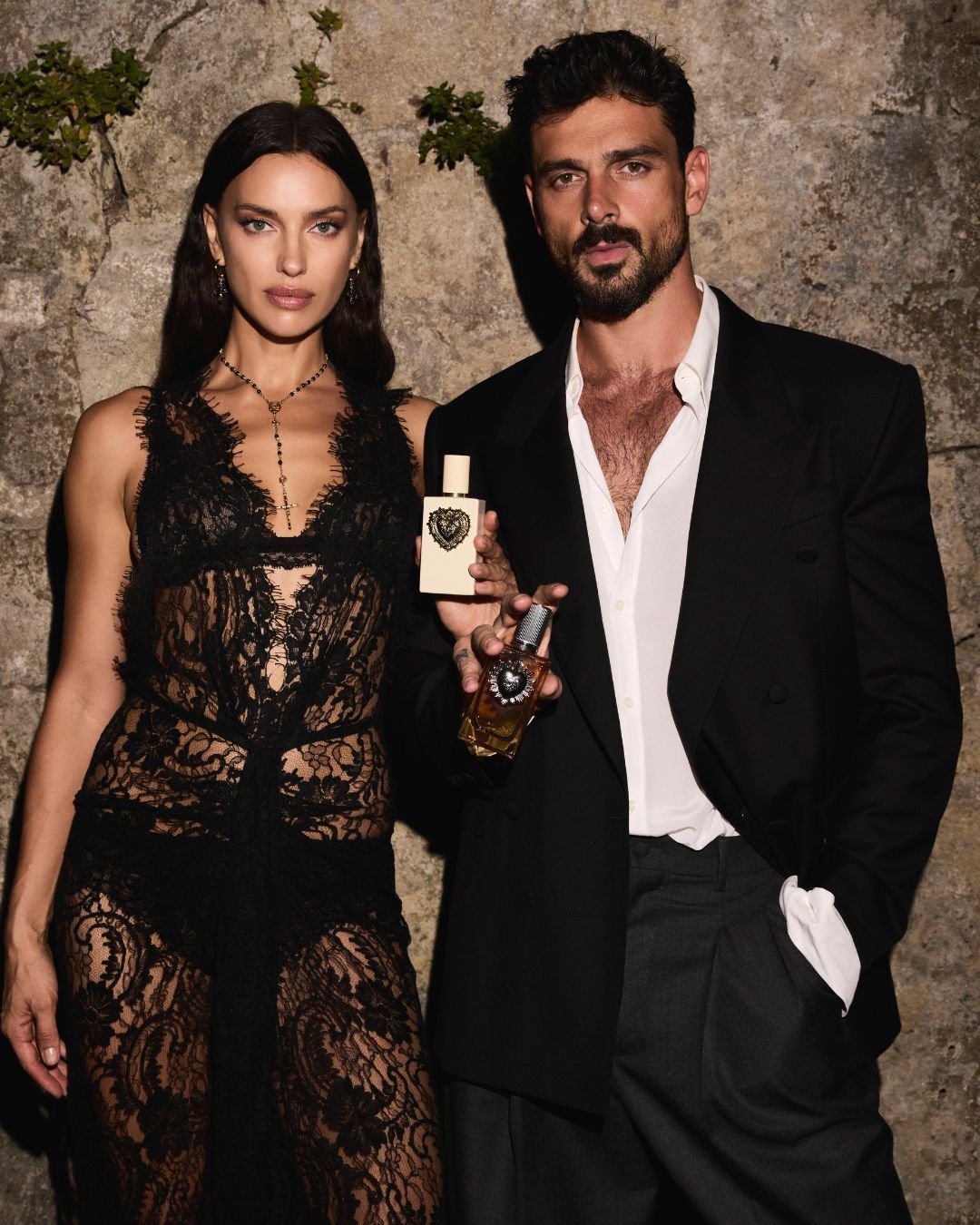
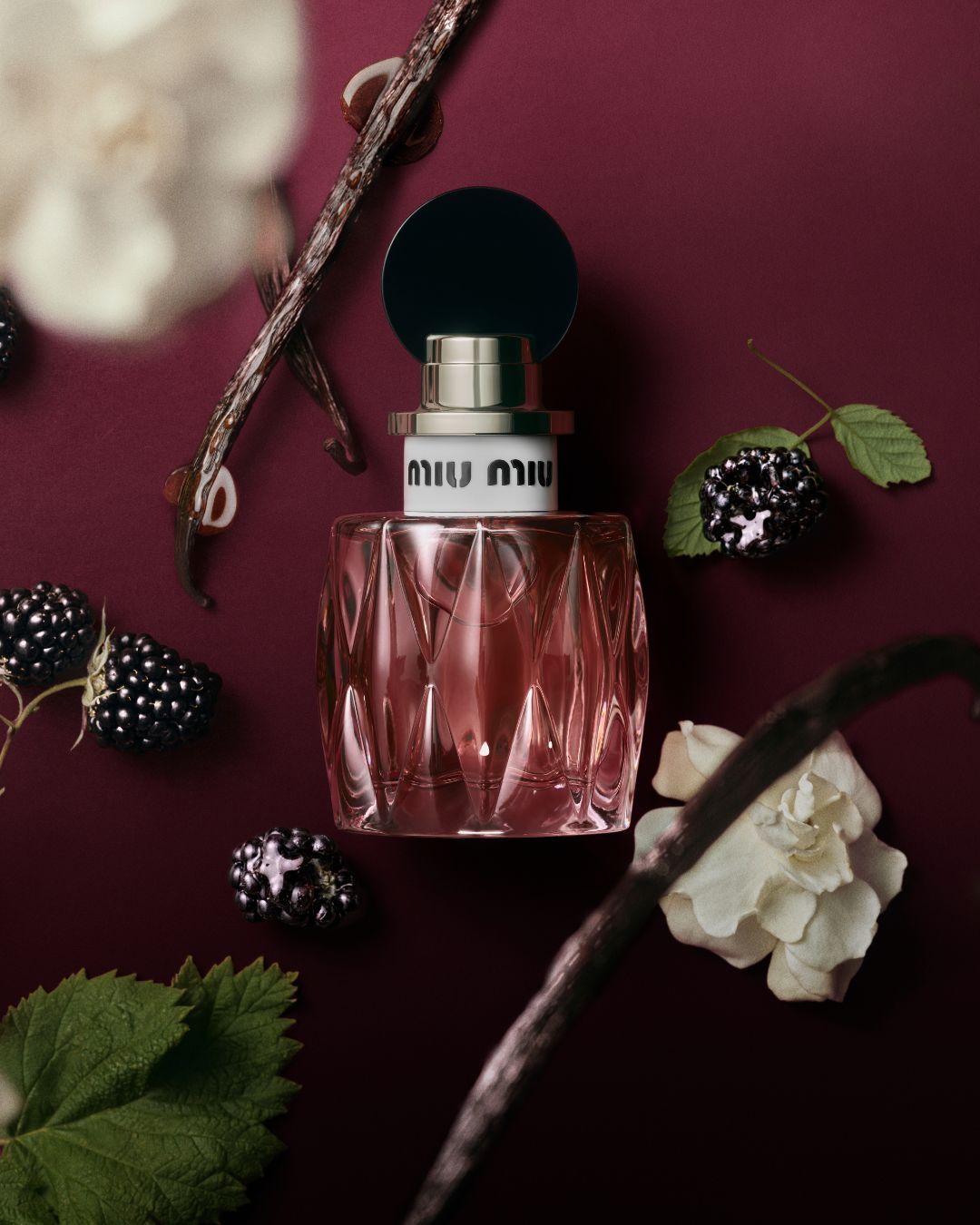
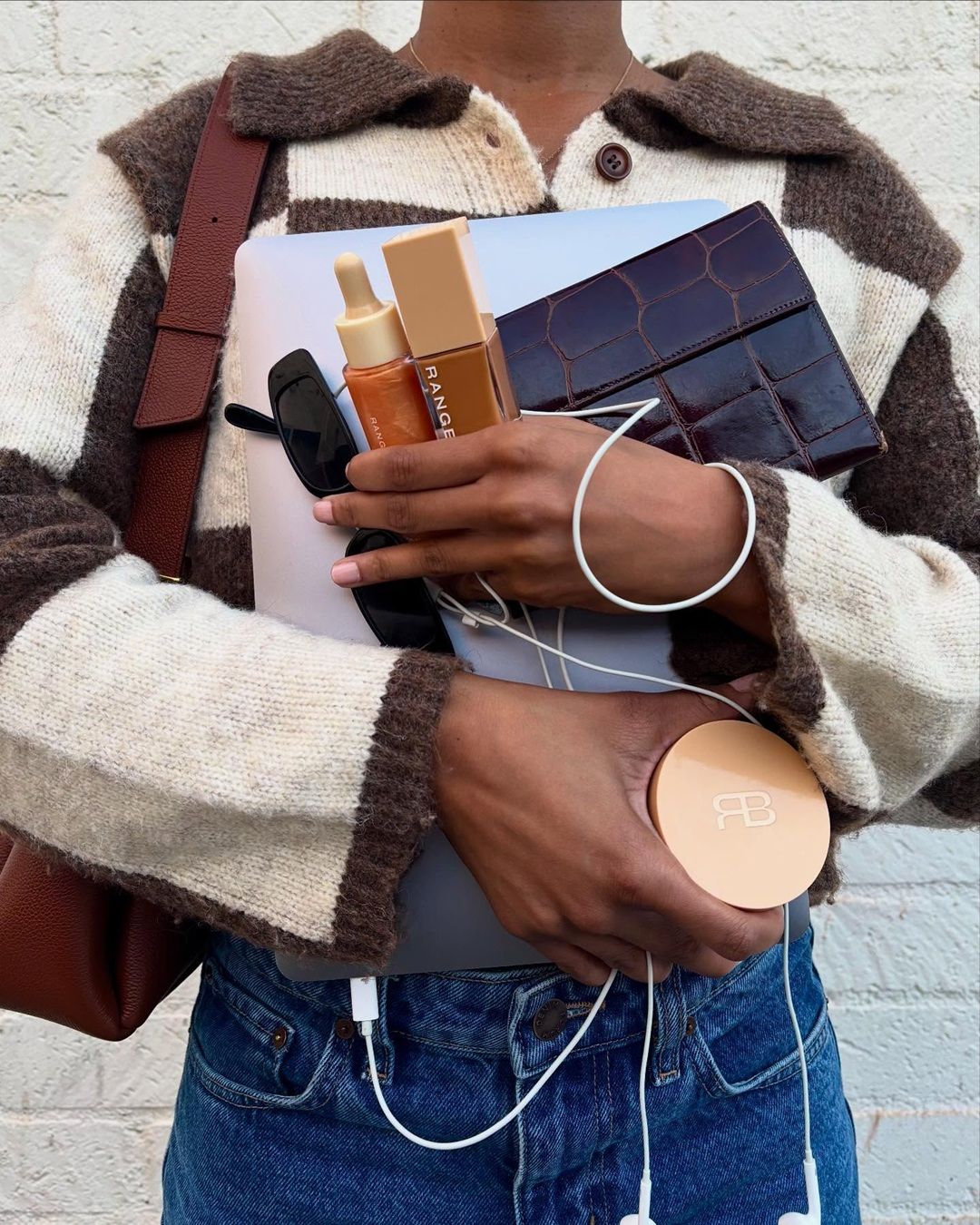
From the start, Marc Jacobs Beauty was ahead. Not simply ahead of trends, but ahead of the very way professional makeup was conceived as a cultural language. While other brands promoted nude looks and naturalness, Jacobs proposed saturated pigments, glossy finishes, and lacquered packaging. Its success was rapid, almost inevitable. The brand captured a precise moment when beauty was shifting away from traditional aspirational logic into something more identity-driven, more visual, more shareable. The Re(Marc)able foundation became an object of desire; Velvet Noir mascara, a makeup-bag essential. From kohl eyeliners to coconut primer, the products didn’t just perform technically, they embodied an idea of the face. The positioning was clear: high-end beauty with an editorial aesthetic, able to converse with fashion more than traditional cosmetics. It was a brand that spoke the language of glossy magazines, while already anticipating that of social media. Meanwhile, the market evolved. The impact of Fenty Beauty redefined the rules, imposing inclusivity and performance, shifting focus toward shade ranges, textures, and results. The market accelerated, fragmented, democratized. Consumers became more demanding, more informed, more analytical. And Marc Jacobs Beauty suddenly seemed to belong to another era. In 2021 came the shutdown. No elaborate statement, no narrative construction around the ending, just clearance sales and silence. In an industry built on continuous storytelling, that absence of narrative became immediately meaningful. The beauty community never stopped talking about it. Products continued circulating on parallel marketplaces, turning into contemporary relics. Niche beauty often feeds on what is no longer available. Meanwhile, the Marc Jacobs name lived on elsewhere. Fragrances, managed by Coty, maintained a strong presence. Scents like Perfect Marc Jacobs proved that the brand, even without makeup, remained culturally active.
Coty and the strategy behind the comeback
The first concrete signal of a possible return came in 2023, when Coty announced a long-term licensing agreement with Marc Jacobs, already its partner for fragrances. This wasn’t just a revival; it was strategic positioning. Coty, engaged in reshaping its portfolio toward high-end beauty, identified Jacobs as a strategic asset: a brand with strong identity, heritage, recognizability, and a community ready to reactivate. Meanwhile, fragrances like Perfect Marc Jacobs continued to perform, proving the brand had never truly lost relevance, if anything, it had sedimented. The real challenge, however, is how to return to a contemporary industry that has evolved faster than memory itself.
NYFW and the signals: a runway and a word
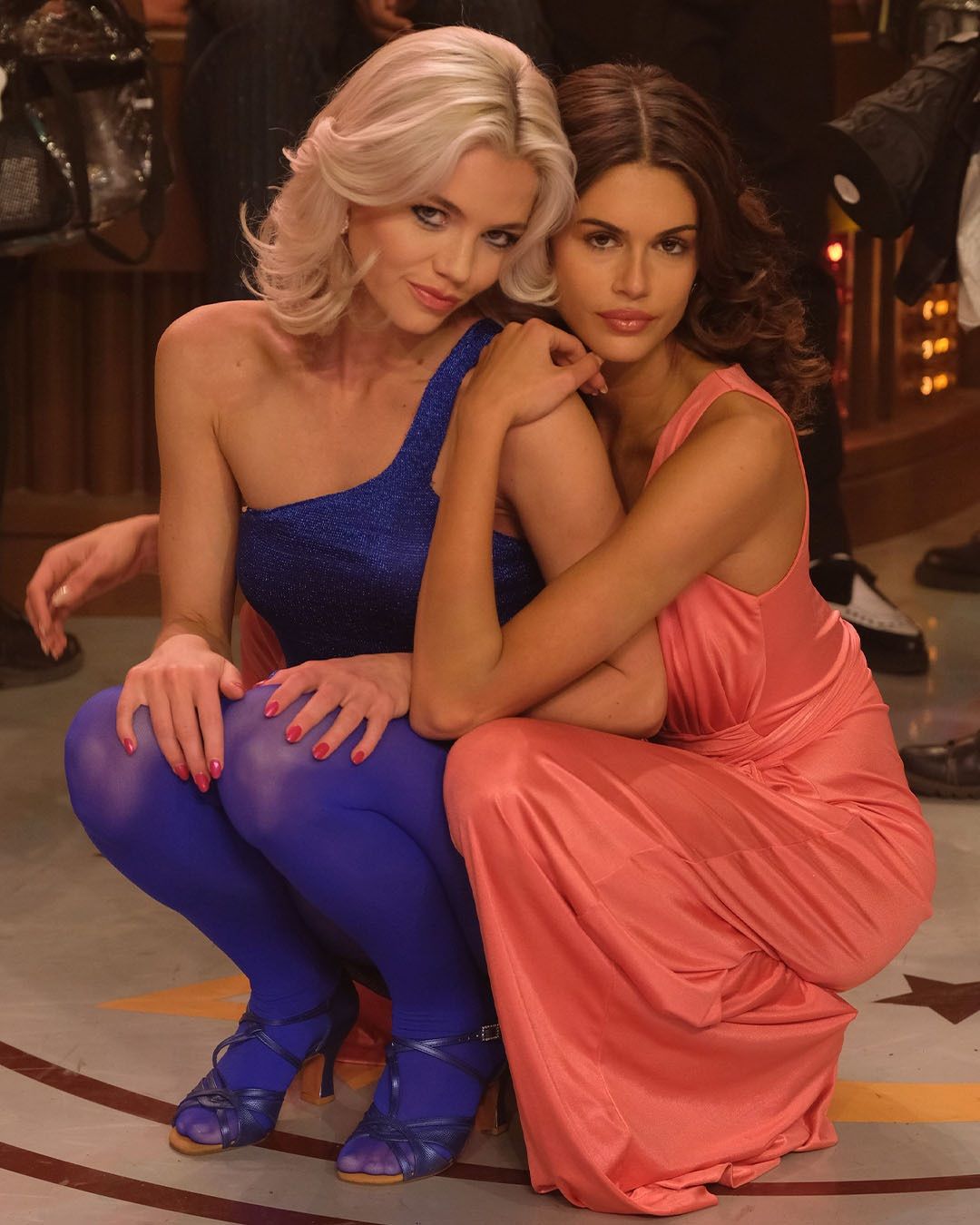
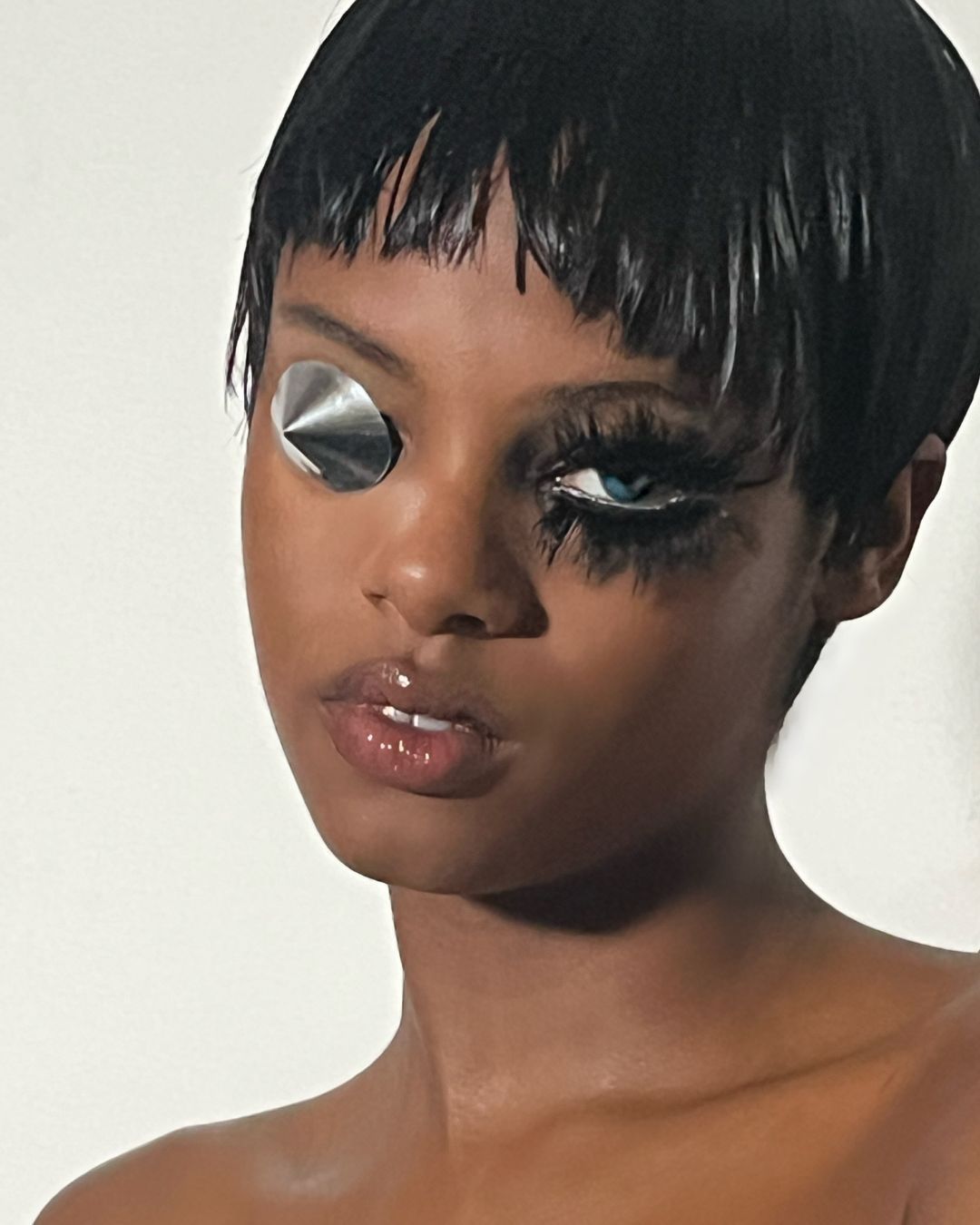
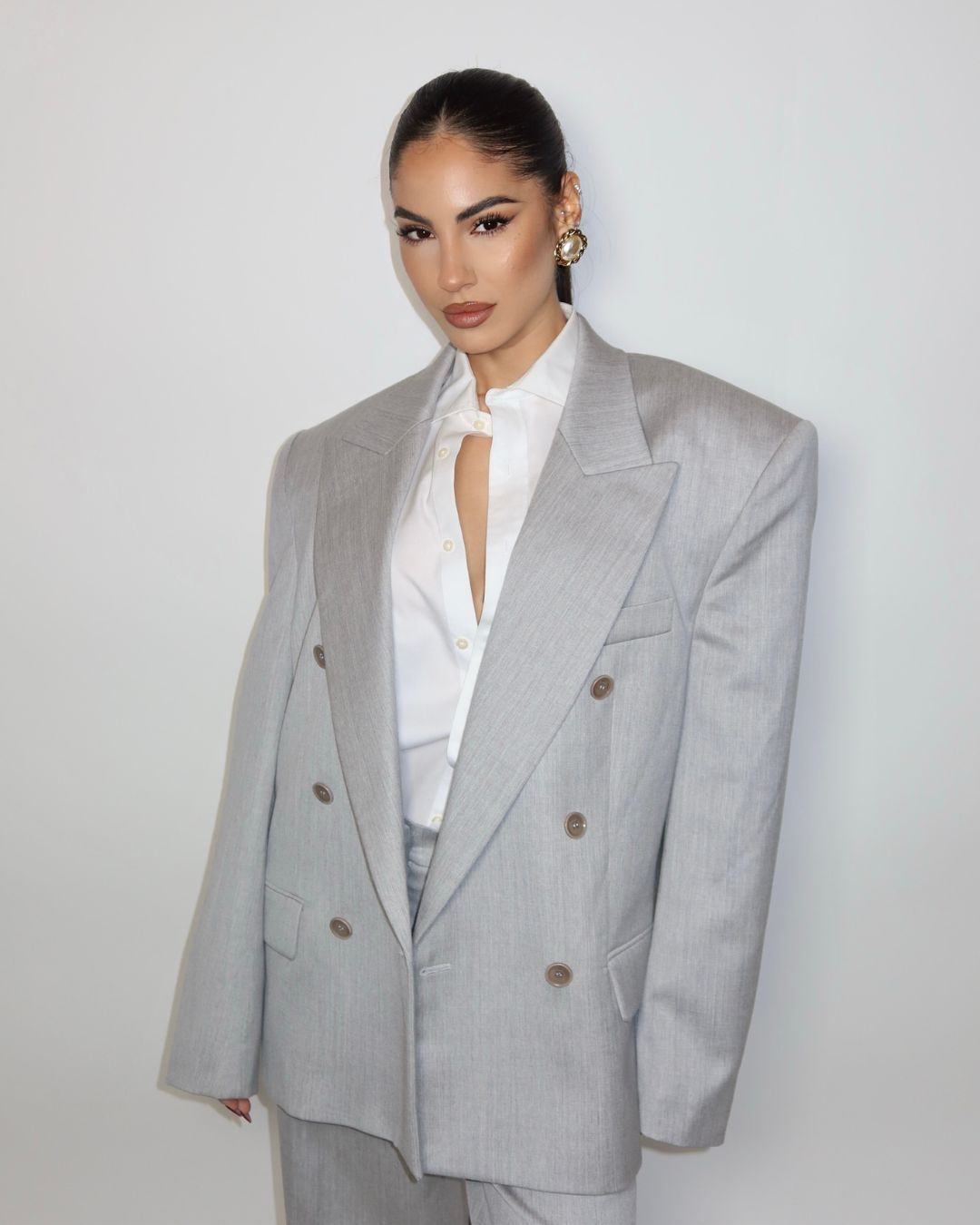
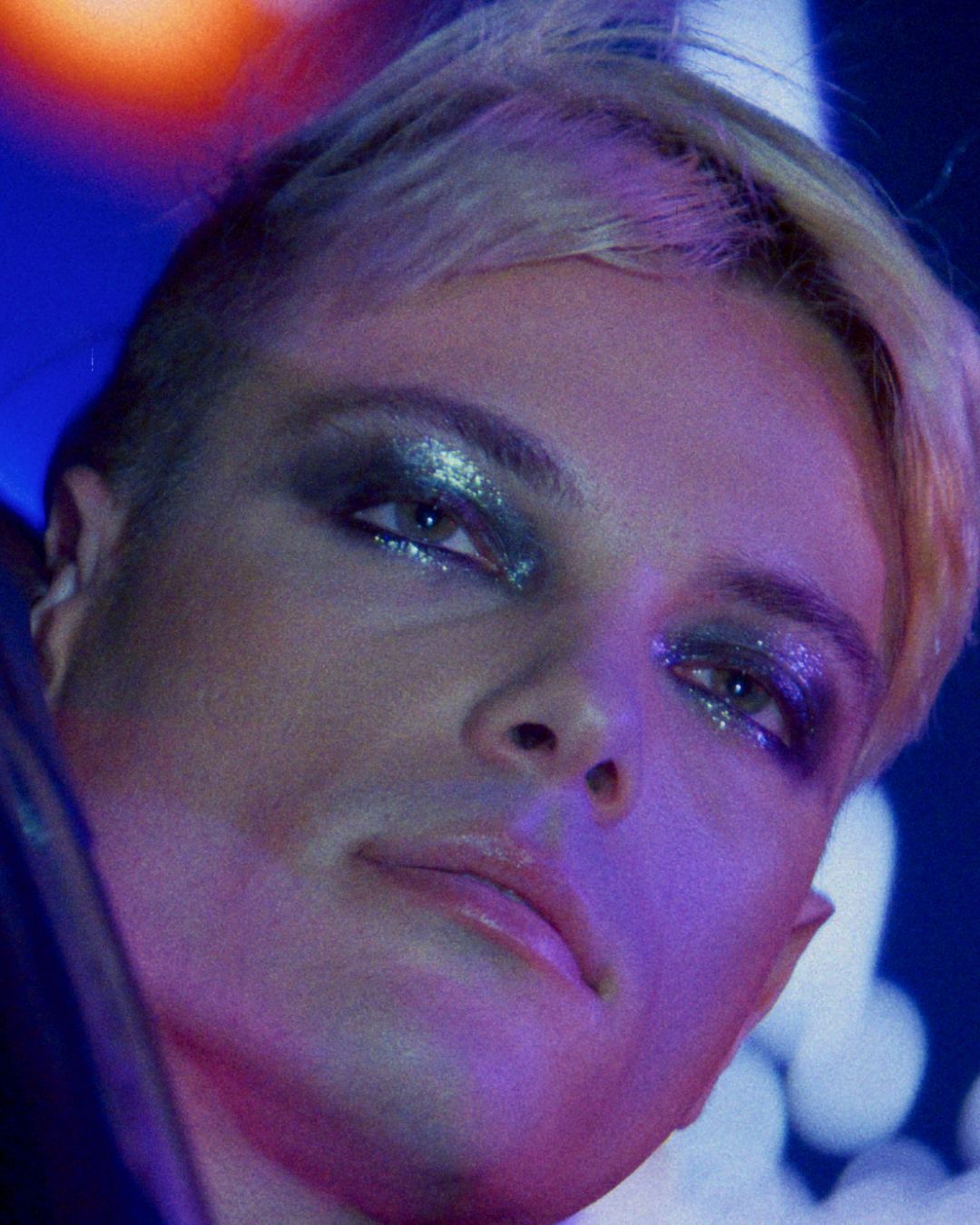
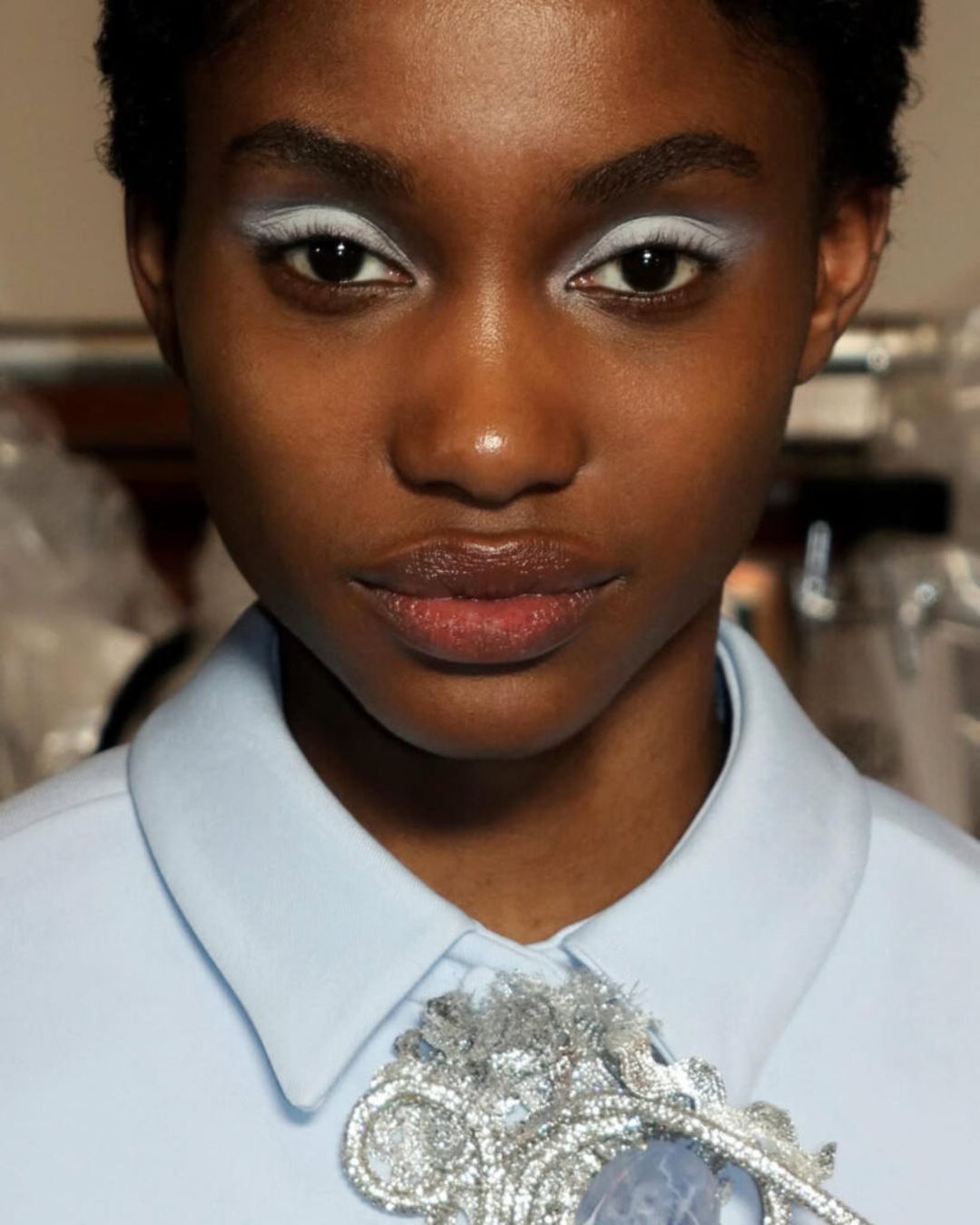
Around 2025 (or so), the most attentive observers noticed a clue. At New York Fashion Week, “Marc Jacobs Beauty” appeared in the credits as the makeup partner. No visible products. No campaign. Just a name. The work of Thomas DeKluyver, responsible for the beauty direction of the SS26 collection, helped solidify this perception. The runway looks mixed nostalgia and contemporaneity: pastel eyeshadows, saturated blush, graphic eyeliner, oxblood lips. An aesthetic that felt like a remix of the ’90s and Gen Z, editorial meets TikTok. And that was enough. Images circulated, hype grew, nostalgia reactivated. Further fueling comeback rumors were backstage leaks suggesting the development of a new complexion-focused line: foundations, concealers, pressed powders. Not a random choice. In its first phase, Marc Jacobs Beauty’s success was built precisely on its ability to create smooth, luminous, almost editorial skin. Returning to complexion means returning to its core grammar. But it also means entering the most competitive category in professional makeup, the one where comparison with the market is immediate and unforgiving. For a brand like Jacobs, this is both a challenge and an opportunity. Its strong identity can serve as a foundation, but it must be supported by formulas that meet current expectations.
@trendmood #BeautyNews #MarcJacobsBeauty is coming!!! Here is a sneak peek from the backstage of his latest fashion show…we are getting complexion products!! Is it a foundation? Concealer? Also a pressed setting powder? Coming Soon !! Will keep you updated with more info soon! I’m so excited!! XO #Trendmood #marcjacobs #newmakeupcheck original sound - TrendMood
Nostalgia vs innovation: the real game
The hype surrounding the possible return of Marc Jacobs Beauty is not accidental. It is built on three elements that act as accelerators in contemporary beauty: memory, absence, and desire. Memory relates to the brand’s past experience, its perceived quality, its visual identity. Absence amplifies that memory, transforming it into active nostalgia. Desire emerges from the intersection of these two factors and is fueled by clues. In a market saturated with novelty, the return of something already loved carries a different weight. It doesn’t need to build legitimacy from scratch, it needs to prove it is still relevant, without becoming a copy of itself. Marc Jacobs Beauty 2.0 must also recognize that nostalgia is powerful but unstable. It only works if updated. Because its return will not happen in a vacuum. The 2026 beauty market is hyper-competitive, dominated by brands founded by celebrities, dermatologists, and creators. The conversation is driven by ingredients, performance, inclusivity. The old model, strong branding plus good formulas, is no longer enough.
The near future: a suspended promise
There is still no official date. We don’t yet know which products will return, nor whether cult formulas will be relaunched. But perhaps that’s the point. Today, the brand exists as anticipation. Backstage images, offhand online comments, community speculation, all contribute to building an ongoing narrative. In the meantime, Marc Jacobs Beauty reoccupies the space between desire and image, between memory and possibility. A place where makeup is never just makeup, but always, inevitably, culture.