





































Coty challenges Gucci and Kering for beauty licenses A dispute in the United Kingdom reveals the fragility of alliances in the luxury sector and the race to control the beauty market
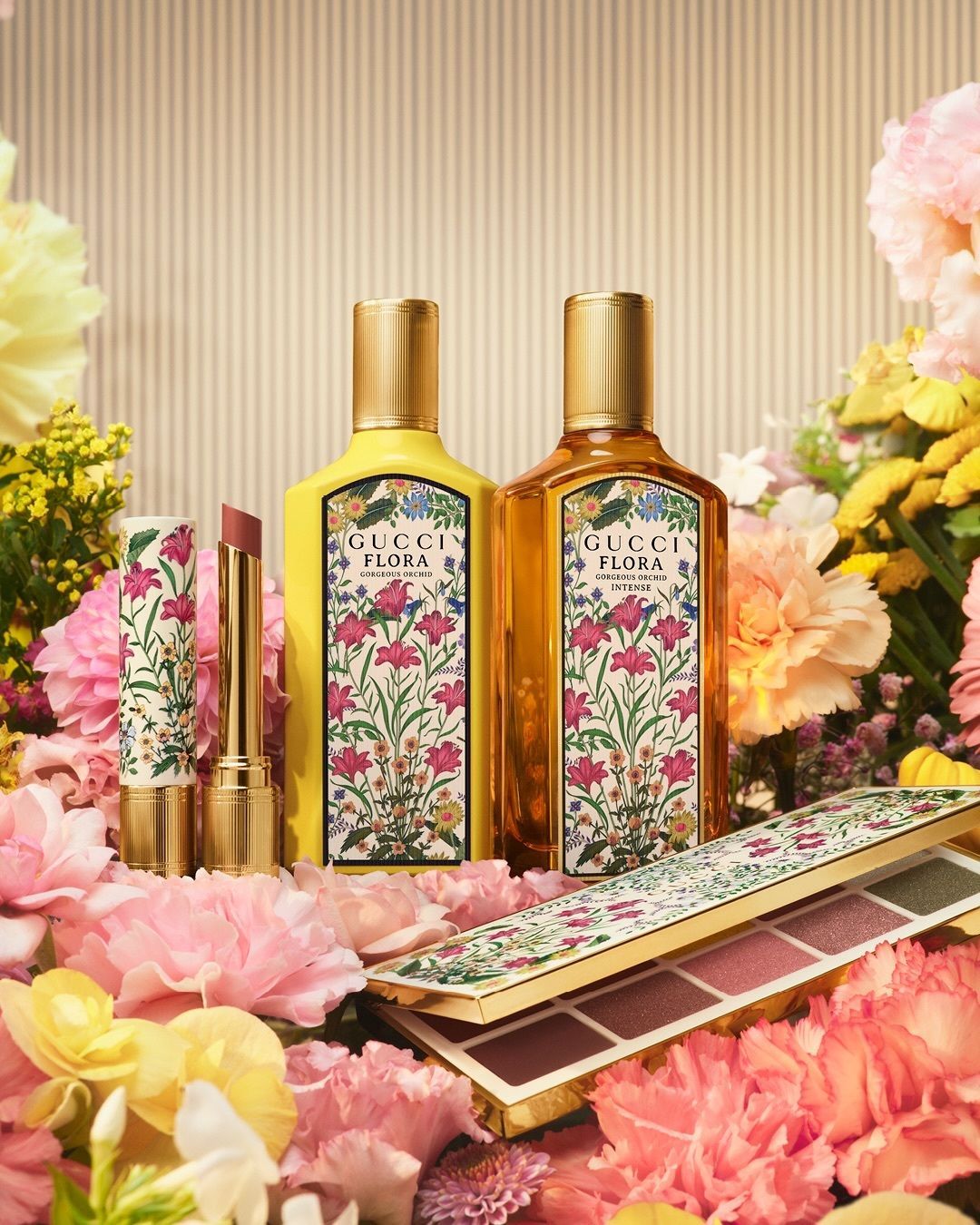
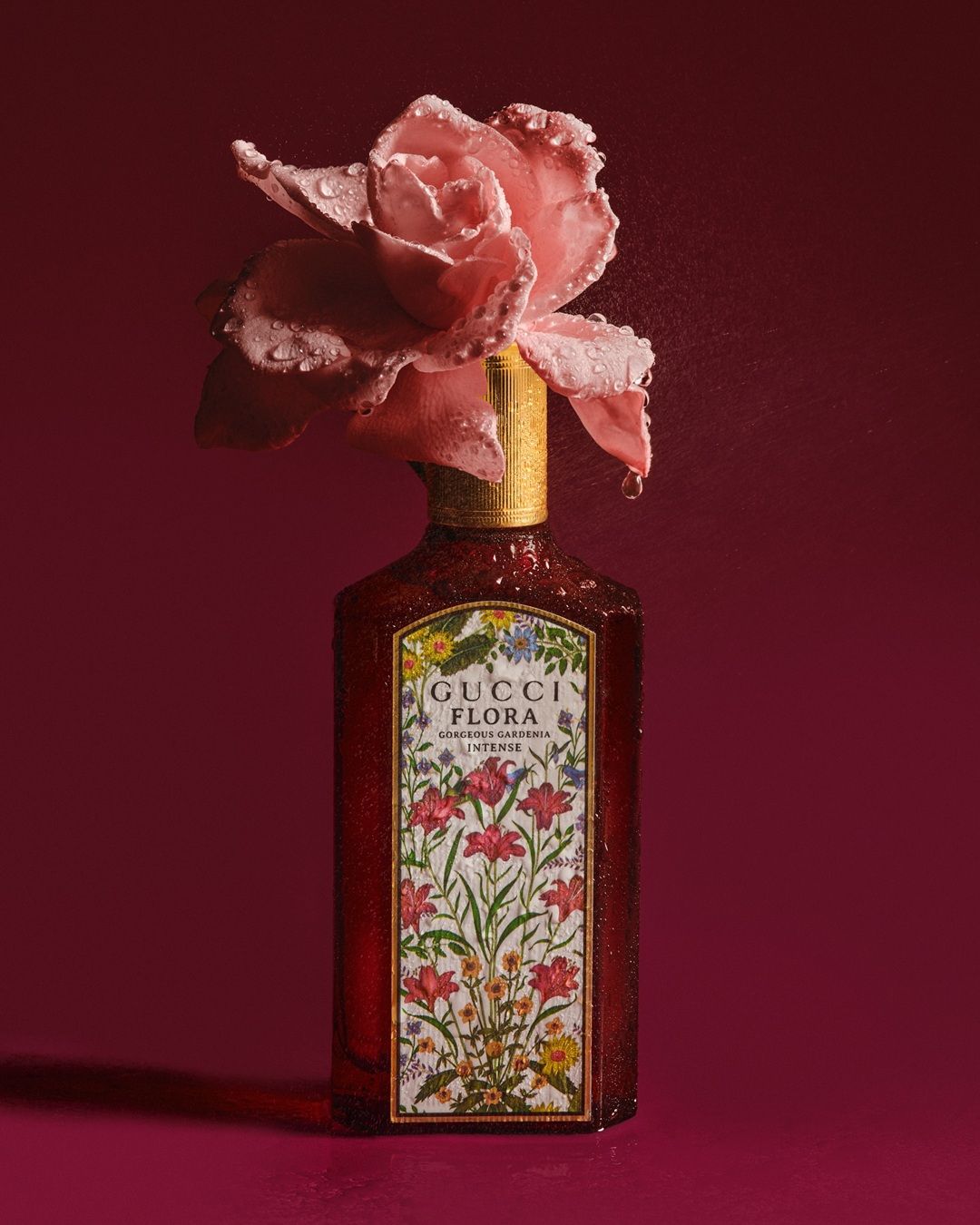
In the hushed rooms of global haute perfumery, where every scent tells a story of elegance, power, and desire, the notes are turning decidedly sharp. Spreading them through the air is Coty Inc., the American beauty giant, which, through its subsidiary HFC Prestige International Operations Switzerland Sàrl,has filed a lawsuit against Gucci and its parent company, Kering, in a commercial court in the United Kingdom. According to public records, the dispute concerns contracts and general commercial agreements, though the exact grounds remain undisclosed. What is clear, however, is that the heart of the case lies in the Gucci Beauty license, a strategic asset for both sides and one of the most lucrative contracts in the luxury fragrance and premium beauty sector. As first reported by WWD, the news comes amid deep transformations in the world of high-end beauty, where fashion houses are increasingly moving to internalize control over their brands, signaling an evolution that goes far beyond perfume, touching on the dynamics of power and global positioning.
Coty vs Kering: L’Oréal's role
Just twenty-four hours before the lawsuit was filed, Kering and L’Oréal had announced an exclusive 50-year agreement for the Gucci Beauty license, set to take effect in 2028, when the current partnership with Coty expires. Under the terms of the deal, L’Oréal will gain the rights to create, develop, and distribute Gucci fragrances as well as the brand’s makeup and skincare lines. The announcement shook the market, confirming Kering Beauté’s determination to tighten its control over the beauty segment after years of relying on external licensees. Analysts interpreted the move as a long-term strategy aimed at consolidating the group’s portfolio of luxury brands. Yet it inevitably put pressure on Coty, which has held the Gucci license for nearly a decade and derives a significant portion of its profits from it. The timing of the Kering–L’Oréal announcement, coming just a day before Coty’s legal action, has not gone unnoticed. Many industry observers see it as a sign of escalating tension, where the stakes are not only financial but deeply symbolic. In the luxury world, whoever controls beauty controls the narrative of luxury itself.
“We will defend our rights until the last hour of the contract”
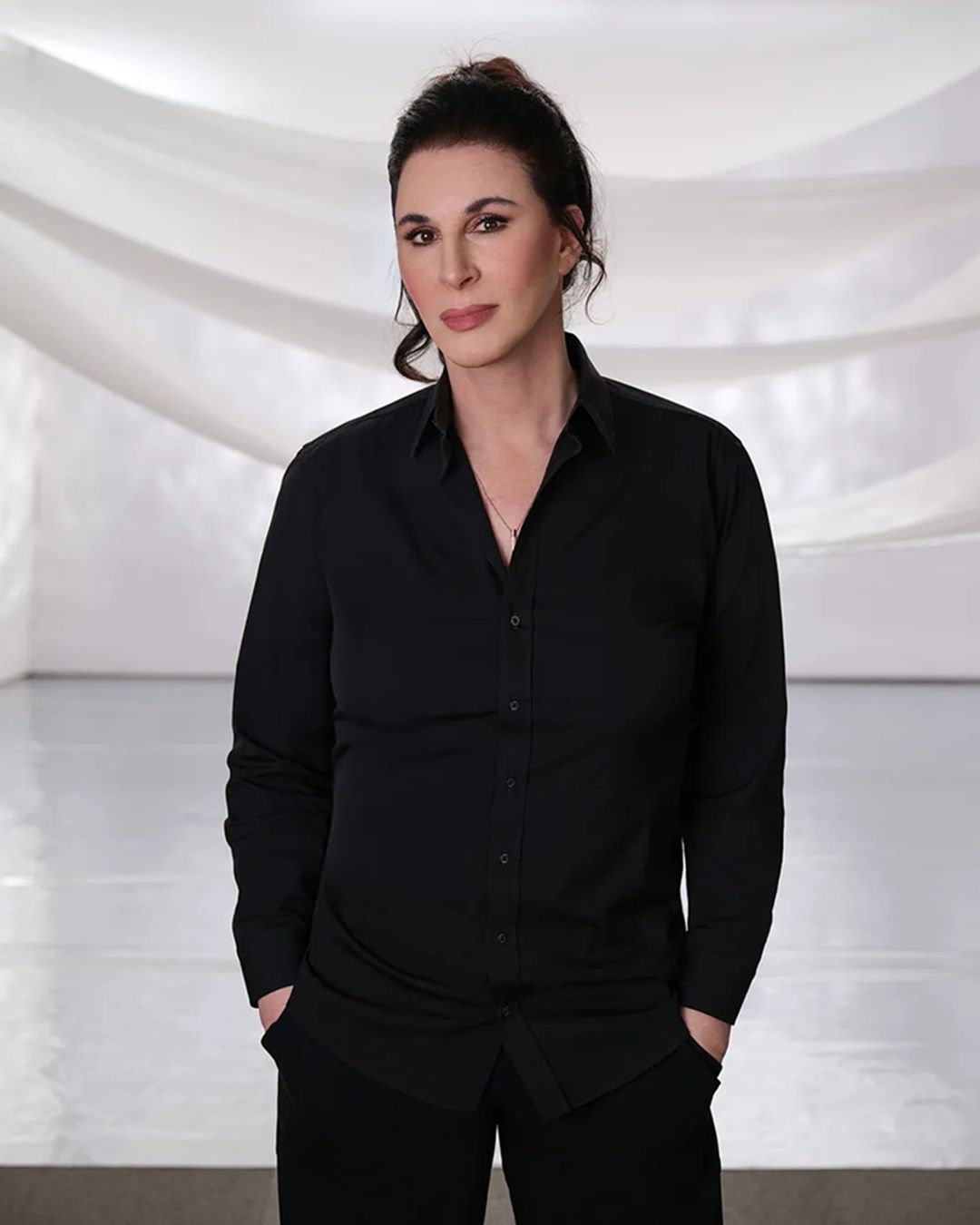
During the presentation of Coty’s fiscal first-quarter 2025–26 results, CEO Sue Nabi addressed the issue with a calm yet firm tone. When questioned about the ongoing litigation, she chose a path of discretion, stating: “I will not comment on ongoing litigations, and I can tell you that we will defend our rights until the last day, until the last hour of the contract.” Between the lines, her words reveal Coty’s determination not to yield ground. Nabi reaffirmed that there will be no changes to the current Gucci Beauty license, emphasizing that the company intends to manage the brand until its natural expiration in 2028, “under the same structure already in place.” Kering, for its part, responded firmly, describing Coty’s claims as “unfounded accusations” and vowing to “vigorously defend its rights” before the British courts. The language, while diplomatic, makes it clear that the tension is real, and that the legal battle could drag on for quite some time.
A business in transition and the fragility of luxury alliances
Behind the scenes of this dispute lies, down 6% year-over-year, finds itself in the midst of a major realignment. While maintaining strong performances with its Calvin Klein and Hugo Boss fragrances, the company must contend with the looming loss of a key brand: Gucci, which accounts for roughly 8% of total sales and 11% of profits, according to Evercore IRI. Yet Nabi and Chief Financial Officer Laurent Mercier have outlined a clear path toward expansion. The group aims to strengthen its position in the color cosmetics sector, valued at $1.2 billion, and to consolidate key brands such as CoverGirl, Rimmel London, Sally Hansen, and Max Factor. At the same time, Coty has announced new strategic partnerships and product launches, including collaborations with Swarovski, Etro, and Marni, as well as the anticipated relaunch of Marc Jacobs Beauty in 2026. The strategy is clear: to reduce reliance on third-party licensing agreements and reinforce the group’s identity as a direct creator of value in the global beauty market. Still, the loss of Gucci remains an open wound, and the ongoing dispute with Kering is little more than the legal manifestation of a separation already reflected in Coty’s financial outlook.
When perfume becomes power
The Coty–Gucci–Kering dispute is more than a corporate clash, it’s a sign of a broader shift sweeping through the entire luxury and beauty industry. Over the past decade, major fashion conglomerates have realized that beauty is not merely an extension of the brand, but a strategic pillar in shaping desire and securing consumer loyalty, especially among younger generations. As Laurent Mercier, Coty’s Chief Financial Officer, reminded Reuters, Gen Z often enters the world of luxury through a fragrance or a lipstick. For this reason, gaining direct control of the fragrance and skincare segment has become an essential goal for groups like Kering, LVMH, and Estée Lauder Companies. In the case of Gucci, the transfer of the beauty license to L’Oréal marks not just an industrial maneuver, but a strategic repositioning for the entire Kering Beauté ecosystem, as the company strives to maximize the value of its internal brands. Meanwhile, Coty must now balance the loss of one of its most prestigious licenses with the pursuit of new opportunities in emerging markets and long-term partnerships.
An epilogue yet to be written
For now, the lawsuit in the United Kingdom remains in its early stages, and details have not been made public. However, industry observers widely agree that the dispute among Coty, Gucci, and Kering marks a pivotal moment for the luxury beauty sector as a whole. In an environment where licenses are increasingly fragile and alliances increasingly strategic, the case mirrors the shifting balance of power within the global beauty market, where value no longer lies solely in the product, but in control over brand storytelling. Ultimately, the outcome of this confrontation will not be measured solely in court rulings or contract terms, but in perception. Between fragrance and influence, it remains to be seen who will succeed in imposing their own vision of beauty on the world.