










































Is she calling you “bestie” after just a week? Watch out for friend bombing When a friend loves you too much (and too quickly)
Some friendships that begin slowly, like certain Russian novels. They take a hundred pages before you understand who the protagonist is, and two years before anyone truly opens up. And then there are the ones that start like a 2 a.m. Netflix marathon. By the first episode you’re strangers, by the third you’re sending memes at 3 in the morning, and by the fifth you’re already planning weekends away together and using nicknames like “bestie” or “soul sister.” At first, it feels like the ultimate social miracle. Someone who actively seeks you out with enthusiasm. Someone who laughs at all your jokes. Someone who wants to know your zodiac sign, your middle-school trauma, and your official opinion on cargo pants. In an era of replying to messages forty-seven hours later and maintaining friendships through ChatGPT, that level of intense attention can feel almost touching. The problem? Not all intimacy equals depth. Sometimes it’s just emotional acceleration. Welcome to the era of friend bombing, the platonic version of the more familiar love bombing. No romantic dinners or shared playlists here. Instead, there are compulsive brunches, endless voice notes, serial tagging in Instagram stories, disproportionate gifts, and that unsettling feeling of becoming emotionally indispensable before you can even remember the other person’s last name. Everything immediately. Everything intensely. Everything without the necessary time for real trust to develop.
What friend bombing really is
Psychologists describe friend bombing as a relational dynamic marked by extremely rapid and disproportionate attention during the early stages of a friendship. One person chooses you with absolute enthusiasm and, in a very short amount of time, makes you feel like the center of their emotional universe. Constant messages. Premature confessions. Excessive compliments. Continuous invitations. Gifts. A need to spend huge amounts of time together. The “bestie” label arriving before you’ve even had your first argument about whether Hannah and Garrett or Allie and Dean are the superior couple. Enthusiasm alone is not the issue. Some people are naturally warm, expansive, and hungry for authentic connection. In friend bombing, however, the intensity always creates an imbalance. One person sets the emotional pace, while the other gets pulled into a relationship that already seems to require exclusivity, constant presence, and total reciprocity. Many experts connect this dynamic to the “idealization–devaluation–abandonment” cycle. First, you are elevated into a perfect creature. Then, you fail to meet impossible expectations. Finally, coldness, silence, or resentment appear. That’s why certain friendships feel like emotional roller coasters where one day you’re inseparable, and the next you feel treated like a random office coworker. And no, this is not just about manipulative villains. Behind friend bombing there can be insecurity, anxious attachment, fear of abandonment, or a desperate need to feel necessary. But good intentions do not erase collateral damage. Even sincere affection, when it becomes invasive and suffocating, stops being healthy.
The red flags of friend bombing
The first red flag is the pace moving too quickly. Authentic friendships can absolutely develop fast, but they still leave room for gradual progression. Friend bombing, on the other hand, wants immediate emotional binge-watching. Someone calls you their “best friend” after two aperitivos. They include you in future plans before you’ve even survived the ultimate human relationship test together, like moving apartments. The demand for constant presence is the second red flag. People who engage in friend bombing text you all day, expect immediate replies, get offended if you are unavailable, and transform every silence into a mini relational drama. Most importantly, they slowly make you feel responsible for their emotional stability. Then there are the disproportionate compliments. Not normal excitement between compatible people, but a full cinematic celebration of your existence. You are perfect. Unique. Different from everyone else. The best person they have ever met. At first it feels flattering. Then it starts to feel performative, and you begin to feel pressured to keep earning that level of adoration. Another revealing detail? Relational jealousy, an implicit request for exclusivity that often arrives through guilt. You go out with other friends? Passive-aggressive comments appear. You don’t answer immediately? The atmosphere shifts. You set a boundary? Suddenly you’re perceived as distant or ungrateful. Finally, there is mirroring. The person starts dressing like you, listening to the same music, adopting your language, your opinions, even your habits. Not because the connection is necessarily fake, but because friend bombing often tries to artificially construct total compatibility.
The key question, in the end, is simple: does this friendship make you feel freer or more controlled?
How to respond without feeling like the villain
What to read next

Your next girls’ date? Turn it into a movie
From Uptown Girls to Marie Antoinette, the perfect films to recreate in a photoshoot with your friends
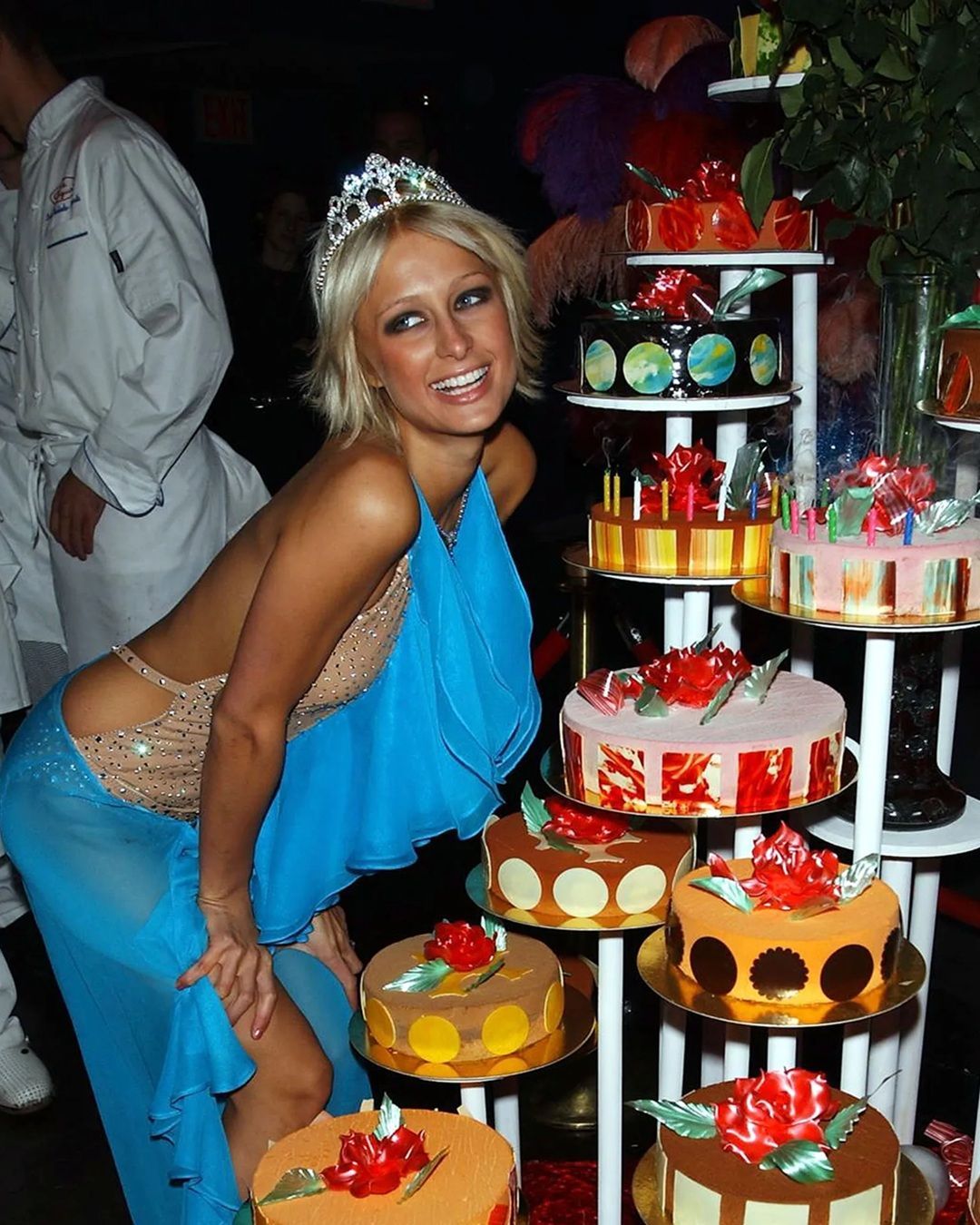
Are you a birthdayzilla too?
While a cake and candles used to be enough, today’s birthdays are XXL parties. And the guests (often) foot the bill

How you show friendship to your friends based on your zodiac sign
The stars influence friendship too, not just love