































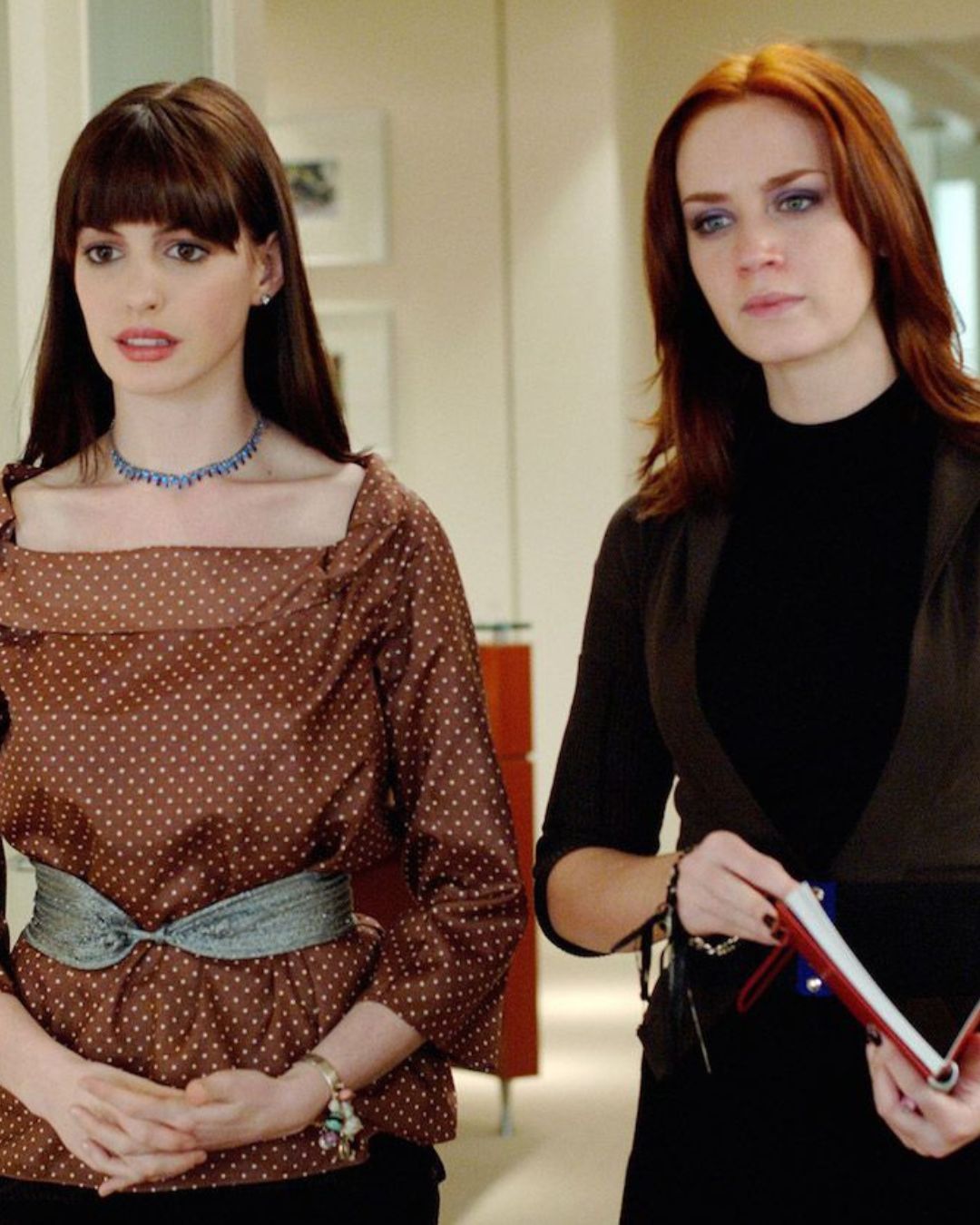
Is the world of fashion still the same as the first Devil Wears Prada? We hope not
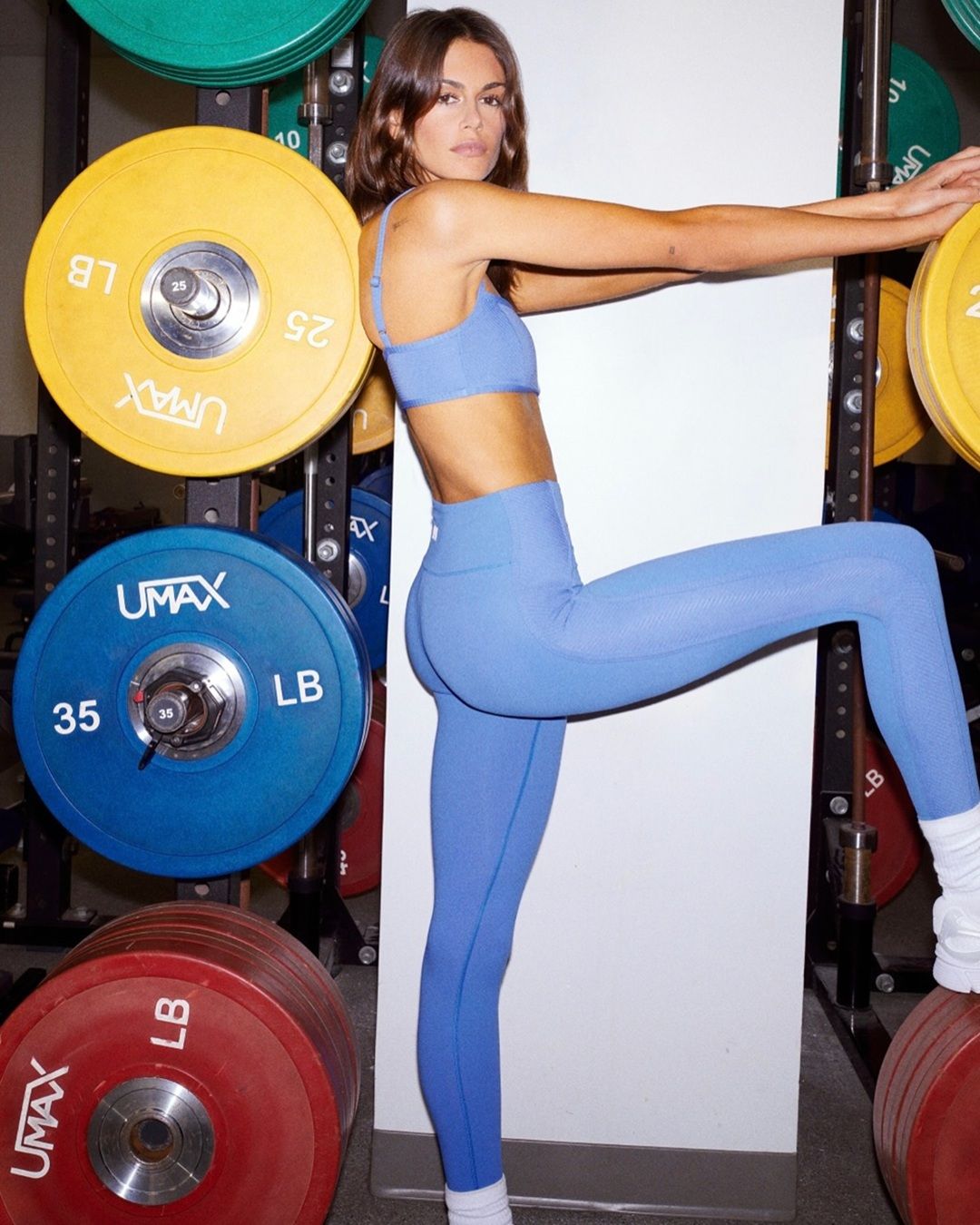
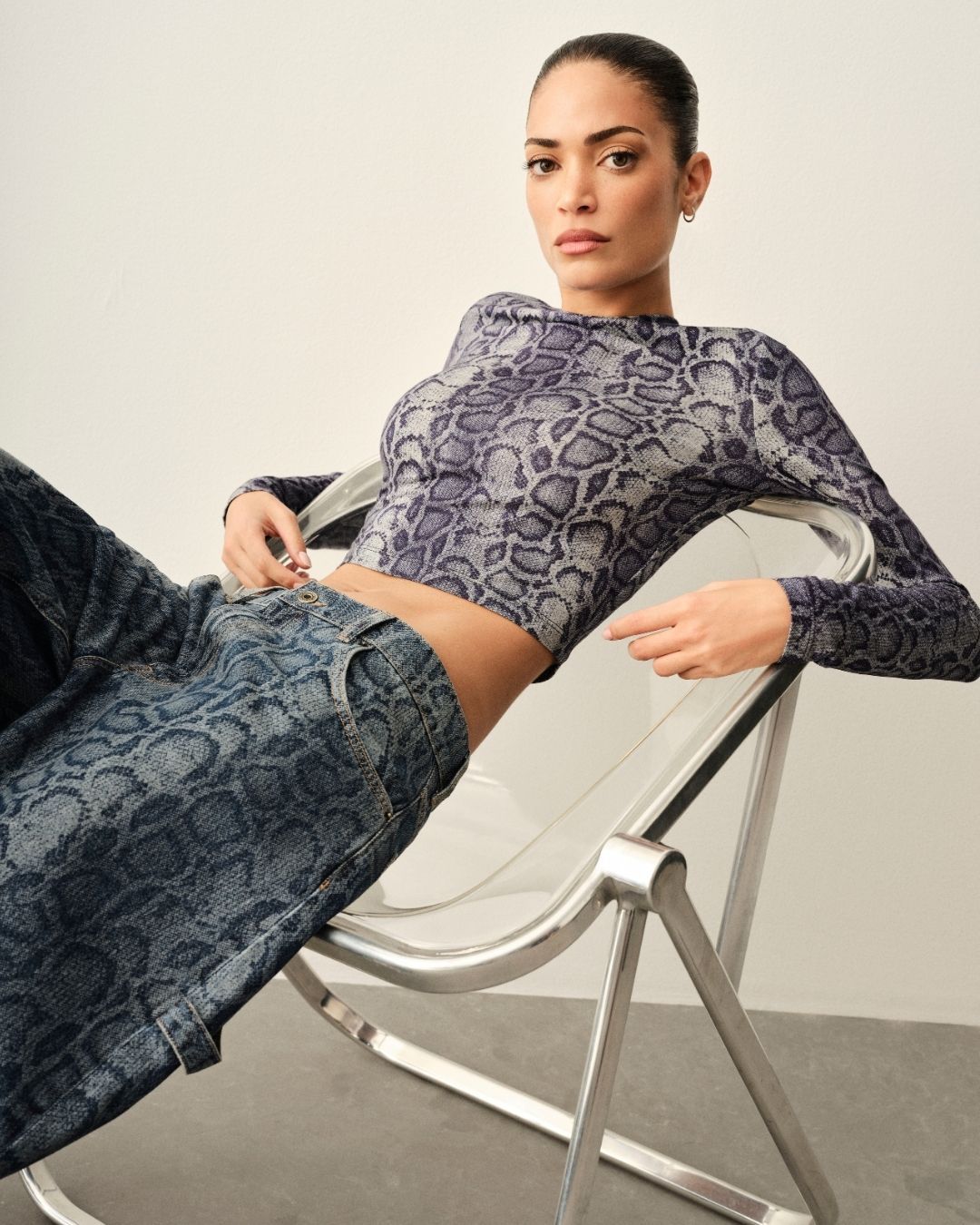
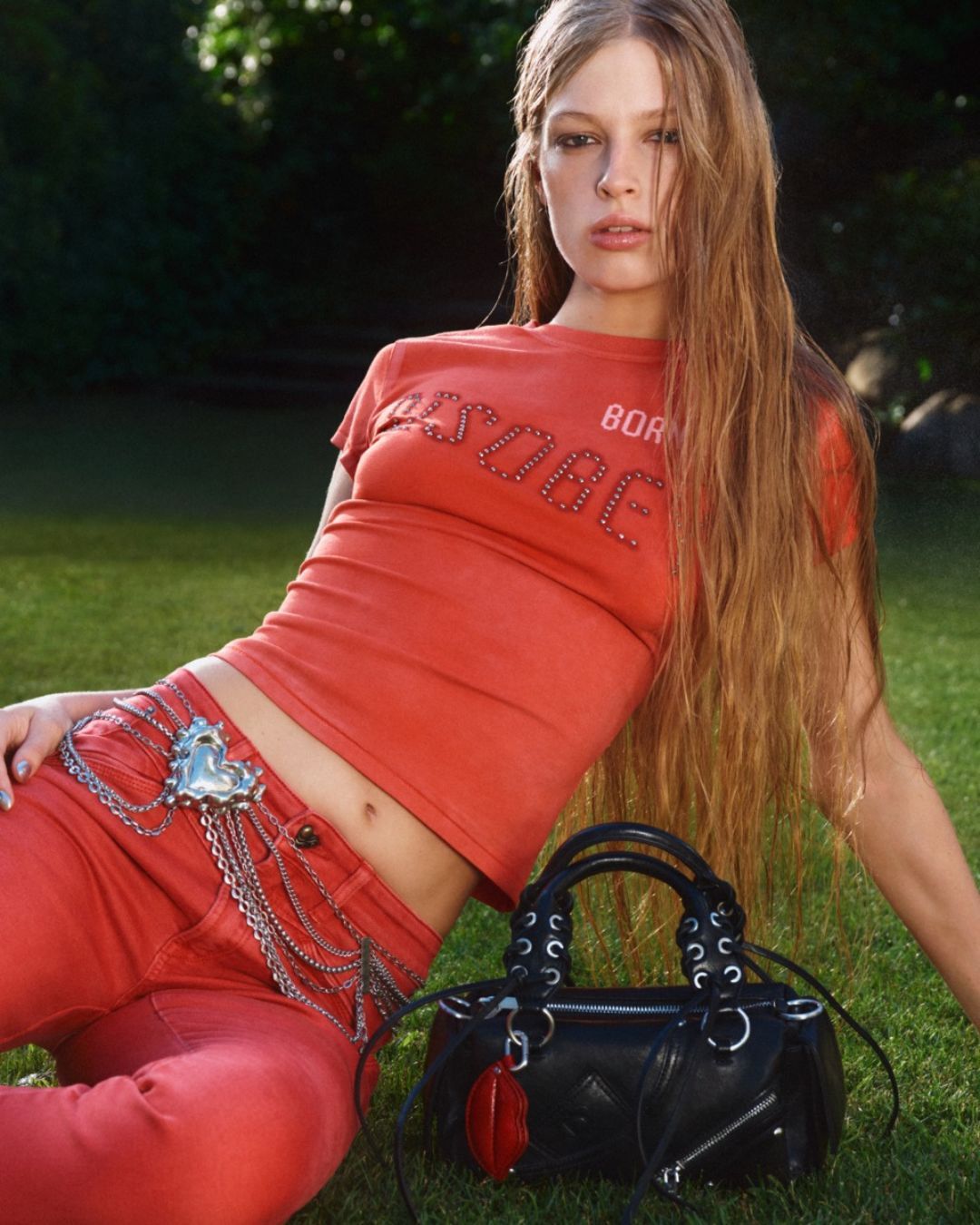
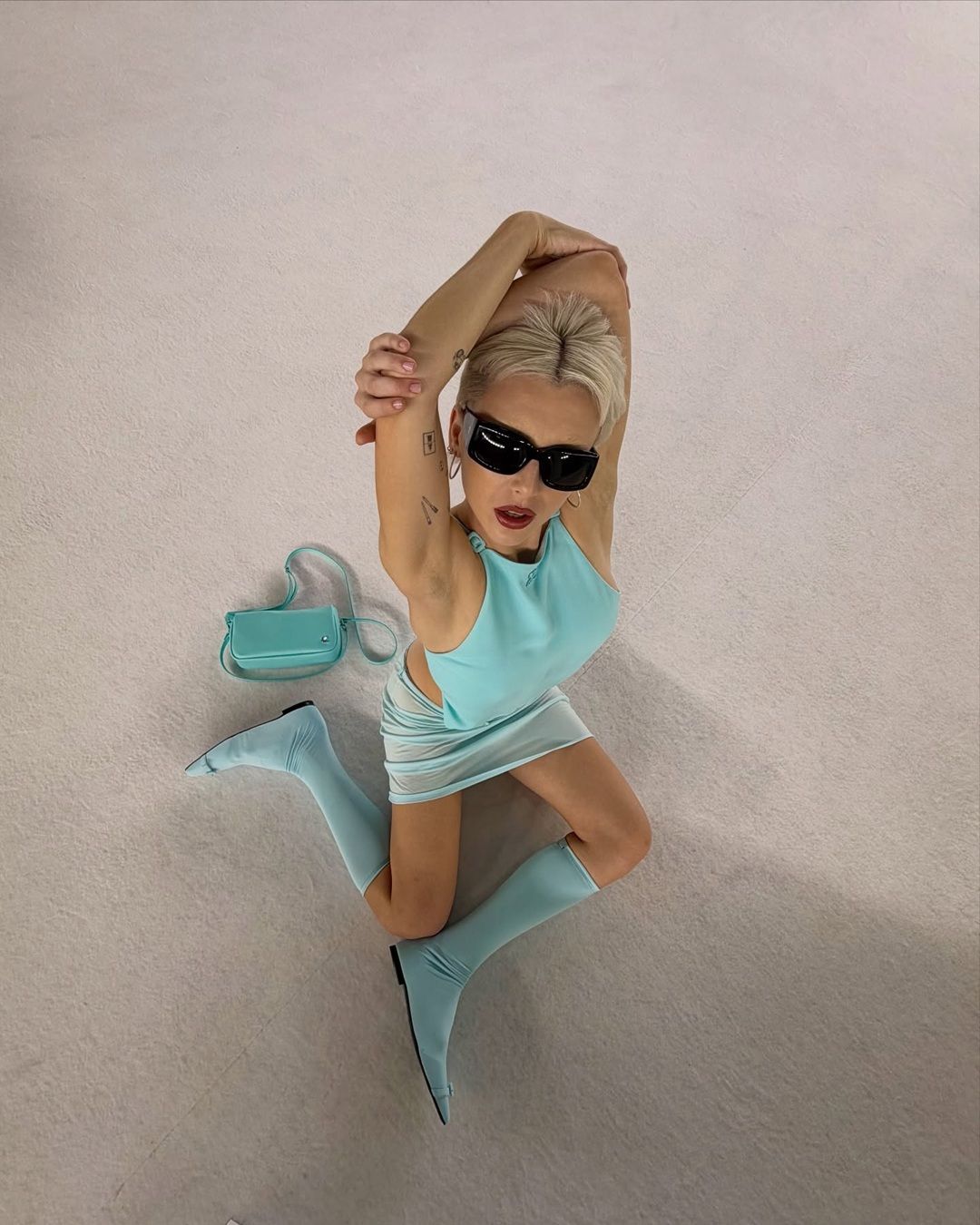
The return of The Devil Wears Prada with a highly anticipated sequel reflects how (and how much) the fashion world has changed over the past twenty years, and from the set of the new chapter emerges an issue we thought we had left behind: extremely thin bodies as the dominant standard. Bringing it back to the forefront was Meryl Streep, who returns in the sequel as the iconic Miranda Priestly. The actress said she was surprised to see models “beautiful, but alarmingly thin,” a statement that carries weight precisely because it comes from someone who has observed, and portrayed—the evolution of the fashion system from within, at least on a narrative level. Despite years of conversations around inclusivity and body positivity, certain aesthetic standards continue to resurface.
The Devil Wears Prada today, a healthier approach to bodies
But the most interesting part of the story is not so much Streep’s critical perspective, but the immediate reaction of Anne Hathaway. The actress, now far more aware than she was at the time of the first film, didn’t just acknowledge the issue: she acted. She directly addressed the production, asking for guarantees that the models involved in the film would not embody an extreme body ideal. A stance that led to a real change in casting and representation choices. This episode says much more than it seems, as it is a cultural and political issue. Cinema, especially when it portrays aspirational worlds like fashion, contributes to shaping collective imaginaries and those imaginaries have consequences. Ignoring this would be naive.
We are no longer in the Y2K era
In recent years, the fashion industry has made significant progress. Brands and runways have begun, at least in part, to include diverse bodies, tell less homogenized stories, and give space to identities that were previously marginalized. However, these advances still coexist with a more ambiguous reality, where the pressure toward an ideal of extreme thinness has never truly disappeared, but has simply transformed, sometimes becoming less explicit but no less present.
The fact that a Hollywood production now finds itself dealing with this tension is emblematic: it shows that change is neither linear nor definitive, and above all, that talking about it is not enough, there needs to be someone willing to intervene when these mechanisms resurface. In this sense, Hathaway’s attitude marks an interesting shift: from being a spectator (and partly a victim) of a system to becoming an active figure capable of influencing it.
Thinness in fashion and cinema
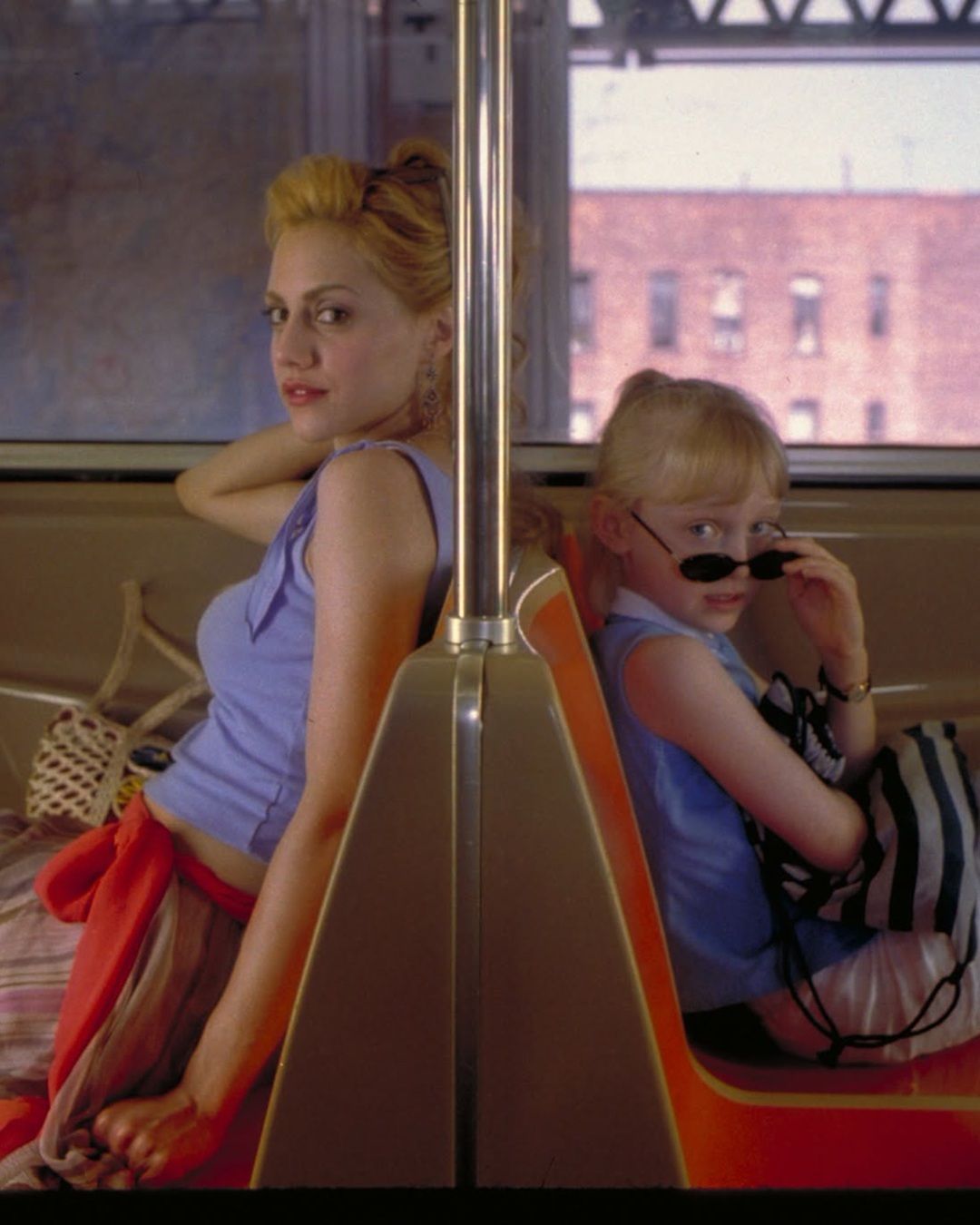
There is also another element to consider. When the first The Devil Wears Prada was released in 2006, the conversation around bodies was far less developed than it is today, and the film itself, despite its ironic and critical tone—contributed to normalizing a certain dominant aesthetic. Today, however, a sequel cannot afford to be neutral, as audiences are more aware and, above all, more conscious. Reproducing the same codes without questioning them would feel unconvincing. That’s why this seemingly marginal episode becomes significant. It’s not just about a few models on a set, but about how a new generation of actresses - and more broadly, professionals - chooses to exist within the industry. With less passivity and more responsibility.