




























Cate Blanchett reopens the #MeToo debate at Cannes Have things really changed?
Almost ten years after the explosion of the #MeToo movement, Cate Blanchett returns to raise an uncomfortable question: what has really changed in Hollywood? During a meeting at the Cannes Film Festival, the Australian actress stated that #MeToo was “killed very quickly,” underlining how the film industry continues to be dominated by men and how the change promised during the years of major revelations has partly stalled.
The origins of the #MeToo movement and its impact on Hollywood
Her words come in a specific context. In 2017 and 2018, the #MeToo movement shook Hollywood after allegations against producer Harvey Weinstein, opening a global discussion on harassment, abuse of power, and systemic inequality in the film industry. For months, it seemed like the beginning of an irreversible transformation, as actresses, directors, screenwriters, and industry workers began publicly sharing experiences that had remained invisible or unspoken for years.
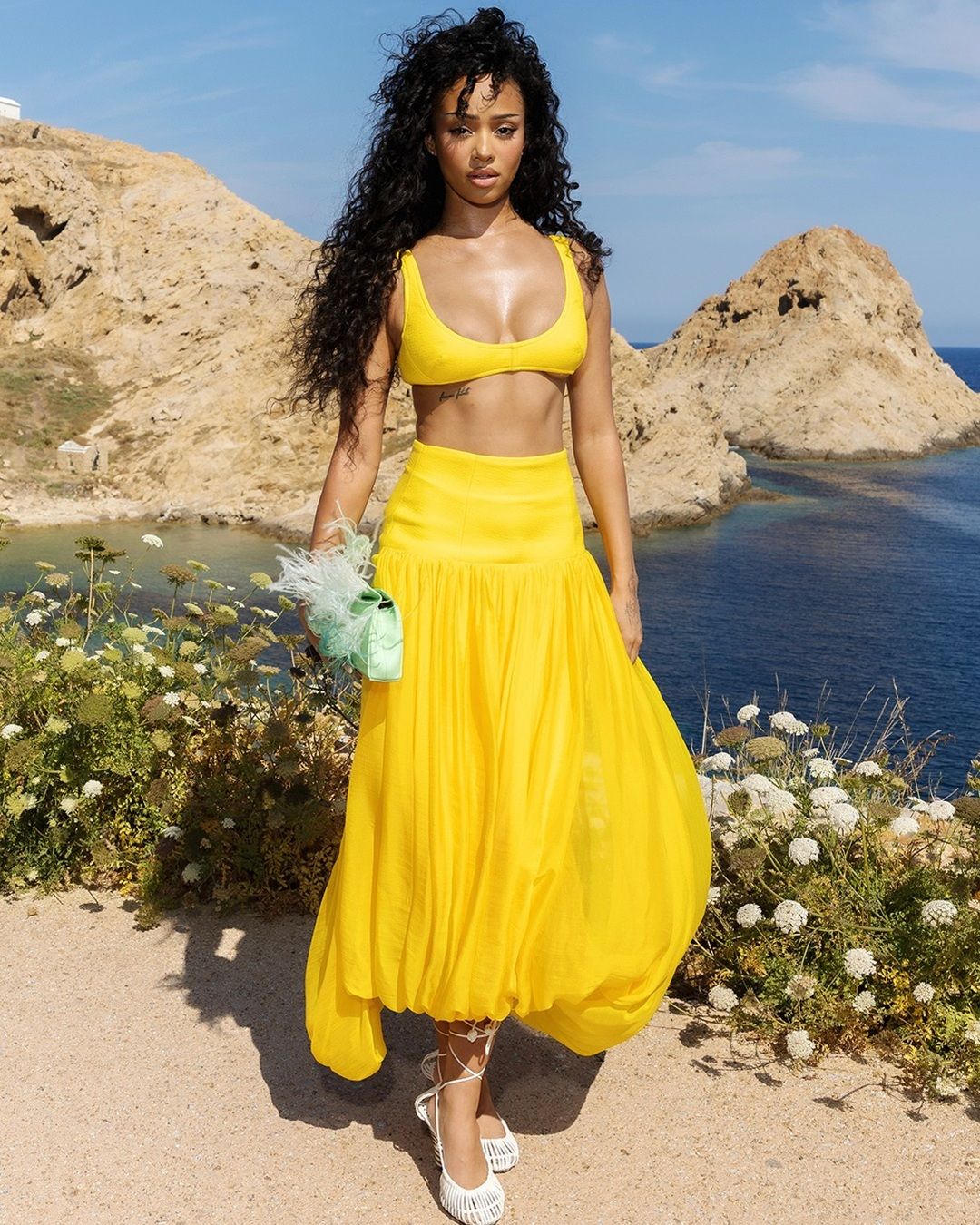
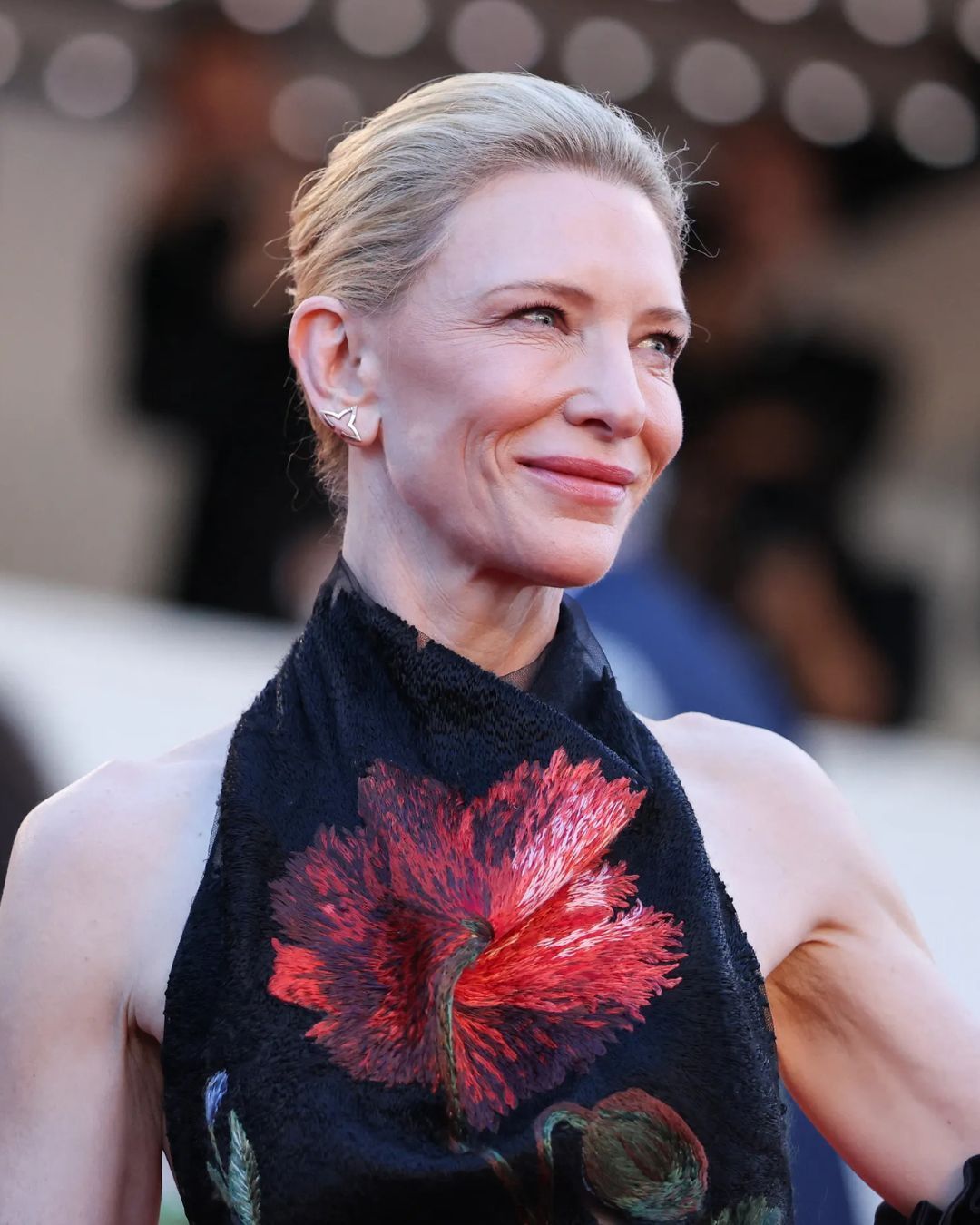
@givenchy Cate Blanchett wore a floral hanging thread embroidered halter-neck dress, with matching Bonbon gloves, and black and burgundy patent pointy pumps for the premiere of “Garance” at the 79th Annual Cannes Film Festival. Givenchy by Sarah Burton
original sound - Givenchy
Have things really changed?
According to Blanchett, that momentum quickly weakened. The actress explained that even today, when stepping onto sets, she still encounters a striking imbalance: “10 women and 75 men,” and too homogeneous environments end up reproducing the same dynamics, the same behaviors, and even the same kind of humor. The issue, therefore, is not only representation, but also the imaginary and relationships that an industry continues to construct every day. As always, the system needs to change.
Hollywood between declared progressivism and unchanged power structures
These statements are striking because they reveal a deep contradiction: Hollywood likes to present itself as a progressive, inclusive, and forward-thinking space, yet it often struggles to truly change its power structures. In recent years, many film companies have adopted ethical codes, introduced intimacy coordinators on set, and promoted diversity campaigns. However, when looking at decision-making roles - directing, production, and beyond - female presence remains minority.
Julianne Moore and the (still) incomplete changes
Julianne Moore, also speaking at Cannes, recalled how normal it was just a few years ago to be the only woman on a set, sometimes alongside a technical assistant. Moore believes there have been some improvements, but Blanchett’s words show that change is progressing much more slowly than expected.
@festivaldecannes Julianne Moore au Festival de Cannes #cannes2026 #onregarde #redcarpet son original - FestivaldeCannes
Denouncing is not enough: the fading force of #MeToo
The most interesting reflection, however, concerns why #MeToo has lost momentum. Blanchett questions why the testimonies of “ordinary people” are so quickly silenced. In fact, after the first wave of accusations, part of public opinion and the media began to treat the issue as a passing trend or even an excess.
@pbsnews The future of #MeToo as a second Trump administration prepares to take power There’s a noticeable pattern across some of President-elect Trump’s Cabinet nominees: allegations of sexual misconduct or assault. Trump himself has been publicly accused of sexual misconduct and found liable in civil court of sexual abuse, and his return to office is raising questions about the future of the #MeToo movement. Law professor Deborah Tuerkheimer joins Laura Barrón-López to discuss. #pbsnewshour #pbsnews #newshour #metoomovement #trump #donaldtrump #trumpadministration #cabinet #survivor #victim #misconduct #politics original sound - pbsnews
Between symbolic change and structural transformation
#MeToo has certainly changed something. Some powerful men have been removed, certain dynamics are now more easily recognized, and many women feel less alone when sharing their experiences. But Cate Blanchett’s words remind us that symbolic transformation does not automatically correspond to structural change. As long as decision-making spaces remain almost exclusively occupied by men, the risk is that the industry will continue to reproduce itself. The issue is not only who speaks in front of the camera, but who holds power behind it.