














































The best sunscreens of 2026 A practical guide to choosing the right SPF
SPF 30 or 50? Chemical or mineral filters? Matte or glowy finish? Choosing the right sunscreen can seem more complicated than expected, but there’s no need to feel overwhelmed: SPF is one of the most important products in any daily skincare routine, which is exactly why it should be selected carefully. Designed to be worn all year round (not just in summer), today’s sunscreens feature increasingly sophisticated formulas: lightweight textures, make-up-compatible options, and even products tailored to specific skin concerns. To help navigate new launches and bestselling formulas, here’s a practical guide to the best sunscreens of 2026 and the key factors to consider before buying, impossible to get wrong.
How to choose the right sunscreen: understanding SPF
The first thing to consider is the sun protection factor. SPF 30 blocks about 97% of UVB rays, while SPF 50 blocks up to 98%. The difference may seem small, but it becomes important for people with very fair or sensitive skin, or for anyone prone to developing sun spots. In general, dermatologists and skincare experts recommend never going below SPF 30, especially during warmer months or in places with strong sun exposure. In 2026, alongside classic fluid sunscreens, practical stick formulas and serum-like textures are becoming increasingly popular, combining sun protection with skincare benefits. More and more products now include ingredients such as niacinamide, hyaluronic acid, centella asiatica, and peptides, which not only protect the skin from UV rays but also hydrate, soothe, and brighten the complexion.
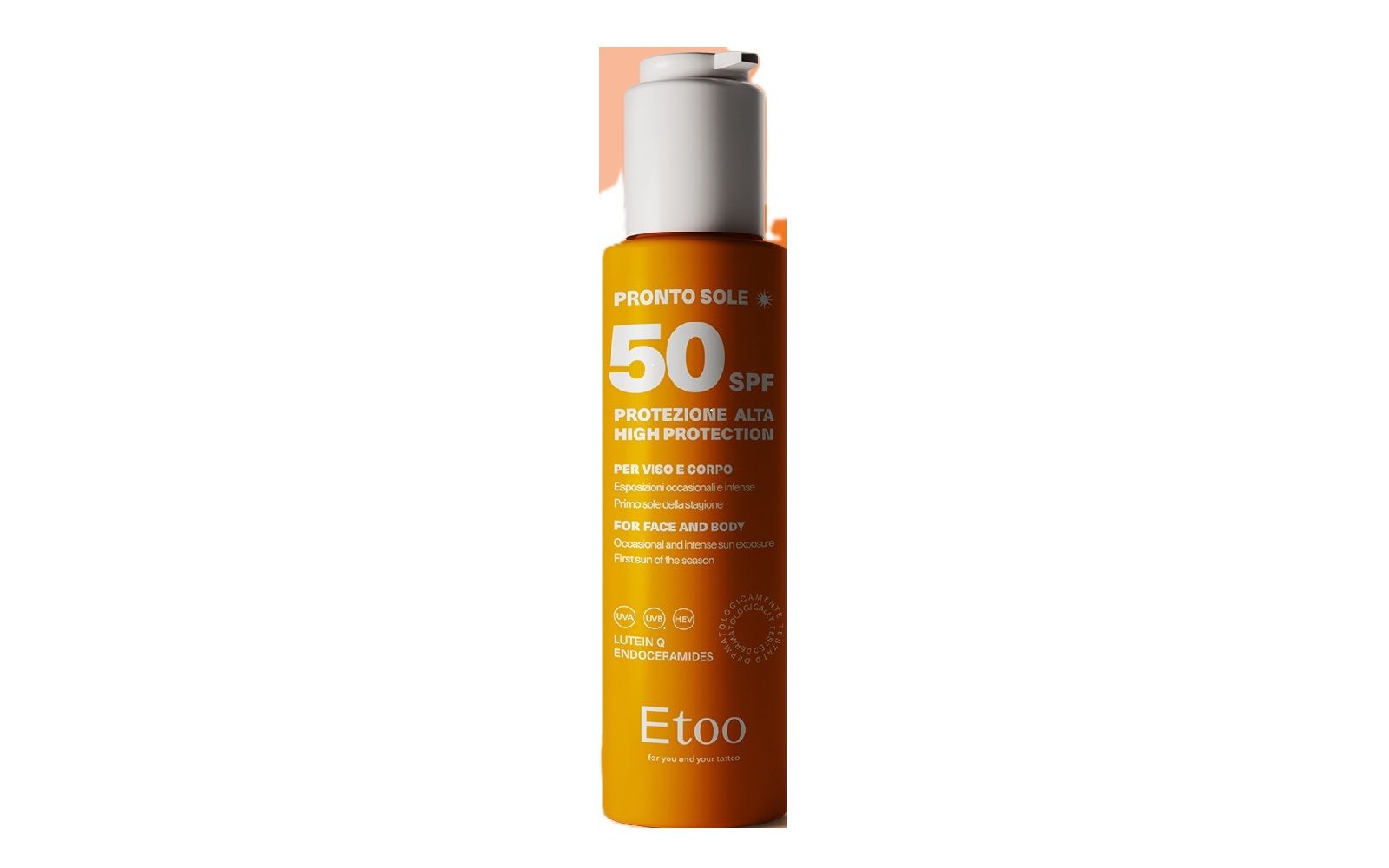
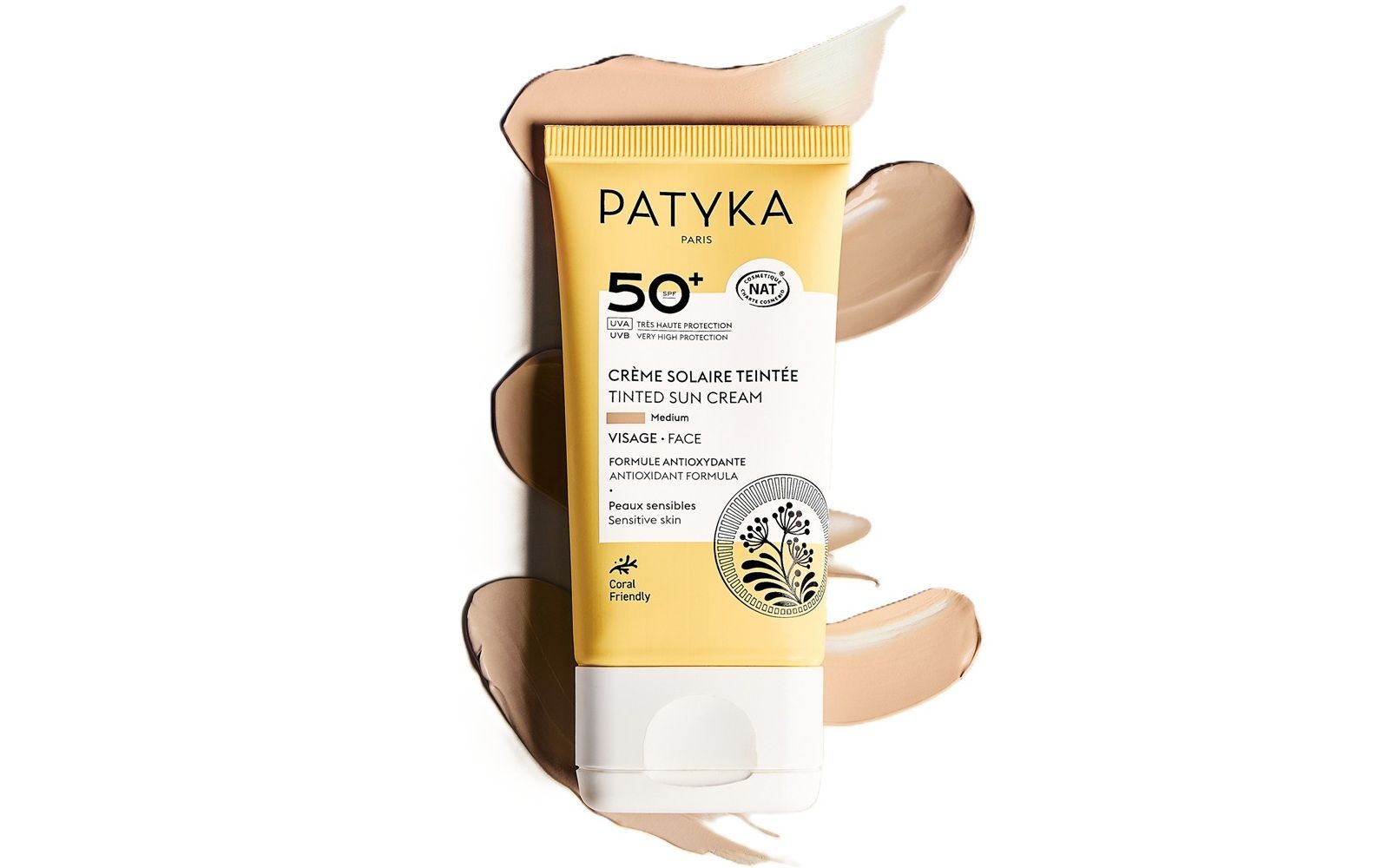
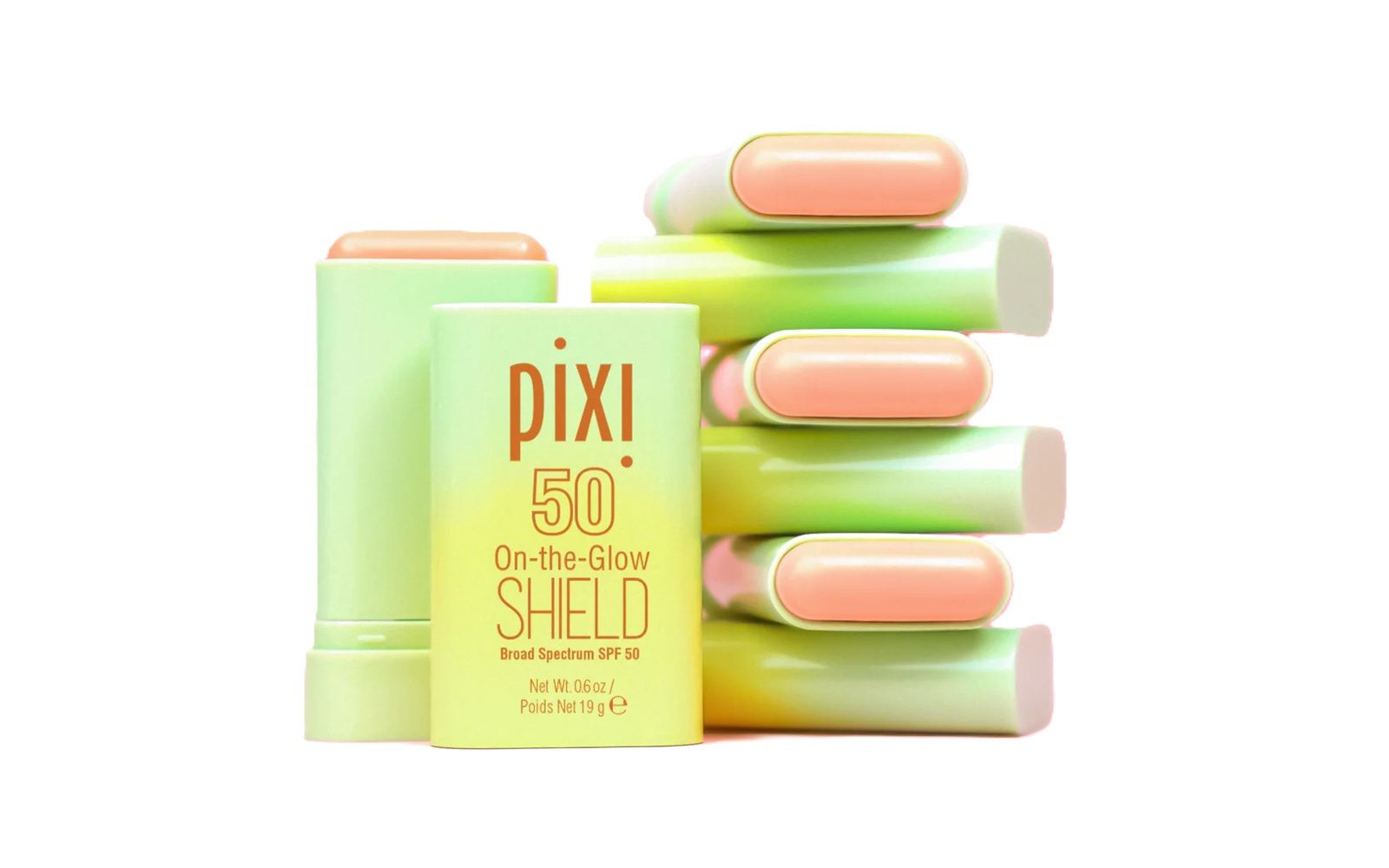
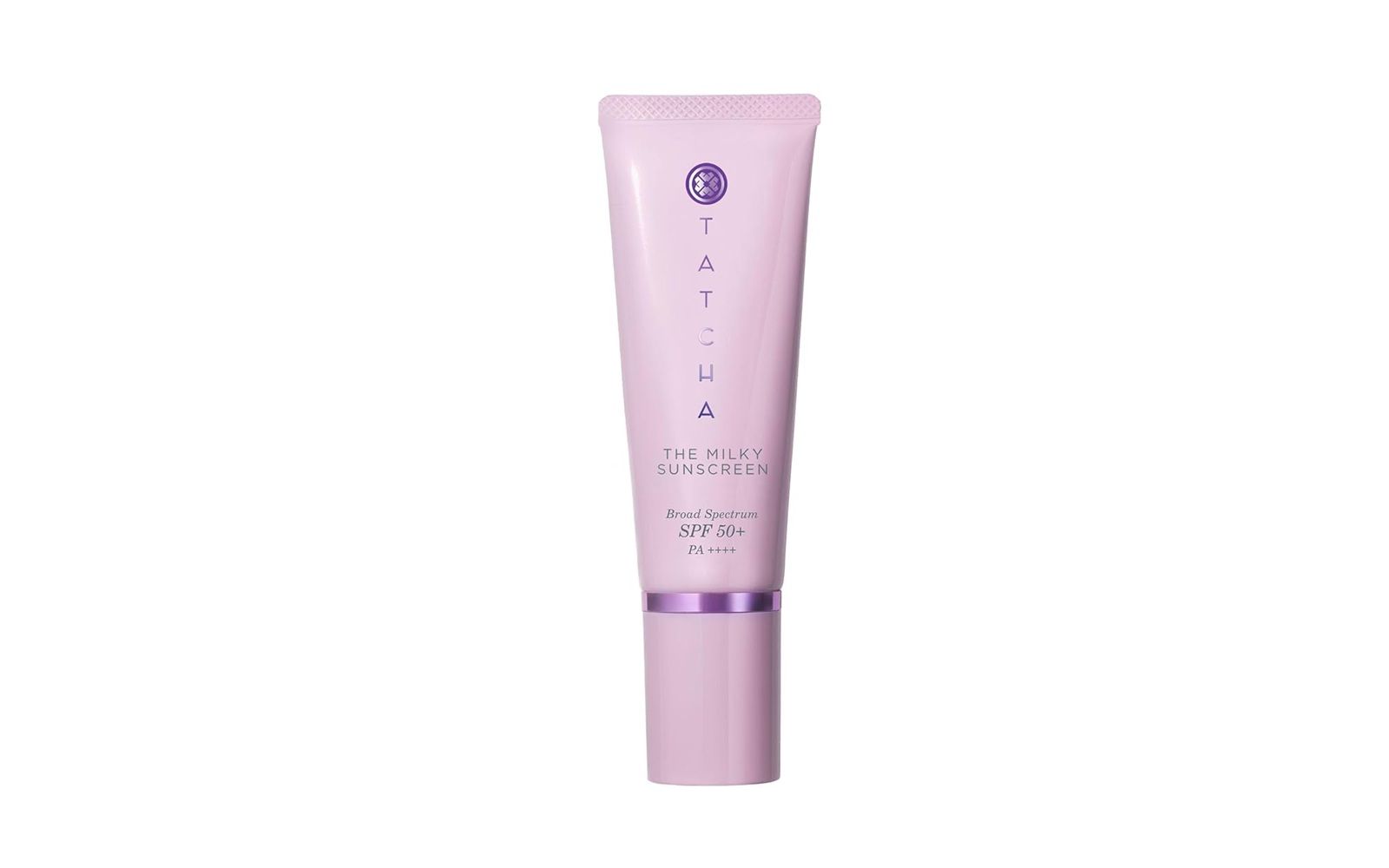
Chemical or mineral filters?
Another important factor concerns UV filters. Sunscreens with chemical filters often have lighter, more invisible textures, making them perfect under make-up or for anyone who dislikes the feeling of sunscreen on the skin. These filters absorb UV rays and convert them into heat, which is why they have become some of the most loved formulas in the beauty world, especially in Korean and skincare-focused products. Mineral filters, on the other hand, are generally preferred by sensitive skin types because they create a physical barrier that reflects UV rays. Made with ingredients such as zinc oxide and titanium dioxide, they are often recommended for people dealing with redness, acne, or highly reactive skin. While mineral sunscreens were once associated with thick textures and the classic white cast, the newest formulas have completely changed the game: in 2026, many mineral sunscreens are also lightweight, transparent, and easy to apply. Ultimately, the choice between chemical and mineral filters depends mainly on personal needs and the desired finish. Those looking for comfort and an invisible feel may prefer ultra-light chemical formulas, while anyone focused on gentle, minimalist ingredients may lean toward mineral options. In both cases, the real goal remains the same: finding a sunscreen you’ll use consistently, every single day.
The textures of 2026
Glowy creams, watery gels, transparent sticks, and ultra-fine sprays: in 2026, sunscreen is becoming increasingly focused on comfort and versatility. New formulas are designed to integrate seamlessly into daily routines without leaving heaviness on the skin or the sticky feeling typical of sunscreens from a few years ago. Many textures now feel more like hydrating serums or illuminating primers than traditional sunscreens. Those with oily or acne-prone skin can opt for matte, oil-free, or blur-effect formulas that help control shine and work well under make-up. People with dry skin may prefer glowy, nourishing textures enriched with hydrating ingredients such as hyaluronic acid, ceramides, or squalane. For sensitive skin, soothing formulas containing centella asiatica, aloe vera, and panthenol continue to be especially popular.