





















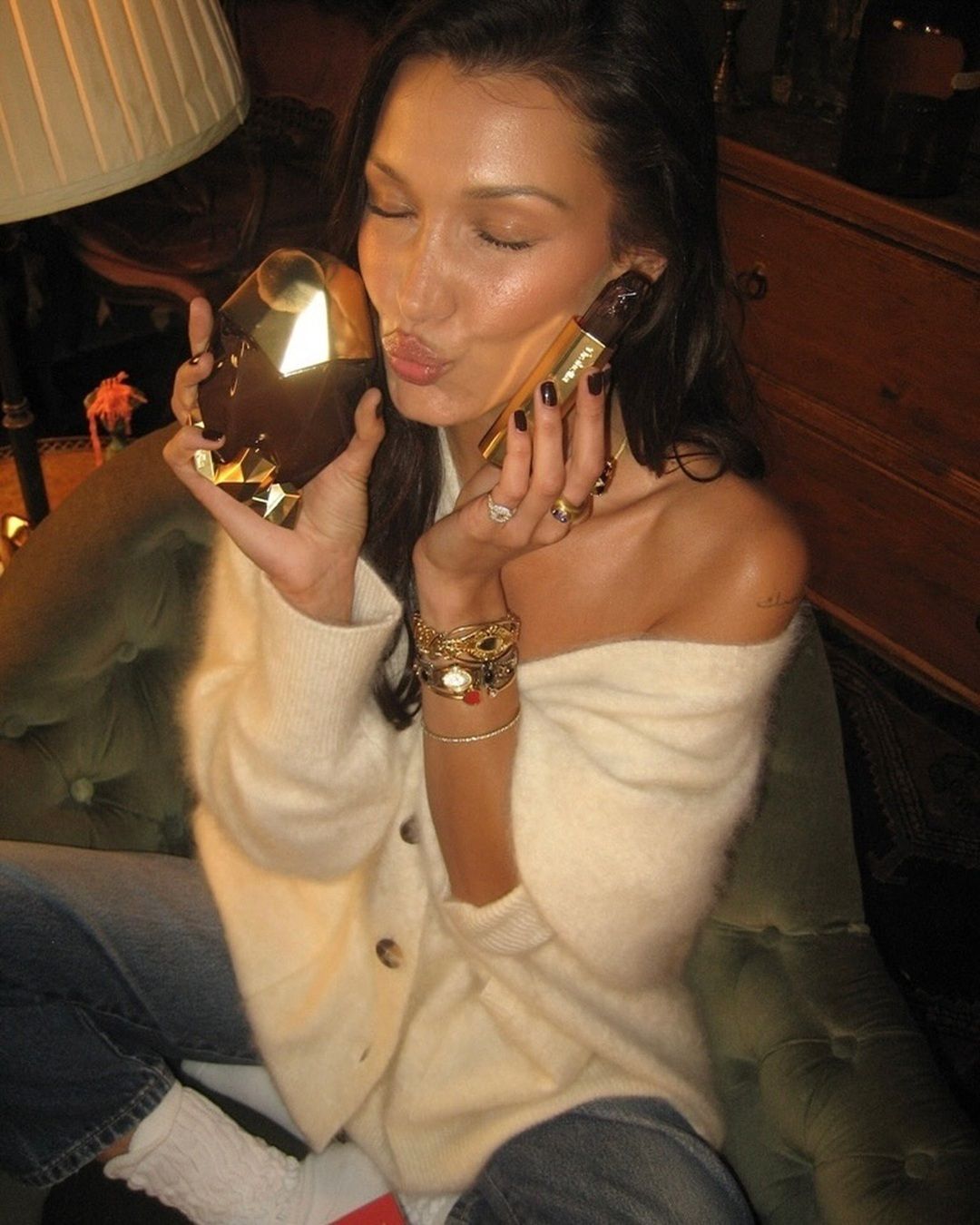
2025 was the golden year for indie perfumes Niche fragrances are growing four times faster than big brands and driving the entire independent beauty industry
2025 will be remembered as the year independent fragrance definitively stopped being a niche and became a structural engine of indie beauty. According to NIQ (NielsenIQ) data, niche perfume sales grew by 46.3% year over year, at a pace more than four times faster than that recorded by fragrance brands owned by conglomerates, which stalled at a more cautious +11.4%. It’s a clear signal that something in the relationship between consumers and perfume has fundamentally cracked. It’s not just a matter of price or distribution, but of meaning: perfume is no longer an invisible accessory, but a personal, cultural, often political language. Independent brands capture this need better than large groups, still anchored to models of scale and recognizability that today feel, if not obsolete, at least slow.
Niche fragrances: from subculture to market engine
That fragrance is the most dynamic category in beauty is nothing new. The real news is that in 2025 it also becomes the most radical. Niche perfumes are growing because they speak to more olfactively literate consumers, educated by years of content on TikTok, influencers, specialized forums, and digital communities that discuss notes, sillage, raw materials, and performance with the same dedication reserved for limited-edition sneakers. The result? More curious consumers, less loyal, and infinitely more attracted to brands capable of telling an authentic story. This is where niche fragrances win easily, offering uniqueness, identity, and a strong authorial imprint. They can be strange, divisive, even uncomfortable. And in a market saturated with polished, predictable launches, risk becomes value, everything mainstream perfume, often constrained by market research and mass testing, struggles to guarantee. It’s no coincidence that many brands now celebrated as pioneers later ended up on the radar of major groups. Today, indie no longer anticipates trends, it creates them.
Beyond perfume: indie beauty accelerates across the board
If fragrance is the tip of the iceberg, the rest of indie beauty is certainly not standing still. Broadening the view, the NIQ report shows that in the 52 weeks ending November 1, the overall independent beauty market in the United States grew by 22.3%, reaching $40 billion in sales. This represents a markedly faster progression compared to the previous year, when growth had stopped at 16.1%. By comparison, conglomerate-owned brands move at a shorter stride: +6.1% in 2025, totaling $85 billion, a further slowdown compared to 2024. The difference lies not only in the numbers, but in the ability to capture change. The secret? Independents are structurally faster at reacting to trends, in an industry driven by short cycles and shifting desires.
Skincare, make-up and hair
After fragrances, facial skincare records the most significant growth among independent brands, with an increase of over 23%. Cosmetics and nails follow, as does haircare, both with double-digit gains. Conglomerates continue to hold the majority of sales in these categories (almost 60% in skincare and over 60% in make-up), but their growth remains below 5%. It is a quantitative leadership that no longer automatically translates into cultural leadership. Indie brands win because they speak in a more direct, inclusive, and often more credible way, especially to an audience that seeks not only performance, but values, aesthetics, and storytelling.
Why the future smells increasingly independent
The success of indie beauty in 2025 is not a statistical anomaly, but the result of a structural transformation. In a trend-driven market, as NIQ itself points out, size no longer guarantees protection. What matters is the ability to move quickly, to command the digital space, and to leverage e-commerce and social selling as spaces of discovery even before sales. Conglomerates maintain greater consumer loyalty, but independents gain something just as valuable: attention. And today, in beauty, attention is the real currency.