















































It's time to do some digital decluttering Technology has given us the illusion of infinite space, but freeing ourselves from old chats, emails and photographs can be good
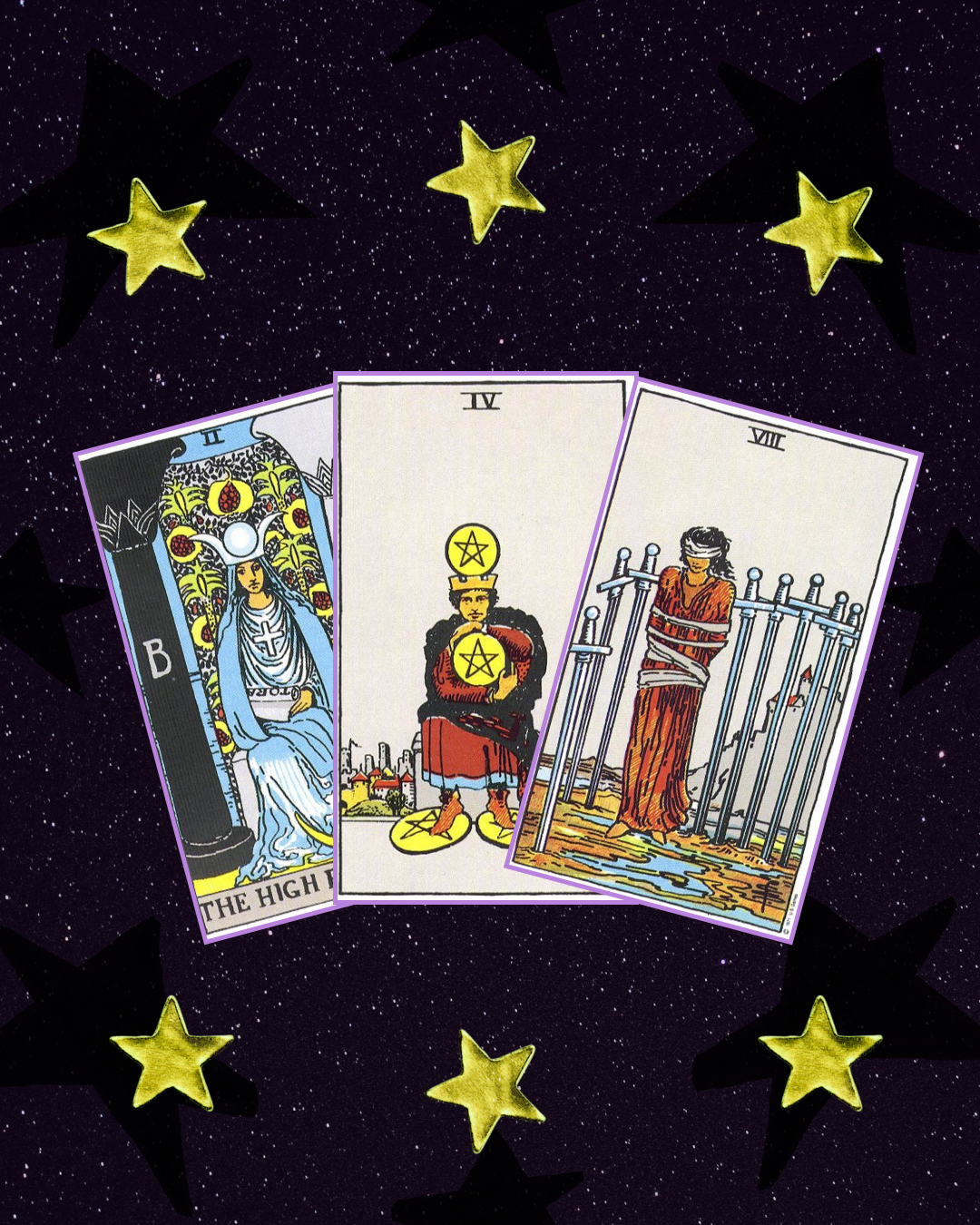
I am a serial hoarder of memories. Some would say it has to do with my zodiac sign, Cancer, and its natural tendency to remain anchored to the past. People like me look with a certain distrust at those who throw away greeting cards, delete old photos, or consistently commit to digital or physical decluttering. We, on the other hand, keep everything. Often, this is an advantage: it’s not uncommon to dive into the depths of archived chats in search of information that has slipped our minds, from the name of a restaurant someone once recommended to the exact date of an episode we’re recounting. Digital technology has undoubtedly made this process easier, as it has eliminated - at least apparently - the occupation of physical space. And yet, reading this article prompted me to ask myself a question: is keeping everything really good for us? Or would it sometimes be healthier to interrupt our dialogue with the past?
Digital decluttering versus the infinite archive on our smartphones
There was a time - many of you will remember it - when a phone’s memory was not unlimited (and, strictly speaking, it still isn’t today, even if we can now pay to expand it). Saving one message often meant having to delete another. Entire afternoons were spent establishing emotional hierarchies: the message from your first crush or the one from your best friend? As devices evolved, storage space gradually expanded, eventually giving us the illusion that we could hold on to every single digital keepsake. Today, no longer worried about clutter, we archive unnecessary photos, record videos we’ll never watch again, and keep messages and emails with no real value.
@drcourtneypare Do you relate!? Digital hoarding may involve saving excessive emails, photos, articles, blogs, posts, audiobooks, podcasts, etc. More often than not, this material is never used or revisited. While it often starts off as a benign behavior, it can have a significantly negative impact on ones mental health and overall well being. While parting with data can be difficult, with the right support it can be done! #hoardingdisorder #digitalhoarder #hoarding #adhdtok #adhdawareness #ocdawareness #obsessivecompulsivedisorder #ocdtok #ocd Dandelions (slowed + reverb) - Ruth B. & sped up + slowed
At the mercy of digital hoarding
This behavior has a name: digital hoarding. A constant accumulation of data, files, messages, and content that doesn’t necessarily respond to a real need, but rather to a form of permanent precaution. We keep things “just in case,” out of fear of losing information, evidence, references, or simply past versions of ourselves. In an ecosystem that no longer imposes limits, the act of deleting becomes unnatural, while accumulating feels neutral and consequence-free. It’s therefore unsurprising that the most popular solution isn’t deletion, but organization. Archiving instead of eliminating, creating folders, labels, filters. Putting things in order without giving anything up. Digital organization is often presented as a form of balance: not deleting everything, but not letting chaos take over either. And yet, this strategy risks being little more than an apparent compromise. Because organizing doesn’t mean reducing, it simply means making disorder more presentable.
@emmaorhun thinking out loud. looking for hypotheses
Clair de lune - Debussy , Soft Piano(1076685) - Noi m knot
The impact of digital life is invisible, but it’s there
At this point, the question stops being purely psychological or emotional and becomes material as well. Because the idea that digital content doesn’t take up space is, precisely, an illusion. The messages we keep, the emails we archive, the photos we don’t delete don’t disappear into some abstract void: they’re stored on physical servers, housed in data centers that consume energy, require cooling systems, and have a real environmental impact. The weight of our digital memories isn’t visible, but it exists. Continuing to accumulate data contributes to a growing demand for storage space and computing power; and even when we don’t actively interact with that content, keeping it online carries an energy cost. In this sense, digital decluttering (that is, deleting chats, emails, files, photos, and apps from our smartphones or computers) isn’t just about mental order or personal well-being, but also about collective responsibility. Just as the choice to keep everything is not neutral, even if it feels that way.
@internet.hoarder Don’t know what exactly this mood is tho #productivity #digitalorganization #adhd original sound - bollybeo
Learning to let go
The paradox is clear: we started keeping everything because space seemed infinite, but that very abundance has stripped us of the ability to assign value. In the era of technical limitations, every saved message was a decision. Today, the absence of constraints has turned digital memory into an undifferentiated archive, where everything carries the same weight and, at the same time, nothing feels truly important. That’s why it’s worth taking some time now and then to ask ourselves a few questions: does this really deserve to stay? Do I still need it? Does it say something about who I am today? It’s a way of acknowledging that the digital realm, too, needs to be inhabited, not merely occupied. And that sometimes making space, on a phone’s memory as much as in our personal one, means letting go of something that no longer represents us.
