









































Sharing makeup and skincare: yes, but how? When friends ask you for the mascara, this is what you have to do
Who has never shared a lipstick in a rush in a bathroom, a miracle cream recommended by a friend, or casually passed a brush as if it were just another accessory? In theory, we know you shouldn’t. In practice, we all do. Because beauty isn’t just a collection of products, it’s also an emotional language. Sharing a beauty gesture is a bit like sharing a playlist: it means understanding each other, caring for one another, wanting to feel more confident and beautiful together. At some point, though, the inevitable question arises: where does an intimate ritual end and risk begin?
Beauty sharing: love, trust, and a touch of recklessness
Sharing beauty products is far more common than we might think. It happens between sisters, friends, and coworkers. It often happens between mothers and daughters too, especially when a beauty routine becomes a moment of play, imitation, and complicity. Beauty sharing is also a form of education: you learn how to do your makeup because someone lends you something, shows you how to use it, and teaches you a gesture you’ll later repeat on your own in front of the mirror. And yet, some products are personal and shouldn’t be shared, just like a toothbrush. Without demonizing the habit, we need to learn how to distinguish what can and can’t be shared.
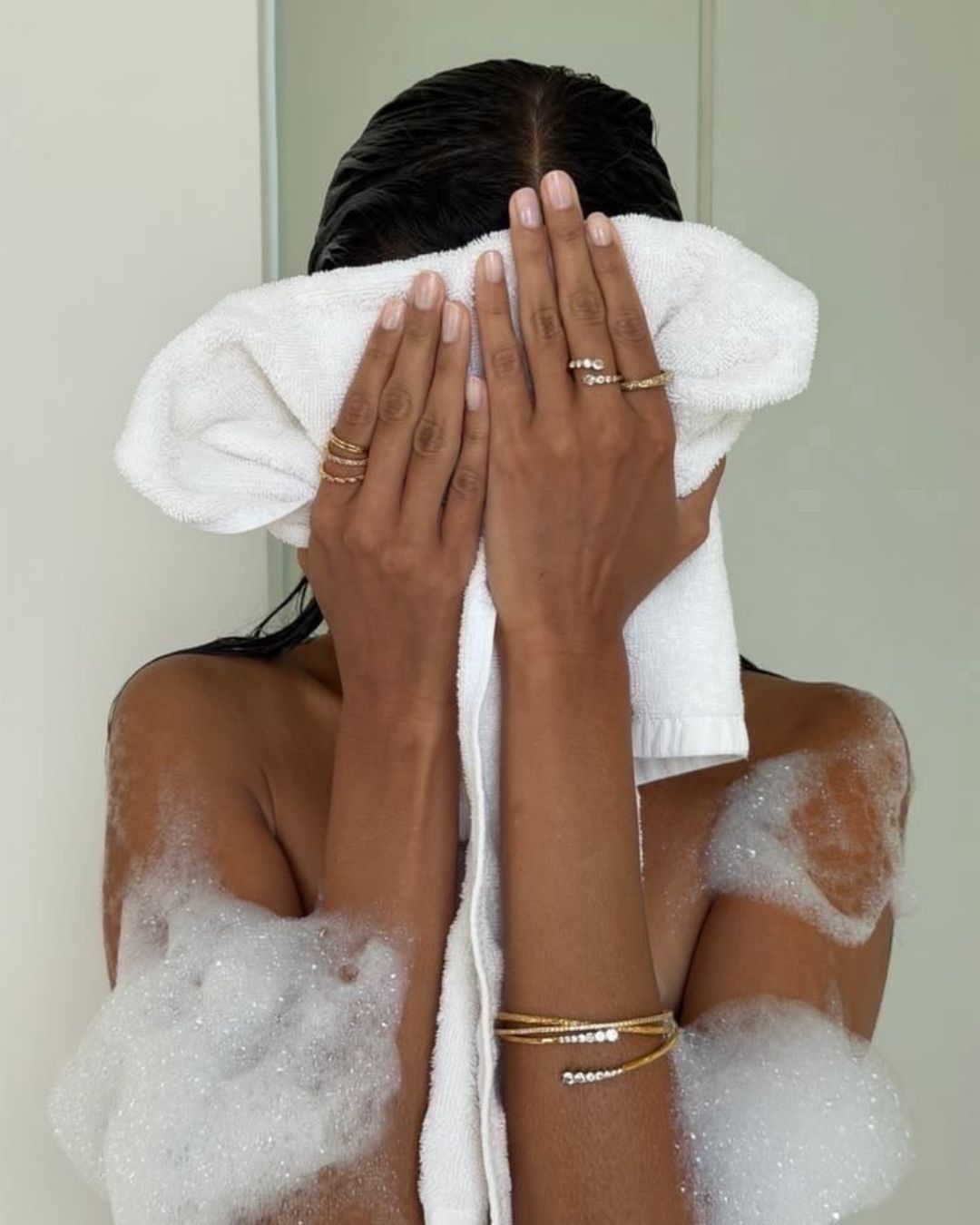
@sophiepontin girl friendships are so special
What makeup you can share without anxiety (almost always)
There are products that, with a bit of common sense, can be shared without too much overthinking.
- Perfumes & body mists: no direct contact, no real contamination. Plus, sharing a fragrance is deeply romantic, it’s one of the sweetest ways to keep someone close.
- Body and face creams in tubes or with a pump: shareable only if the product comes from a dispenser or a tube and there’s no direct hand contact inside a jar.
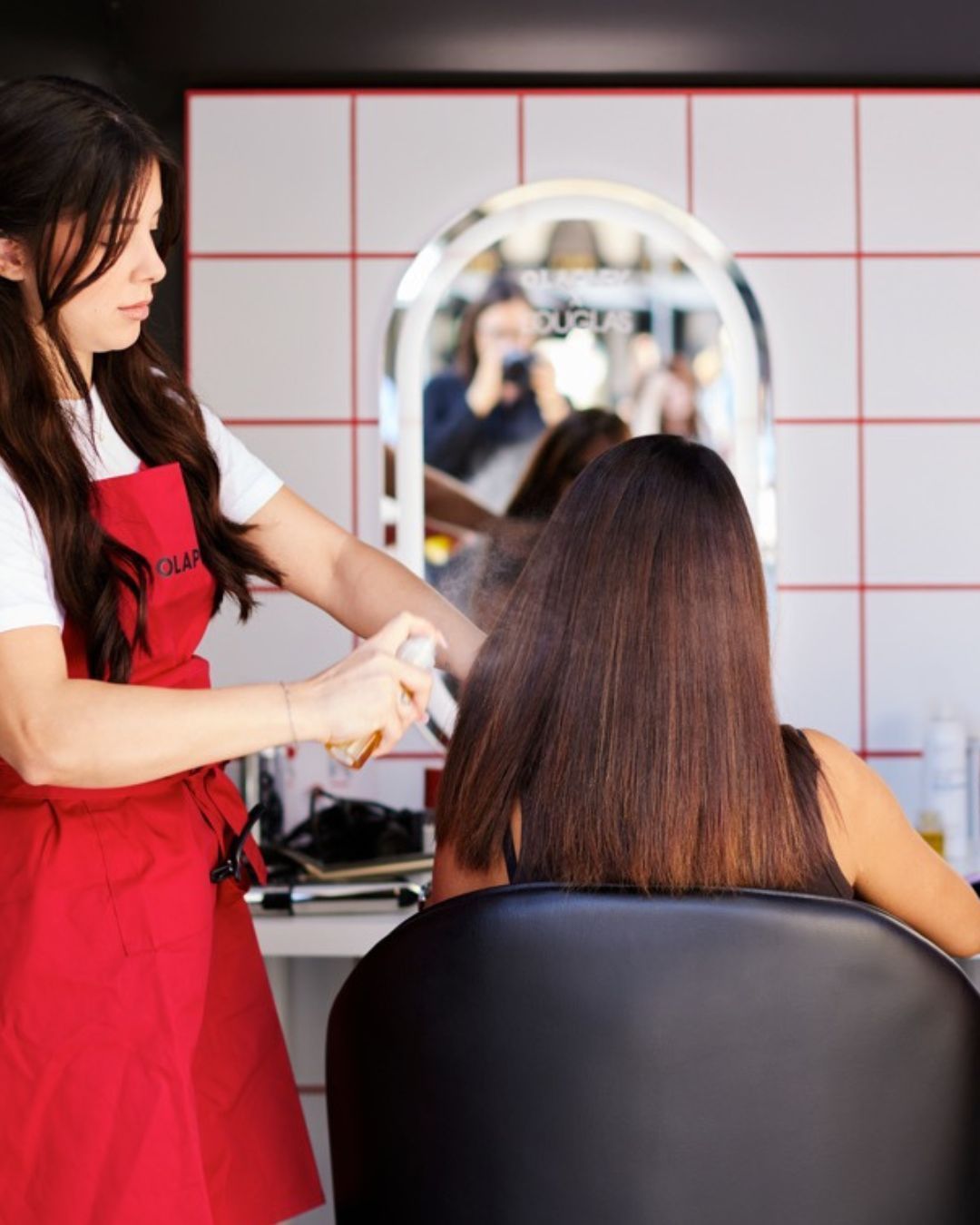
- “No-touch” haircare products: masks, leave-in sprays: yes, as long as application is clean and indirect.
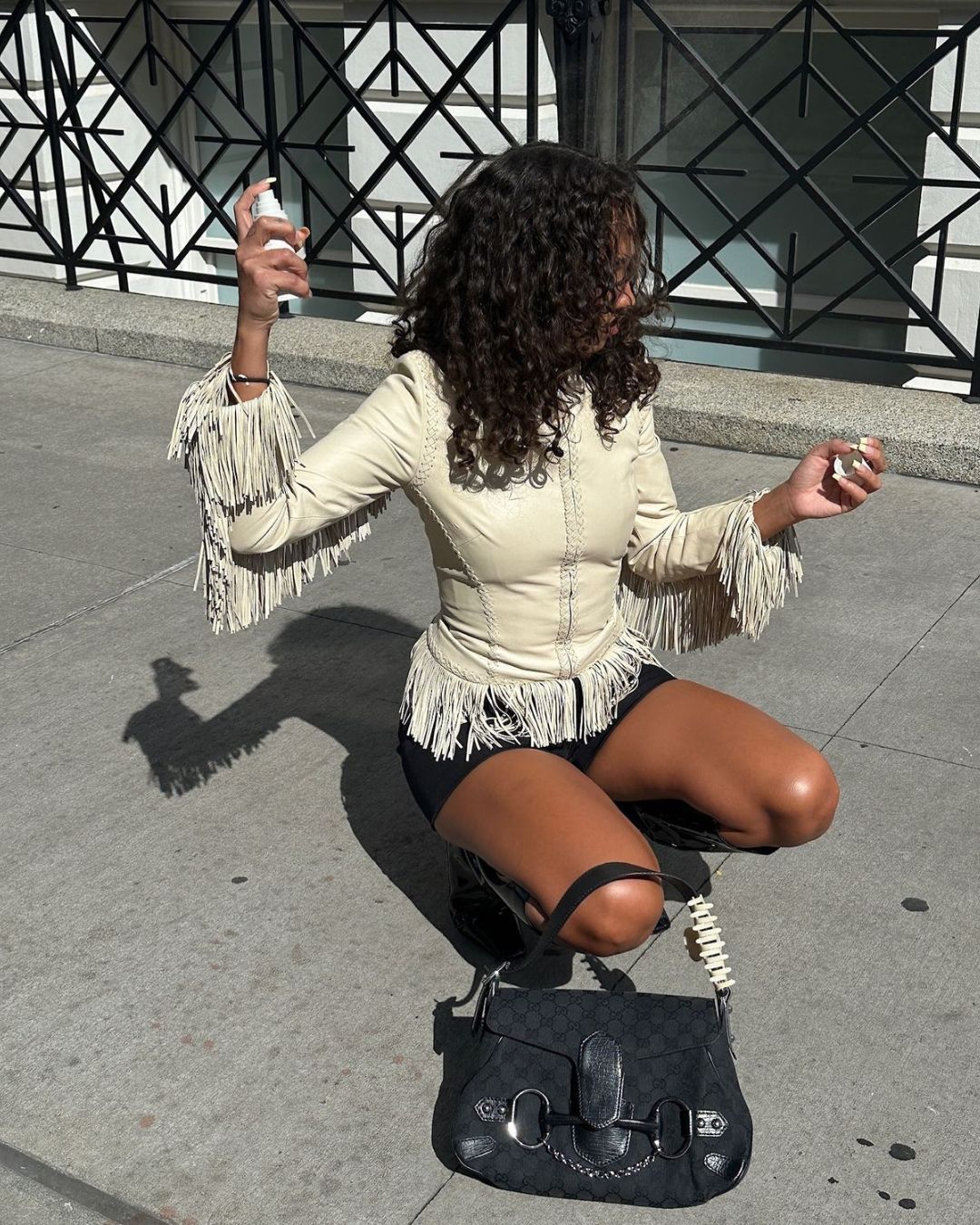
@lauramvila there is nothing better than sharing my favorite beauty finds with my best friends
original sound - Laura Vila
What you should never share (but still do)
Here comes the less poetic but necessary part. This is what should not be shared:
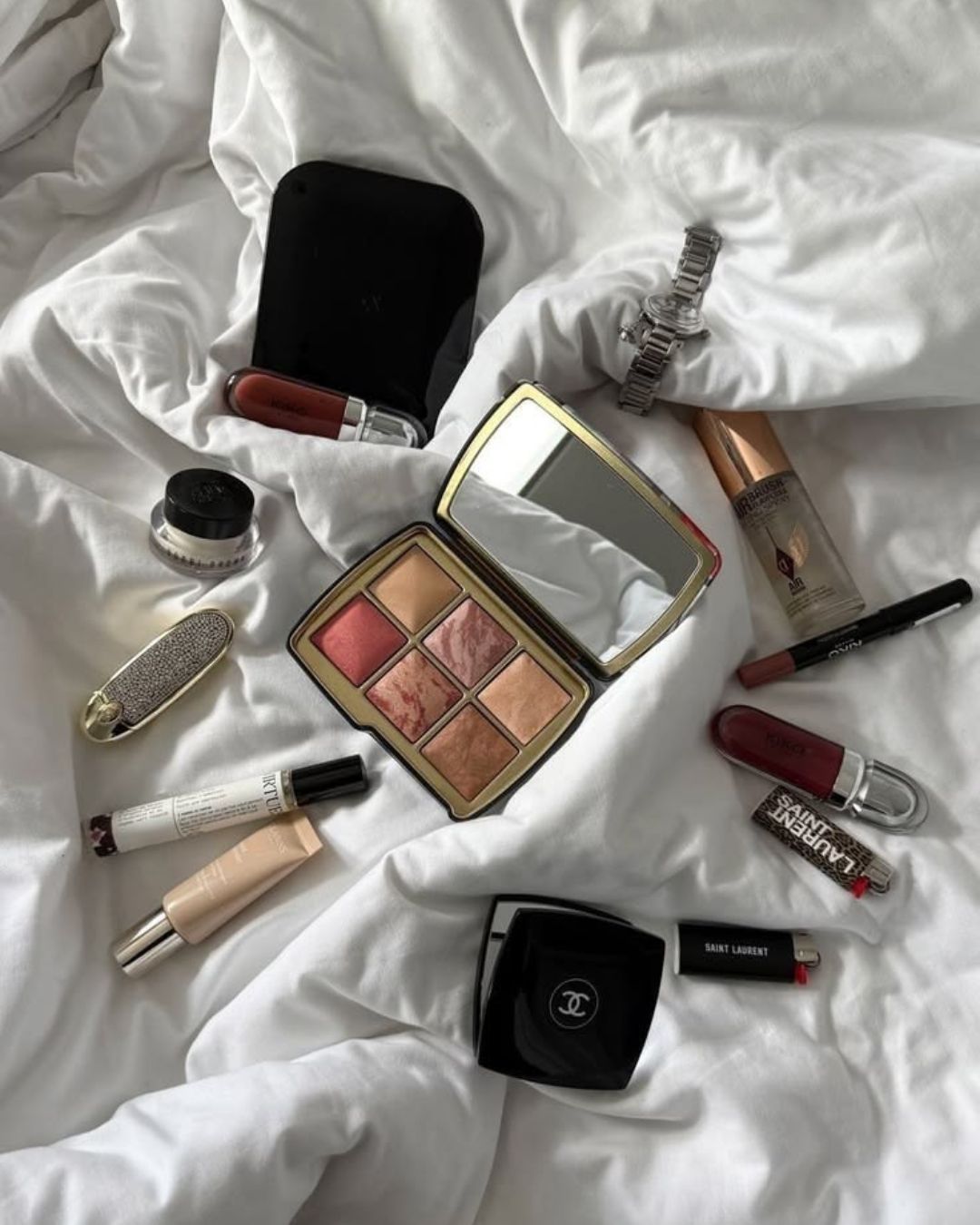
- Lipsticks, glosses, stick lip balms: the classic item that naturally gets passed around and also the one most likely to carry bacteria, residue, and invisible micro-cuts. Precisely because it’s easy to touch up, lending it feels automatic, but it would be better not to. Smart alternative: if you really want to share, apply it with a cotton swab or a clean spatula.
- Mascara, eyeliner, and eye pencils: officially the least shareable products. Not because we’re paranoid, but because it takes very little to irritate eyes or trigger infections. They’re the beauty equivalent of “drink from my glass”: a very affectionate gesture, but a risky one.
- Brushes: it’s not a simple yes or no, it’s about how. Brushes require special attention, as their safety depends on many variables. Technically, they can be shared, but only if one basic rule is respected: brush hygiene.
@valentinaferragni Come pulire i pennelli in 30 secondi senza sbatti robando i segreti dei makeup artist
A realistic mini guide to sharing makeup and skincare (no fearmongering)
If you use it only on yourself: wash it at least once a week.
If you use it on someone else: clean it immediately, before and after.
If it’s an eye brush: it’s much more delicate, better not to share or clean it obsessively.
If it’s a concealer or foundation brush: even more important to clean it thoroughly, because it holds onto everything.
Brushes and sponges: sponges are the most critical, if you can, don’t share them.
Beauty between friends and daughters: an affectionate gesture that teaches
When beauty is shared between mothers and daughters or close friends, it’s not just about aesthetics. It’s about connection. It’s a way of communicating presence and saying: I see you, I help you, I’m here with you. The solution isn’t prohibition, but turning the moment into a micro-lesson in the magic world of beauty, one that includes tool hygiene as part of the ritual, distinguishing personal products from shareable ones, and, more broadly, respect for the body. Sharing a lipstick might be wrong, but sharing a ritual is absolutely right.
@fede_nargi Beuty routine con Beatrice #mammaefiglia #tortura #tiktok #perte #beautyroutine suono originale - Federica Nargi
Sharing is fine, with love and common sense
Sharing beauty is not a forbidden act. It’s a human gesture, often affectionate and almost always spontaneous. The difference between a cute moment and an avoidable mistake comes down to one thing: common sense. Beauty is also about this, learning how to take care of ourselves without losing the most beautiful part of it all: the desire to share and care for the people we love.
