












































Sensitive skin or reactive skin? No, they are not the same thing All the differences to know and how to act
A sudden flush or a slightly tingling cream almost always leads to the same conclusion: sensitive skin. But things aren’t always that simple. Not all skin that reacts is truly sensitive, and, most importantly, not all reacts in the same way. That’s why many dermatologists distinguish between sensitive skin and reactive skin. These two conditions may seem similar, especially when skin turns red after trying a new product, but they actually function differently. Here’s a breakdown that can help you solve the dilemma.
Sensitive or reactive skin? They’re not the same
Sensitive Skin: when the skin barrier is fragile
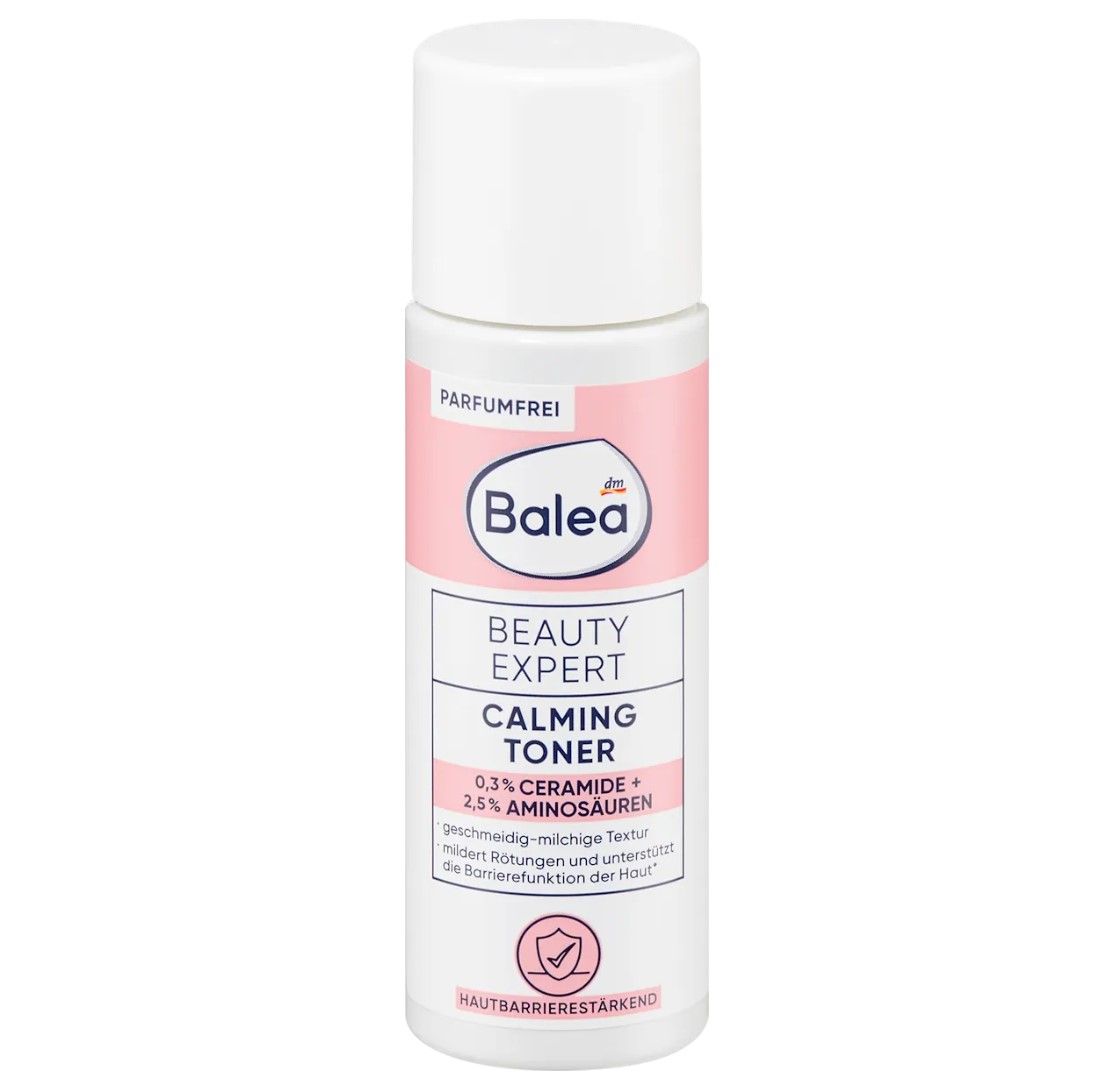
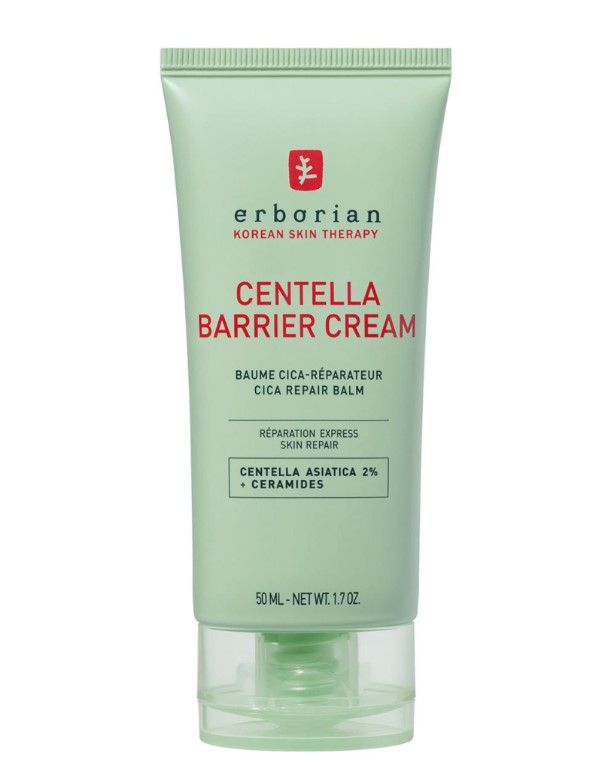
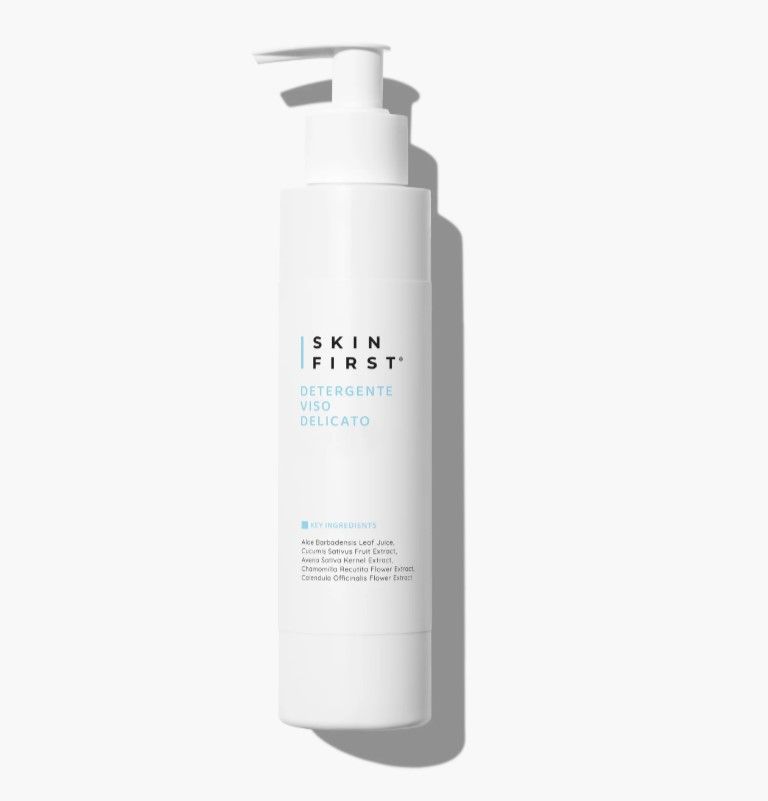
Sensitive skin isn’t just an occasional reaction: it’s more a skin characteristic. In practice, it means that the skin barrier, the outer layer protecting the skin from external agents like pollution, weather, or potentially irritating cosmetic ingredients, is less efficient than that of “normal” skin. As a result, the skin tends to let irritants in more easily, reacting with tingling, burning, itching, tightness, or redness. According to Healthline, sensitive skin can be caused by conditions such as dermatitis, eczema, or rosacea, as well as external factors like harsh cleansers, cosmetics, climate, wind, or sun exposure. In other words, sensitive skin benefits from simpler routines and gentle formulas. Not because it’s difficult, but because its tolerance to external stimuli is lower. The main goal for sensitive skin is strengthening the skin barrier. Opt for gentle, fragrance-free products with few harsh actives. Soothing creams with ceramides, panthenol, or centella asiatica are perfect for calming redness and itching.
Reactive Skin: when the skin acts up
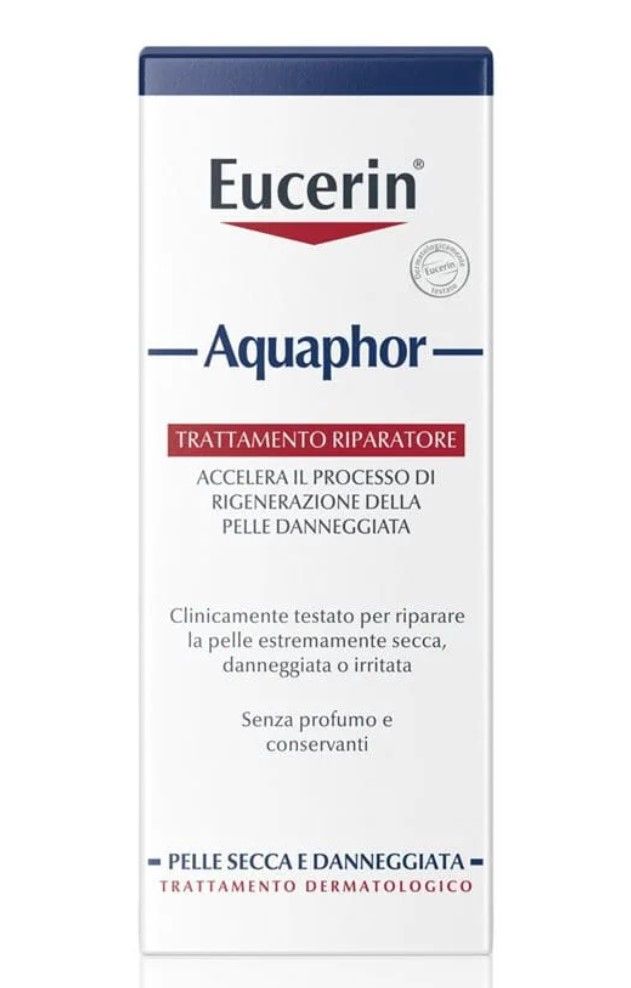
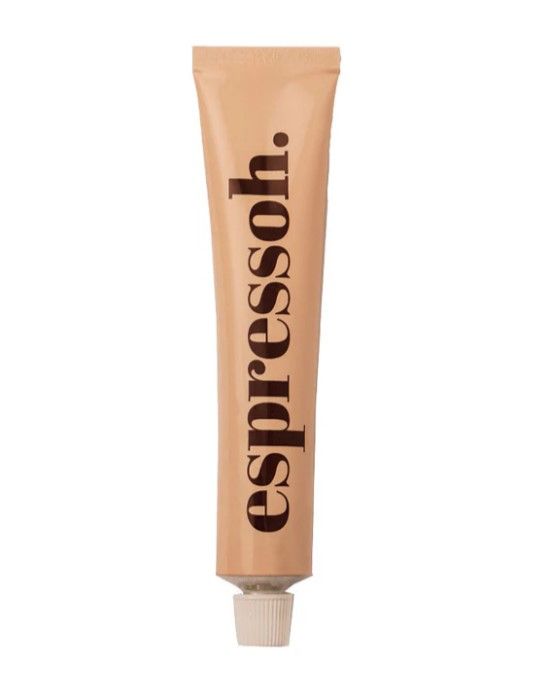
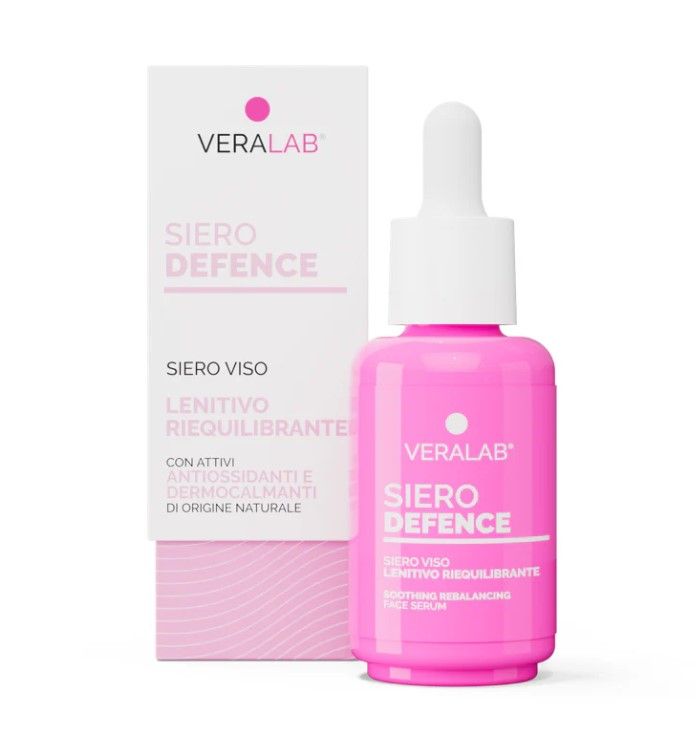
Reactive skin isn’t about constant fragility, but about a quick response to triggers. The skin doesn’t have to be inherently delicate: it can happen to anyone. A change in climate, stress, a strong fragrance, or a new cream can cause redness, tingling, or warmth that disappears within hours or days. As Healthline explains, reactive skin is linked to temporary inflammation: tissues respond quickly to external or internal stimuli without compromising the skin barrier. The key difference from sensitive skin is the trigger, not consistency. Reactive skin may behave fine one day and signal discomfort the next. The rule remains: listen to your skin and adjust your routine, avoiding overly aggressive products or routines packed with multiple actives at once. In short: sensitive skin is constant, reactive skin is sudden. The trick is to avoid unnecessary triggers. Pause products you’ve overused and reintroduce them slowly, starting with cleanser and moisturizer. Choose formulas that reduce inflammation and promote tolerance, using soothing ingredients recommended for sensitive skin as well as aloe, bisabolol, niacinamide, centella asiatica, and calendula oil. Ideally, introduce one new active at a time and observe your skin’s response to understand what works without provoking sudden redness.
What to read next

Real baddies have found their favorite activewear brand
It's called SWT, it comes from Australia and it has just launched a new capsule collection

"I find beauty in what makes me happy"
Interview with Garance Murru, which you've probably seen on TikTok

Halloween make-up inspired by the most iconic runway shows
From Christian Dior by John Galliano to Matières Fécales