















What does it mean to be niche on TikTok? Identity performance, authenticity, and the obsession with being different online
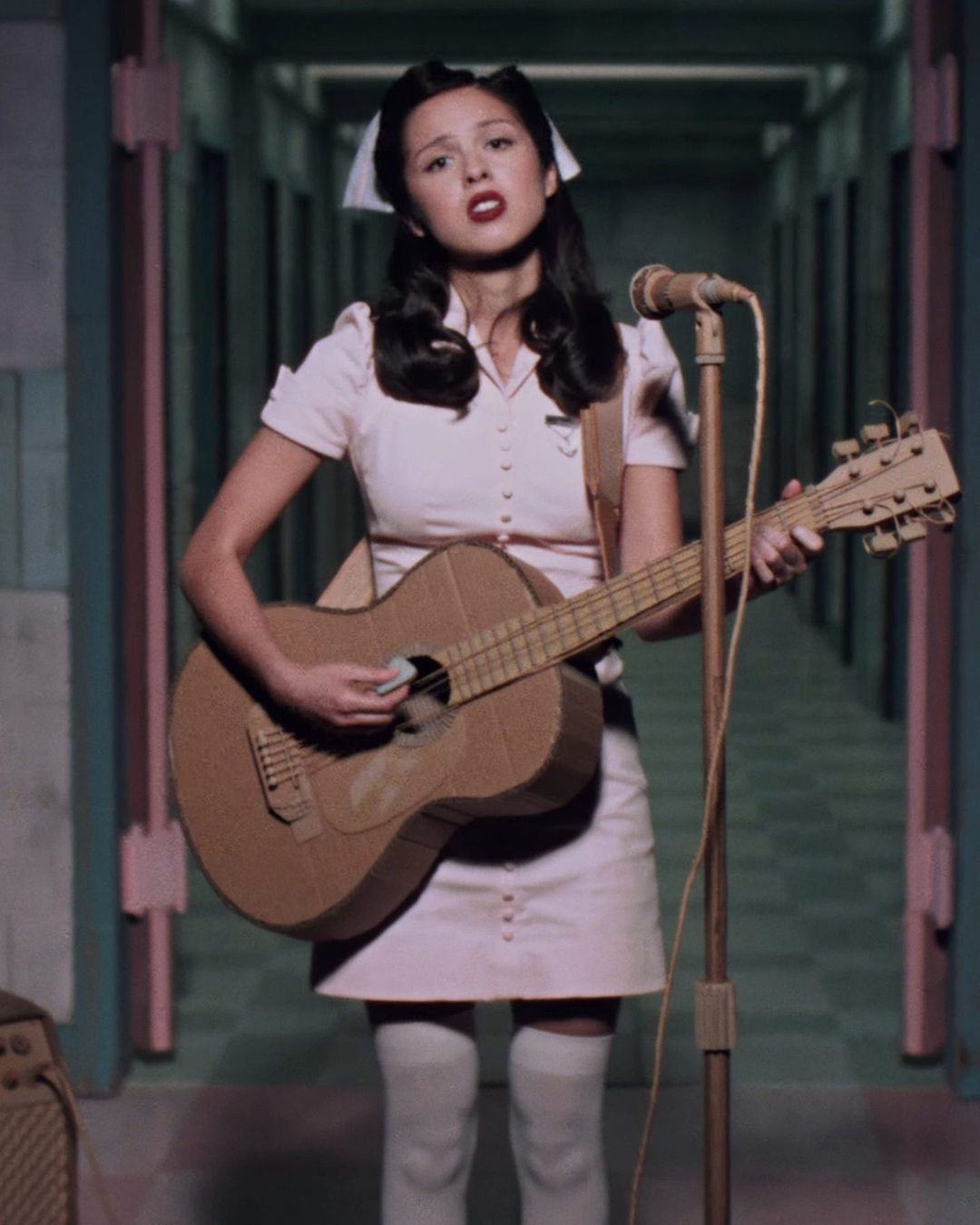
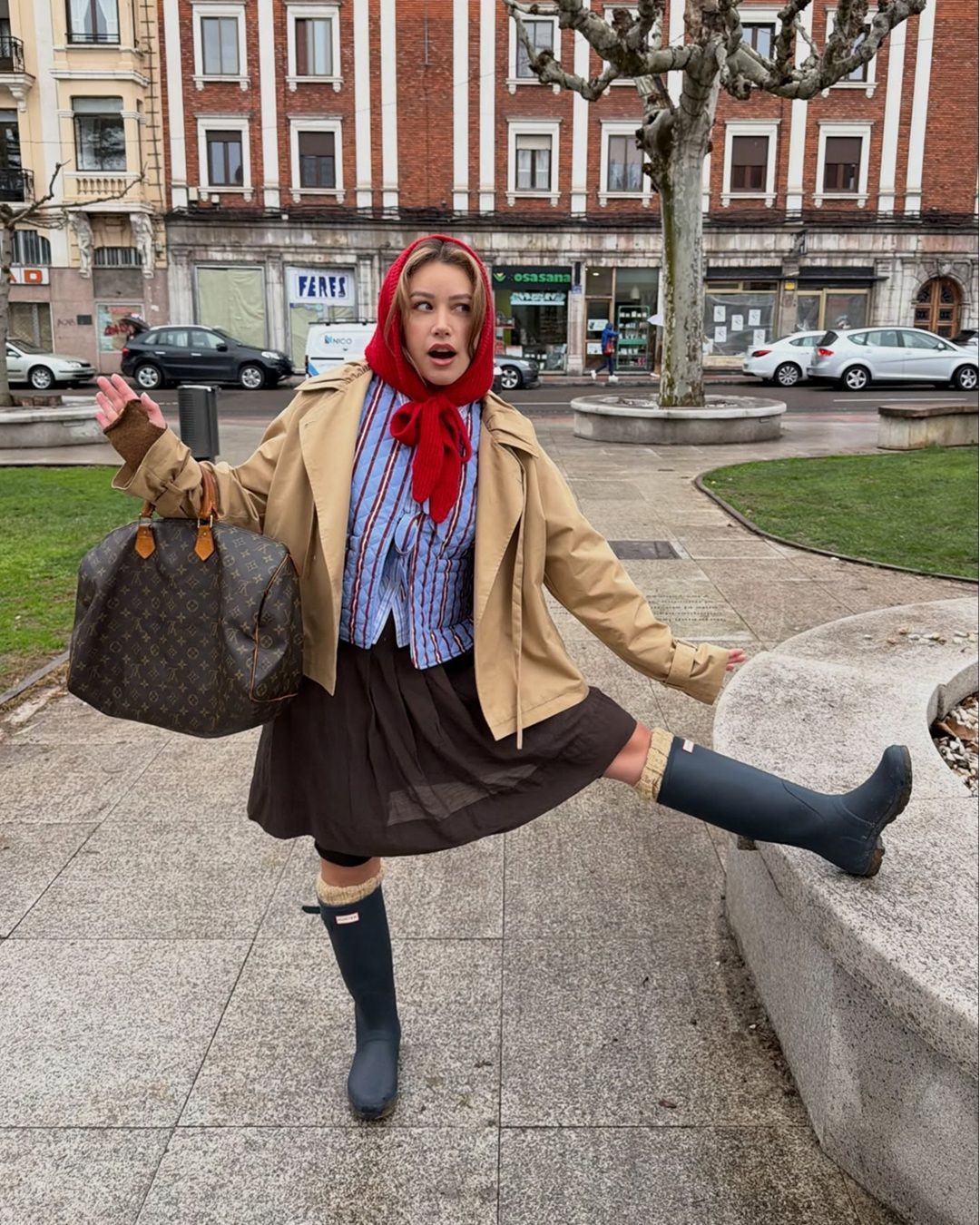
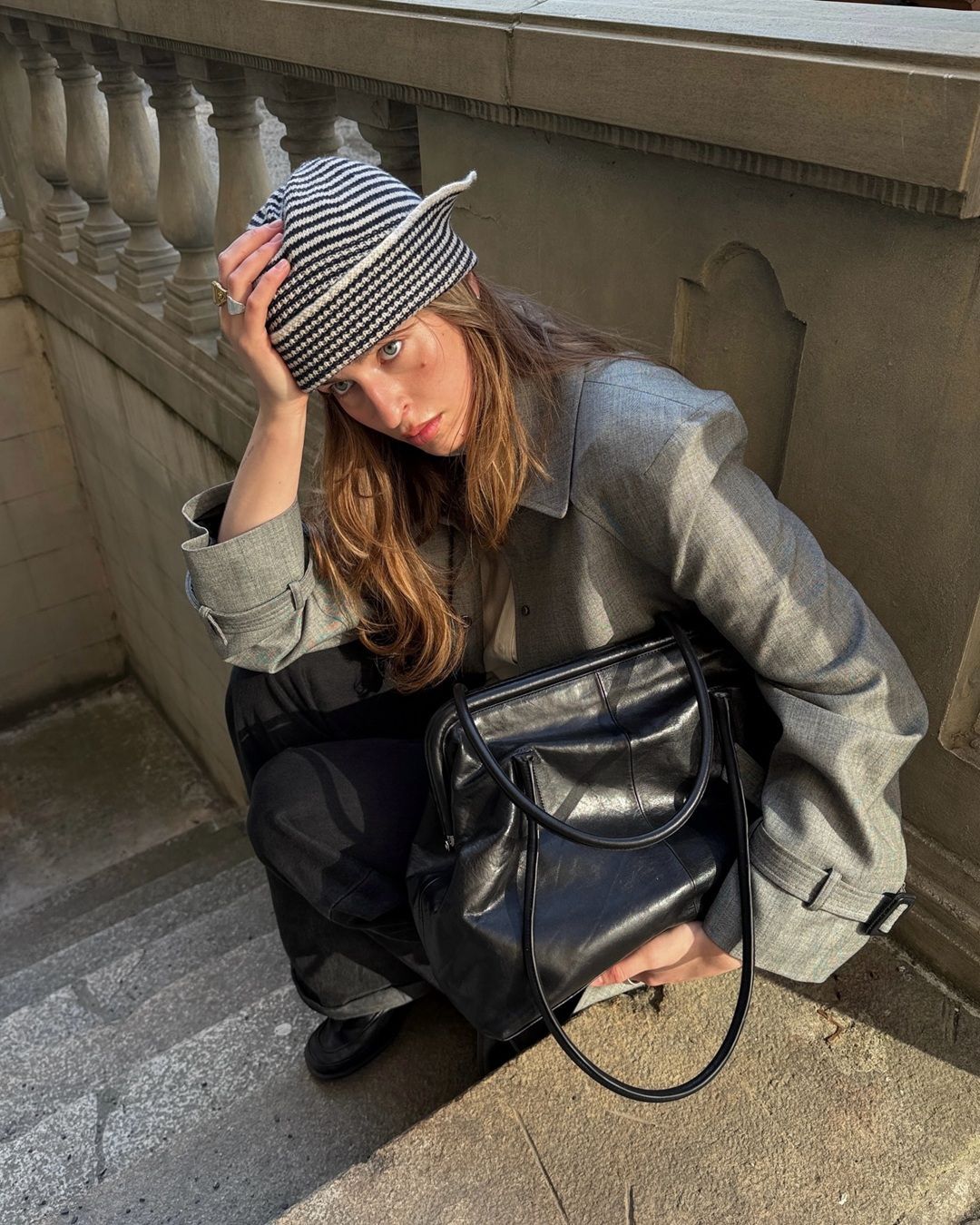
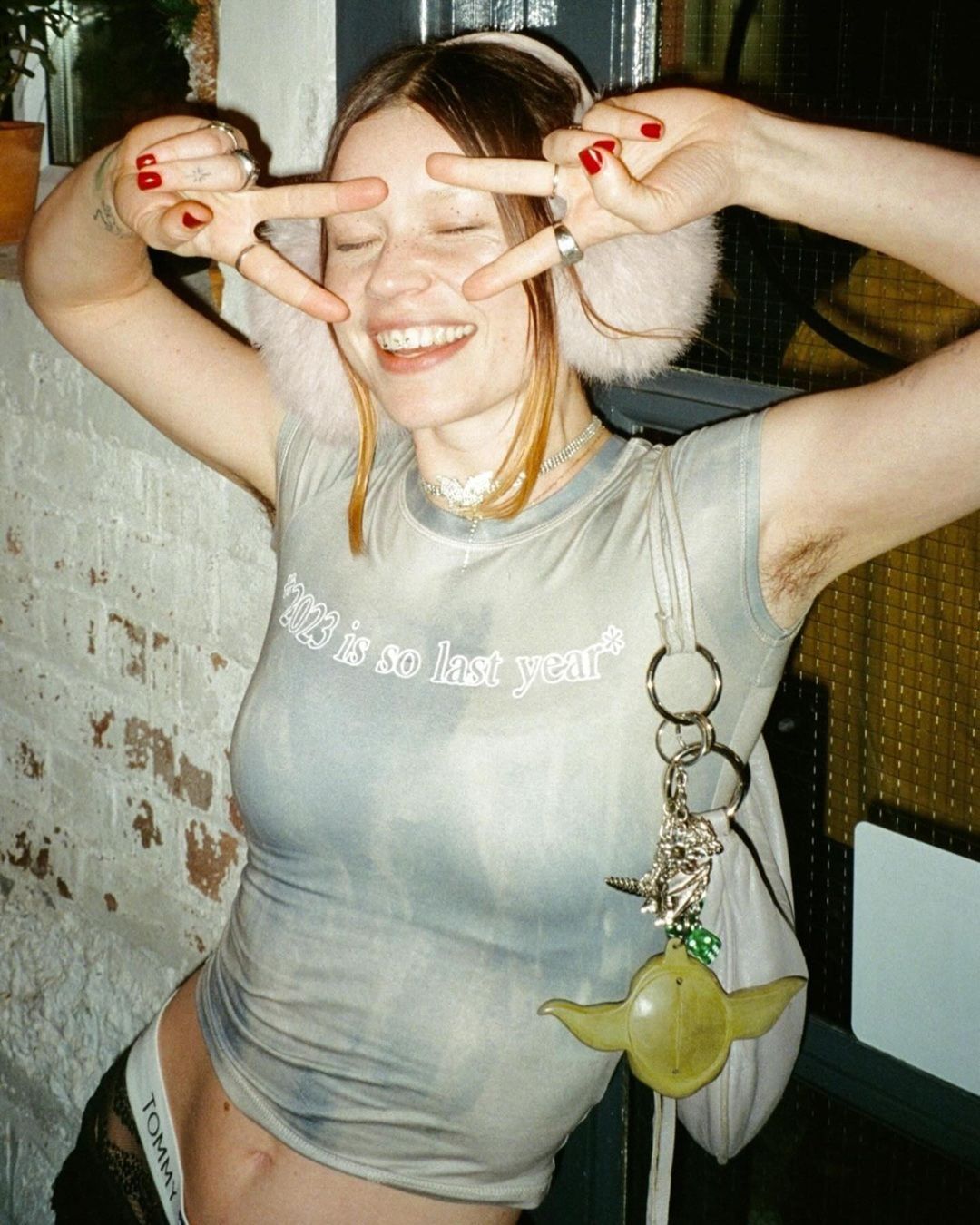
“You’ve ruined this whole trend of being niche”: my For You Page has been flooded with videos featuring phrases like this, and my curiosity to open the comment section was almost immediate. The debates that arise among users are the perfect barometer for gauging the virality of a phenomenon or the birth of a new trend, and once again, they didn’t disappoint me. Etymologically, niche comes from the French word niche, referring to a recess in a wall designed to hold a statue. Figuratively, and especially online, being niche means occupying a small, specific space, far removed from everything we consider “mainstream” today. On TikTok, however, the term takes on new nuances. It becomes a form of identity performance, as viral comments explain well: “Niche are those people who try to be forcibly original, listen to obscure music they don’t even like, or watch films recorded with a toaster, and would do anything to seem alternative, turning these things into their entire personality.”
The difference between niche and poser
Some users have compared “niche” people to “posers,” but others were quick to step in and explain the difference between the two neologisms: “Niche means constantly trying to differentiate yourself from others by forcing tastes that are supposedly cool and unknown. Posers, on the other hand, adopt certain tastes and lifestyles only to please others.” The term poser originates in the punk and metal subcultures of the 1980s and, as mentioned earlier, refers to someone who adopts a group’s aesthetic (studs, Joy Division T-shirts, a skateboard tucked under their arm) without knowing its history or values. The poser pretends in order to be accepted. It’s a tragic figure: they try to be different but fail because they lack substance. But are we really sure we can feel superior to them? Looking back into our own pasts, everyone has probably pretended to be interested in a topic at least once just to impress their crush.
The performance on TikTok
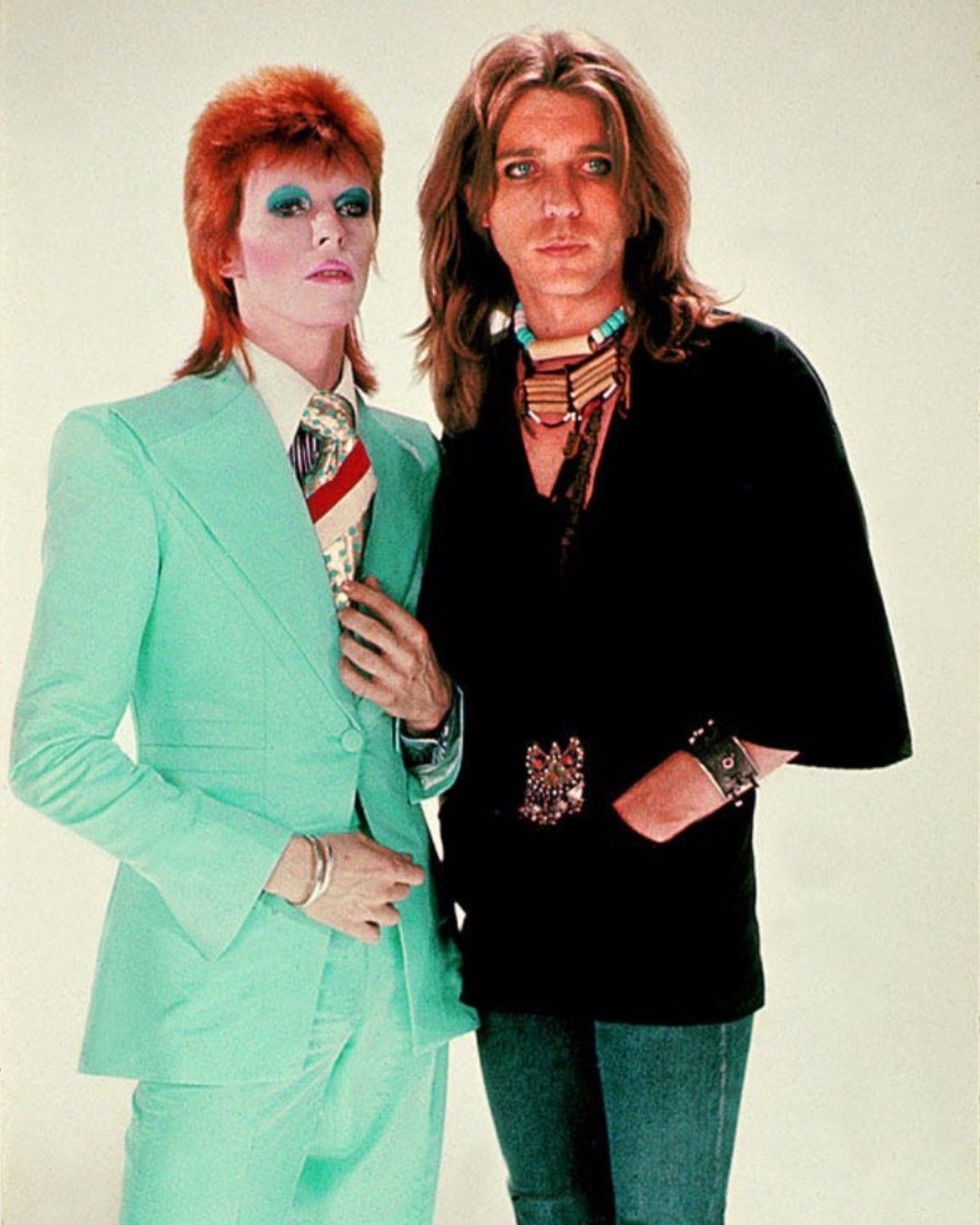
Here we enter the most modern, and insidious, territory. We had already talked about the “performative male”: “the evolution of yesterday’s hipster. He has a mullet, a thin mustache, reads Sally Rooney on the subway, and always carries a Tampax in his backpack for his friends.” If the poser wants to be accepted by the group, the performative male wants to be desired by women. He pursues a relational goal, while those who want to be “niche” at all costs are after pure distinction. It’s an arms race of obscurity, where what matters isn’t whether something is good, but whether no one else knows about it. This is where “hyper-fixation” comes in: the forced search for a song that no one knows and the sense of superiority that comes with it. In the age of performance, true rebellion today isn’t listening exclusively to vinyl records by an unknown artist, but admitting that we enjoy sharing our Spotify Wrapped without feeling guilty about it.
A matter of awareness for Gen Z
Perhaps, however, the real question to ask isn’t whether we’re “niche,” “posers,” or “performative males,” but how aware we are of our own performance. Erving Goffman wrote that social life is a theatrical performance in which each of us manages our image on the “front stage” to influence how others perceive us. We are constantly engaged in defensive maneuvers to avoid losing our reputation, what the sociologist also calls “face.” Pretending to be interested in something is, in fact, a strategy to maintain a “face” that is attractive or compatible with the person we’re interacting with. Social platforms like TikTok have made this performative labor exhausting: we no longer perform in front of just one person, but before a potentially infinite audience, where the risk of being exposed (and therefore “canceled” or mocked in the comments) is extremely high. For this reason, many users are calling for a return to authenticity. Being truly free doesn’t mean occupying a narrow, specific space, it means having the courage to stop performing, admitting that we like what we like, without fearing the loss of our “niche.”