














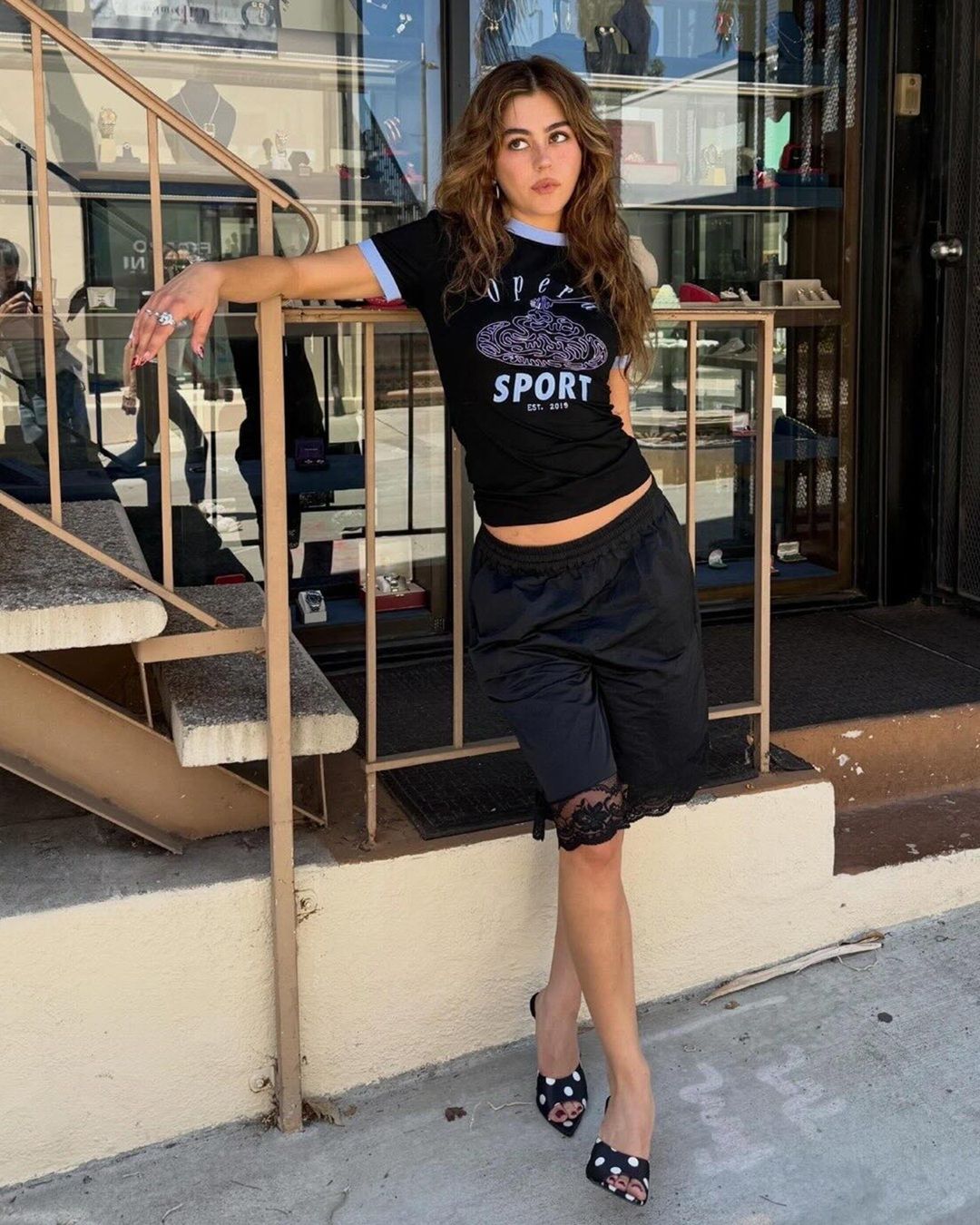
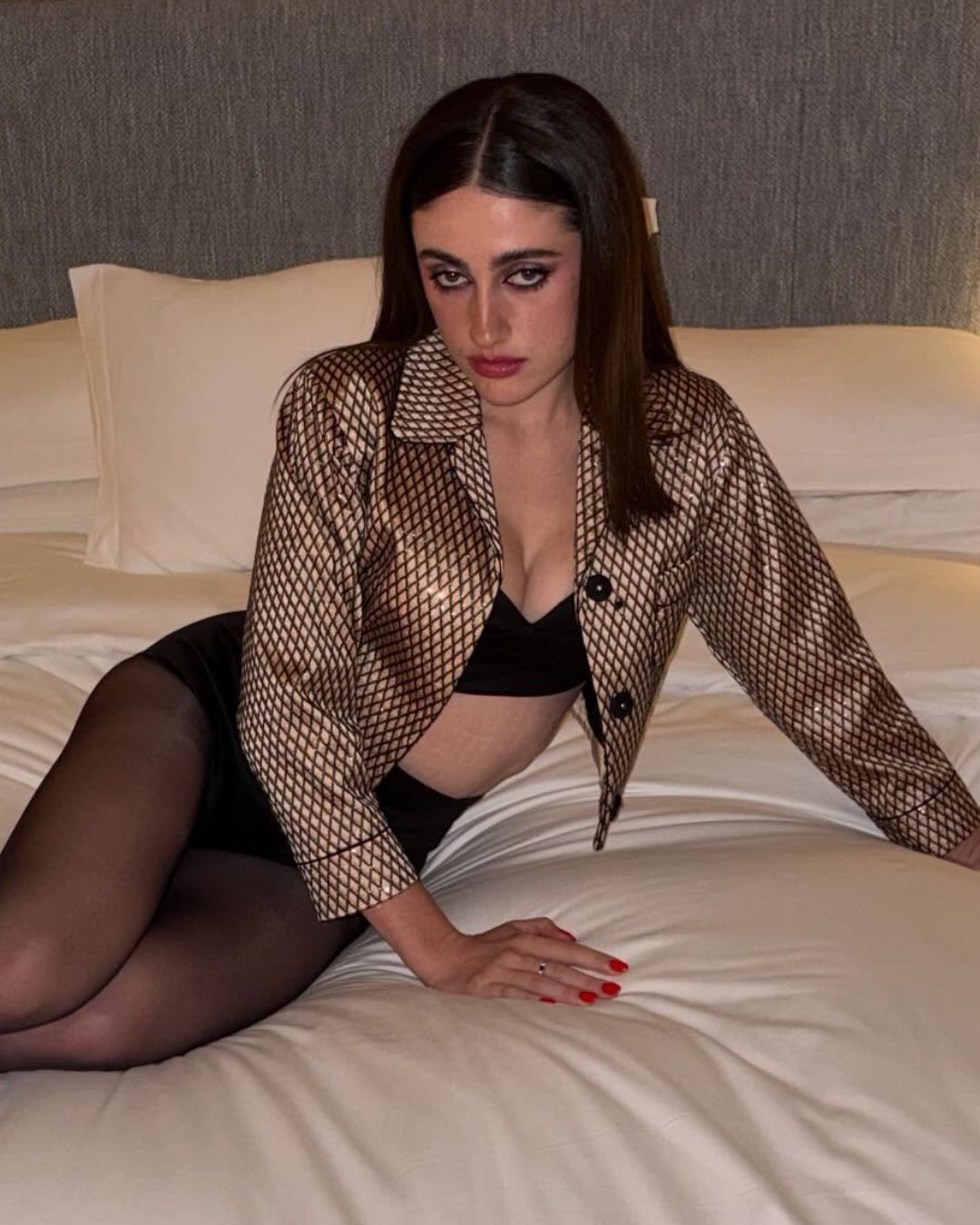



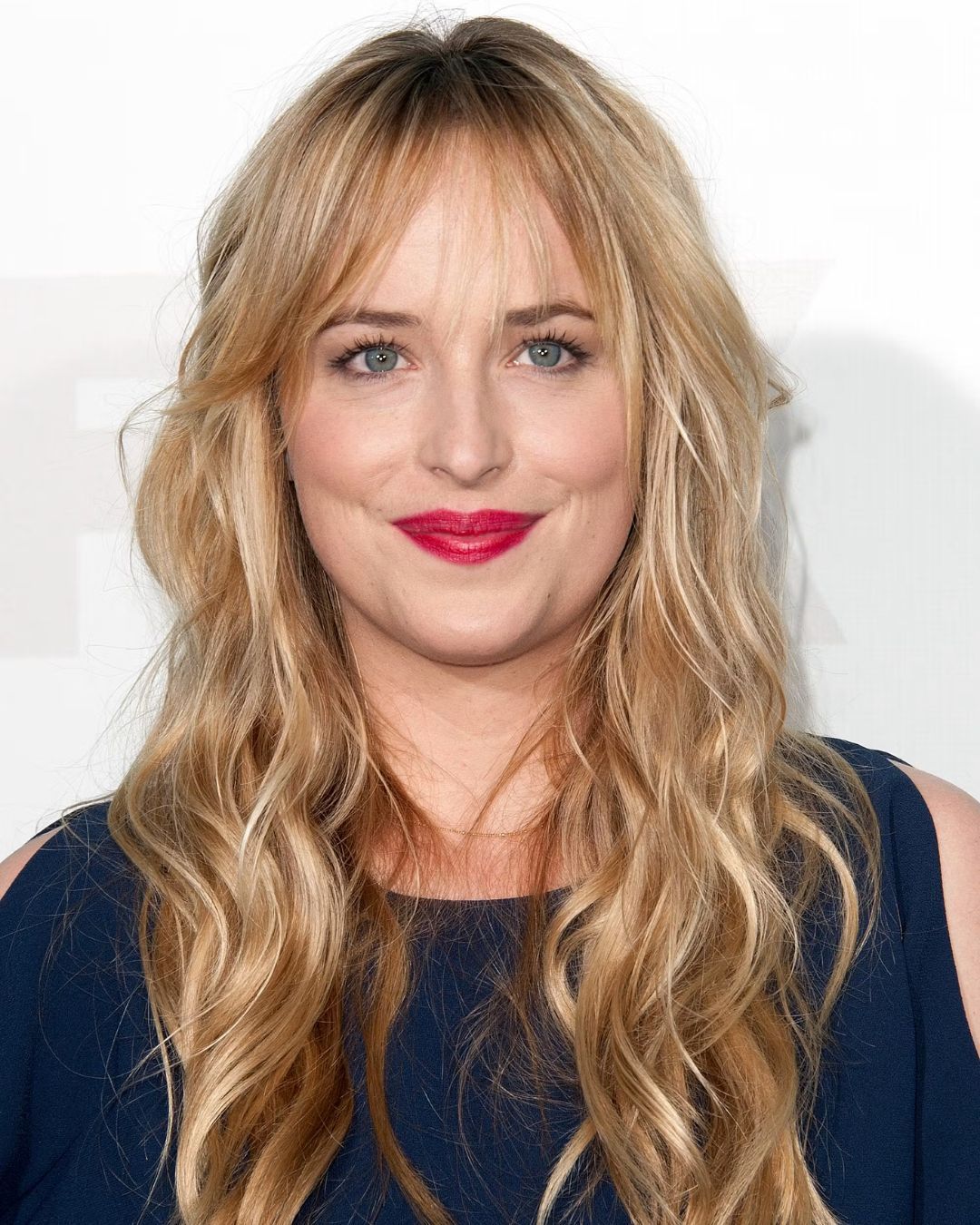


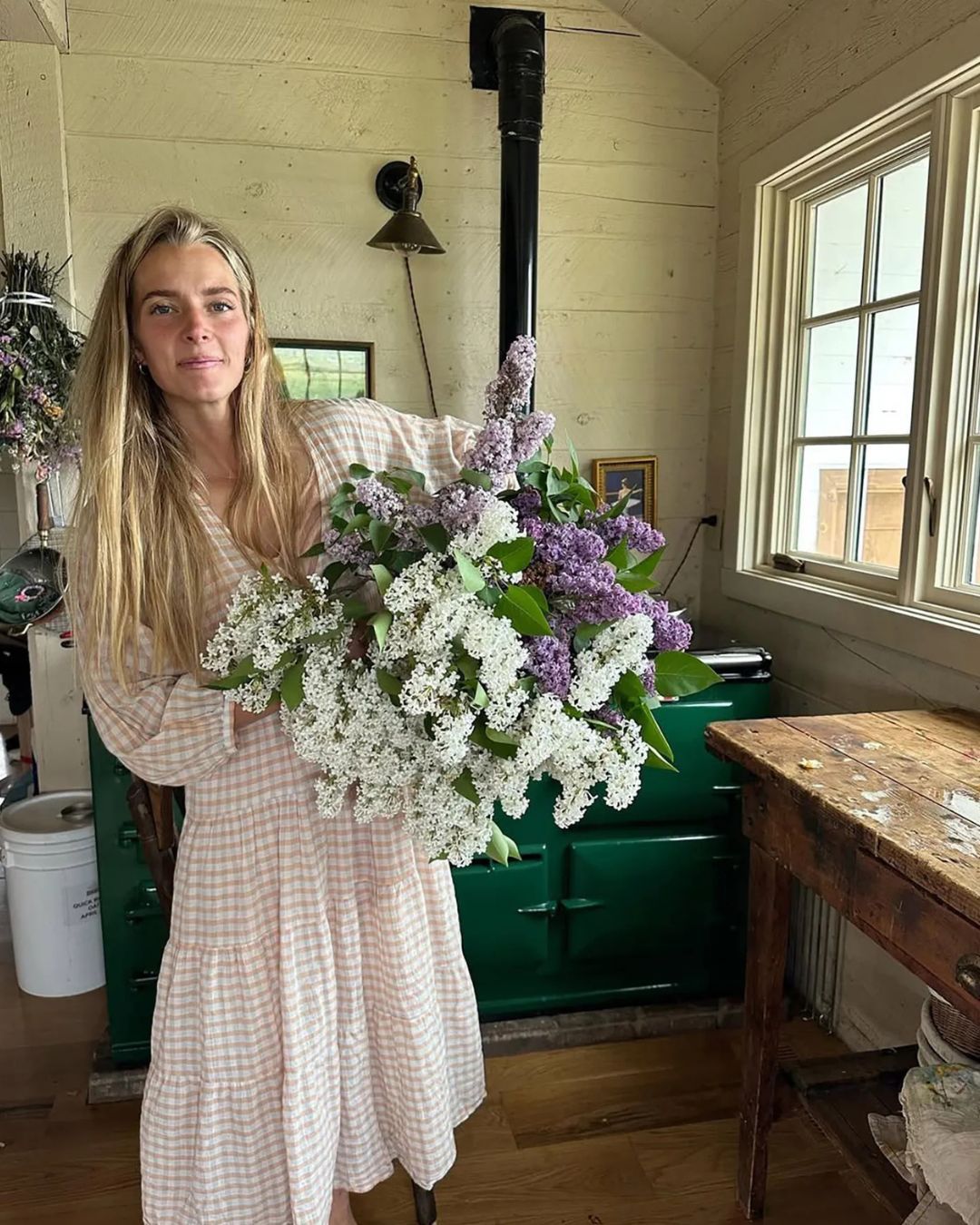
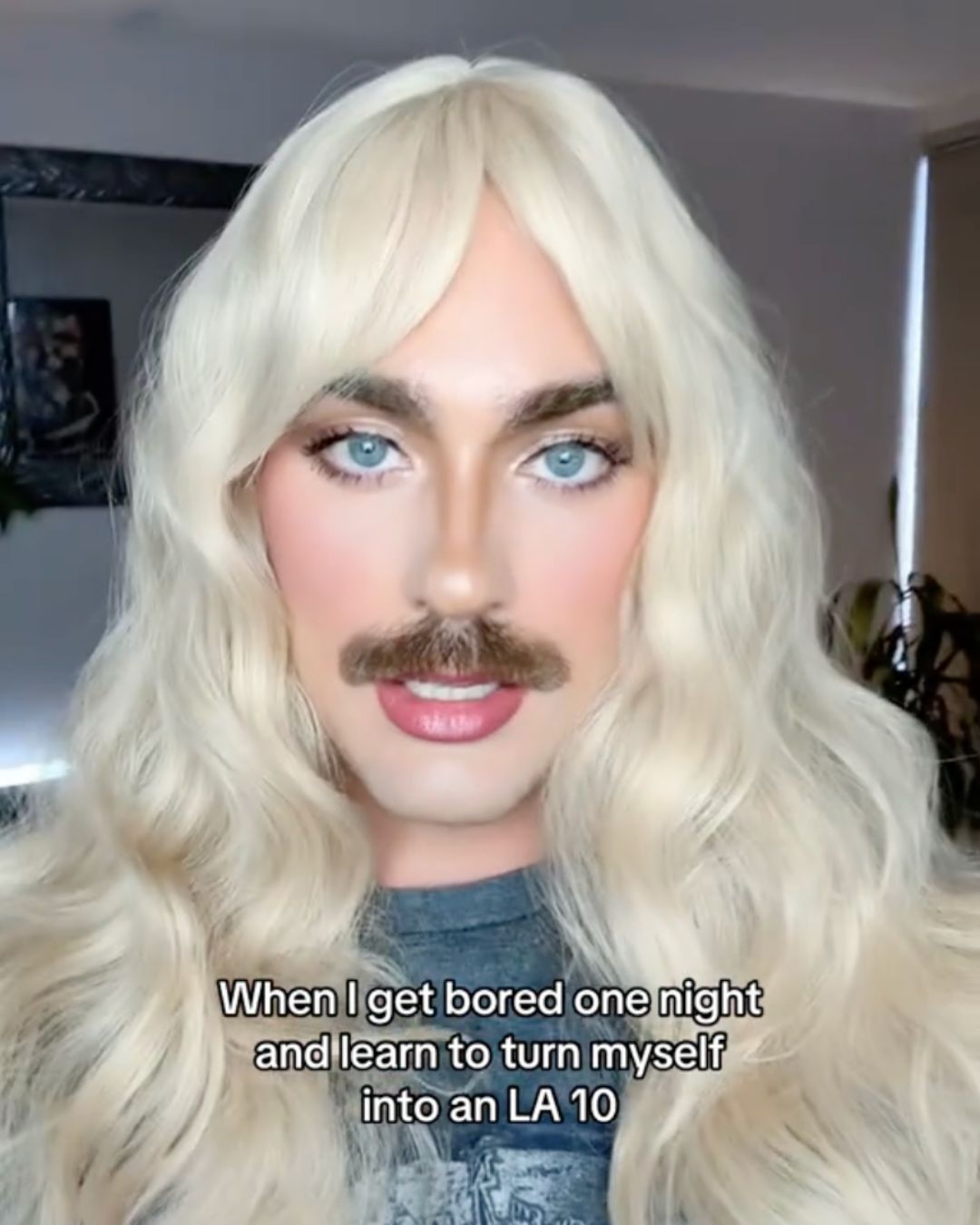
How do beauty ideas change from city to city? A trend on TikTok has highlighted how the concept of beauty is subject to the place, culture, and even the "class" in which it is coined
What does it mean to be hot in Los Angeles? In New York? And in Miami? The answers vary widely, and we haven’t even left the United States. We’ve long learned that beauty is hardly objective and is instead shaped by constantly shifting standards. Different country, different standards. The reality, however, is that you don’t have to travel across the world to notice differences - subtle or not - in how beauty and coolness are perceived in a place, especially when it comes to female beauty. As often happens on TikTok, a seemingly trivial idea can turn into a global trend that tells us a lot about ourselves, how we see ourselves, and the culture we are immersed in.
What is the LA 10 makeup trend
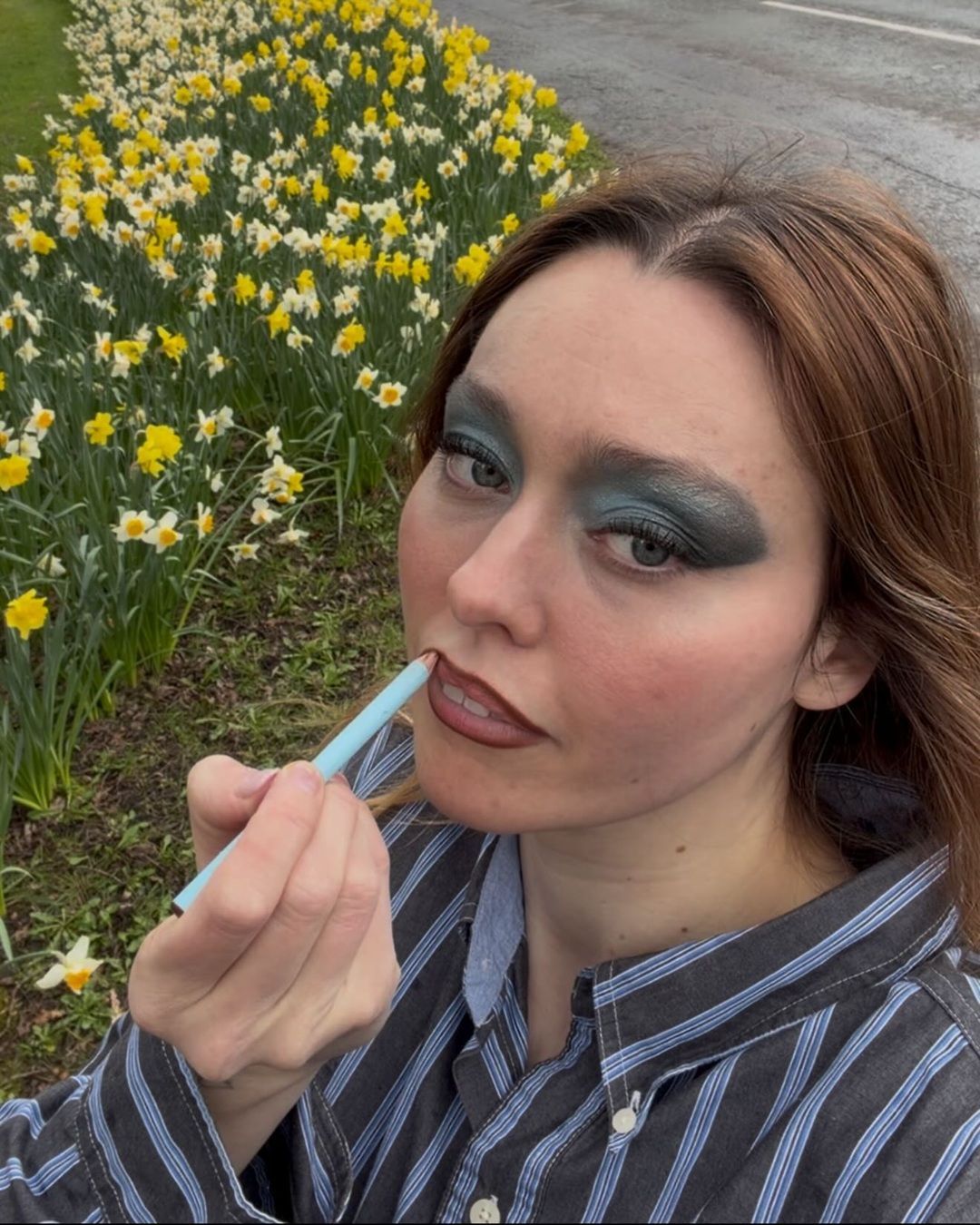
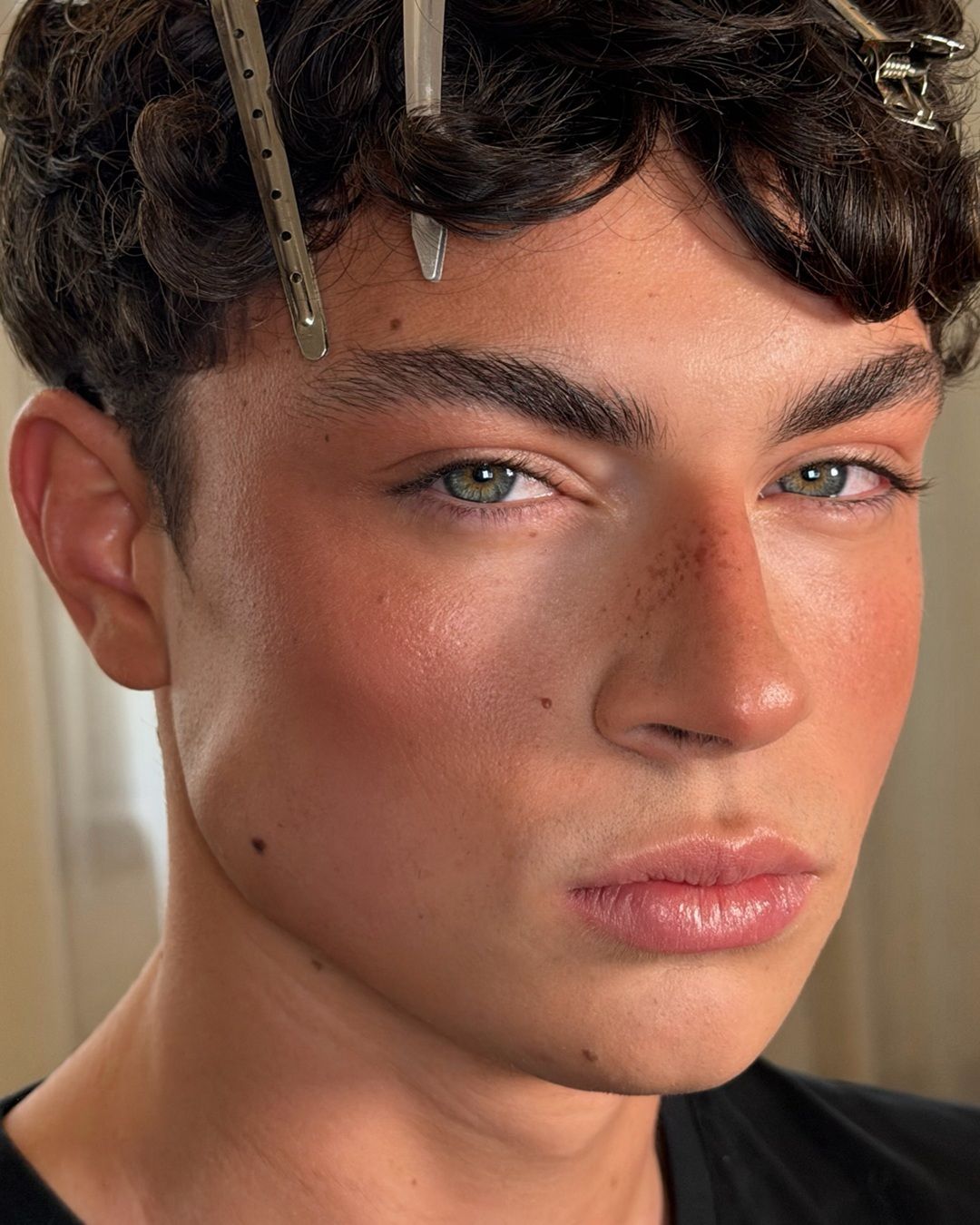
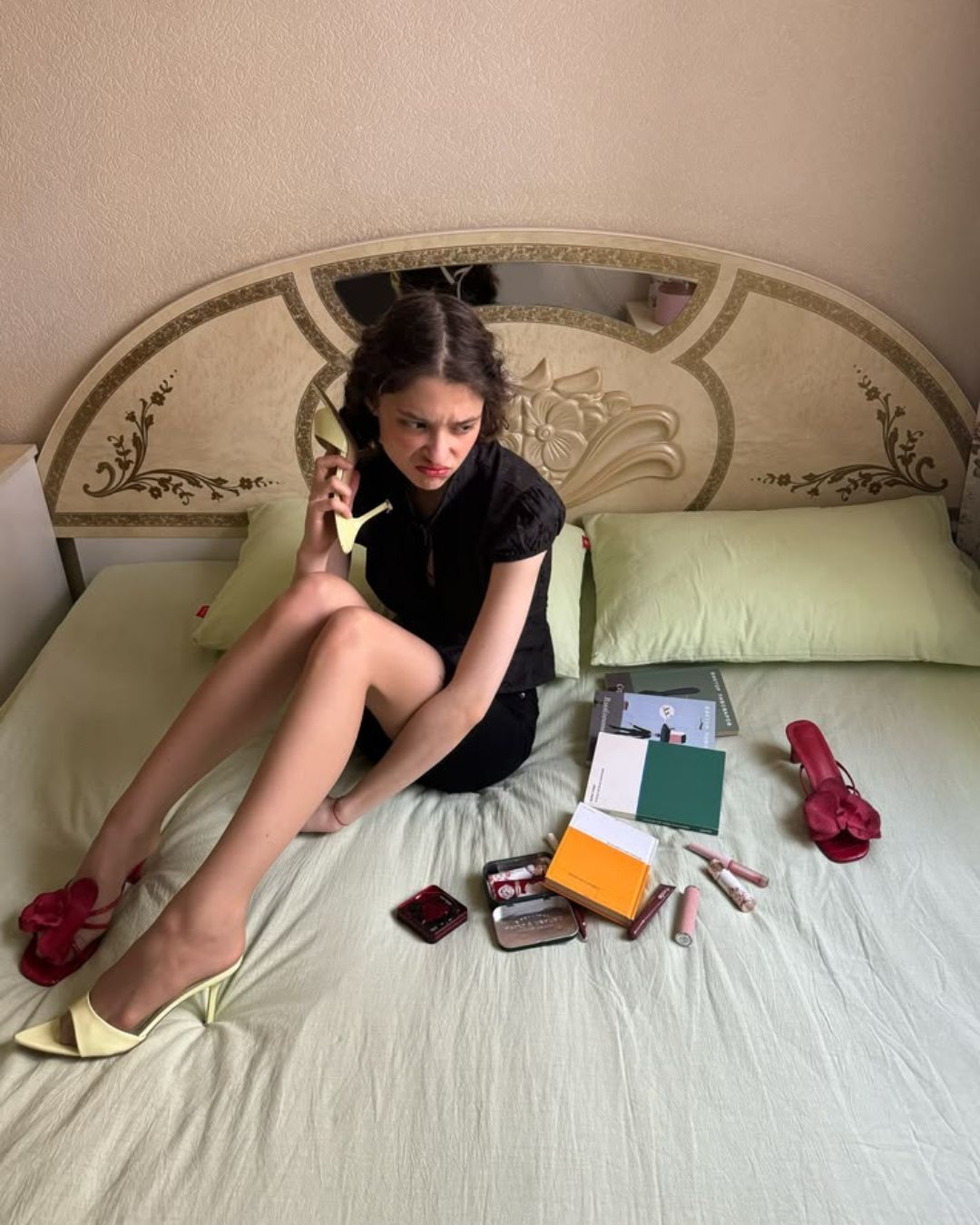
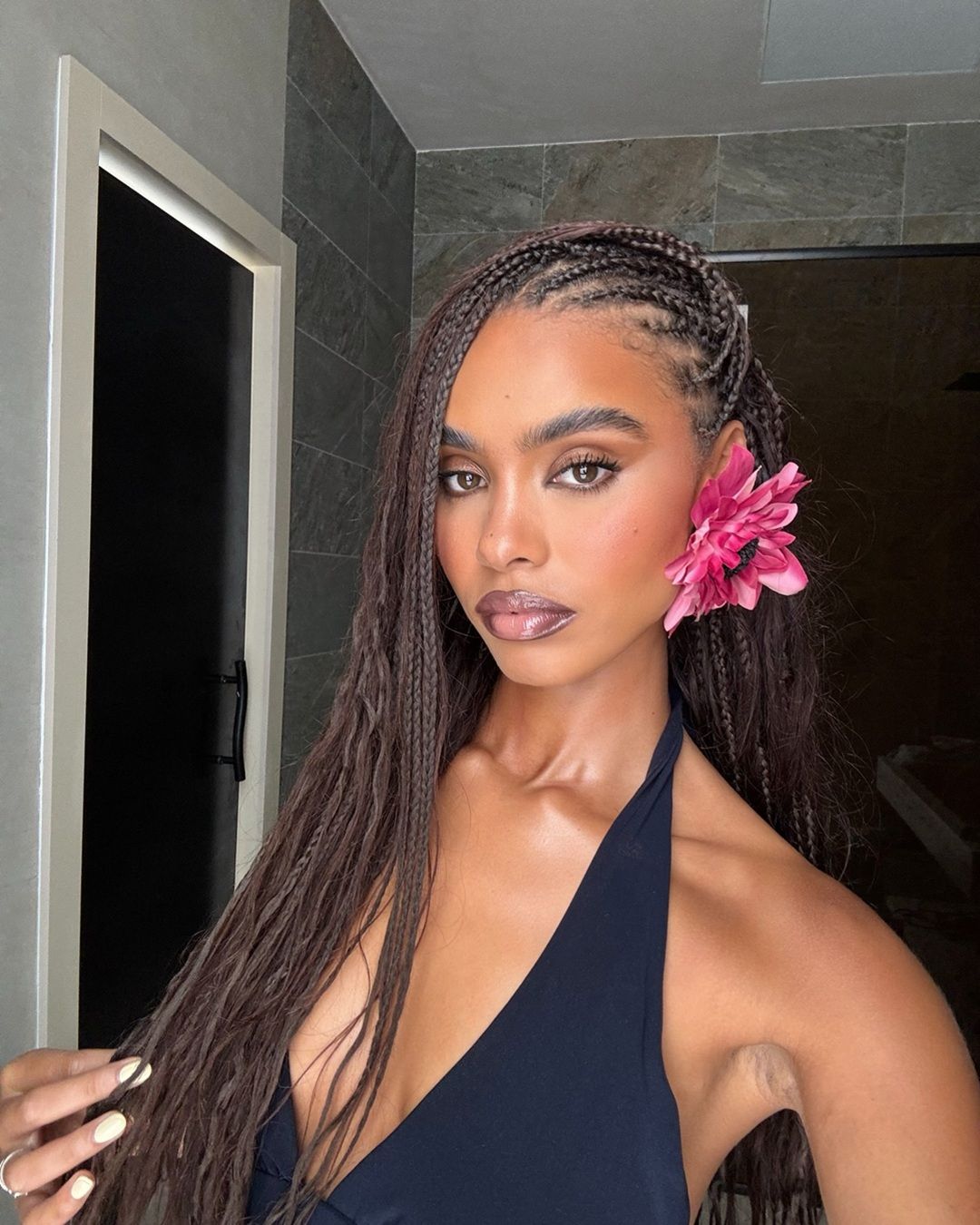
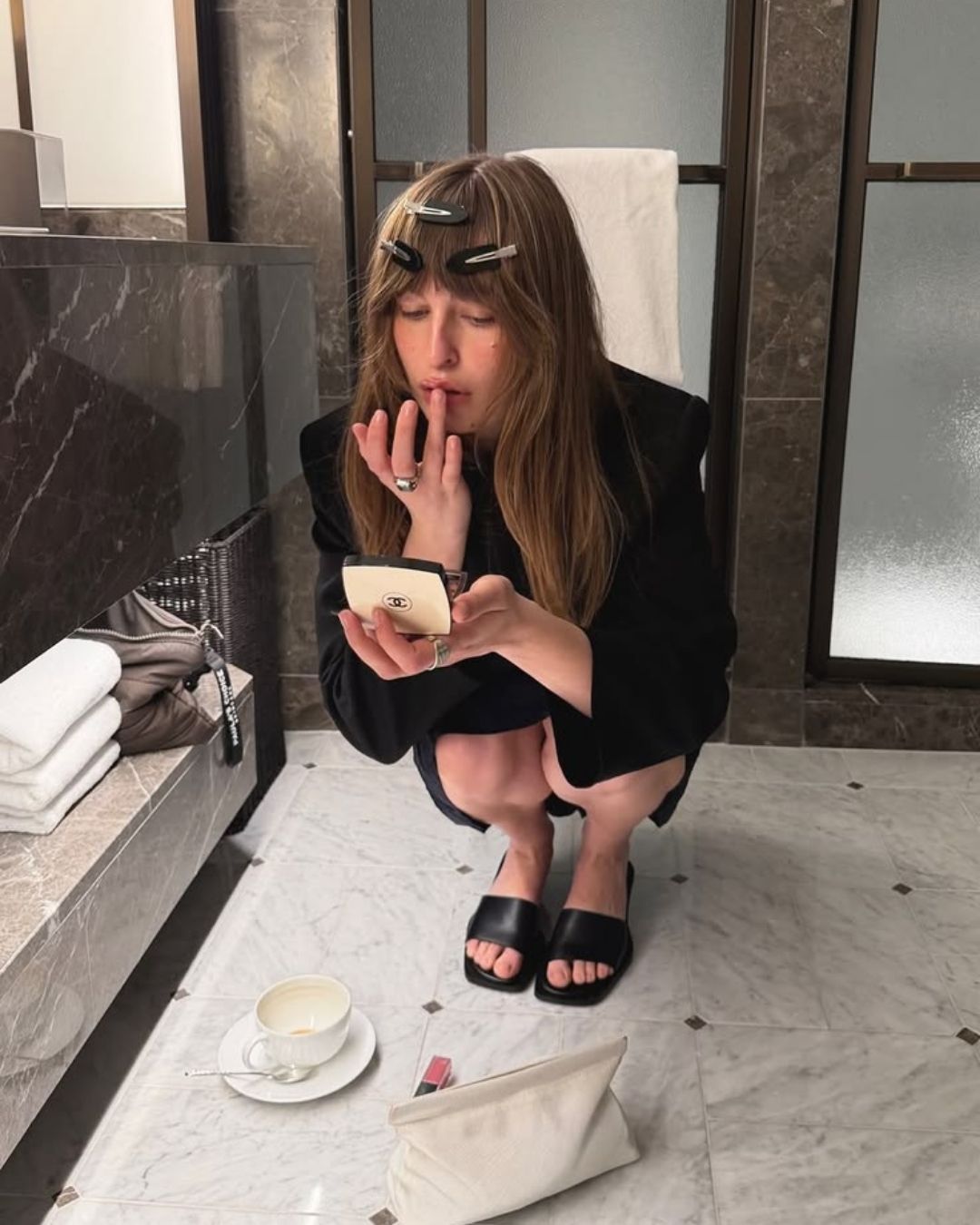
Let’s start at the beginning. A creator (@lottiestarrs) posted a video saying, "I was bored, so I learned how to transform into an LA 10," and - set to Foxy Brown’s Candy - she goes from a barefaced look to a glamorous transformation that makes her almost unrecognizable. According to her take, she represents a 10/10 Los Angeles girl, meaning she fully meets the city’s standards of beauty, style, and coolness. That video, which has over 23 million views, sparked many more. Following the trend, the same concept was adapted by other creators for other cities - like New York and Miami - but also entire countries, such as China. Here, the paradigm shifts completely: no bold makeup or voluminous hair, just peachy blush, a light coat of mascara, and straight hair parted in the middle. For once, we can also look beyond the two classic extremes - the US and East Asia - to see what it means to be “hot” elsewhere, like in Slavic countries - blonde hair, winged eyeliner, matte skin, nude lips - or Ireland - red hair, light eyes, and brown-toned cat-eye makeup.
@mimiermakeup LA10 makeup>> tutorial @Mirta Miler ib @Lottie Candy - Foxy Brown
Beauty is (also) a matter of social class
If we move to the UK, the trend is accompanied by controversy. Take the comments under a video by Abby Roberts, a creator living in London but originally from Leeds, a small town in the English countryside. Her take on the UK 10 girl is deliberately provocative, looking more like a Love Island contestant than a Mayfair snob. Comments range from criticizing her interpretation to defending it, saying anyone who disagrees should check out a night out in Manchester, where bold contouring, false lashes, and shocking pink blush are exactly the norm. This seemingly trivial debate about what is “beautiful” actually reflects the intrinsic social differences in different standards of coolness. As Ellen Atlanta, author of Pixel Flesh: How Toxic Beauty Culture Harms Women, explains to Dazed: "We learn what is ‘right’ from our environment […] UK 10 tries to bottle a national beauty standard, and the critiques show how quickly aesthetics slip into class warfare. Working-class women’s styling is regularly labeled as over-the-top, while bourgeois culture exploits it as a trend source." She adds: "It’s important to treat these postcode looks as dialects people speak, not as moral hierarchies."
@madeleine_white Watching this back the nose contour was most certainly NOT blended enough
A code that changes fast
Ultimately, the success of the trend isn’t about deciding who really is a "10" in Los Angeles, London, or Belgrade, it’s about reminding us that beauty is never neutral or universal: it’s a code, a language that changes depending on context and rarely finds everyone in agreement. And, not least, it changes fast. Just look at the embarrassing images of our 90s-style “gull-wing” eyebrows.