












































Have you ever considered an eyebrow transplant? Everything (or almost everything) you need to know about the cosmetic procedure loved by celebrities
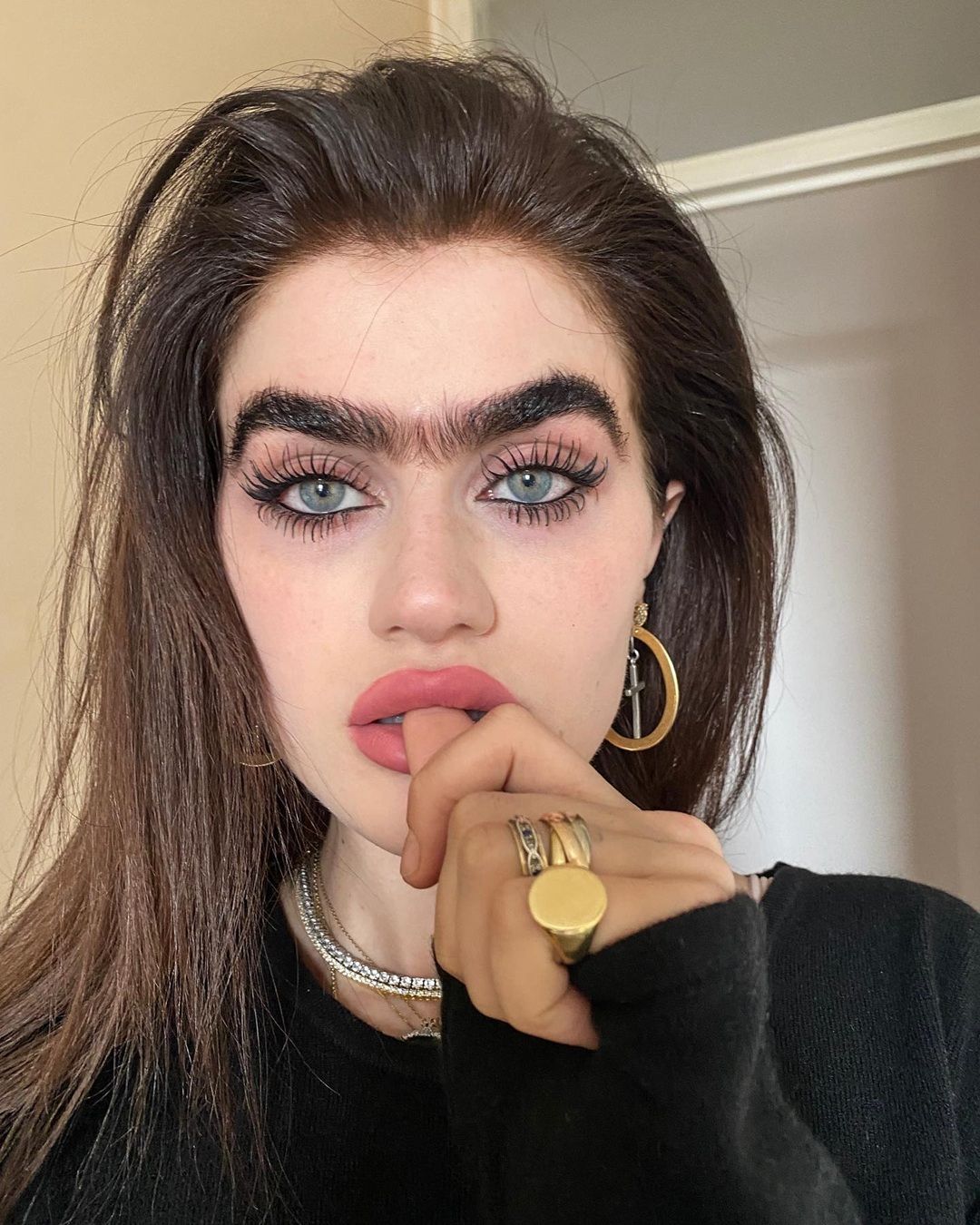
If you think cosmetic surgery has already given us everything, from heart-shaped lips to jawlines sculpted like Korean origami, all the way to treatments that turn lashes into runway fans, you probably haven’t yet encountered the eyebrow transplant. A procedure that, until a few years ago, lived in a corner reserved for insiders and has now become an international status symbol, thanks to the era of hyper-awareness around facial architecture and the global aesthetic escalation. It’s capturing attention in the hills of Beverly Hills, in the aesthetic lounges of Dubai, and even in the glossiest corners of TikTok. It’s not hard to understand why. Eyebrows have become a public declaration of identity, personality, and self-care, with the power to transform a face in a second. And not all less invasive treatments deliver on their promises. Fillers fade, microblading disappears, and serums only work if follicles are still active. Hence the new path: a definitive, tangible, permanent solution that uses your own hair to build a living, real, and, most importantly, lasting eyebrow arch. Chrissy Teigen, Meagan Good, and an entire generation of beauty insiders have already tried it, shared it, and documented it, turning the transplant into a symbol of modern aesthetics and a genuine desire for natural-looking, permanent results.
How an eyebrow transplant really works
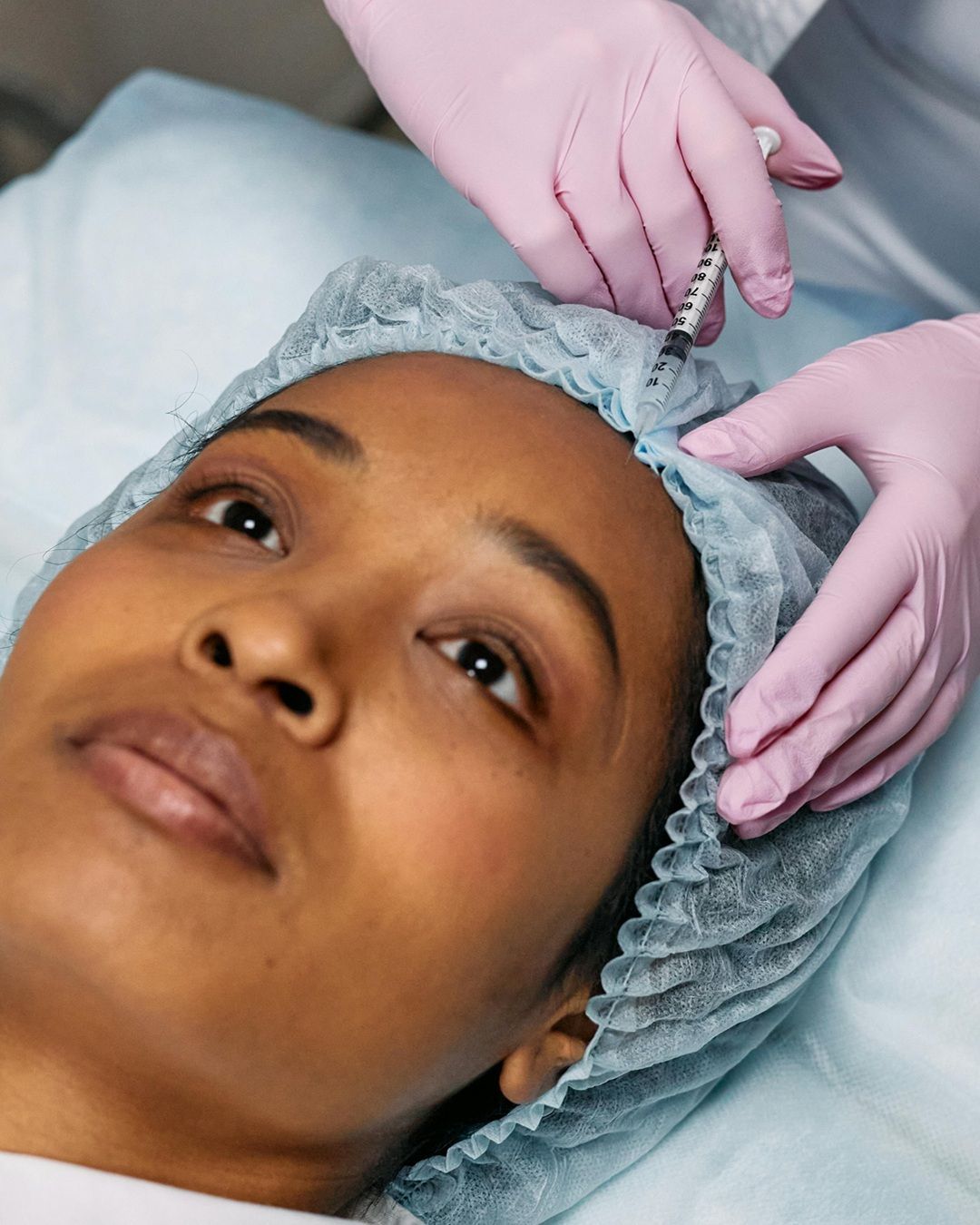
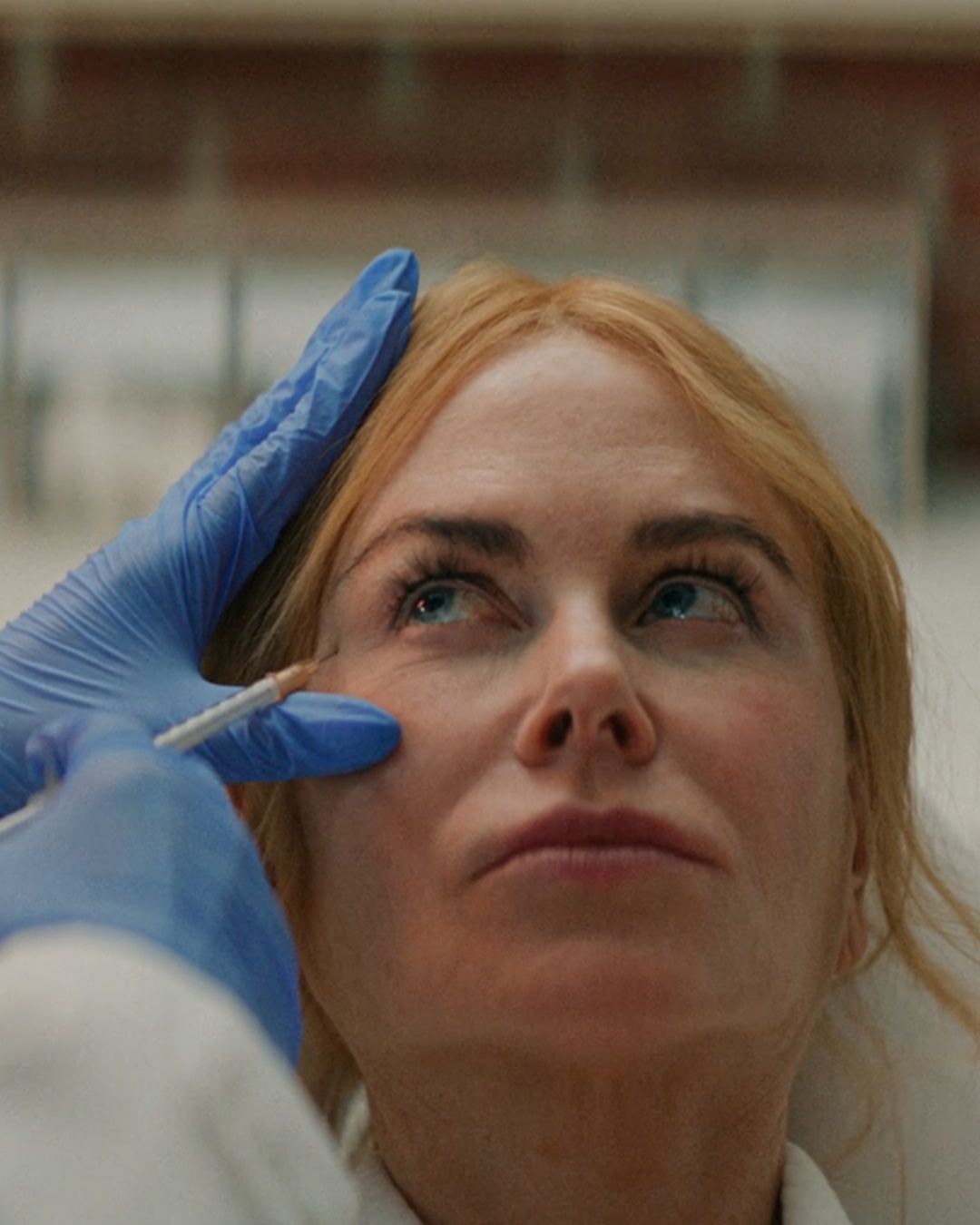
The mechanism is surprisingly simple in theory and meticulous in practice. The eyebrow transplant is inspired by the better-known hair transplant procedures, extracting tiny follicles from the back of the head, an area genetically stronger and more resistant to hair loss, and implanting them with surgical precision into the brow arch. Most surgeons use the FUE (Follicular Unit Extraction) technique, which involves extracting and reinserting follicles one by one, respecting the angle, direction, and natural pattern of the hair. It’s the most artistic part of the process, the one that distinguishes an elegant result from an anatomical disaster, because incorrect angles and insensitive placement can lead to the dreaded “broom effect,” a stiff, unnatural brow reminiscent of a cartoonish caricature. Surprisingly, everything is done under local anesthesia, with the patient awake while the surgeon works with micro-incisions and tweezers. A typical session lasts from three to five hours, depending on the structure of the brow and the desired density. On average, about 250 grafts per eyebrow are implanted, although this number may increase or decrease based on the starting point and target result. Many patients describe the procedure as oddly fascinating: you lie there while someone literally builds a new eyebrow arch from scratch.
Does an eyebrow transplant hurt?
Despite expectations, most people report that the procedure is not painful. The most uncomfortable part is the anesthesia, applied both to the donor area and the brow area, but once that moment is over, the procedure becomes surprisingly tolerable. Once the anesthesia kicks in, an eyebrow transplant feels more like a long, high-tech beauty session than a traditional surgery. You feel something, of course, but not actual pain, and many patients say they spent the time watching movies, answering messages, or chatting with the medical team. It is surgery, but with a level of ease and accessibility that feels almost like a futuristic spa.
The post-operative phase
Every body responds in its own way and timeframe, but recovery after an eyebrow transplant is not particularly traumatic, it simply requires patience, discipline, and a bit of trust in the process. In the first days, the area must be kept dry to allow the skin to close and integrate the grafts. Small scabs, redness, or slight swelling may appear, all normal and temporary signs that fade quickly. The emotionally hardest part arrives a few weeks later, when the new hairs fall out. Watching them fall can be destabilizing for those who weren’t prepared, but it’s a physiological phase: the follicle enters a resting cycle before becoming active again. It’s like planting a bulb in winter without seeing anything until spring arrives. New hairs begin to grow back between four and six months, and the final, full, organic result appears around ten to twelve months after the procedure. The eyebrow transplant lasts a lifetime, but it requires believing in the process even when it looks like the result has disappeared.
Potential risks and ideal candidates
Even eyebrow transplants come with risks, though serious complications are rare. In the first days, irritation, small infections, or cysts may appear, but the most common issue is aesthetic. If the surgeon lacks precision, hairs may grow at irregular or overly vertical angles, compromising the natural look of the result. That’s why choosing the right professional is as important as the procedure itself. Who are the ideal candidates? In theory, anyone who wants fuller, more natural-looking eyebrows can consider it. In reality, the three most common profiles are: those who over-plucked in the ’90s and never saw significant regrowth, those with naturally sparse brows who want more volume and definition, and those who lost hair due to alopecia, scarring, or medical treatments such as chemotherapy. In all these cases, the transplant offers realistic, permanent results without relying forever on pencils and pigments.
How the beauty routine changes after an eyebrow transplant
One detail that surprises many? Once they grow back, the new hairs behave exactly like hair. They grow faster, longer, and with a slightly different texture, because they continue following their "genetic memory." This means that those who undergo an eyebrow transplant will need a new care routine, involving small trims with scissors, a brow spoolie always within reach, and periodic touch-ups to maintain the shape. Some patients see it as a therapeutic act of self-care, others as a new weekly commitment, and others jokingly describe it as a form of "at-home pruning." Whatever the perception, it’s part of the transformation.
How much it really costs and why choose a transplant over microblading or serums
An eyebrow transplant is not a cheap treatment, and prices range from $4,000 to $20,000 in the most exclusive clinics, especially in Beverly Hills or the beauty capitals of the Middle East. But what you pay for is not just the procedure itself — it’s the surgeon’s experience, the millimetric precision of the follicle placement, the natural result, and above all, a permanent benefit that doesn’t require constant touch-ups. This is where the procedure stands apart from microblading, cosmetic tattooing, brow lamination, or stimulating serums. The point is simple: microblading can be effective but remains a drawing; serums only work if follicles are still alive; waxing, pencils, and gels are daily, non-structural solutions. Eyebrow transplants, instead, use your own hair, create real, living arches, and restore volume even for those who haven’t seen regrowth in years.
Is it worth it?
It depends on what you’re looking for. If you want to redefine the shape, darken the brow, or cover small gaps, microblading or brow lamination may be enough and less demanding. But if you want living eyebrows that grow naturally and don’t disappear with micellar water, then an eyebrow transplant is the definitive path. It requires time, investment, maintenance, and above all an experienced surgeon able to read the face like a map. Because eyebrows are not just hair — they’re a detail that orients the entire gaze. And if you choose to rewrite them permanently, now you know exactly how to do it.
What to read next


What is buccal fat restoration?
First we wanted model cheeks, now we want our original cheeks back