




























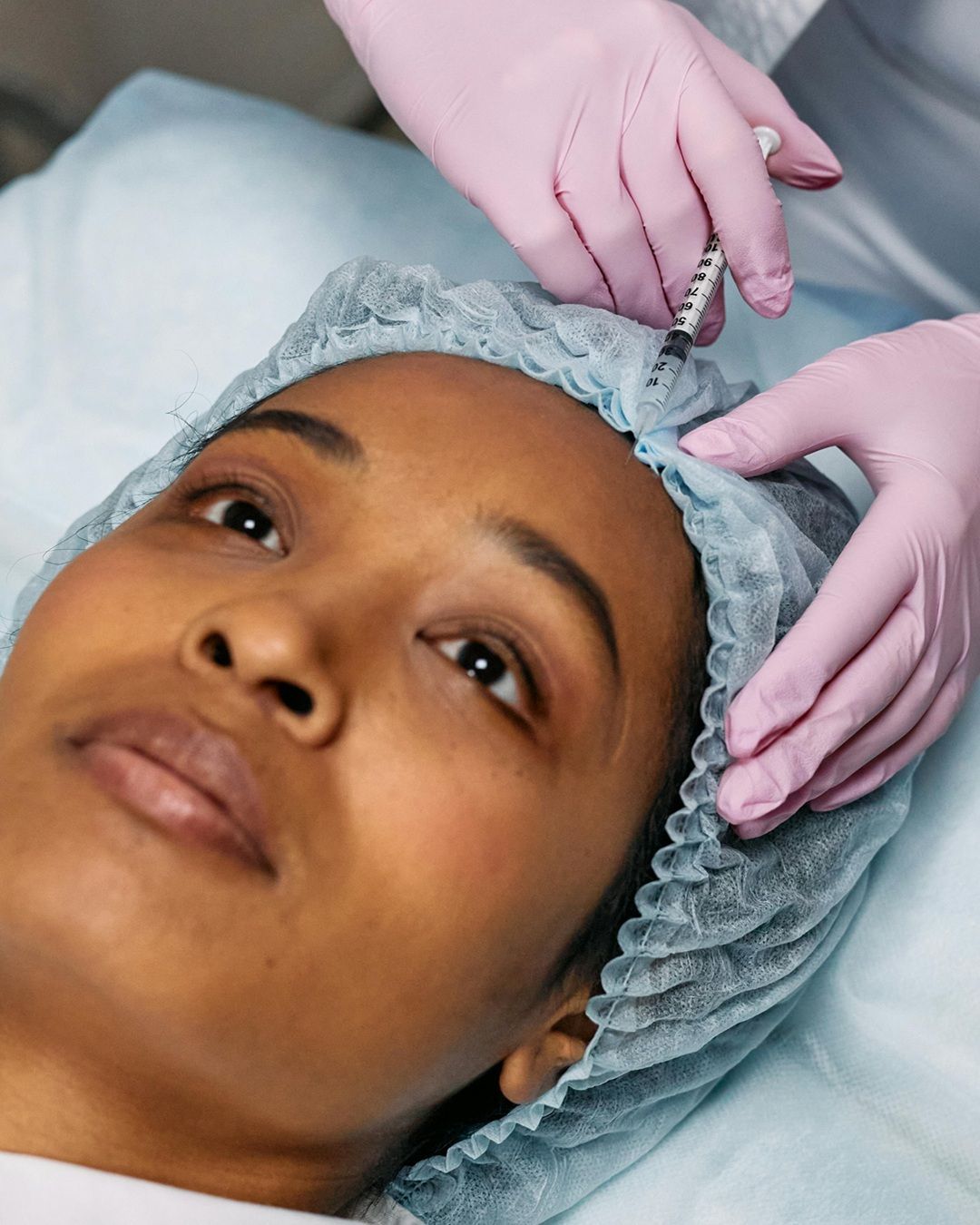
In Italy, cosmetic medicine is no longer taboo A sector in constant growth: boom in online bookings, new technologies, and better-informed patients
Aesthetic medicine in Italy isn’t just growing, it’s shedding its skin. The country maintains its European lead and ranks among the global top players in number of procedures, but the most interesting data isn’t about quantity. It’s the quality of the way people are approaching the care of their face and body. The latest findings from iDoctors, one of the most widely used platforms for booking medical visits and exams, show a sector in full evolution. Over the last six months, requests have increased by 14%, while mobile bookings have skyrocketed, surpassing 100%. A clear sign that in everyday life, beauty now passes through apps with the same ease as ordering dinner or booking a flight.
Aesthetic medicine in Italy in 2025
A new kind of patient
Aesthetic medicine is no longer about last-minute touch-ups, corrective procedures, or chasing signs of aging. The profile of those sitting in front of specialists today is more diverse, more conscious, more mature. Women remain the absolute majority with 79% of online bookings (nearly 8 out of 10) but the male audience is no longer a silent niche, now accounting for 21% of the total. Men are requesting fillers, botulinum toxin, laser treatments, mesotherapy, and biorevitalization. The most active age group is between 50 and 60, with 27% of bookings, followed by those in their 40s–50s and 30s–40s. This generation has lived through the pre- and post-digital eras; they want to harmonize with time rather than fight it, viewing anti-aging medicine not as freezing the clock but as a way to take care of themselves professionally. The number of under-30s is also growing: they approach aesthetic medicine not to correct but to prevent, maintain, and slow the natural evolution of wrinkles and loss of firmness. Aesthetic medicine is becoming a routine, like a workout, like the night serum on the nightstand. The most active cities are Rome, Milan, and Turin, with Lazio leading among regions, showing that demand for professional beauty isn’t only a metropolitan phenomenon but a widespread network across the country.
Tailored treatments, no longer transformations
Aesthetic treatments today are no longer drastic changes but subtle refinements designed to support identity rather than erase it. The most common desire is for fresh, barely noticeable results, and this shows in what patients choose. Laser, biorevitalization, radiofrequency, mesotherapy, and botulinum toxin remain at the top of requests, but the philosophy behind their use has changed. The goal is no longer to fill or alter, but to work deeply on skin quality by stimulating tissues, tone, and radiance. As Dr. Umberto Fama, specialist in plastic, aesthetic, and reconstructive surgery, points out, the first consultation with the doctor is once again a crucial step, not commercial but diagnostic, a moment of mutual listening in which a personalized plan is built, calibrated to the structure of the face, lifestyle, and needs of the patient. At the same time, what many professionals call invisible aesthetics is gaining ground: managers, entrepreneurs, and professionals constantly in the public eye want results that are visible but not too visible. They want to look rested, brighter, with a different energy in their expression, without anyone pinpointing why. From this need arise integrated protocols that go beyond injections or single treatments, combining in-clinic work with at-home care, technology and skincare, home-support routines, full health assessments, functional supplements, and progressive programs. These are plans designed for real patients who want effective results without being trapped in impossible beauty rituals.
Technology as an ally, not the star
Today, technological innovation is a decisive driver of growth in the sector. New generations of lasers make the skin more even and radiant while reducing downtime and discomfort. Radiofrequency helps redefine facial volume by firming tissues from within, without the need for a scalpel. Fillers are becoming increasingly smart, combining hyaluronic acid with bioactive components that stimulate collagen and tissue regeneration. And then there are exosomes, micro-vesicles that enhance cellular communication and support tissue repair. These solutions complement strategies designed to boost microcirculation and absorption, turning treatment into a form of micro-engineering of well-being.
A new idea of aesthetic care: deep, sensitive, measured
Italian aesthetic medicine seems to have shed the unrealistic promises of the 2000s and returned to the essential: making people feel good. The relationship with appearance is no longer played out in the judgmental arena of “touch-ups, yes or no,” but in the honesty of how, with what vision, with what goals, and with what expertise. Beauty is no longer a stereotyped idea of perfection, but the ability to inhabit oneself, to recognize oneself in the mirror. It’s the feeling of being energized, centered, rested, without anyone attributing it to a needle or an infrared lamp. The growth of aesthetic medicine in Italy reveals a profound transformation. It reflects technology, digitalization, and a concept of beauty that doesn’t aim to erase time but to integrate it; professionals seeking empowerment, not camouflage; young people who see prevention as self-care rather than aesthetic anxiety. It also speaks of empowerment and self-determination, choosing one’s body and face. Driven by this cultural shift, global projections indicate steady expansion aiming beyond 25 billion dollars by 2030, but the direction is already clear: personalization, accurate diagnosis, integration between clinic and home, non-invasive technologies. The modern patient emerges as someone seeking an enhanced version of themselves — one that includes energy, psychological well-being, and a healthier relationship with their body and the passing of time.