








































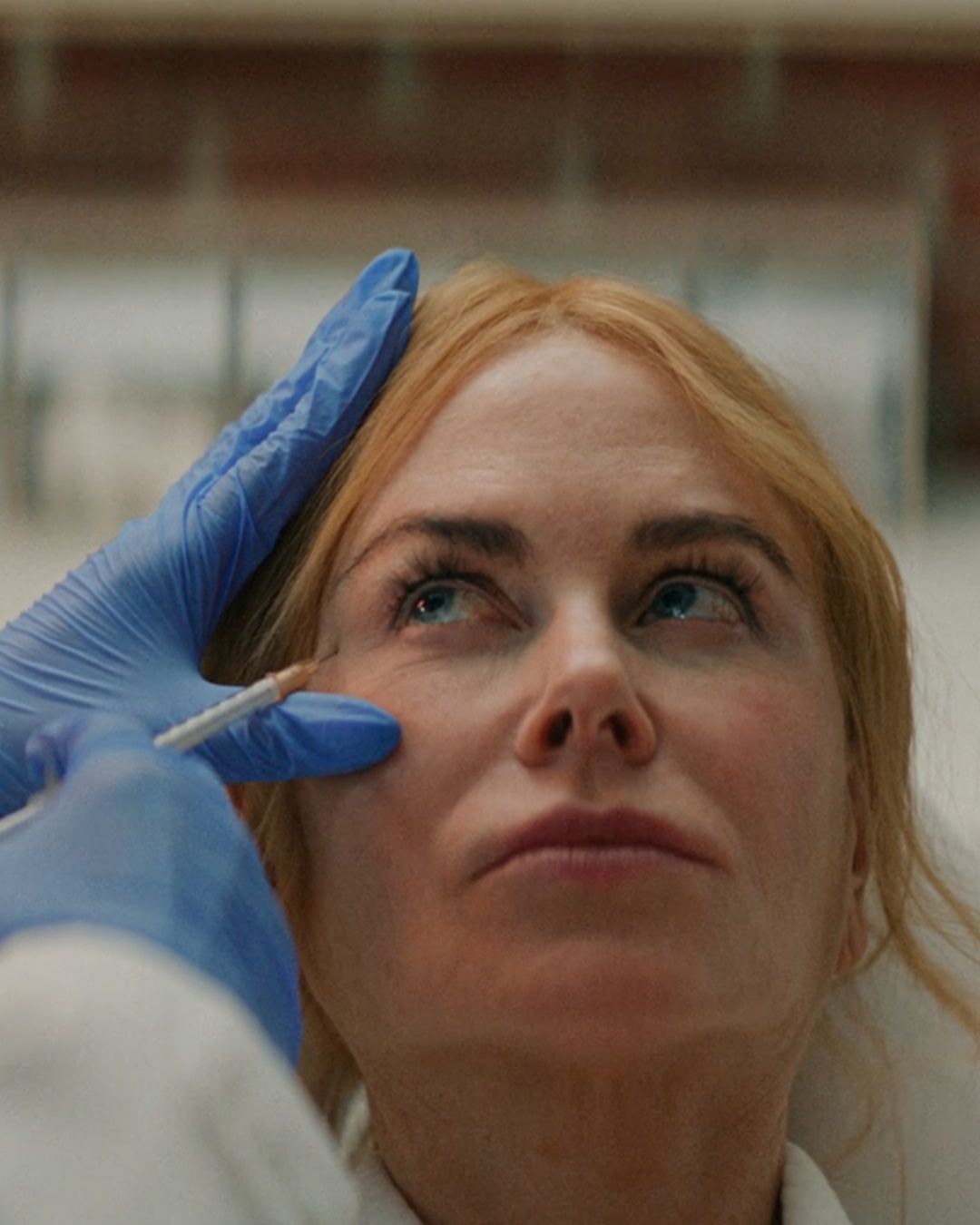
Allergan Aesthetics raises botox alarm "Today, aesthetic medicine is a path toward authenticity, not toward unrealistic models"
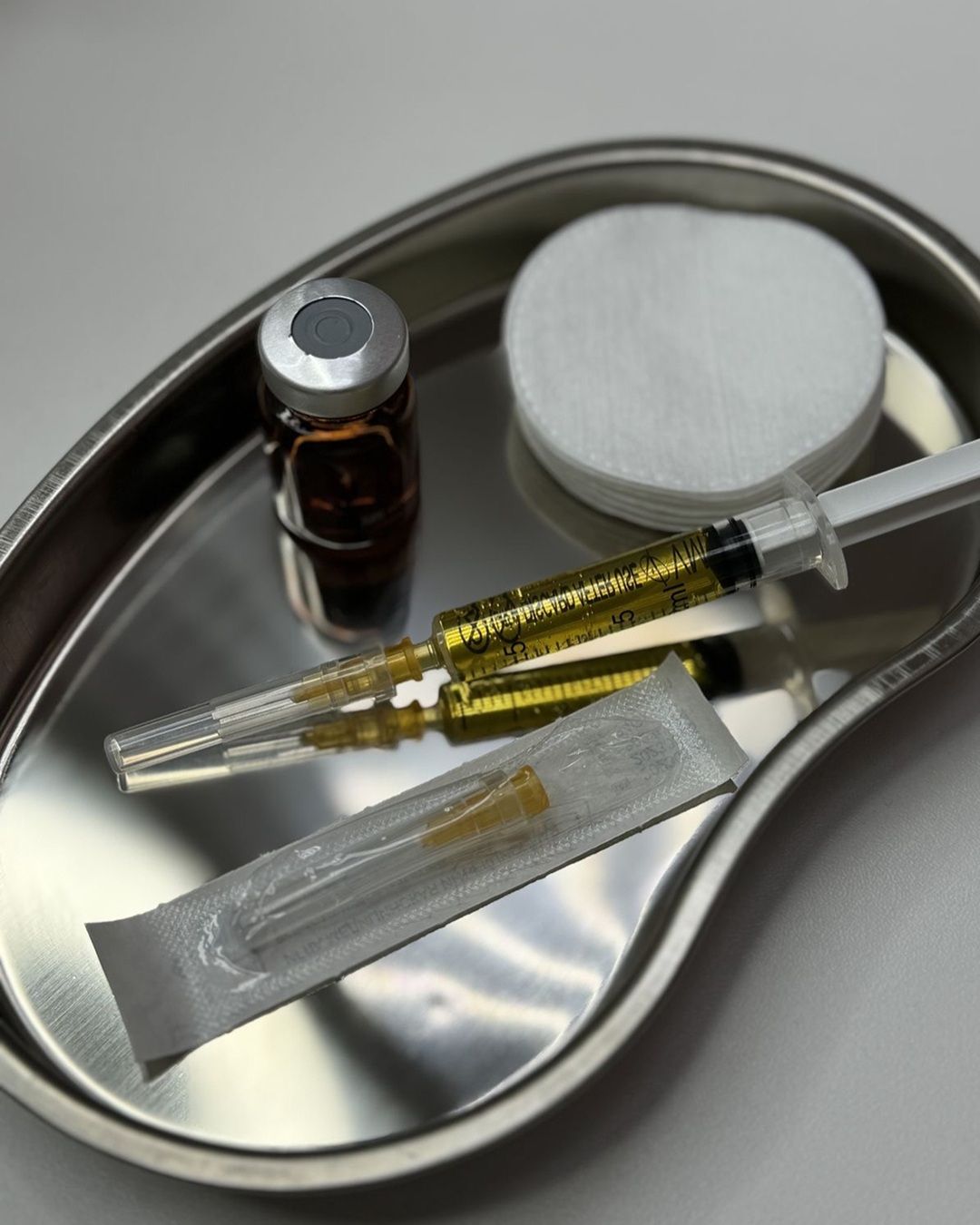
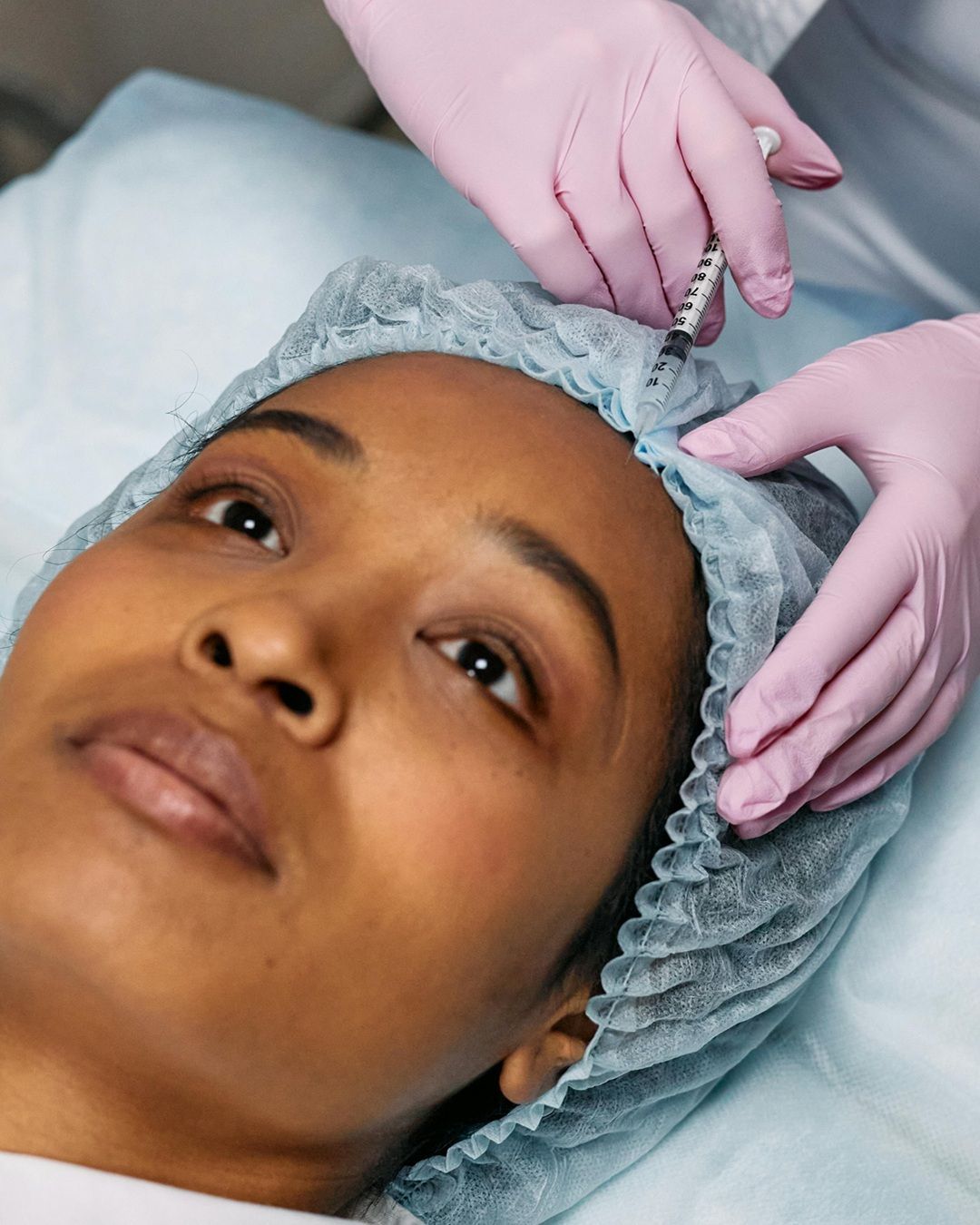
“Important safety information: Botox may cause serious side effects, which can be life-threatening”: this is the opening statement of the latest update published on the Allergan Aesthetics website, one of the world’s largest manufacturers of botox (onabotulinumtoxinA). It’s not the first time the company has warned consumers about the potential risks associated with the injection of the substance, such as possible muscle atrophy, but why raise an actual alarm right now? The answer is literally at our fingertips, on our smartphones. Every day, as we scroll through social media, we come across content related to aesthetic medicine created by users from all walks of life. Videos of people self-injecting botox are becoming commonplace, not to mention the popular before-and-after clips and beautification procedures showcased on countless surgeons’ social profiles. In short, we are witnessing the normalization of the substance’s excessive use, which is why Allergan feels compelled to sound the alarm.
How should such a statement be interpreted?
Aesthetic doctor Eros Curti decided to share his opinion on TikTok: “Before panicking, it’s important to clarify and carefully analyze the content of the alert.” The company advises patients to contact a doctor immediately if they experience any of the following issues at any time (from hours to weeks) after the injection of their BOTOX® Cosmetic product:
- Trouble swallowing, speaking, or breathing due to muscle weakness in related areas, which can be severe and result in loss of life. The risk is greater if these problems existed prior to the injection. Swallowing difficulties may persist for several months.
- Spread of toxin effects. The effect of botulinum toxin may affect areas distant from the injection site and cause serious symptoms, including loss of strength and generalized muscle weakness, double vision, blurred vision and drooping eyelids, hoarseness or changes or loss of voice, difficulty articulating words clearly, loss of bladder control, breathing difficulties, and swallowing problems.
It also specifies that the dosage units of BOTOX® Cosmetic are not the same as or interchangeable with those of any other botulinum toxin product. As Curti points out, the company itself clarifies that no serious cases of toxin spread have been confirmed when the product is used at the recommended dose and according to the classic on-label indications, which include: glabellar lines, crow’s feet, forehead lines, and/or platysmal bands. “The most common side effects linked to standard use are usually mild and temporary in nature,” Curti adds, while Allergan lists some that include: dry mouth, discomfort or pain at the injection site, fatigue, headache, neck pain, and eye problems such as double vision, blurred vision, decreased vision, drooping eyelids or eyebrows, eyelid swelling, and dry eyes.
So, is Botox dangerous?
Let’s start by saying that Botox is a prescription medication. It is injected into the muscles and used to temporarily improve the appearance of certain areas of the face. “As a drug, it has indications, contraindications, and possible side effects. It’s not harmless. However, it’s reasonable to assume that if used correctly, following the recommended guidelines and dosages, Botox remains a safe drug — and this is supported by numerous studies published over more than 30 years of use,” concludes Dr. Curti in his video. A public study on PubMed titled “Safety of Botulinum Toxin A Injections for Facial Rejuvenation: A Meta-Analysis of 9,669 Patients” indeed states that “The overall safety profile of BTX-A is acceptable.” This means that while side effects do exist, they are manageable, not systemic or catastrophic, and the most common and less severe reactions have been attributed to the injection procedure itself rather than the drug.
What to read next

What is buccal fat restoration?
First we wanted model cheeks, now we want our original cheeks back