













































Esosomi: the new magic word in skincare A new frontier of skincare or just another passing trend?
In recent months, skincare has found a new scientific obsession: exosomes. They’re talked about as if they were the future of cell regeneration, promising skin that can repair itself thanks to biotechnology. But, as often happens, the truth lies somewhere between hype, actual results, science, and a bit of marketing.
What are exosomes?
Exosomes are tiny particles naturally produced by our cells. They carry proteins and other molecules that help the skin regenerate, stay hydrated, and produce collagen, keeping it balanced. In recent years, skincare brands have started isolating them and using them in their formulas, derived from plant or stem cells. The goal of using exosomes in cosmetic products is to stimulate the skin’s natural repair processes. In fact, according to a study published on PubMed Central, these molecules are excellent allies in skin regeneration because they reduce inflammation and promote tissue healing.
Do they really work or is it just marketing?
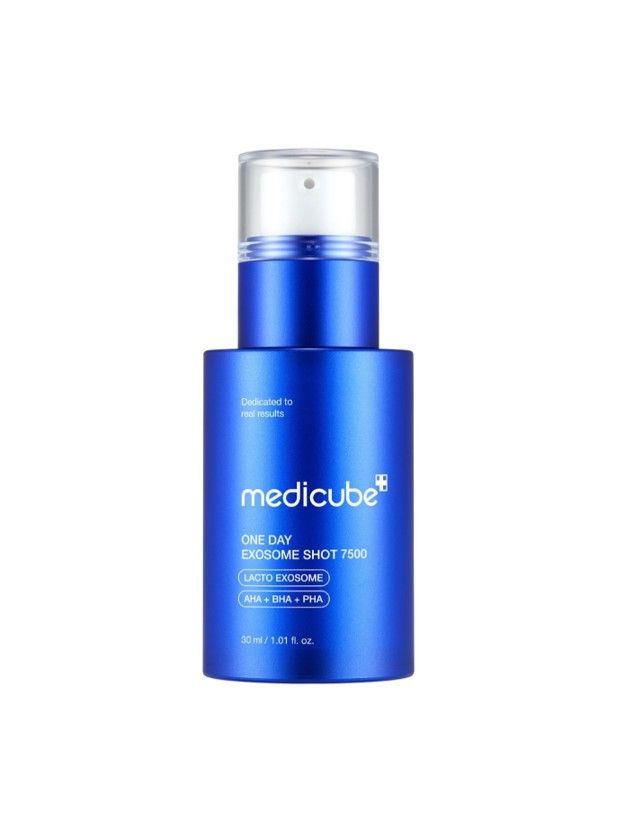
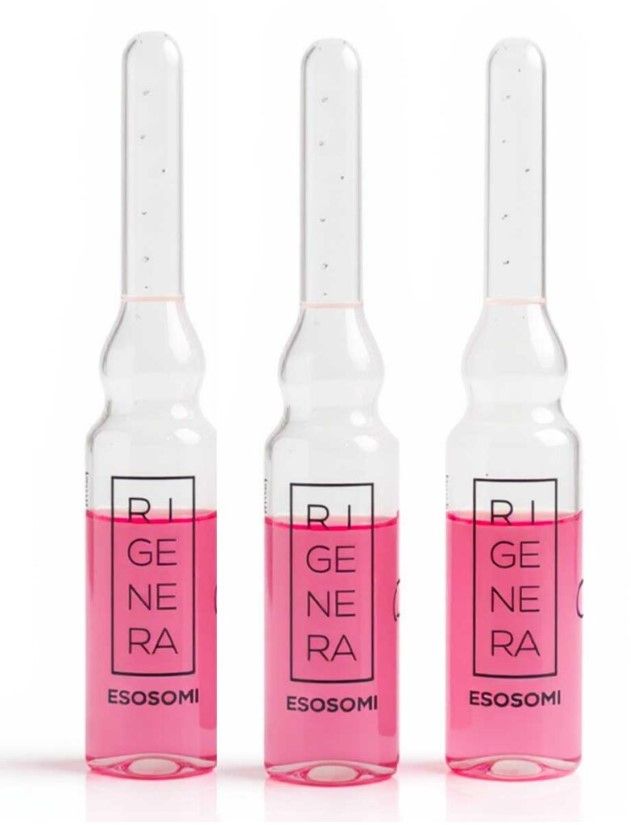
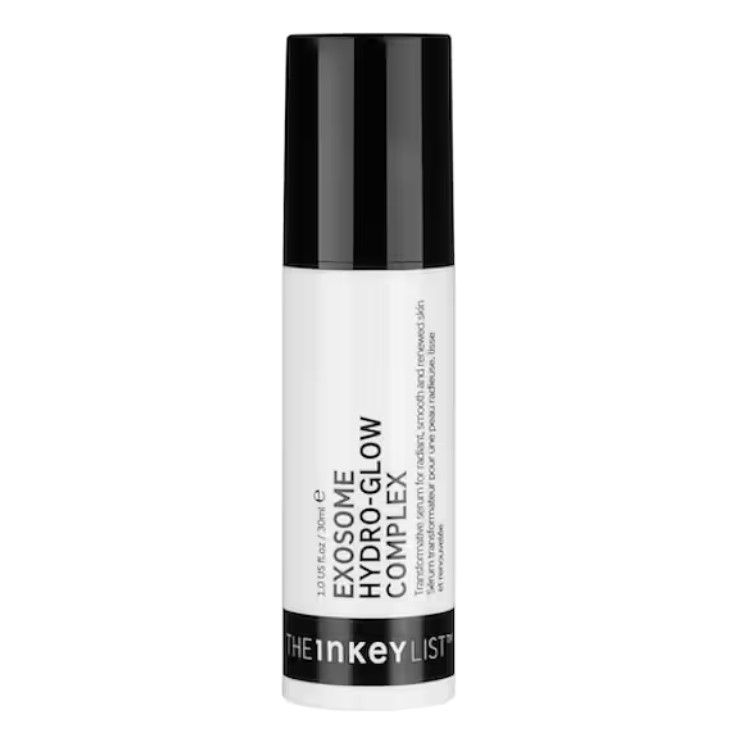
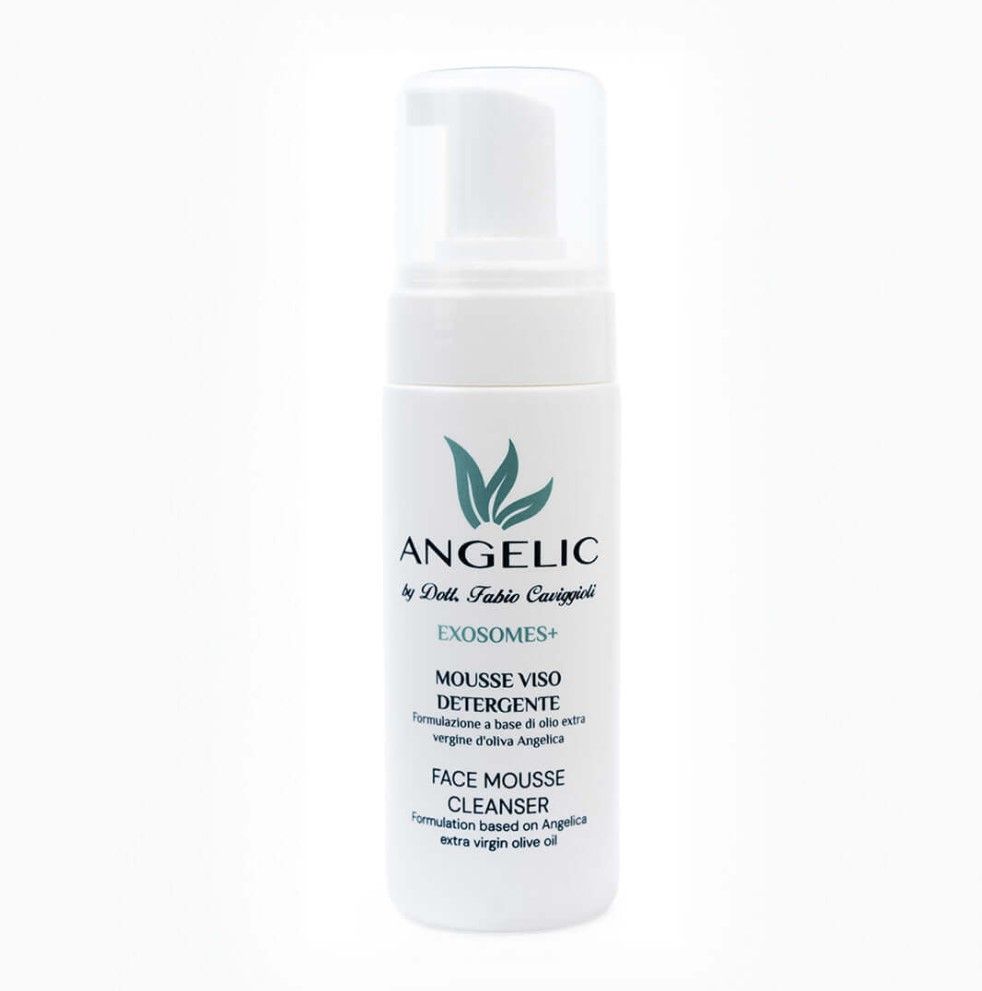
As often happens in beauty, the truth is somewhere in the middle. Exosomes are indeed very interesting biologically, but also extremely delicate. To maintain their efficacy, they must be carefully stored and formulated, and it’s not yet clear how well they can penetrate the deeper layers of the skin through a simple cream or serum. For this reason, many experts suggest considering them as a bonus, a sort of enhancer for your skincare routine, rather than a miracle solution for wrinkles and loss of firmness. When used after aesthetic treatments like laser or microneedling, they can give more tangible results by helping the skin heal faster. When incorporated daily, they mainly act as a regenerative support: improving texture, radiance, and helping the skin defend against stress and pollution. In short, exosomes aren’t a fountain of youth, but they do represent a step forward toward smarter skincare, where science (finally) matters more than marketing.
Exosomes: not just for skin
Exosomes are also making their way into the haircare world. Here, they are being studied to stimulate follicles, support growth, strengthen bulbs, and reduce shedding caused by stress or genetic factors. Applied in serums or targeted treatments, exosomes can help regenerate scalp tissue and improve hair density and quality. As with skincare, research is promising but still in its early stages.
What to read next

Raye is the protagonist of Zalando's most ambitious cultural project ever
It's called Access All Areas (AAA) and it will take place on April 25 in Berlin

Vanilla fragrances are here to stay
Despite everything, they are still the number one choice among female consumers