





















What is the current state of beauty in Italy? New research by Cosmetica Italia reveals all. Spoiler alert: men's cosmetics are becoming increasingly popular
In a world that creates and unravels at the same speed as an Instagram story, strangled by a complex geopolitical climate, squeezed between wars, tariffs, and skyrocketing energy costs, Italian beauty remains surprisingly solid. While entire industries struggle to get back on their feet, cosmetics keep growing, moving forward with confident stride, without losing their shine, confirming themselves as a pillar of the national economy. The numbers tell a story of extraordinary resilience: the Italian cosmetics industry is expected to reach €17.4 billion in revenue by the end of 2025, up 5.1% from the previous year. A progression that is anything but accidental, the result of an industrial and creative consistency that has kept the sector’s growth among the most stable in Italian manufacturing for the past decade. This is the picture painted by the latest research from the Cosmetica Italia Research Center: exports on the rise, domestic consumption steady, and innovation that moves between ethics, sustainability, and desire. Not bad for a country that too often forgets its own talent.
Exports: the true strength of Made in Italy beauty
If the engine of growth beats strong, it’s because it speaks multiple languages. Italian cosmetics exports remain the backbone of the industry, reaching an estimated value of €8.5 billion, roughly half of total sales, and growing 7% year over year. It’s confirmation that the world continues to trust Italian know-how and production systems. The United States remains the main export destination, followed by France and Germany. But the map of Italian beauty is being redrawn. New territories like Mercosur and India are showing explosive growth, with spikes above 40% in the first half of the year. It’s a clear sign: while other markets chase Korean or Japanese trends, Italy exports a vision of beauty that’s authentic, sustainable, and immune to fashion’s whims. “The national cosmetics sector continues to grow steadily and confirms its strong international vocation,” said Benedetto Lavino, president of Cosmetica Italia, in Il Sole 24 Ore. “The entire Italian cosmetics supply chain is strategic for the country’s economy, capable of generating both wealth and employment,” he noted, while adding that to increase competitiveness, Italy needs “an industrial policy that recognizes our central role and reduces the weight of bureaucracy.” Translation: Italy exports beauty, but often does so with the handbrake on.
Beauty as a daily necessity
Abroad, Italy keeps conquering new fans; at home, growth is slower but steady. The domestic market grew by 3.3%, reaching €8.9 billion, while total cosmetics consumption hit €13.9 billion (+3.7%). Less dazzling than export figures, perhaps, but with a new certainty: with an average per capita spending of €219, cosmetics have become a basic necessity. Even those who cut other expenses rarely give up on a good face cream, shampoo, fragrance, or quality cleanser. Beauty has become both a social and intimate language, a daily ritual that persists even through economic uncertainty. It’s not just about appearance anymore, but about balance, self-confidence, and identity.
Where Italians buy beauty today
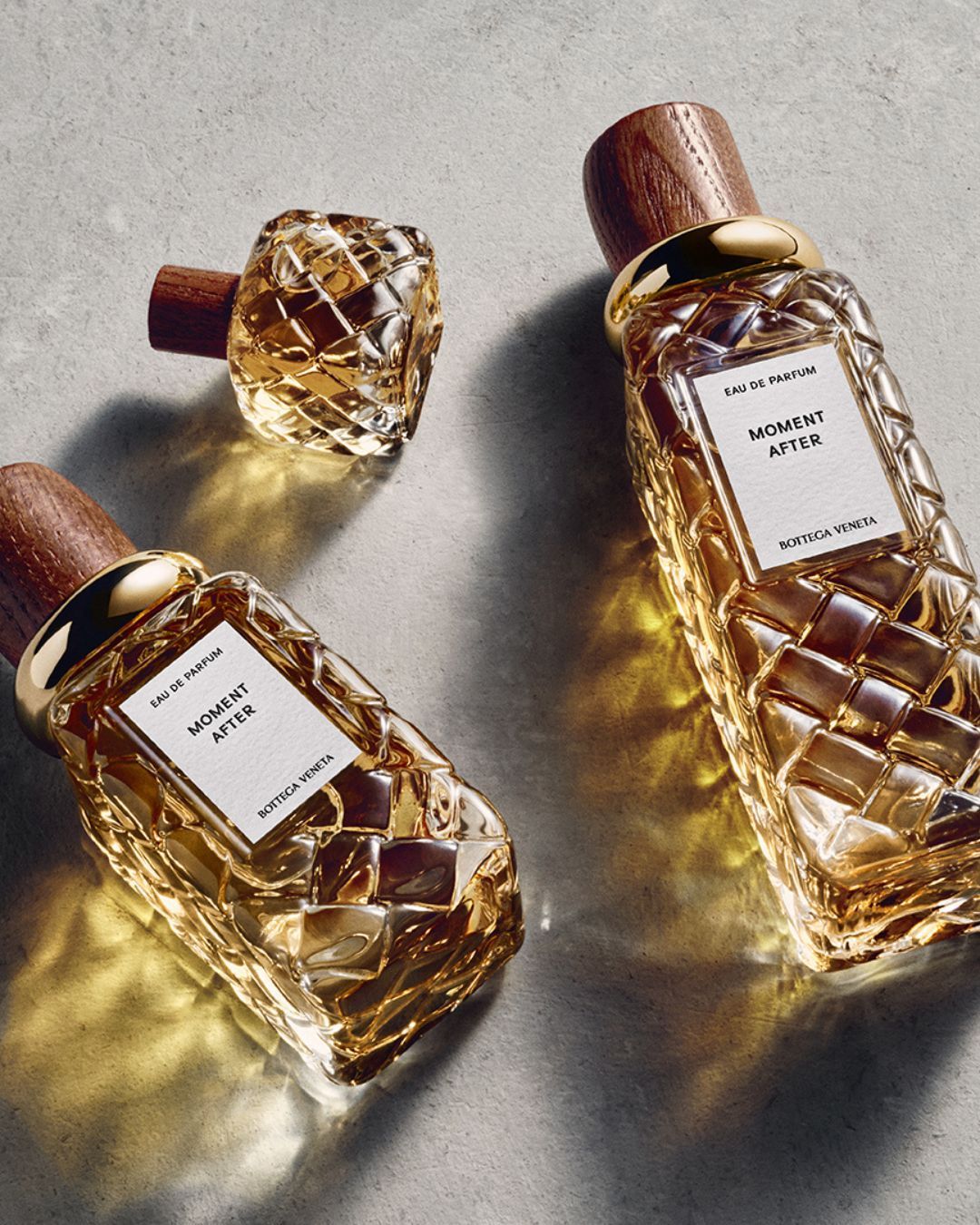
The digital revolution has also transformed the Italian vanity table. E-commerce beauty is up 9% from 2024, confirming its dominance as the fastest-growing channel. But it’s not just about clicks. Behind this growth lies a new kind of consumer: informed, curious, and unfaithful to old habits. They buy less, but better, and above all, they demand transparency. Sustainable packaging, traceable ingredients, ethical brands. According to Cosmetica Italia’s 2025 Outlook, perfumeries remain key reference points (+5.8%), spaces where human advice and sensory experience still matter. Pharmacies (+3.3%) strengthen their role in science-backed beauty, while mass retail continues to dominate in volume (+2.1%), despite slower growth. Herbal stores and professional channels (hairdressers and beauty salons) also show positive signs, confirming an increasingly specialized market. When it comes to products, fragrances, hair care, and skincare remain the most dynamic segments.
Men's cosmetics are the new stars
Among the new protagonists of the Italian beauty market stands an unexpected face: the male one. Men’s cosmetics now account for over a quarter of the market, and growth shows no signs of slowing. The modern man no longer sees beauty as taboo but as a form of self-definition. Between skincare, fragrance, and hair and beard care, a new routine emerges, not of vanity, but of wellbeing. As Benedetto Lavino explained to MFF, men today seek effective, high-tech, personalized products, often inspired by dermocosmetics or wellness. It’s a paradigm shift that redefines the entire sector: no longer male or female, but human. Beauty has officially crossed the gender line.
Bureaucracy slows down beauty
Despite the industry’s vitality, Italian beauty is facing a less visible obstacle: bureaucracy. The new European directives, from Green Claims to Ecodesign, and the Packaging and Packaging Waste Regulation, promise sustainability but risk turning into a regulatory maze that stifles innovation. The sector is calling for simplification, clarity, and balance. According to a study by Cosmetica Italia and The European House – Ambrosetti, a smarter regulatory framework could free up resources for cosmetic innovation, sustainability, and employment, generating over €26 billion in additional revenue and more than 50,000 new jobs by 2030. In the meantime, Italian companies keep investing. Cosmetic research represents 6% of total industry revenue, double the national manufacturing average, with growing focus on sustainable transition and environmental impact. Balancing innovation and regulation remains the sector’s most delicate challenge
Italian beauty today
Despite crises and disillusionment, the Italian cosmetics industry stands as a mature, resilient ecosystem, able to reinvent itself between tradition and modernity. And while its future increasingly speaks the language of sustainability and digitalization, beauty today is more than that. It’s a social, economic, and cultural value, a way of seeing and shaping the world. And Italy, a country that has always turned beauty into craftsmanship, seems to understand this better than anyone else. Because if the world unravels at the speed of a story, Made in Italy beauty keeps on lasting, stubbornly, 24 hours a day.
What to read next
"The true success of a fragrance lies in balance"
Interview with Vanina Muracciole, independent perfumer at Jeroboam

Femicide exists: why language serves to name violence
A reflection following the controversial statements by Roberto Vannacci