












The endless courtship of the modern consumer Why brands must learn to be loved, not just chosen
There was a time, not too long ago, when brand loyalty resembled a stable relationship. You liked it, you chose it, you trusted it. A perfume, a handbag, a lipstick: quality, heritage, and the implicit promise of always being there. Then, crack. Something broke. The economy began to limp, prices ran faster than desires, and consumers, suddenly aware of their own power, decided to change the script. No longer loyal, but free. Mobile, informed, demanding. They don’t belong to anyone, but they let themselves be courted. They observe, evaluate, decide. And if they stay, it’s because it’s worth it. Welcome to the era of constant courtship, where consistency weighs more than any advertising campaign and authenticity is the strongest currency in circulation. The new frontier of customer engagement is played out here: in the emotional relationship between brands and people. Companies no longer just have to persuade or sell. Now, they must share, listen, and earn attention. This is confirmed by the latest BoF survey, which captures the revolution underway.
Loyalty is no longer automatic
As we anticipated earlier, brand loyalty today has evolved from an automatic behavior into a conscious, and often ruthless, evaluation. Every interaction with a brand has become a daily referendum on its credibility, values, and ability to remain relevant. According to The State of Fashion 2025 report, customer acquisition costs have risen by 60% since 2017, while loyalty is crumbling under three converging pressures: economic uncertainty, heightened value sensitivity, and rising quality expectations. The first pressure is macroeconomic. Inflation and instability have made consumers more pragmatic, with 64% of U.S. shoppers in 2024 choosing cheaper alternatives, often sacrificing their favorite brands. But it’s not just about price. The perception of value has changed. Today’s consumers want to “maximize meaning,” not just savings. The second pressure is value-based. Brands must reflect those who choose them, not just offer an ideal. From sustainability to representation, consumers seek cultural resonance. Finally, the third pressure is qualitative. Customers no longer judge a product only for its functionality, but for its emotional and symbolic durability. When these three axes fall out of alignment, trust cracks. Remember the case of Youthforia? It exploded in 2021 for its inclusive message, but a single foundation line perceived as non-inclusive was enough to destroy it all. Sales plummeted, and it shut down in August 2025. In the post-digital market, inconsistency is fatal, and that applies even to luxury giants. The new imperative is clear: loyalty is earned over time but lost in an instant. And what protects it is not price, but transparency.
The paradox of personalization
Personalization is the magic word of modern marketing: it promises tailor-made experiences, yet it hides a paradox. We live immersed in hyper-personalized environments, from Netflix to TikTok, where everything is “custom-fit,” designed just for us. Or at least, it should be. Because behind the illusion of the perfect algorithm, many brands stumble. In 2025, 79% of marketers surveyed by Braze admitted they don’t truly understand their customers. Scattered data, outdated systems, regulatory labyrinths (from Europe’s GDPR to California’s CCPA), the result is a global puzzle. And yet, when it works, it’s a powerful lever. Yoox-Net-a-Porter reduced returns by 25% and increased conversions by 28% thanks to digital twins developed with Deepgears. In the beauty sector, personalization meets sensory limits: how can you translate fragrance into data? Brands like Il Makiage and Scentbird are trying, turning emotions into algorithms. The real challenge in the coming years won’t be collecting data, but interpreting it with empathy, anticipating intentions rather than merely reacting to behaviors.
The problem is that attention has shattered
We live surrounded by infinite touchpoints. We’re everywhere and nowhere, scrolling more than we sleep, and every brand must find a way to remain consistent amid all this background noise. It’s the new challenge of omnichannel engagement. On TikTok Shop, you can buy without leaving the video, while forums and threads create micro-worlds that escape corporate control. In these spontaneous spaces, brand reputation is built, or destroyed, in real time. TikTok Shop, for example, became in 2025 the second-largest beauty e-commerce platform in the UK, with over 70 million products sold in a year. Consumers are now channel-agnostic, and their loyalty is measured by the smoothness of the journey, not the point of purchase. As Meredith Mitchell of Braze emphasizes, the new luxury is relevance and timeliness.
Technology, synergy, and emotional intelligence
Brands collect mountains of data, but few translate it into meaningful action. Platforms like BrazeAI use reinforcement learning to decide in real time the best message, channel, and timing for each user. The results? Up to +92% in conversions and +120% in revenue per user. The case of Erewhon is emblematic: it created over 30 personalized customer journeys, each designed for different wellness goals. Continuous dialogue, a living relationship. The integration between physical stores and digital (phygital) is also crucial, as H&M shows with its experiments in sensors and environmental intelligence. Artificial intelligence plays a key role as an amplifier: anticipating needs, detecting signs of churn, and personalizing conversations. But technology alone isn’t enough. Human synergy is needed, united teams, shared vision, coherent storytelling. Brands like e.l.f., Glossier, and 111Skin have proven that loyalty is built through experiences, not discounts: digital treasure hunts, personalized push notifications, exclusive consultations, post-purchase engagement. This is how the bond becomes emotional and resistant to economic cycles.
What is engagement in 2025?
Perhaps the truth is this: loyalty isn’t dead, it’s just gotten smarter. It has become selective, fluid, relational. It moves between brands and channels with the ease of someone who knows how to choose, yet with the awareness of someone who demands reciprocity. Today’s consumer doesn’t want to be held back, they want to be recognized, and above all, respected. In this new balance, loyalty is no longer measured by repeat purchases, but by the quality of the experience and a brand’s ability to respond to emotions, not just needs. It’s a cultural shift before an economic one: from ownership to connection, from blind identification to conscious collaboration. Those who will win this game won’t be the ones who shout the loudest, but those who build trust transparently and continuously, adapting without losing their essence. Because, in the end, the consumer isn’t fickle, they’re evolved. And if they switch brands today, it’s not out of whim, but out of coherence. In a world where competition is one click away and attention lasts as long as a reel, the truest form of luxury is authentic connection. Loyalty today cannot be bought, it must be cultivated. And those who know how to nurture it, day after day, will discover that, despite everything, love for a brand can still endure, as long as it’s mutual.
What to read next
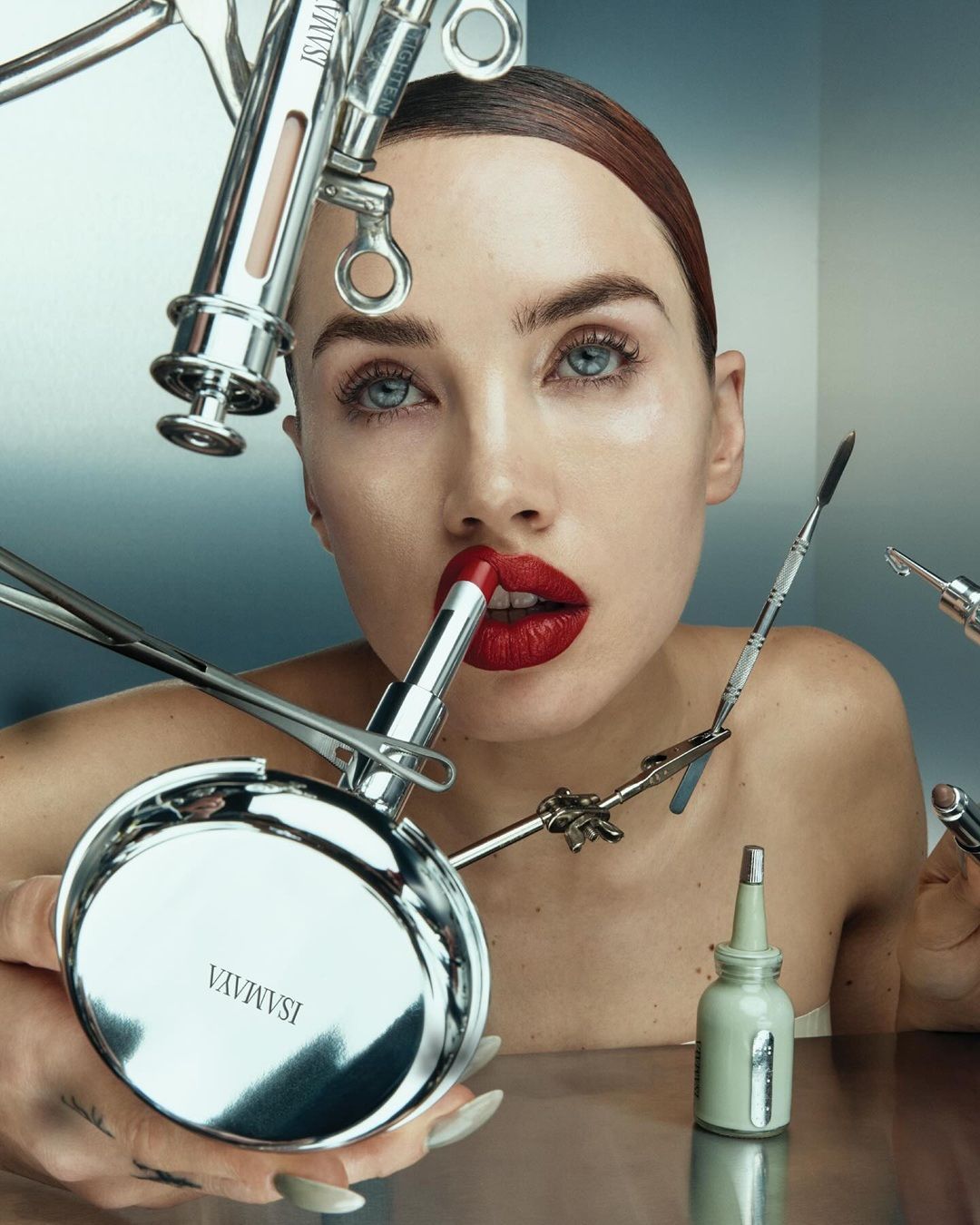
What's going on with Isamaya Ffrench and her brand?
The British makeup artist is reportedly set to leave the brand as early as 2025
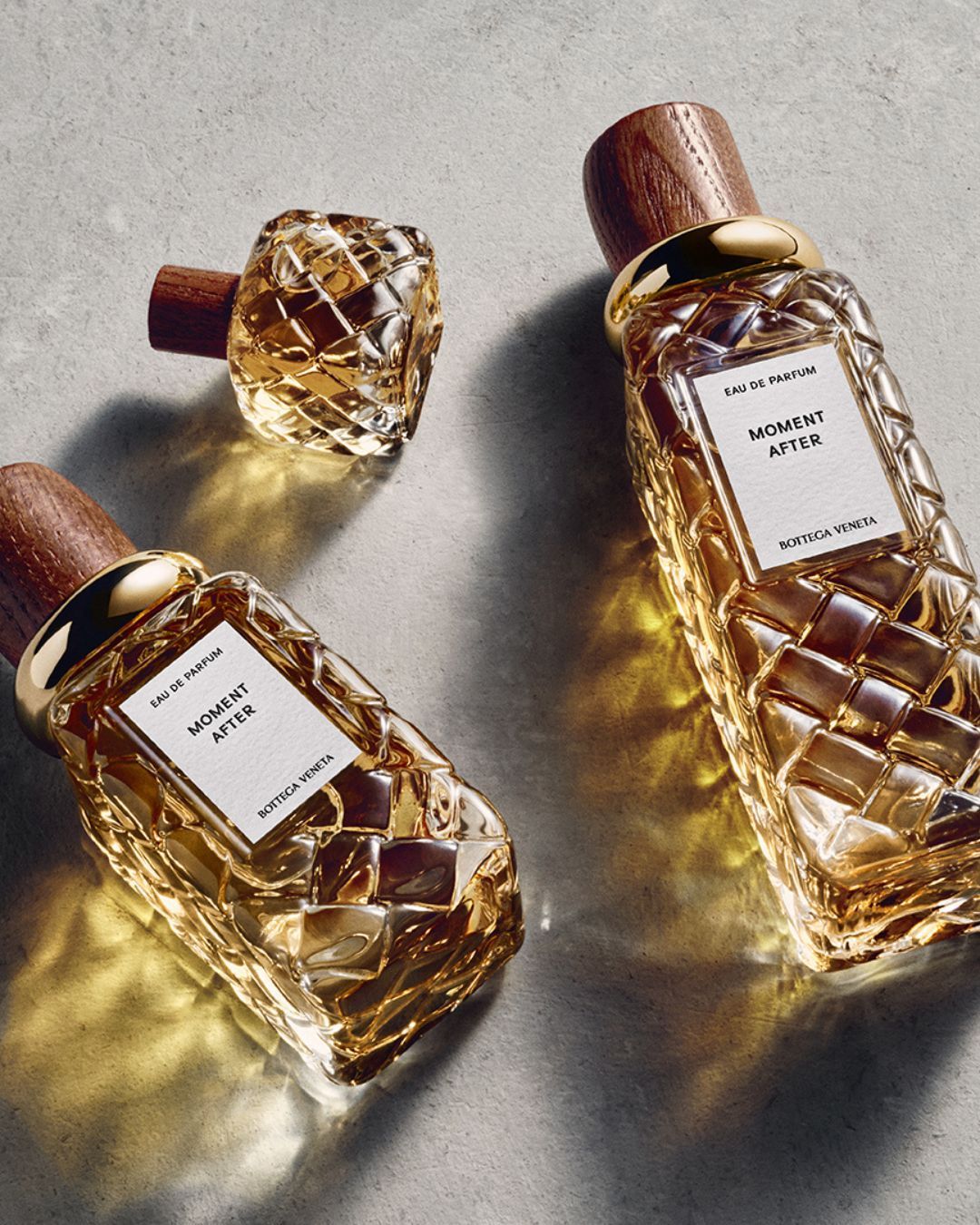
Bottega Veneta launches Alta, a new fragrance collection
Composed of ten original Eau de Parfum