







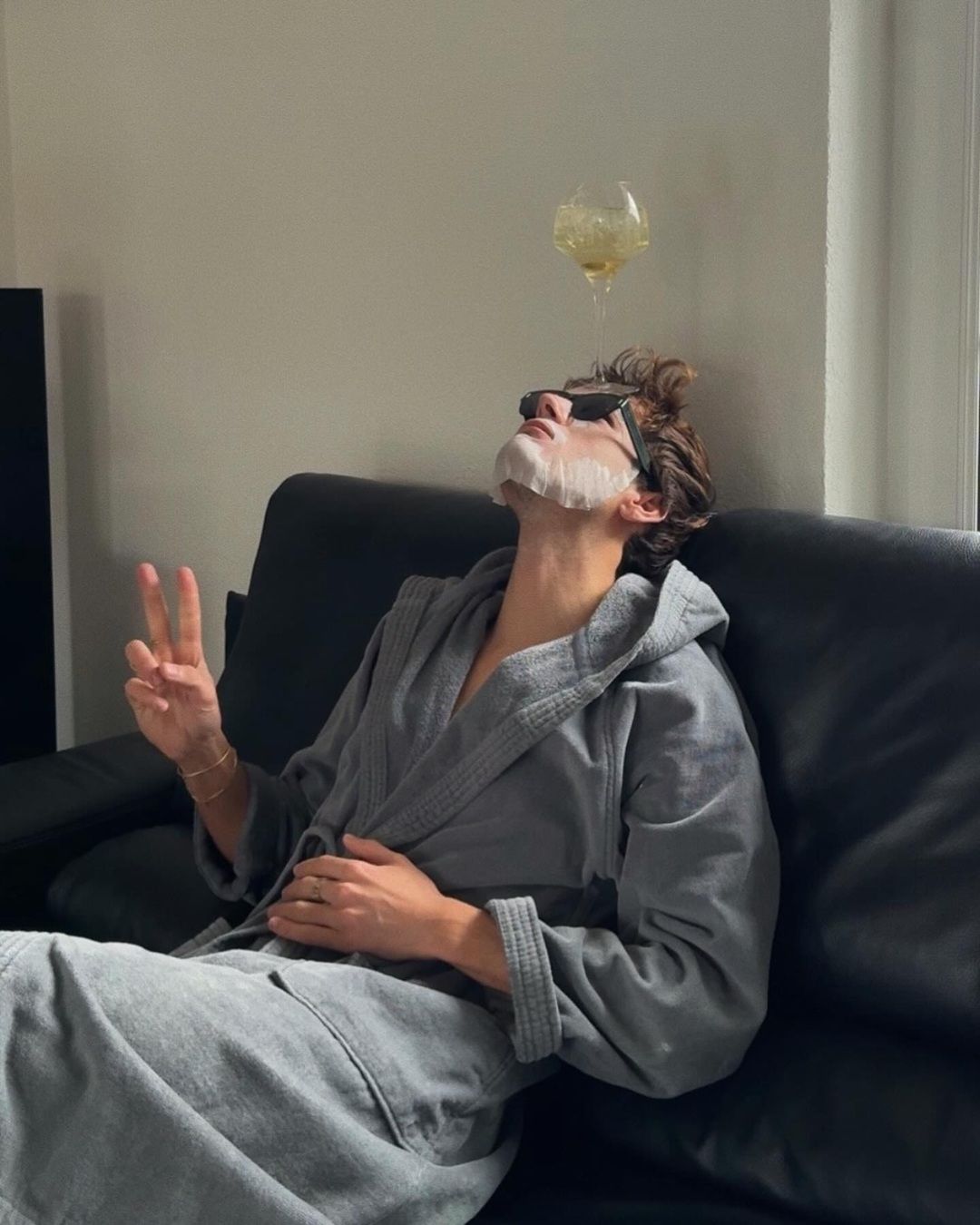
Men, pilates, and protein shakes: anatomy of the new male wellness And how brands seek to understand, communicate, and capitalize on the new language of male wellness
Once, a cheap bar of soap and a bottle of “2-in-1” shampoo were enough to feel ready. Self-care for the average man used to be a matter of minutes, done in silence, between a glance in the mirror and an automatic gesture. No one really talked about wellness, and if they did, it was to dismiss it. That was spa talk, something for women’s magazines, something for others. Then something cracked. That functional, stoic model of masculinity began to falter, to question itself, to reshape. In its place, a new wellness grammar emerged: complex, multifaceted, sometimes contradictory, made of grooming rituals, wearable technology, biohacking, and personalized supplements. Today, body care and mental health are no longer just individual practices. They're increasingly a statement of belonging, a cultural, political, and existential expression, a way to define one's place in the world. For wellness brands, navigating this fertile but slippery terrain means interpreting a cultural identity crisis, a widespread desire for control and recognition, and translating it into products, messages, and communities. How are they succeeding?
Wellness for men today
The male body is a project
Forget the old obsession with six-pack abs. Or rather, don’t forget it, reinterpret it. The pandemic accelerated a shift already underway. Isolation, mental fragility, and a reordering of priorities led millions of men to explore new ways to take care of themselves. The numbers confirm it. According to McKinsey’s Future of Wellness report, 84% of Gen Z and millennial men rank wellness as a top priority, more than women. Pinterest has seen a boom in male searches for fitness, functional foods, and self-care rituals. The message is clear: wellness has become a shared code. And it’s not just young men. Older men, once impervious to things like meditation or skincare, are now redefining their relationship with well-being. Supplements, hormone cycles, wearable tech, guided meditations, cold plunges, and personalized micro-routines all contribute to a vision of personal growth that has little to do with vanity, and much more with control and the search for meaning, a rewrite of what it means to be a man, starting with the body. Within this world, new tribes are emerging: from looksmaxxers to followers of longevity coaching, from Andrew Huberman fans to spiritual gym bros who combine squats with inner silence.
@healthyhustlerr Learn how to make physical activity a part of your day and improve your overall well-being #healthylifestyle #fitnessmotivation #cardio #cardiovascular #running #muscle #strength #fitness #fitnessjourney #endurance #activity #movement #cardioexercise #andrewhuberman eredeti hang - HealthyHustlerr
Male wellness as a contradictory language
The performance cult has found a charismatic leader in Andrew Huberman. A Stanford neuroscientist, visibly muscular under a tight t-shirt, with a technical yet relatable tone, he has captivated a massive male audience with his podcast launched in 2021. He talks about the brain, focus, and hormones, like a brilliant friend you just worked out with. Enter the “Huberman Husband”: a new male archetype who wakes up early, plunges into cold water, drinks his protein shake, counts electrolytes, and tracks his heart rate. But also insists, sometimes awkwardly, on persuading those around him of the benefits of his routine. Once there were Stepford Wives, idealized and submissive. Now there's the man trying to optimize every second, competing in a biochemical arena. The competition is still there, but it has changed shape: it’s no longer brute strength, but data, habits, and precision. This conception of well-being as a form of power, selective, aesthetic, hierarchical, and tied to conservative politics, is not the only one emerging. Others see wellness as harmony, clarity, balance, and subtle beauty. Pinterest's first report on men’s trends confirms this: there’s been a surge in searches for hydration, functional foods, skincare, and even men’s makeup and nail art. The lines are blurring. Aesthetic self-care is no longer seen as a threat to masculinity, but as an extension of one’s identity narrative. Pilates, once a female-dominated practice, is gaining popularity among men. So is climbing, now with a +95% rise in searches related to its style.
Brands as cultural mentors: between storytelling and experience design
In this hybrid landscape, brands can no longer just sell products. They must sell meaning, belonging, and vision. That’s what Julia Alsterberg, wellness curator at retailer Healf, calls the shift from "bulk and basics" to "sophisticated ritual". Protein supplements or multivitamins are no longer enough. The new male consumer seeks transformative experiences, preferably personalized, seamlessly integrated into daily life, and addressing far more than just physical needs. Take Hims, a telehealth brand with over 2.4 million active users. Its strength isn’t just in its broad offer (from erectile dysfunction to hair loss and mental health support), but in its normalizing, accessible storytelling. No shame, no obscure medical jargon, just a direct, human, ironic tone: “Having a problem isn’t weird. Not dealing with it is.” A type of communication that becomes a bridge to male awareness. Brands like AG1, Momentous, and Neuro Gum have also capitalized on ease-of-use and powerful storytelling. These products don’t just promise energy, focus, or gut health, they represent discipline, ambition, and control. A nootropic gum or a pouch of Zyn on a desk can signal a performative identity rooted in productivity and modern masculinity.
Breaking taboos, creating access
The real obstacle to men’s wellness isn’t technological or logistical, it’s cultural. Still today, many men feel shame discussing mental health, infertility, or hair loss. But these very topics, when approached with authenticity, give brands the chance to stand out and form a deep connection with their audience. Brands like Legacy (specializing in male fertility) or Headspace (a meditation and mental wellness app) have built their success on this principle. Headspace, in particular, understood that many men see emotional balance as foreign or even threatening. That’s why it entered the male market through content focused on mental performance: productivity, focus, and stress management. The message? Mental wellness isn’t weakness. It’s a competitive advantage. And it works. Because for many men, well-being is only acceptable if it leads to success. The hope is that, once they enter the world of wellness, men will gain not only muscle and longevity, but also a new mental attitude.
Who speaks matters more than what they say
In traditional marketing to women, the differentiators are often ingredients, formulas, and transparency. In male wellness marketing, however, the decisive factor is often the narrator. Men don’t want to waste time reading labels or clinical studies, they want someone they respect to say: “this works.” That’s why collaborations with figures like Andrew Huberman, Lewis Hamilton, Tim Ferriss, or Joe Rogan have such a deep impact. These men have become not just brand ambassadors, but true cultural curators, archetypes of a new masculinity that combines physical strength, mental awareness, and a performance-driven lifestyle. But there’s a flipside. Choosing the right testimonial is a delicate matter. An endorsement from a polarizing figure, like Rogan, often linked to the darker corners of the so-called manosphere, can generate hype, but also backlash. More than ever, every wellness brand is also an ideological actor. Choosing who represents your product means defining the type of masculinity you aim to promote.
The future is ultra-personalized, ancestral and (maybe) healthier
The future of men’s wellness is becoming more intimate. Blood tests, predictive algorithms, digital consultations, every body with its own protocol. Feeling good is no longer enough. You need to feel unique. Brands like Hims and Healf are already building platforms capable of designing tailored wellness journeys, based on biometric data, hormones, and sleep cycles. But some are looking backwards, to the essential, to the ancestral, to wellness that starts with desiccated liver and ends with NAD+ supplements. The obsession with longevity is overtaking the obsession with aesthetics. Because the aesthetic body is just a by-product. What matters is a body that is regenerated, efficient, and in balance with itself.
The key: listen to Gen Z (and never underestimate it)
At the core of this transformation is a generation that’s rewriting the rules: Gen Z. Their relationship with wellness is neither passive nor commercial. This generation doesn’t just seek products, but tools, languages, and visions to give meaning to their lives and relationships. Even more interesting: their behavior is shaping older generations. The content they post on TikTok, Instagram, YouTube, and Discord influences millennials and even boomers. It’s a bottom-up movement, where self-care becomes self-narration. But there’s an implicit warning: when attention to well-being turns into obsession, and optimization becomes competition, wellness risks becoming the new face of male insecurity. It’s up to brands to act responsibly, offering models of masculinity that are diverse, complex, inclusive, and sustainable, models that help build, not break down. Because today, more than ever, a brand in this space must go beyond selling a product. It must be a strategic ally, a cultural interlocutor, a symbol of possibility. To navigate this shifting landscape, three qualities are essential: empathy, to understand vulnerabilities without judgment; awareness, to know who to speak to and how; courage, to tell uncomfortable truths without fear.